


Climbing & belaying with weight differences: What you need to know
06/26
You don't pick your climbing partner based on what the scale says. Whether it's couples, friend groups, or random teams at the gym – most partnerships come with weight differences, sometimes just a few pounds, sometimes way more. It's totally irrelevant in daily life, but when you're climbing, it becomes genuinely important for safety. The weight ratio between belayer and climber directly impacts how a fall gets caught – and that affects the risk level for both people. Here's what you need to understand about why weight matters when climbing, when the difference becomes concerning, and which techniques and tools can keep you safe regardless.
Why does weight even matter when climbing
In climbing – especially when leadclimbing – safety for both climbers hinges on controlling a fall properly. Two scenarios come into play: the belayer is lighter than the climber, or vice versa. Each situation brings its own challenges.
The first case gets talked about more: when the belayer is lighter and the climber takes a fall, serious force gets transmitted through the last intermediate belay point onto the belayer. They get yanked upward – sometimes just a few inches, sometimes several feet. That's anything but harmless. The falling climber drops farther because of it, the risk of hitting the ground or slamming into the wall goes way up, and the belayer can get injured too when they bang against the wall or intermediate belay.
The reverse situation – the belayer is significantly heavier than the climber – isn't without problems either. The fall often gets caught hard since the heavier belayer barely moves. For the climber that means an uncomfortable, jolting catch with increased injury risk if they collide against rock surfaces. Weight differences aren't trivial; they're a real factor in how you manage the belaying technique.
When weight differences become critical
There's no universal cutoff, but experience and alpine association recommendations give solid guidance. According to the German Alpine Club (DAV), a good rule of thumb: on lead the climber shouldn't weigh more than 1.3 times what the belayer weighs; for top-rope belaying the limit sits around 1.5 times.
In practical terms that means:
Up to about 5 kilograms / 11 lbs difference, you can usually hold falls safely without special measures.
Around 10 kilograms / 22 lbs difference things get noticeably harder – you should implement additional precautions.
Beyond 15 kilograms / 33 lbs difference, solid technique alone typically doesn't cut it anymore – that's when specialized tools become necessary.
Important: these numbers apply to low-friction environments like climbing gyms. On real rock with winding routes, natural rope friction already reduces effective fall force significantly, making even bigger weight gaps totally manageable. Other factors matter too: rope diameter, rope condition and humidity. A thin new climbing rope creates less friction than thicker, older gear. Always make sure your climbing rope and belay device are compatible.
Belay techniques for weight-imbalanced rope teams
Proper technique is your main tool for managing weight differences. Here's what matters:
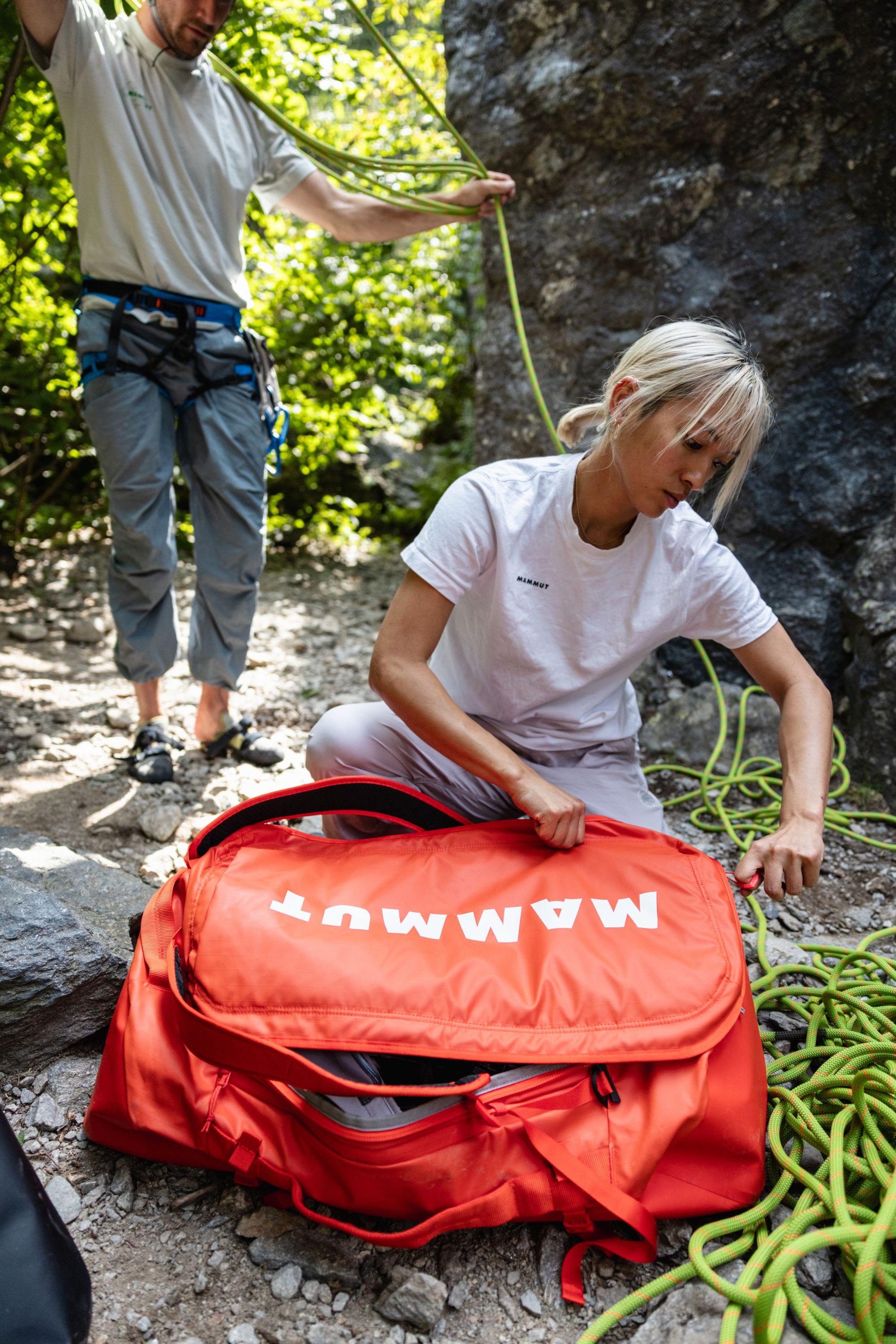
Get into an active stance: The belayer should stand close to the wall, knees and hips slightly bent, eyes on the climber. This position lets them follow a fall in a controlled way.
Belay dynamically: When a climber falls, move with the motion instead of holding against it. This softens the fall for the climber and reduces forces on everyone.
Wear solid footwear: If you're getting yanked upward during a fall, you need to brace against the wall with your feet. Sturdy shoes and quick reactions make the difference.
Avoid slack rope: Excessive slack rope extends the fall unnecessarily. But don't pull so tight that you interfere with the climber when clipping quickdraws.
Stay mentally present: If you know your partner's about to clip the next quickdraw or is about to attempt a dynamic move, you can position yourself accordingly and give out rope quickly.
Tools that help manage weight differences
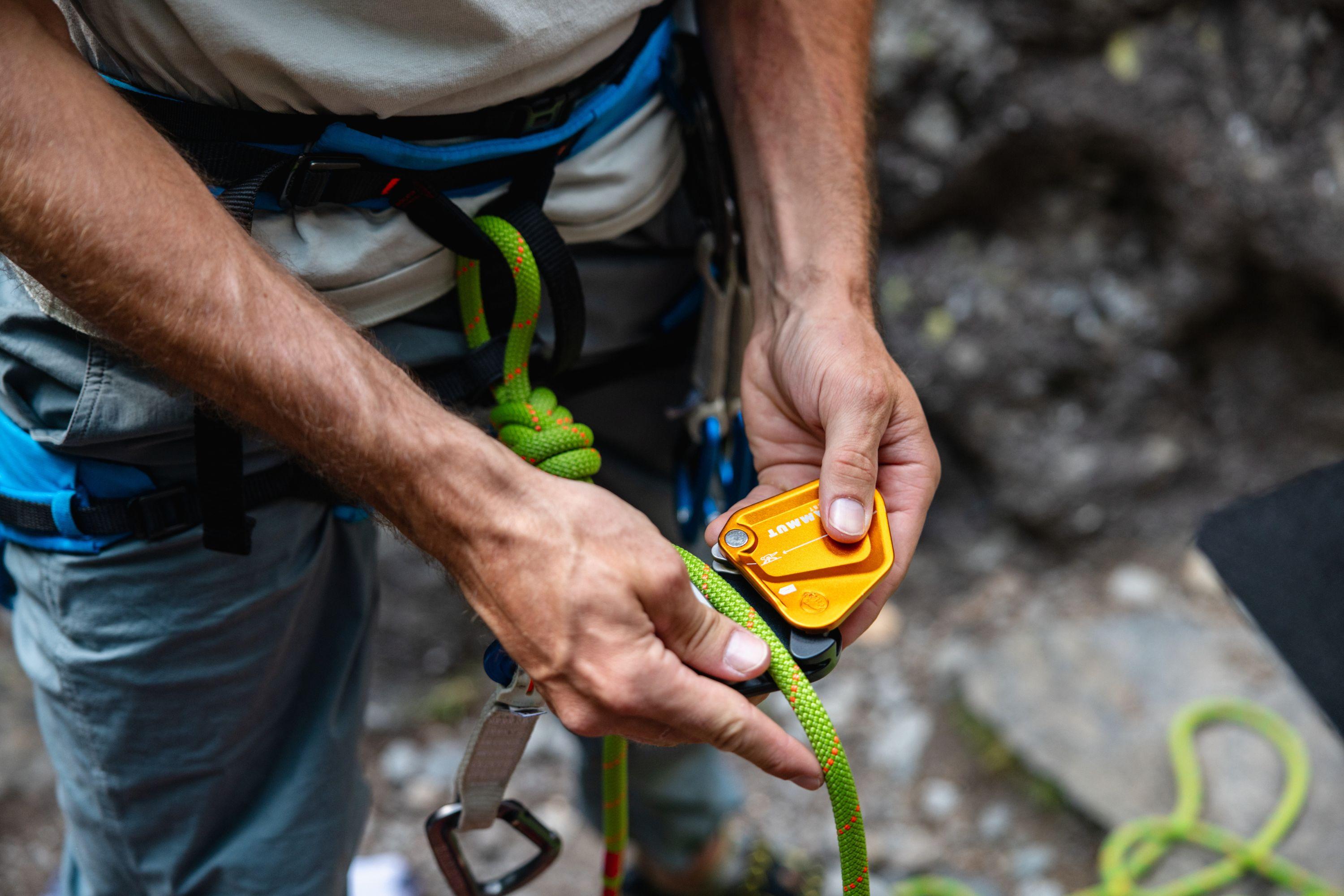
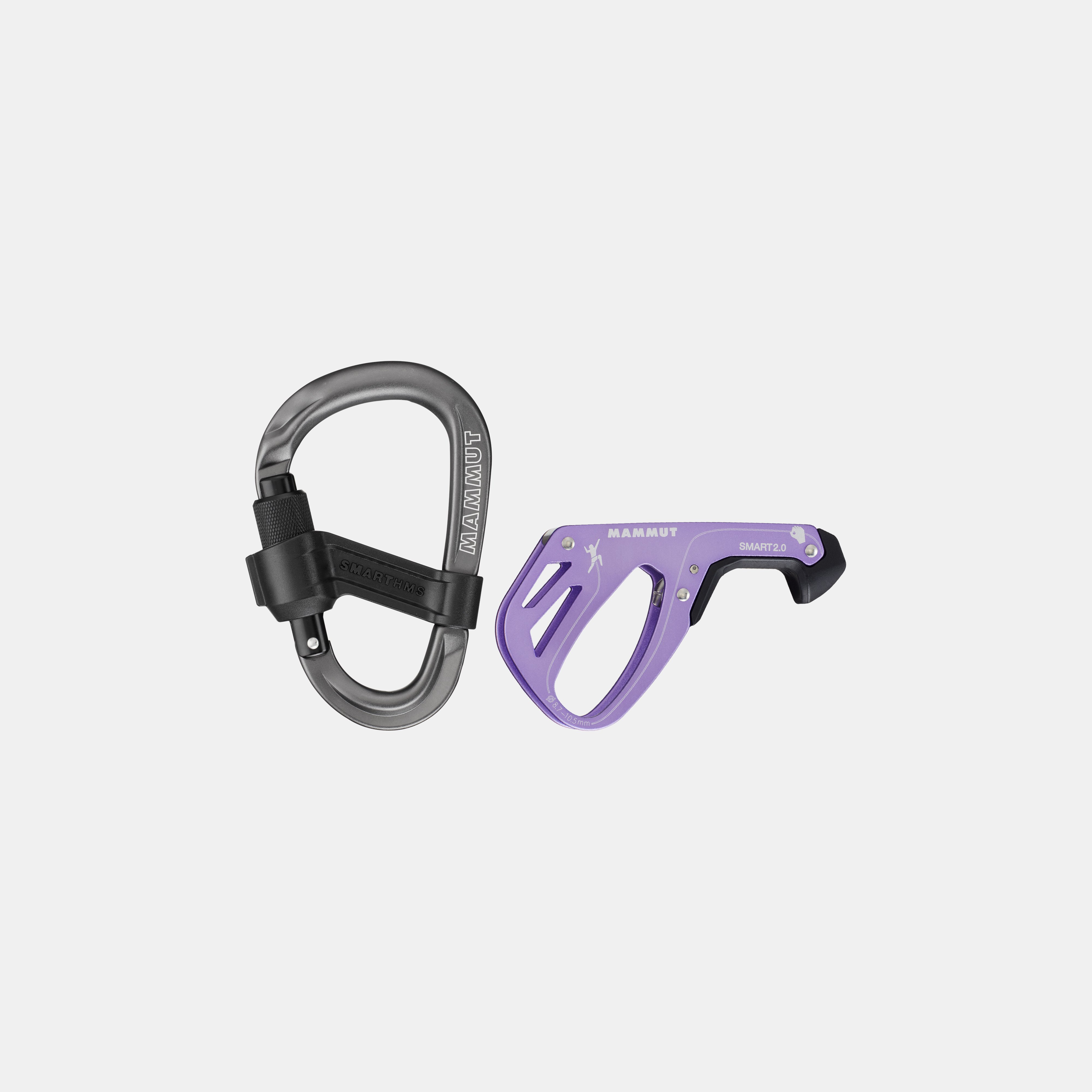
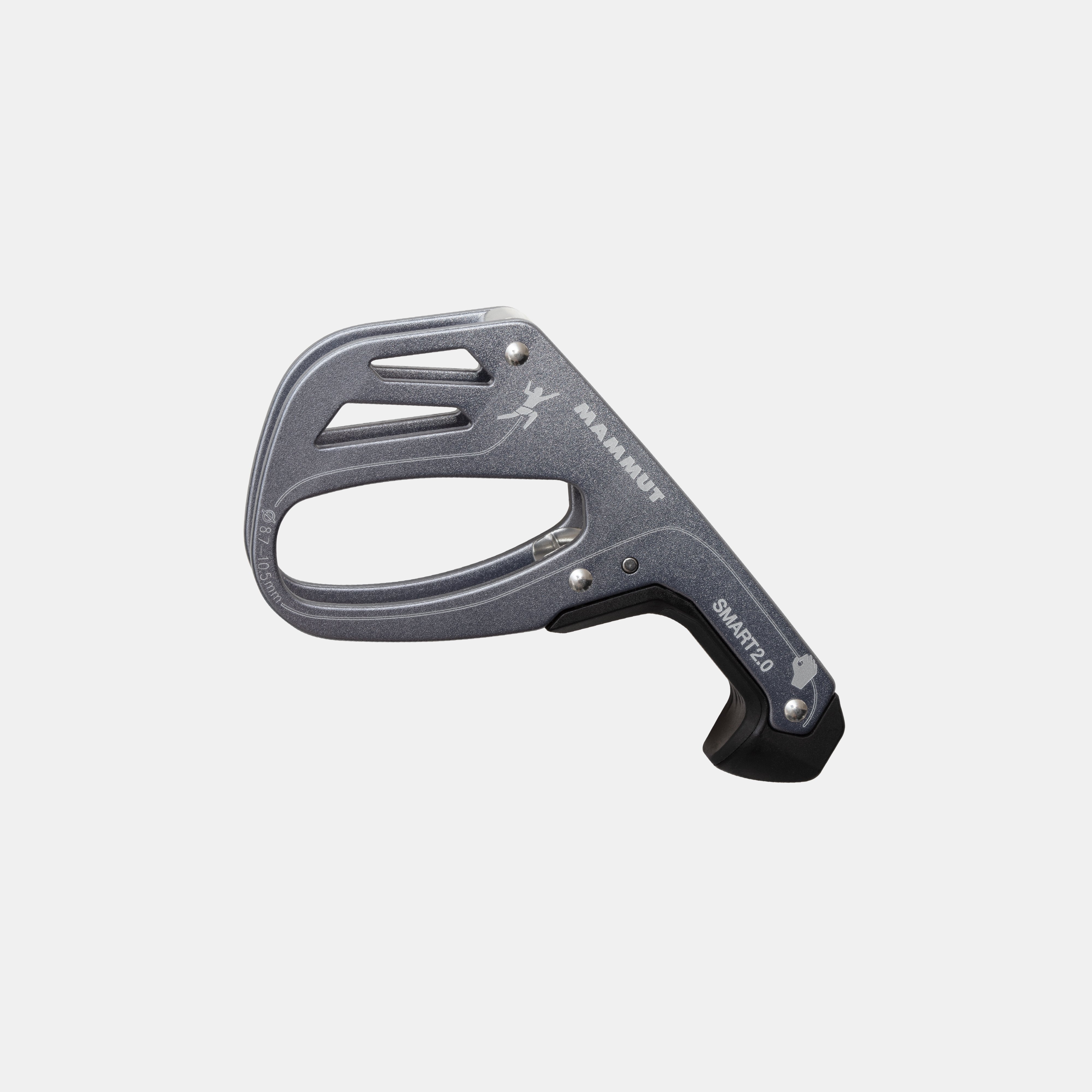
When technique alone isn't enough, specialized gear can bridge the gap. They all work the same way: increasing friction in the system and thus reducing the force which is hitting the belayer.
Friction enhancers
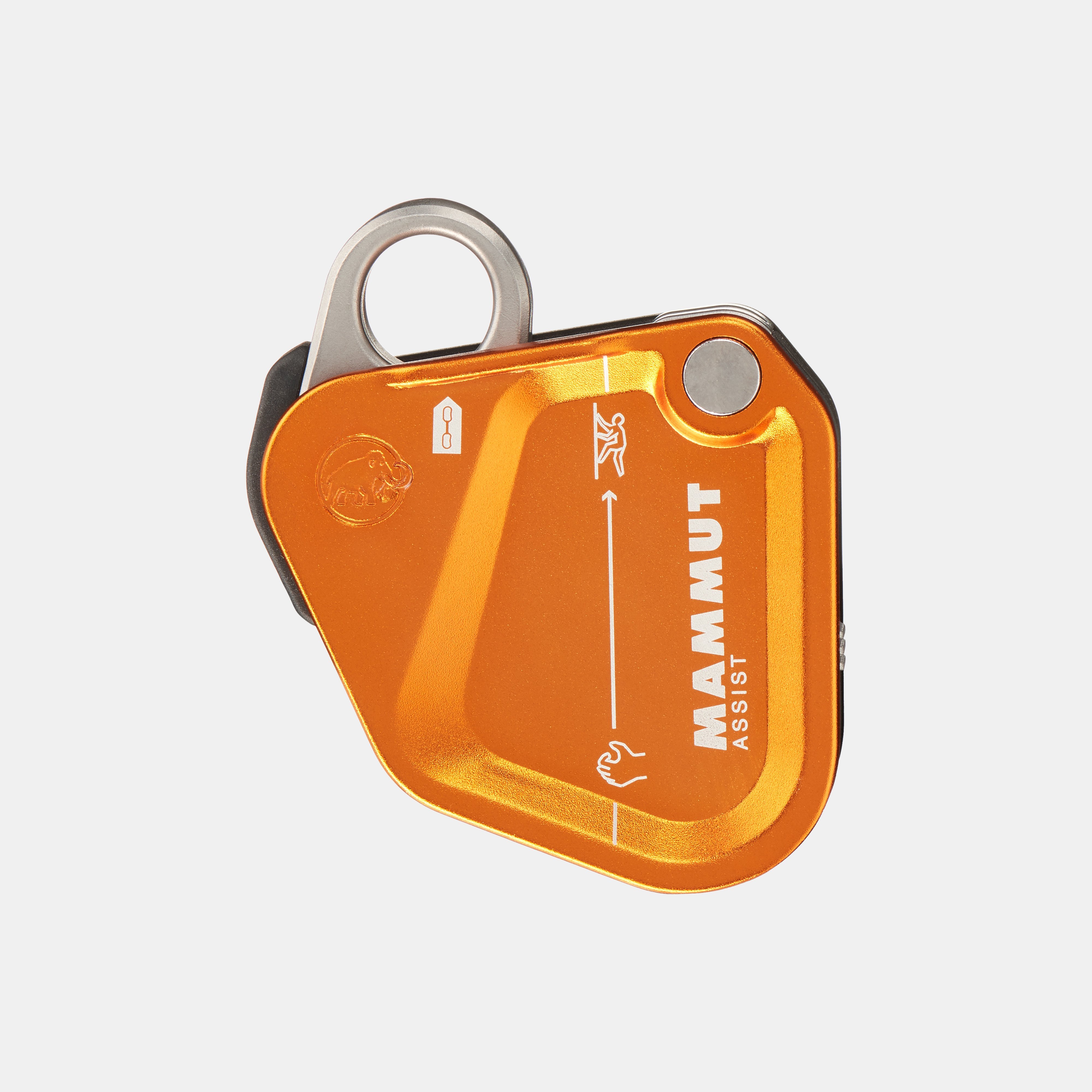
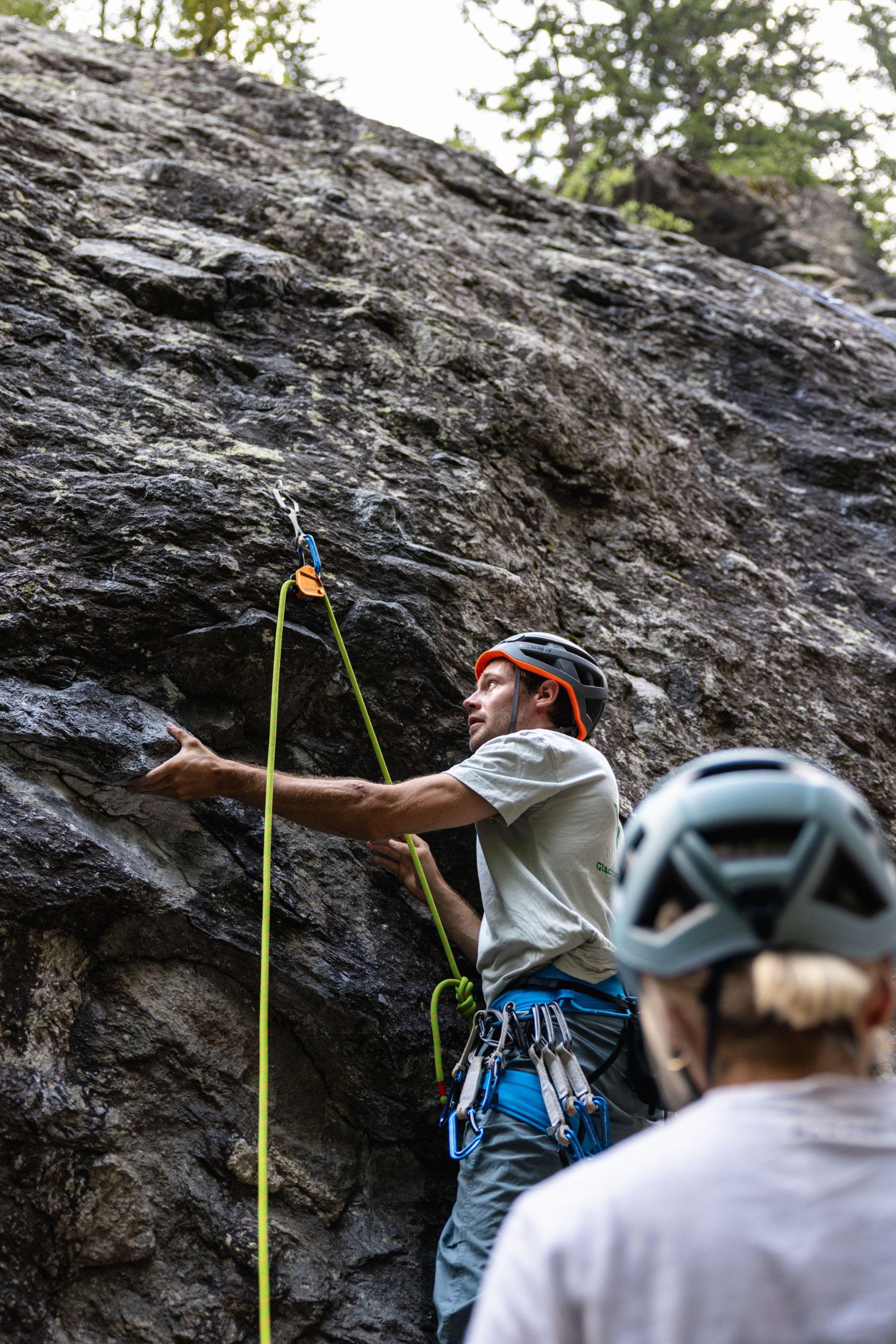
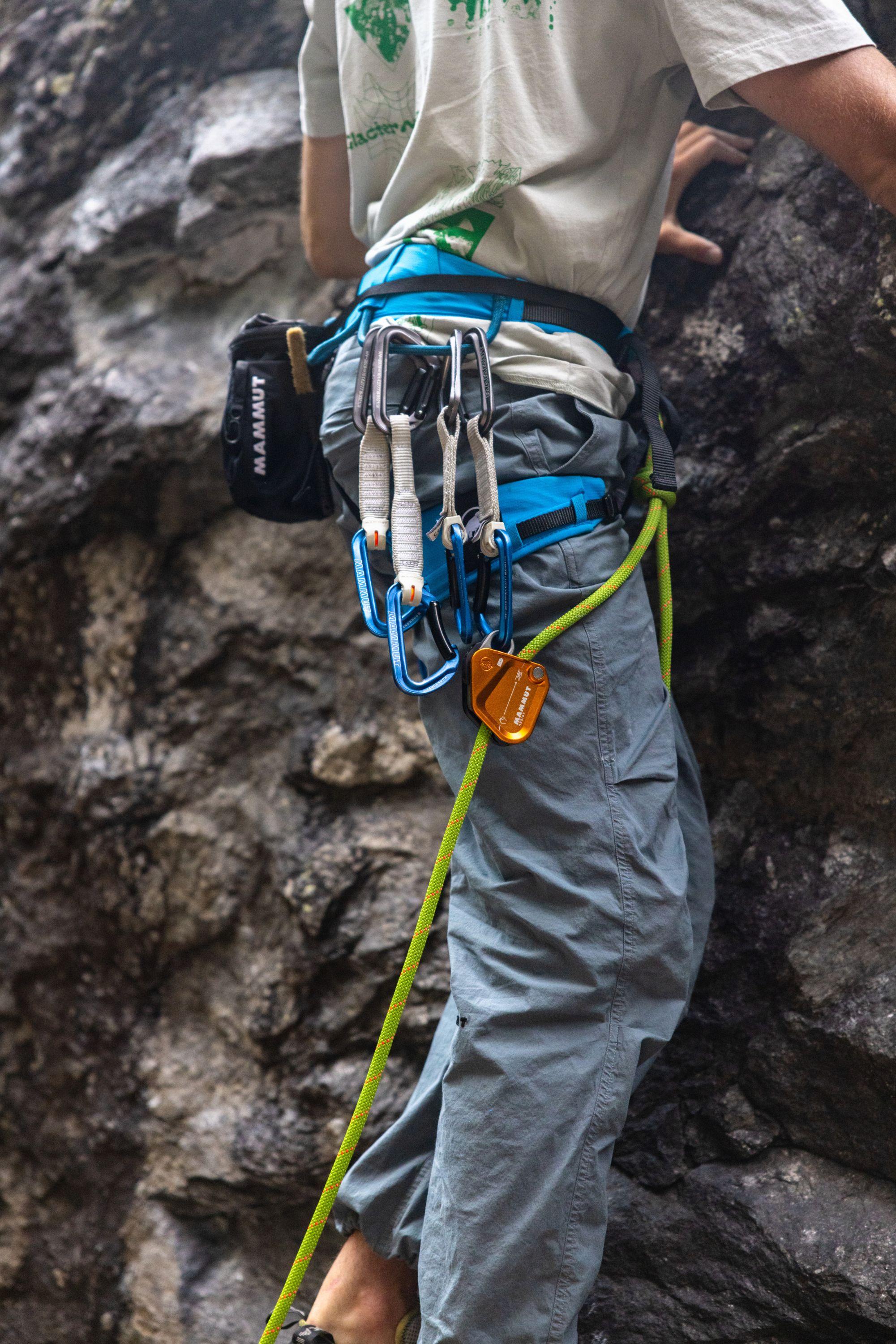
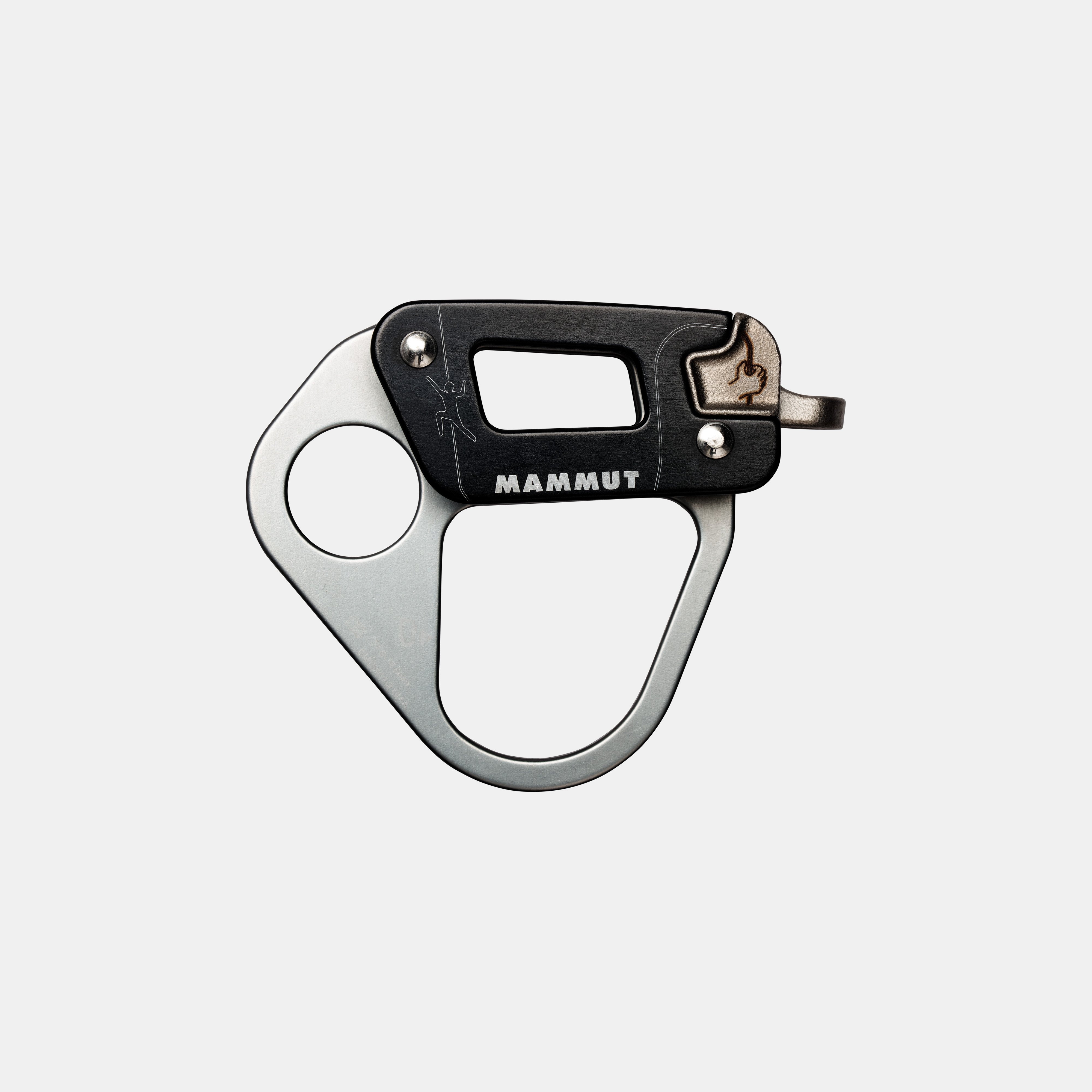
For bigger weight gaps, specialized devices that are clipped directly into the first intermediate belay boost friction in the system. The Mammut Assist Belay Resistor was built exactly for these situations: this lightweight rope friction device is being attached to the first intermediate belay and seriously reduces the fall force reaching the belayer. Now you can belay in a controlled way even with significant weight differences.
Strategic rope routing through curves
You don't always need extra gear to increase friction – you can intentionally route the rope in a more curved path. If the lead climber intentionally clips intermediate belay points in ways that create gentle curves instead of straight lines, more friction can be created and the fall force decreases. The catch: the increased friction makes it noticeably harder for the climber to pull up the rope and clip it, and lowering can also become more difficult. This technique is therefore more of a supplementary measure than a complete solution—and should be used with caution.
Be cautious when self-anchoring to the ground
Anchoring the belayer directly to the ground – for example with a sling on a floor anchor – sounds logical but is not recommended. Depending on where the anchor sits, it can actually become dangerous. If the anchor is too far from the wall or misaligned with the fall direction, a falling climber can jerk the belayer uncontrollably toward the wall instead of letting them move upward. This seriously increases the injury risk and can make the fall brutally hard for the climber. Ground anchors aren't the answer for weight differences and shouldn't be used – if at all – only in specific situations and with extensive experience.
Trust and equipment: The foundation of every rope team
Weight differences aren't a reason to skip climbing together – the opposite, actually. Once you understand the mechanics, use proper techniques, and deploy the right tools, you can climb safely and relaxed even with significant weight gaps. The key is not underestimating the issue.
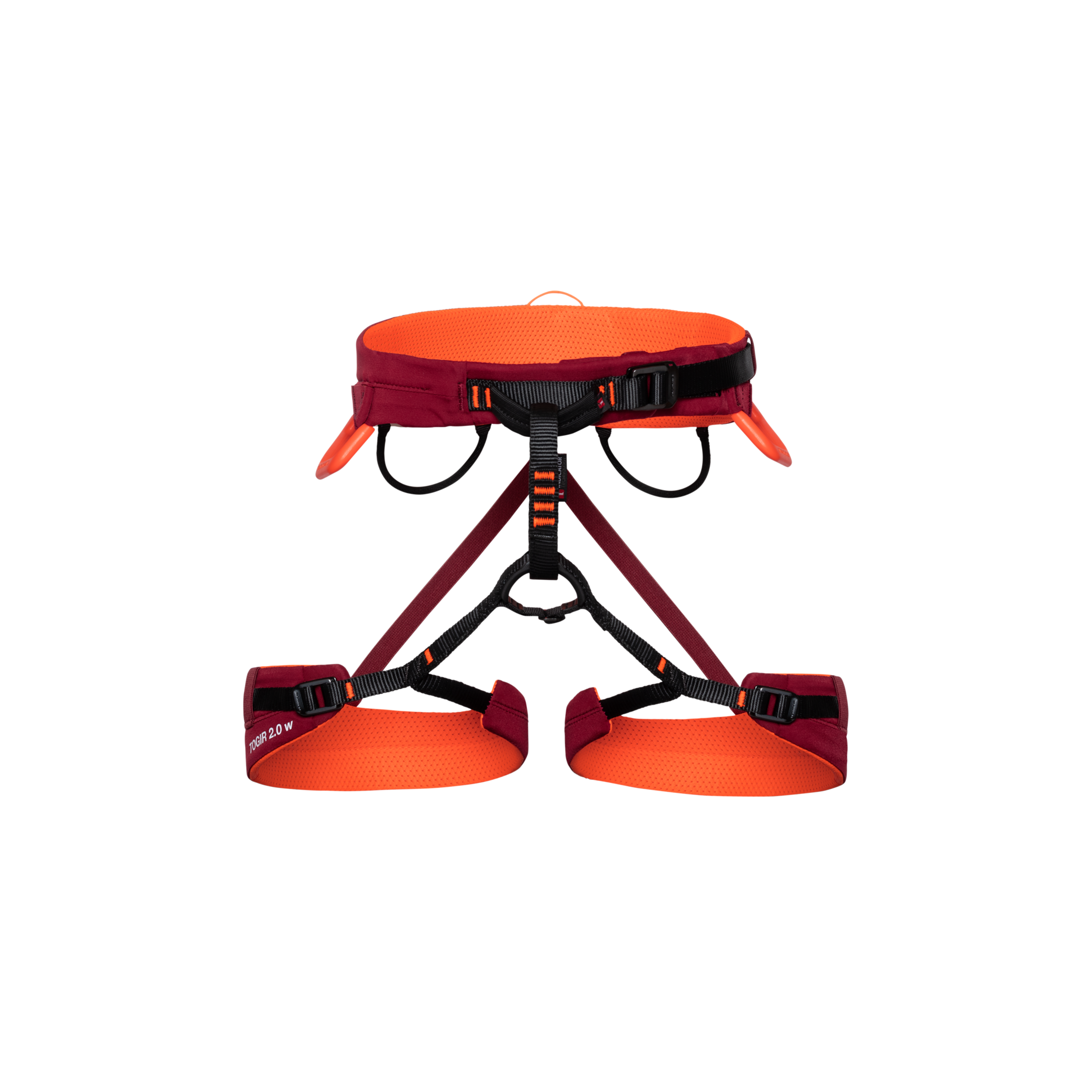
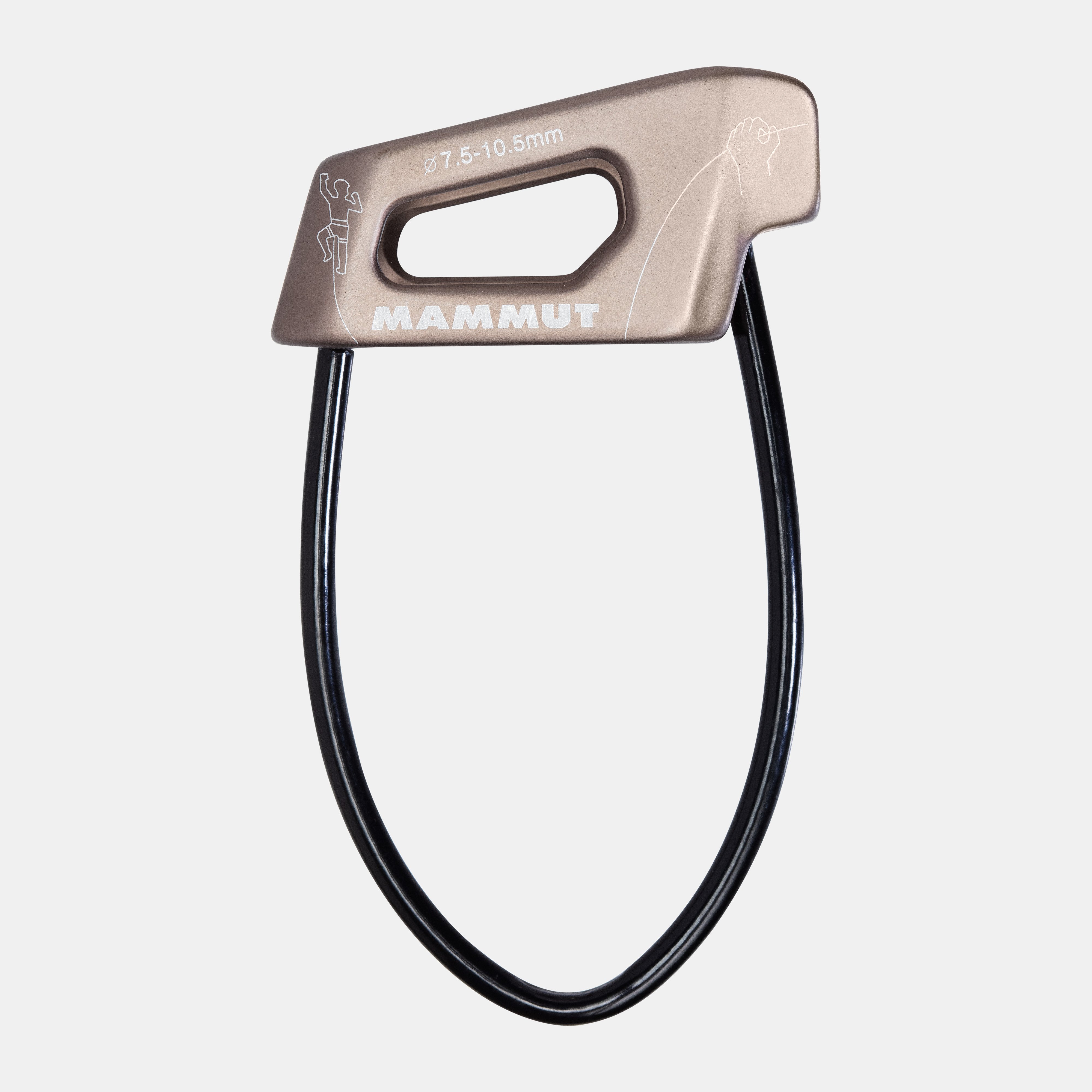
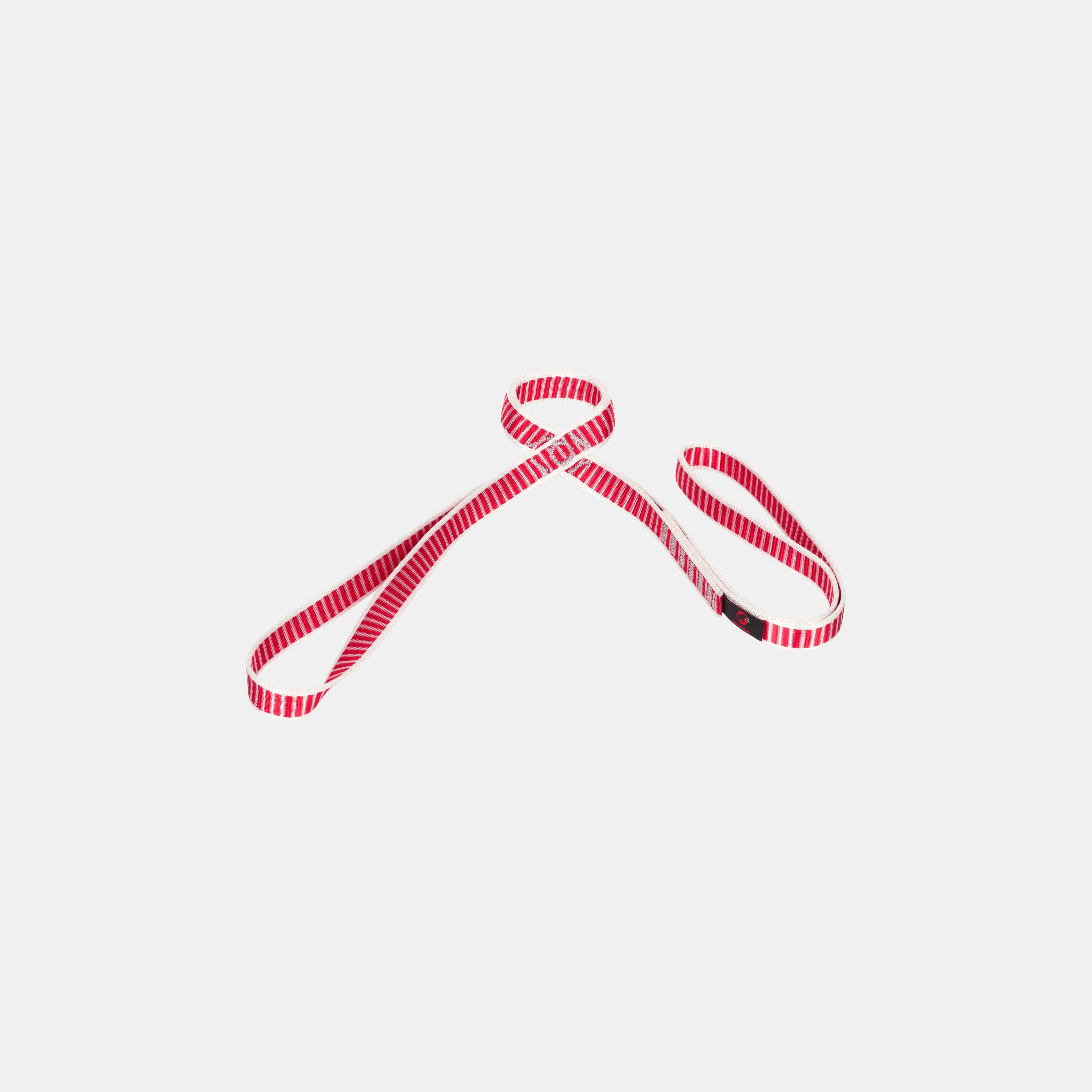
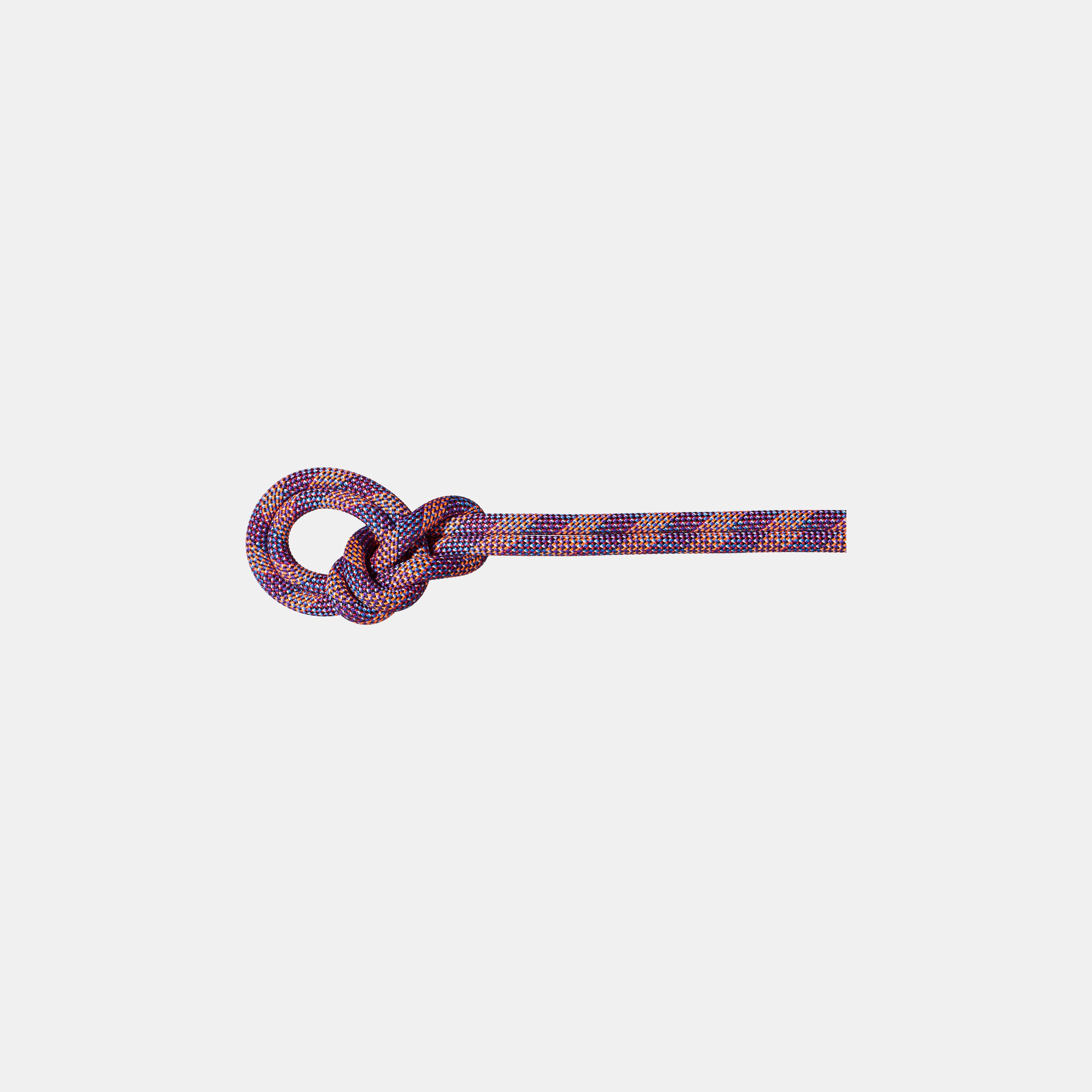
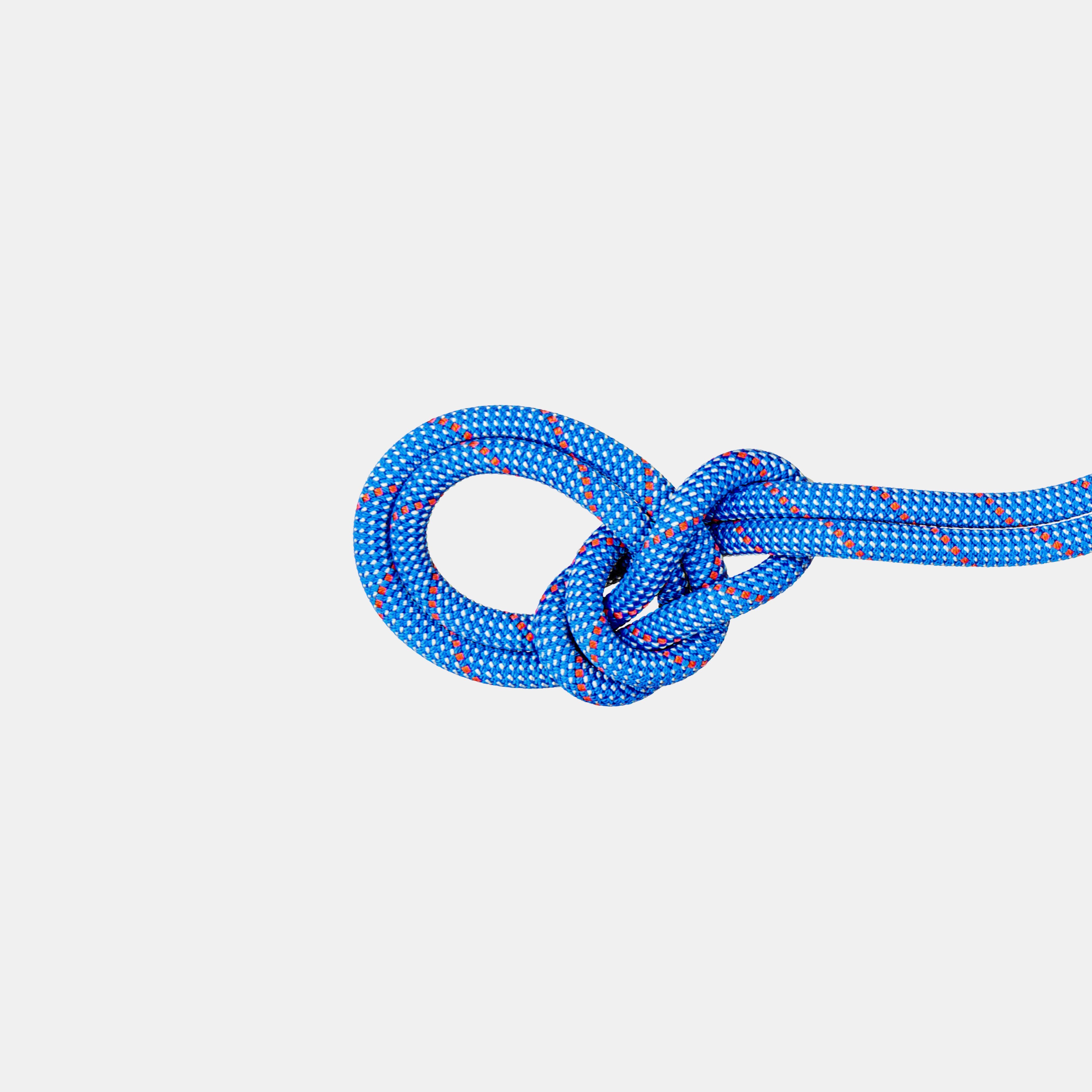
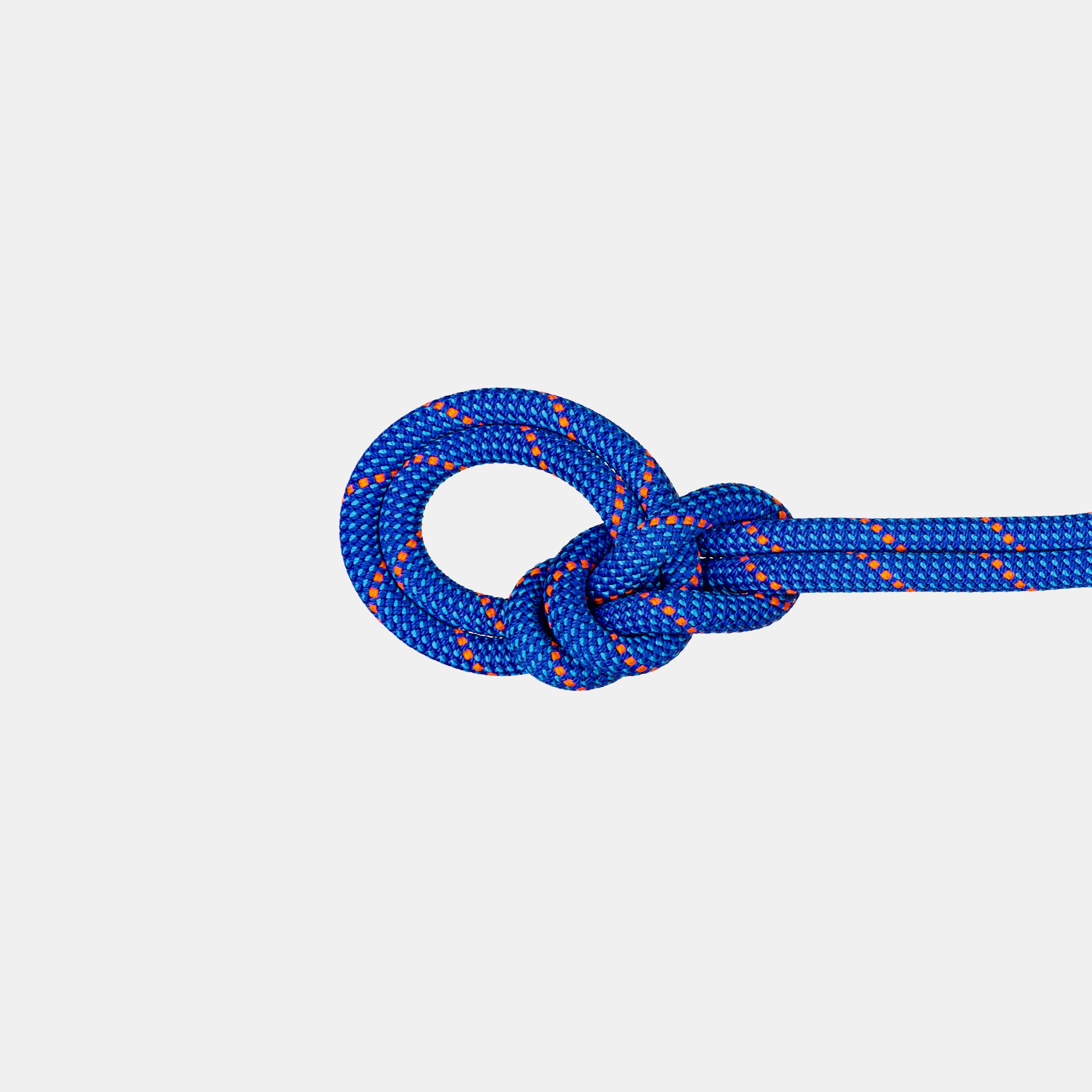
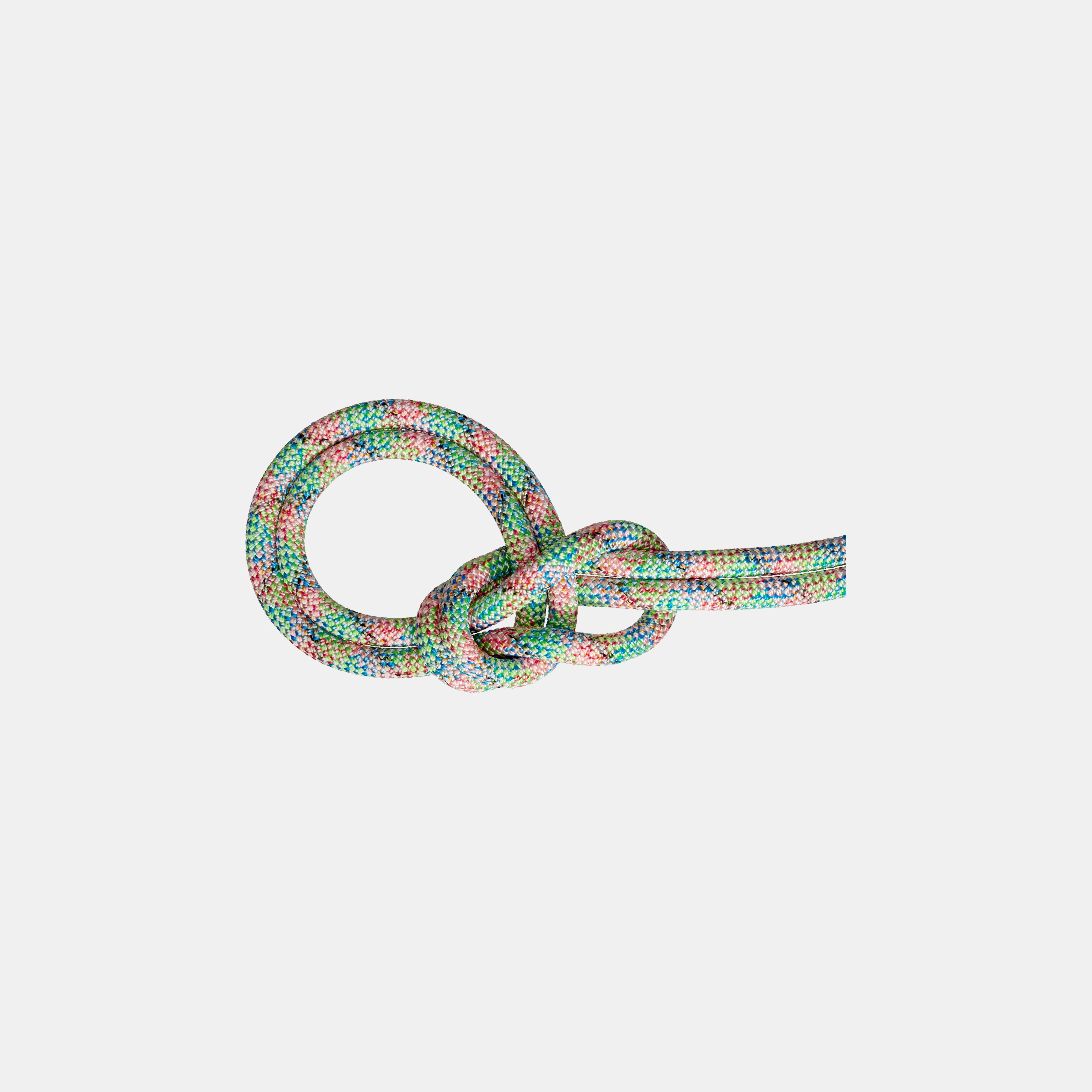
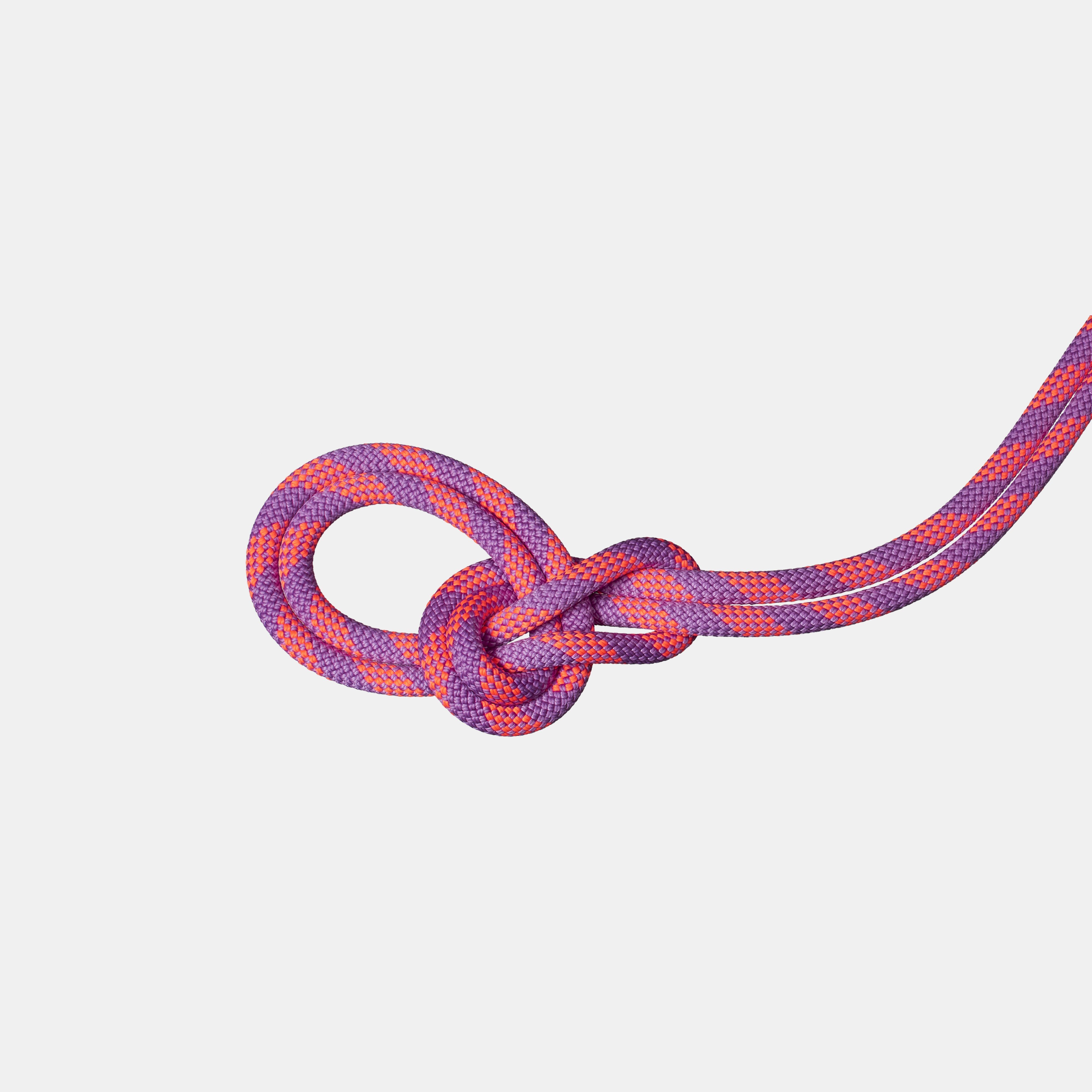
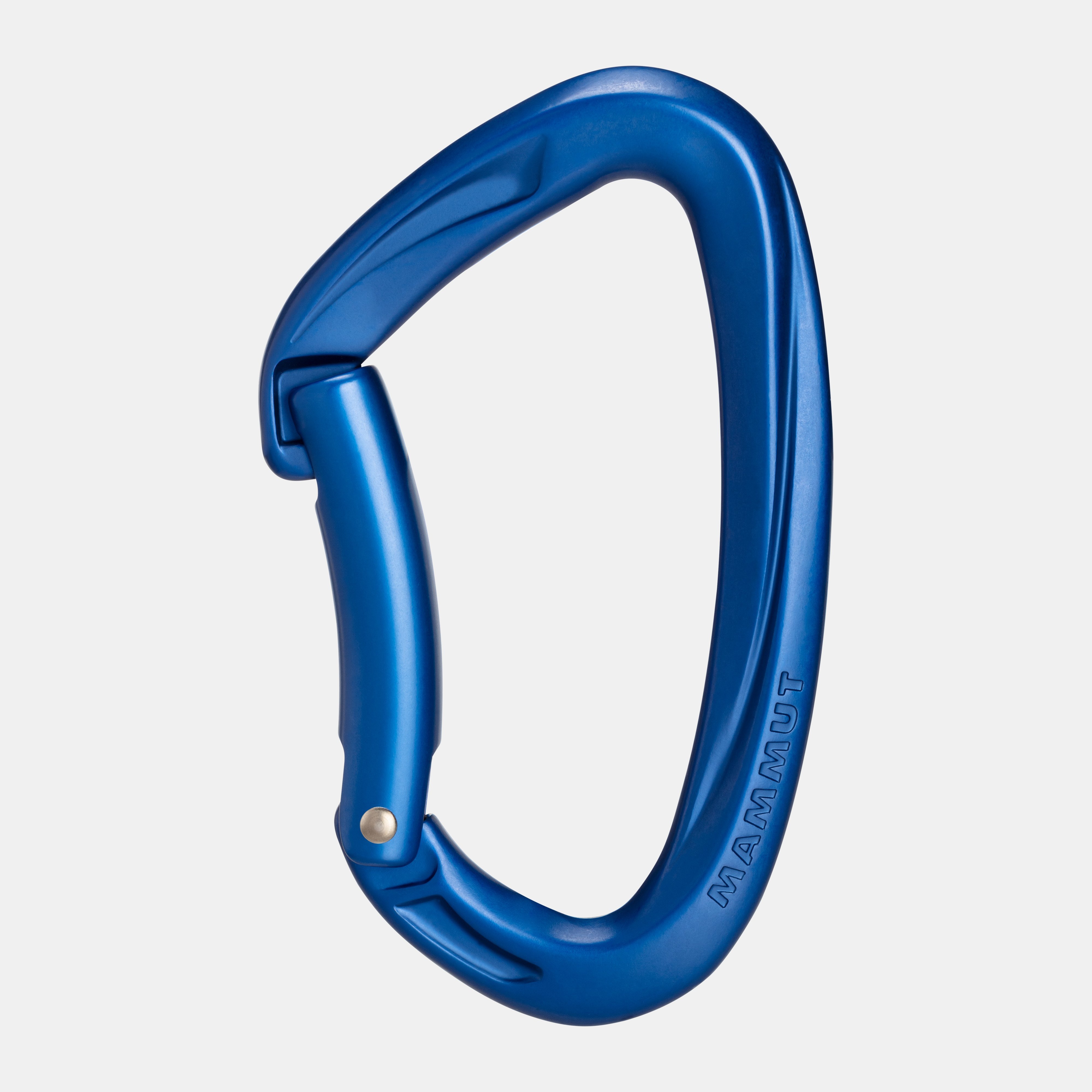
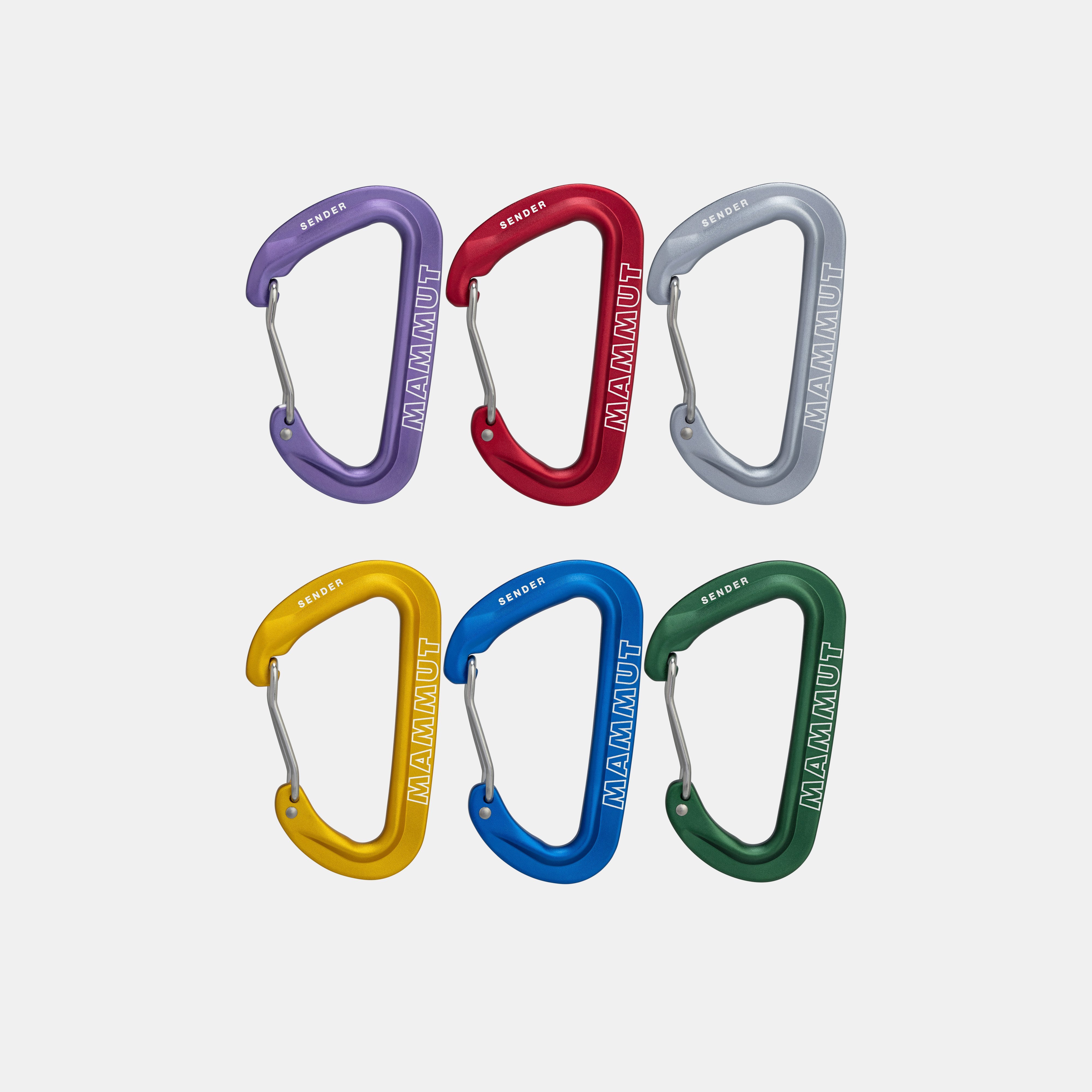
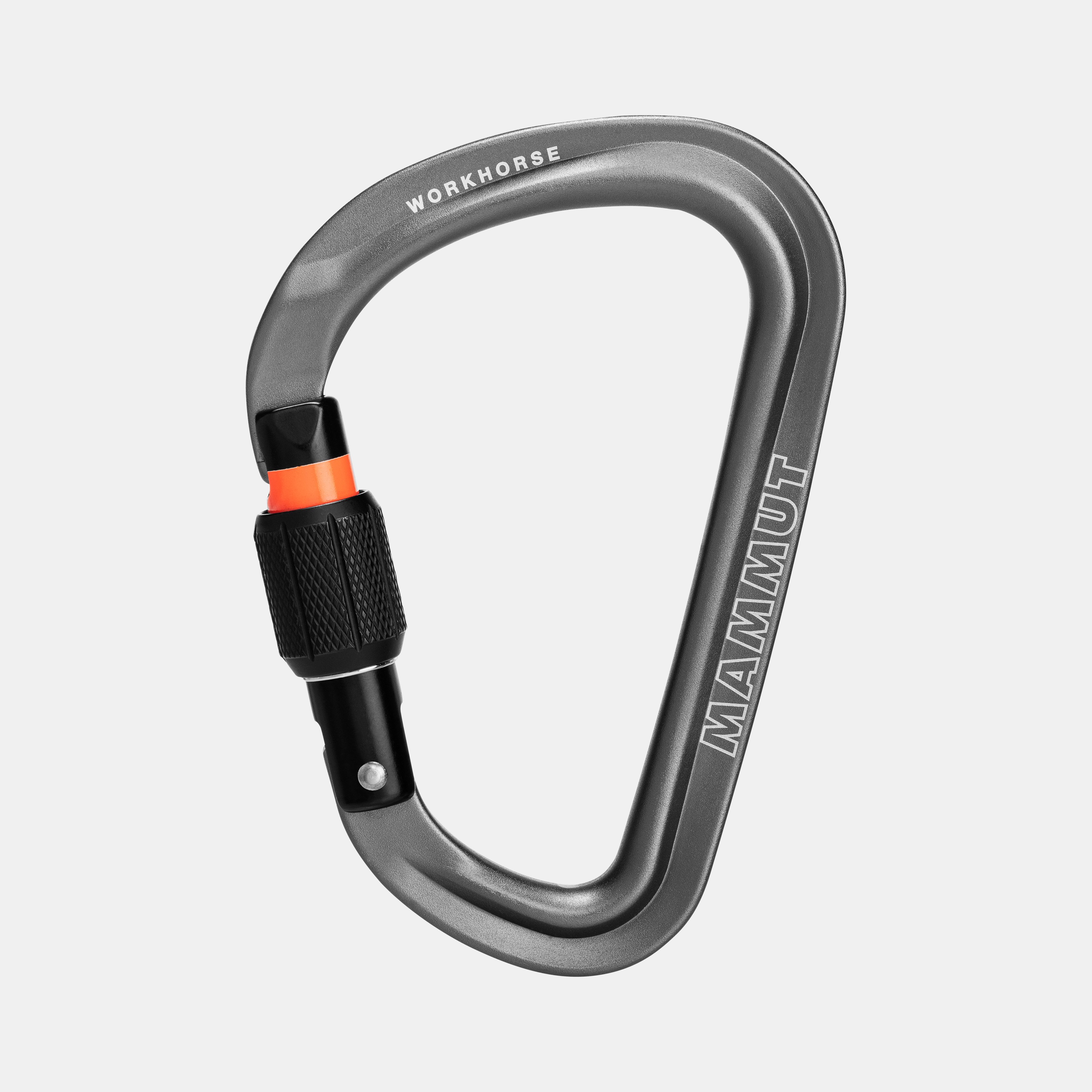
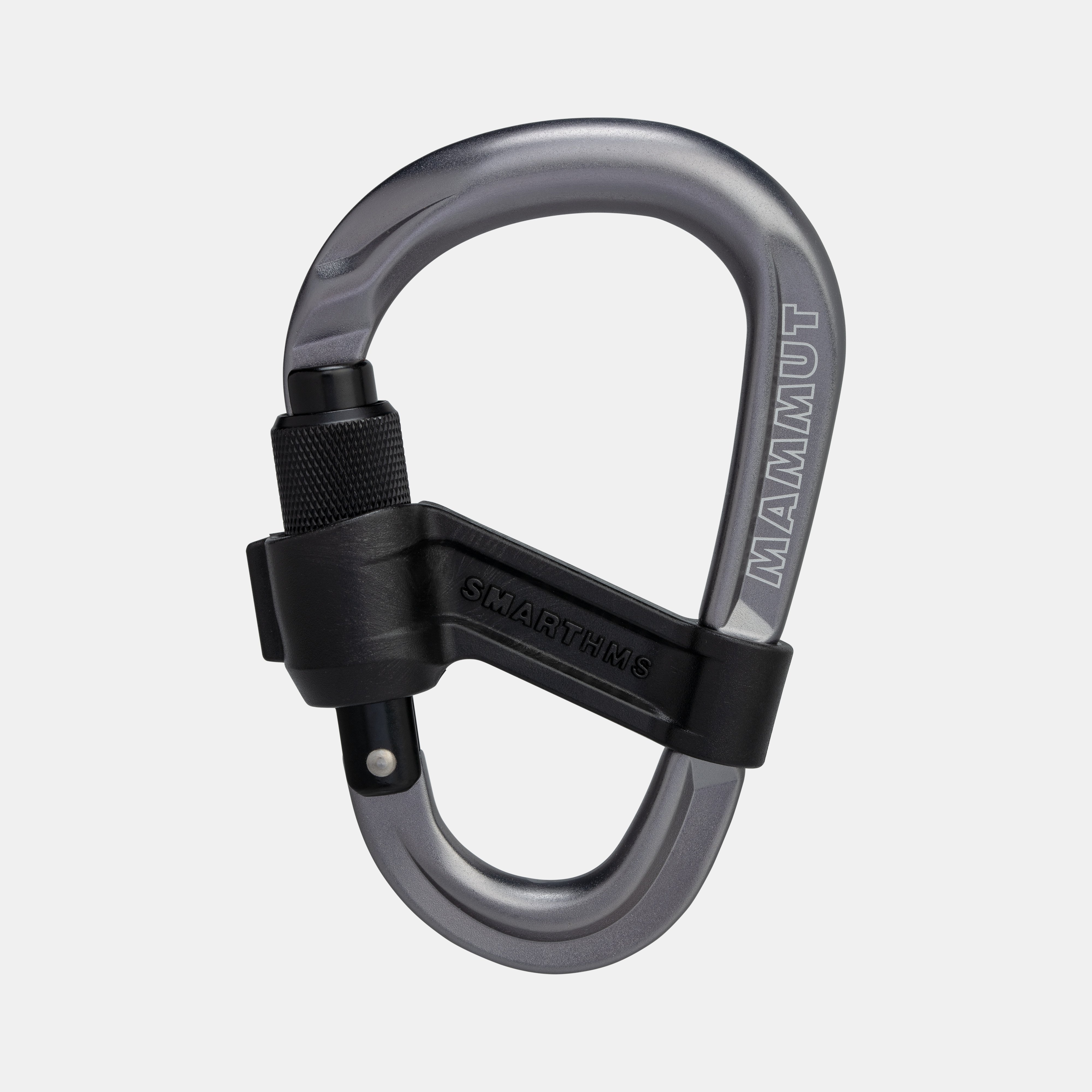
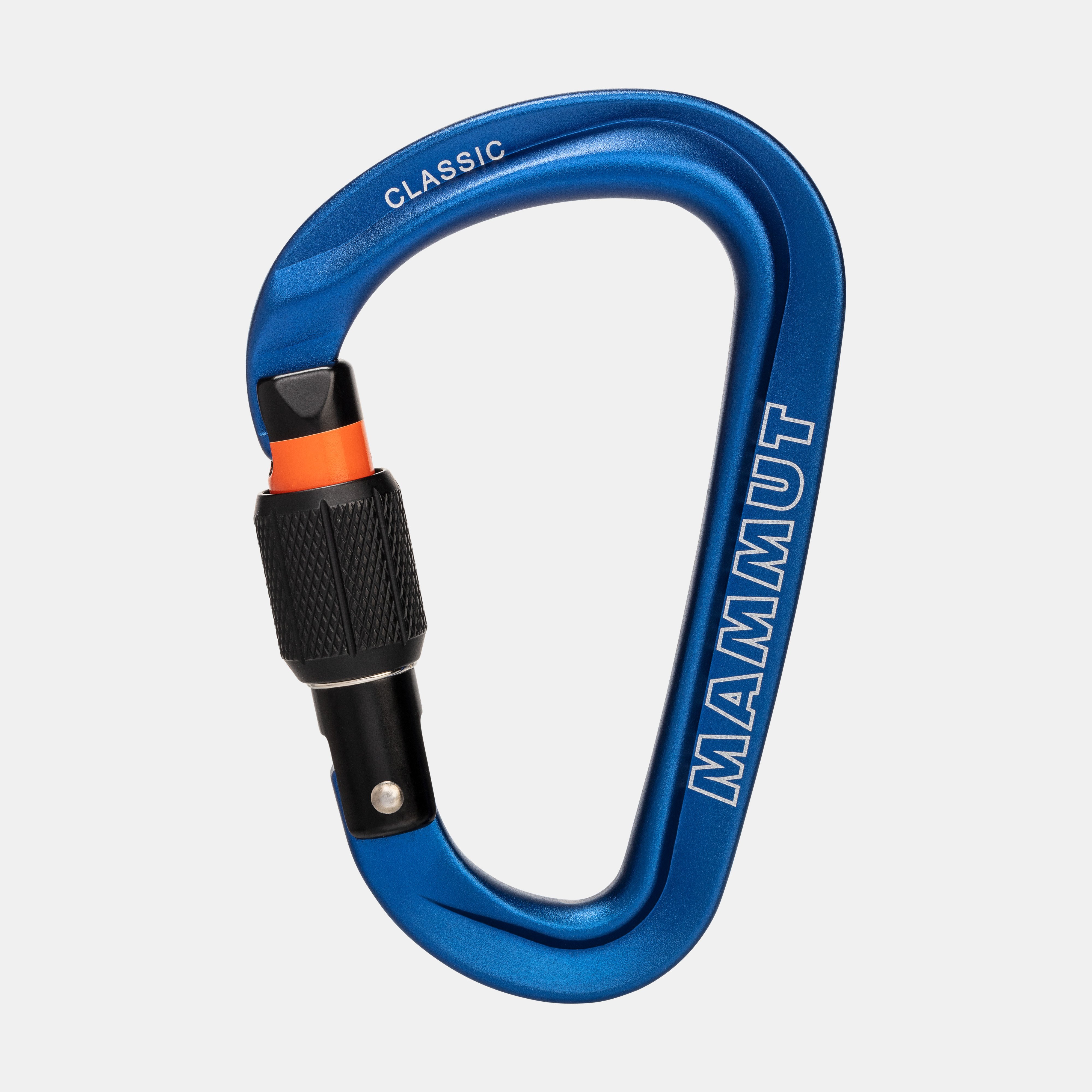
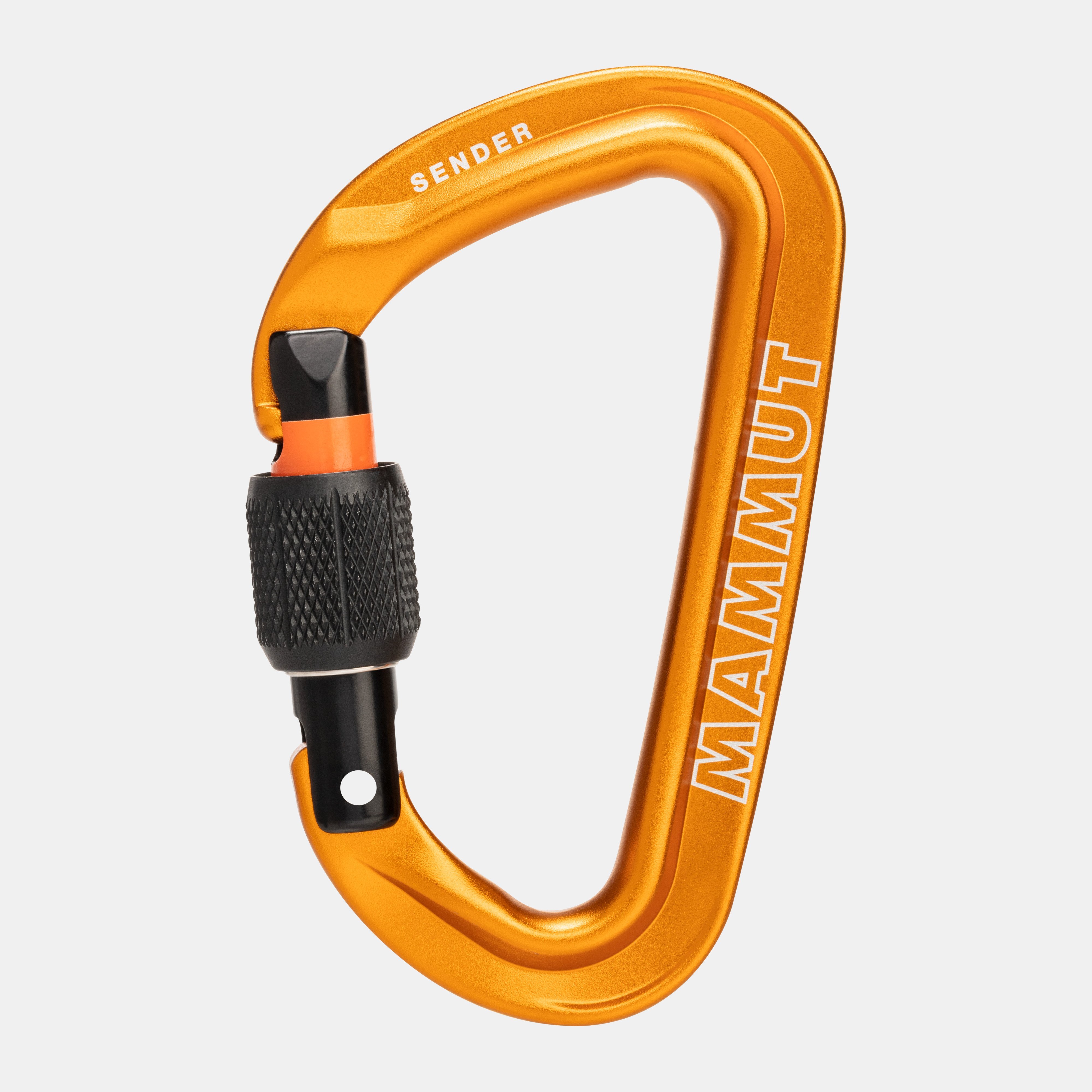
Equally essential is high-quality, standards-compliant climbing gear . That means a well-fitting climbing harness , a suitable belay device , proper carabiners , and a dependable climbing rope . Always check for a UIAA or CE mark when buying, which confirms compliance with safety standards.
Learn more about this topic in our guide to indoor climbing gear .
You’ll also find more posts about climbing in our Mammut Stories & Guides —such as how to find the right fit for your climbing harness , the different types of carabiners , or how to wash a climbing rope . That way, you’ll be equipped not only with the best gear but also with the knowledge you need.
Frequently Asked Questions about climbing with a weight difference
What role does weight play in climbing?
The weight ratio between belayer and climber affects how falls get caught. Bigger differences increase risk of uncontrolled movement, harder falls, or injuries.
How much weight difference is acceptable when climbing?
According to the German Alpine Club (DAV), on lead the climber shouldn't exceed 1.3 times the belayer's weight; for top-rope, max 1.5 times. With above roughly 10 kilograms difference, additional precautions are recommended.
What weight difference is ideal when climbing?
Ideally both climbers weigh about the same. With up to roughly 5 kilograms difference, you can belay safely without special measures – which is considered optimal for most rope teams.
What's the three-point rule in climbing?
The three-point rule states that when climbing three of the four points of contact (two hands, two feet) should always maintain a hold on the wall before moving the fourth. This keeps you stable and reduces the risk of falling – especially important in alpine terrain.
How do you compensate for weight differences when climbing?
Several ways: active, dynamic belay technique; friction enhancers like the Mammut Assist Belay Resistor; and intentionally curved rope routing that creates additional friction in the system.