


Měníme kulturu lavinových bezpečností, jednou konverzací za druhou
02/2022
02/2022
V kultuře freeridování se často zaměřuje na to, co se podařilo. Ale poté, co skupina zkušených a soutěživých freeriderů zažila lavinu, rozhodli se obrátit situaci a sdílet svůj příběh na Instagramu a s námi. Sešli jsme se s Forrestem Schorderetem, abychom zjistili proč
ObrázkyFlorence Gross
TextAlex Phillips
Po letech strávených jako sportovci na Freeride World Qualifier a Junior Tours bratři Forrest a Lake Schorderetové trénovali a cvičili záchranu před lavinami s tím nejlepším na světě. Ale po suchém začátku sezóny je v březnu 2021 jejich nadšení dostalo do rozpaků během slunného sněhového dne. Kvůli sérii nešťastných rozhodnutí a smůly byl Lake zasažen lavinou a zcela zahrabán. Na působivých záběrech z krize vidíme, jak Forrest lokalizuje svého bratra za pouhé dvě minuty. Lake je vyproštěn ze sněhu o tři minuty později, což zachránilo jeho život. To, co tento příběh dělá tak silným, je nejen skutečnost, že oba bratři měli během záchrany kamery, ale také to, že se rozhodli sdílet svůj příběh.
"Měl jsem možná 10 sekund pocitu přeplnění, ale věděl jsem, že potřebuji zůstat pozitivní a soustředěný."

The footage of the incident was a textbook example of how to respond when there is an avalanche. Looking back, is there anything you feel you did particularly well in your rescue?
I’m really proud that we were able to get organized so quickly and stay calm. We split tasks, so everyone knew what they were responsible for; contacting the rescue services with the helicopter, digging, etc. And thanks to our training and practice, we were ready. The thing is: you don’t know in advance how you will react when something like this happens, especially if it’s your brother. I had maybe 10 seconds of feeling overwhelmed, but I knew I needed to stay positive and focused.
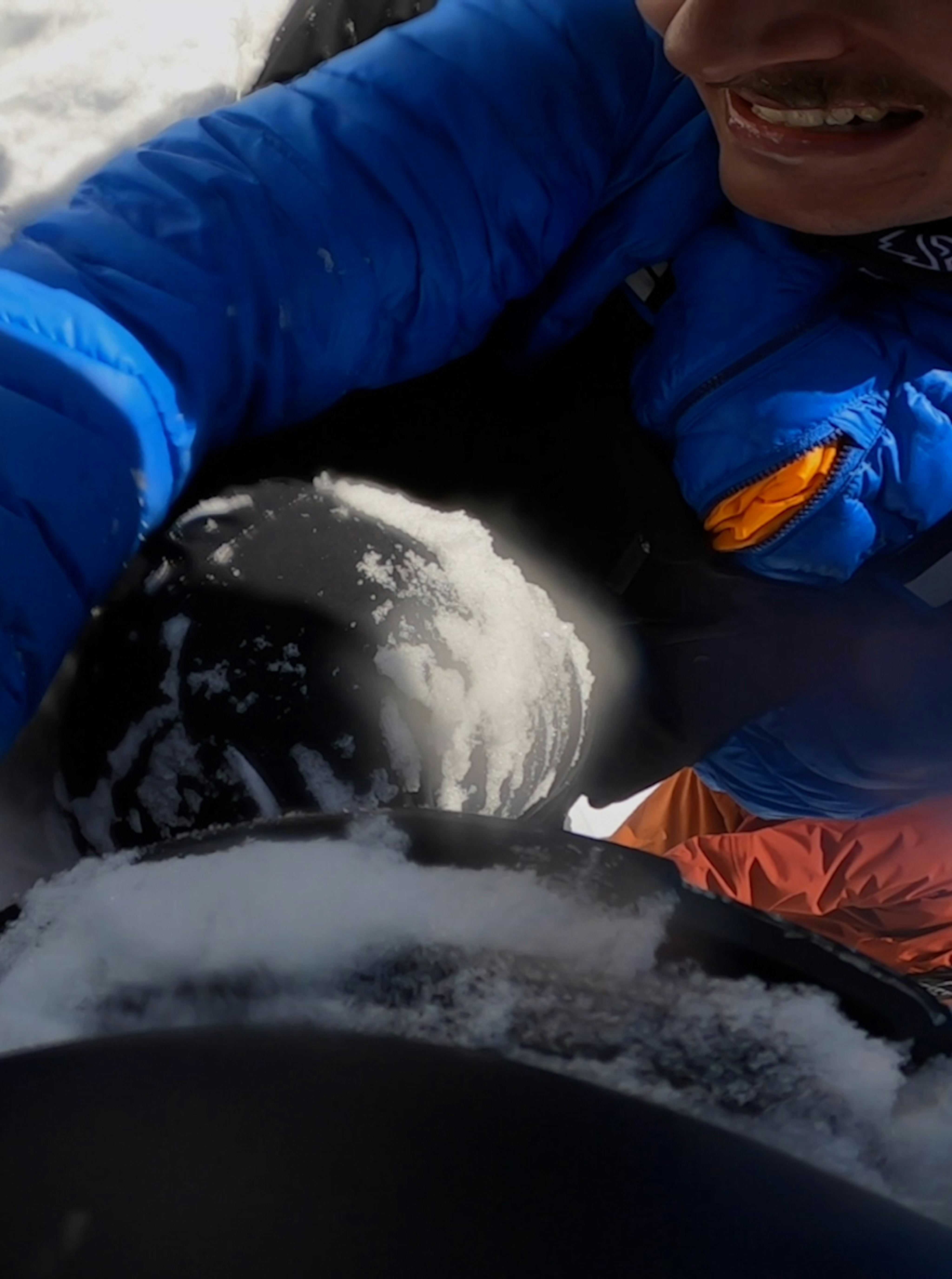
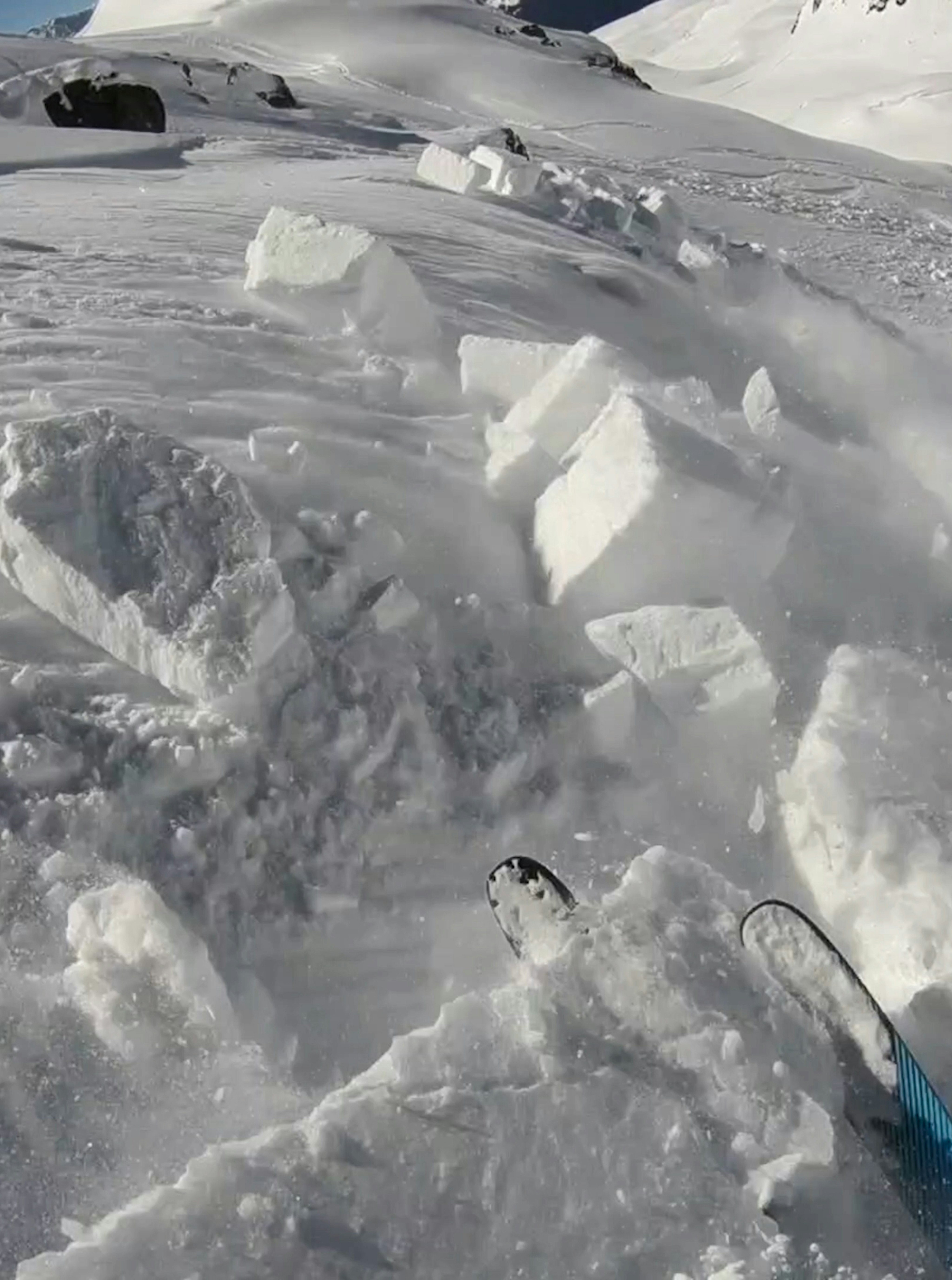
Footage from Ep. 01: One more lap
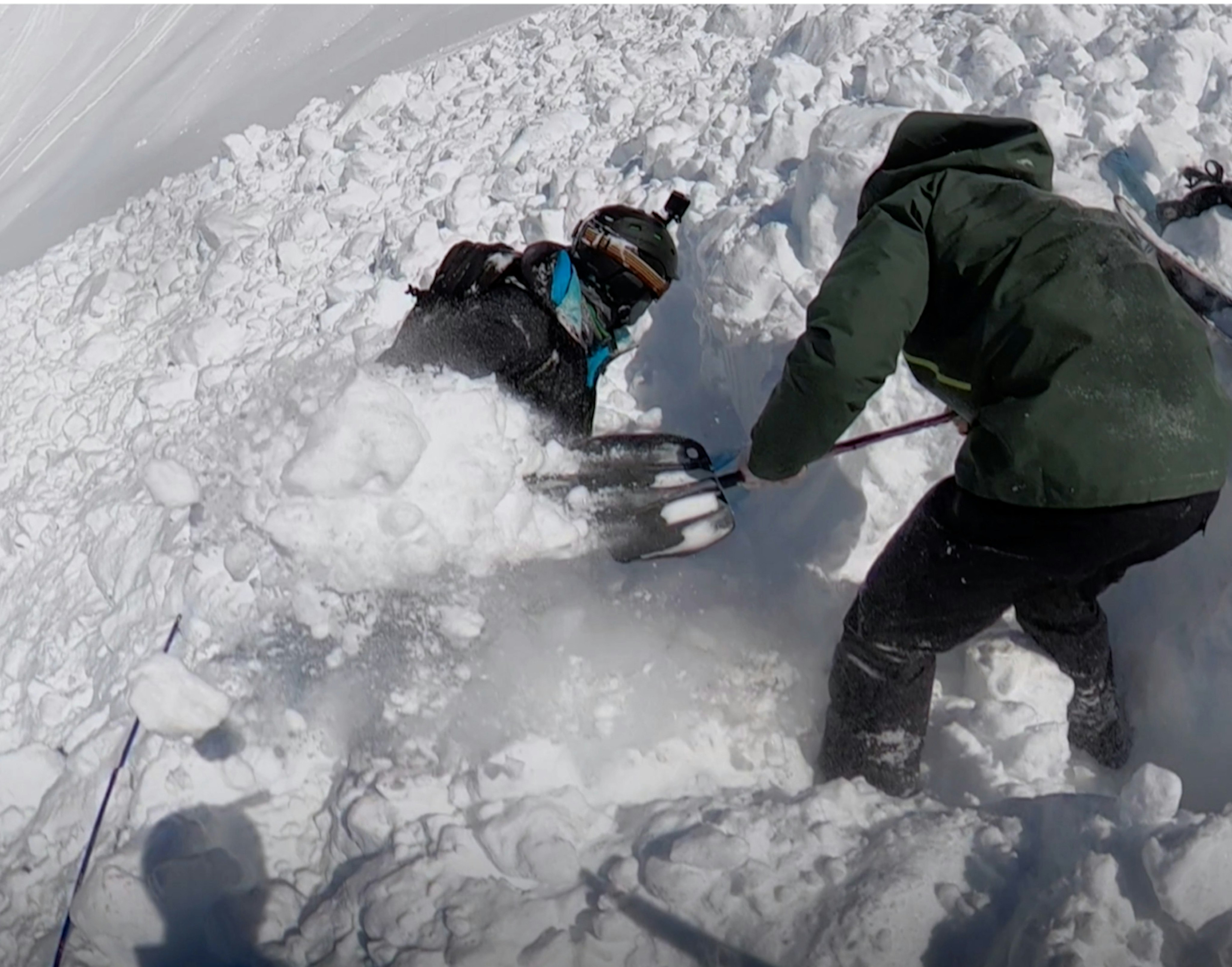
I can only imagine, but you didn’t show it at all. But I suppose that’s why it’s so important to have training and to practice; so you’re subconscious and muscle memory can kick in when your adrenaline is pumping.
Yes, exactly.
Chceme normalizovat mluvení o těchto věcech, aby se to nestalo ostatním lidem
Posting the GoPro clips and detailing what happened online couldn’t have been easy. Why did you decide to take it public?
We wanted to share our story and the footage of the incident for a few reasons. That day, we made some mistakes and some bad judgement calls - and we want to normalize talking about these things, so it doesn’t happen to other people. First, we were too excited and confident. That’s just a state of mind we as freeriders can’t allow ourselves to get into because unfortunately things like what happened that day can happen. We also made some poor decisions at the top of this pitch. Dropping in together was something you just can’t do in those types of conditions.
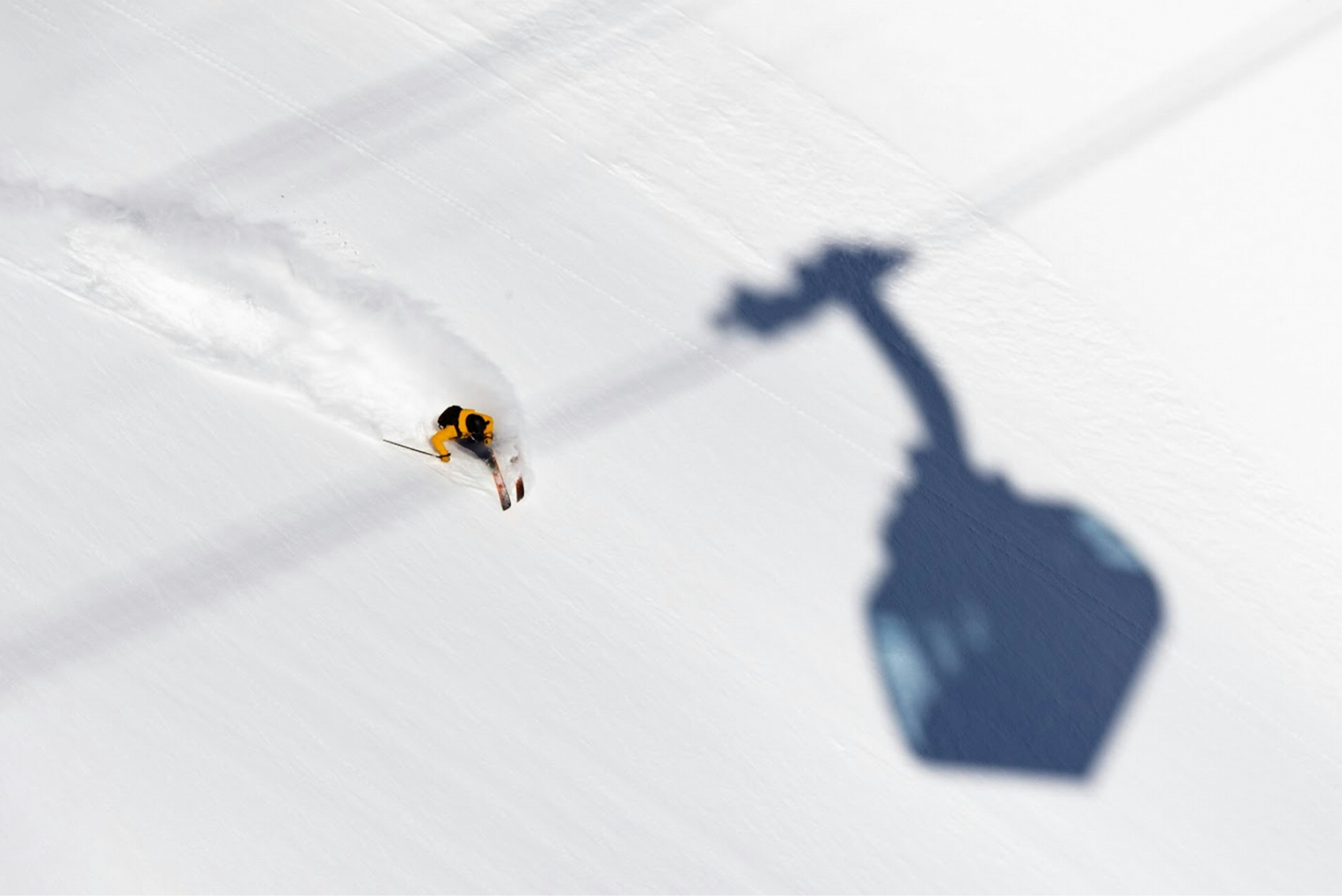
Yes, these landscapes are so beautiful and inspiring… but you need to respect it. Riding is still a dangerous sport. We also wanted to show people that you need to have the proper gear when you go off-piste, whether that’s freeriding or touring, and that you also need to know how to use your gear and be trained on avalanche safety.
Often, accidents happen as a result of multiple small mistakes or oversights, not one big one. With that said, is there one lesson you want people to take away from your experience?
Try not to be stoked to the point that you can’t think straight. Every day you’re out, you need to work with your friends to decide if it’s really safe. Ski with a group that you trust, that’s knowledgeable and that you can have an honest conversation with. If you don’t feel safe, it’s not something to be embarrassed about; you should be able to speak up with your friends. Plan B is always there; you can ski around the area in question, maybe you can come back two weeks later when conditions are better... It’s not worth the risk if you have doubts.
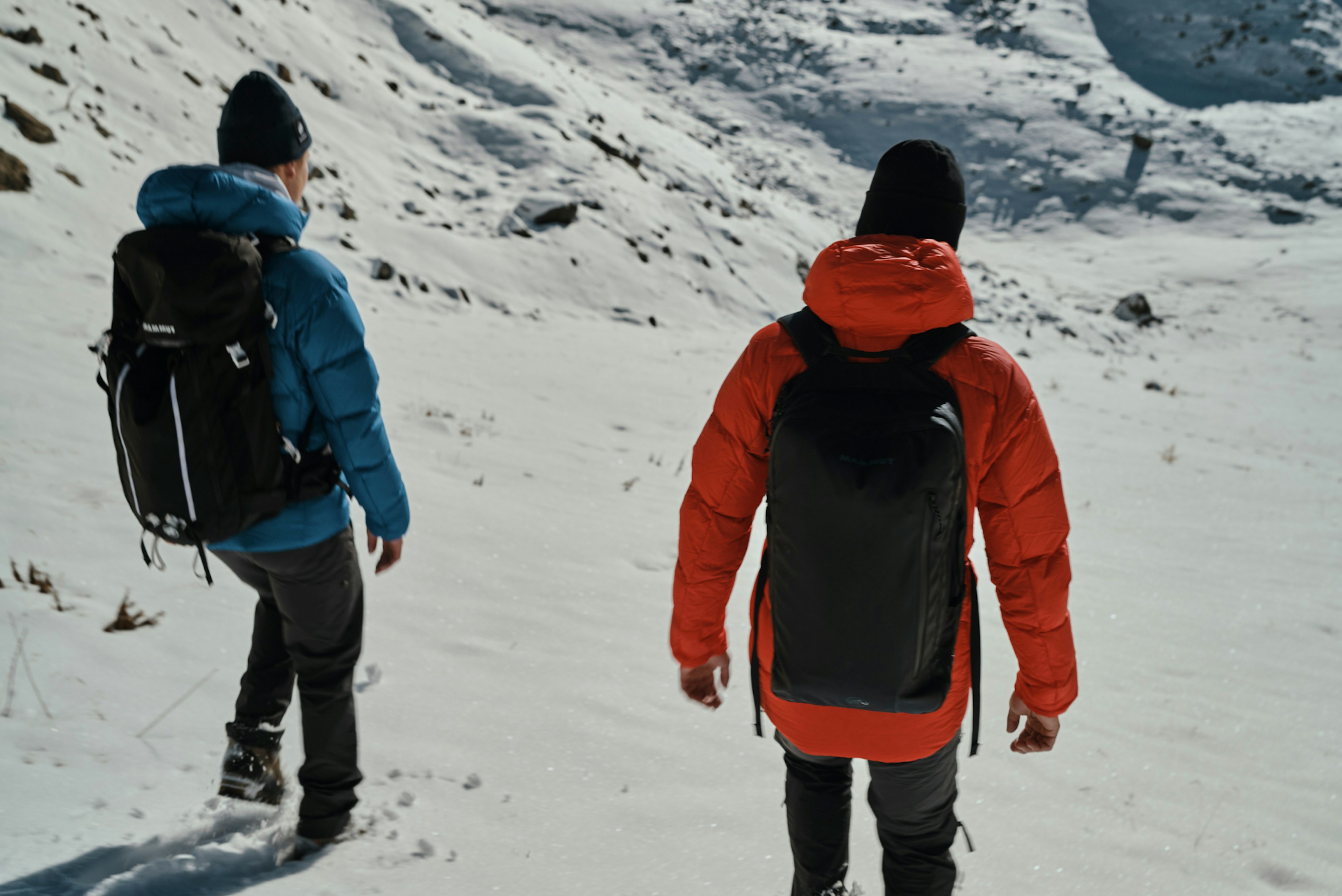
As a skier myself, I had to learn that there are a lot of differences in freeride culture and snow safety practices in Europe and North America. What are your thoughts on that?
I was lucky to meet my girlfriend, Freya, who is Canadian, and I was able to learn about the different perspectives from her. I think they’re more aware of avalanche safety in North America and, in my opinion, they have more training than we do. But with that said, I don’t understand why they don’t always ski with their shovels, probes and beacons when they’re freeriding at or near a resort. Even if patrol checked the slope in the morning, conditions change throughout the day. It’s just a bit weird for me when I see videos of freeriders without a backpack. But all in all, I think the culture there is based more on avalanche safety. Europe and Switzerland could use more of that, especially for younger skiers.
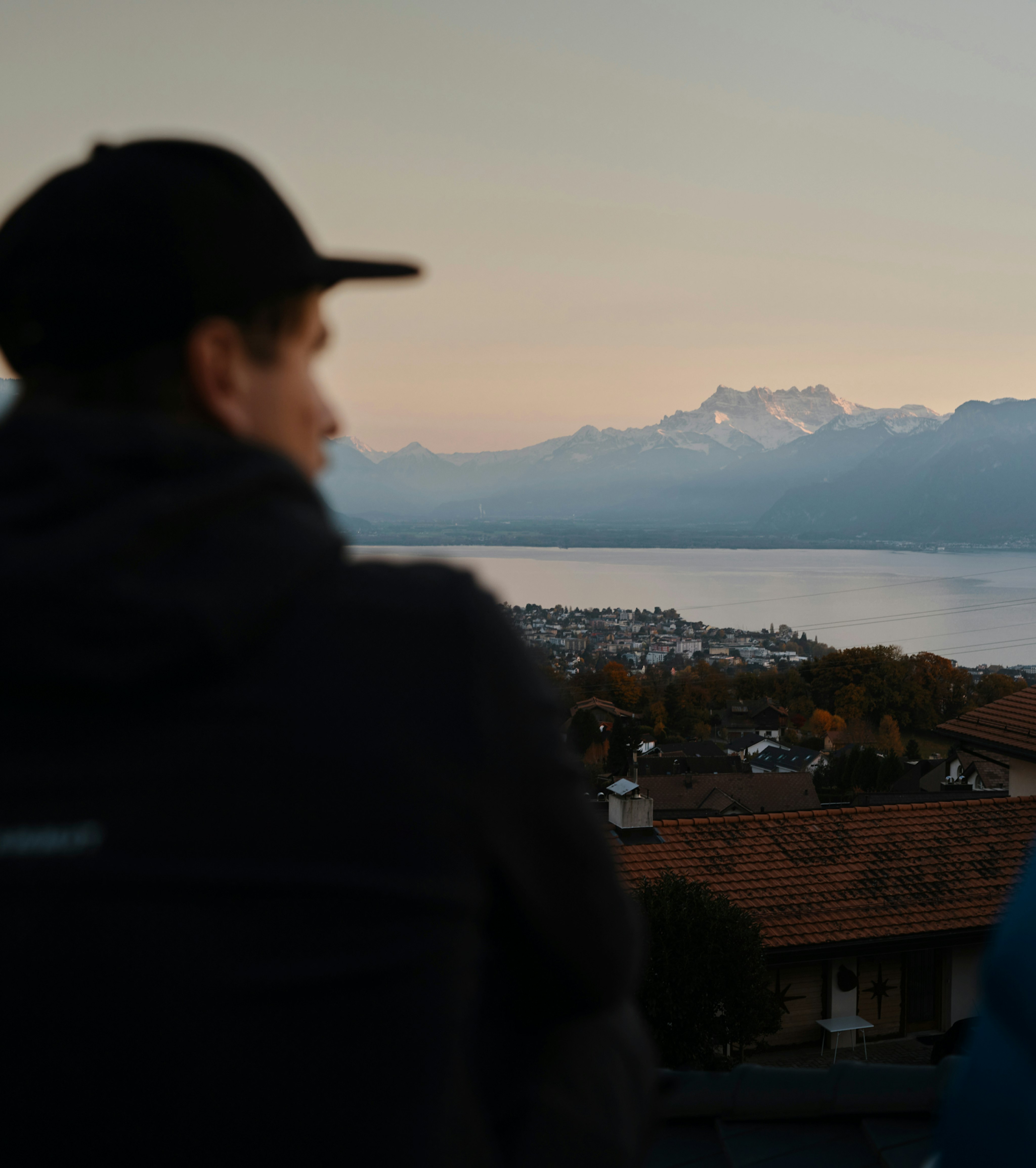
That’s an interesting point about the images we see in films and online. A lot of people probably don’t realize that North American resorts control off-piste areas for avalanches, which is why - for better or worse - people often don’t ski with their equipment there. Is there anything you want to change about your safety practices going forward?
My brother and I want to develop our snowpack knowledge, so we’re going to be working with some friends who are guides and who have done specialized training to learn more. On the one hand, it’s because of the incident, but it’s also just because we feel it’s important to have an even better understand of how the snowpack works.
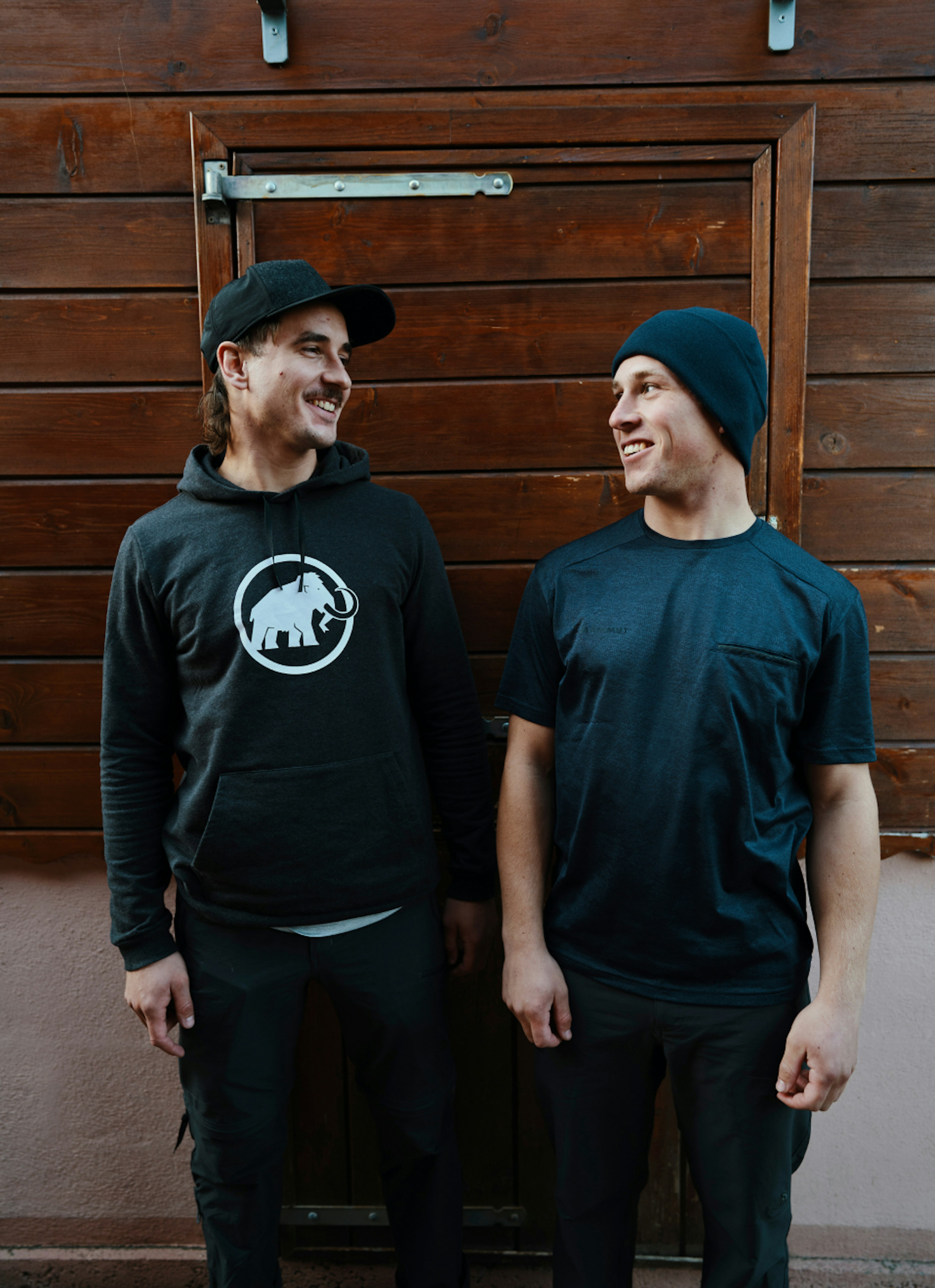
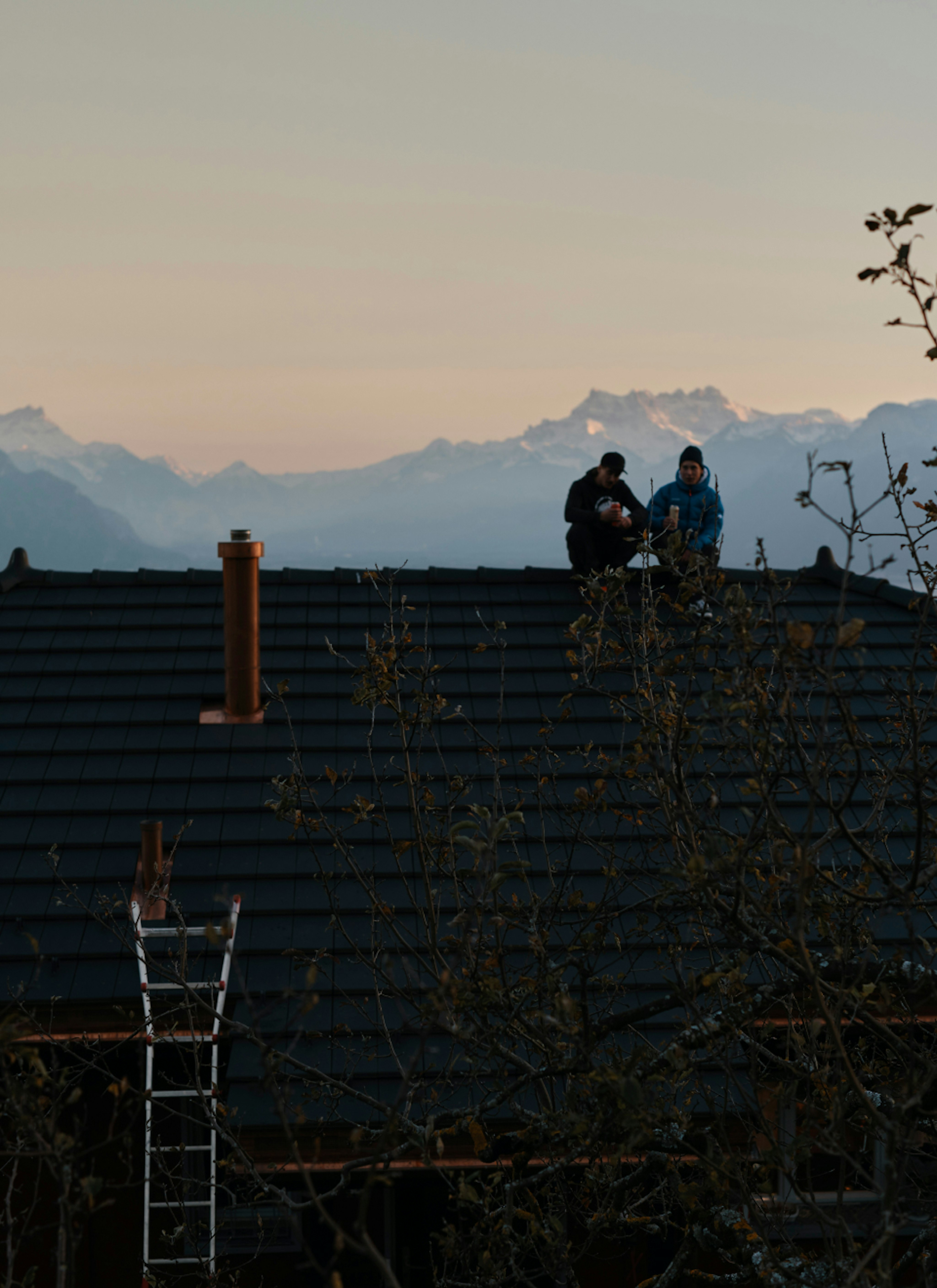
„Musíme opravdu mluvit o kultuře obviňování a kritizování lidí, kteří udělali chyby.“
These are great points and really open up a larger conversation we can have as a community. After this experience, how would you like to see the freeride community evolve?
We really have to talk about the culture of blaming and criticizing people who made mistakes. I think we should be thankful to people who share their stories because it allows us to learn and reflect. When I posted the video of what happened on Instagram, I received two messages from pro riders telling me it was great I had shared it. They also said they had had similar incidents - but they hadn’t posted anything or talked about it publicly. While they didn’t tell me explicitly why, I’m sure that with this blame-seeking culture, people are a bit scared of being upfront with the community and seeing how they’ll react. We need to be transparent and share these kinds of stories, especially for the younger generation that watches every freeride movie that comes out. There are some crazy scenes in those films, and yes, sometimes there is an avalanche, but it always ends well with the skier getting down, nothing happened, everyone is smiling… I think that’s a bit misleading. We need to show that avalanches are dangerous and that they can happen anytime and to anyone, regardless of their experience level. We’ve got to be transparent, especially for the young kids.
Online Workshop bezpečnosti ve sněhu - Sledovat nyní Podívejte se na příběh Forresta a Lake ve Aspekty Ep. 01