


What to wear for hiking in winter? » the ultimate guide
01/26
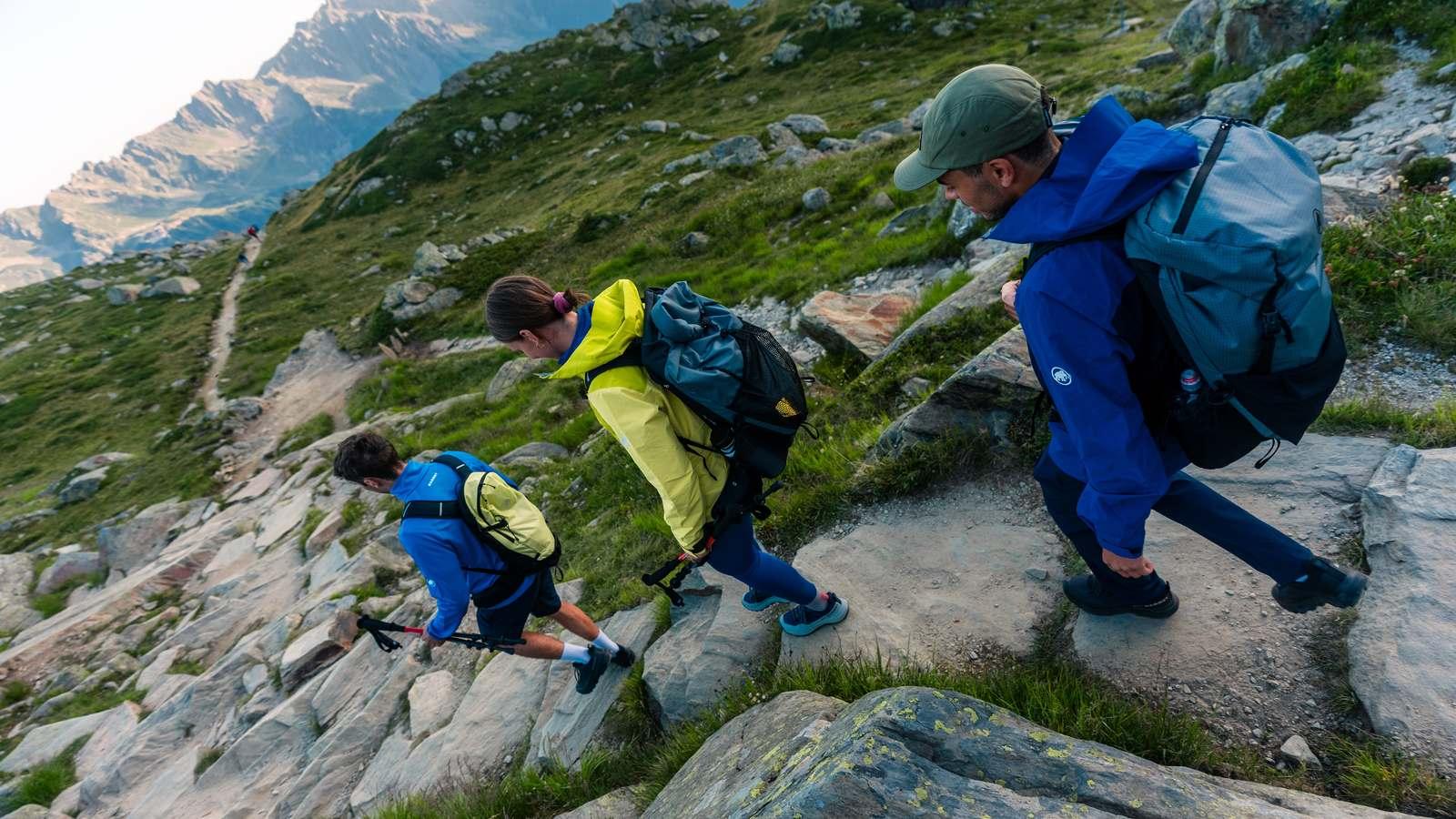
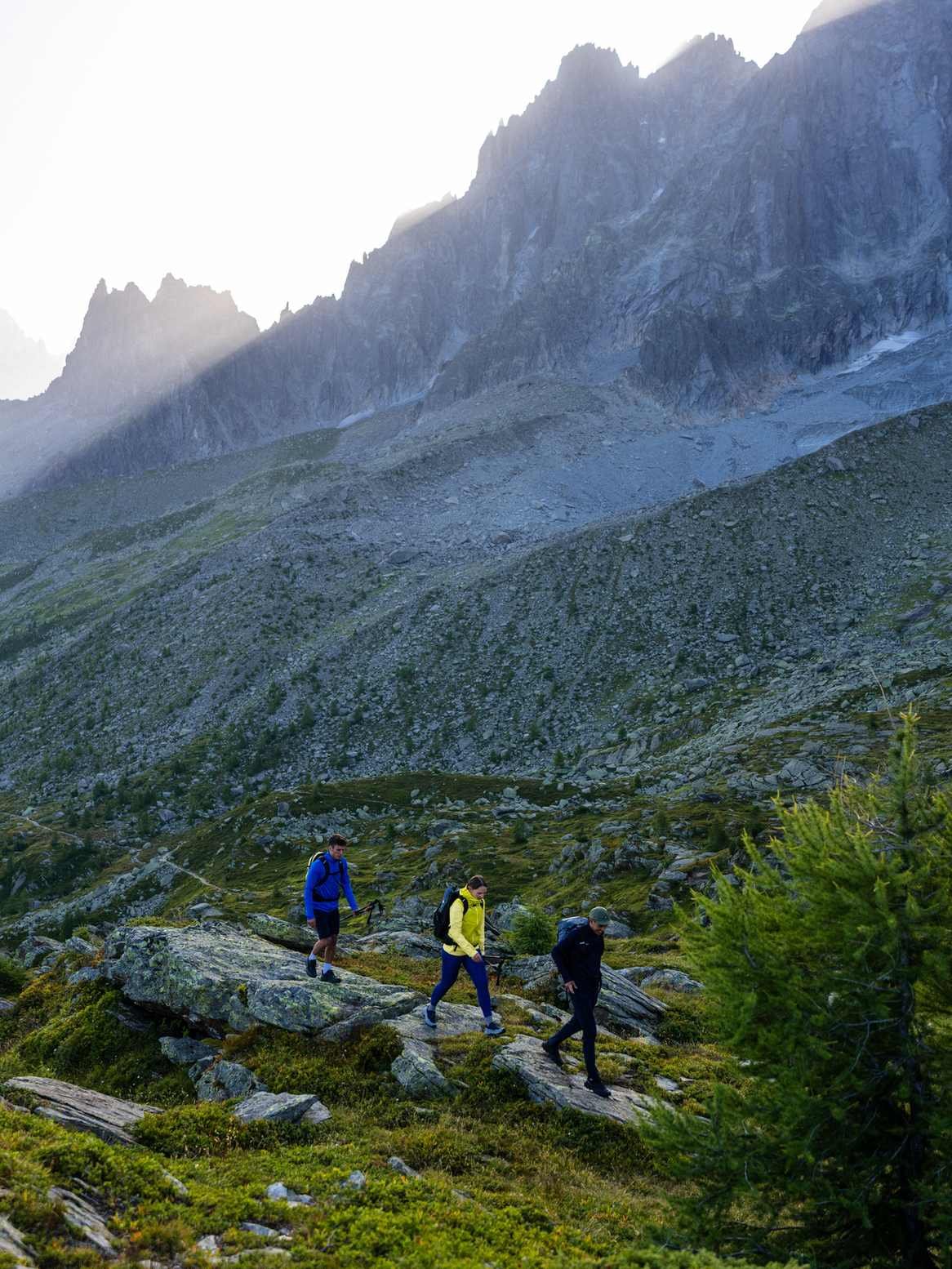
Fresh air, snowy landscapes and the gentle crunch of snow under your feet: Hiking in winter is one of those outdoor experiences that stay with you long after you’ve left the trails. But when getting ready to face those freezing temperatures, your warmest, thickest jacket should never be your first point of call. Especially when hiking, dressing in layers is key – after all, your gear needs to keep up with you every step of the way, whether brisk movements, strategic breaks, sun, wind or heavy snow. The solution? Multifunctional layers that can quickly adapt to any situation.
Dressing in Layers is Key
The concept of dressing in layers is not exactly new, but incredibly effective: Instead of just one thick layer, you’ve got several that can be added and taken off as needed while you’re out and about. What’s more, each layer has its very own important job:
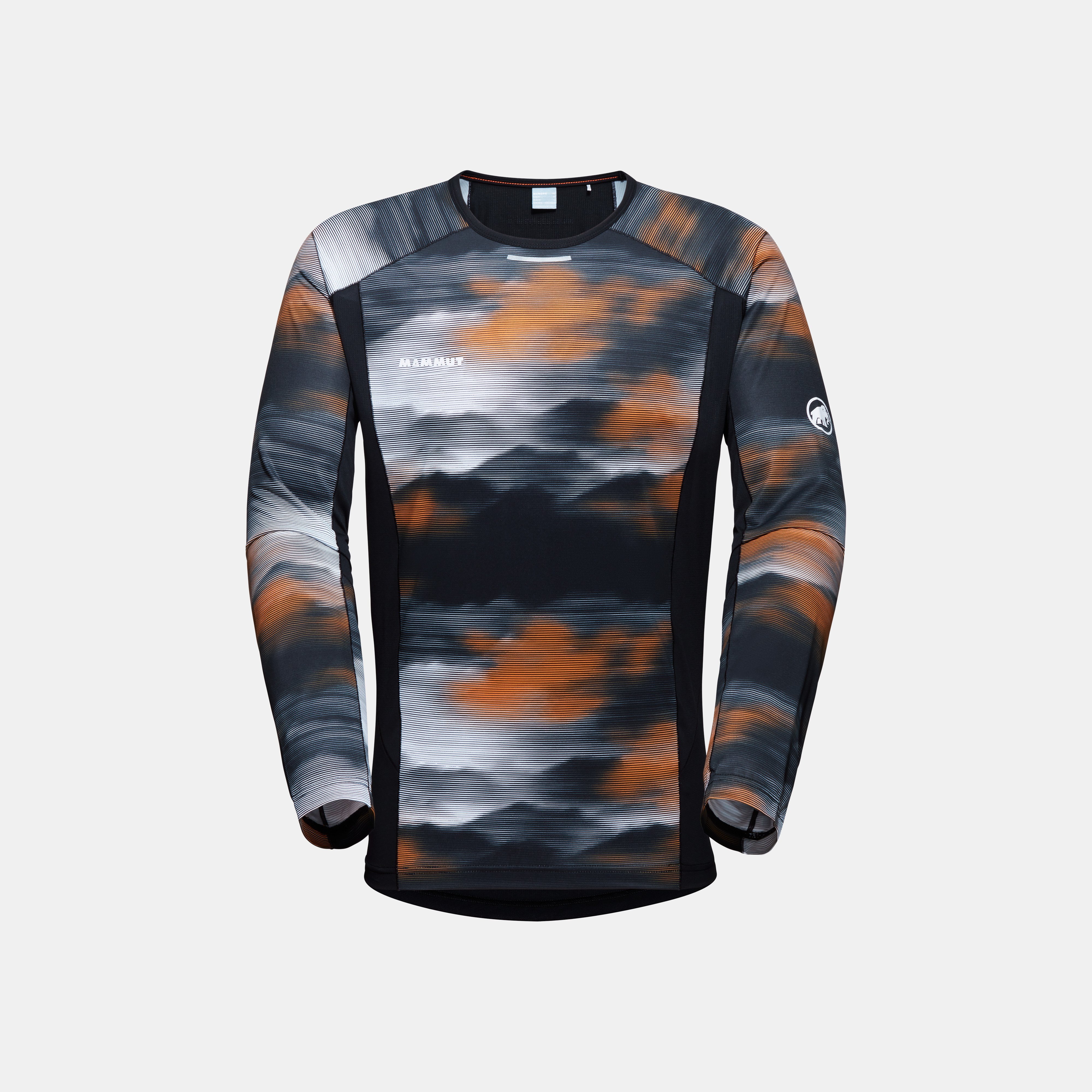
The base layer , or the very first thing you put on, is there to wick away moisture.
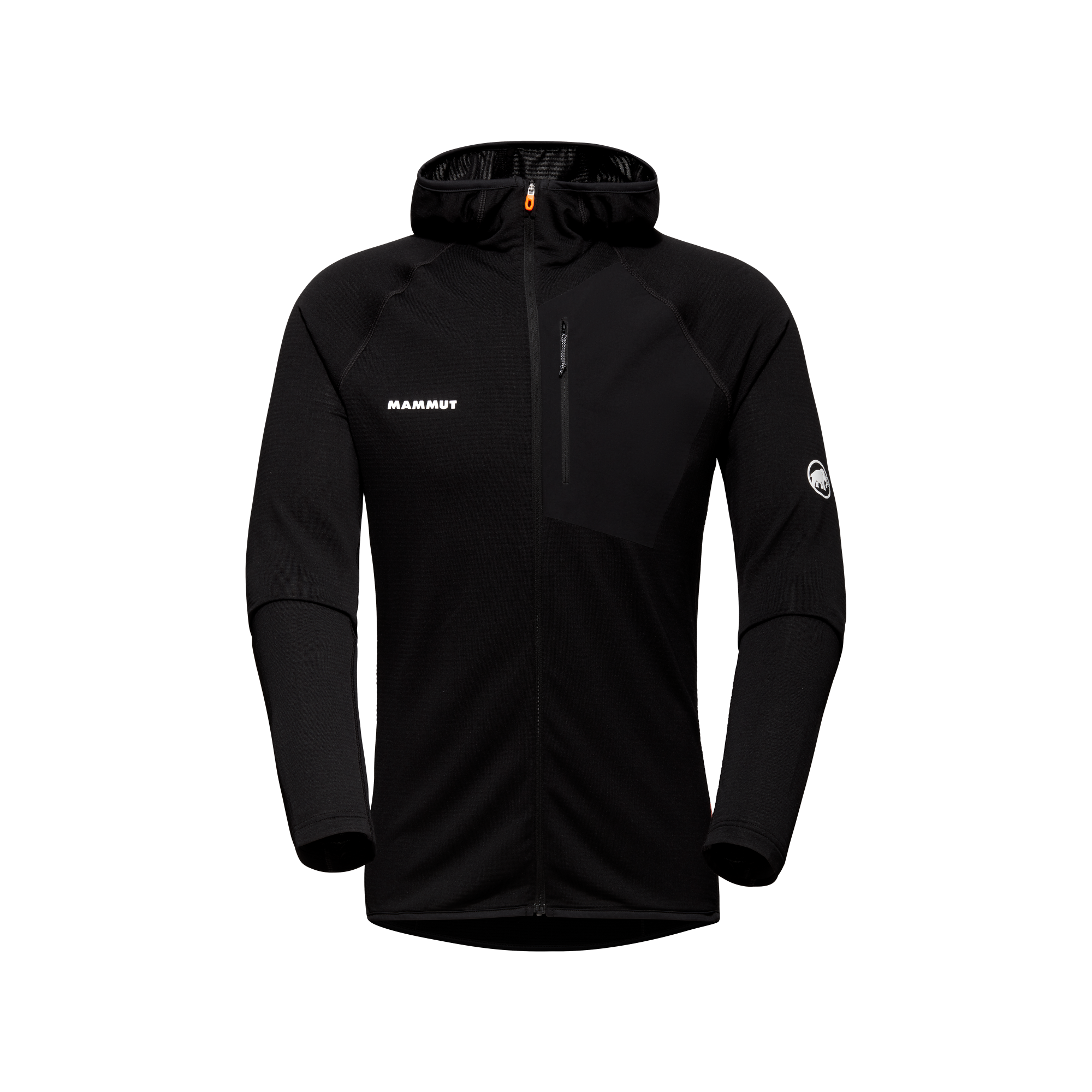
The mid-layer – usually fleece or down – will keep you warm by trapping body heat.
The outer layer will protect you against wind, snow and rain while keeping the cold at bay.
As a result, you’ll enjoy all the flexibility you need to adjust your layers as required – ensuring a comfortable feel all around, even in subzero temperatures and during strenuous climbs.
The base layer: Fight cold and moisture in style
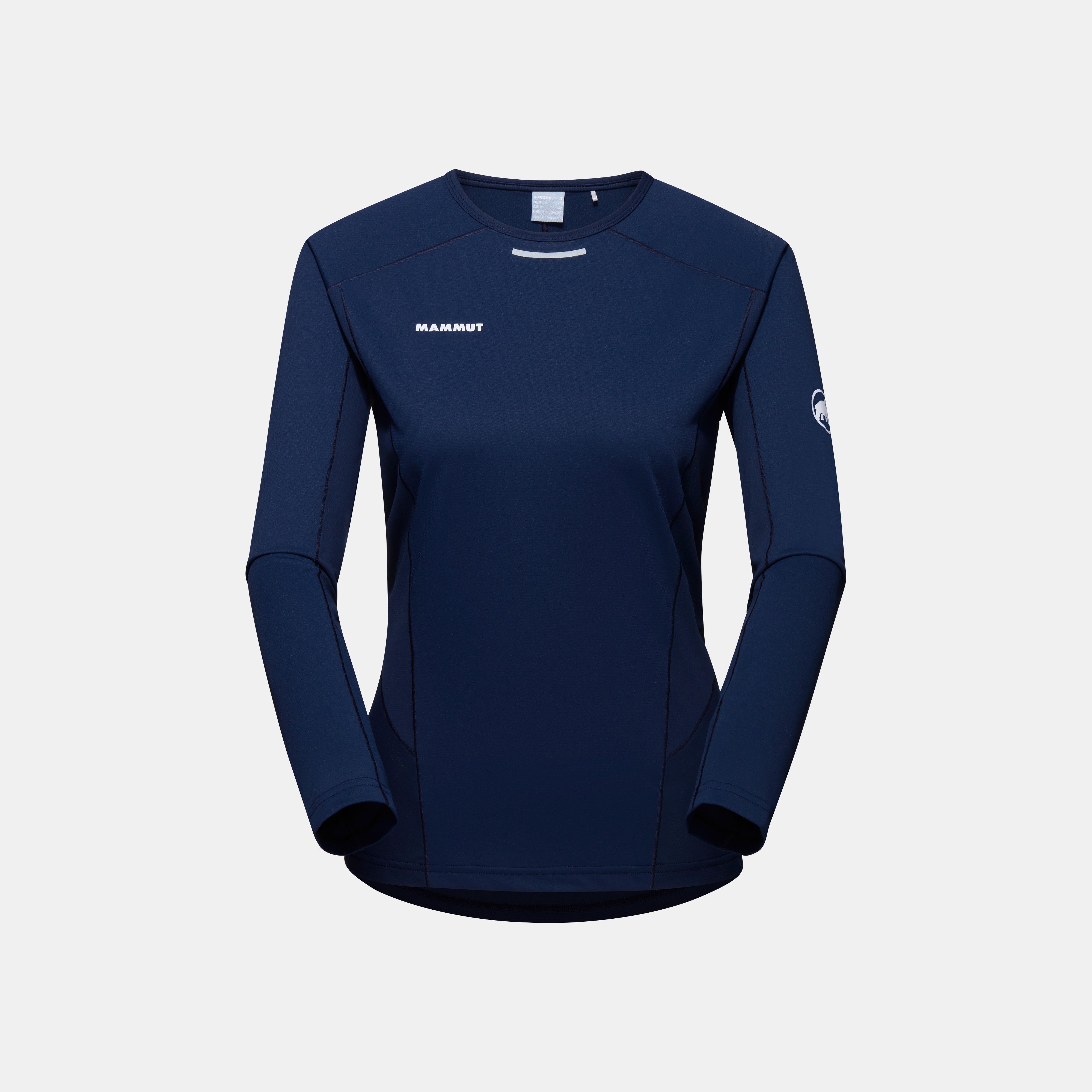
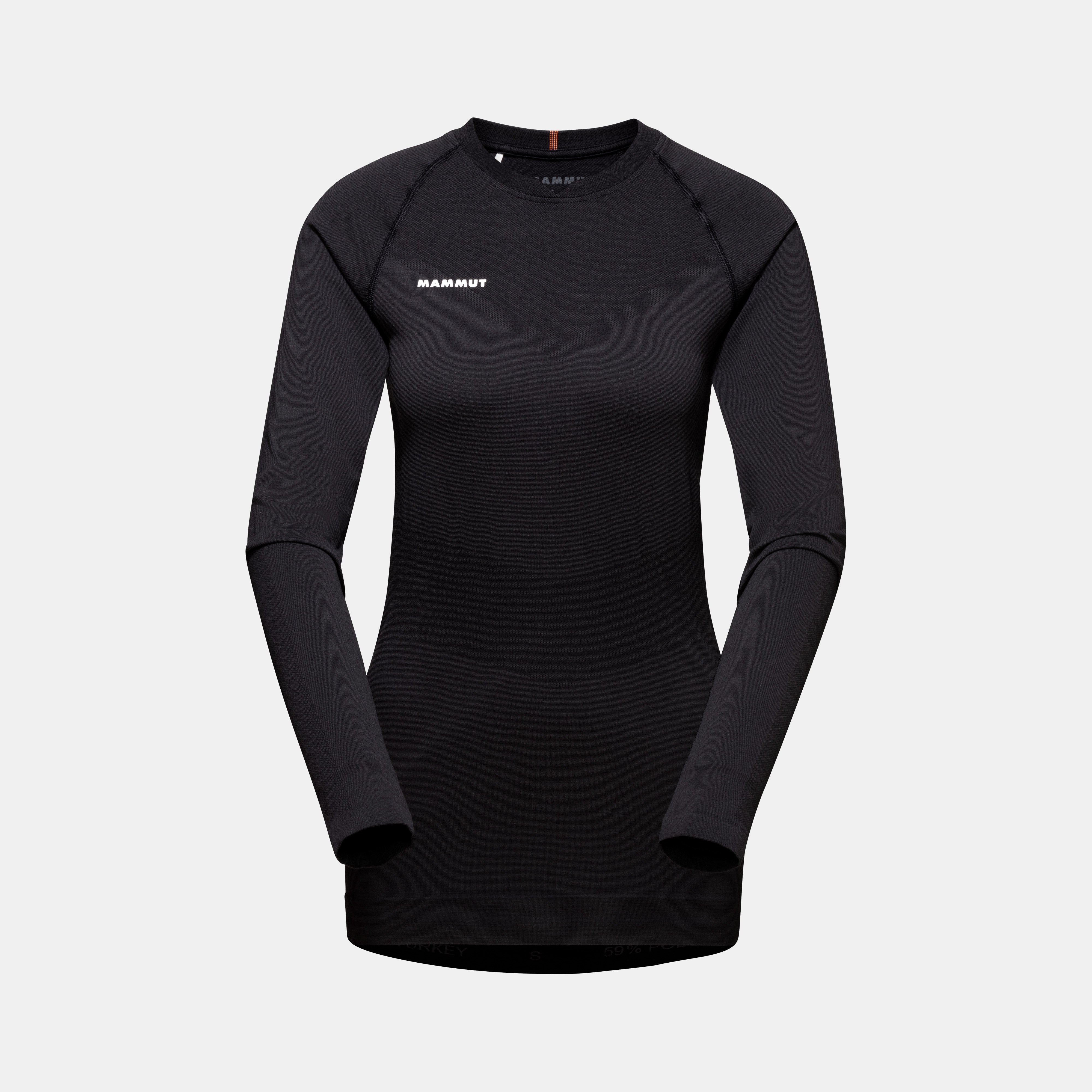
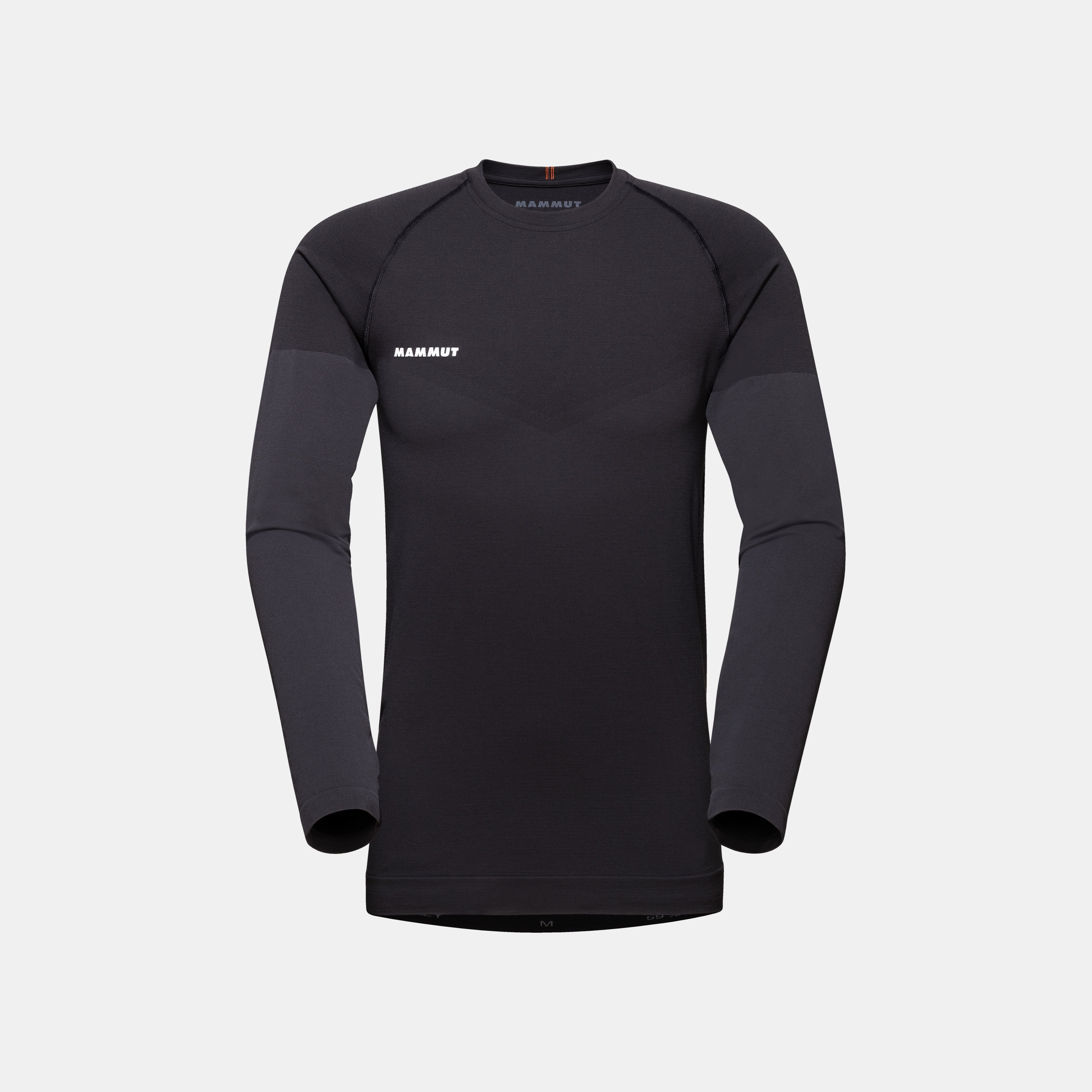
As the very bottom layer, performance clothing is key for wicking sweat and moisture away from your body. If possible, go for Merino wool or high-quality synthetics – Merino in particular feels great against the skin, will keep you warm even when wet, and won’t develop unpleasant smells that usually come with long, sweat-inducing tours. Pro tip: Wear both a performance T-shirt and long-sleeve shirt for added warmth in winter.
At Mammut, we’ve got a wide range of base layer tops made from Merino and with HeiQ® Fresh technology to keep you warm in the cold. Our special HeiQ® Fresh technology effectively prevents unpleasant odors from developing – for an all-round fresh feel from start to finish.
To keep your legs warm and comfy, we also recommend long johns or leggings or tights made from Merino wool or Econyl®, a type of recycled nylon which provides a high level of elasticity and durability. Both materials are great for trapping heat while preventing overheating, and will perfectly adjust to your movements because of their stretchiness.
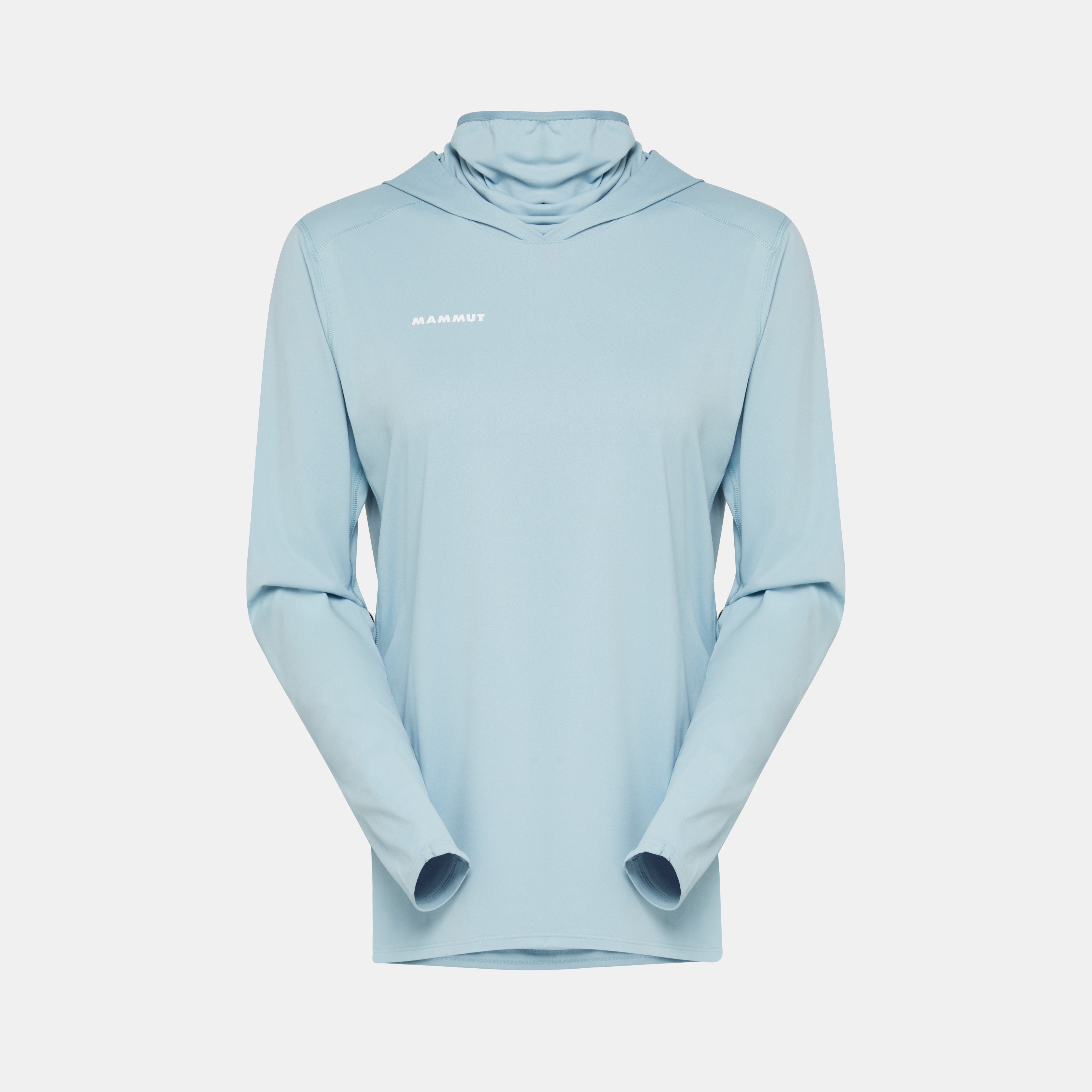
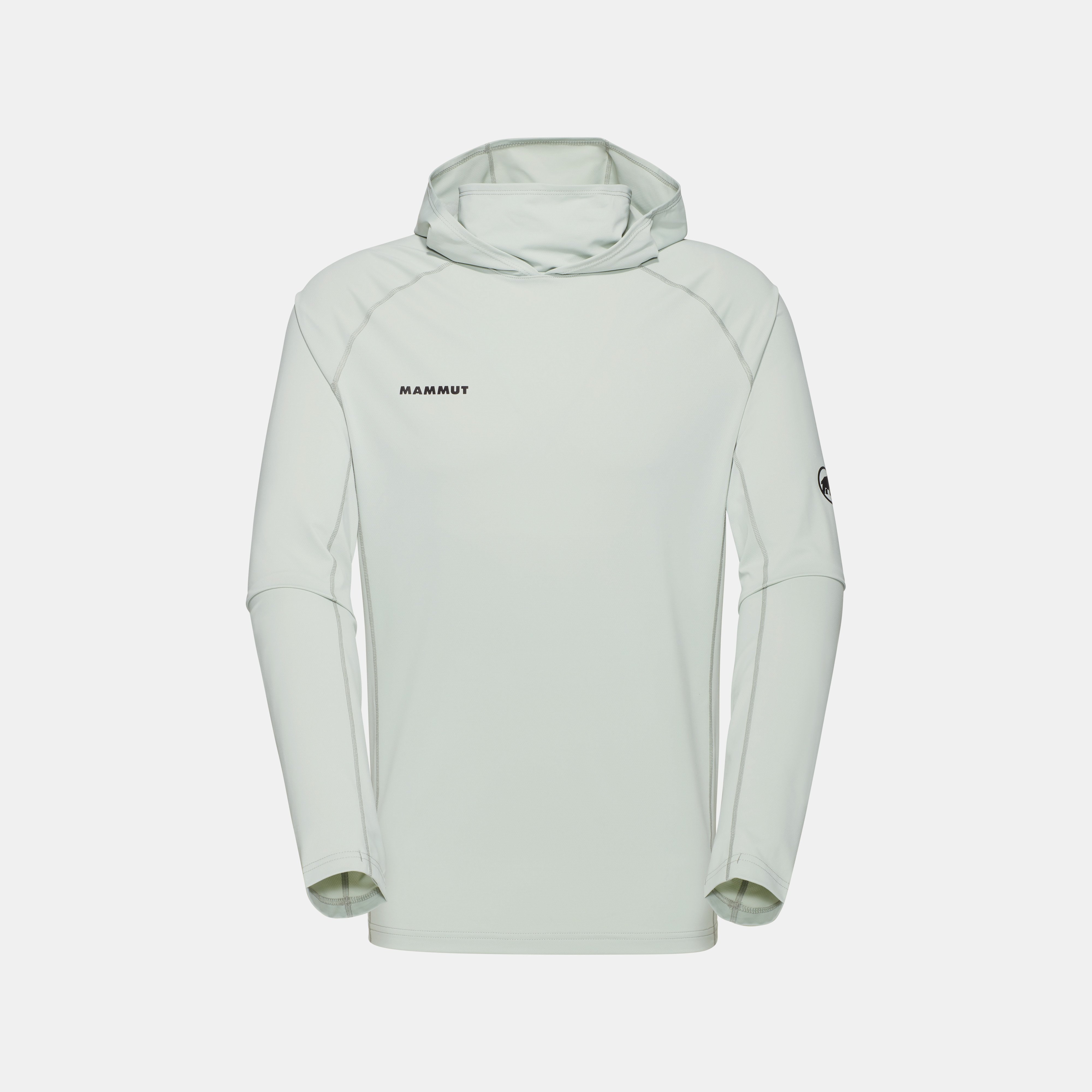
The mid-layer: Breathability & warmth
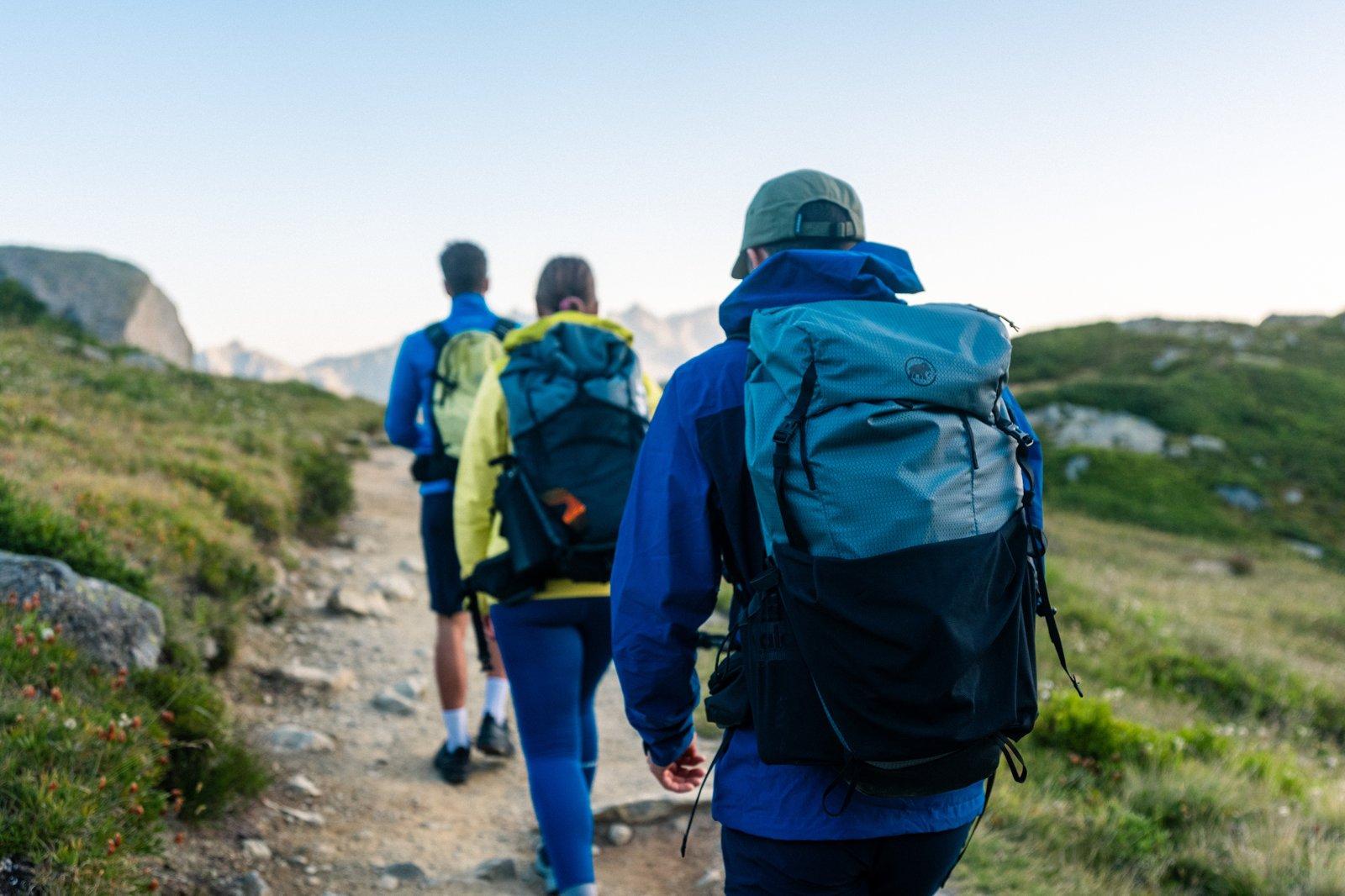
Next up: an insulating mid-layer to help trap body heat and keep you warm and toasty. A warm long-sleeved shirt and fleece jacket combined with a lightweight down jacket are always a great choice. What’s most important: Mid-layers should not only keep you warm, but also be breathable to allow moisture to get out. After all, even in winter you’ll get sweaty fast when tackling one ascent after the other – or when moving for long periods of time.
The outer layer: Protection against wind, rain and snow
The third and final layer is weather protection – your best friend to keep wind, snow and rain at bay. Hardshell jackets or hardshell thermo jackets are a particularly great choice as they come with a breathable membrane like GORE-TEX® or our very own Mammut DRY-technologies. They’ll effectively keep out moisture while at the same time allowing sweat to evaporate – keeping your body comfortably dry even in changing weather or during intense movements.
On dry and cold days, a softshell jacket will usually do the job. As it tends to be more stretchy and breathable than a hardshell, it’s the perfect choice for dynamic tours in mostly dry conditions. However, definitely opt for a three-layer hardshell when faced with unpleasant weather conditions – especially in alpine surroundings.
Want to know more about how to choose the right level of weather protection for your trek? Our lowdown on hardshell vs. softshell will give you plenty of helpful pointers.
New Colors Added
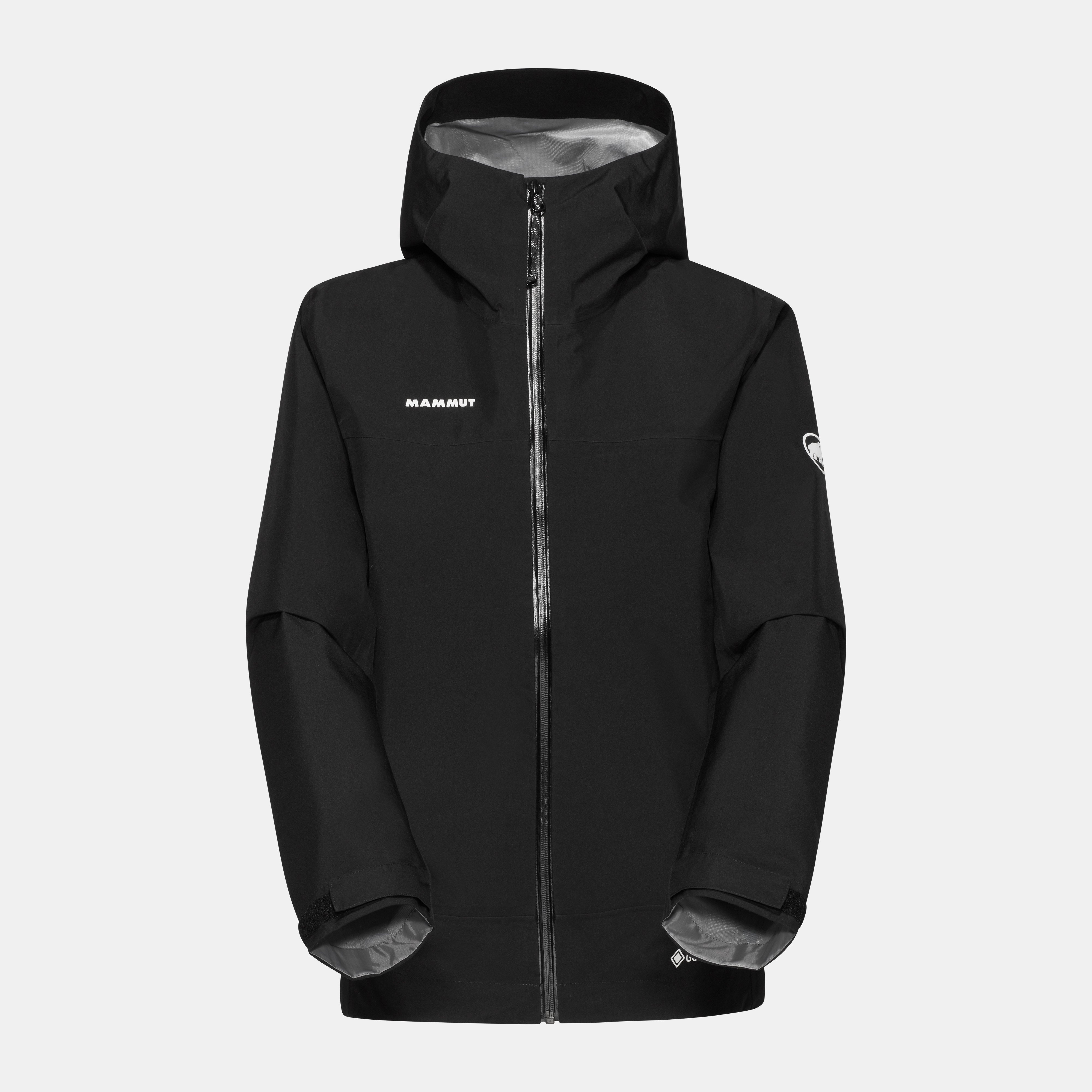
Crater Light HS Hooded Jacket Women
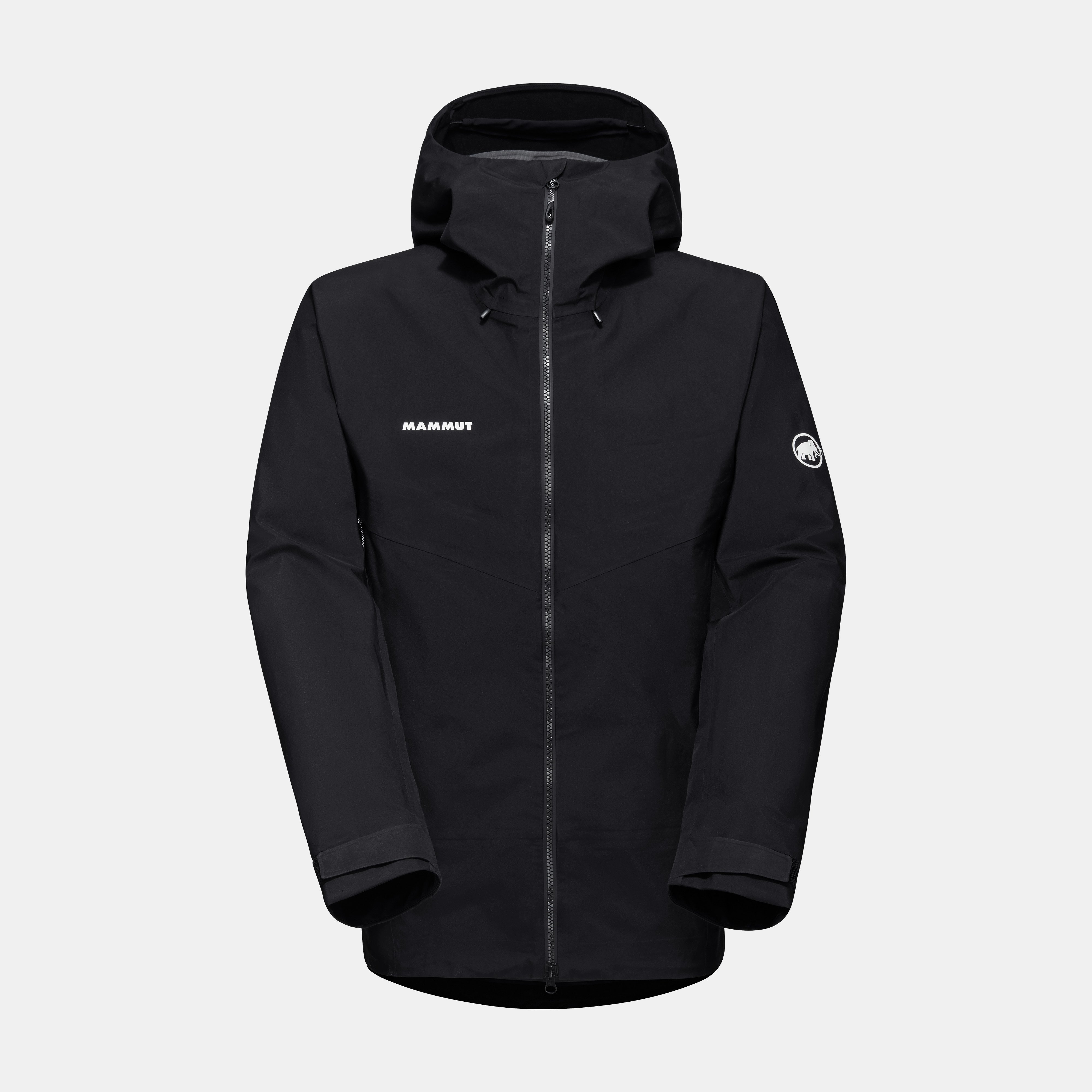
New Colors Added
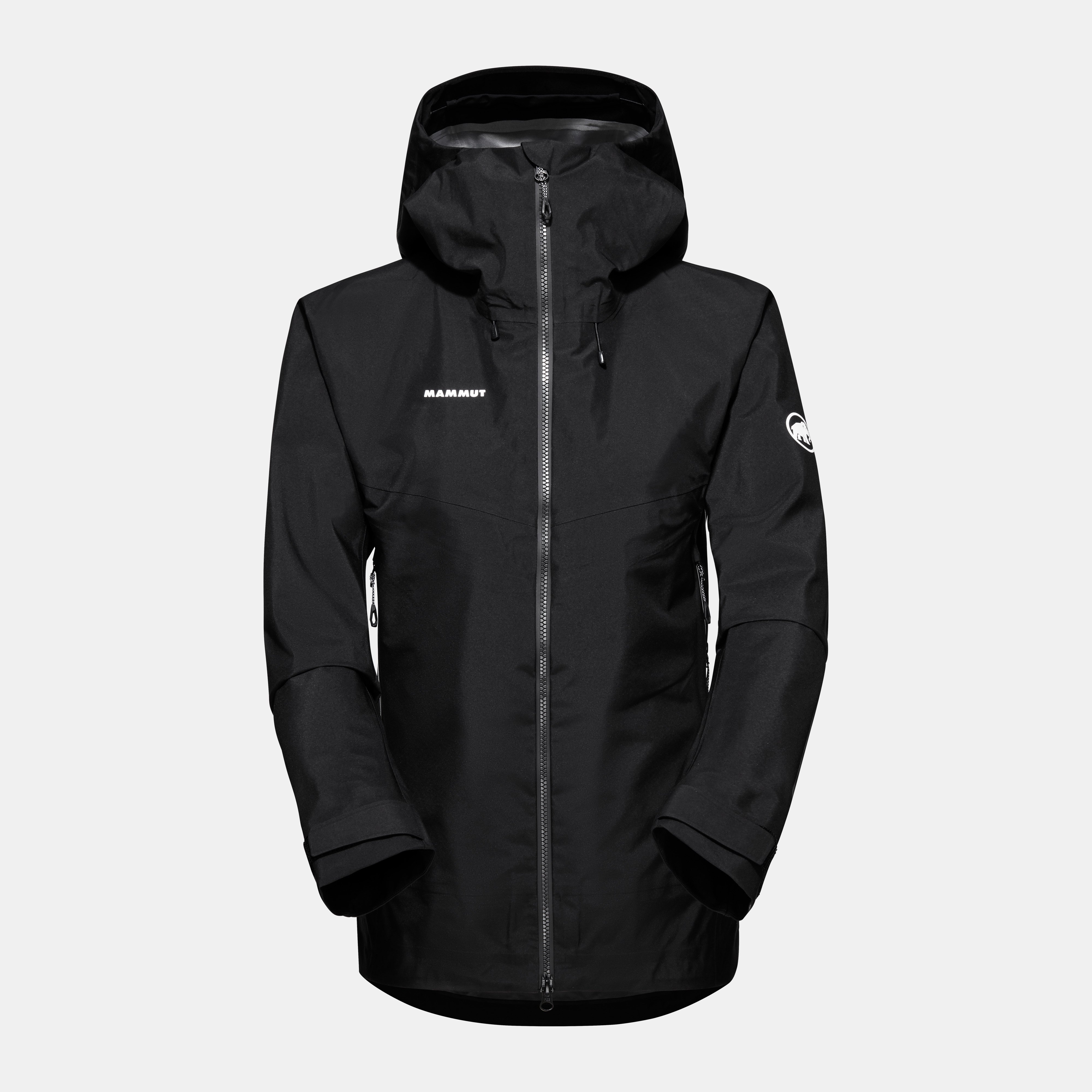
Crater IV HS Hooded Jacket Men
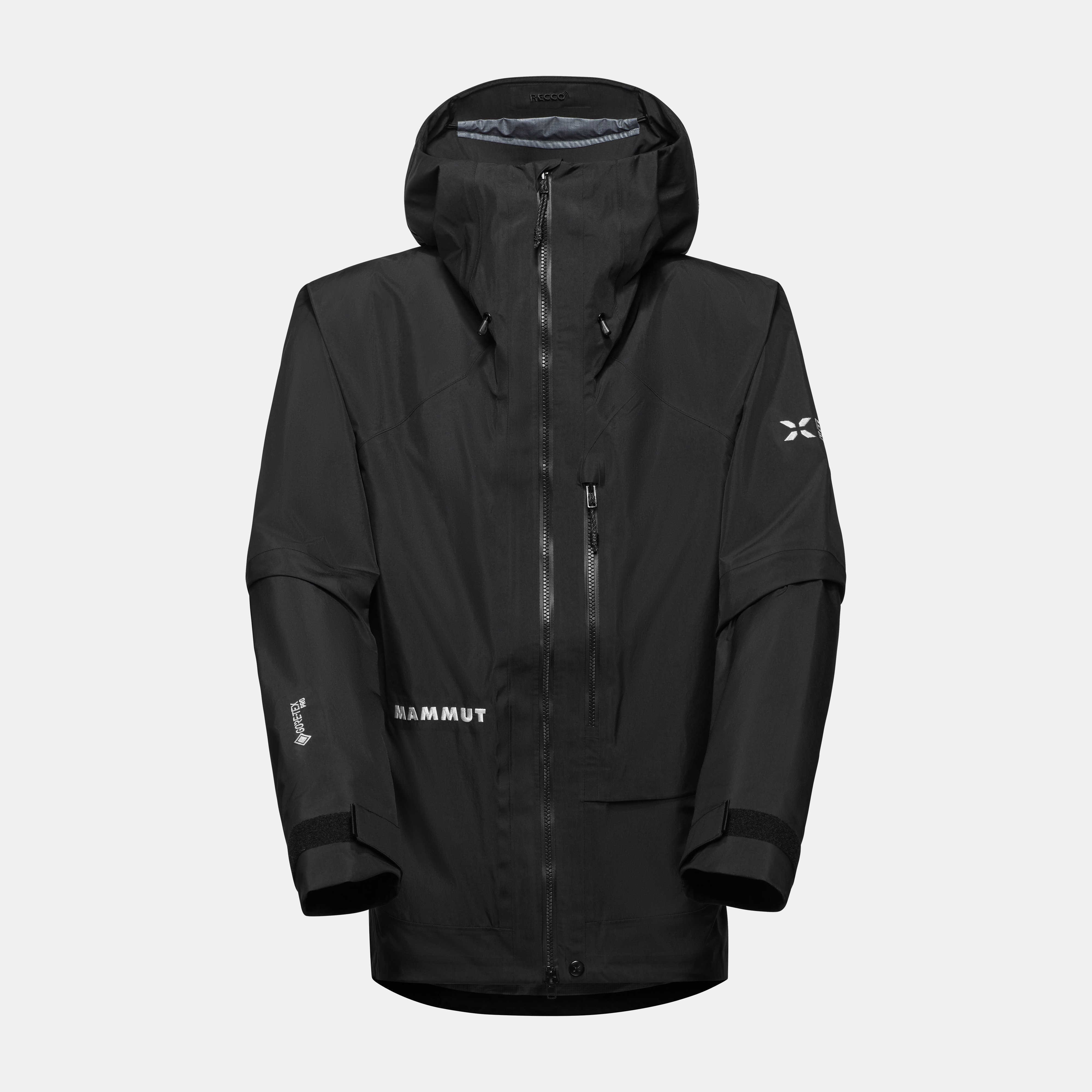
Eiger Extreme
Eiger Nordwand Advanced HS Hooded Jacket Men
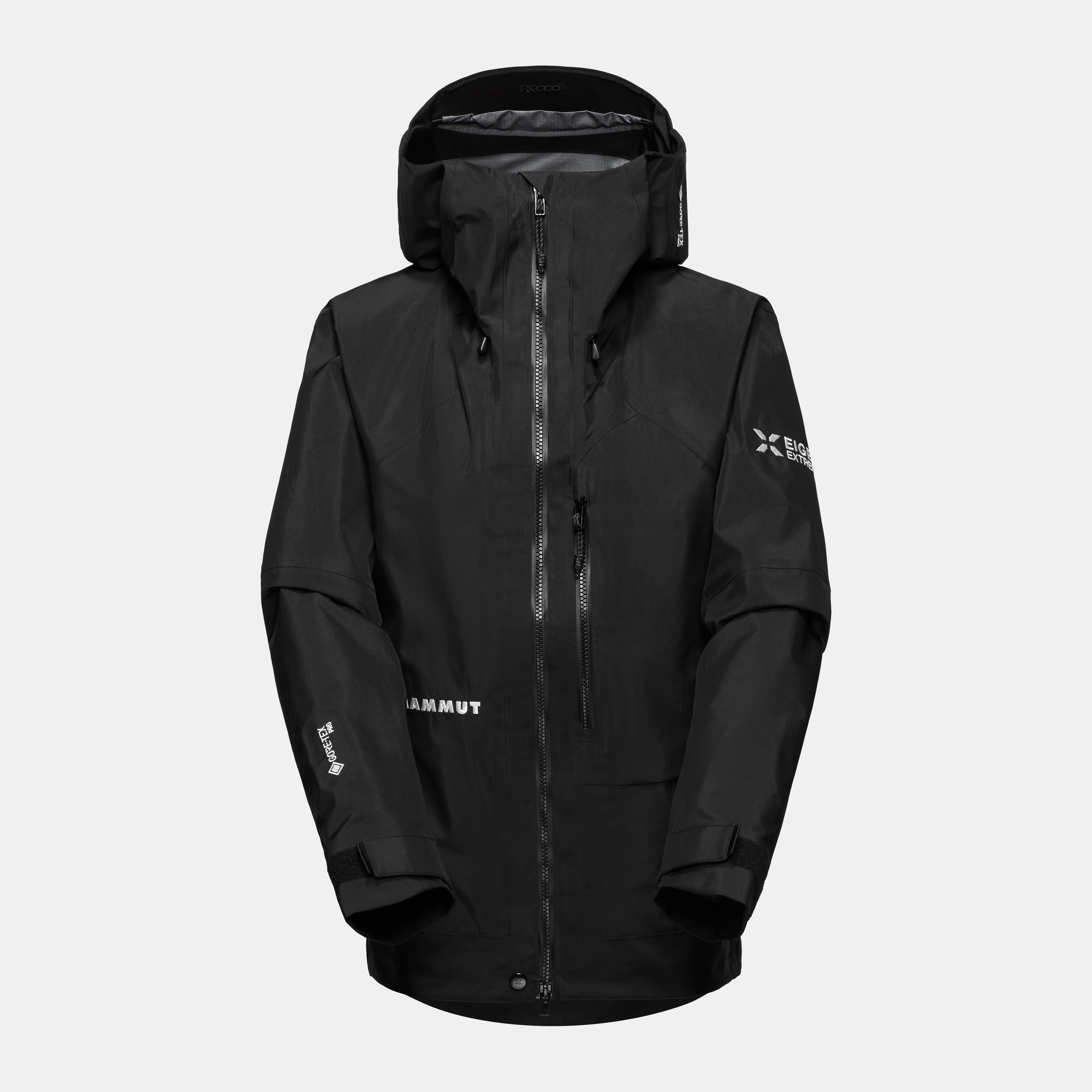
Eiger Extreme
Eiger Nordwand Advanced HS Hooded Jacket Women
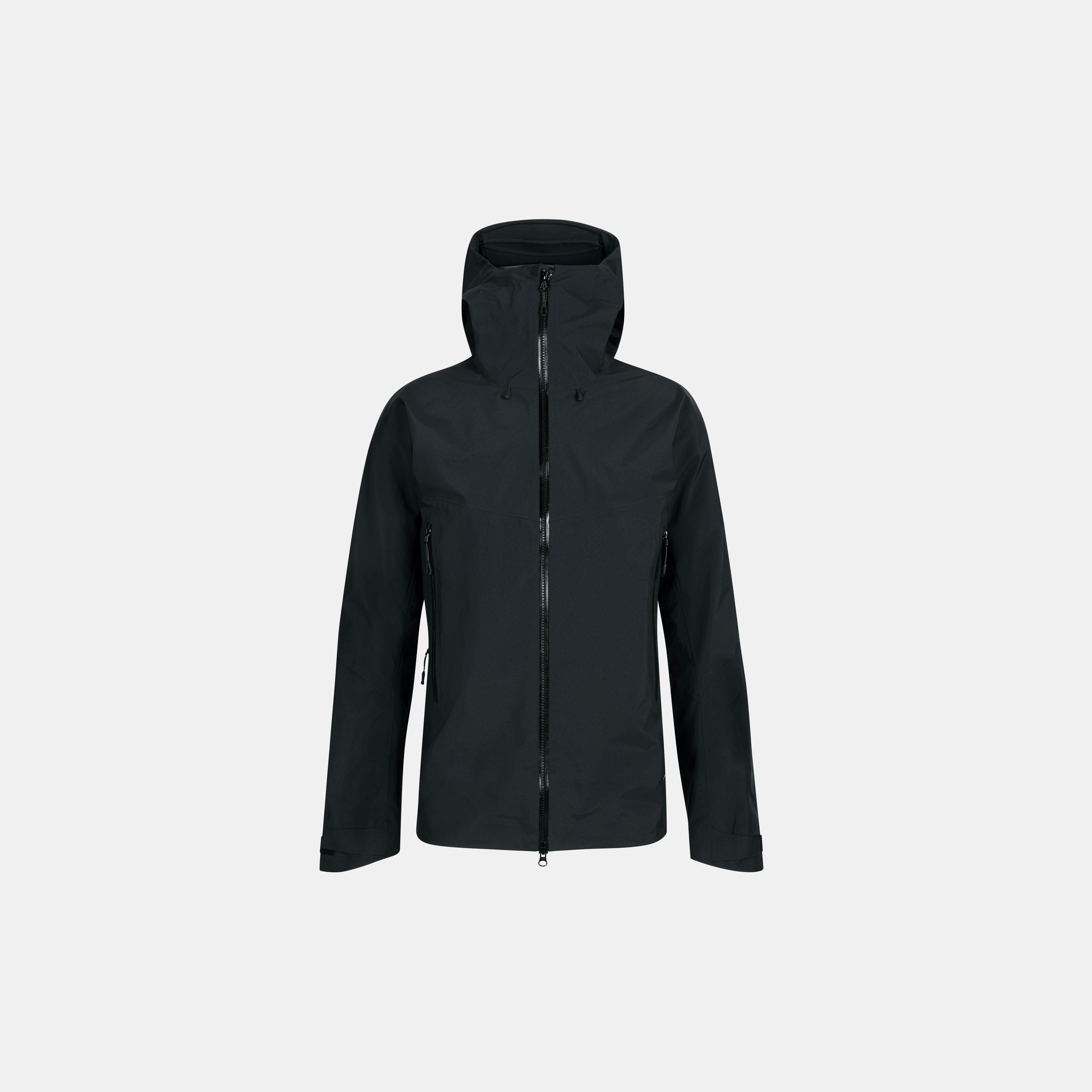
The perfect pants for hiking in winter
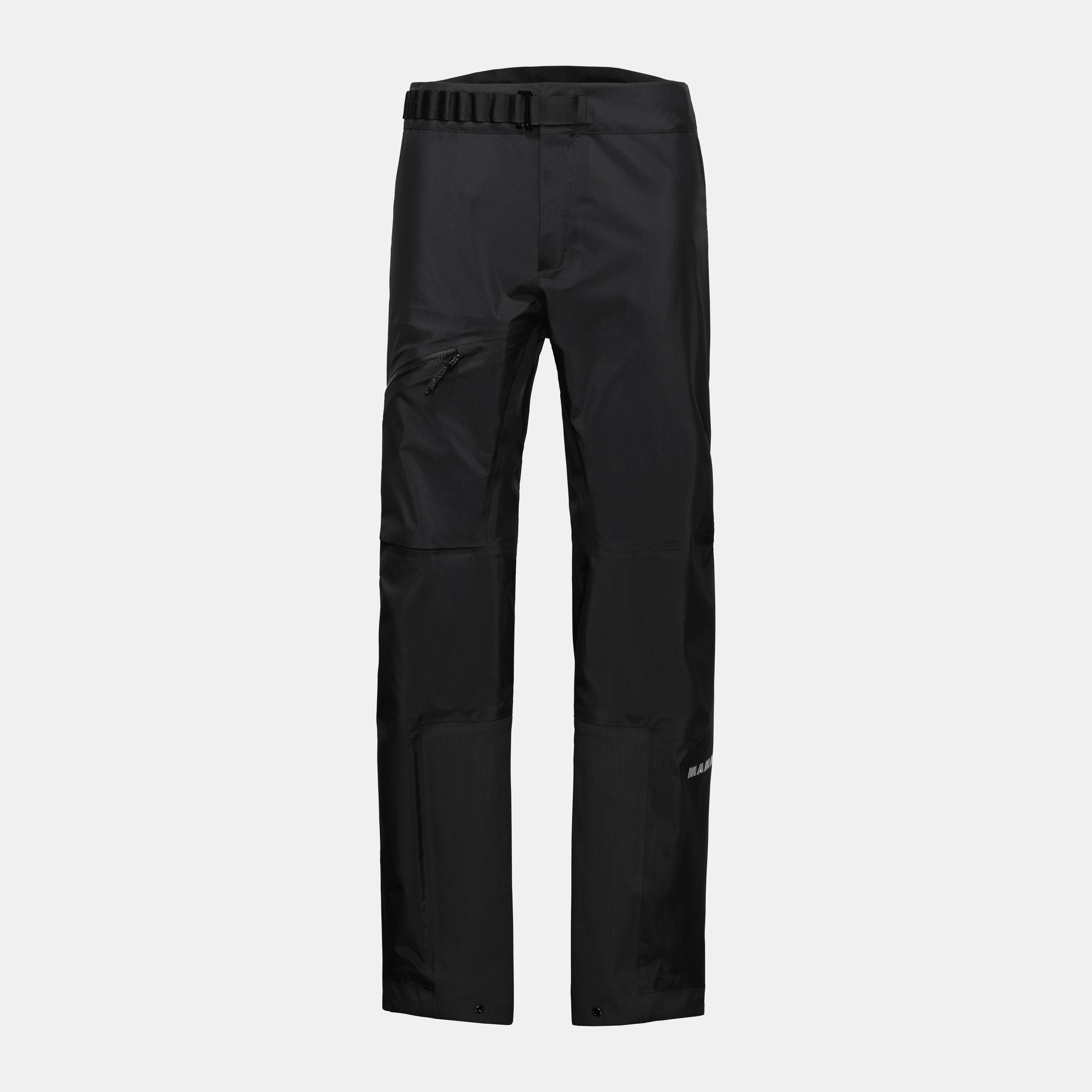
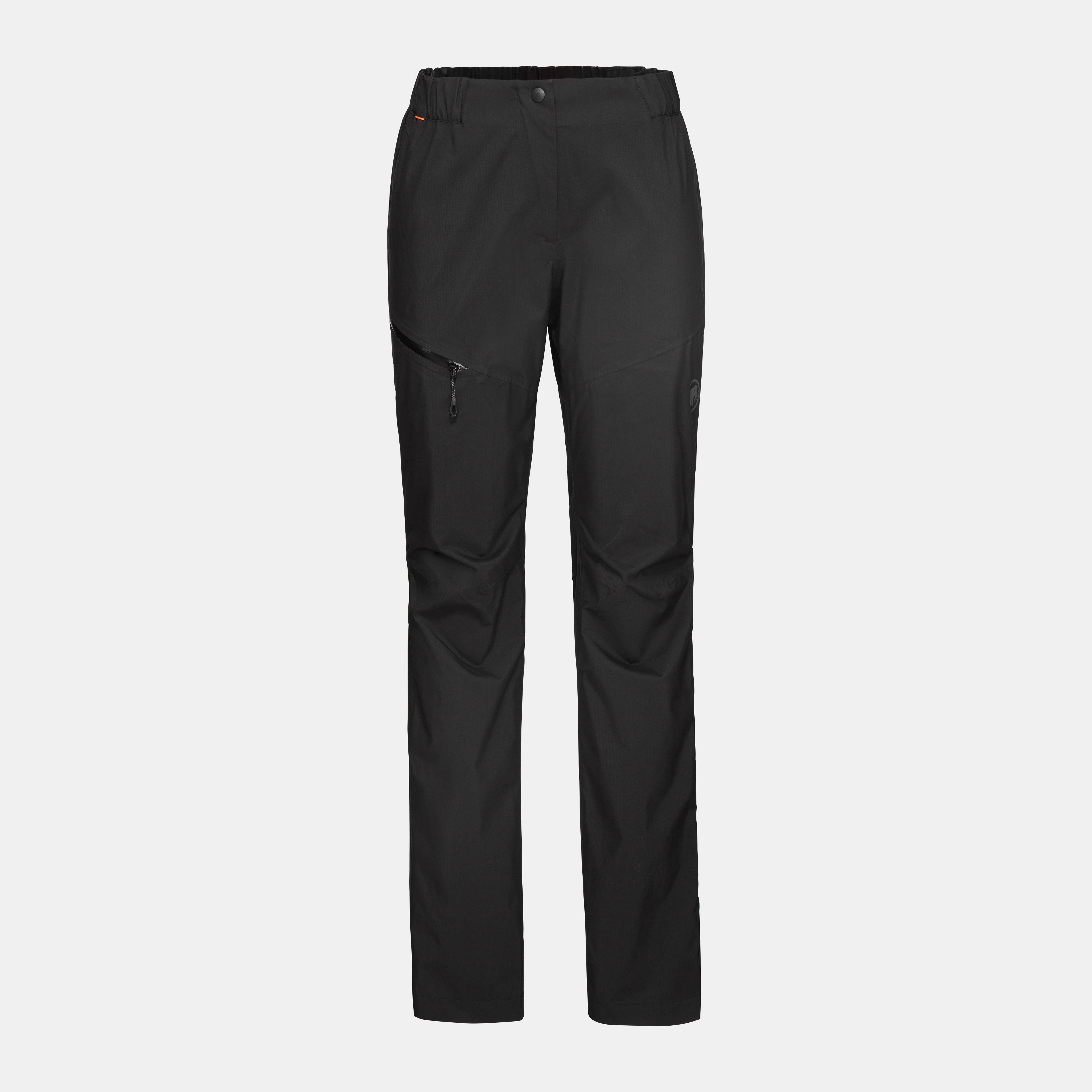
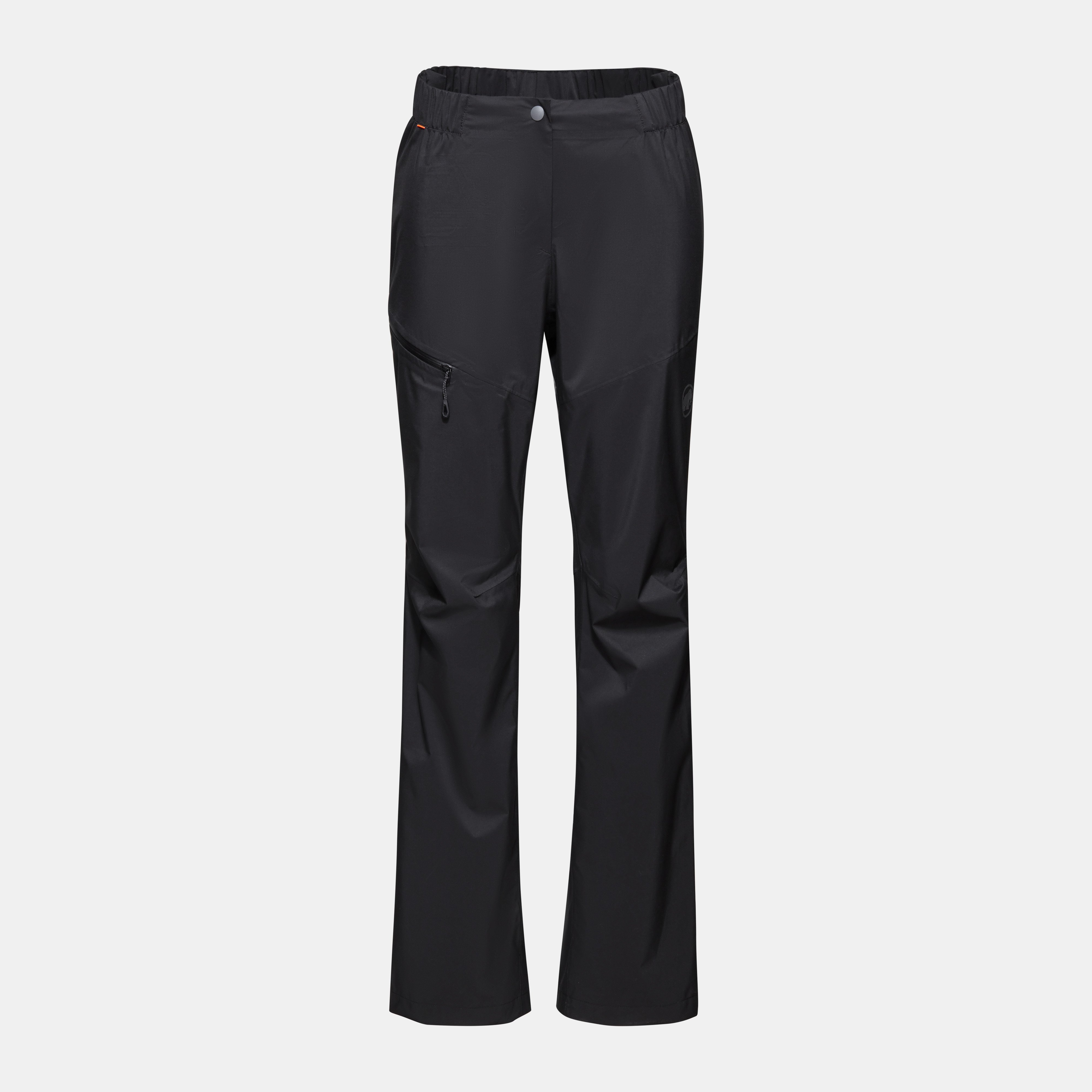
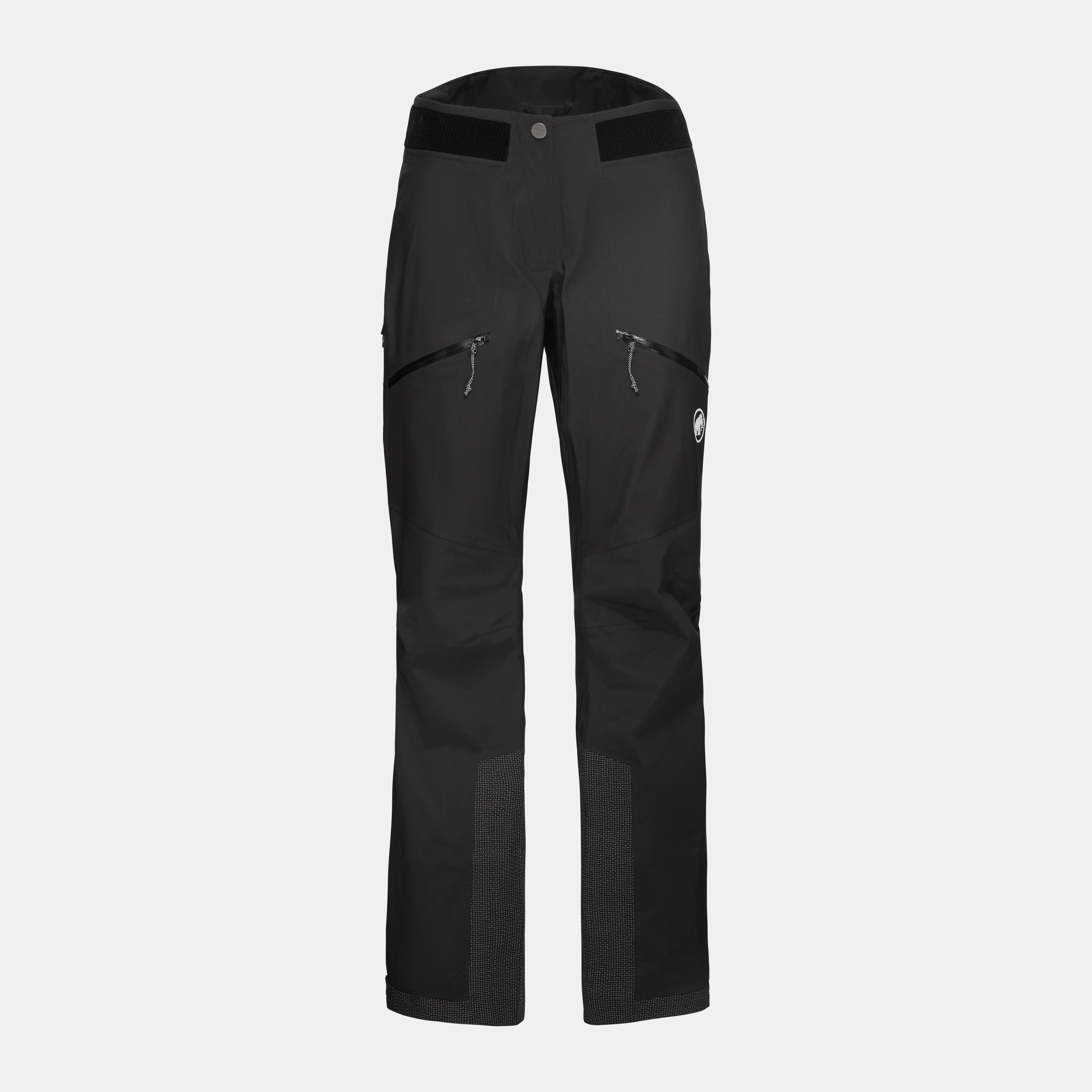
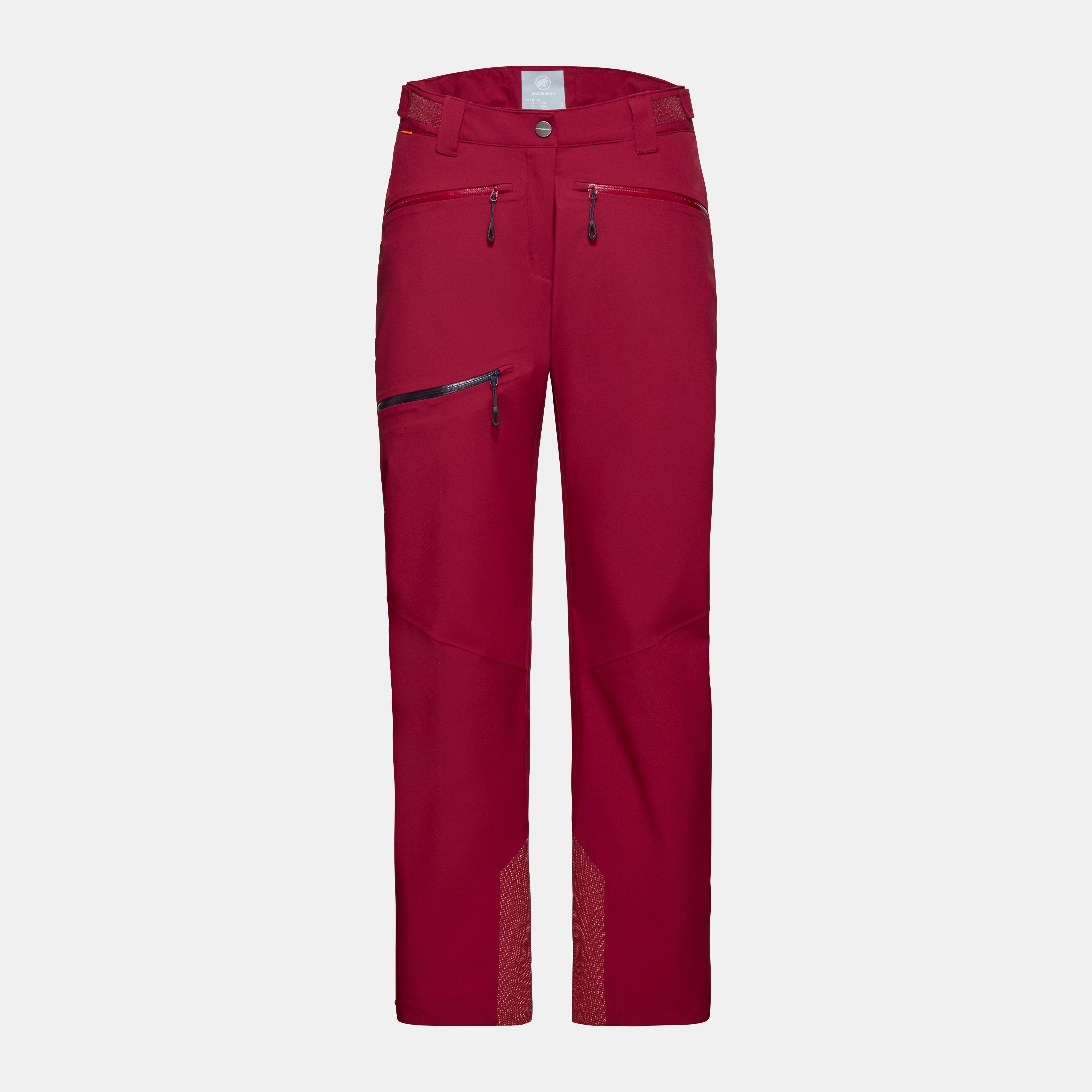
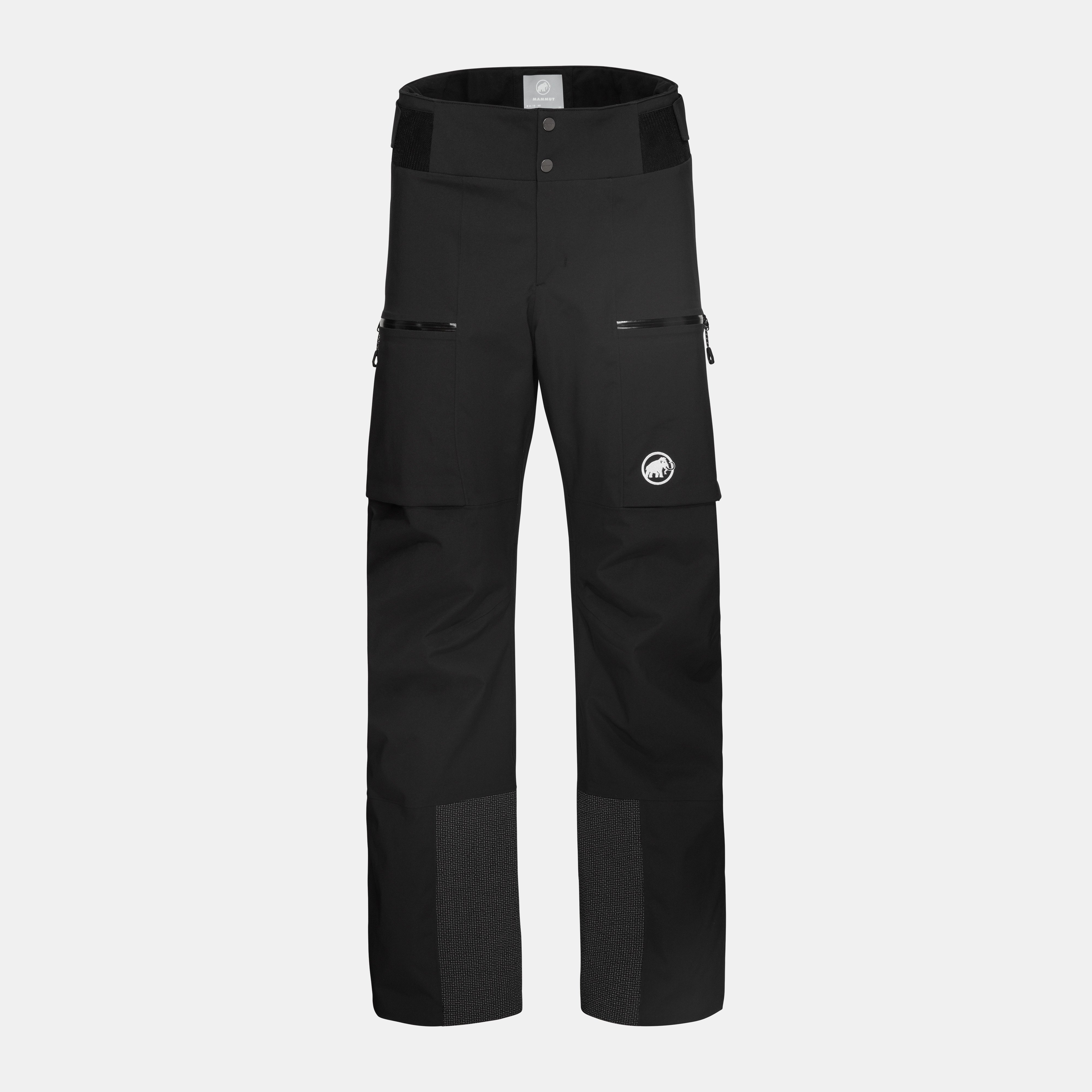
Depending on the weather and your chosen route, you can either opt for softshell pants or hardshell pants on top of your base layer(s). Softshells are great because they are breathable, stretchy and comfortable to wear – perfect for cold and dry or moderately wet conditions. Hardshell pants, on the other hand, will give you maximum protection against rain, wind and deep snow.
When traversing particularly snowy trails or passages covered in deep snow, galoshes can be a great add-on: Worn over your boots and the bottom part of your pants, they’ll effectively keep out snow and moisture – a huge plus when you’re knee-deep in snow.
Game-changing accessories
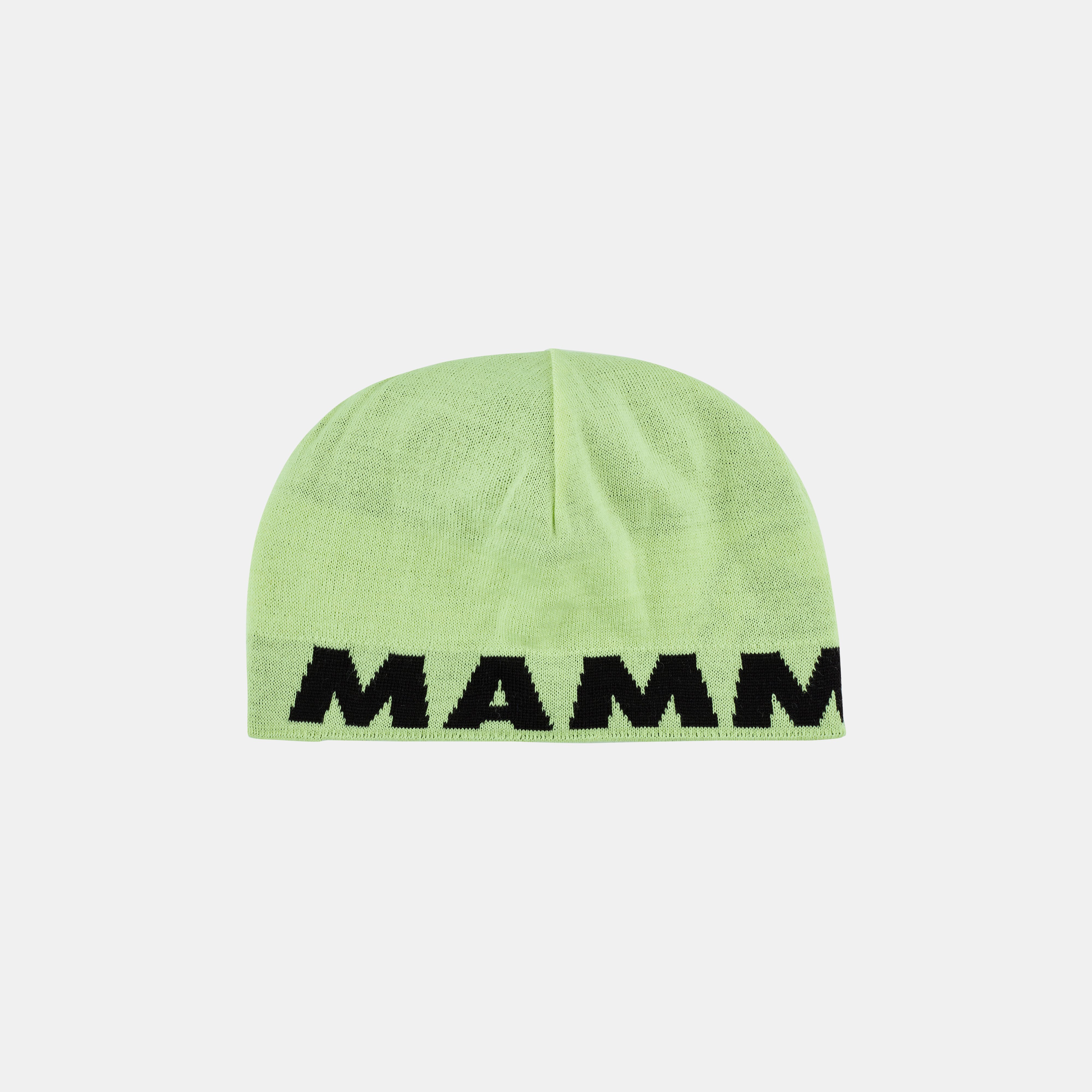
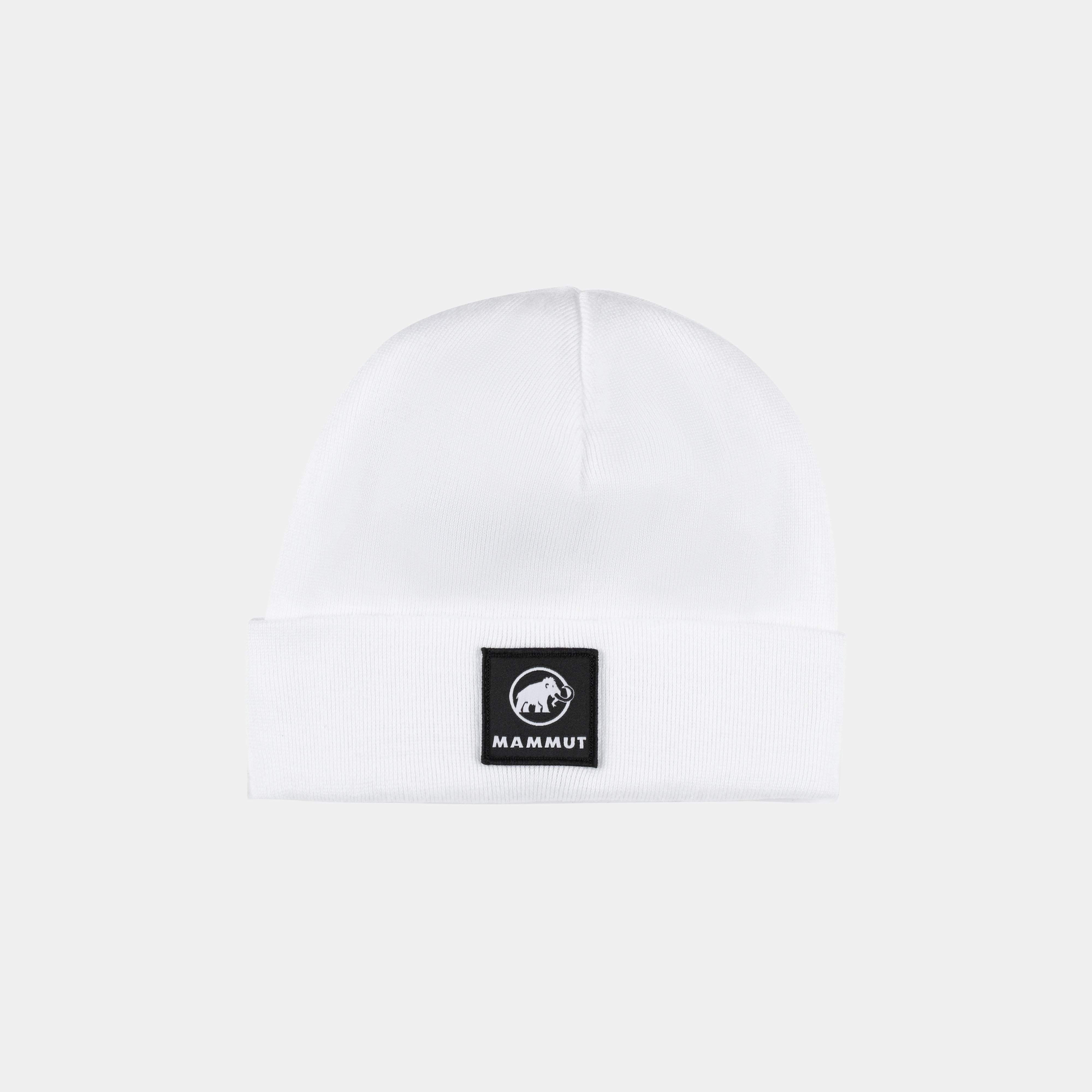
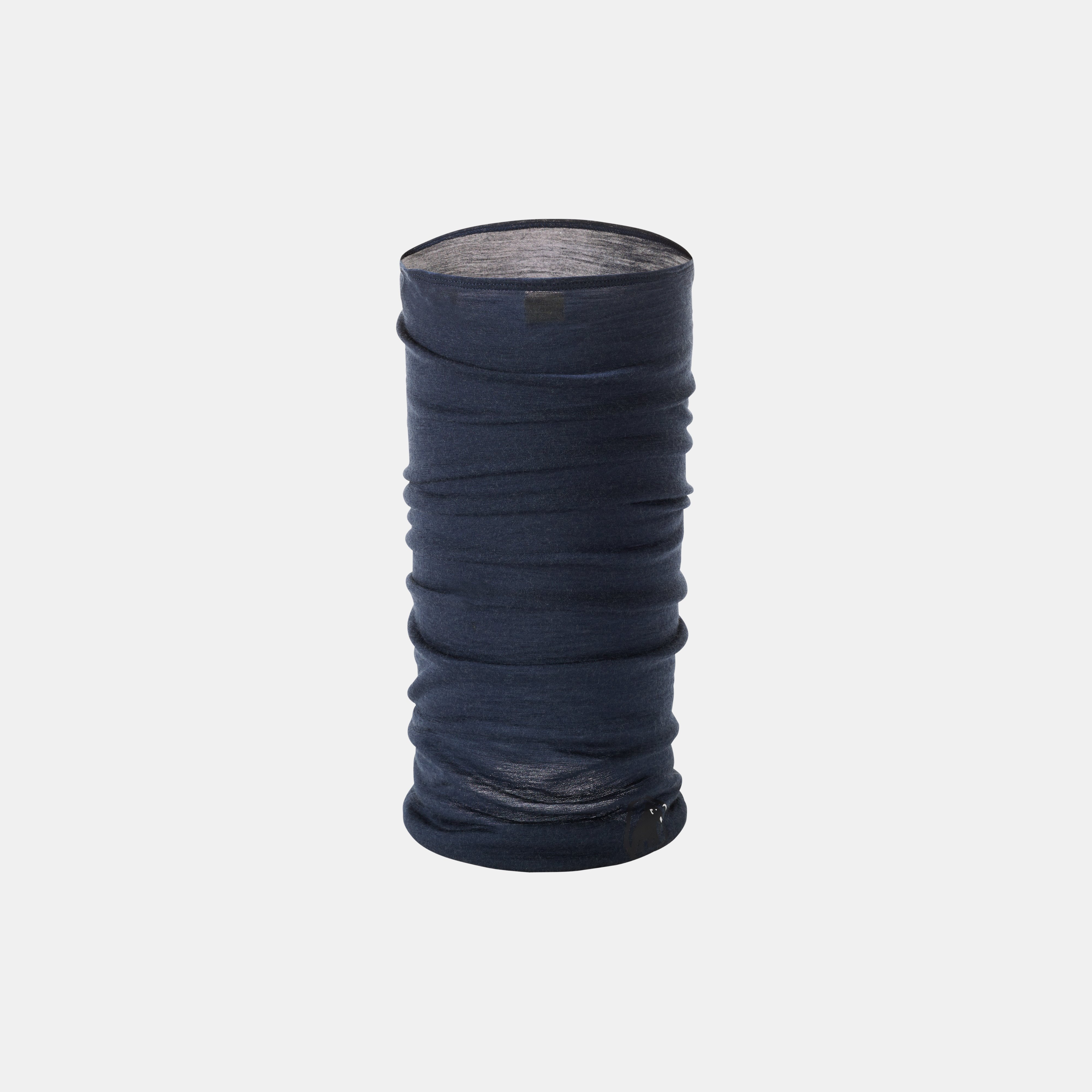
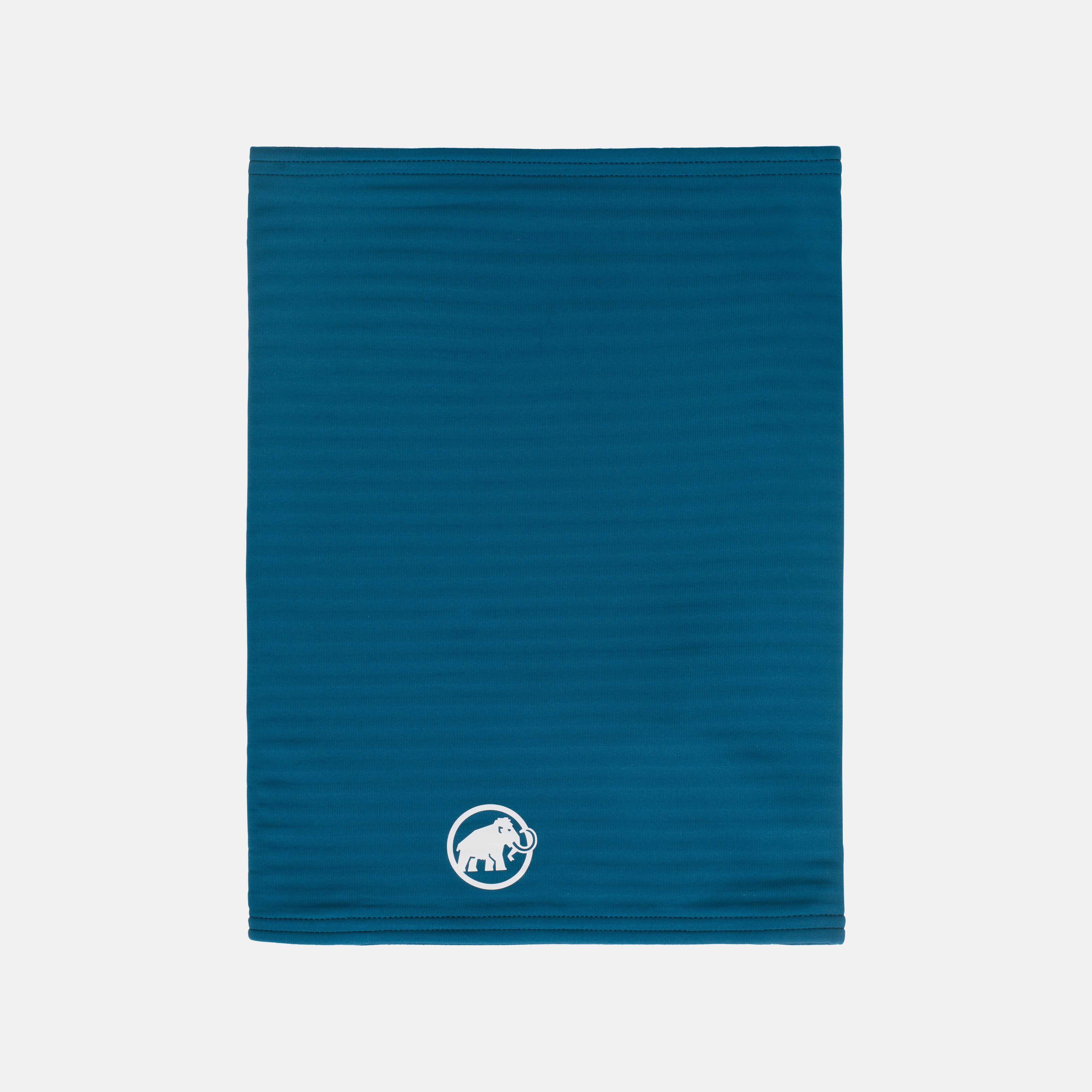
A large percentage of your body heat escapes via your head, so a good-quality beanie or hat is an absolute must-have when hitting those wintery trails. As far as materials go, fleece and Merino wool are the clear frontrunners: They’ll keep you warm while making sure your body doesn’t overheat. A tube scarf will effectively keep out the wind – and can quickly be pulled up to cover your nose if needed.
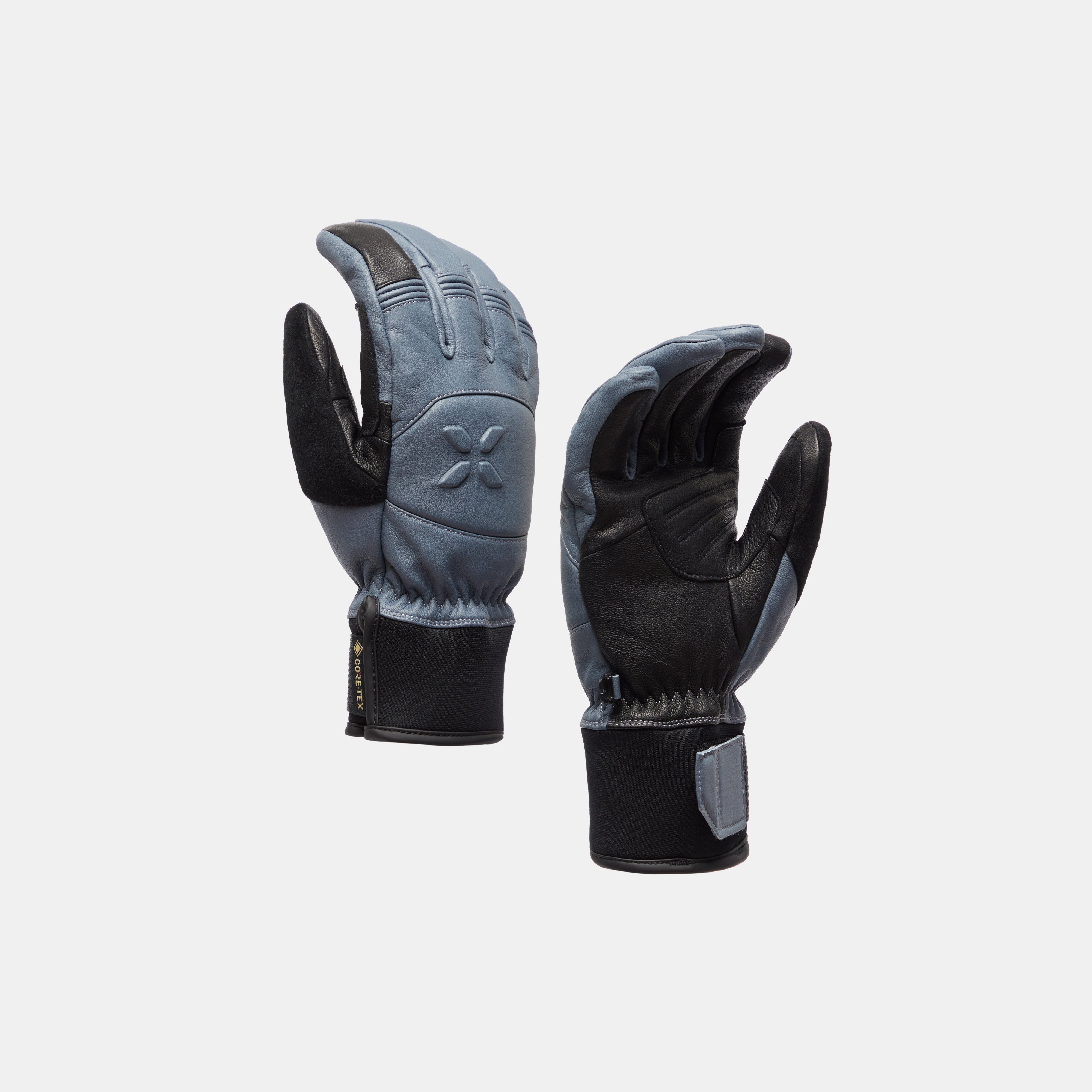
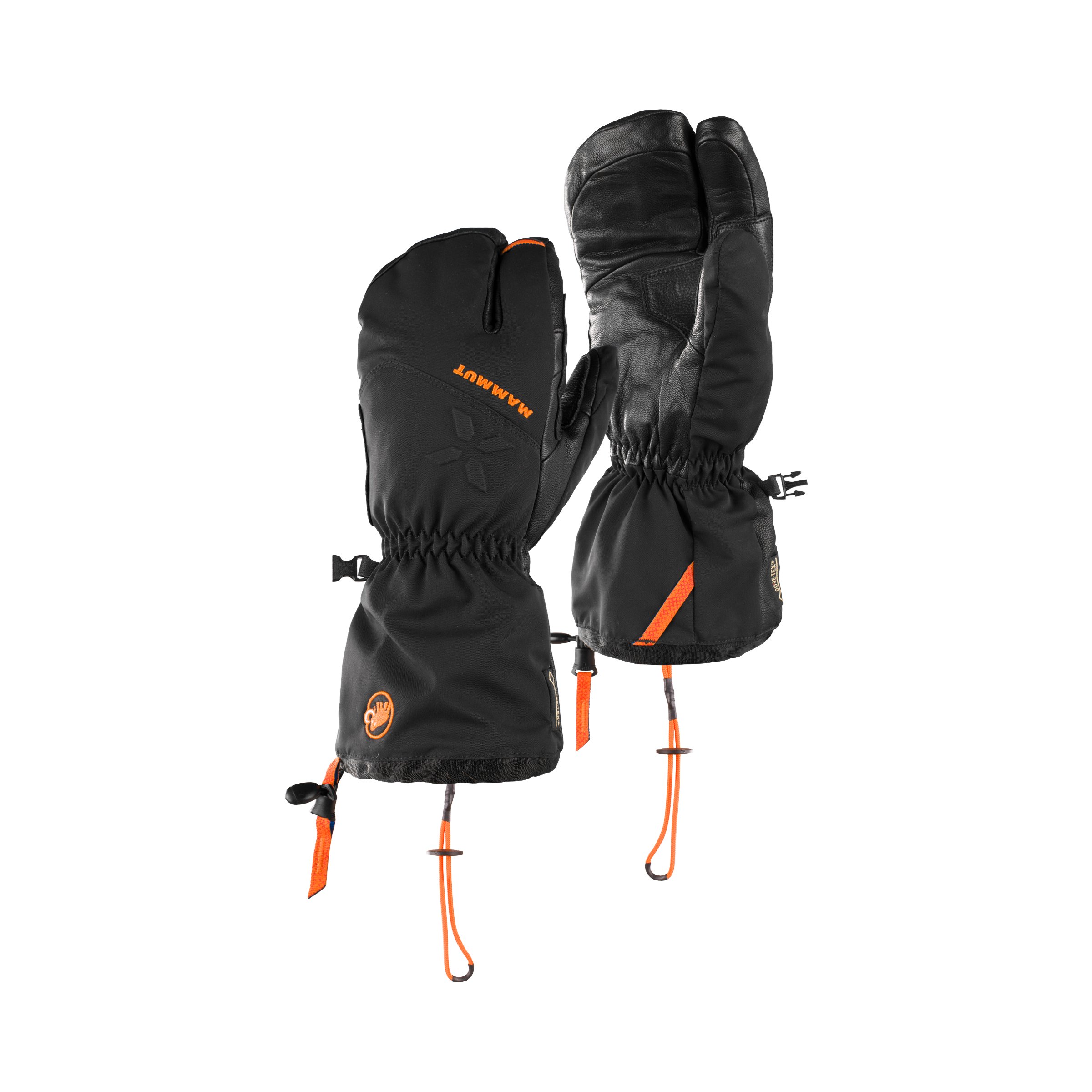
Your gloves should be windproof and well insulated. While mittens will provide the most warmth, finger gloves will give you more freedom to move. Pro tip: Wear a pair of thin gloves underneath your regular ones to boost your dexterity when taking a break to eat or drink. That way, your hands won’t be completely exposed to the cold, and your fingers will have plenty of space to move.
Another important accessory: socks made from Merino wool to keep you warm while still allowing for some wiggle room. Plus, never forget to bring a backup pair of socks in case you get wet.
Boots for hiking in winter: How to get the perfect grip on snow and ice
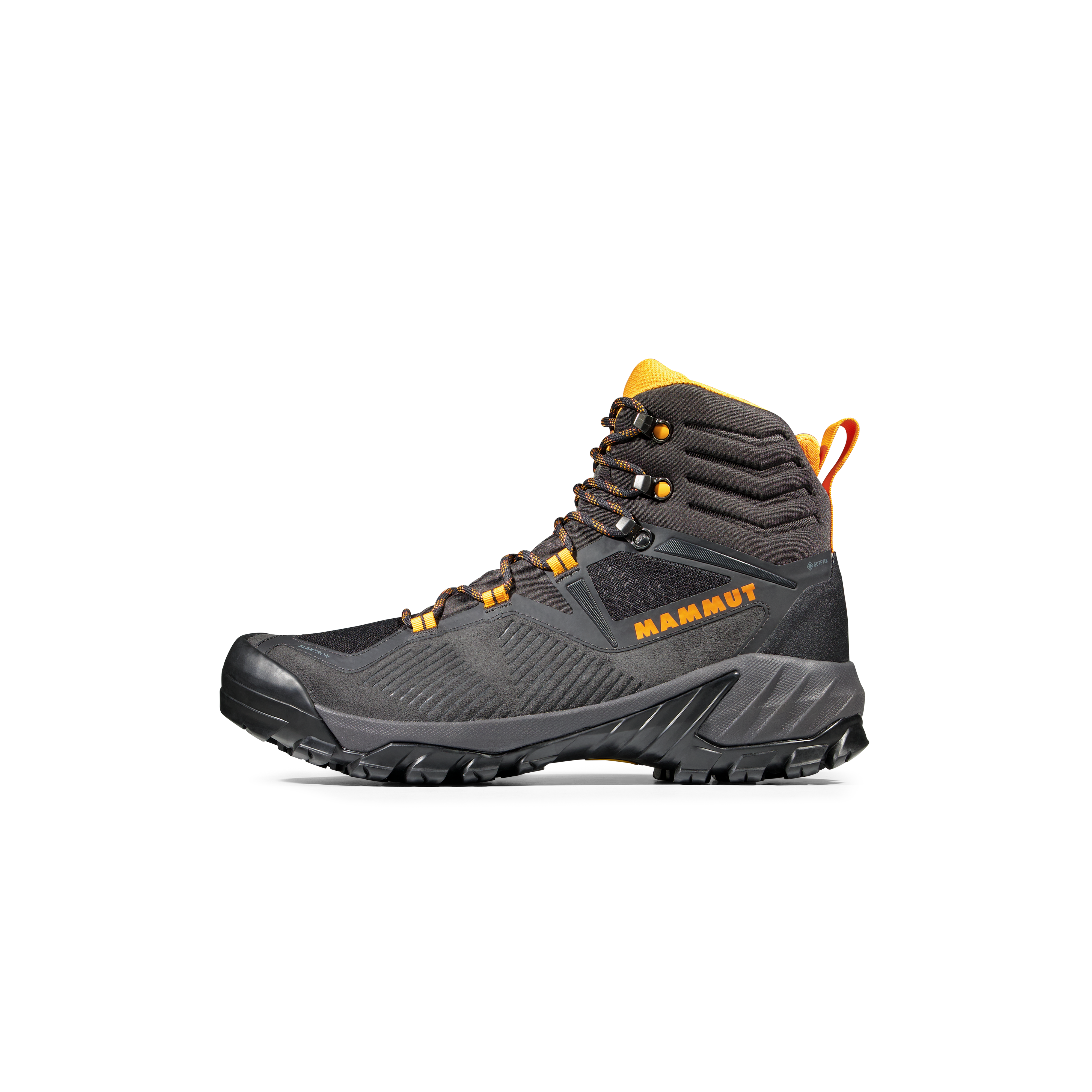
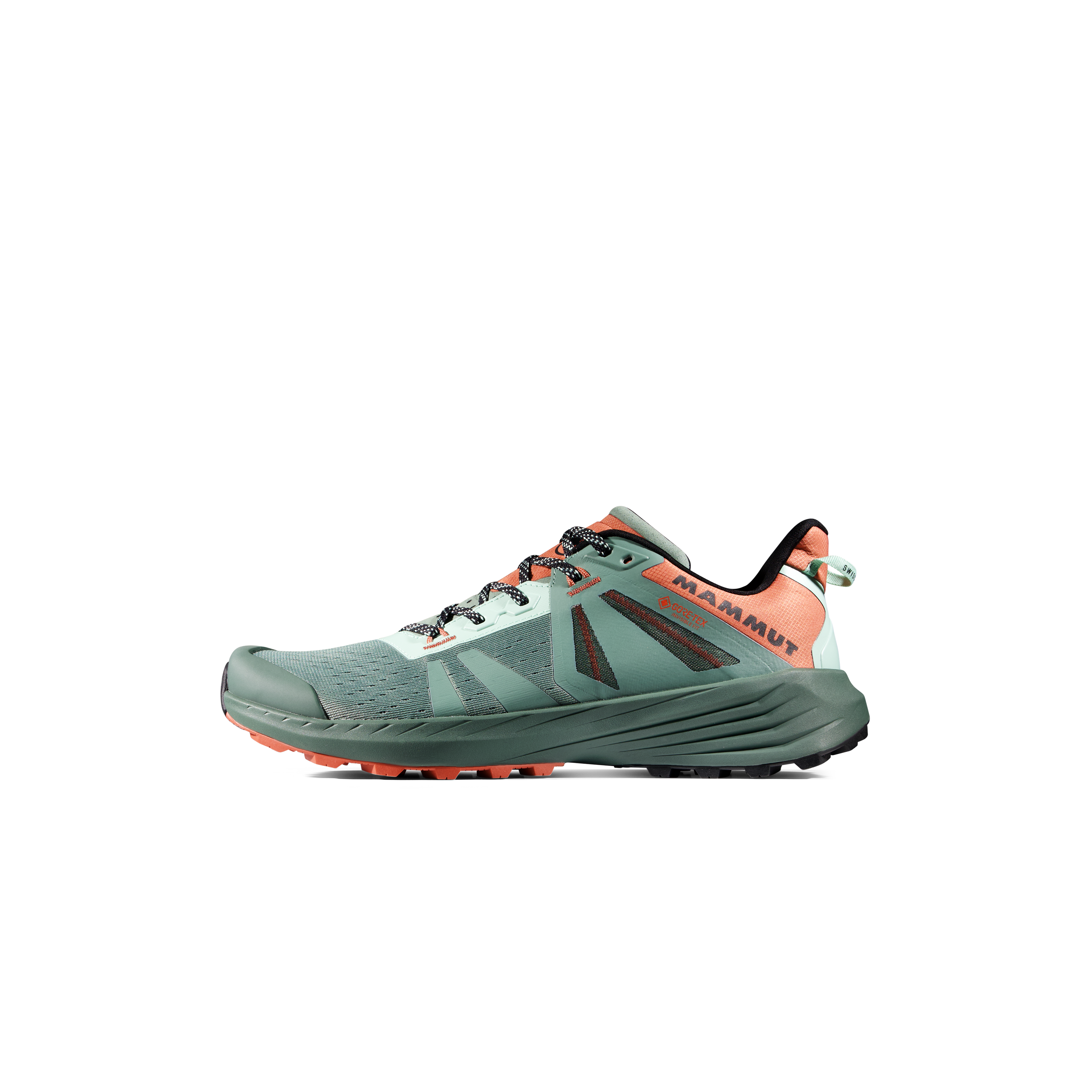
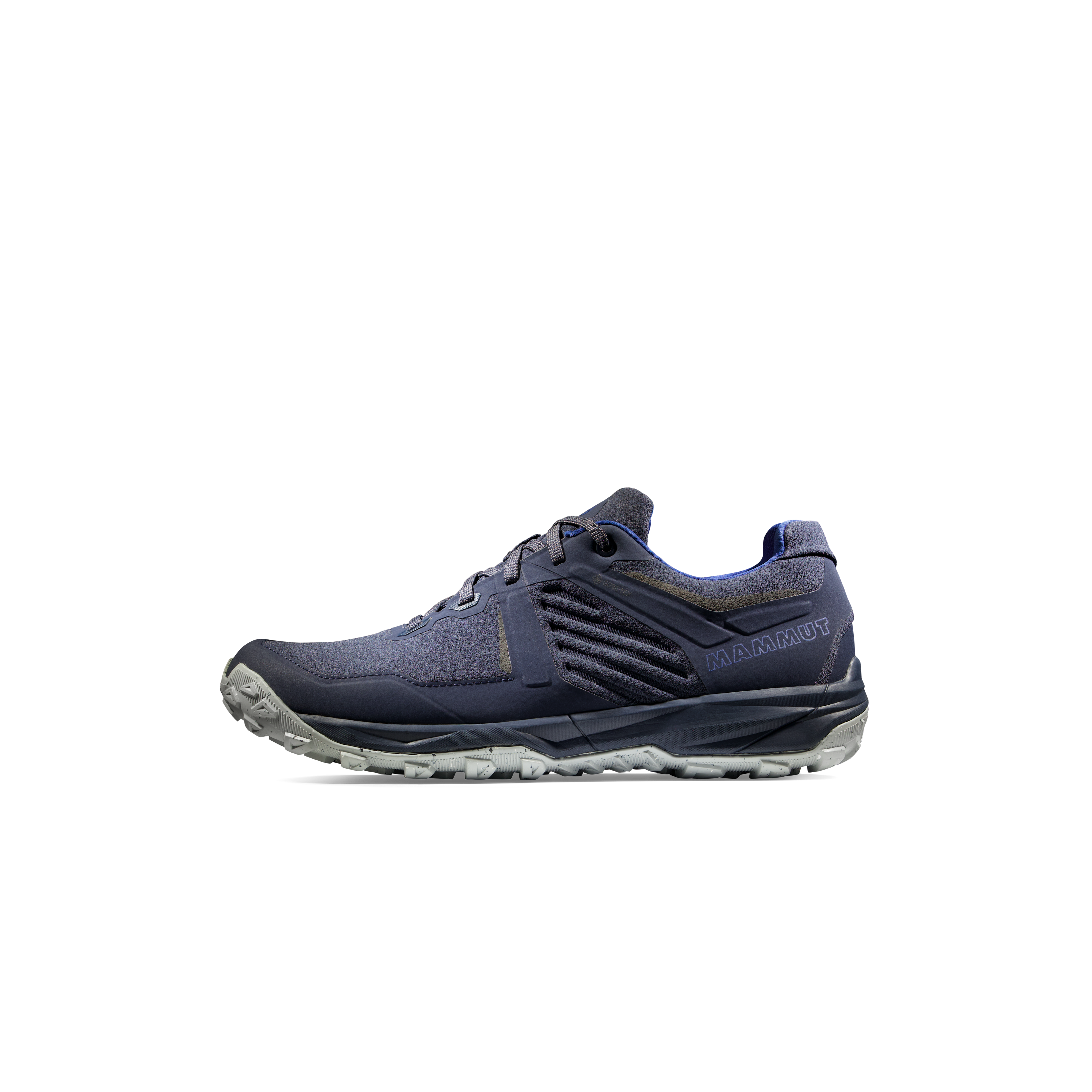
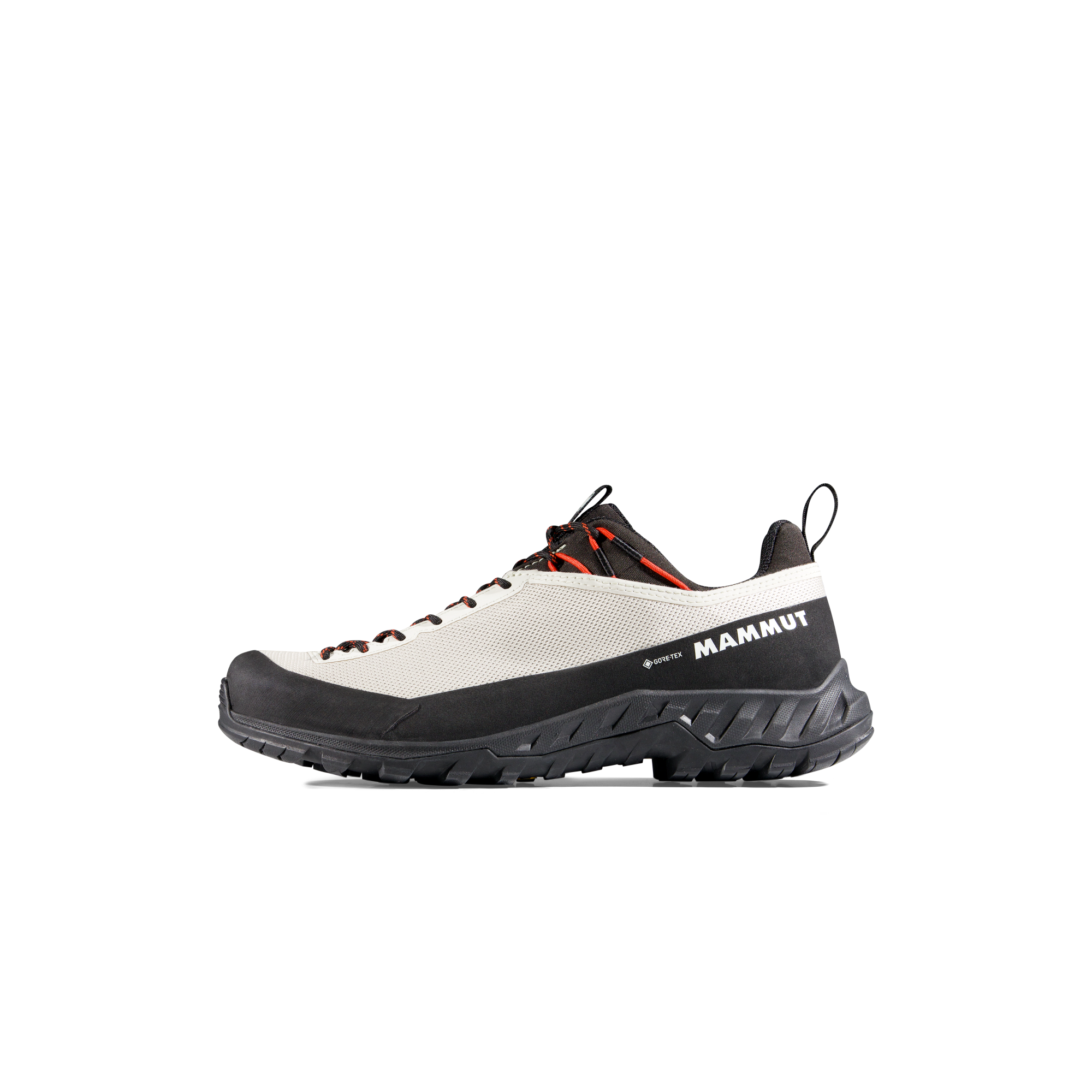
Especially when hiking in winter, hiking boots truly shine. Not only do they need to keep out the cold, but also be slip-resistant, waterproof and sturdy enough to help you successfully navigate snowy, icy or muddy terrain. At the same time, there should be enough space to wiggle your toes – the best way to ensure they’ll keep you warm while you’re out and about.
What to look out for in winter hiking boots?
Insulation: Good insulation will protect you from getting cold, even in subzero temperatures or when taking extended breaks. Many hiking boots come with synthetic insulation or an inner lining combined with airtight materials to lock in your body heat.
Waterproofness: Wet feet are a no-no when hiking in winter. Shoes using GORE-TEX® membrane or similar technologies will keep moisture at bay while ensuring a comfortable feel all around.
A grippy sole: Slippery stretches, frozen trails or muddy ground are part and parcel of hiking in winter. A grippy Vibram®-sole or similarly high-performance sole will ensure great footing throughout, even on icy trails.
Ankle-high shafts: For better stability and protection, go for a mid- to high-top shoe to support your ankles.
The right fit and space for your socks: Your shoes should be big enough for wearing winter socks, with a bit of breathing space between your toes and the tip of the shoe. If the fit is too tight, your feet will get cold pretty fast.
Want more grip? If you’re navigating super icy trails or alpine terrain, adding spikes, microspikes or crampons will instantly improve your footing. Depending on the model, you can usually just slip them over your feet for added stability
Key equipment for winter hiking
On top of weatherproof clothing and the right pair of boots, the right equipment is key when exploring the great outdoors. Freezing temperatures, shorter days and changing conditions are a completely different beast compared to lush summer hikes. So make sure to bring the following:
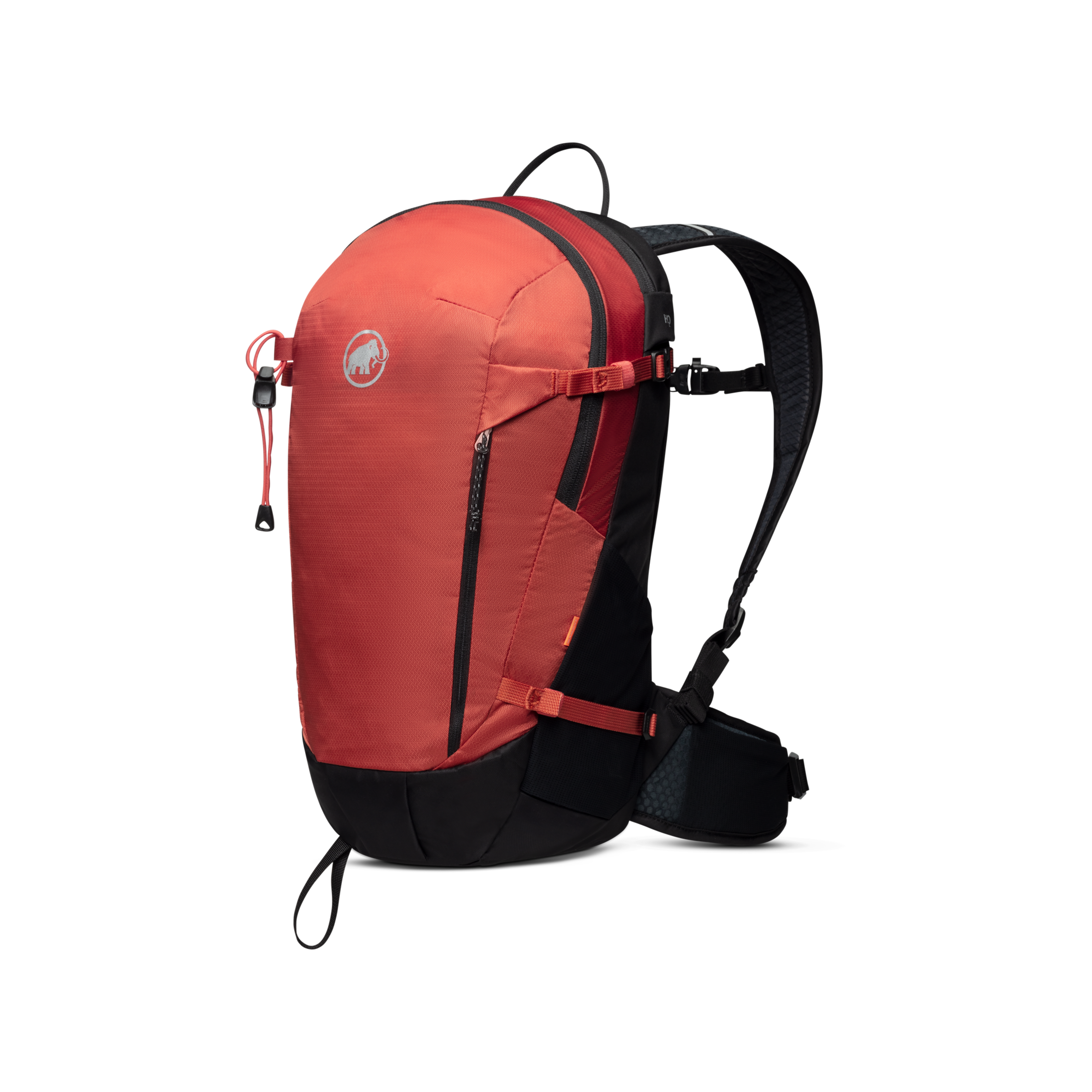
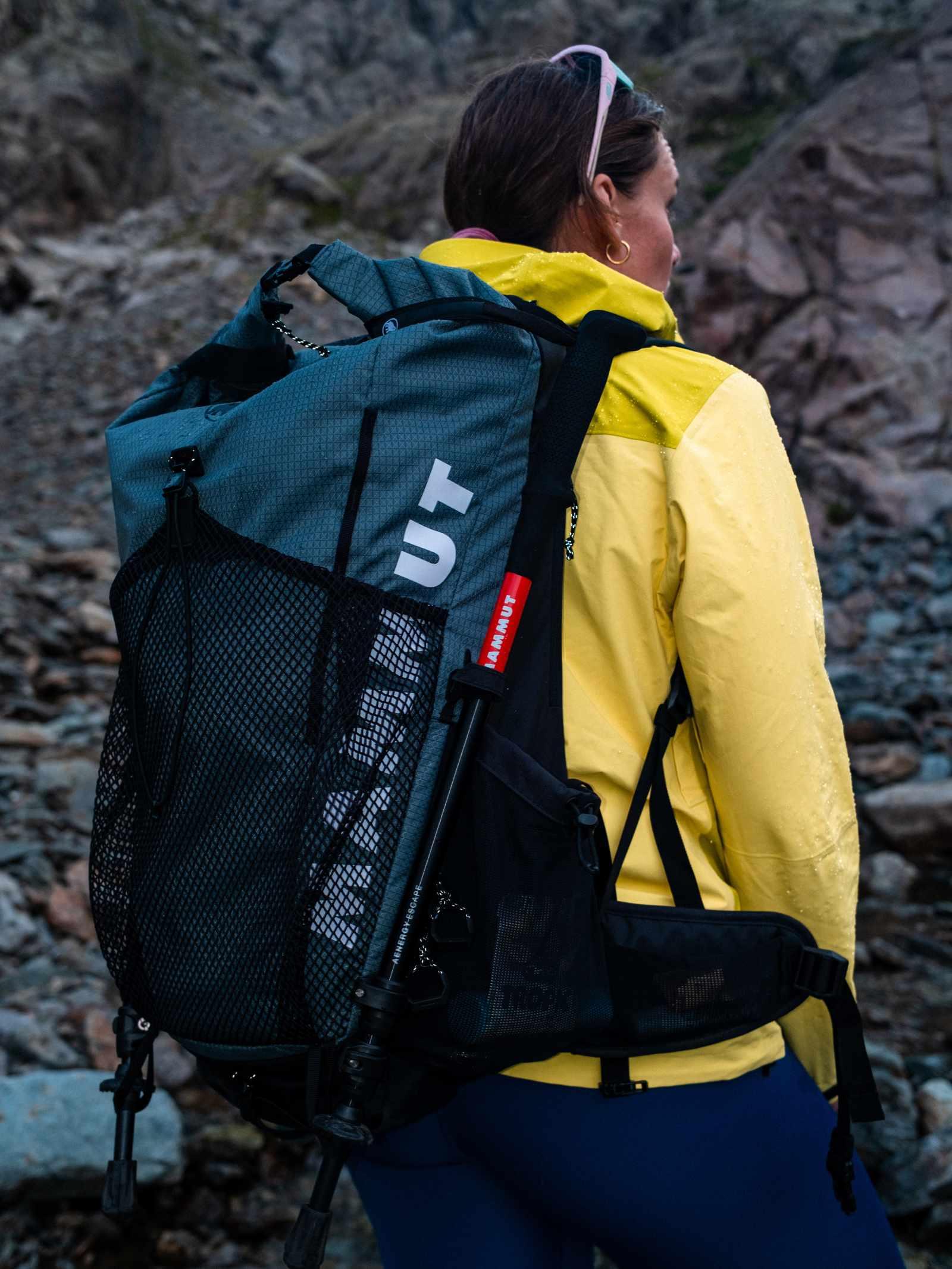
Backpack : Ideally, choose a model with a hip strap and a smart structure – that way, all your things will be readily accessible and comfortable to carry, even when you’re seriously layering up.
Thermos flask with hot tea or soup: Whether summer or winter, getting in plenty of fluids is key. Plus, a sip of something warm can be a real lifesaver when on the road. Snacks like granola bars, nuts or dried fruits are also useful to have. Note: For more tips, make sure to check out our article on what food to bring for hiking.
A change of clothes: A dry shirt or fresh pair of socks will make all the difference when you’re all hot and sweaty from your last climb.
Trekking poles: The best option to give yourself added stability and support on snowy trails, but also a great way to ease the strain on your joints – especially on your way down.
First-aid-kit: Small, compact and wrapped in weatherproof covering, it’s an absolute must-have in winter, especially when navigating more remote areas.
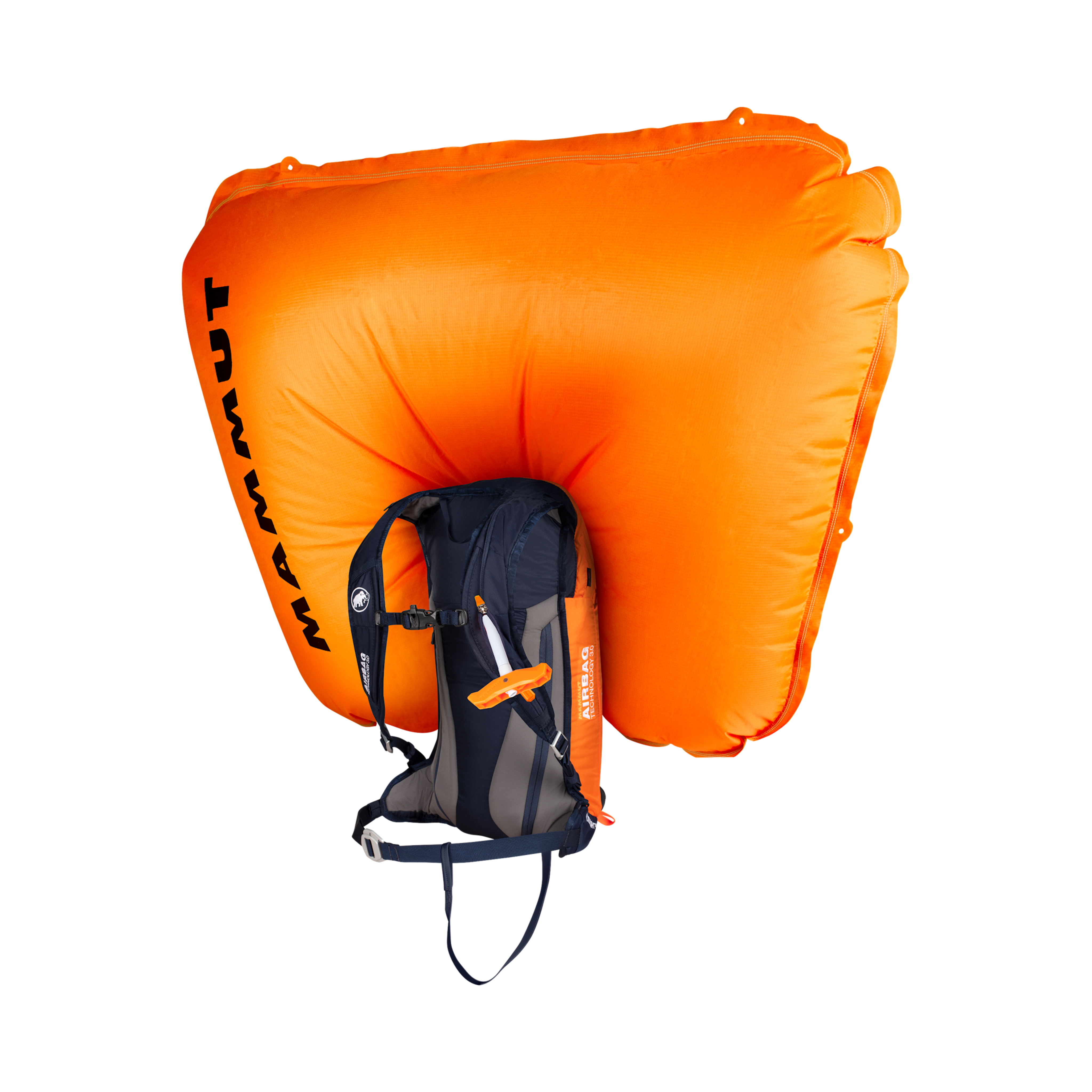
Avy Equipment : When moving off the beaten path, you should always have a Barryvox, avalanche probe and shovel right at hand – and know how to use them correctly.
Sunscreen and sunglasses: UV-protection matters all year round, even in winter – especially in the snow. As it reflects light, the sun exposure will be much more intense.
Make your winter hike a success with the right clothing
Dressing in layers is the perfect way to face everything mother nature throws at you in style. When out and about in winter, always remember: More is more – it’s always easier to take off layers than not having enough to put on. Want to find out more about the ins and outs of hiking? From planning your next hike to choosing the right pack, our Mammut Stories & Guides have got you covered.