


New Colors Added
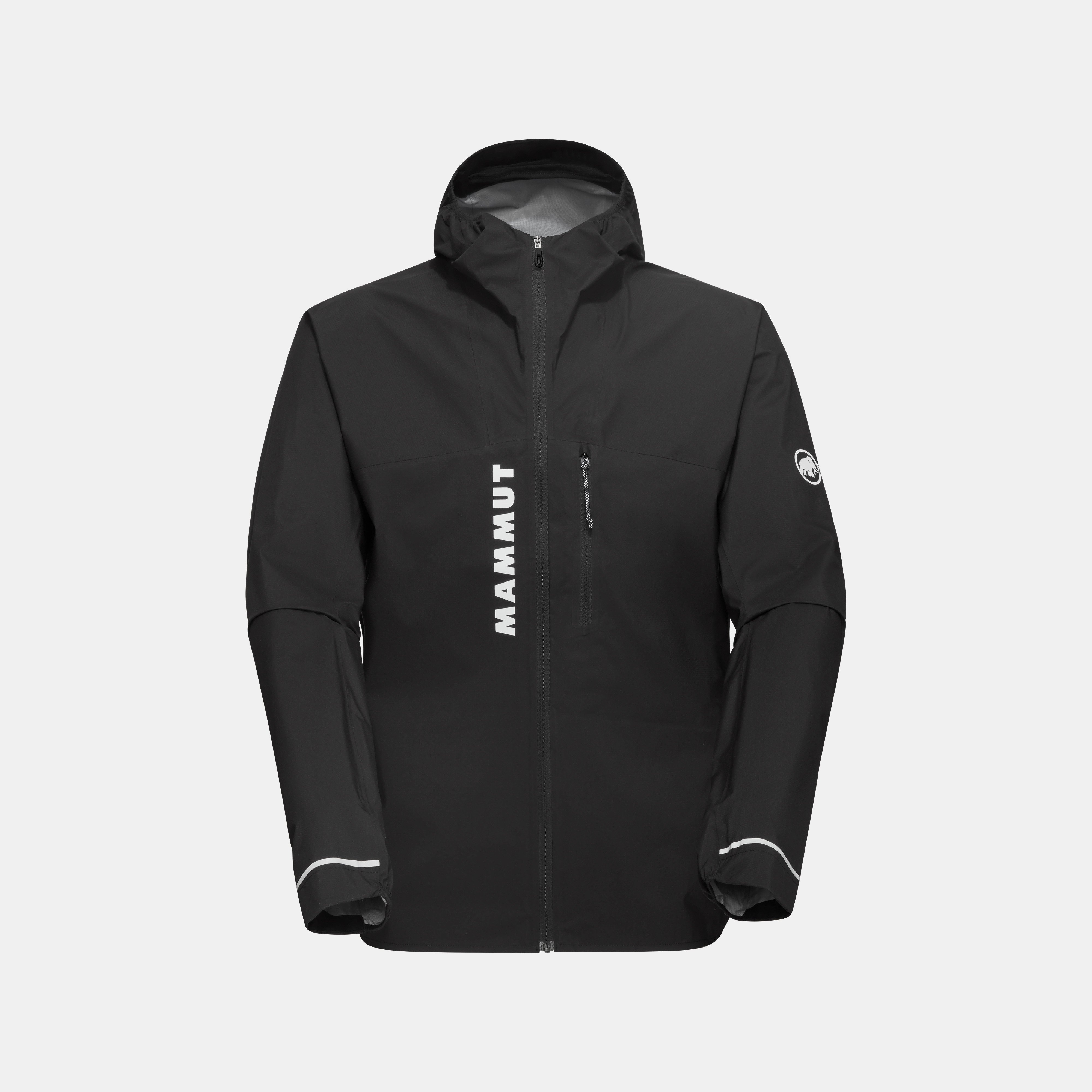
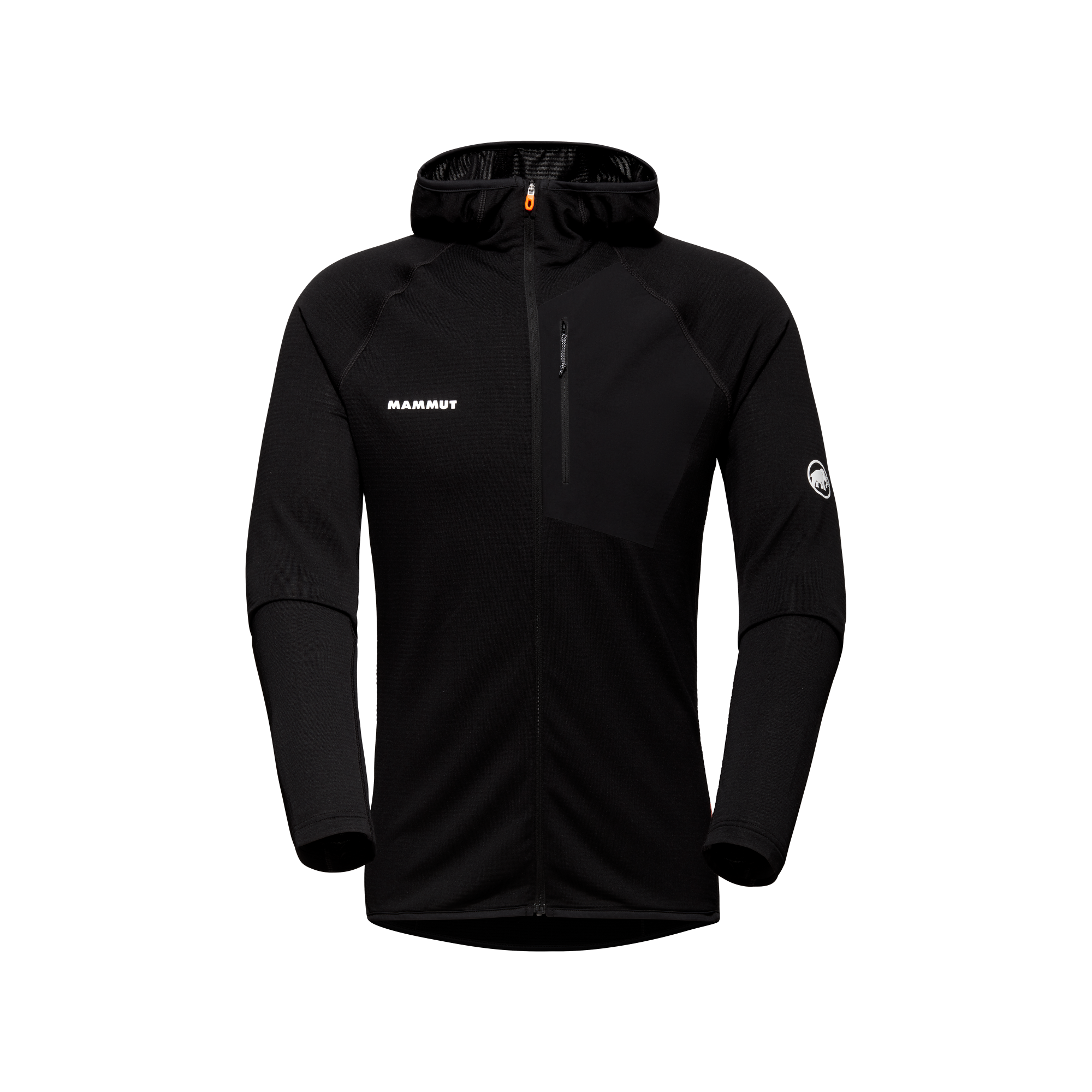
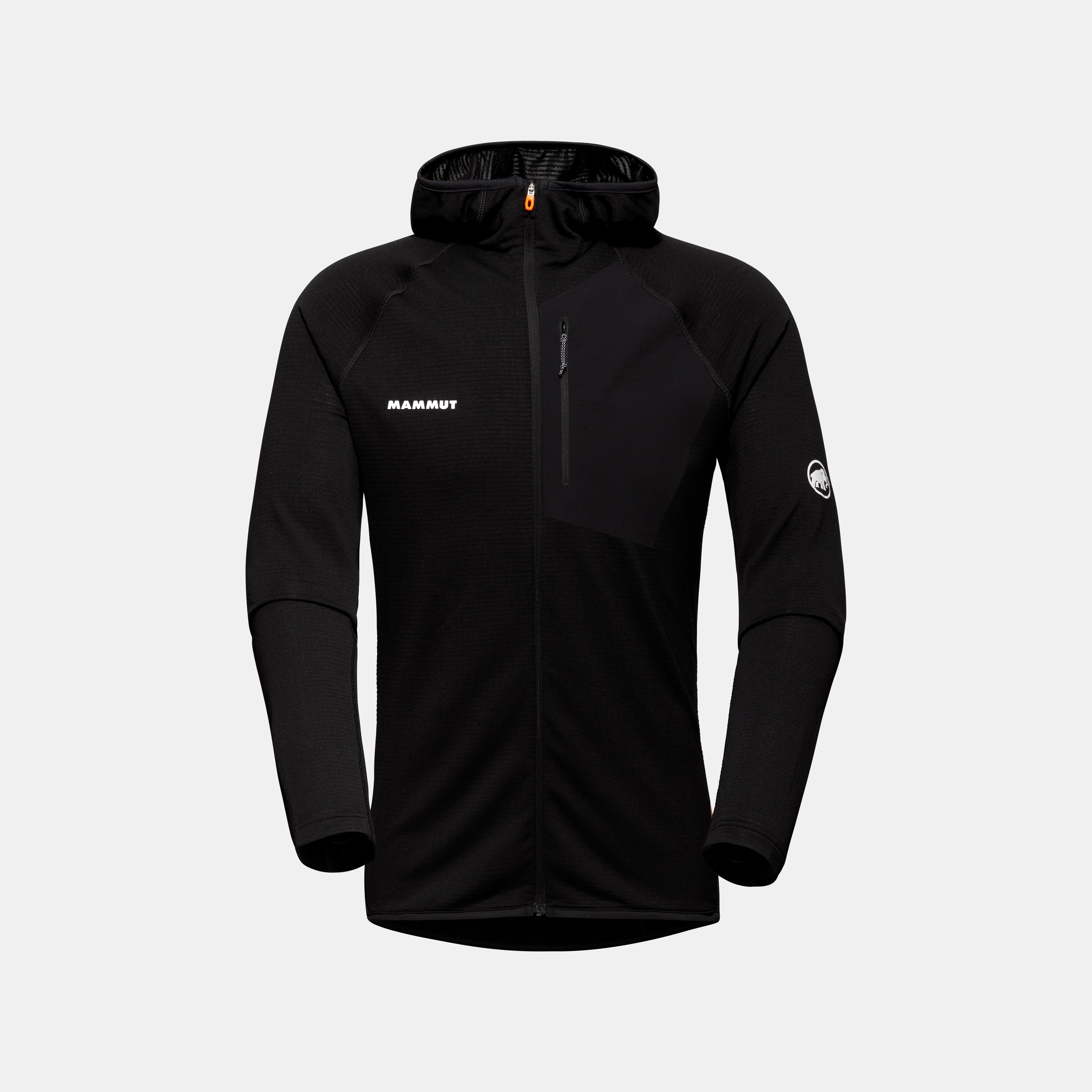
Aenergy Light ML Hooded Jacket Men
01/26

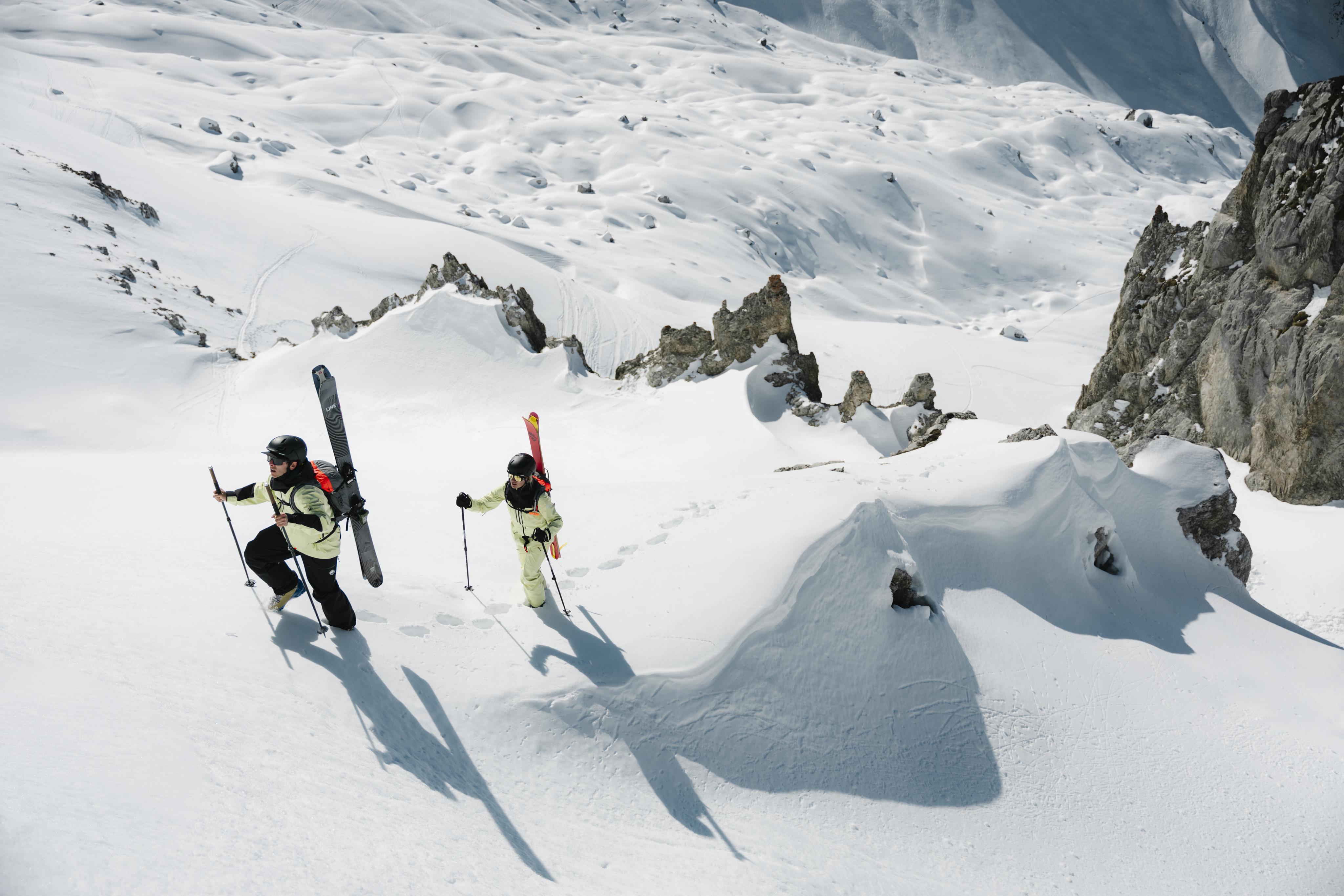
Trail running has a special appeal in winter: the air is sharp and clean, trails are usually deserted, and every route turns into something new with snow, ice, or mud. While summer trails get packed with people, winter means you often get your favorite routes entirely to yourself. That soft snow cushions each stride while being demanding at the same time. Every bump is hidden, every step needs real attention – perfect training for coordination and staying quick on your feet.
Running through winter doesn't just build your aerobic base – it also trains and preserves your fitness for next spring. Compared to other winter sports like ski touring or cross-country skiing, gear is relatively affordable and you don't need special skills since getting into running is way easier than other winter activities. Plus, the injury risk stays manageable as long as you don't push too hard and take slippery sections carefully.



Proper gear makes all the difference when it comes to safety, comfort, and actually enjoying your winter trail run. Unlike running during summer, you need to prep for changing conditions: mornings might start dry, noon brings snow, and by afternoon the trail turns into a muddy mess. The right gear protects you from cold, wet, and wind without restricting your movement. It's not about layering up as much as possible, but finding the right balance – because starting out too bundled can lead to overheating and risk of hypothermia due to perspiration.
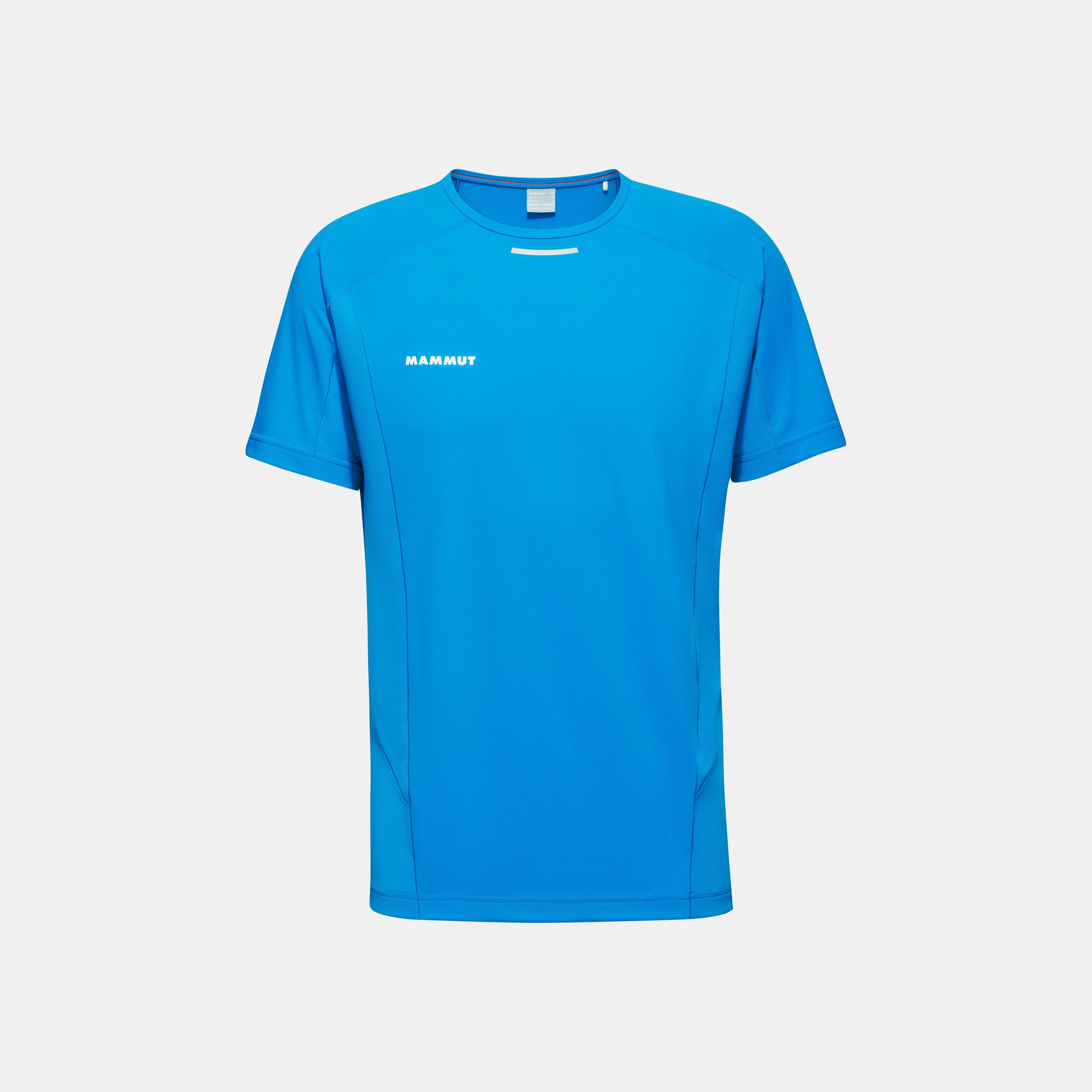
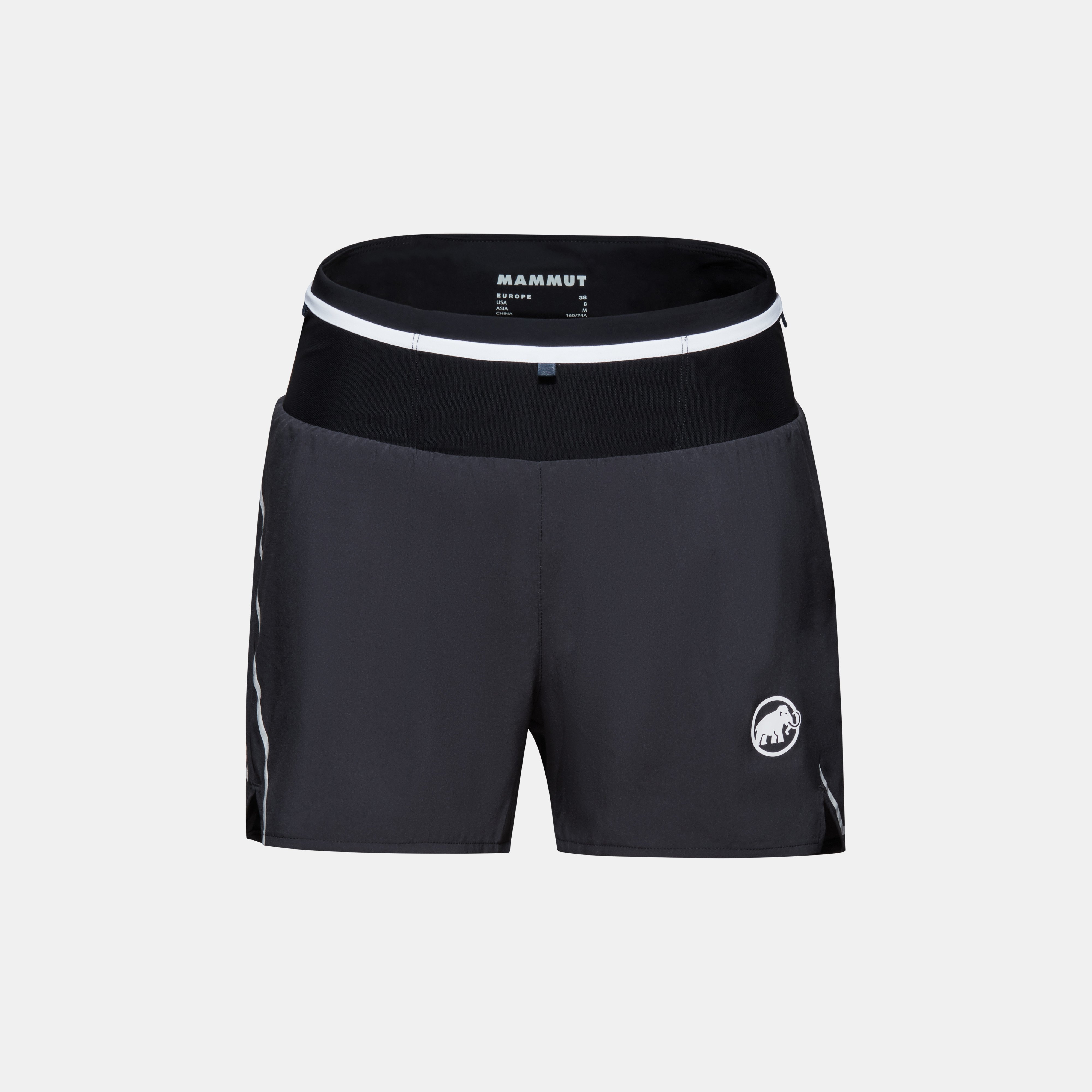
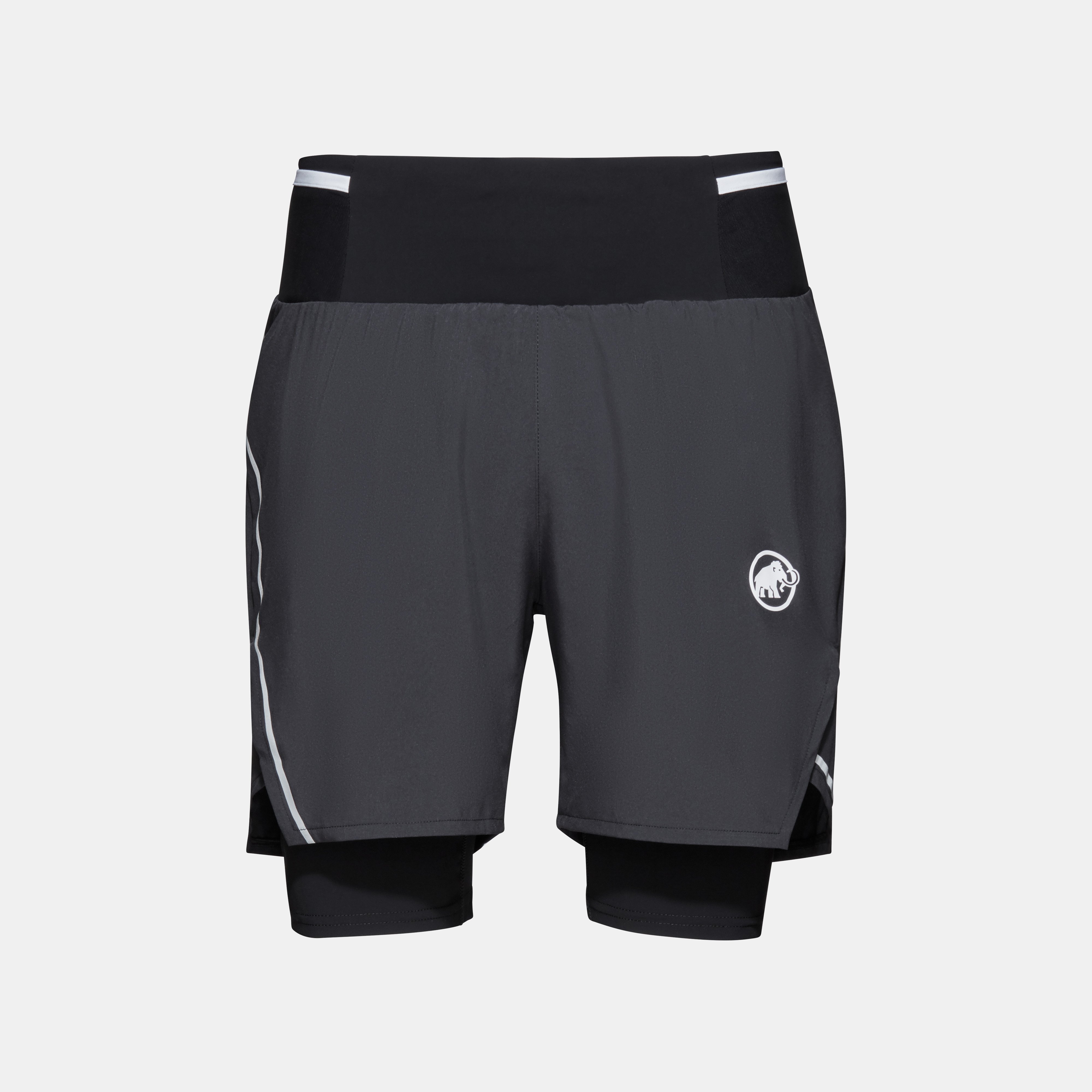
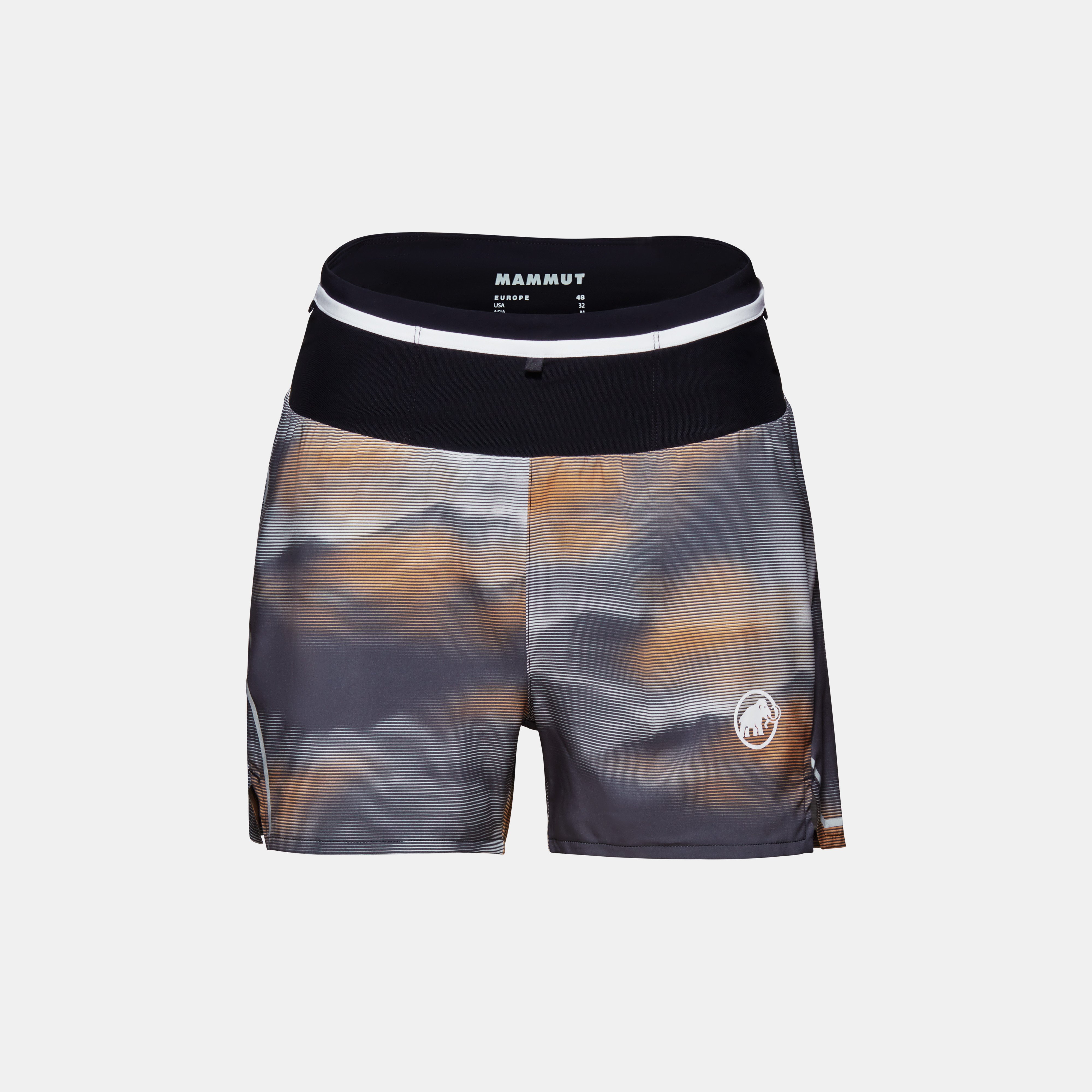
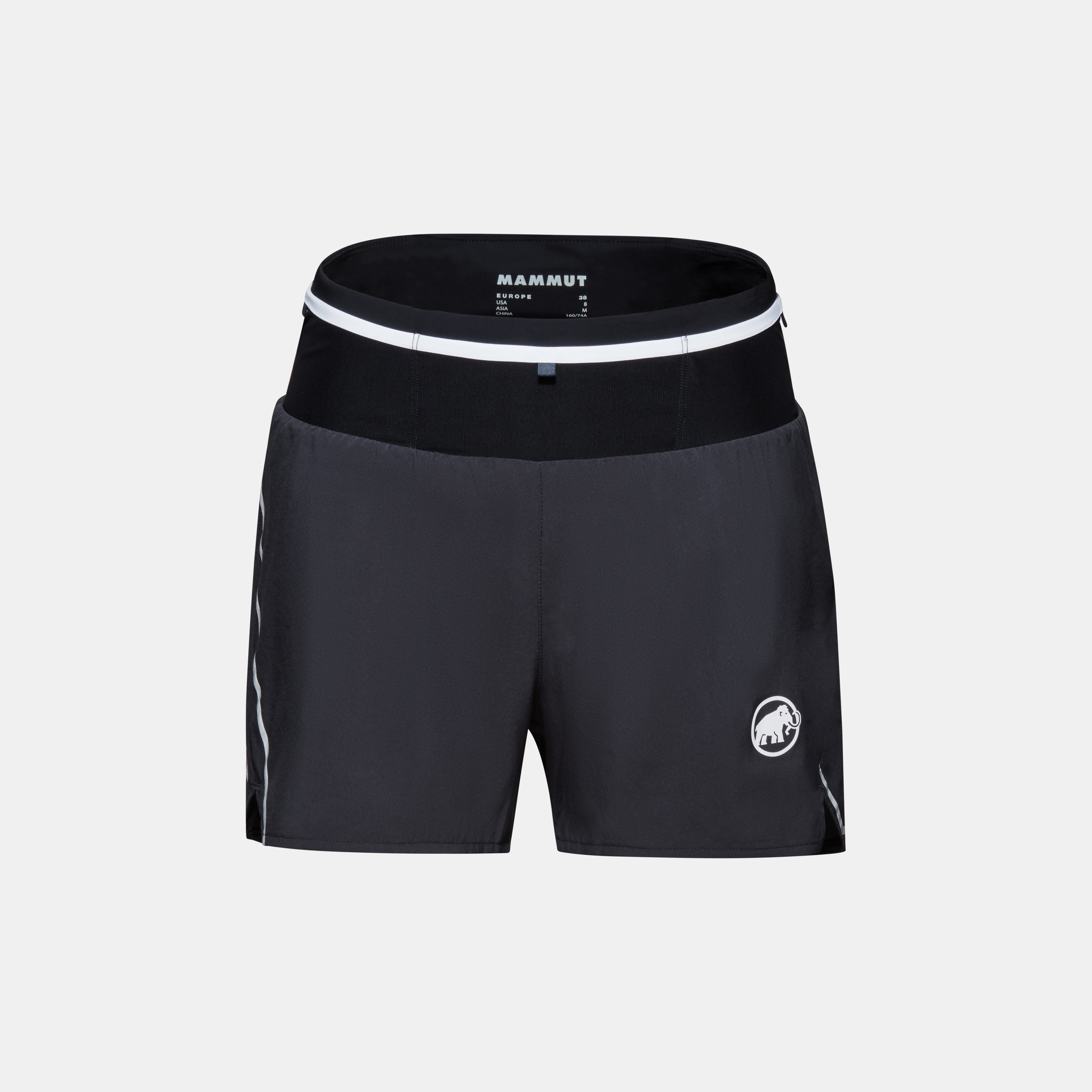
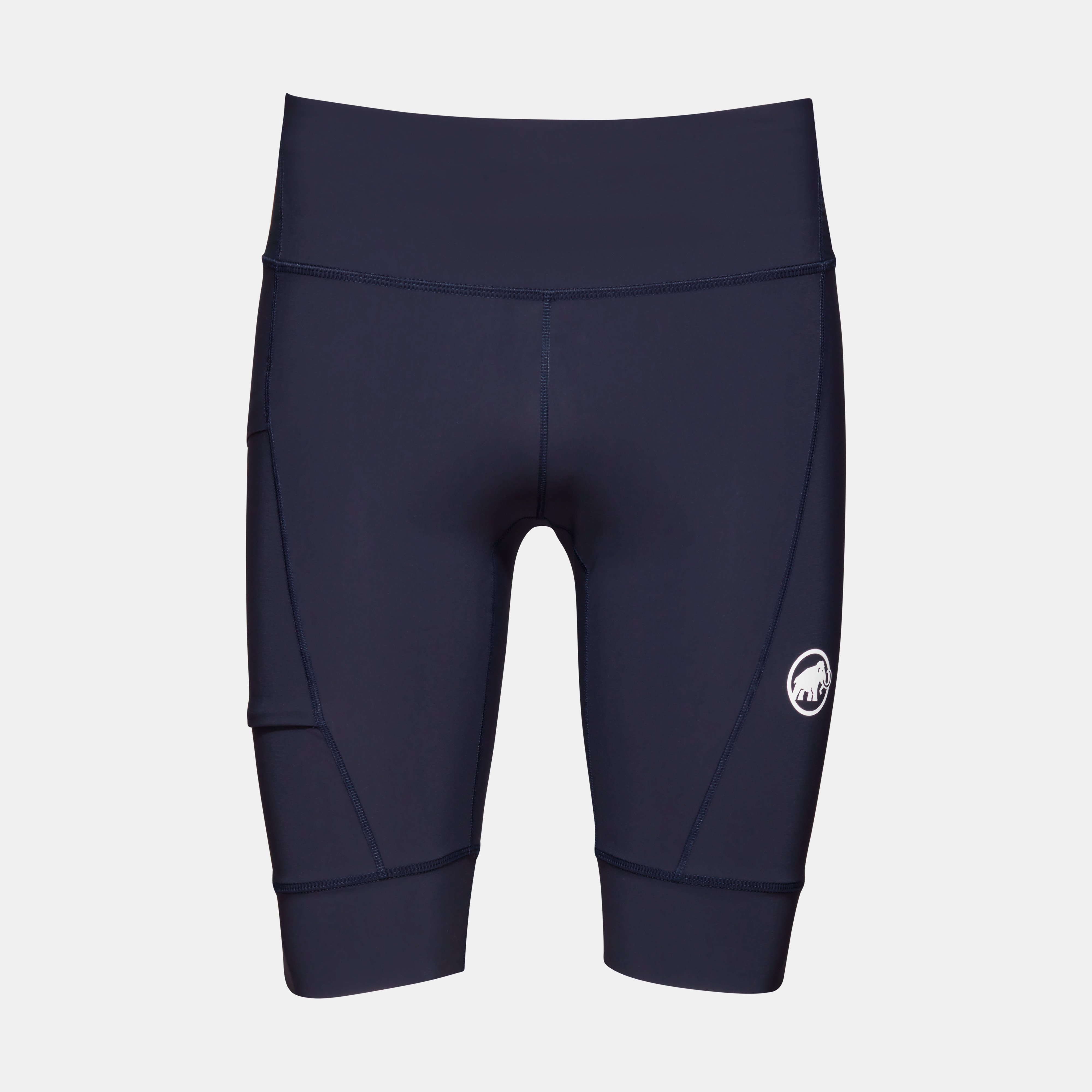
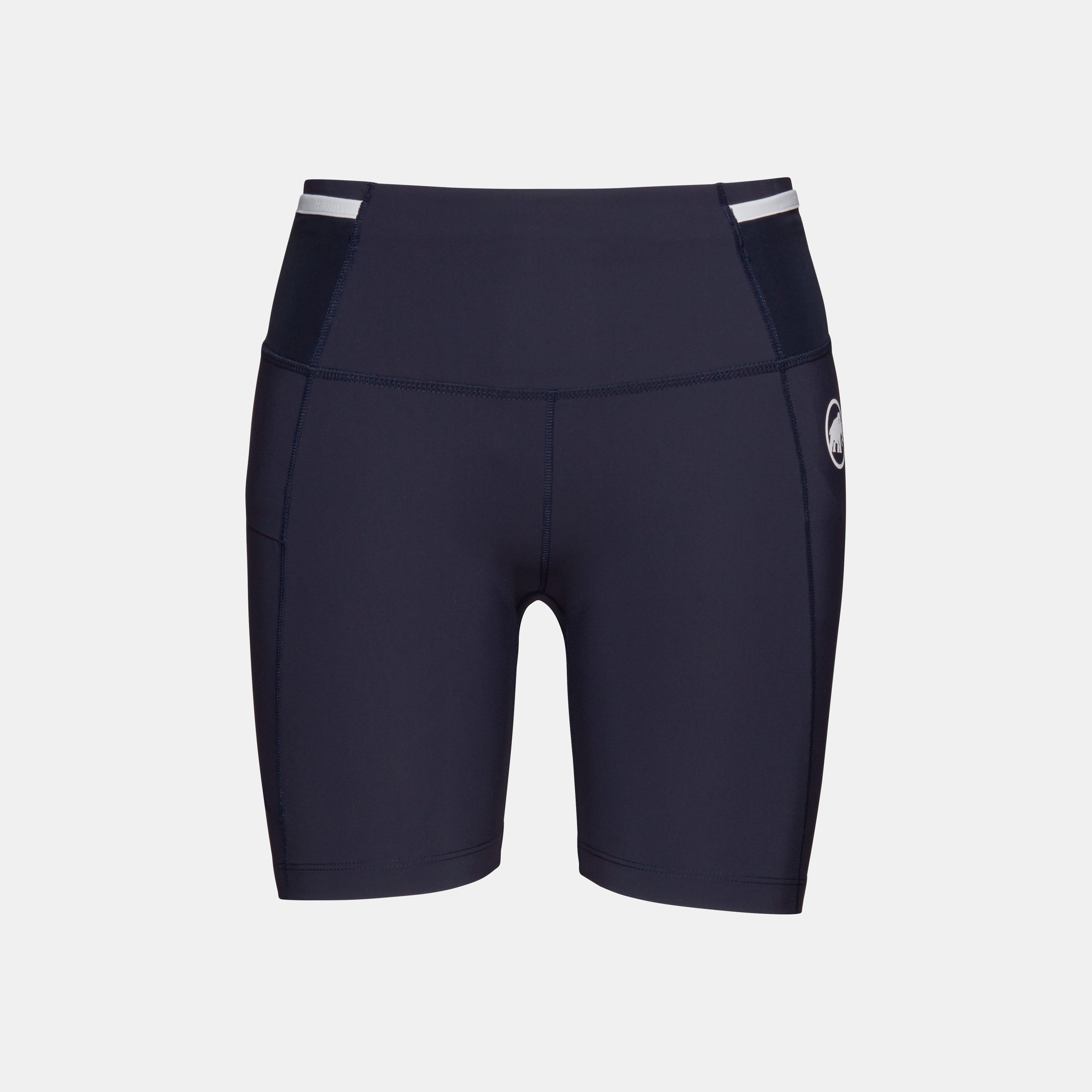
For winter clothing, the rule is: better to start slightly cold than overdressed. Proper running pants or tights are especially important. Models with windproof panels keep the cold wind off your legs and prevent muscles from getting chilled. Depending on how you handle cold, an insulated skirt or trail shorts over your tights can add extra protection. You'll recognize all Mammut insulation products by the "IN" in the product name.
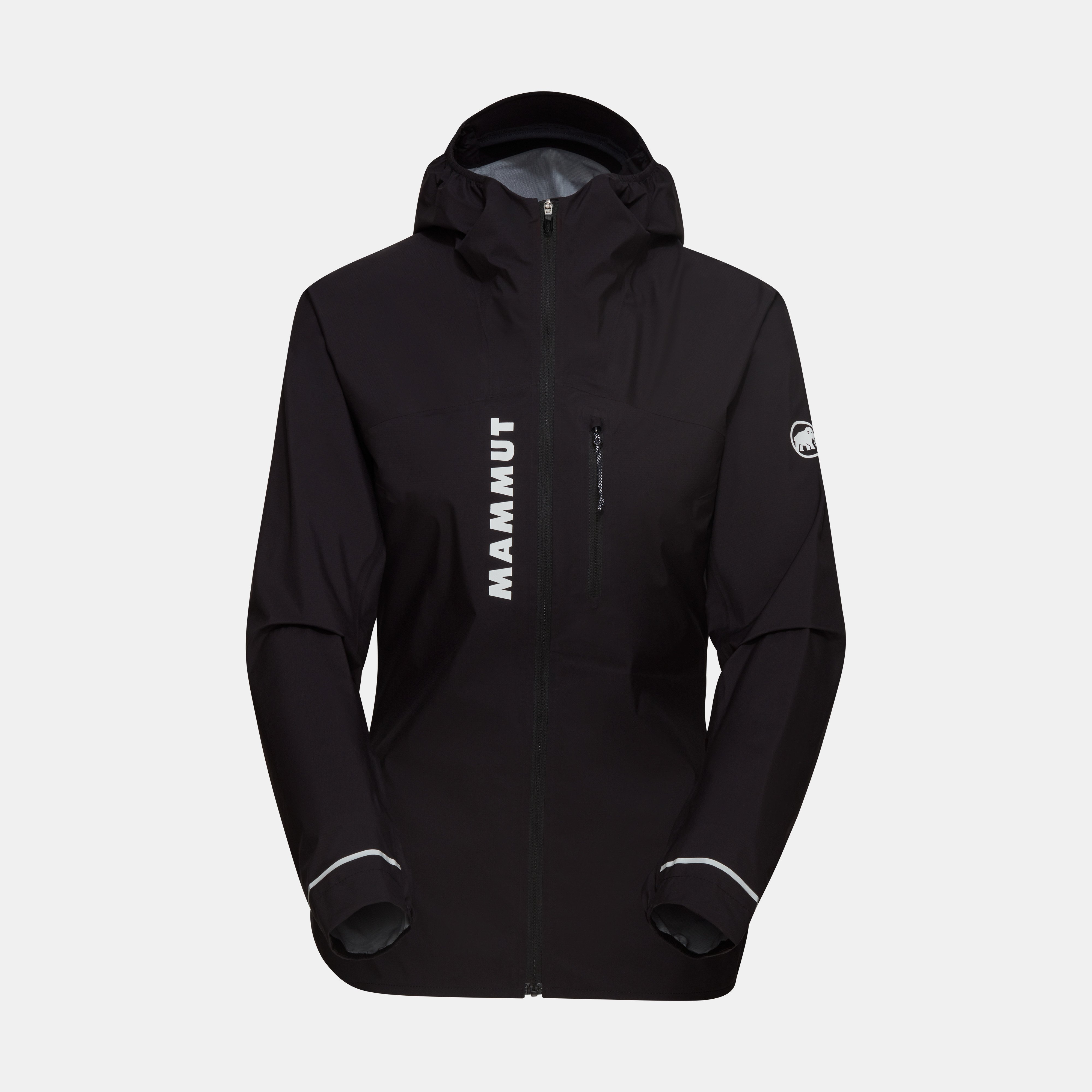
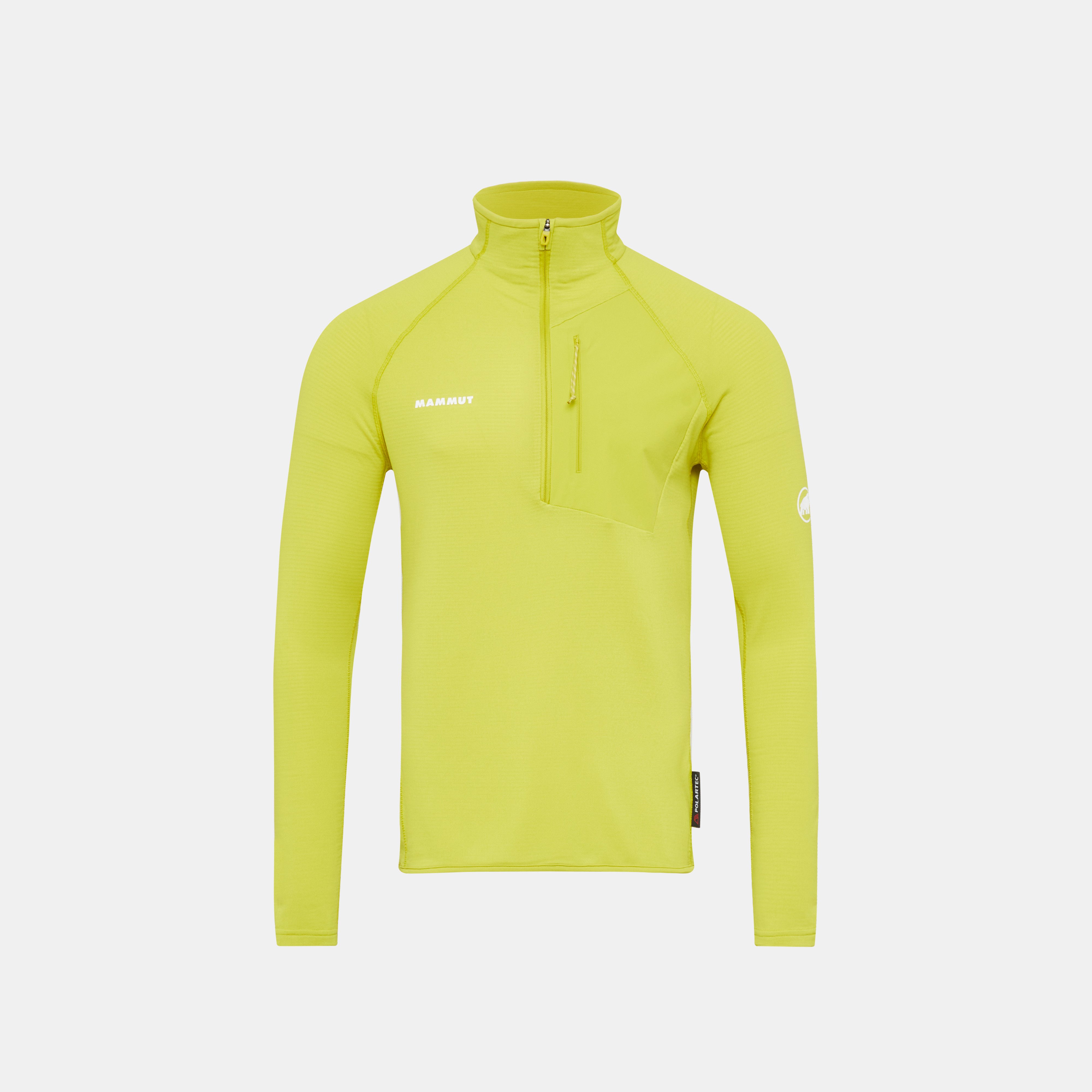
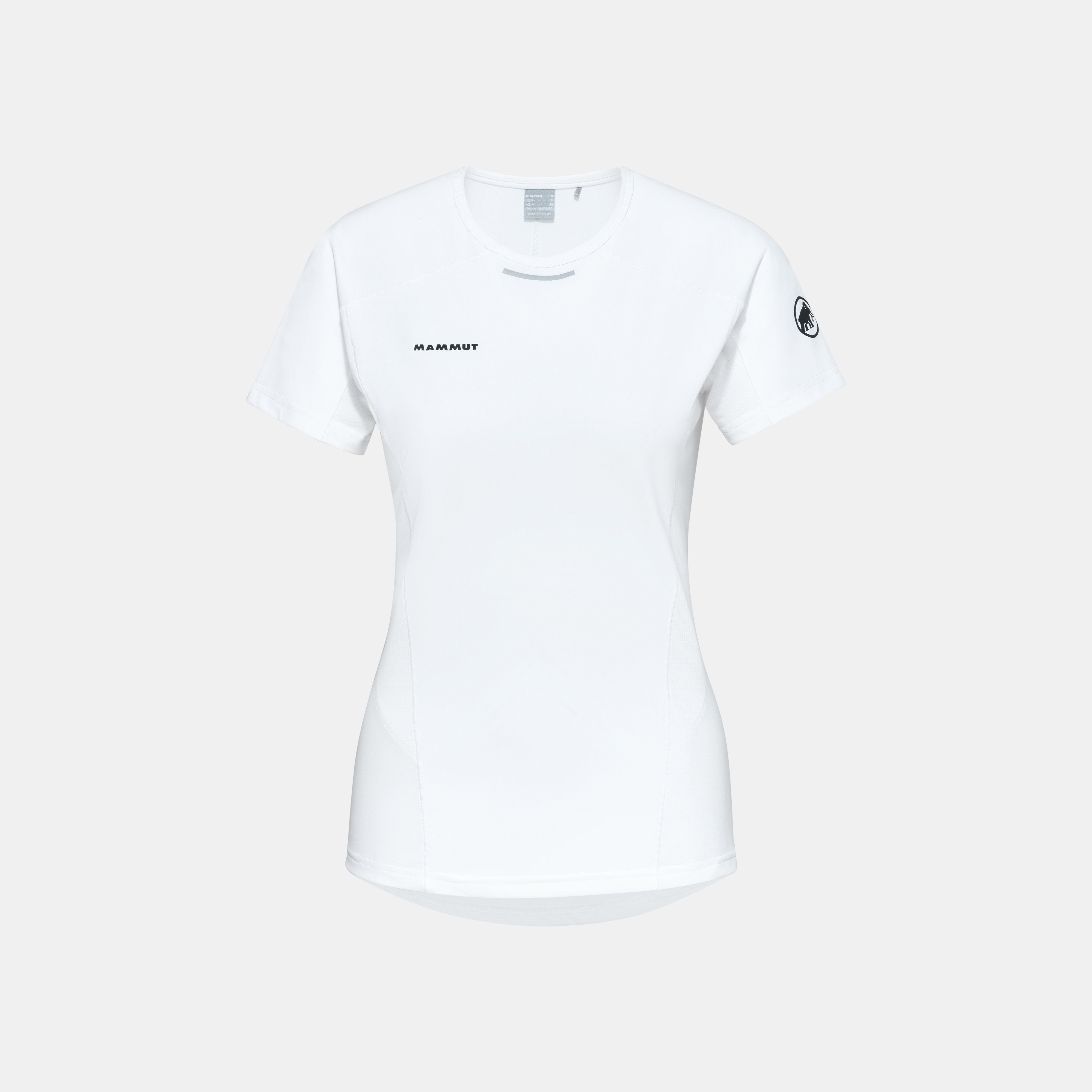
For your upper body, you can rely on the tried-and-tested system of layering : a breathable base layer as foundation, a fleece or Primaloft mid layer for warmth, and a wind and waterproof outer layer to protect you from the elements. At Mammut you'll find waterproof jackets marked with "HS" in the product name plus windbreakers as outer layers. In extreme temperatures or when touring in high mountains, it is a good idea to carry a light down jacket in your backpack.
Thick merino socks, gloves , and a beanie or headband belong in your winter running kit just as much as well-fitting running pants. Make sure there aren't any gaps between pants and top where cold air can sneak in, and shirts ideally have a small collar to protect your neck. In deeper snow, running gaiters keep the moisture out of your shoes. Reflective elements on clothing keep you visible in the dark.
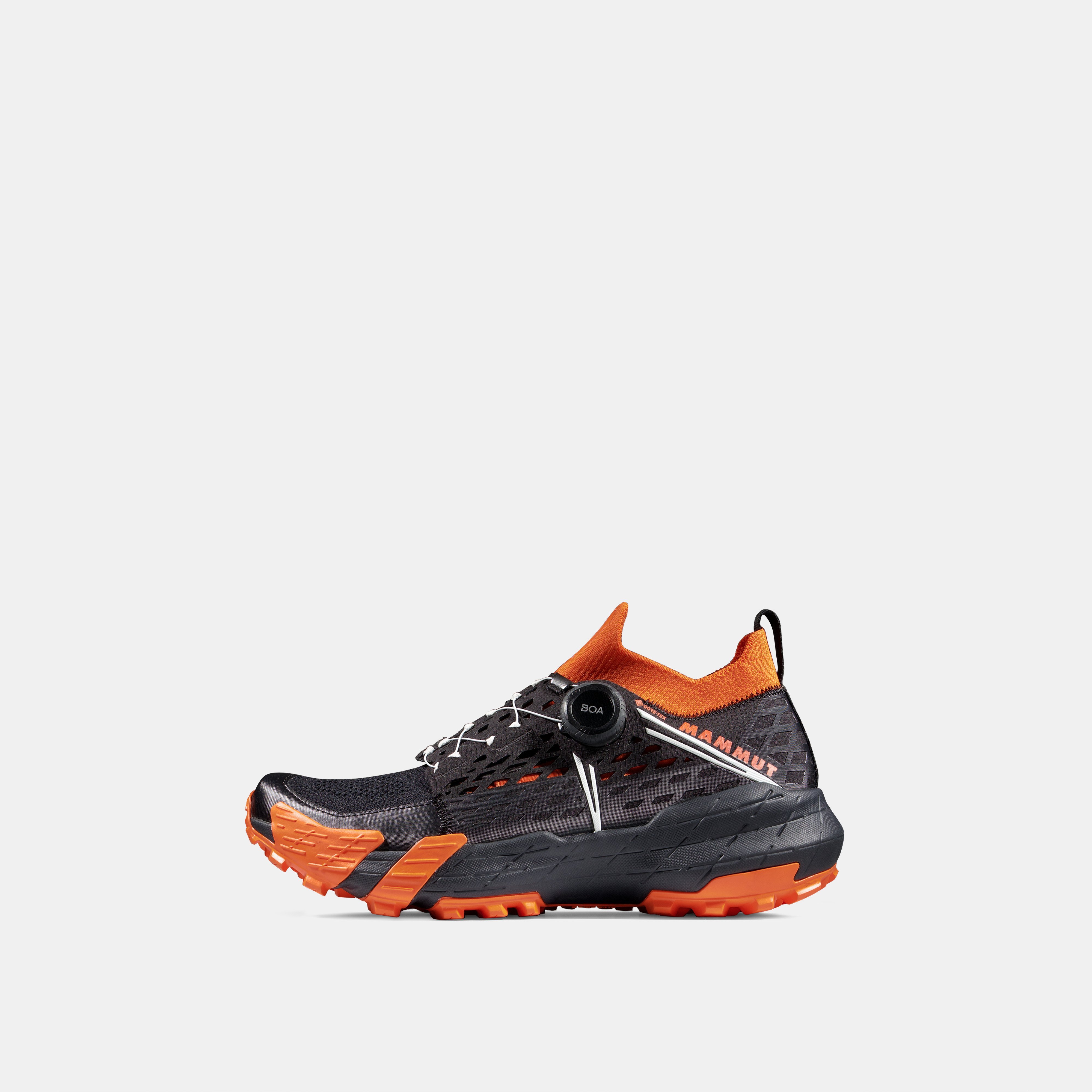
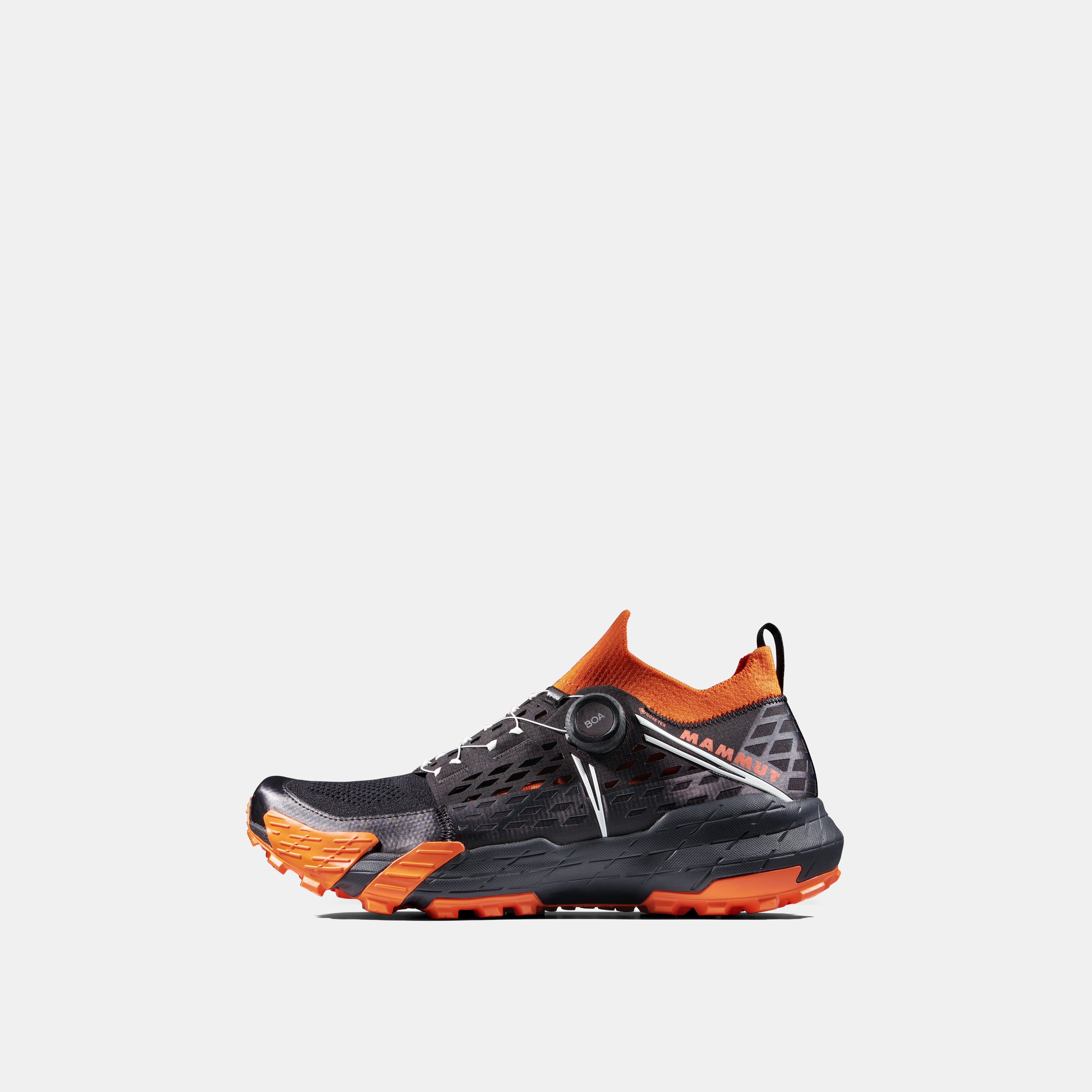
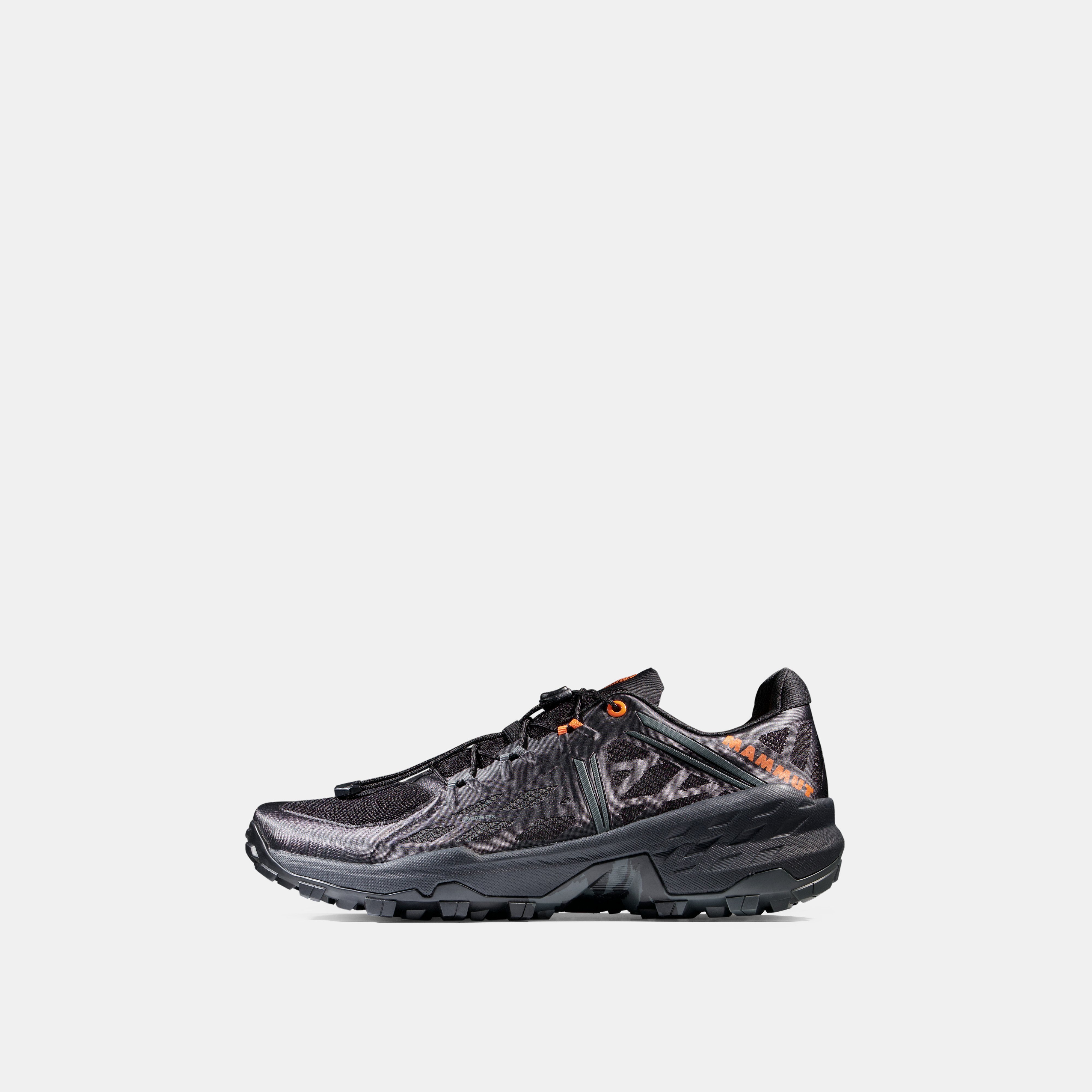
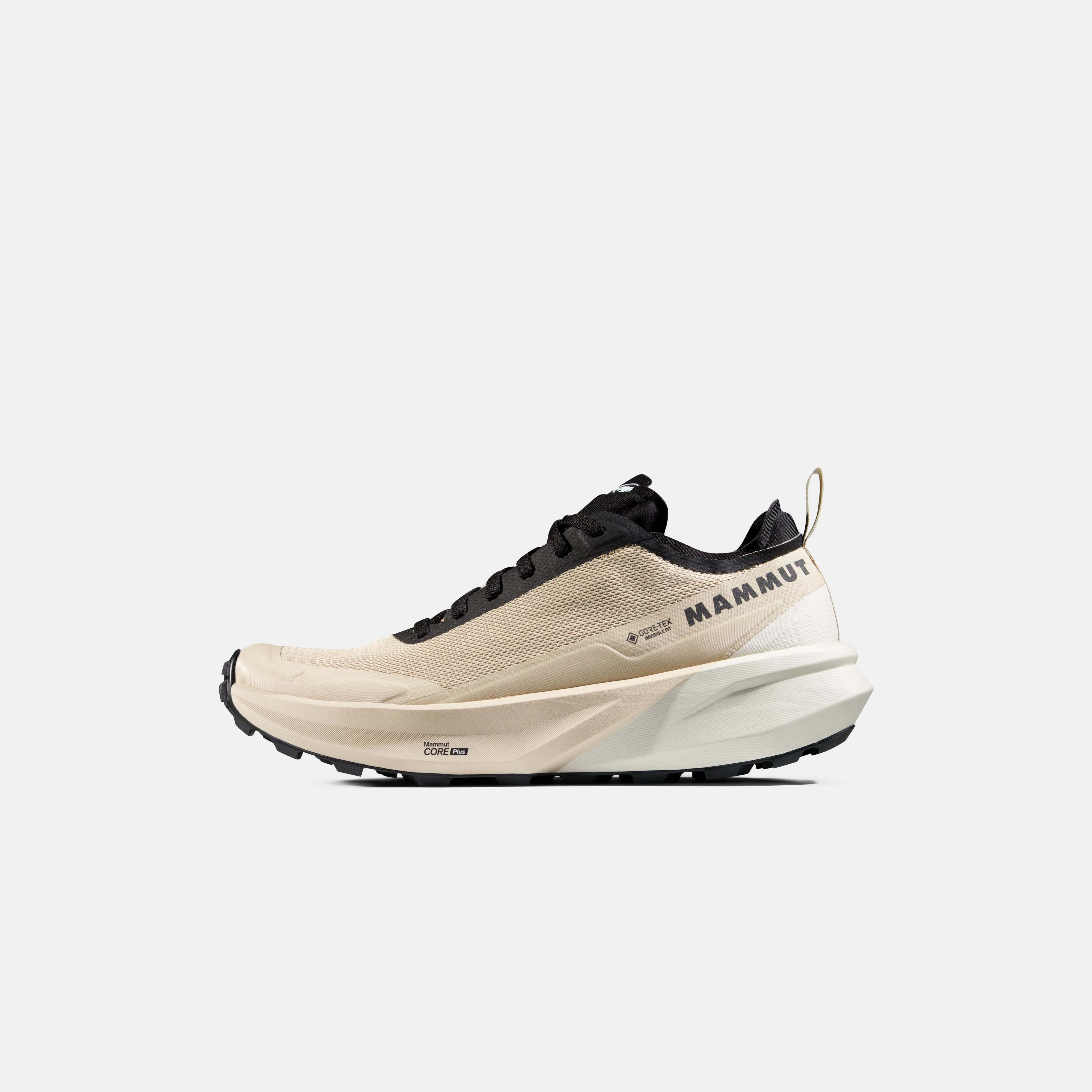
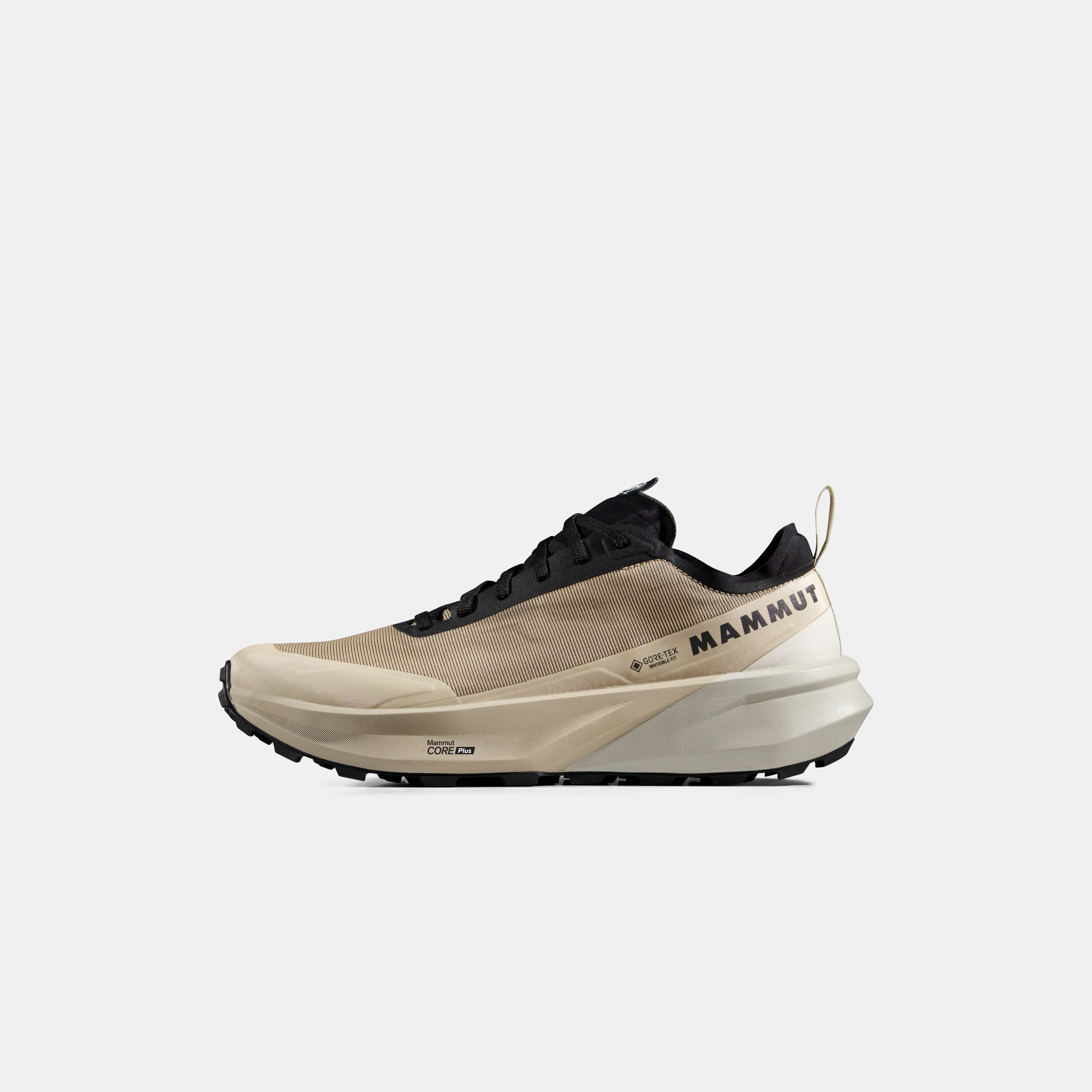
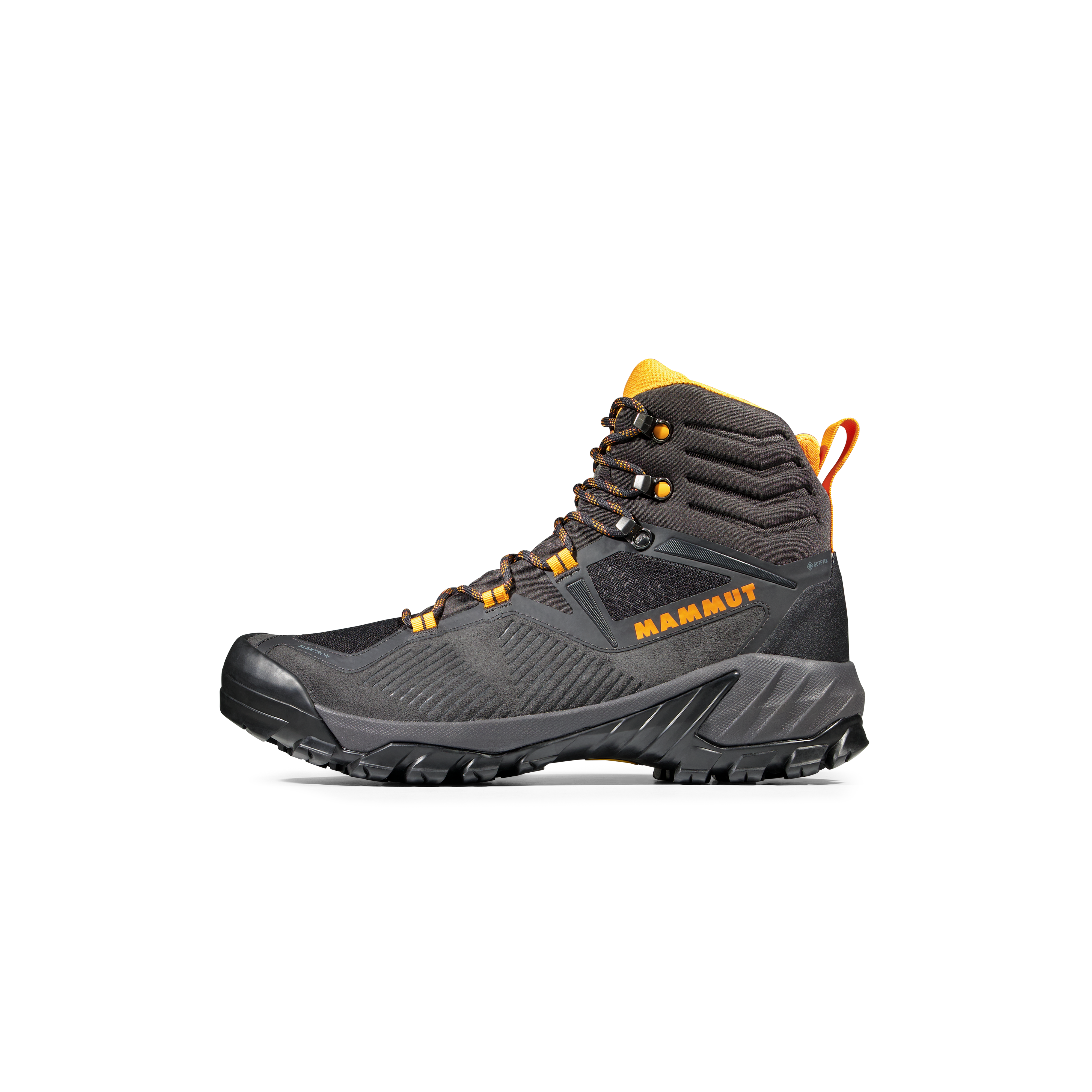
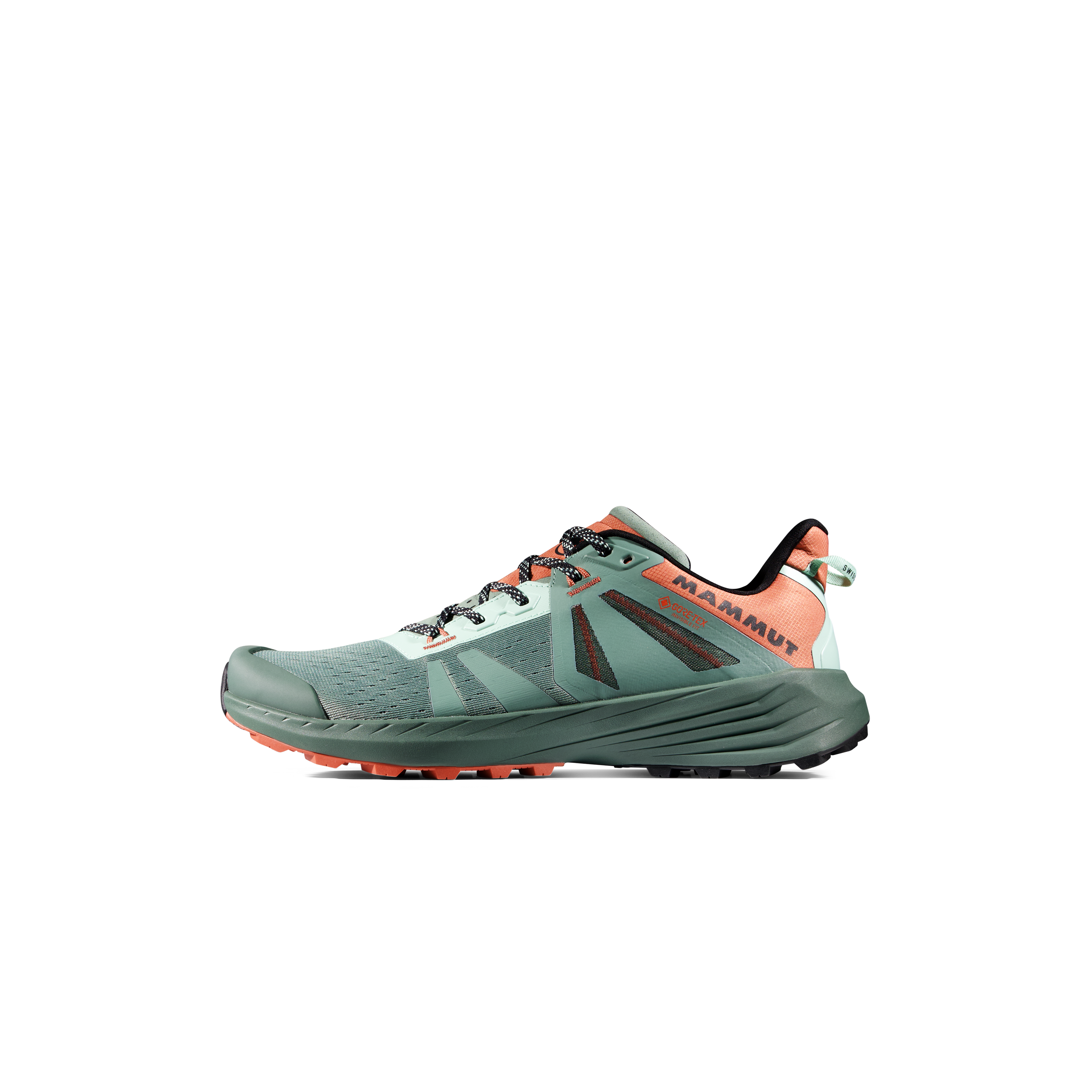
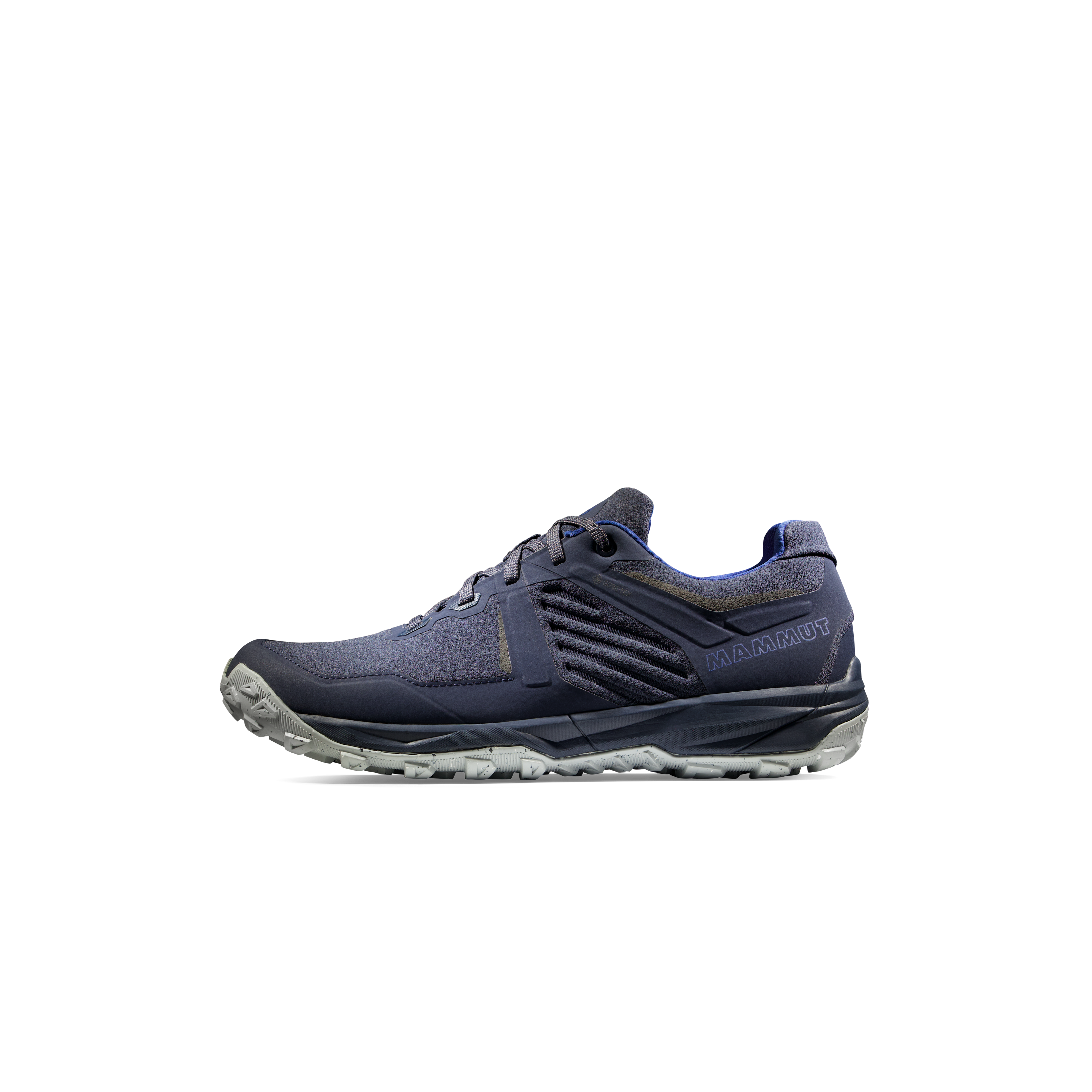
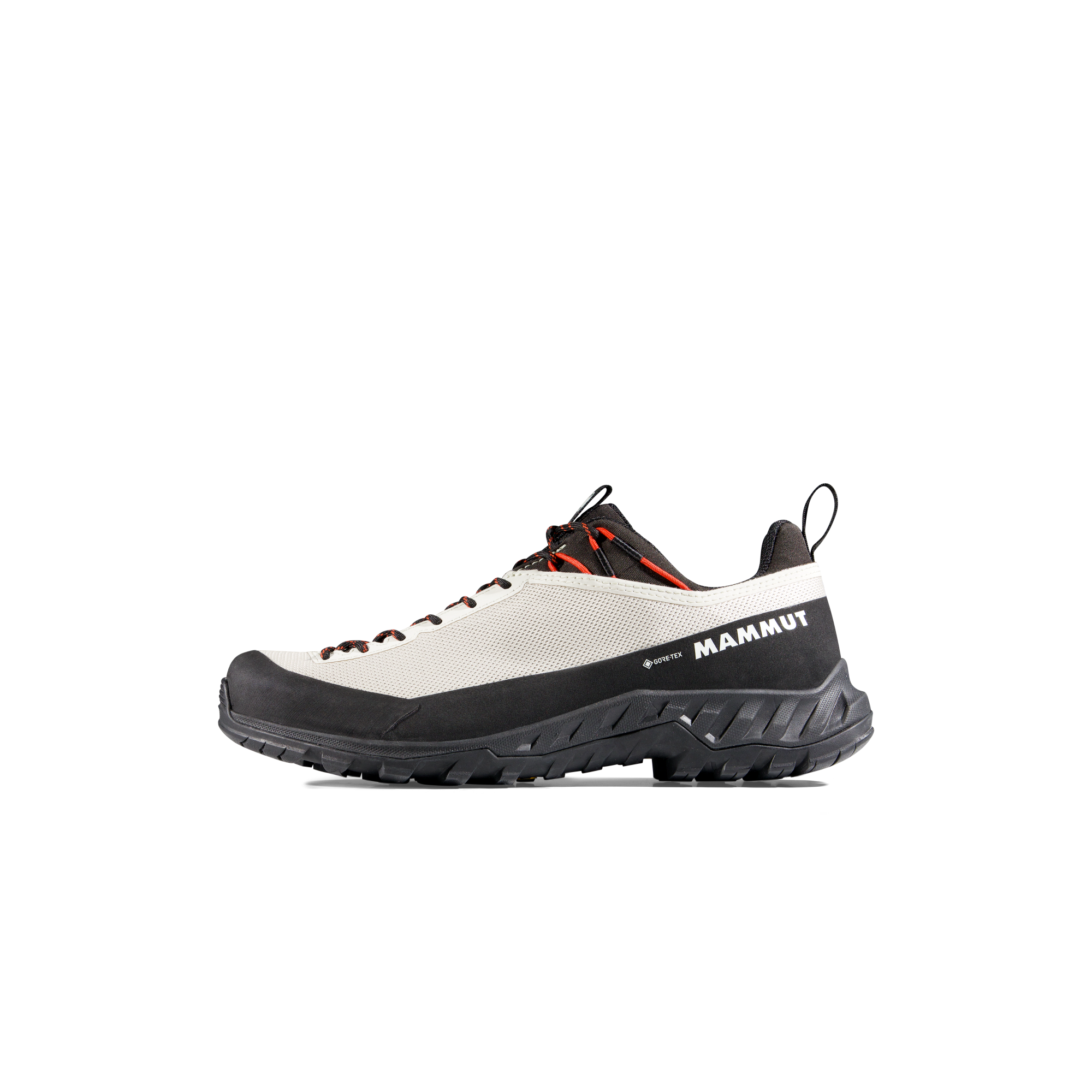
Choosing the right trail running shoe makes a huge difference, too. Winter trail running demands models with grippy outsoles, solid stability, and moisture protection. Depending on terrain, a waterproof shoe with aggressive tread might be your best bet. For especially gnarly conditions, insulated versions work well keeping your feet warm even on really cold days. Additionally, poles or lightweight microspikes can provide extra grip, especially on longer runs or in alpine terrain.
In winter, safety needs to come first. A headlamp is essential even by early afternoon since darkness hits faster than you'd expect. In alpine terrain, an emergency blanket, extra clothes, a paper map, microspikes, and enough food can be lifesaving. Stay aware of avalanche danger and let someone know your planned route. Carrying a GPS tracker can provide an additional sense of security.
Winter trails throw totally new challenges at you: slippery sections alternate with deep powder, icy spots often hidden under thin layers of snow, and every step demands way more attention than usual. The good news: with proper technique and preparation you can navigate running even in tough winter conditions safely. It's not just about adapting your running form, but also prepping your body for the cold and fueling it right during your run. Mastering these three fundamentals leads to relaxed and injury-free training even in snow and ice:
Adjust your running technique for the cold season. Shorten your stride for more control and consciously roll over the front of your foot to reduce slip risk. On packed trails you can use existing tracks. On slick snow, lightly tapping your toe on the ground helps create a small ledge for better grip. Keeping your arms slightly wider than usual and swinging them more improves balance. Downhills can get sketchy, but instead of fighting it, accept the slight glide while keeping your core stable but not tense.
Making winter training actually fun comes down to solid preparation. Plan for a longer warmup since your body takes more time getting up to speed when it's cold. This keeps muscles and tendons safe while getting your cardiovascular system ready for work. Don't chase PRs out there – snow, slush, and ice make speed work nearly impossible anyway. Think of winter as a base-building season instead. Cold weather impacts how you perform, so dial back intensity on hard efforts compared to summer.
Even when it's freezing outside, your body's still losing water. Drink enough even when thirst isn't hitting you. Running with a hydration bladder means insulating it so the tube doesn't ice up. Quick hack: blow some liquid back into the tube after sipping to keep it warmer. Longer runs mean packing energy gels since your body burns through calories faster when it’s cold. Don't run when you're fighting a cold or feeling off, and don't hang around outside for long when you're soaked with sweat. Getting dangerously cold doesn't just happen from temperatures below freezing or wet layers – wind, humidity, exhaustion, or misjudging how you're doing can also cause it. Always check the weather conditions and honestly assess how you're feeling before starting.
Winter trail running means more than throwing on warm clothes and heading out. Cold temperatures, different light conditions, and changing weather directly impact your body and how it performs. What works in summer can backfire or even get dangerous in winter. That's why you need to consciously adapt your training for the season – from workout intensity to breathing to handling unpredictable weather changes. Adapted winter training doesn't just bring better results – it also keeps you healthy and motivated through the cold months.
Cold changes how your body operates. Your heart works harder pumping blood to keep extremities warm, muscles take longer reaching an optimal operating temperature, and coordination gets tested by slippery terrain. Translation: your usual summer pace isn't realistic in winter – and that's completely normal. Instead of fighting these natural changes, use them as an opportunity to deliberately build aerobic base and give your body the time it needs.
Pay extra attention to breathing in winter. Anyone with sensitive airways should breathe through their nose as much as possible since this warms and humidifies air on its way to your lungs. If that's tough, a neck gaiter pulled over your mouth and nose helps. Cool down and any stretching should happen somewhere warm or wind-protected – ideally followed by a hot shower.
Weather also influences how you should structure your runs. When it's windy, run the first half against the wind and enjoy a tailwind coming back. In thick fog, better to wait it out since pollutants and particles get trapped in lower air layers. Black ice often means switching to other activities. If you're still training outside, stick to short, safe sections for technique drills like high knees, skipping, or butt kicks.
Winter trail running is way more than just an alternative to gym workouts – it's valuable for every runner. With proper gear, an adapted running technique, and awareness of how your body's demands change, nothing stands in the way of successful winter runs.
Check out more helpful posts in our Stories & Guides to get optimally equipped for your next trail run:
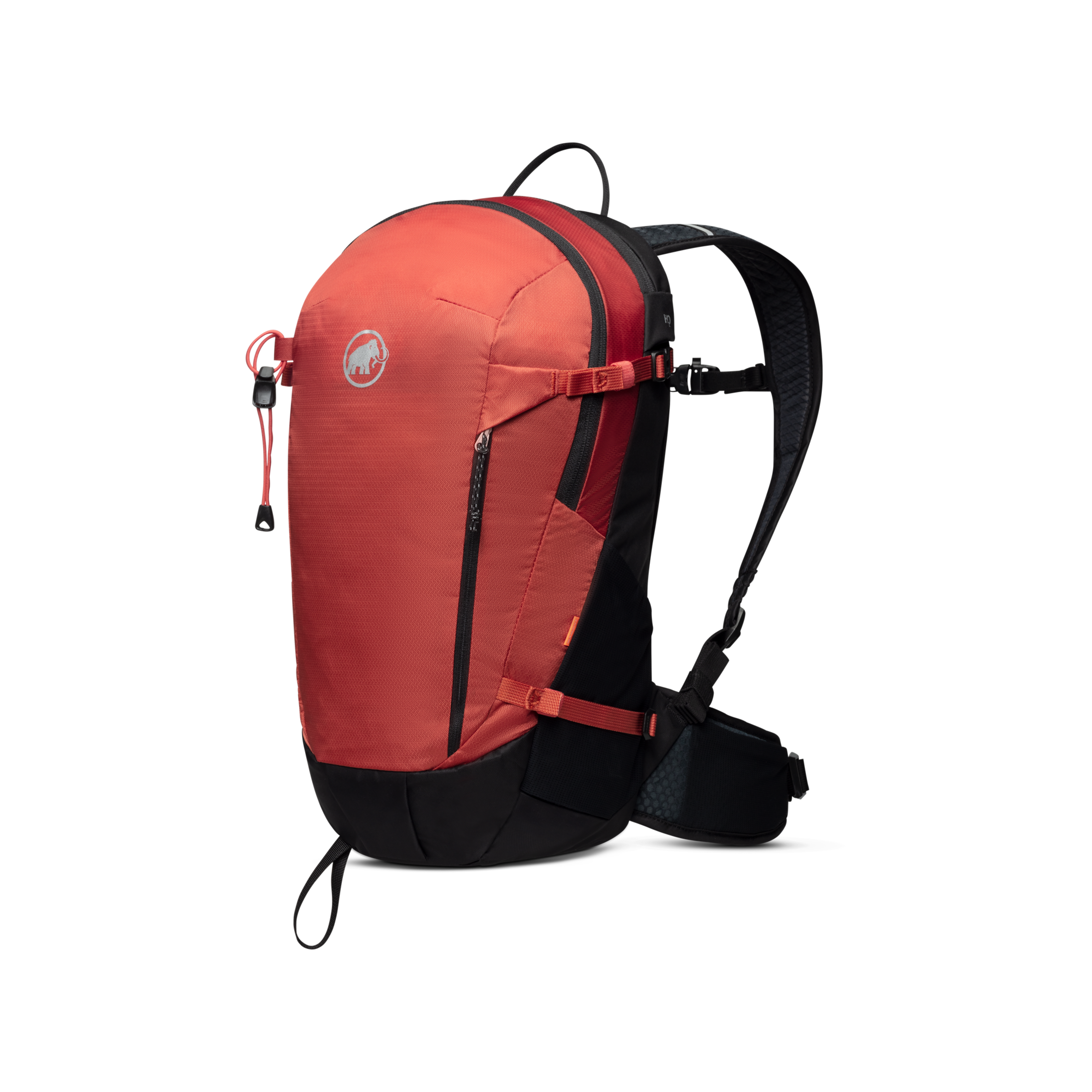
Find the ideal trail running pack so you can stash extra layers and your hydration system properly.
Or dive deeper into proper trail running shoes to train efficiently.