


How to find the right mountaineering boots
04/26
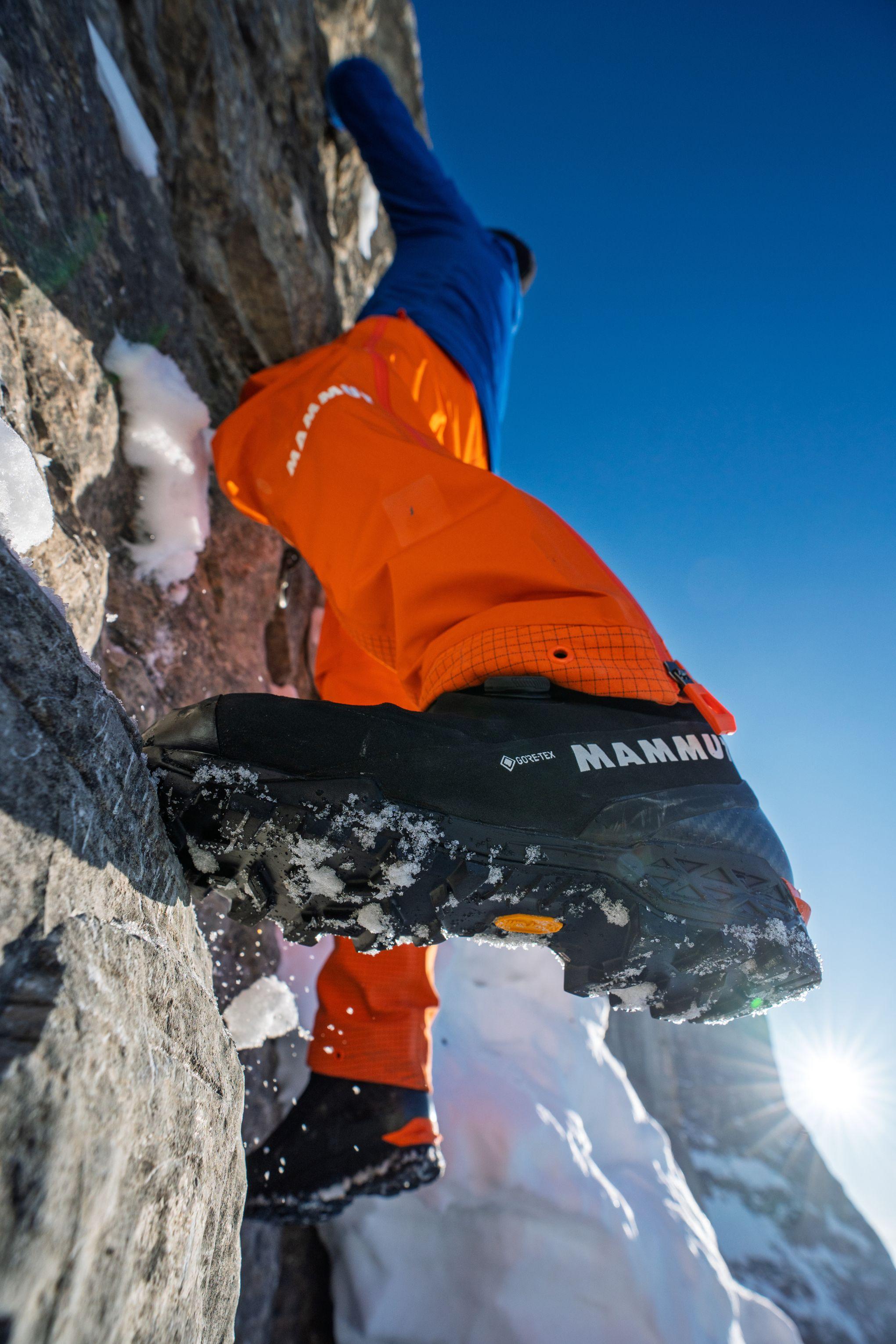
If you’re heading into the mountains, you’ll need reliable footwear. The right mountaineering boots are more than just sturdy companions — they provide stability, protection, and comfort with every step. Whether you're on a leisurely high-altitude hike, an exposed ridge trail, or a multi-day alpine tour: this guide covers everything that really matters when choosing your mountaineering boots, from the right type to the perfect size and fit.
What's the difference between mountaineering boots and hiking boots?
Mountaineering boots are significantly more durable and stiffer in their construction than traditional hiking boots. While hiking boots are designed primarily for well-maintained trails and easy terrain, mountaineering boots offer greater support, protection, and firm grip on rugged ground, scree fields, and high-alpine terrain. They typically feature a stiffer sole, a higher shaft, and — depending on the model — may even be crampon-compatible. For more details, check out our guide on the topic: mountaineering boots vs. hiking boots.
If you're planning to traverse demanding terrain at higher elevations, mountaineering boots are the better choice. They give you the support you need on challenging routes while protecting your feet from cold, moisture, and sharp-edged rock.
What types of mountaineering boots are there?
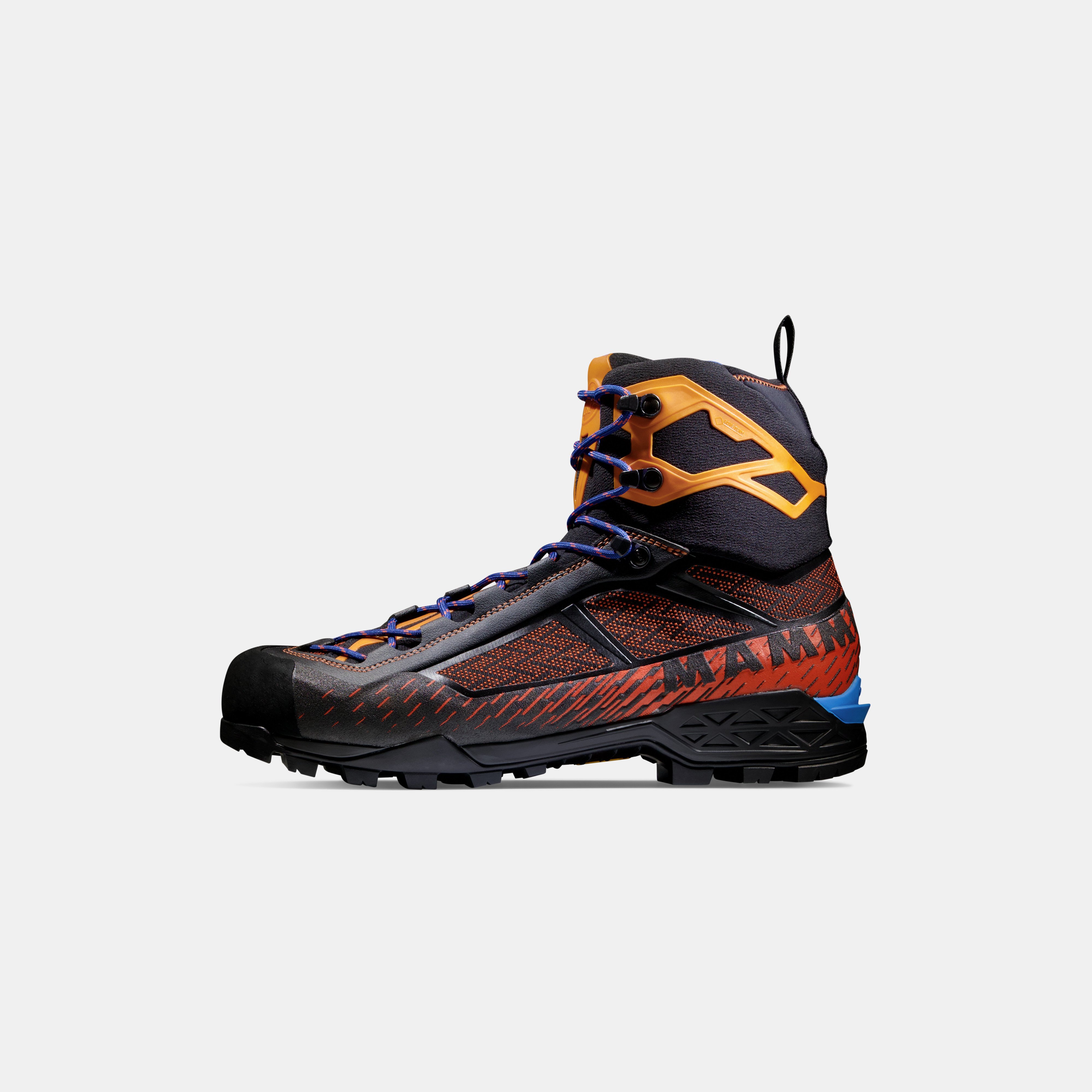
Mountaineering boots broadly fall into three categories, each optimized for different uses:
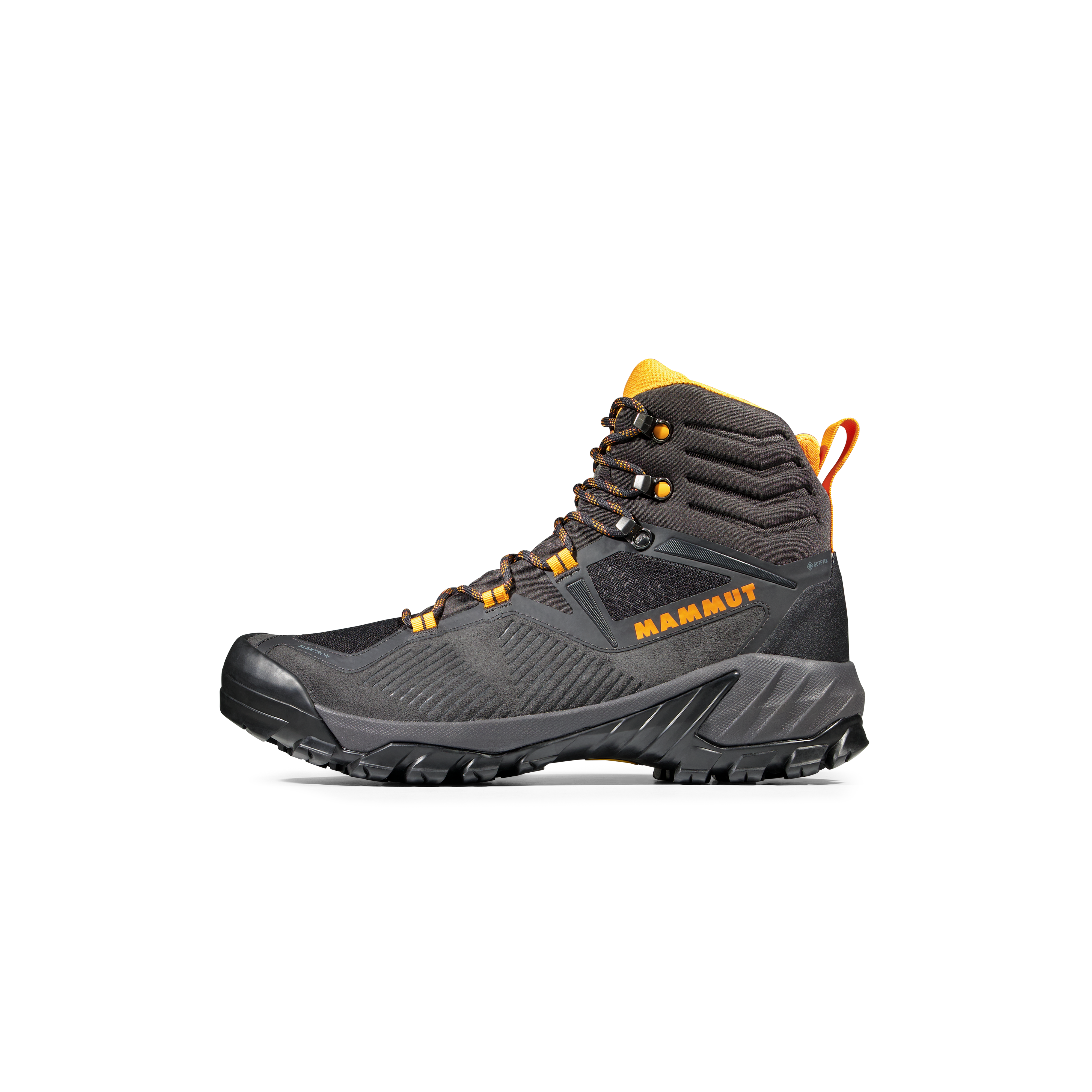
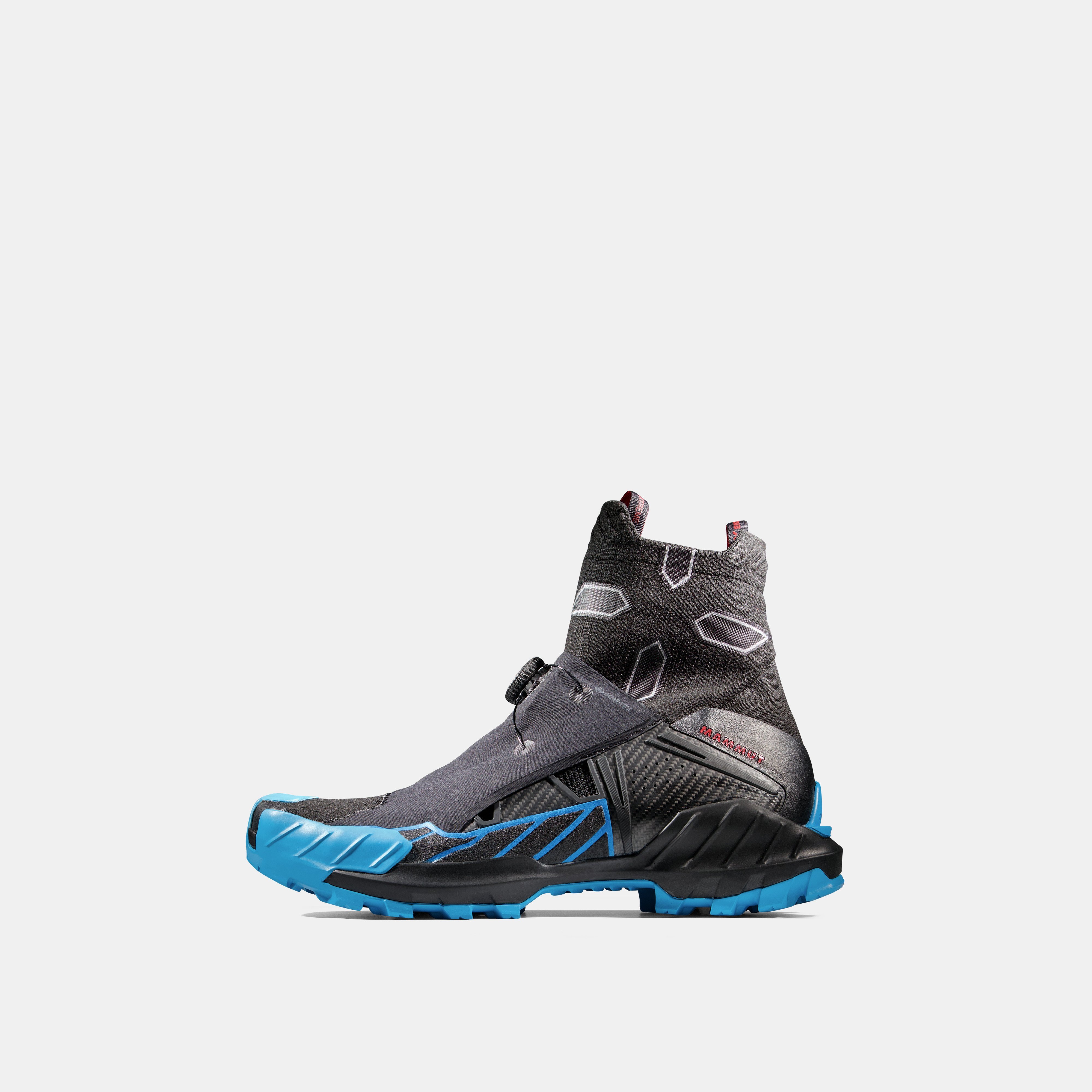
Light mountaineering boots – Flex Index B1
Ideal for moderate alpine tours, via ferrata routes, or day hikes with a loaded pack . They strike a solid balance between stability and comfort, while their tread provides enough grip on scree and rock.
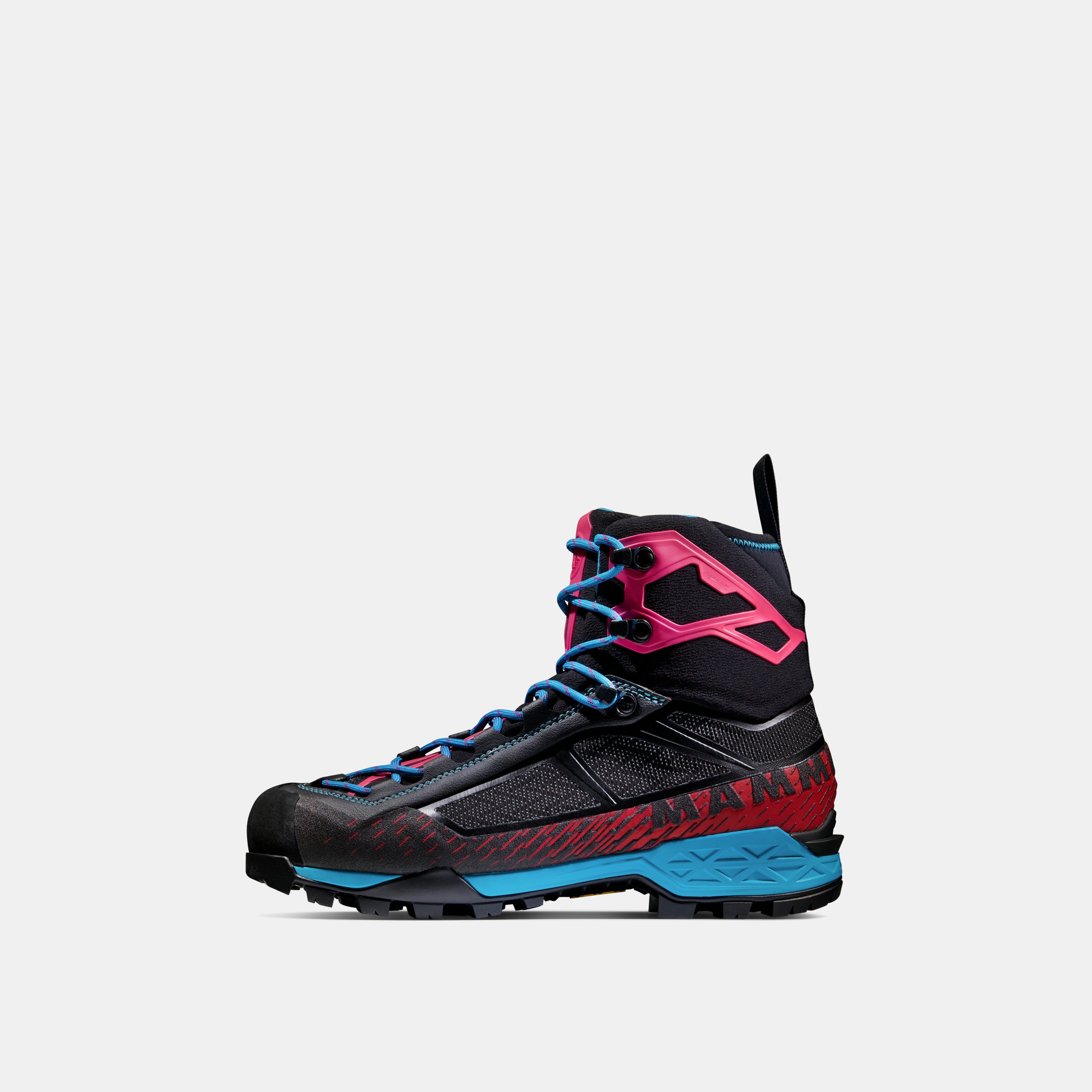
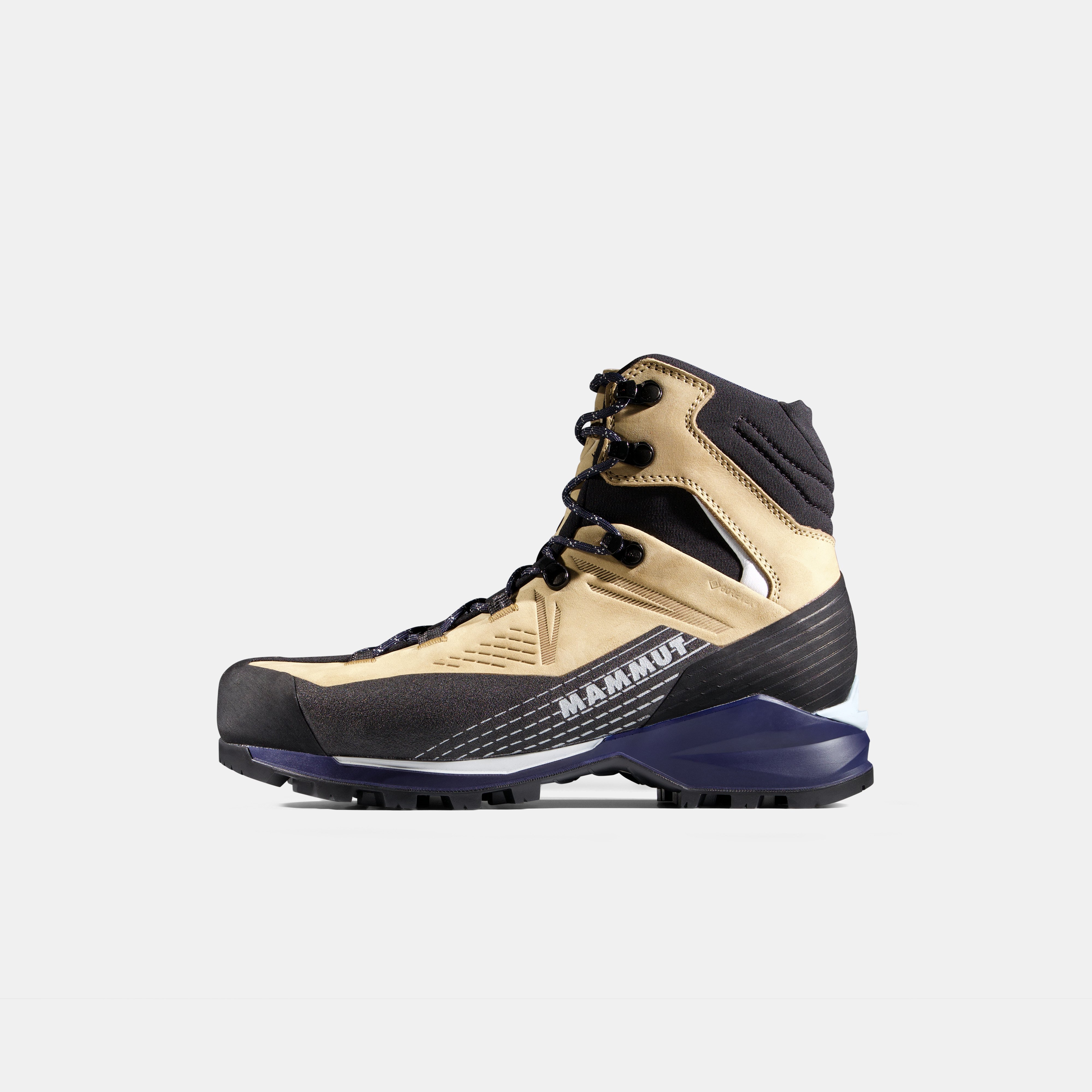
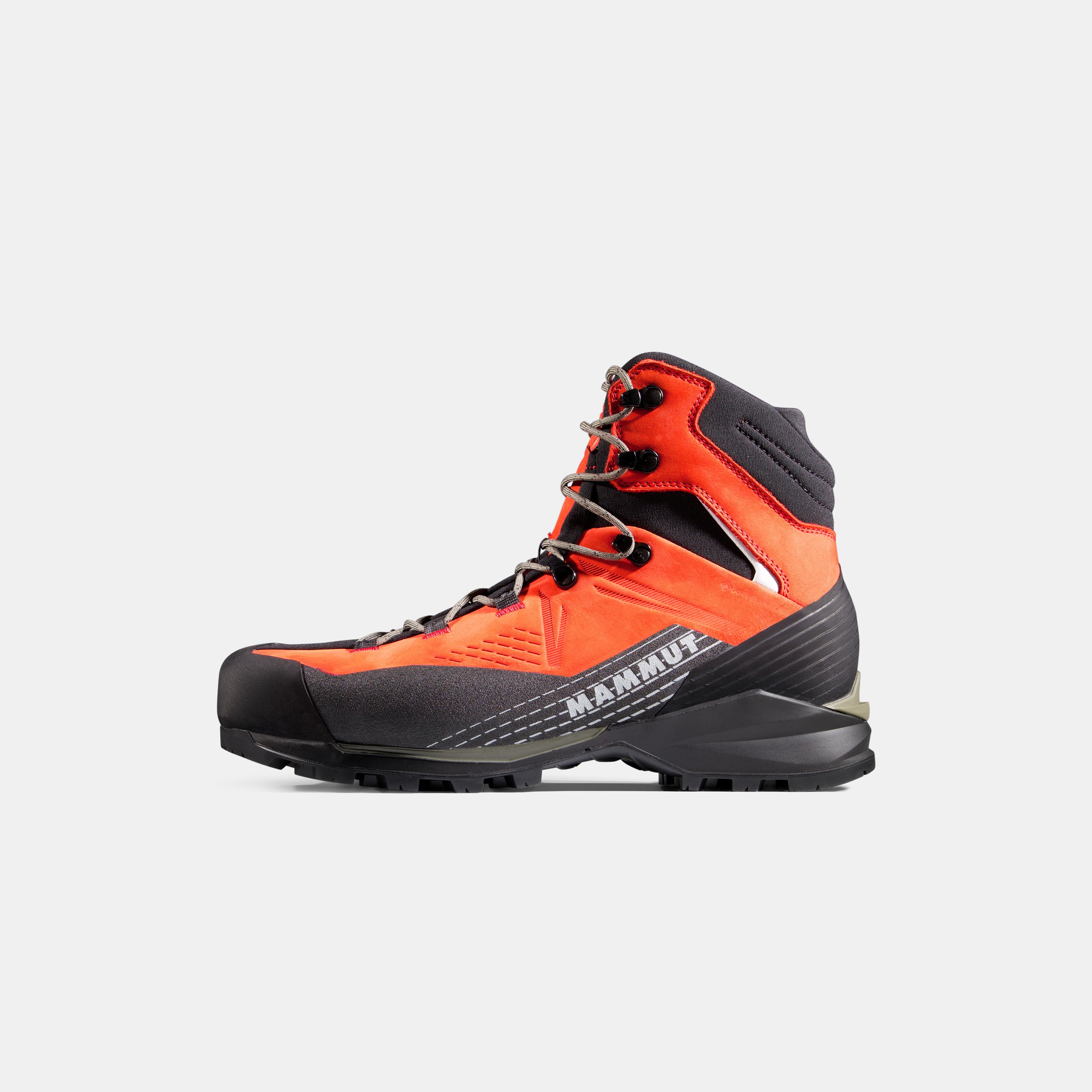
Classic mountaineering boots – Flex Index B2
These models are made for alpine outings where scree and icy sections come into play. They feature noticeably stiffer soles, a mid-height shaft, and are partially compatible with crampons — those with a rear bail. Ideal for demanding glacier hikes or technical mountain terrain.
High-alpine mountaineering boots – Flex Index B3
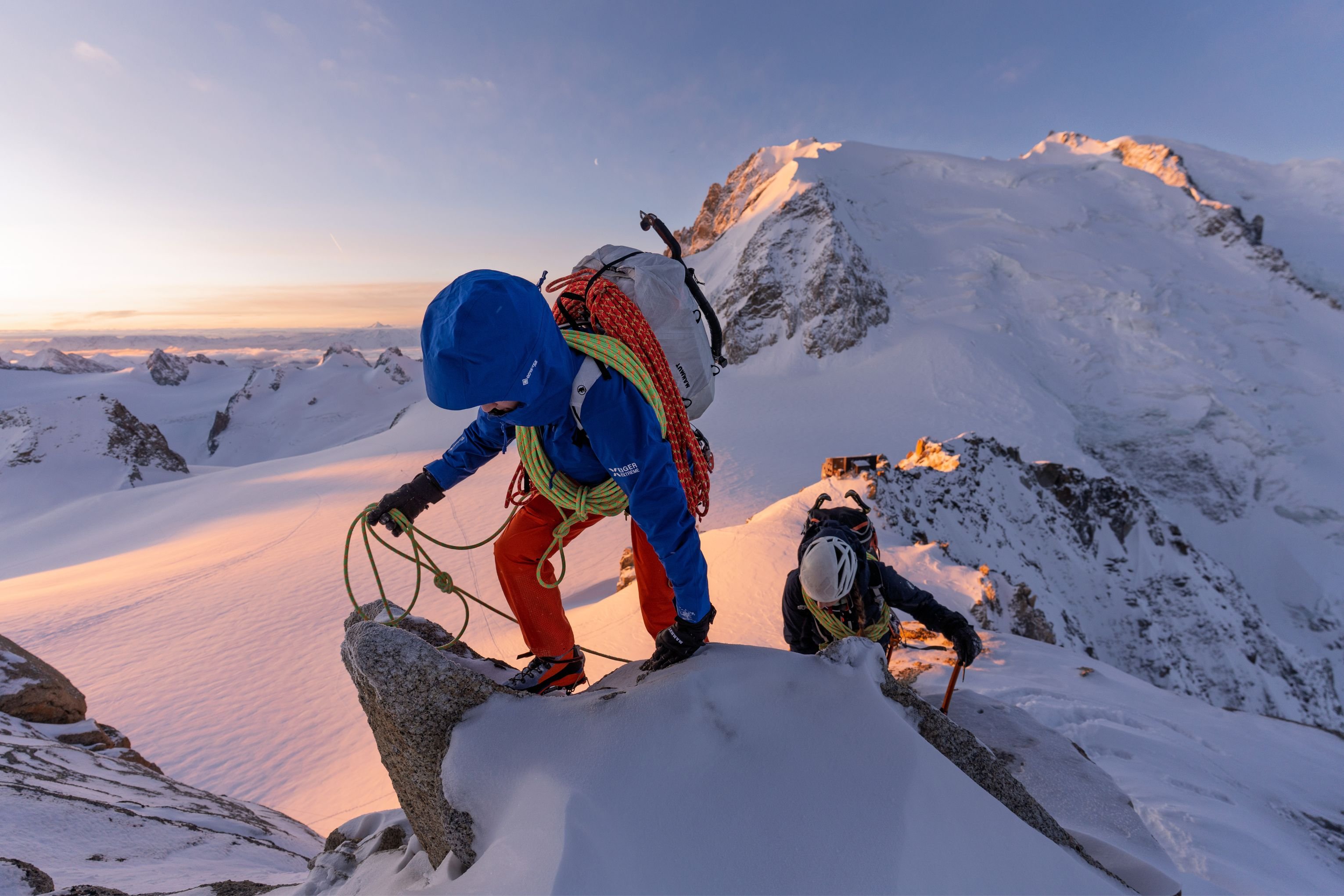
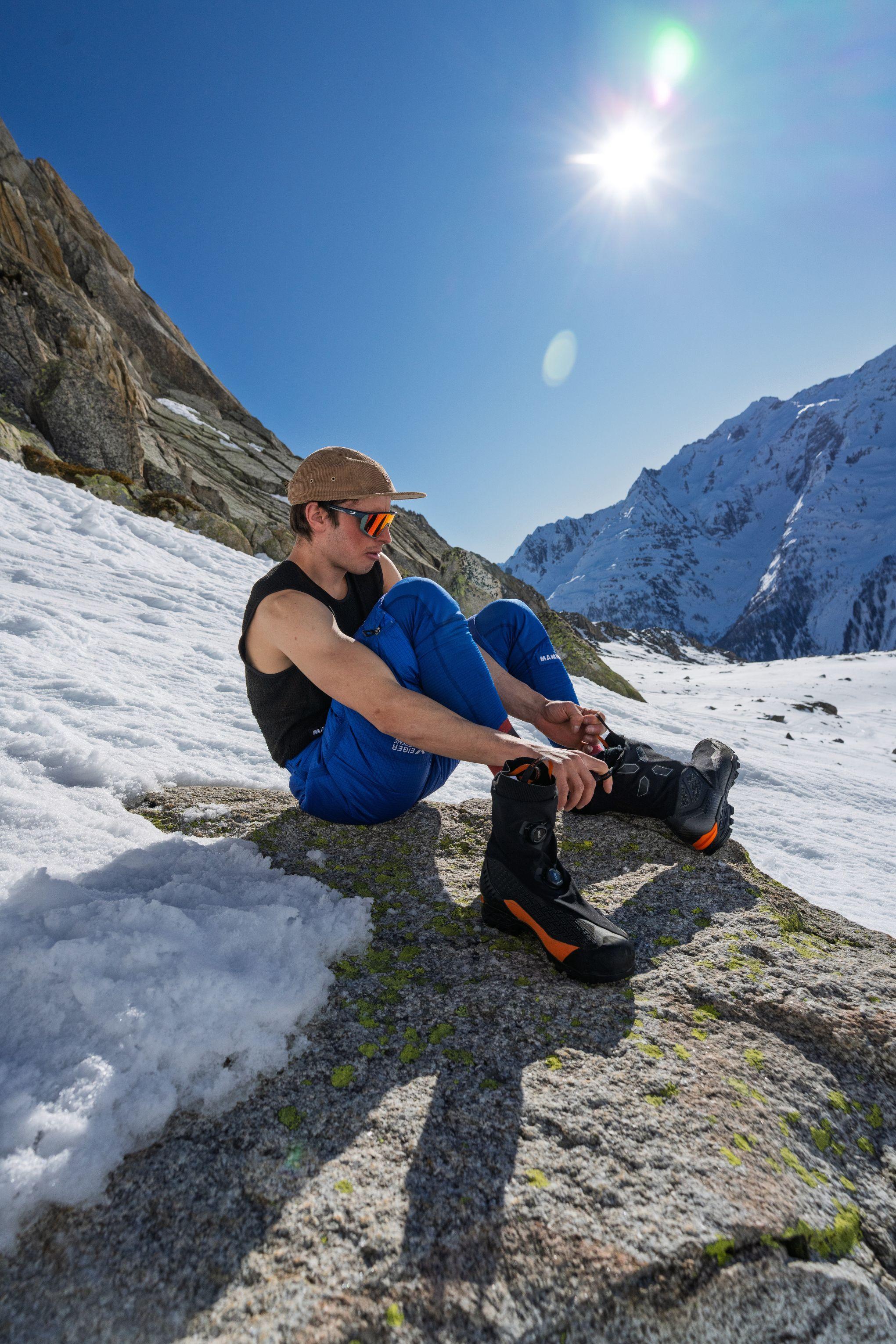
When you're heading up, these are the boots for you: fully crampon-compatible, with an extra-stiff sole, rigid shaft, and insulation. As such, they are sure to give you a secure footing – even on high-altitude routes, ice climbing, and technical passages on ice and rock.
Which mountaineering boots do I need?
There's no one-size-fits-all answer here — it really comes down to where you plan to go. Before you buy yourself a new pair, consider the following:
What kind of terrain will you be on?
Are you heading into the mountains in summer or winter?
Will you be carrying a heavy pack?
Are you planning multi-day tours or day trips?
If you're tackling high-altitude routes with glacier sections and steep terrain, you'll need at least a boot with Flex Index B2 — or ideally B3 — since these models are crampon-compatible and will ensure secure footing on ice and snow.
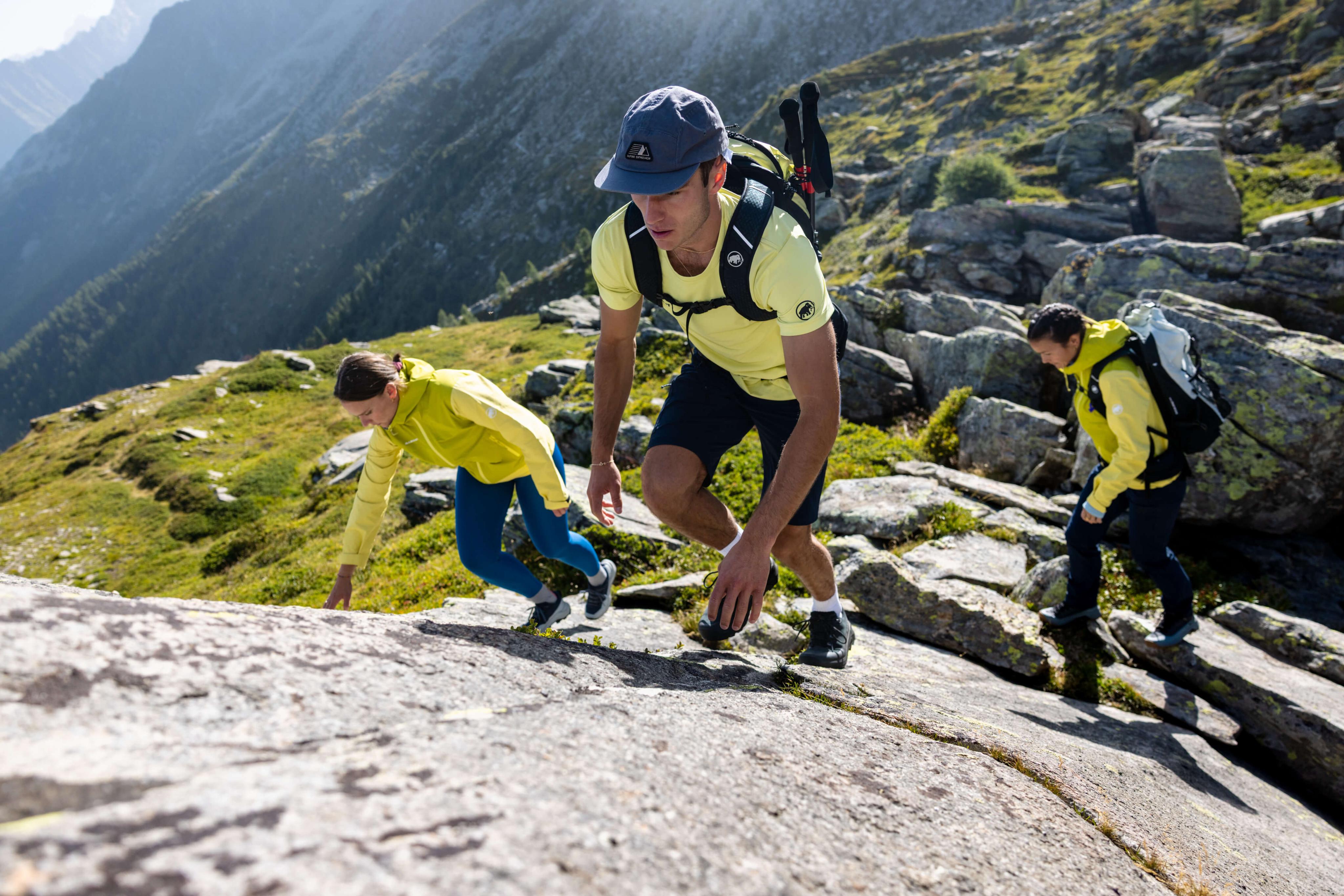
For hikes in alpine low-mountain terrain, a B1 or B2 model will typically do the job, offering enough grip, cushioning, and protection for moderate conditions.
The right size and fit for your mountaineering boots
Size and fit are everything when it comes to choosing your mountaineering boots. Only if both are exactly right will you be comfortable and safe on long tours.
Tips for trying on boots:
Try them in the afternoon: Feet tend to be bigger in the afternoon than in the morning, as they swell over the course of the day — or on a hike.
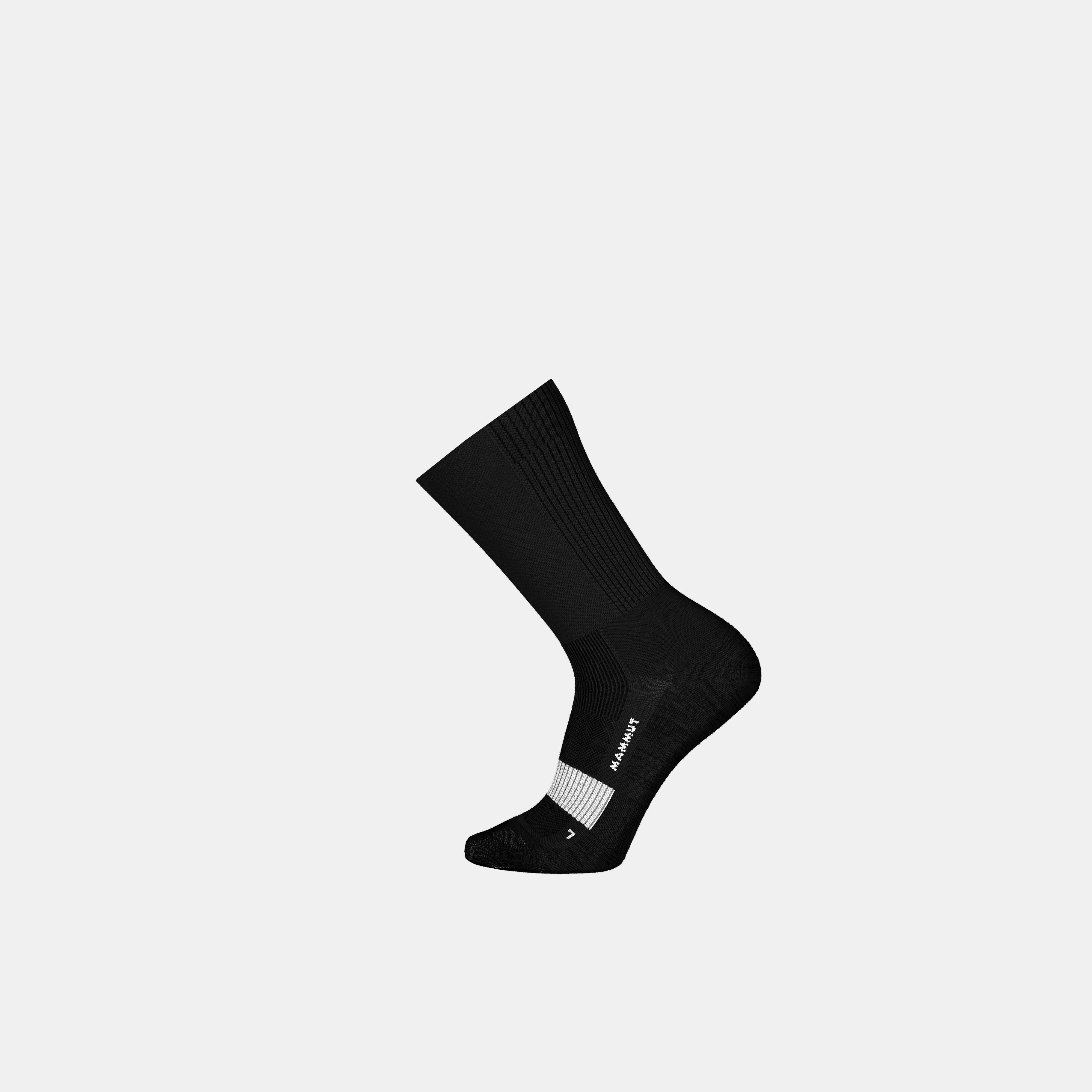
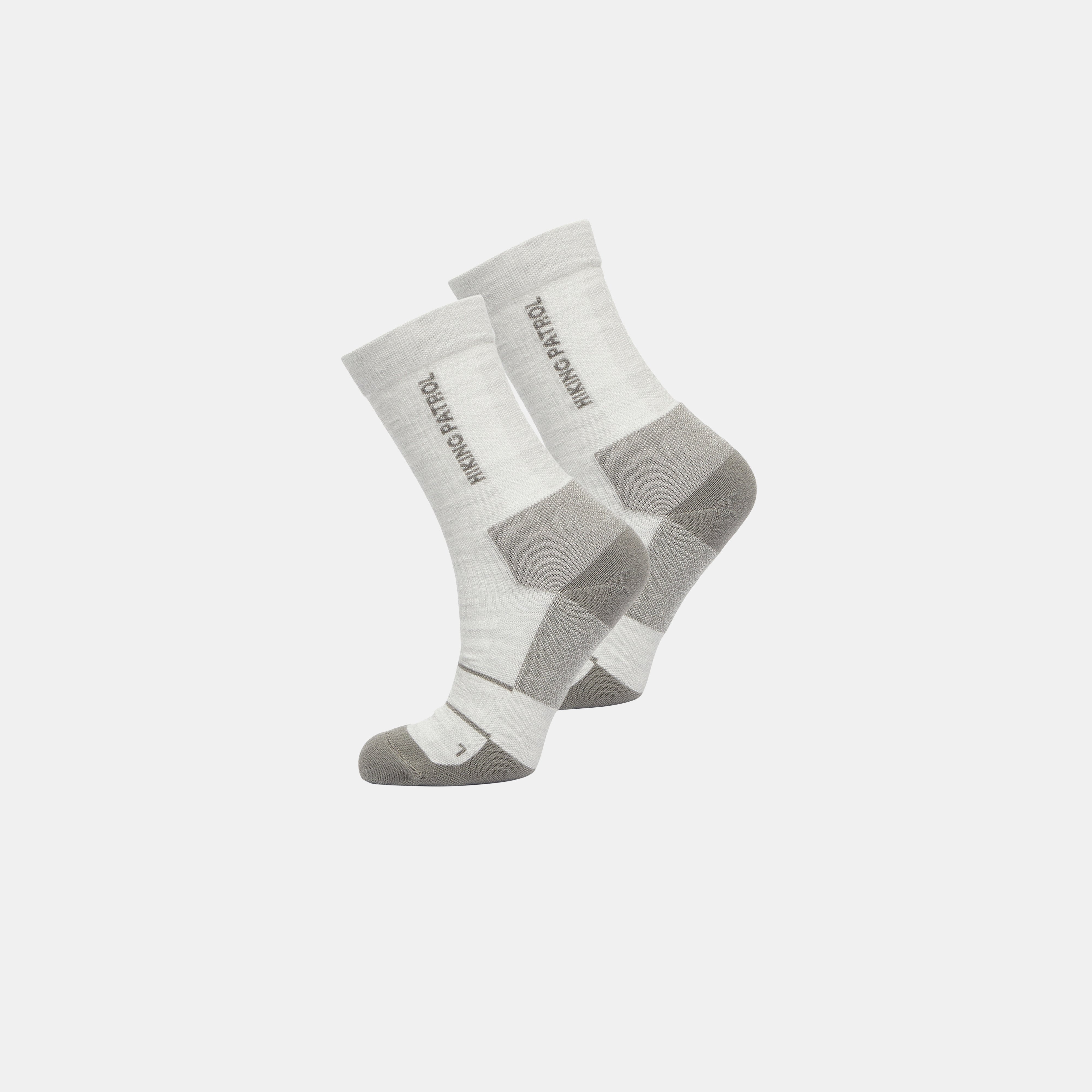
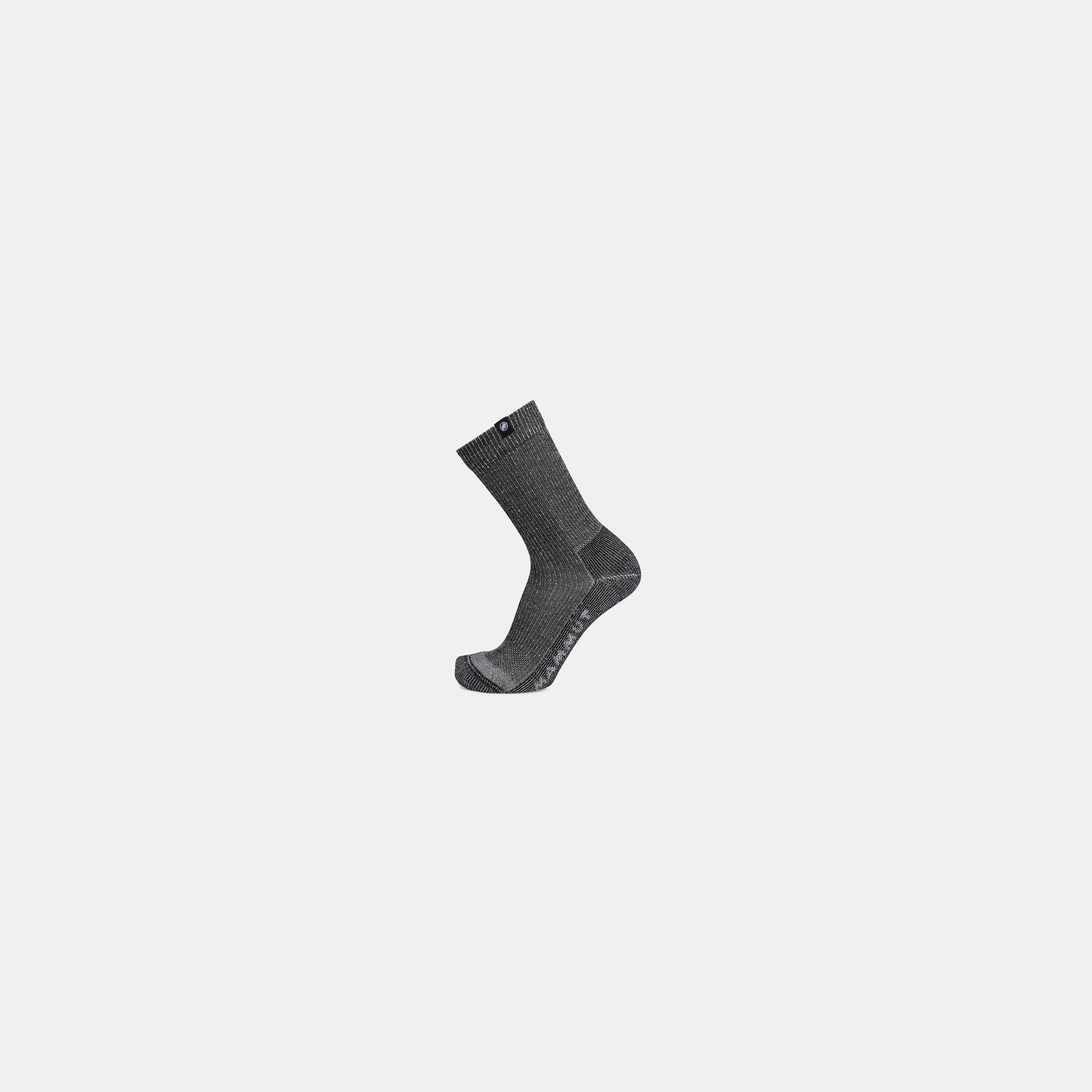
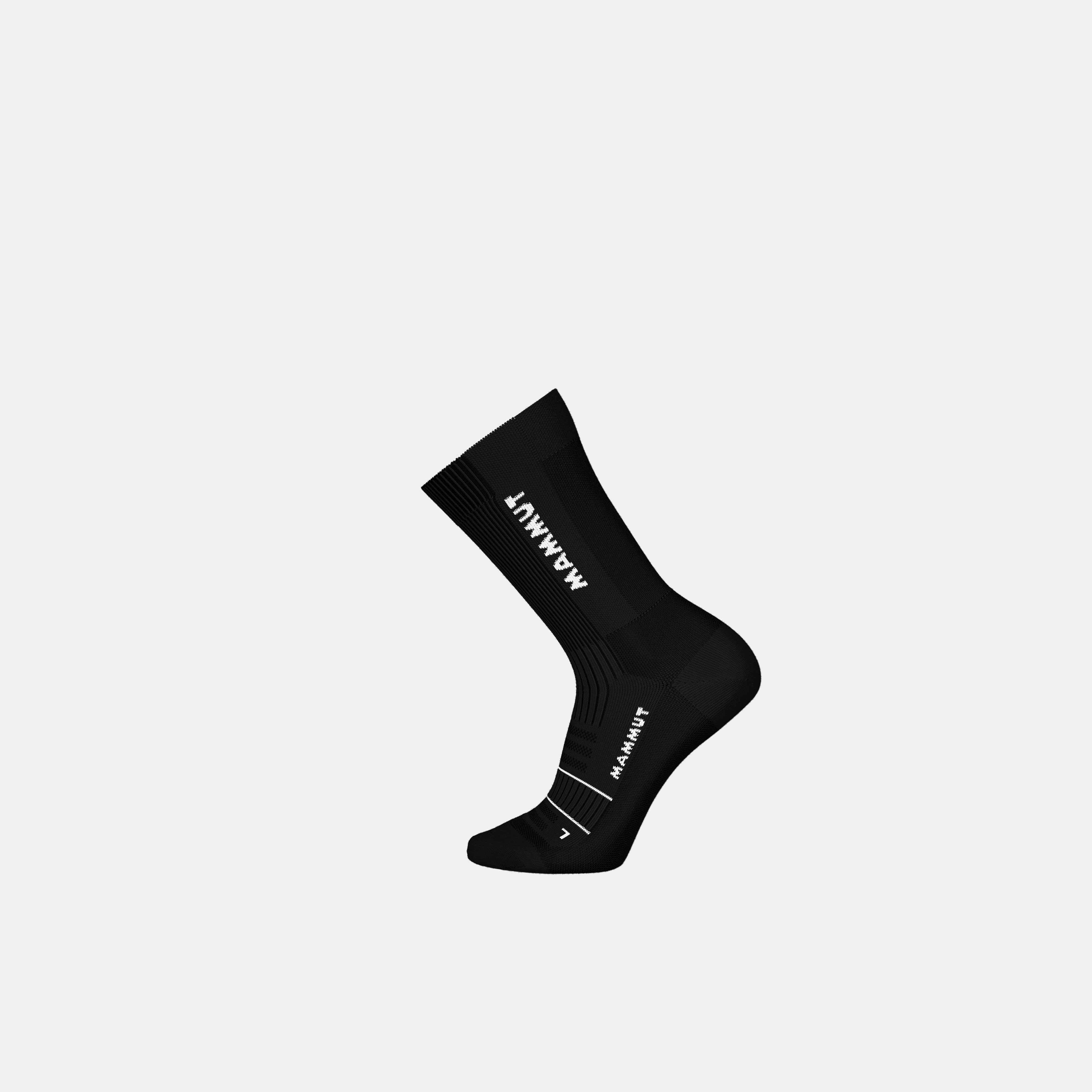
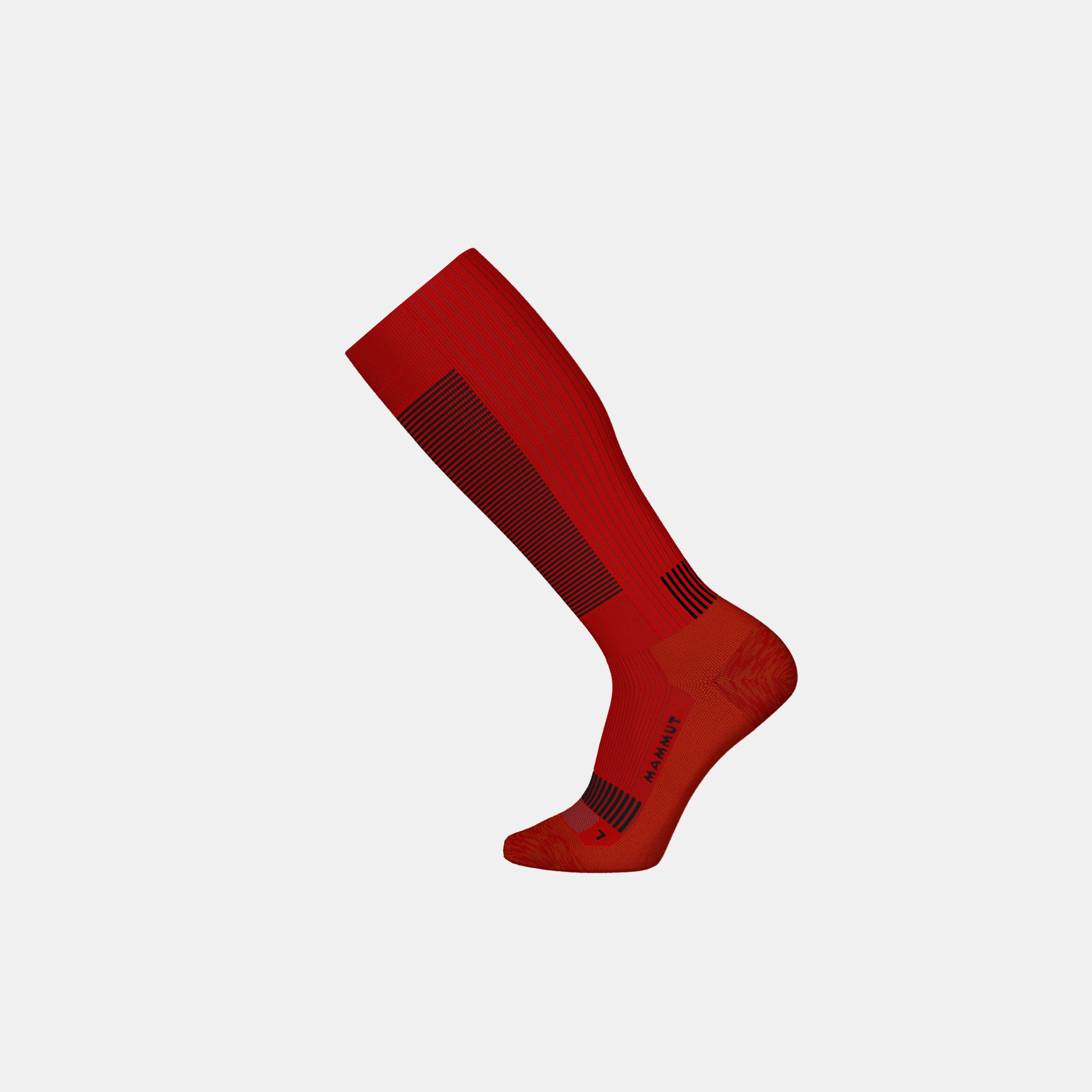
Wear your socks: Put on the same hiking socks you'd wear on the trail.
The right fit makes all the difference after hours of walking in the mountains. When trying boots on, look for the following:
The boot should fit snugly without pinching.
Enough room for your toes: there should be about a thumb's width of space at the front.
Check heel hold: your heel shouldn't slip when walking.
Note: Many retailers offer foot measuring systems, or you can use the respective size charts. Mammut offers a digital Fit Finder to help you find the right boot. Make sure to also test the boots on a staircase — that way you'll get a feel for how they perform under different loads and at different angles.
Tip: Always break in your mountaineering boots before longer tours. That way you can make sure they truly are the right fit.
Materials and technologies in mountaineering boots
The materials in your mountaineering boots affect not just durability, but also comfort and performance across different conditions. The outer material, inner lining, and membrane all work together when it comes to breathability, weather protection, and resilience. At Mammut, we deliberately use premium materials for our mountaineering boots, specifically tailored to the demands of alpine terrain. Choosing the right material depends primarily on your destination and the conditions you're likely to face.
Here's an overview of the most important materials:
Leather (suede or nubuck)
Robust, long-lasting, and increasingly form-fitting as you break them in. Leather offers high abrasion resistance and a comfortable foot climate — though it is a bit heavier, dries more slowly, and requires regular care. Ideal for long tours in stable weather conditions.
Synthetic and textile fabrics
Lightweight, quick-drying, and often reinforced at high-wear areas. These materials deliver great comfort and flexibility — especially on multi-day tours or in wet conditions. They're frequently used in combination with waterproof membranes.
Mesh materials
Highly breathable and flexible, ideal for warmer conditions. Due to lower abrasion resistance, mesh is typically found in lighter mountaineering boots or approach shoes . When combined with protective overlays, durability increases significantly.
Synthetic or leather inner lining
The inner lining plays a major role in overall comfort. Leather lining molds well to the foot over time; synthetic lining dries faster and is easier to care for. Mammut combines both options depending on the model.
Waterproof membranes
Many models feature waterproof technologies that keep moisture at bay while wicking away sweat from your feet:
GORE-TEX®: The tried-and-true standard for waterproof, breathable footwear. Mammut's GORE-TEX® models offer reliable protection even in heavy rain.
MAMMUT® DRY Technology: Mammut's in-house membrane delivers strong waterproofing with solid breathability — ideal in changeable weather or when exposed to snow.
What does the hydrostatic head rating mean for mountaineering boots?
The hydrostatic head rating indicates how much water pressure a certain material can withstand before moisture starts seeping through. A rating of 10,000 mm or above is considered waterproof. Importantly, it's not just the upper material that needs to be sealed — the seams and tongue do, too. GORE-TEX® models are engineered to keep your feet dry even in heavy rain or melting snow.
The right sole for your mountaineering boots
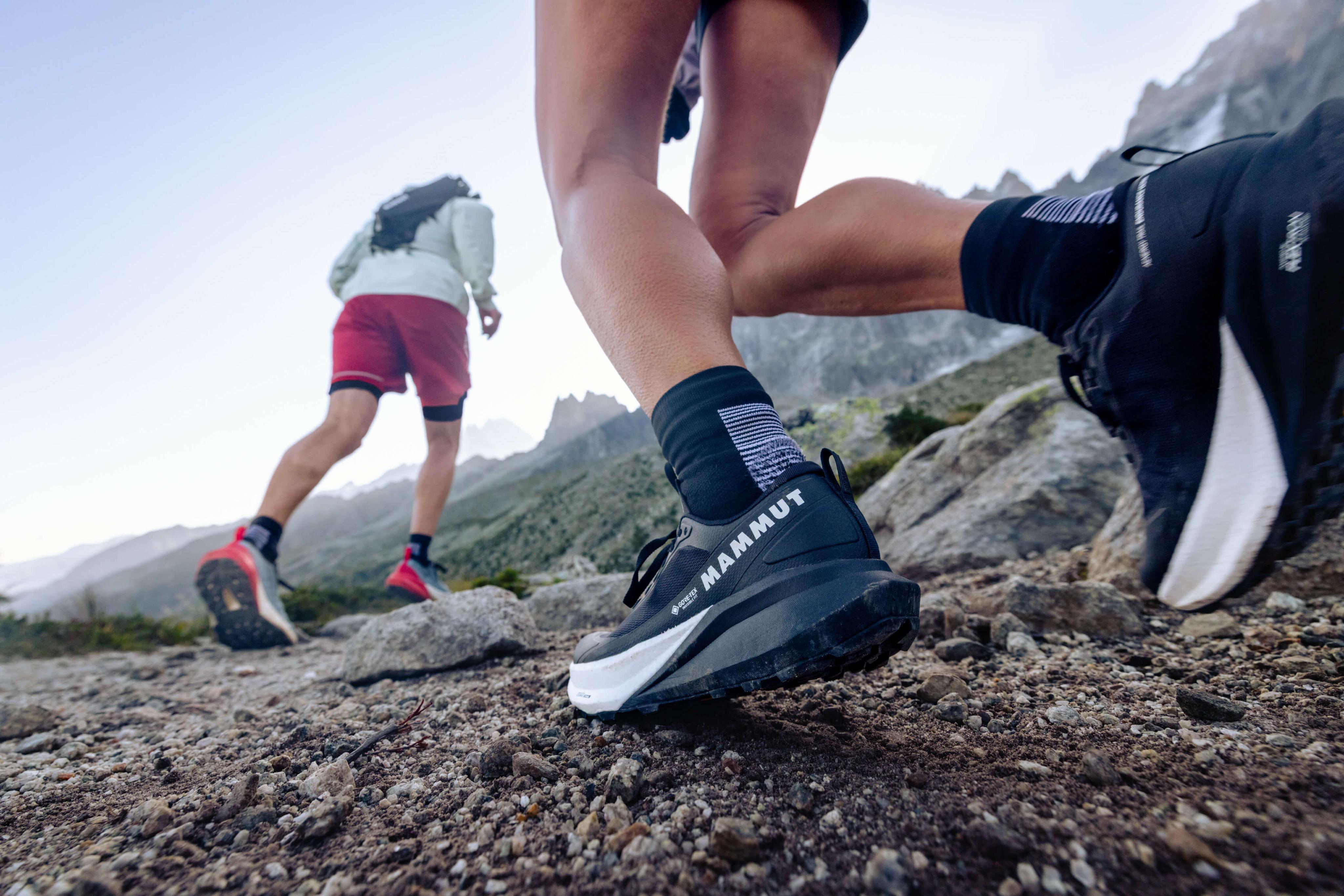
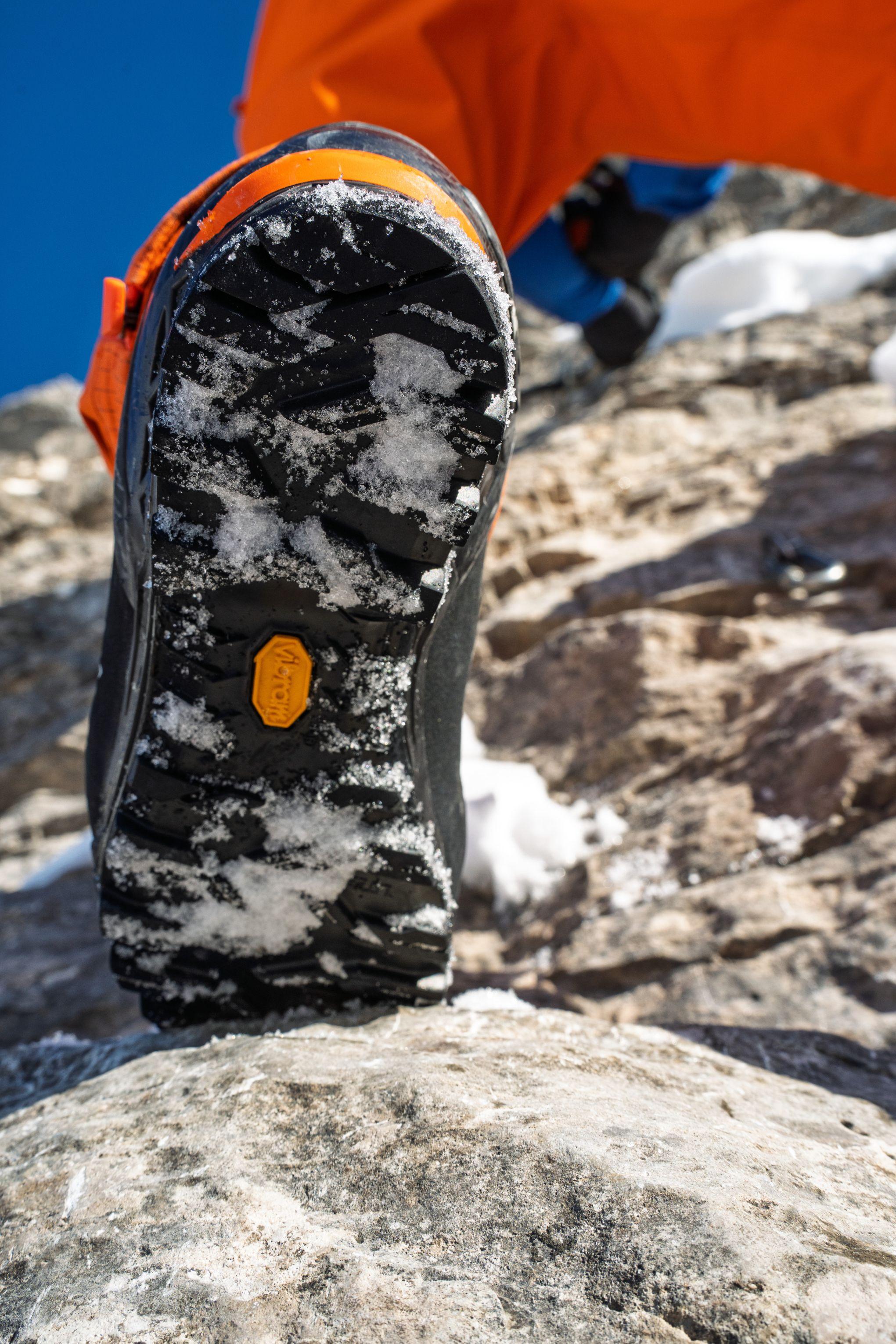
Your sole is what keeps you connected to the ground — as such, it is essential for stability, comfort, and a secure footing. Our Mammut mountaineering boots come with Vibram® outsoles , tailored to perfectly match the intended use:
Vibram® Megagrip Litebase: Ultralight with next-level traction — ideal for technical routes where both weight and grip are critical.
Vibram® XS Trek: Provides excellent grip on wet and dry rock while offering enough flexibility for dynamic movements.
Depending on the model, you'll also find features like climbing zones in the toe area for greater precision on rock, or pronounced lug profiles for deep, soft terrain. The midsole varies from cushioned and comfort-oriented to stiff and power-transmitting — matched to the respective Flex Index.
How to care for your mountaineering boots
With the right care, your mountaineering boots will stay functional for longer:
Remove coarse dirt after every tour.
Clean with lukewarm water and a soft brush when needed.
Dry at room temperature — never on a radiator.
Regularly condition or waterproof leather models.
Clean the inner lining to prevent odors.
Your step-by-step guide to finding the right mountaineering boot
Finding the perfect mountaineering boot is all down to personal preference – depending on the intended use, the shape of your foot, and your expectations. Take your time trying boots on, test different models, and pay close attention to size, fit, and traction. And if you feel that a hiking boot might actually be the better choice for you, we've put together everything you need to know in our guide on how to choose hiking boots . With the right boot on your feet, you’ll be all set for your next mountain adventure.
Still missing some gear? At Mammut, you'll find everything you need for your tour — from outdoor apparel to hiking packs . In our Mammut Stories and Guides , you'll also find a packing list for hiking , a guide to choosing the right pack weight , and plenty more tips to get you up and running.