



Climbing
DüDaDo im Nirgendwo
October 2026
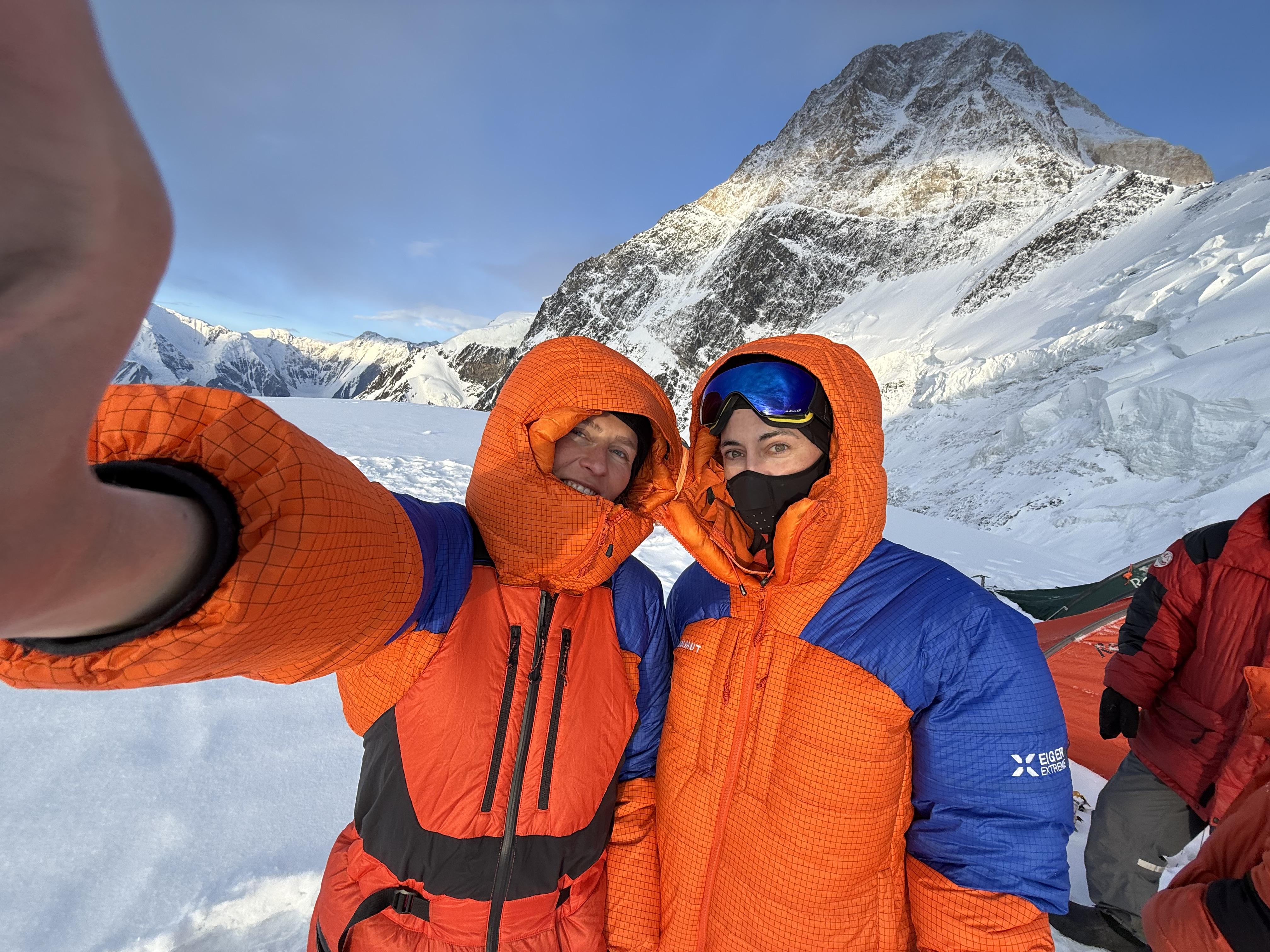
Two Swiss alpinists travel to Kyrgyzstan in the summer of 2025: Gentiana Zyba and Sandra Christen. Khan Tengri has long held their attention—remote, demanding, uncompromising. Together with a local mountain guide, they choose the north side. But high on the mountain, just meters below the summit, the defining question arises: push on, or turn back?
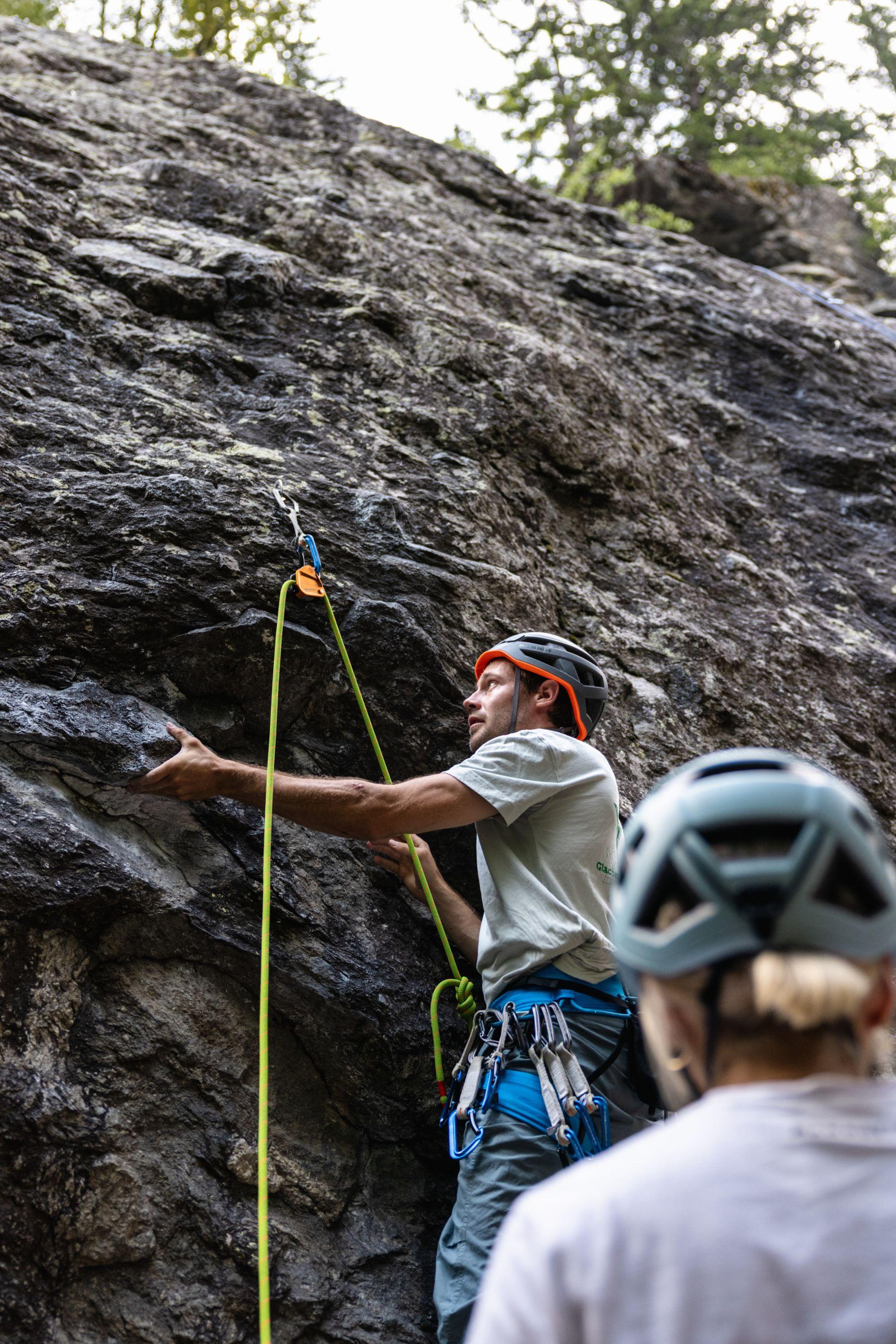
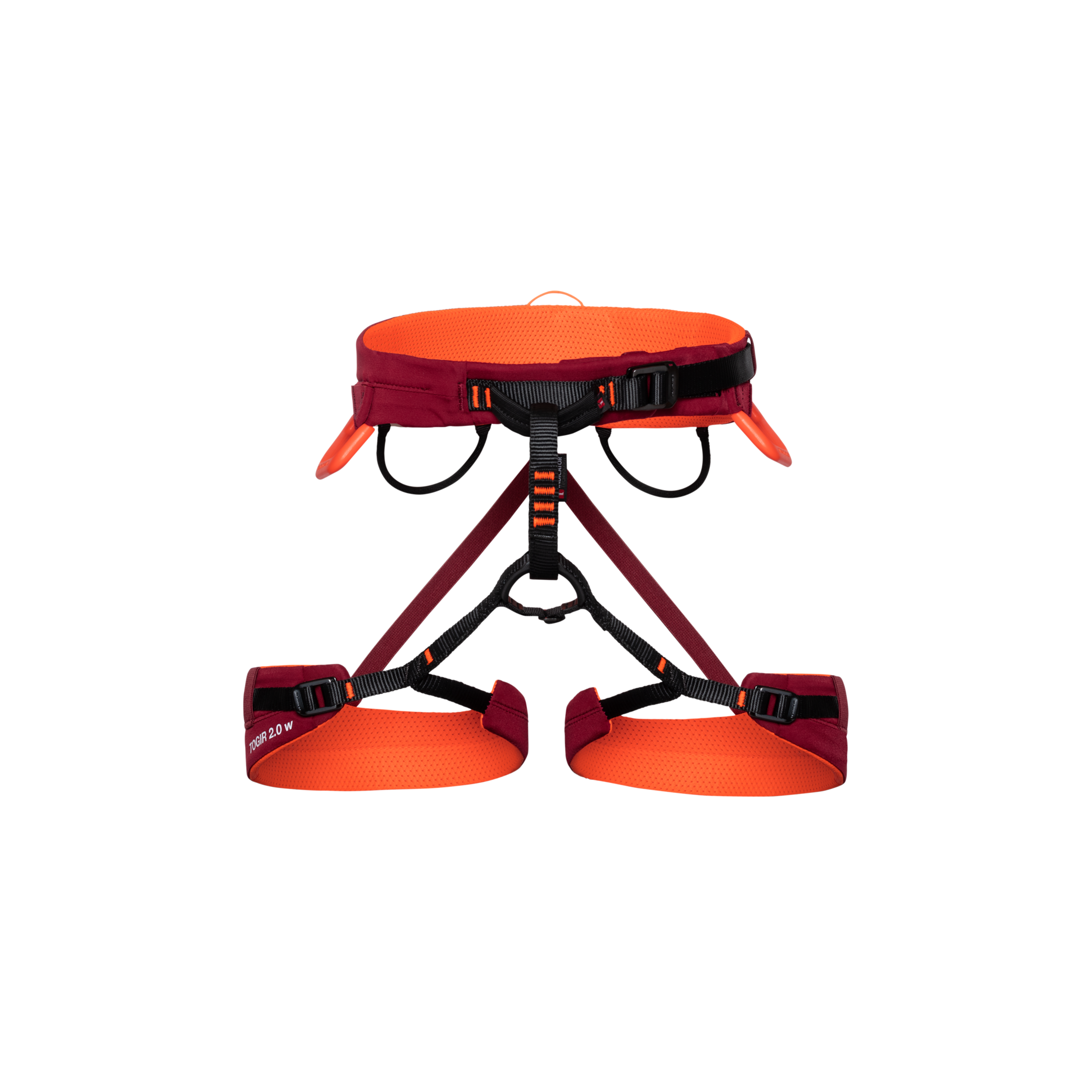
You don't pick your climbing partner based on what the scale says. Whether it's couples, friend groups, or random teams at the gym – most partnerships come with weight differences, sometimes just a few pounds, sometimes way more. It's totally irrelevant in daily life, but when you're climbing, it becomes genuinely important for safety. The weight ratio between belayer and climber directly impacts how a fall gets caught – and that affects the risk level for both people. Here's what you need to understand about why weight matters when climbing, when the difference becomes concerning, and which techniques and tools can keep you safe regardless.
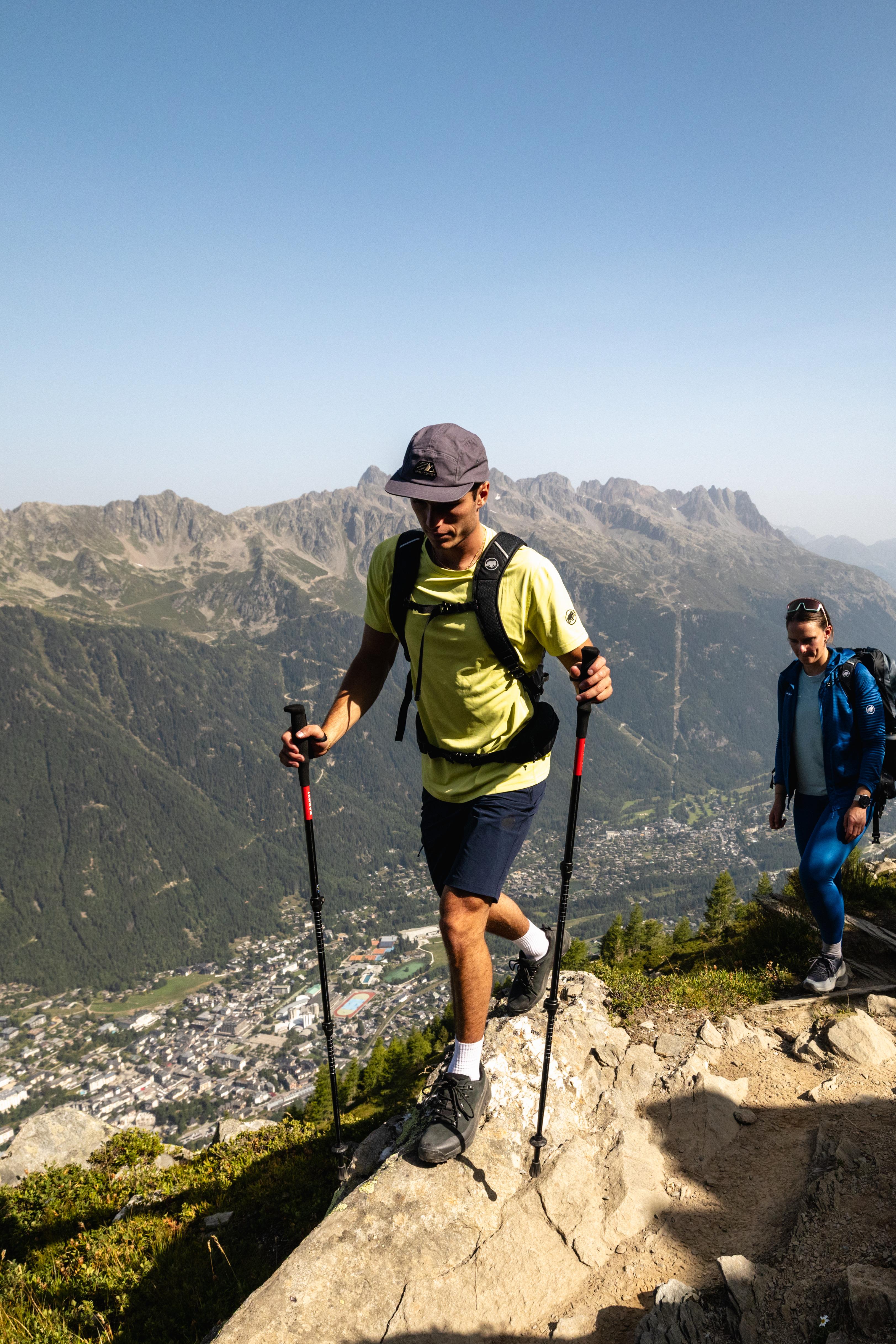
¿Alguna vez te has preguntado por qué algunas personas parecen cruzar crestas estrechas con la mayor facilidad, mientras que a ti se te doblan las rodillas con solo ver el precipicio que hay abajo? La verdad es que tiene mucho menos que ver con el talento natural de lo que podrías pensar. Porque los nervios de acero y la seguridad en el paso son habilidades que se pueden entrenar, siempre que sepas cómo hacerlo. En esta guía, te mostramos cómo ganar confianza en altura y mejorar tu seguridad en el sendero.
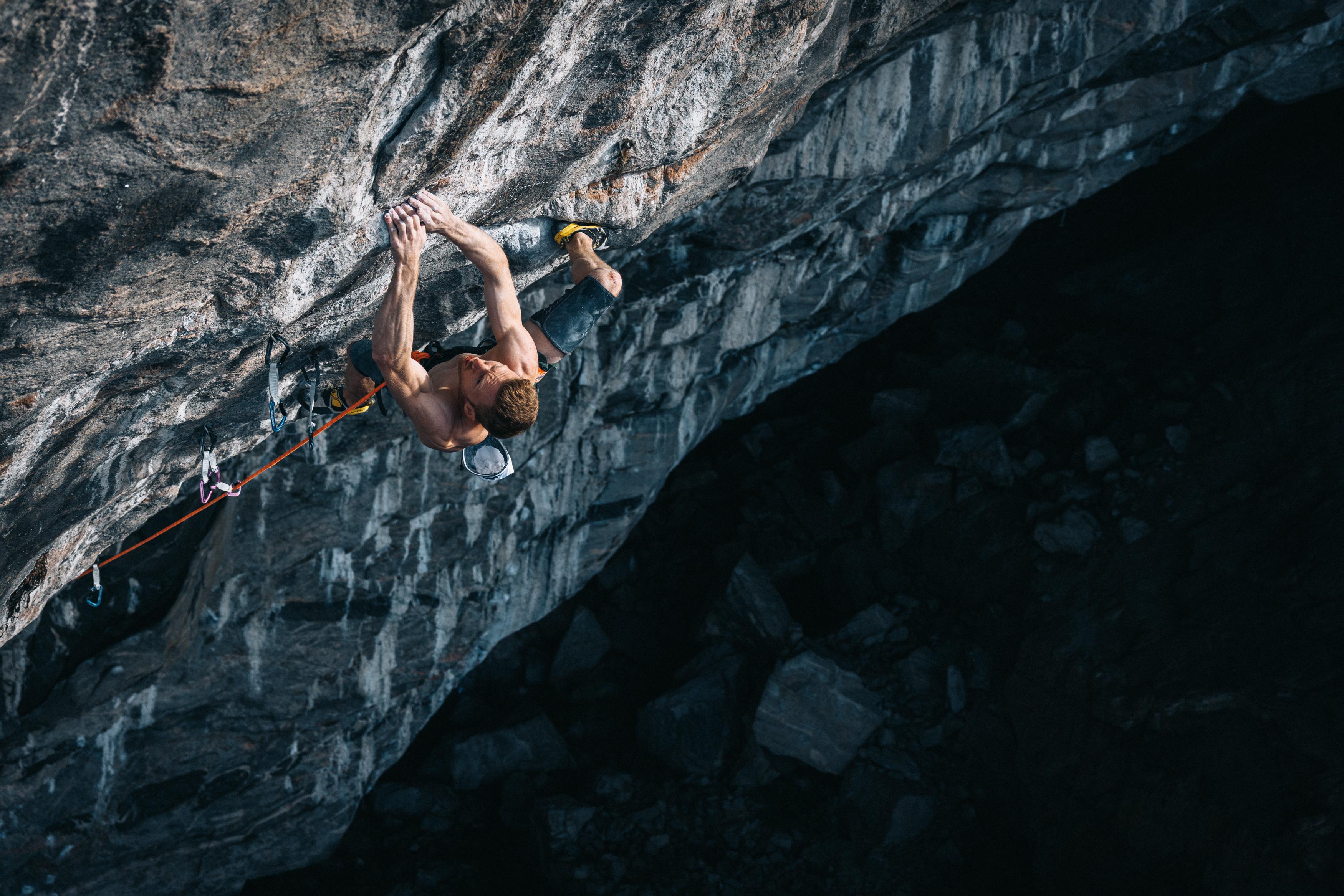
Deep inside the granite cave of Flatanger, Norway, lies a route unlike anything else. Steep, powerful and relentlessly long, B.I.G. 9c (5.15d) stands as one of the most futuristic sport climbs ever bolted. Over time, it became a benchmark for difficulty and a magnet for those drawn to its challenge. Among them, Jakob Schubert. He became one of its most dedicated protagonists and the first to make the free ascent on B.I.G.
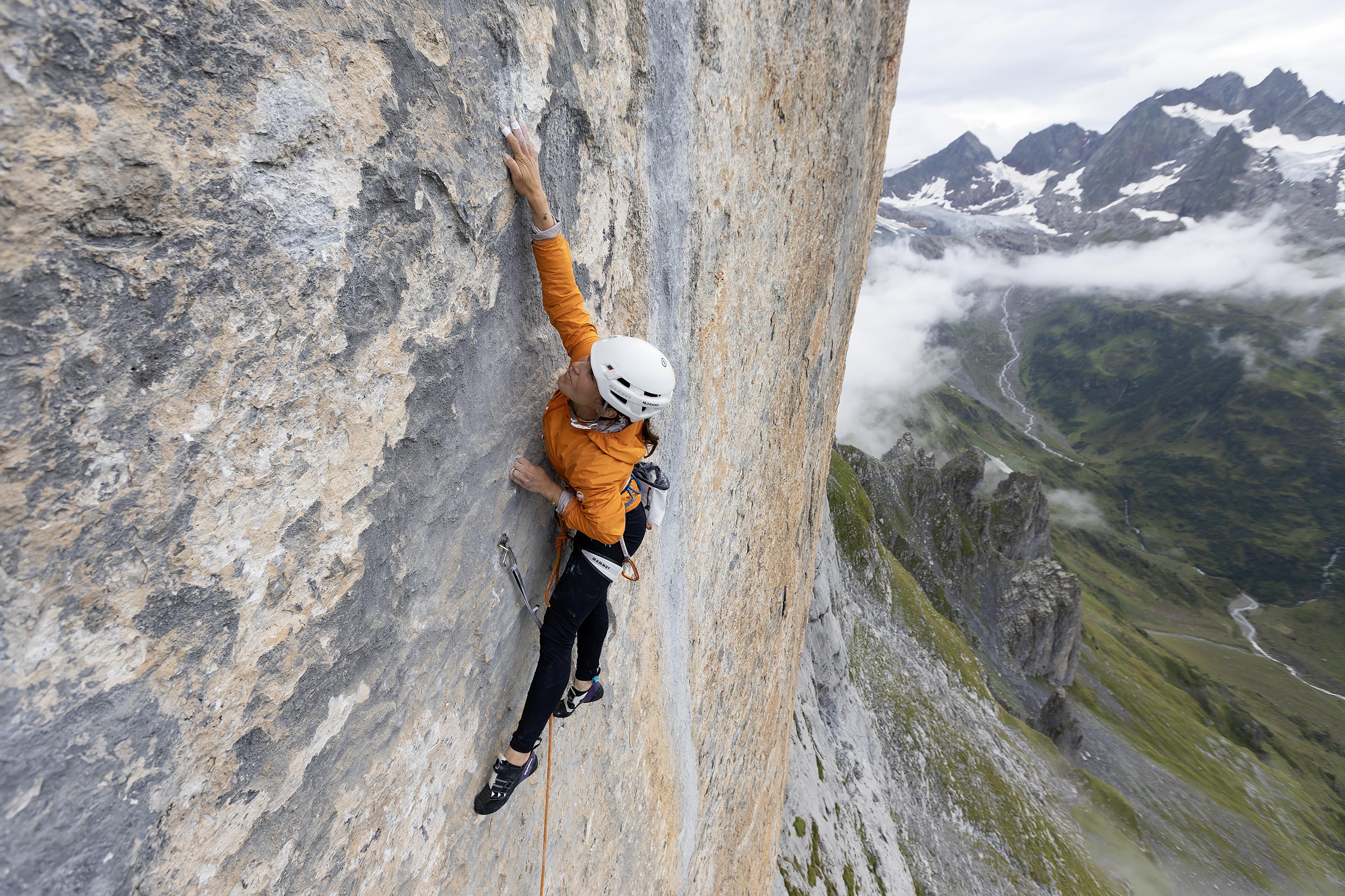
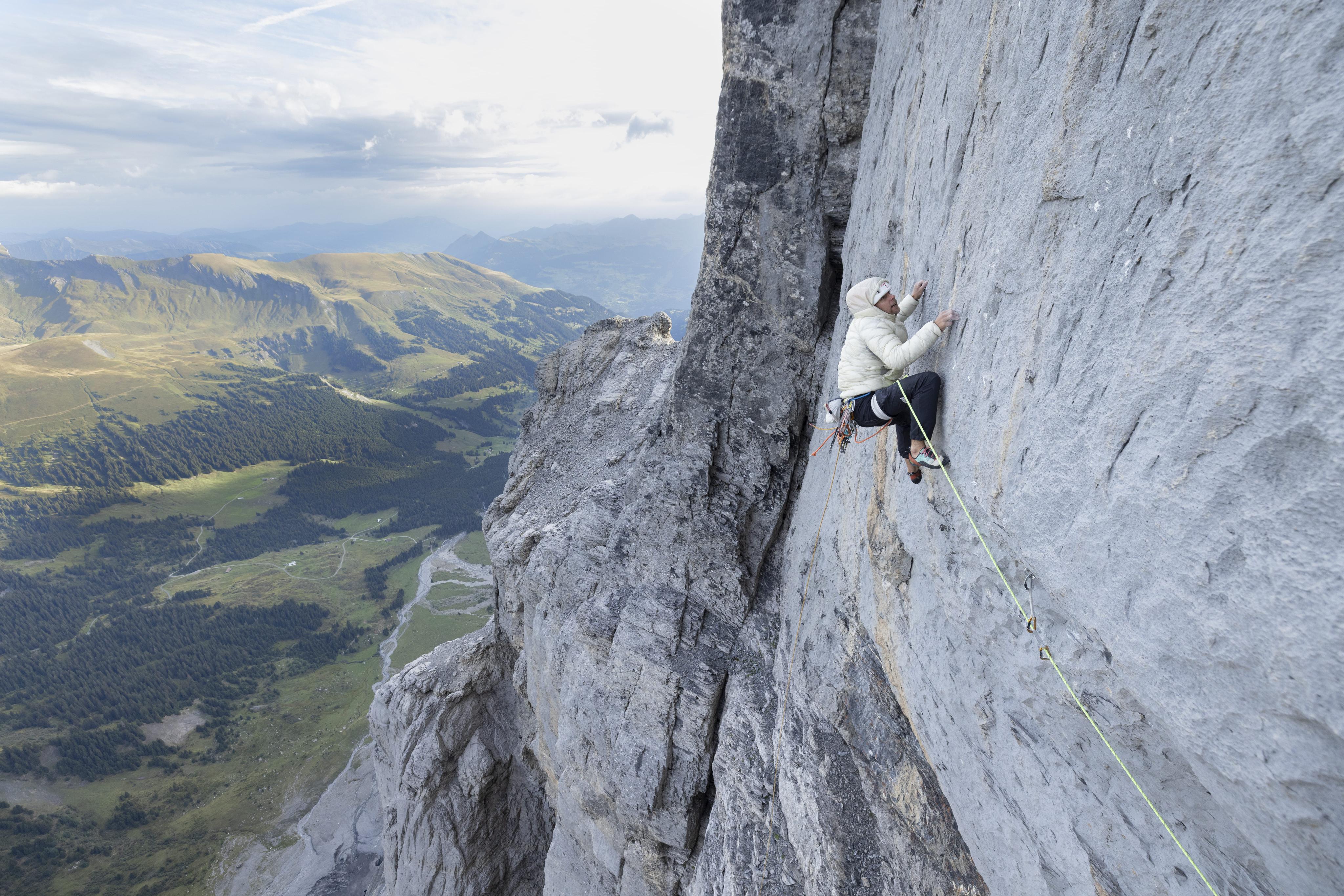
In September 2024, Mammut athlete Katherine Choong made history in Swiss climbing when she redpointed Zahir (8b+, 300 m), a demanding multi‑pitch route on the Wendenstöcke in the Bernese Oberland, in one day — and she did it in full ecopoint style, which means accessing the wall by train, by bike, and on foot, without motorized transport. This film retraces her adventure and gives voice to Katherine’s raw, personal account of an extraordinary experience. The route spans 300 meters over eight pitches, graded 6c, 8a, 8b+, 7c, 7a+, 7a+, 7b and 6c. Bolted by Günther Habersatter and Iwan Wolf between 1996 and 2004 and freed by them in 2006, it’s considered a benchmark line in the Wenden. The challenge: climb every pitch clean, leading, in a single day.
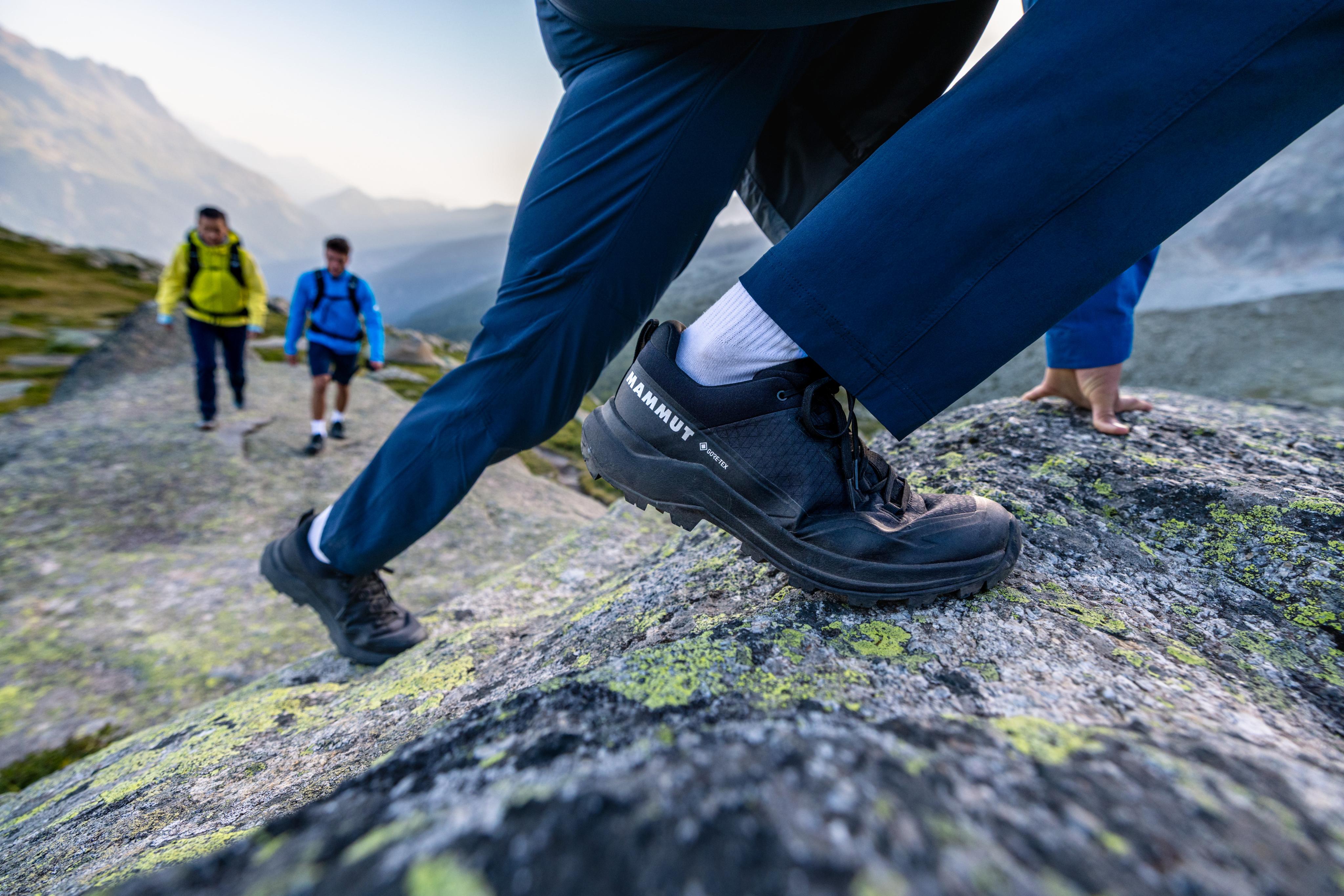
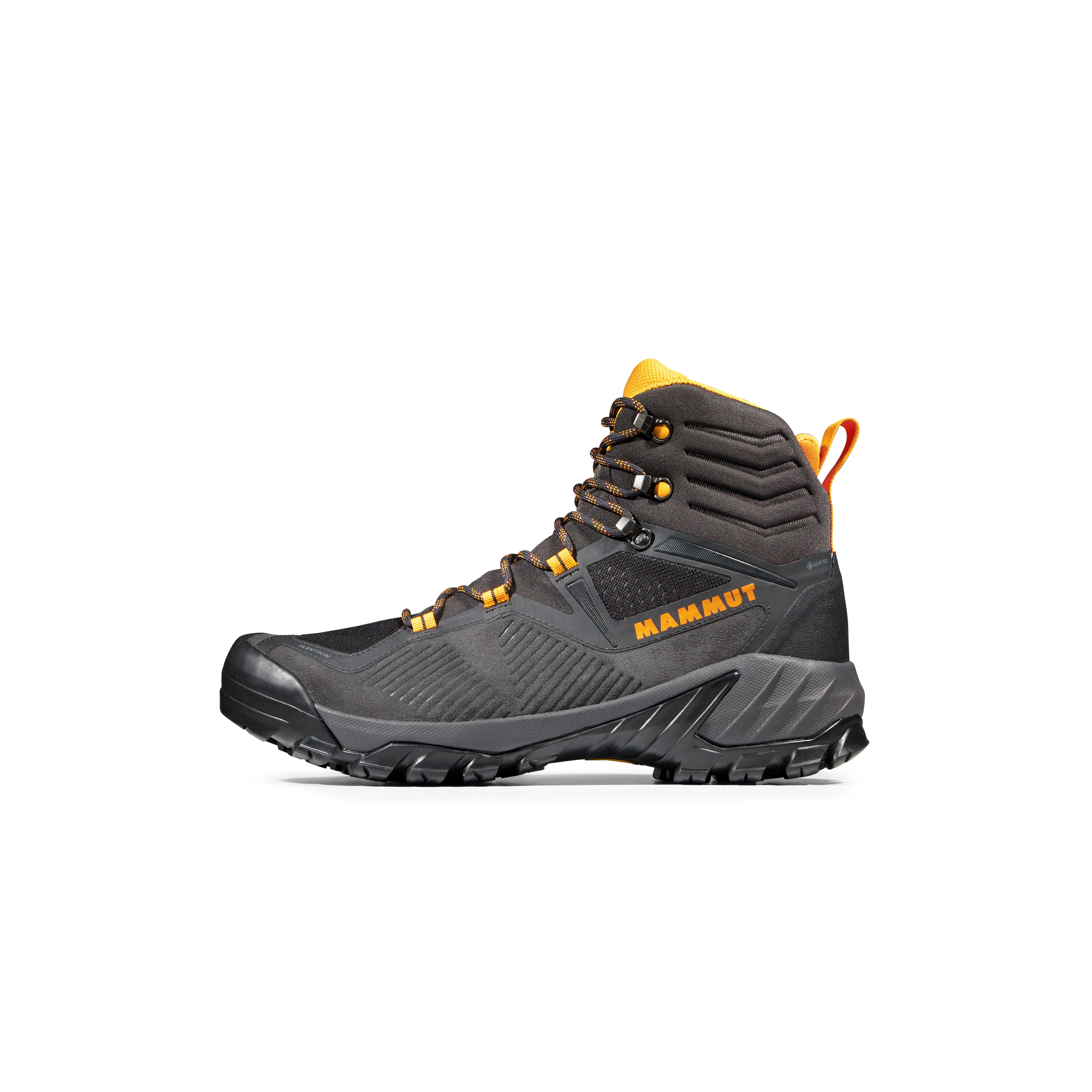
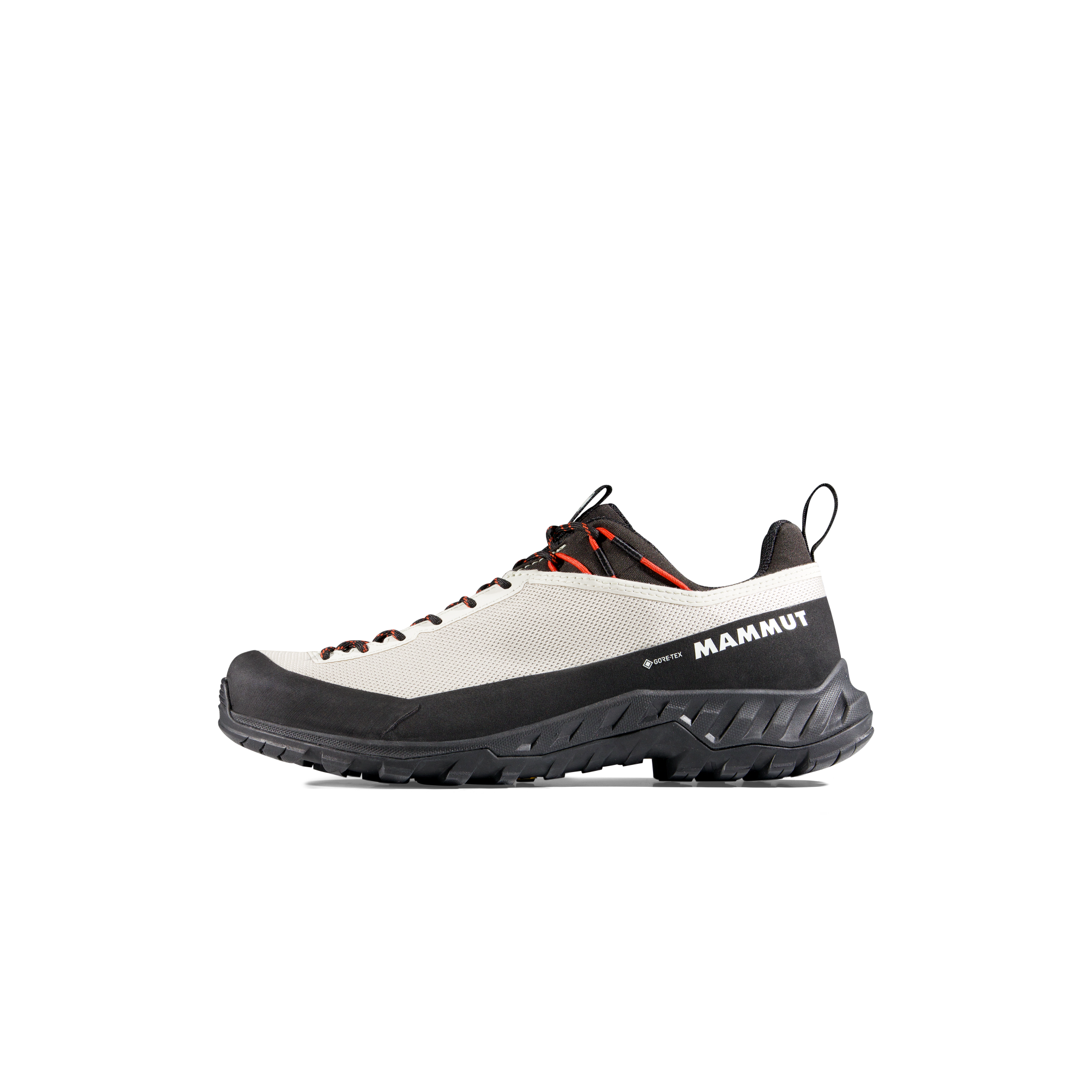
Anyone who spends time in the mountains knows that the right footwear can make or break your experience. Whether you're on a relaxed day hike through rolling hills or tackling a demanding alpine route across scree and glaciers, your shoes play a decisive role in how safe and comfortable you feel out there. But what actually sets hiking boots apart from mountaineering boots? And which one is the better fit for your next adventure? In this guide, we'll walk you through the key differences and take a closer look at what Mammut has to offer.
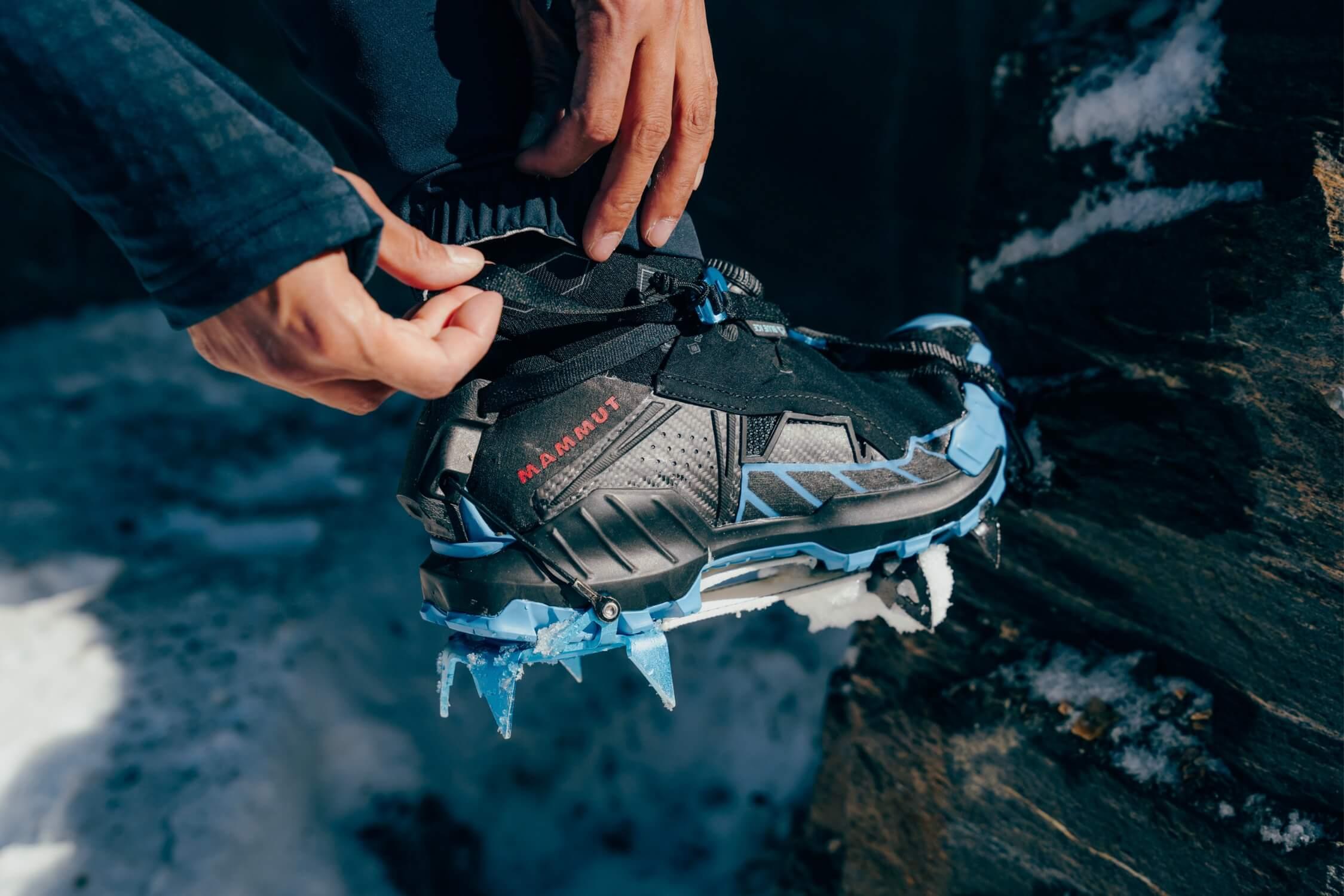
At some point, the inevitable question will come up when planning your next tour on snow or ice: microspikes or crampons for navigating high-alpine or winter terrain? While both improve traction on slippery ground, their general construction, area of application, and footwear requirements are vastly different. In this article, we’ll break down the key differences and what to keep an eye on when choosing your gear — including tips on crampon compatibility for your hiking and mountaineering boots.
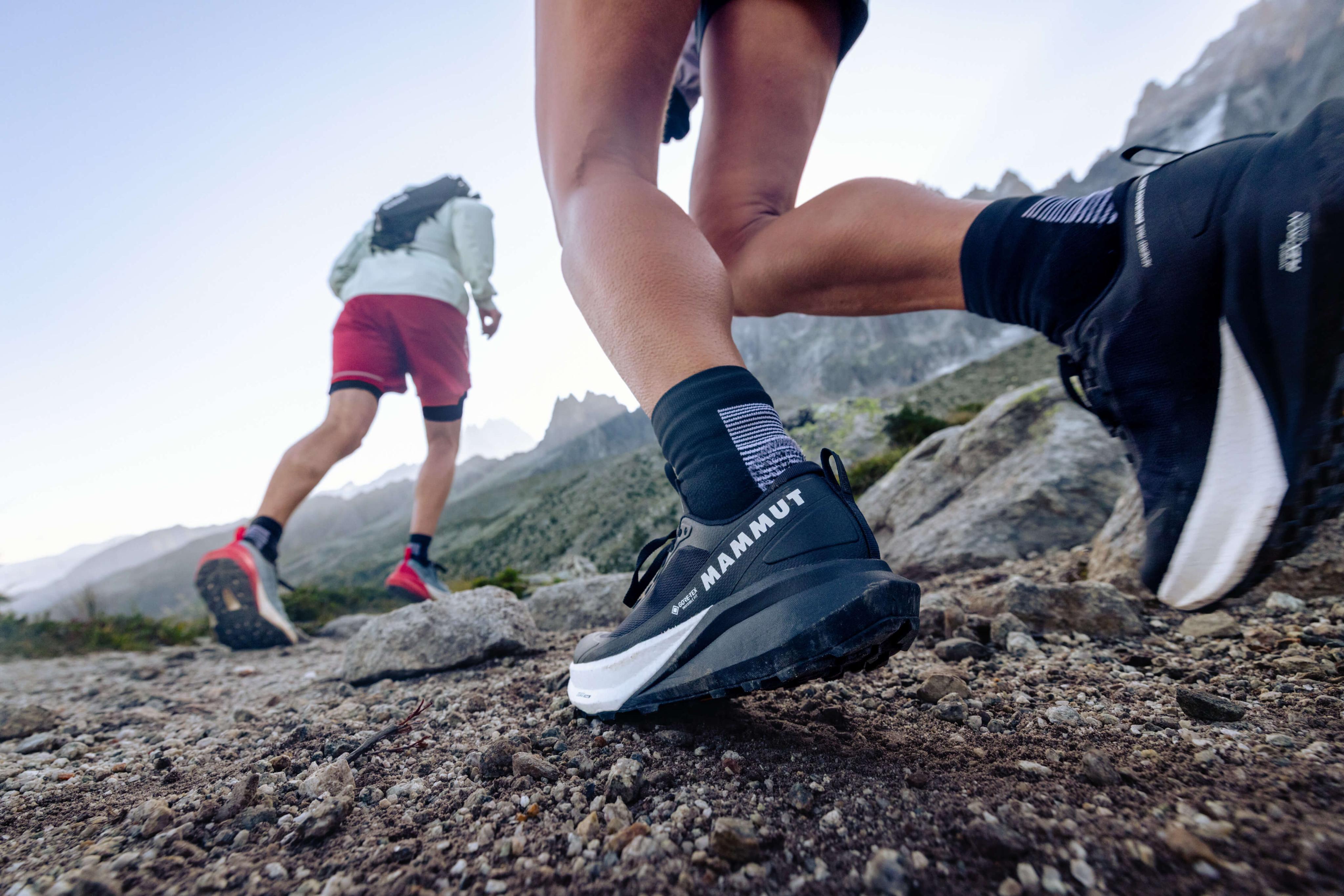
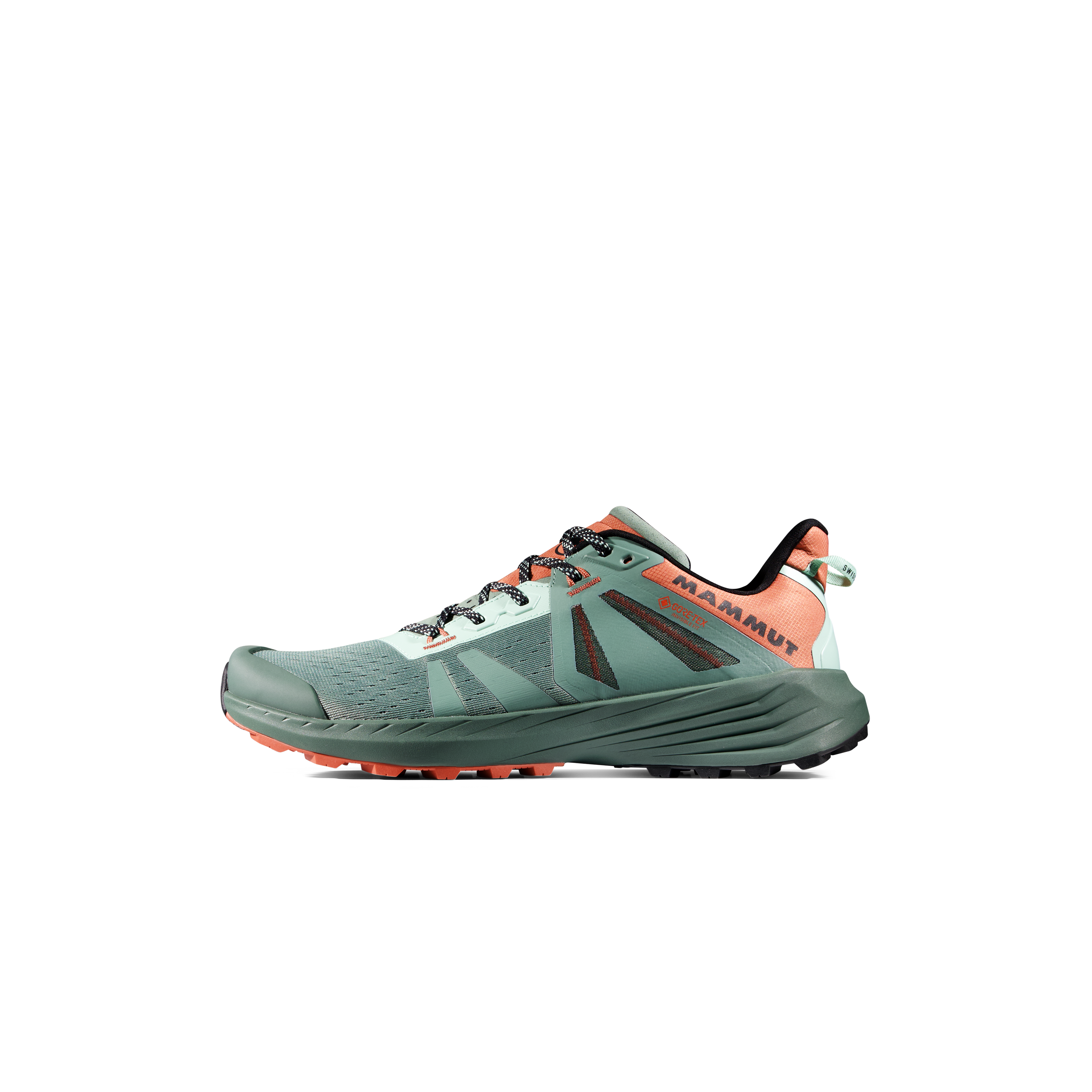
Whether you're running through city streets, cruising along forest trails, or pushing through technical alpine terrain – it doesn't take long to figure out that not every type of shoe is built for every surface. Especially with trail running, one question eventually comes up: is a regular running shoe good enough, or do you actually need a dedicated trail running shoe? In this guide, we'll break down the key differences between the two types, walk you through the most important criteria for choosing the right pair, and help you figure out which type of shoe works best with your running style.
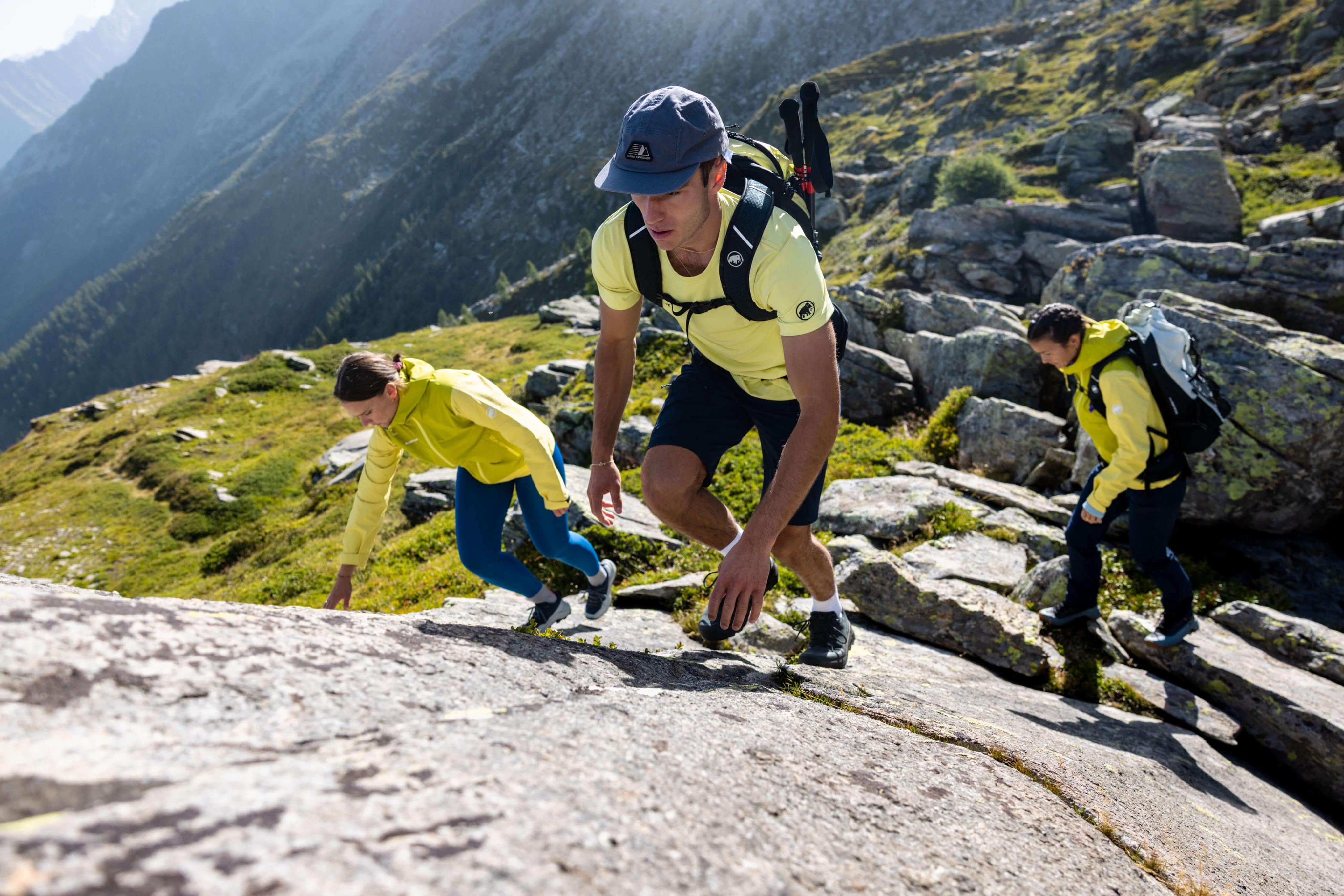
Hiking is a lot more than a simple leisurely stroll – it's a real test of body and mind. But before you hit the trail, there's more to think about than just the right hiking gear. Targeted training is the key to staying strong over long distances, reducing the risk of injury, and making the most of every moment out in nature. In this guide, we'll show you exactly how to get in shape for your next hiking adventure.
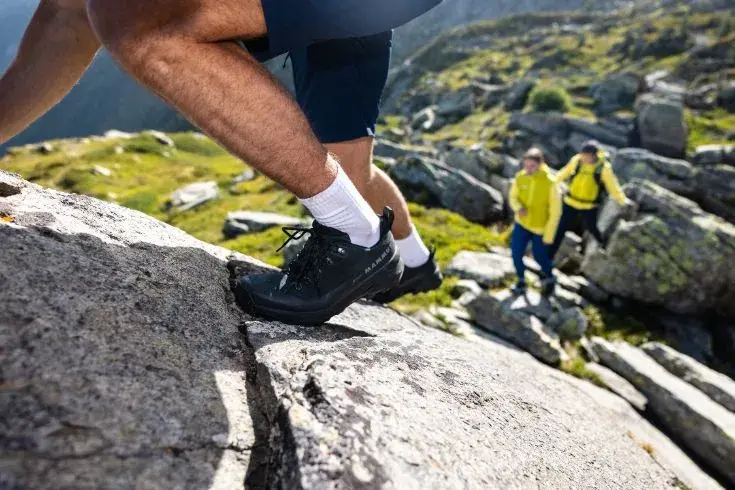
Blisters after just a few miles, burning soles, or constantly damp feet inside your boots – many problems on the trail have a similar cause: the wrong socks. It’s common to spend a lot of time choosing the right hiking boots while picking your socks comes as an afterthought. But your socks are the direct interface between your foot and your shoe, and have a significant impact on comfort, stability, and your overall well-being during the trail. Here’s what you should know about hiking socks to keep your feet comfortable even after long miles on the trail.