



Entrenamiento de estabilidad y superación del vértigo: Una guía paso a paso
06/26
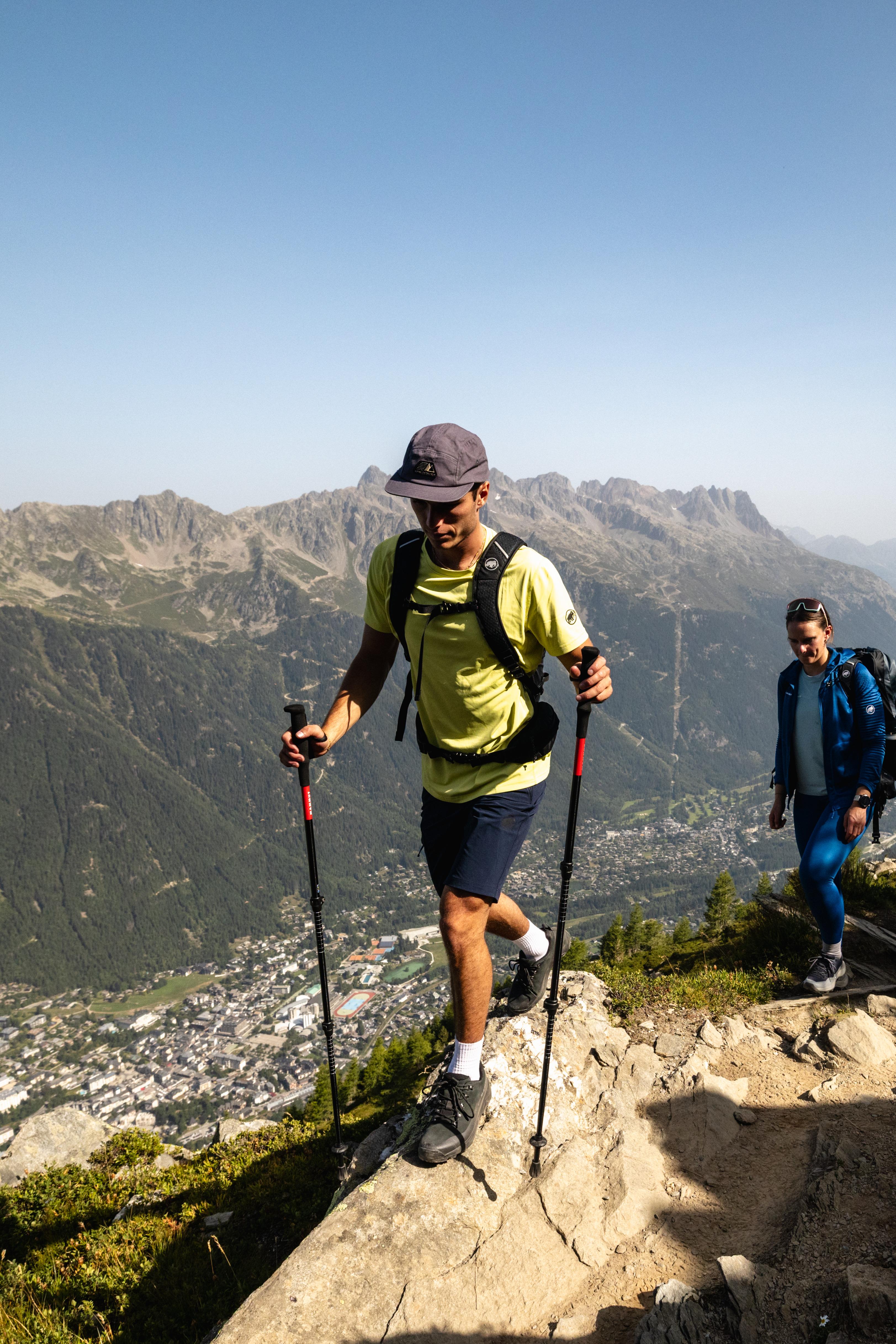
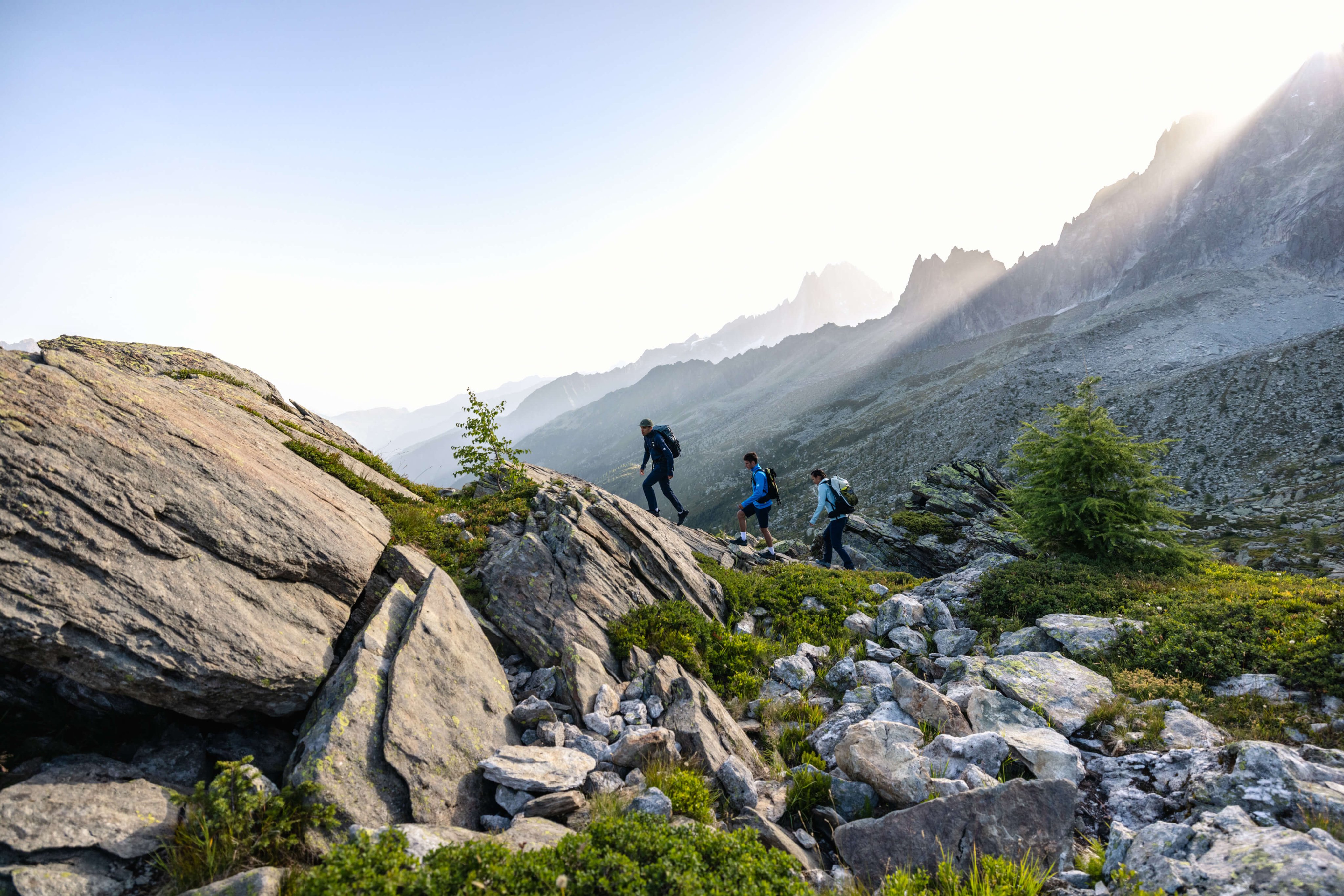
¿Alguna vez te has preguntado por qué algunas personas parecen cruzar crestas estrechas con la mayor facilidad, mientras que a ti se te doblan las rodillas con solo ver el precipicio que hay abajo? La verdad es que tiene mucho menos que ver con el talento natural de lo que podrías pensar. Porque los nervios de acero y la seguridad en el paso son habilidades que se pueden entrenar, siempre que sepas cómo hacerlo. En esta guía, te mostramos cómo ganar confianza en altura y mejorar tu seguridad en el sendero.
Why do heights make you dizzy?
Vertigo is a physiological response of your body. Your brain is constantly processing signals from three sources: your eyes, your inner ear, and the receptors in your muscles and joints. In familiar surroundings, these signals work in perfect harmony. But in exposed terrain – like high up on the mountain – they can quickly get out of sync.
When your visual system lacks nearby fixed points to latch onto (say, the ground beneath your feet), it loses its orientation anchor. Your inner ear picks up on the resulting instability, which your brain then interprets as dizziness. This conflict is a completely normal protective mechanism, designed to keep you from taking a tumble.
How it differs from a fear of heights
Even though the two terms are often used interchangeably, a fear of heights has psychological roots, unlike vertigo. It can show up entirely without any dizziness, and often comes hand in hand with a sense of losing control, or the urge to get out of the situation as quickly as possible.
The two can feed into each other, but call for different approaches: Vertigo can mostly be reduced through physical and sensory training. A fear of heights, on the other hand, also requires mental techniques and some targeted confrontation.
The basics: Balance exercises for better stability
Before you head for the heights, it's worth shifting your focus to training on level ground. It might sound a little unspectacular at first, but it pays off big time in the long run. So try to work the following exercises into your daily routine (10 to 15 minutes a day):
Single-leg stand: Stand on one leg and lift the other off the ground – the higher, the harder. Want even more of a challenge? Close your eyes. Repeat three times on each leg, holding for 30 seconds at a time, and try to gradually increase the duration.
Heel-to-toe walk: Start by taking a few steps on your heels, then switch to your tiptoes. Then slowly make your way forward again.
Tandem stance: Place one foot directly in front of the other so they line up heel to toe. Now stretch your arms out to the sides. To crank up the difficulty, slowly move your head from left to right and/or close your eyes. Hold the position for around 20 seconds.
Build up strength and control where it counts
For better footing, you don't just need a trained sense of balance, but also stabilizing strength. Your legs and core take on the lion's share of the work here – so those are exactly the areas you'll want to target:
Leg muscles
Single-leg squat (pistol squat progression): Lift one leg and slowly lower yourself on your standing leg until your thigh is parallel to the ground. Push yourself back up into the starting position in a controlled motion. Slow and controlled is the name of the game.
Step-up with a pause: Place one foot on the side of a step and push yourself up. Once you're at the top, hold a single-leg stand for two seconds before stepping back down in a controlled manner.
Lateral lunges: Stand hip-width apart, take a big step out to the side and lower your hips while bending your standing leg. Keep the other leg straight. Push yourself back to the center, then switch sides.
Core training
Dead bug: Lie on your back and stretch your arms straight up toward the ceiling. Bend your legs at a 90° angle, then slowly extend the opposite arm and leg at the same time, alternating sides. Keep your back firmly pressed to the ground throughout.
Plank variations: Prop yourself up on your forearms and toes, holding your entire body in a straight line. To up the difficulty, alternate between lifting one leg or one arm.
Bird dog: Get on all fours and extend your right arm and left leg at the same time, until both are parallel to the ground. Hold briefly, return, switch sides. Keep your torso nice and steady throughout.
How to approach exposure the right way
Training a head for heights works just like strength training: progressive overload. You get your nervous system used to the heights by ramping up the demands step by step:
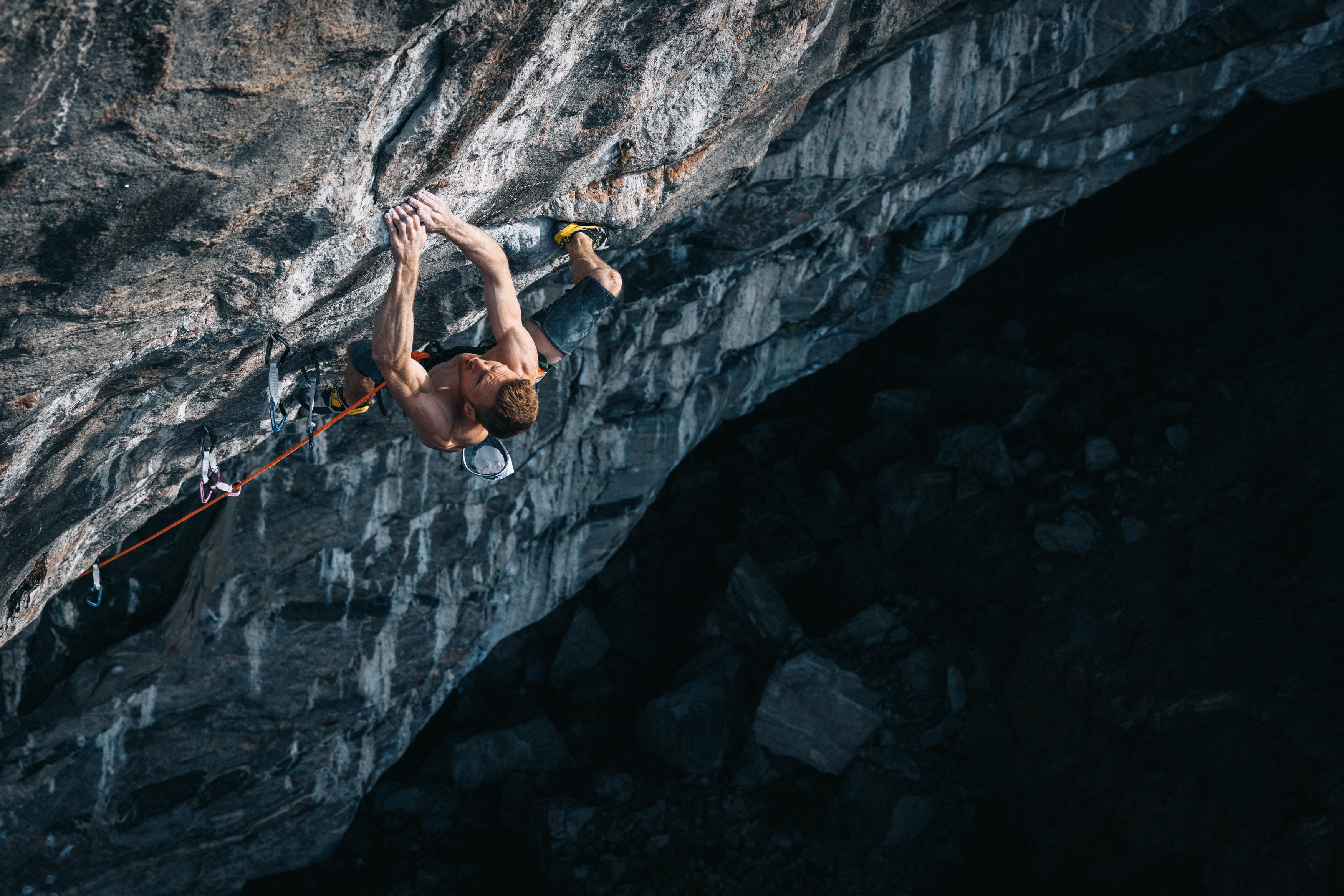
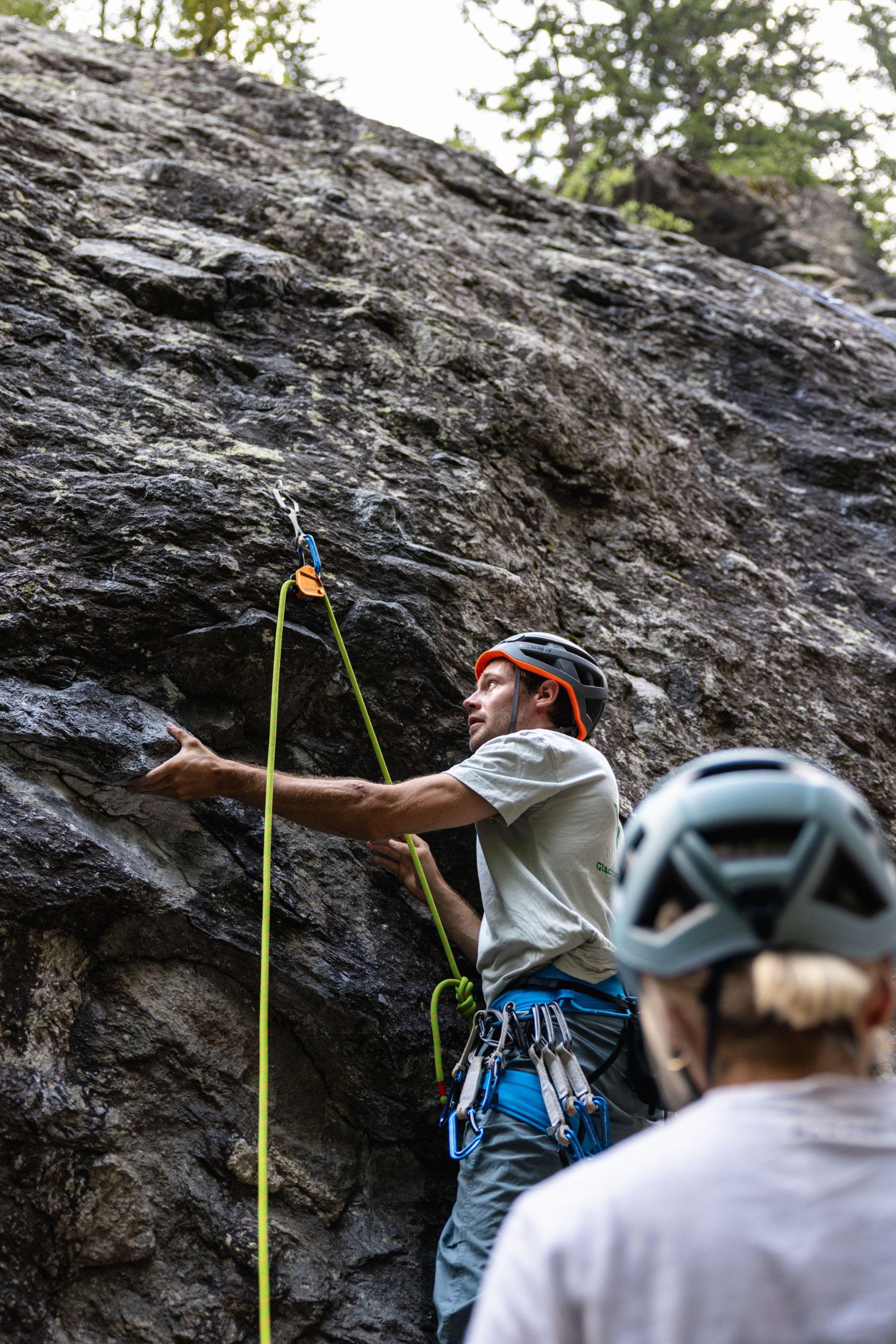
Combine height with safety: Start out in secured settings like climbing crags or easy via ferratas. This is where you can safely get comfortable with being up high.
Practice looking down: Many people instinctively avoid looking into the depths below – but that's exactly what you should be training on purpose. Find a safe, elevated spot and deliberately direct your gaze downward.
Find your calm: Before you move on, it's important to find a sense of calm at altitude. Try pausing for 60 seconds, focus on your breathing, and really arrive in the moment.
Movement while exposed: Once you feel secure, you can start adding movement. From there, gradually crank up the challenge.
Consistency over intensity: It's better to work on your exposure a bit once a week than to seek out an extreme situation once a month. Your nervous system benefits most from repetition.
Why the right equipment matters
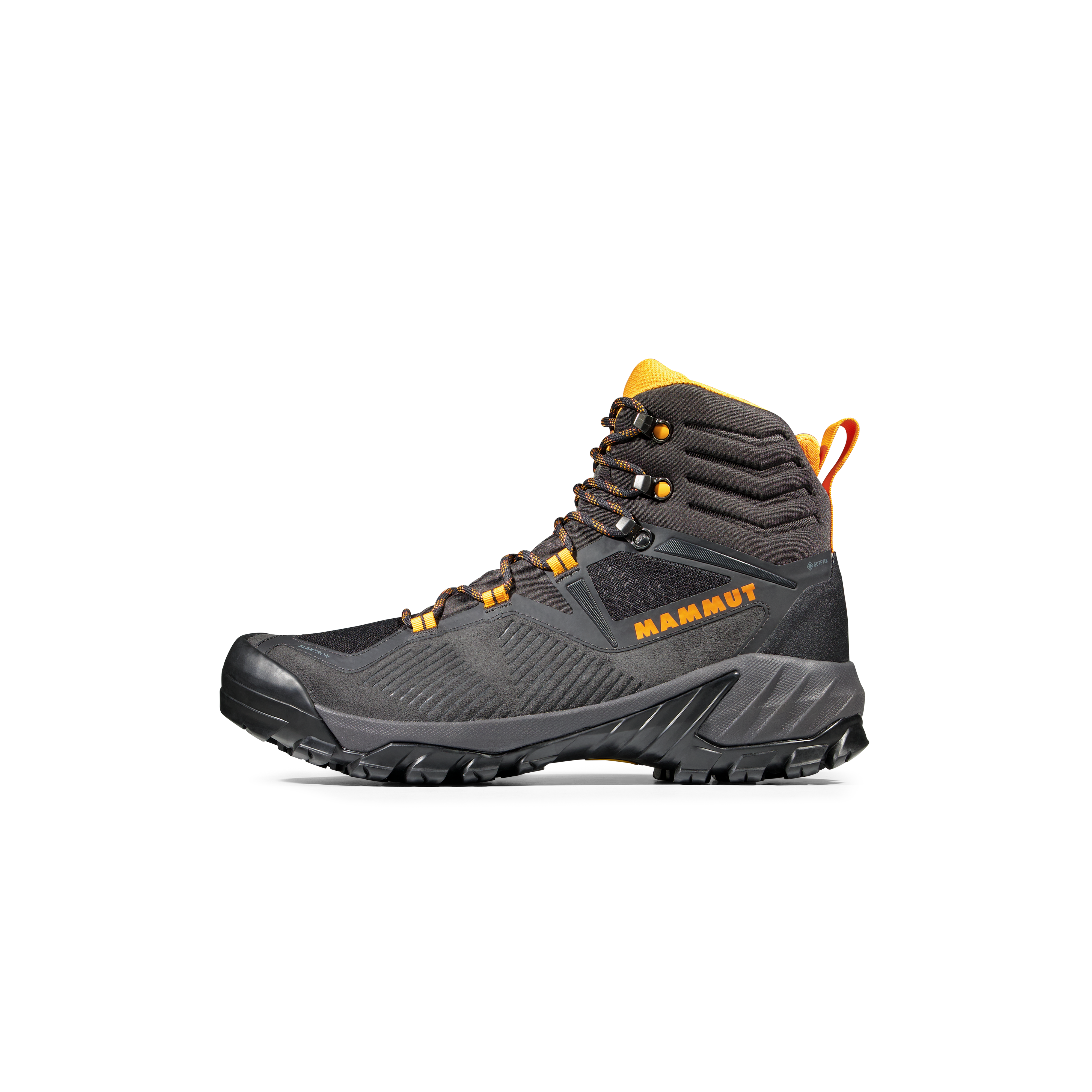
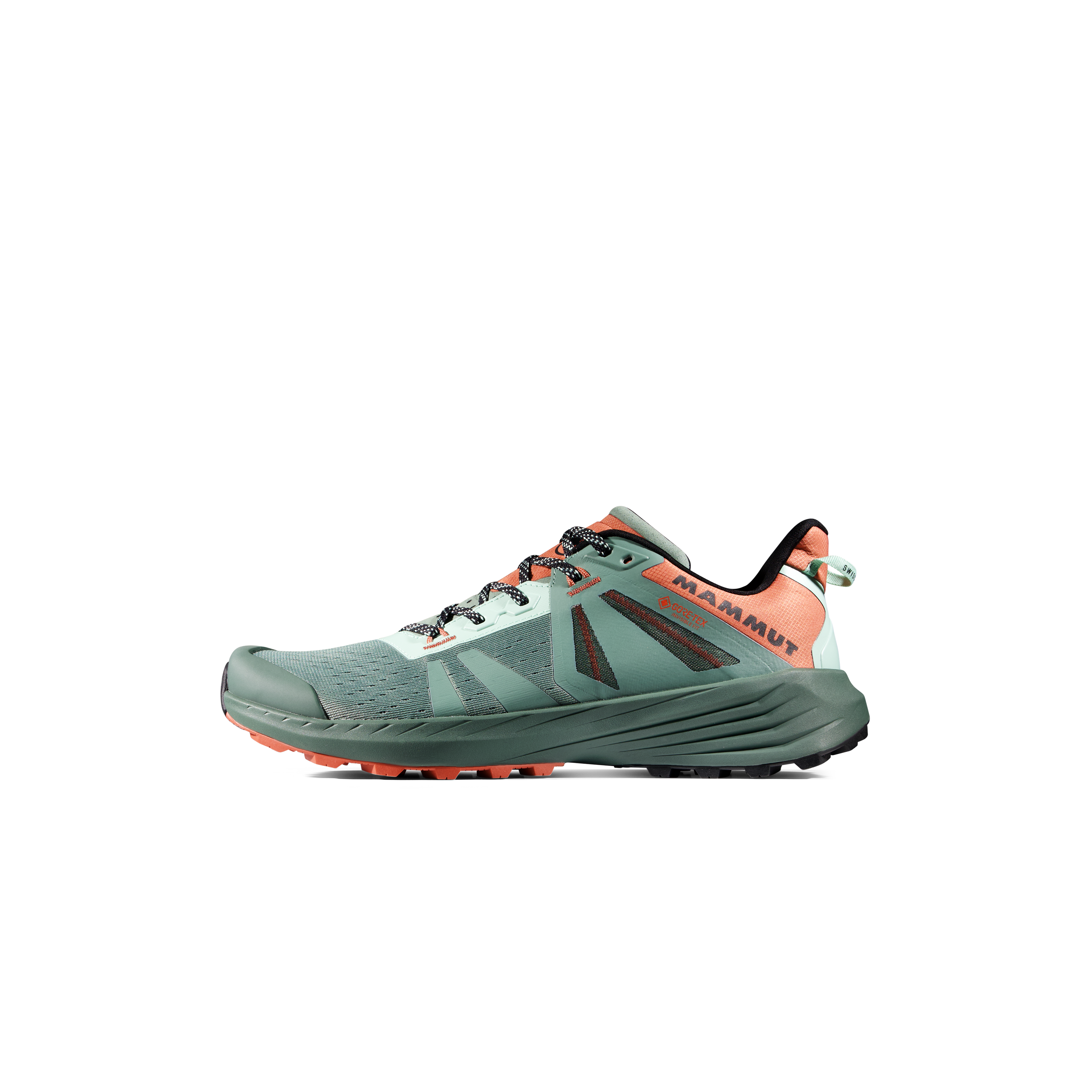
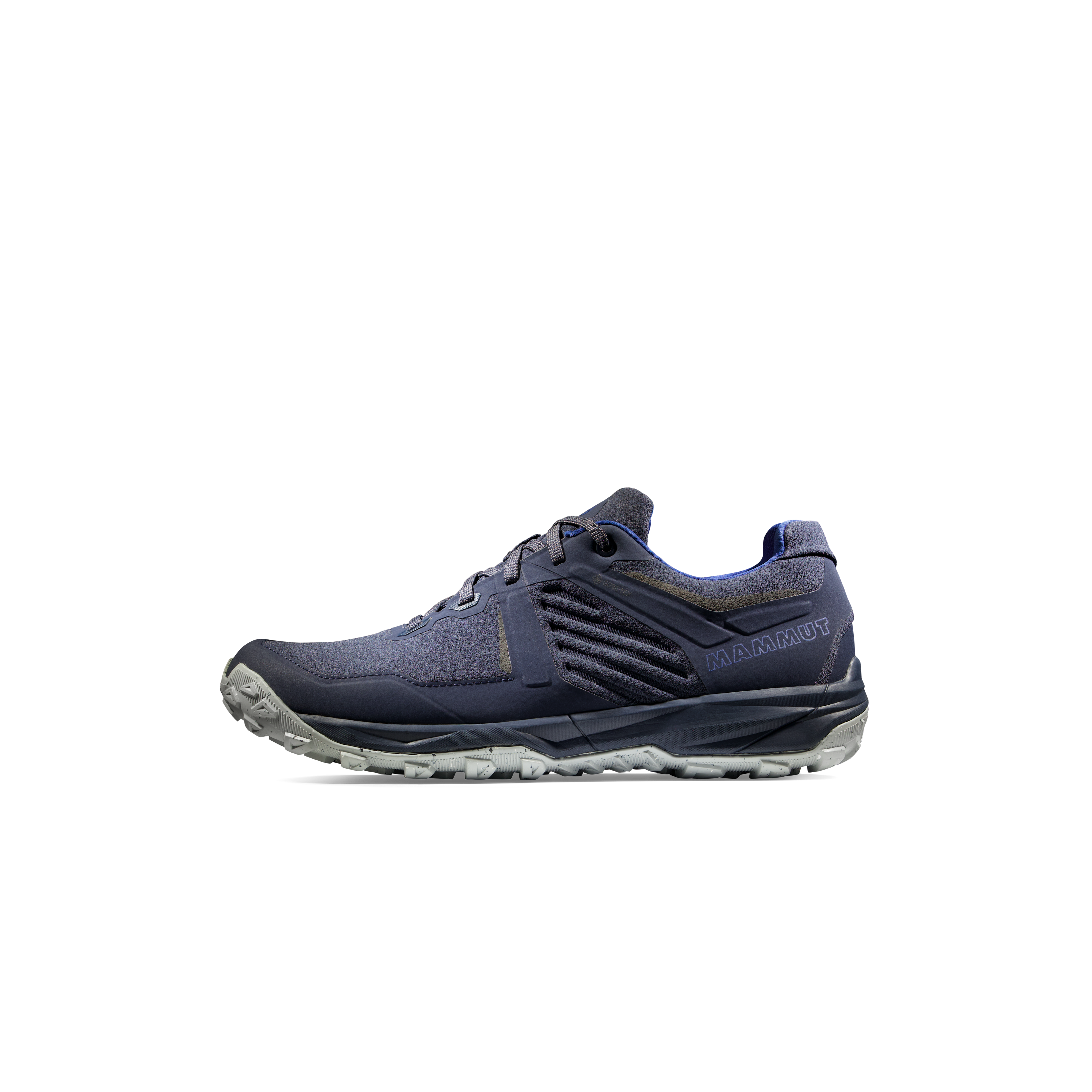
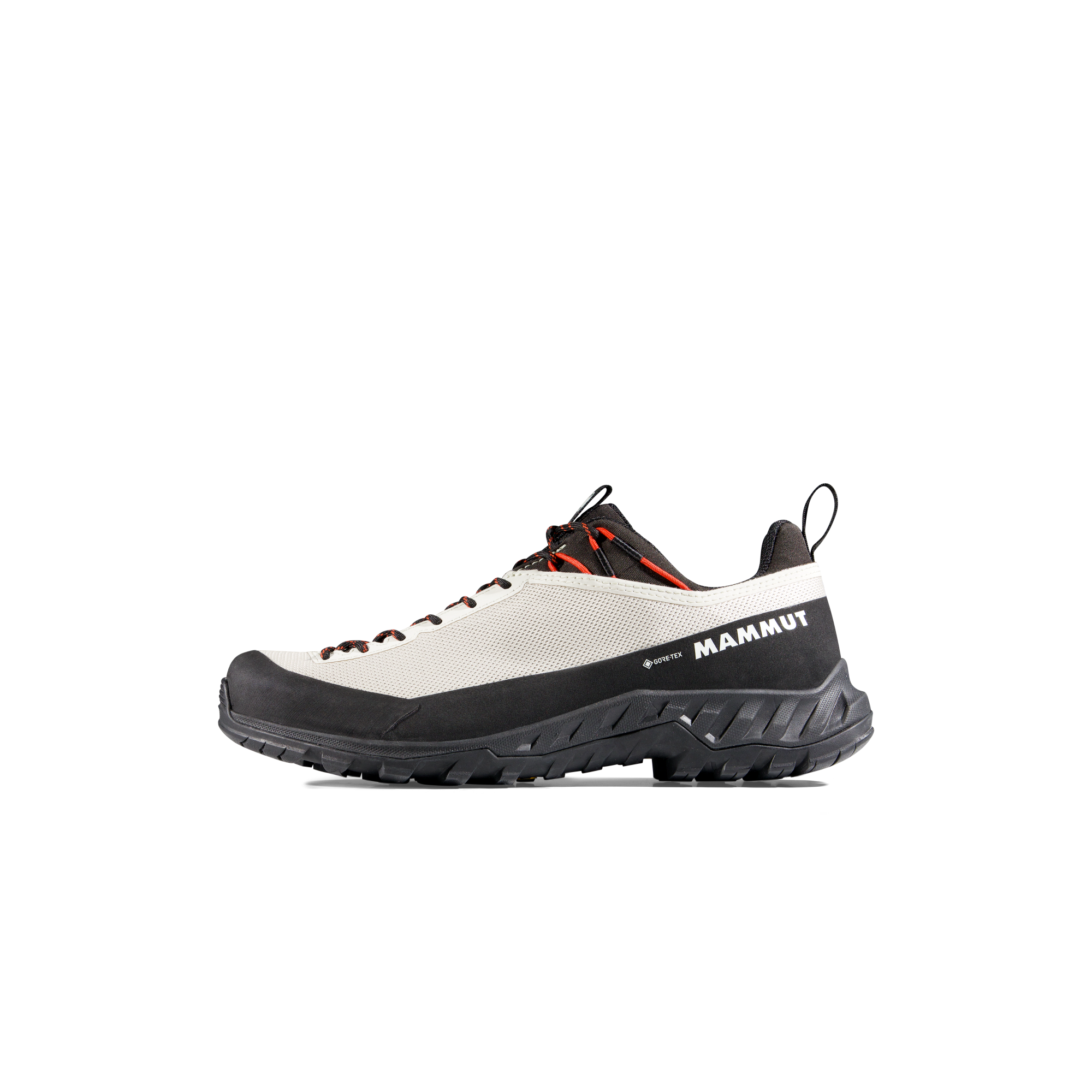
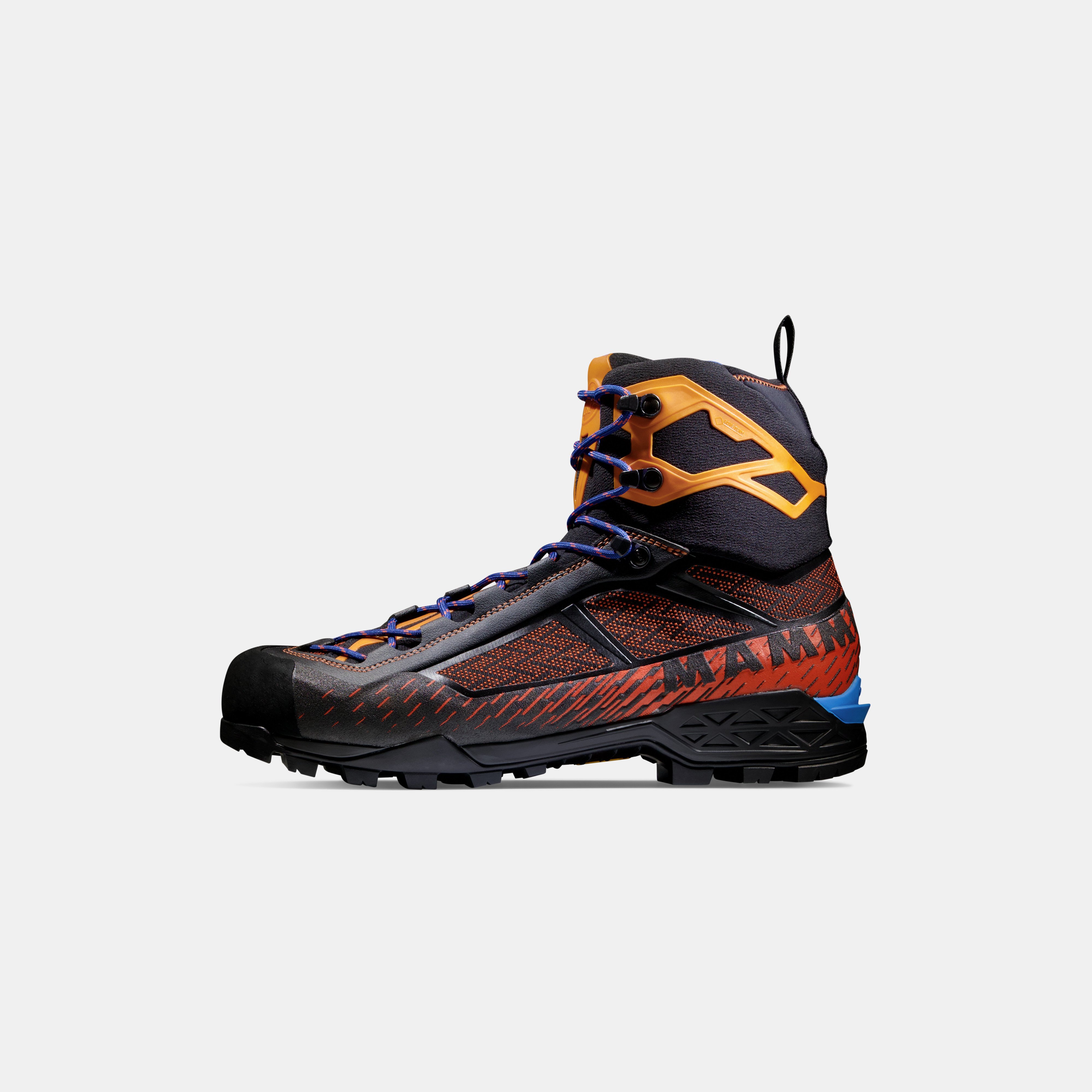
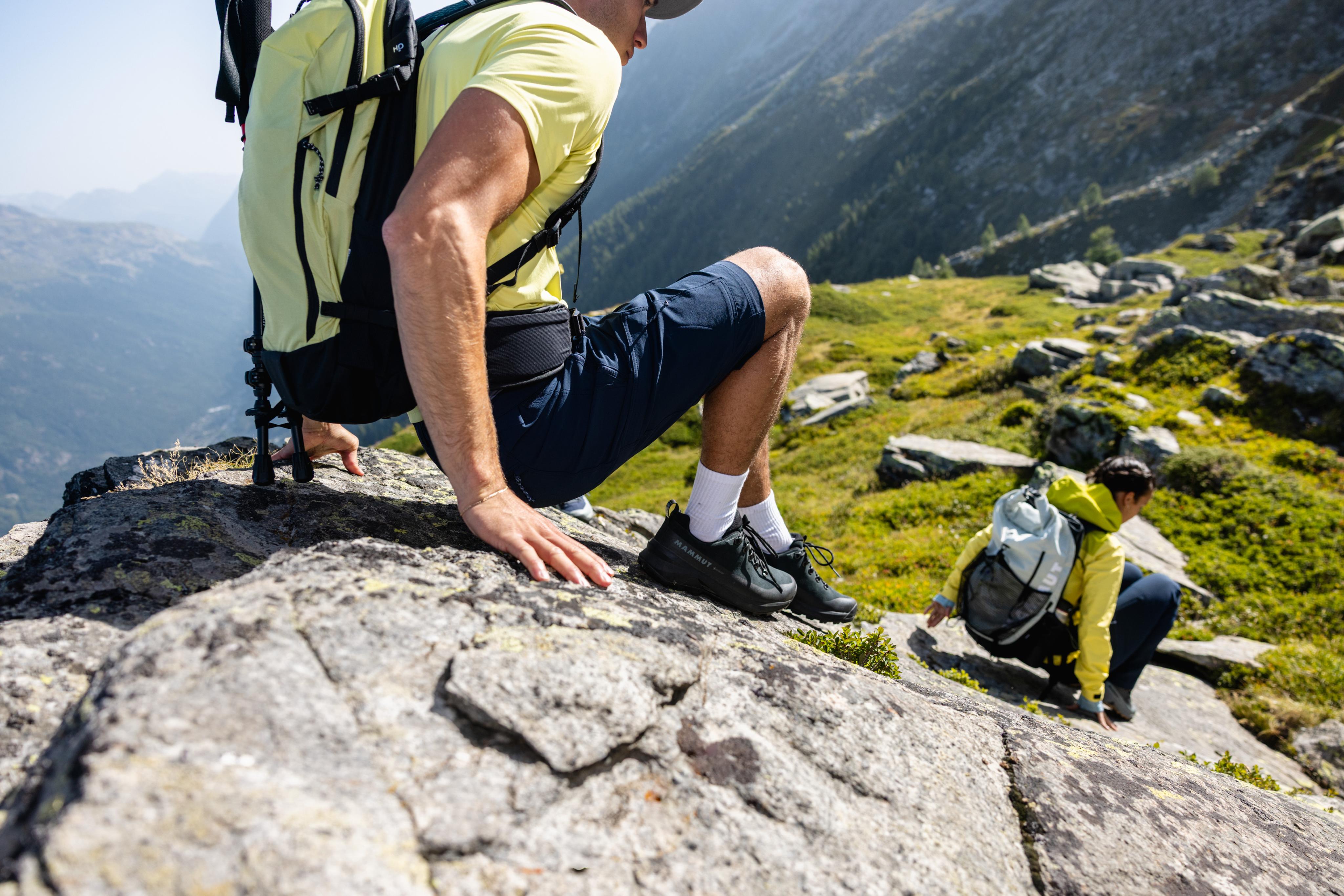
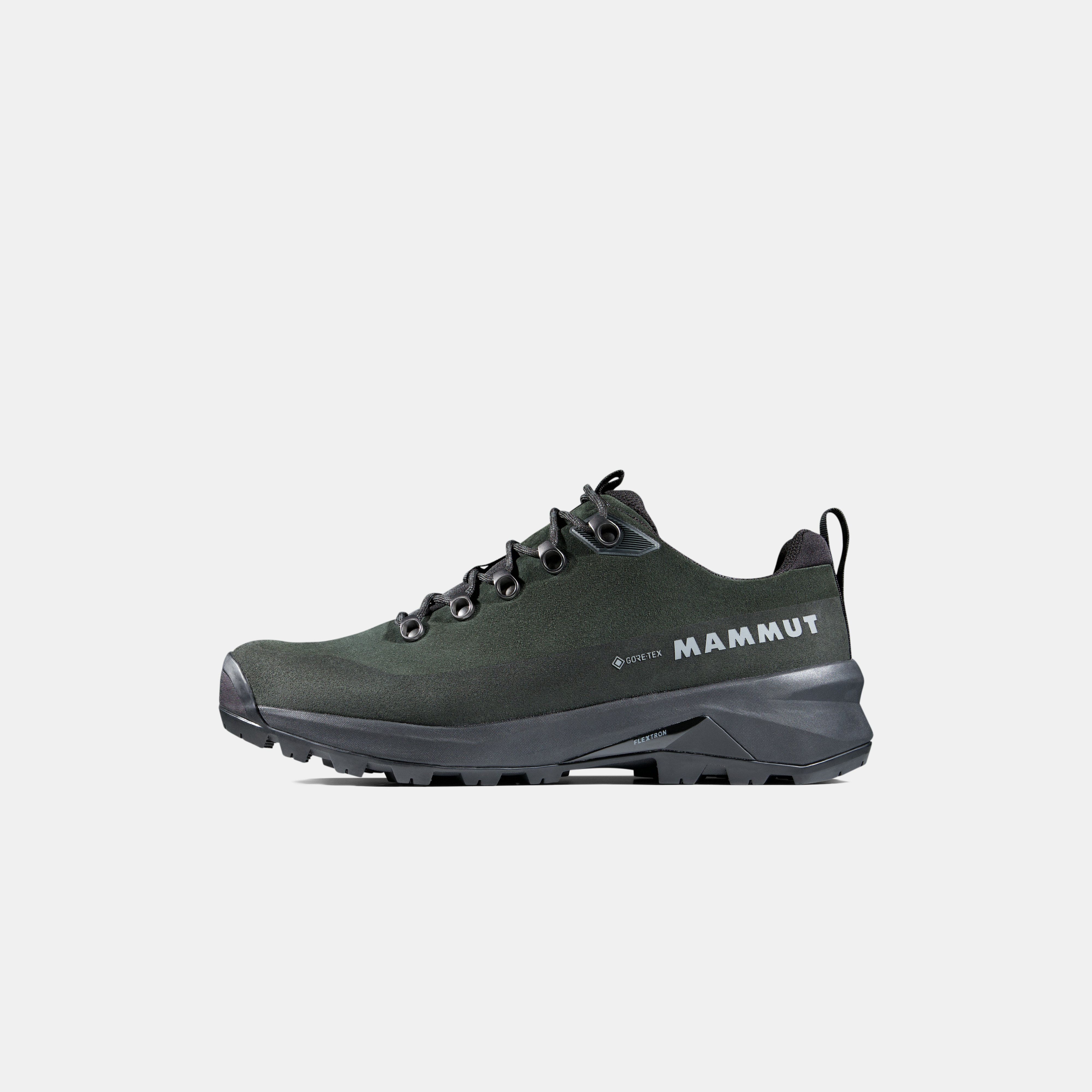
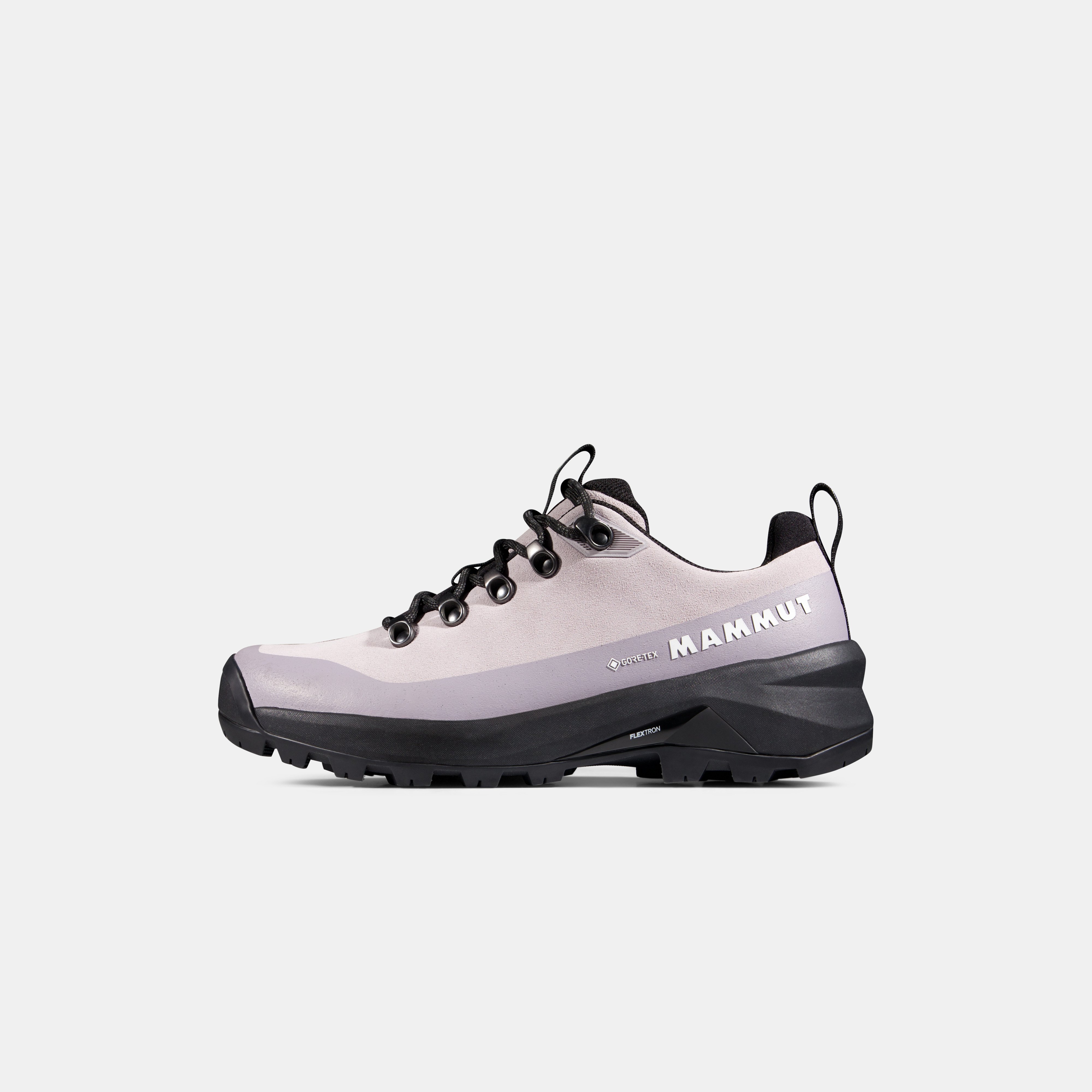
Mental strength and body awareness need a solid technical foundation to back them up, of course – and that starts with your feet. For demanding alpine terrain, mountaineering boots with a stiff sole, ankle protection and dependable grip are your best bet. They give your foot all the stability it needs. Hiking shoes , on the other hand, are the way to go for well-trodden paths, keeping you comfortable even over long distances. Approach shoes are a flexible in-between option: lighter than hiking shoes, but with more grip than trail running shoes . They're particularly well suited to easier via ferratas .



Confidence grows with experience
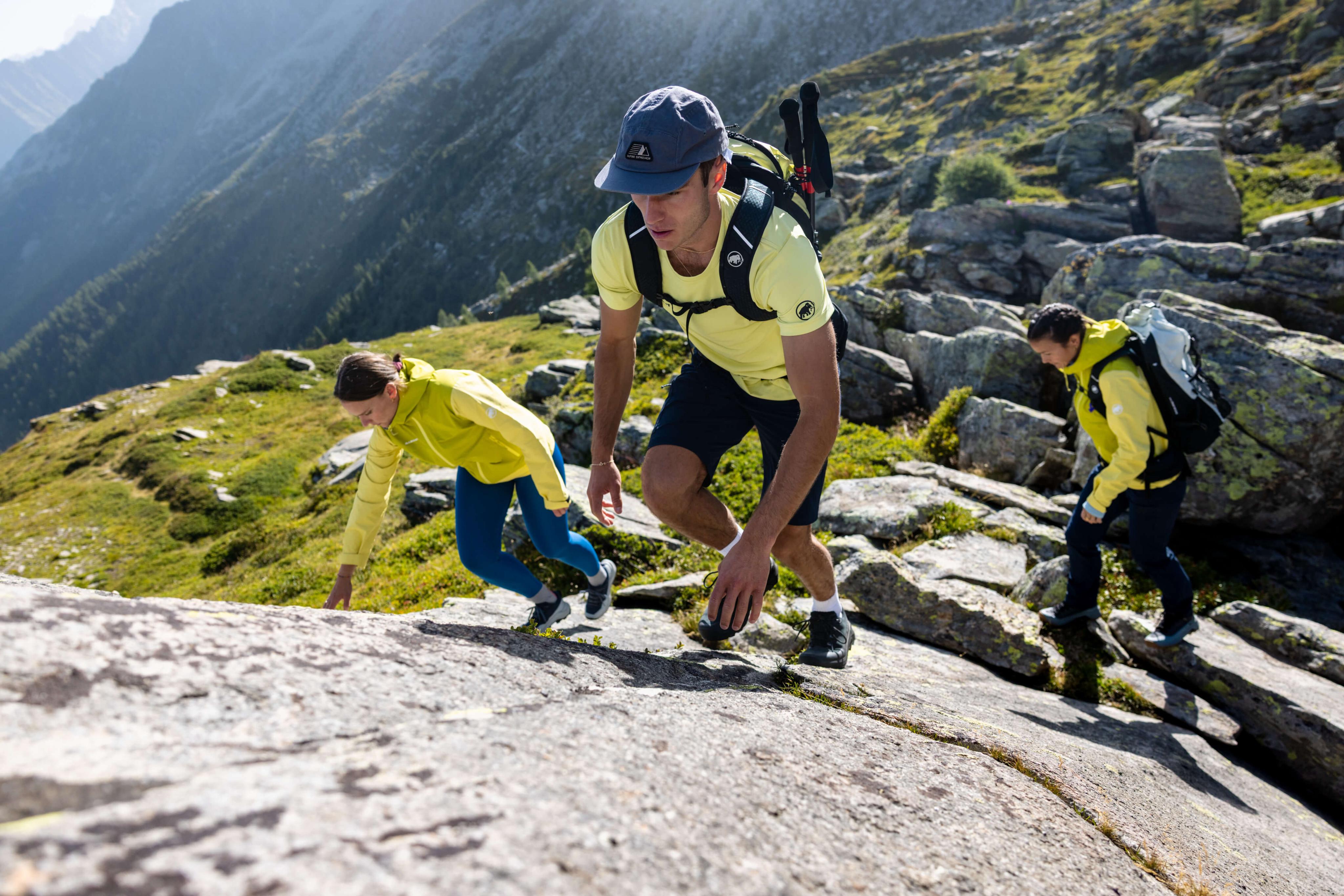
A head for heights and sure footing don't happen overnight. But if you train your sense of balance and build strength in your legs and core, all while gradually getting used to exposed terrain, you'll feel more secure with every tour. As is so often the case in sports, the same holds true here: consistency beats talent.
Ready for your next adventure? In our Mammut Stories & Guides , you'll find plenty more articles to keep you company on your way into the great outdoors – like our beginner's guide to mountaineering , an introduction to the world of trad climbing , or an overview of what to look out for when choosing crampons .
Frequently asked questions (FAQs)
Question: Can you train away vertigo?
Answer: Not entirely – but you can at least reduce it considerably with targeted training. The goal is to dial down the response far enough that the dizziness is no longer paralyzing.
Question: How can I overcome my fear of heights on the mountain?
Answer: Gradual exposure has proven its worth: start with secured settings like climbing parks, then work your way toward increasingly open terrain. Combined with breathing techniques, your confidence will build up step by step. If your fear is strongly pronounced, working with a professional mountain guide can be a smart move.
Question: Why are some people naturally free from vertigo?
Answer: It mostly comes down to habituation and experience. But there's also a genetic component at play: some nervous systems simply react less strongly to the stimulus of heights.
Question: Which exercises work fastest against dizziness?
Answer: Single-leg exercises and controlled height training in secured spots. Yoga can also help improve your balance and body awareness.