


Eiger Extreme
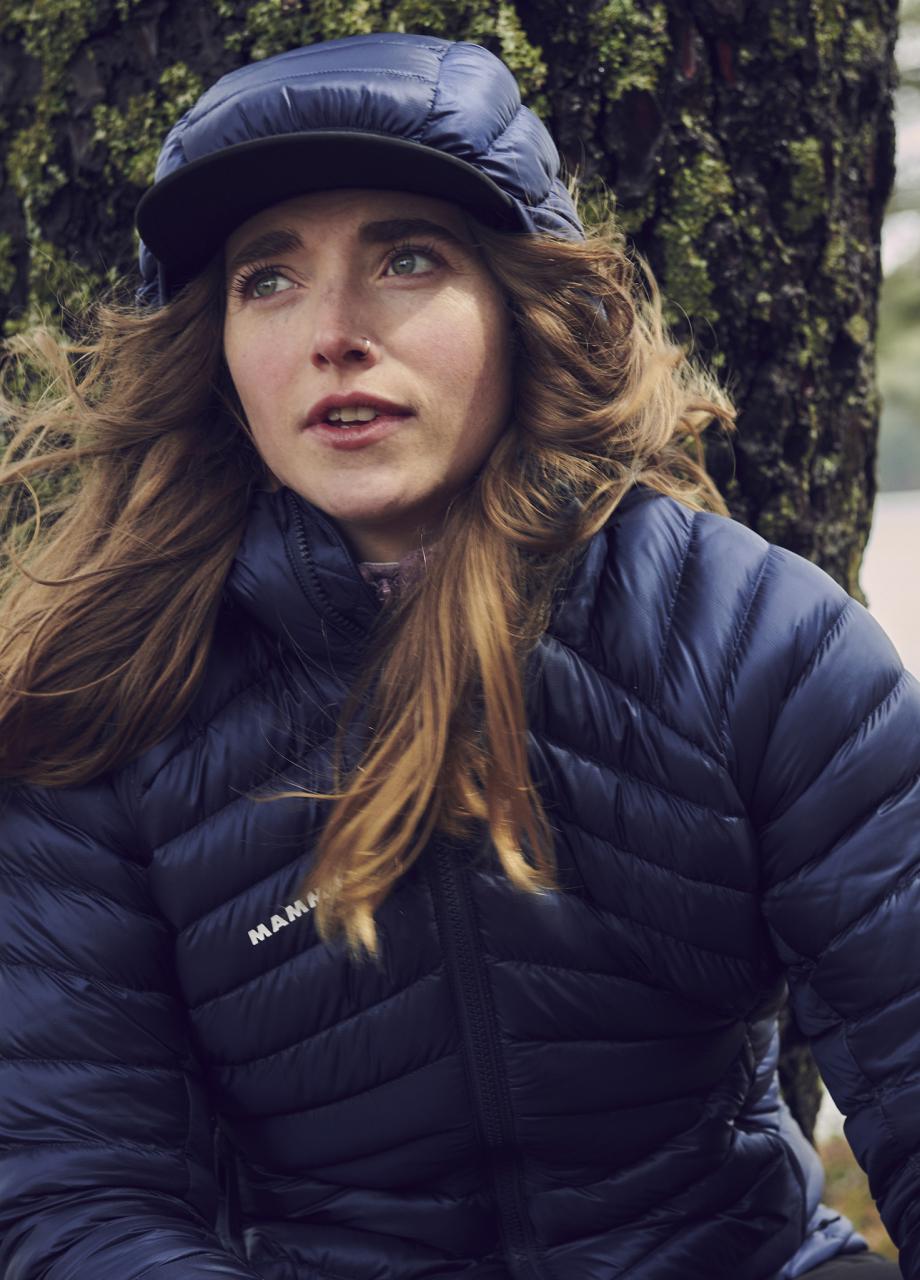
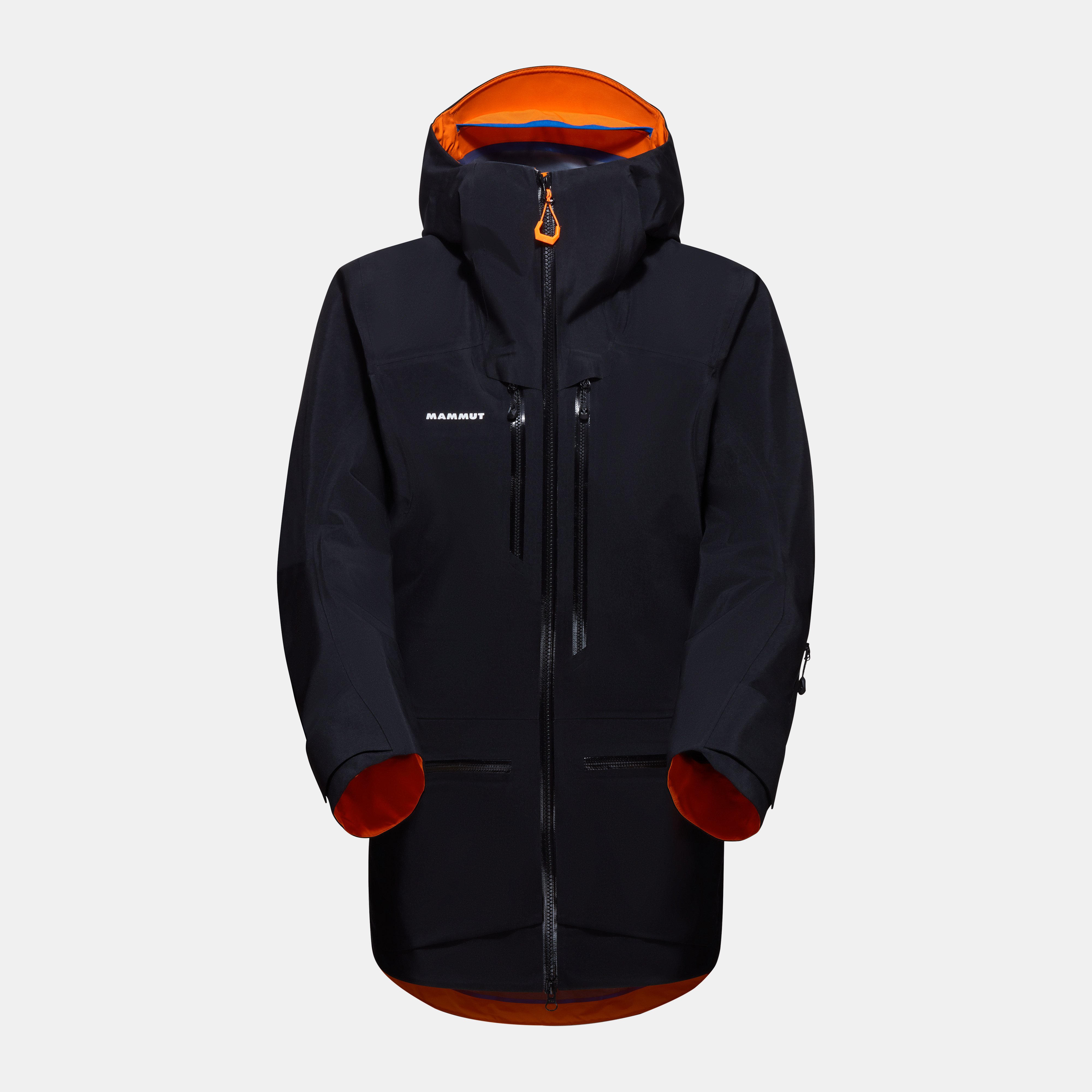
Eiger Free Pro HS Hooded Jacket Women
10/2024
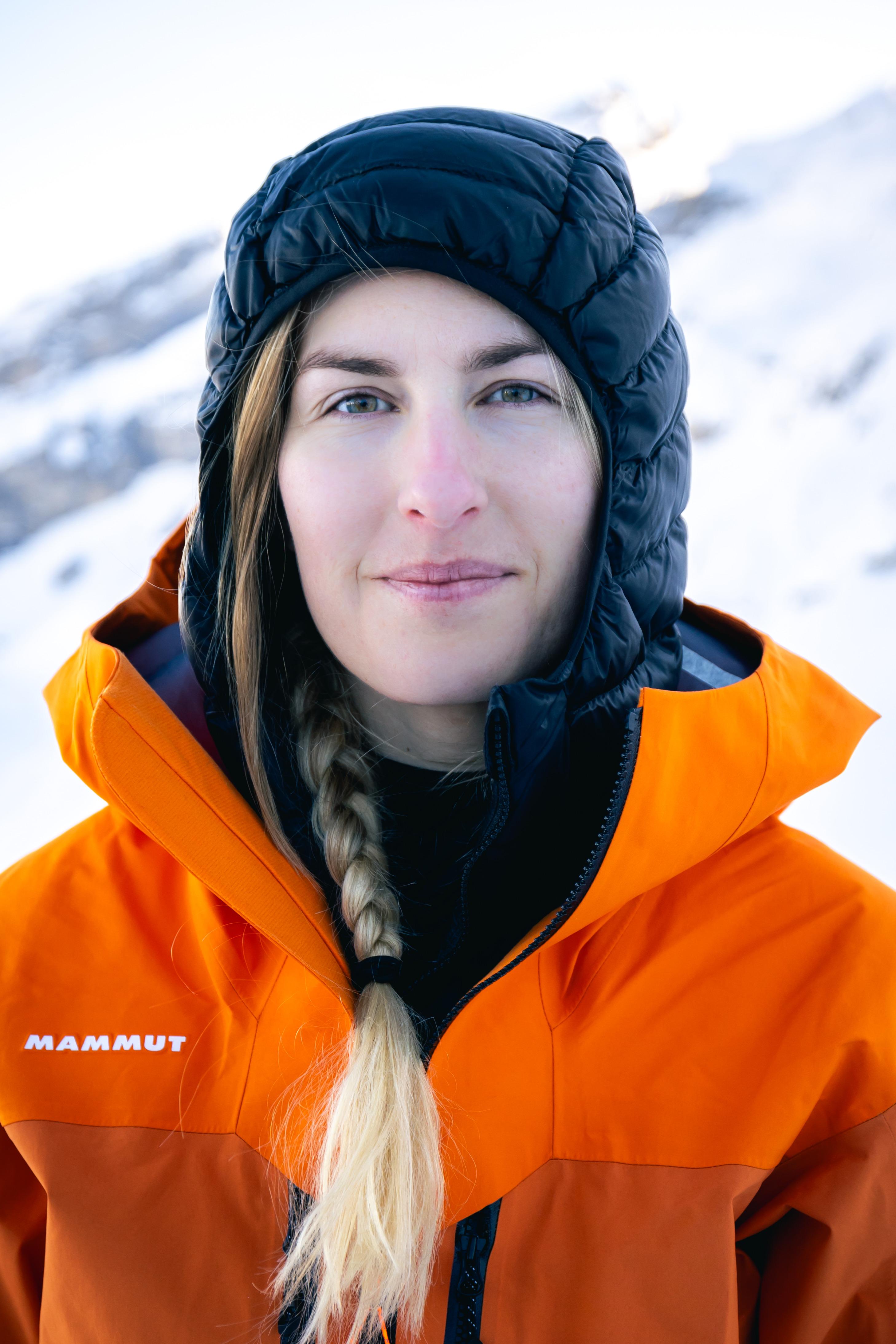
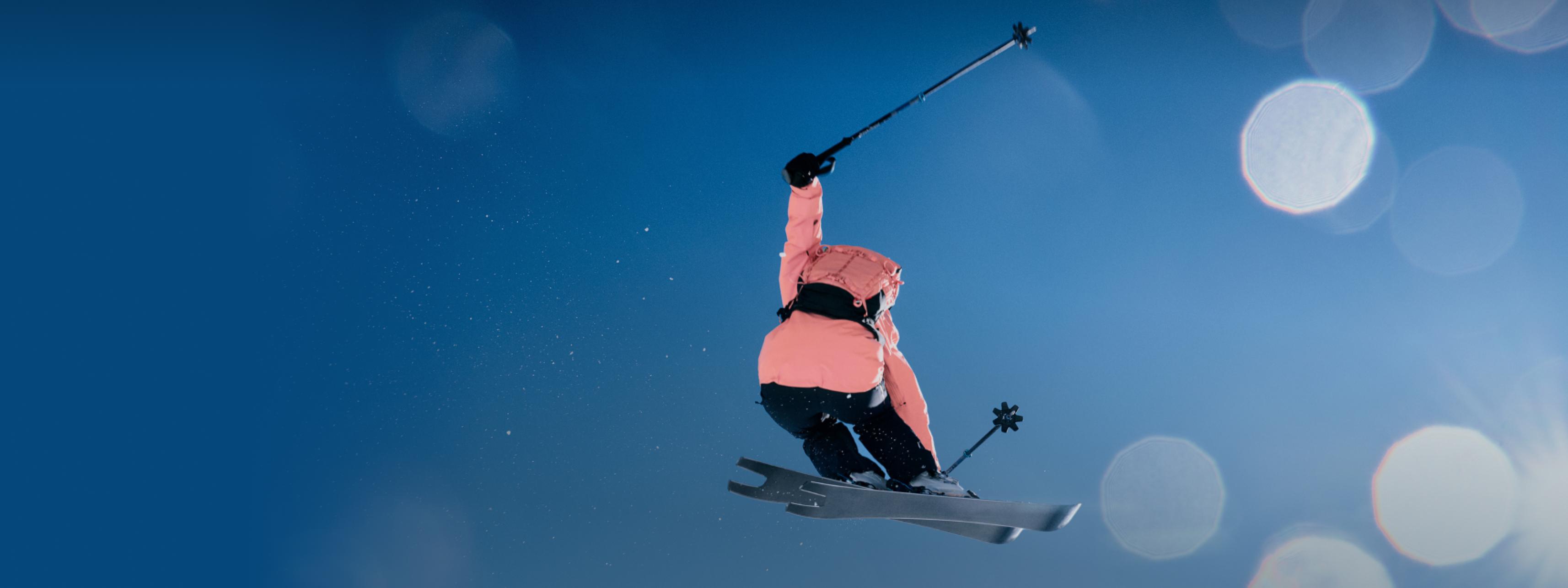
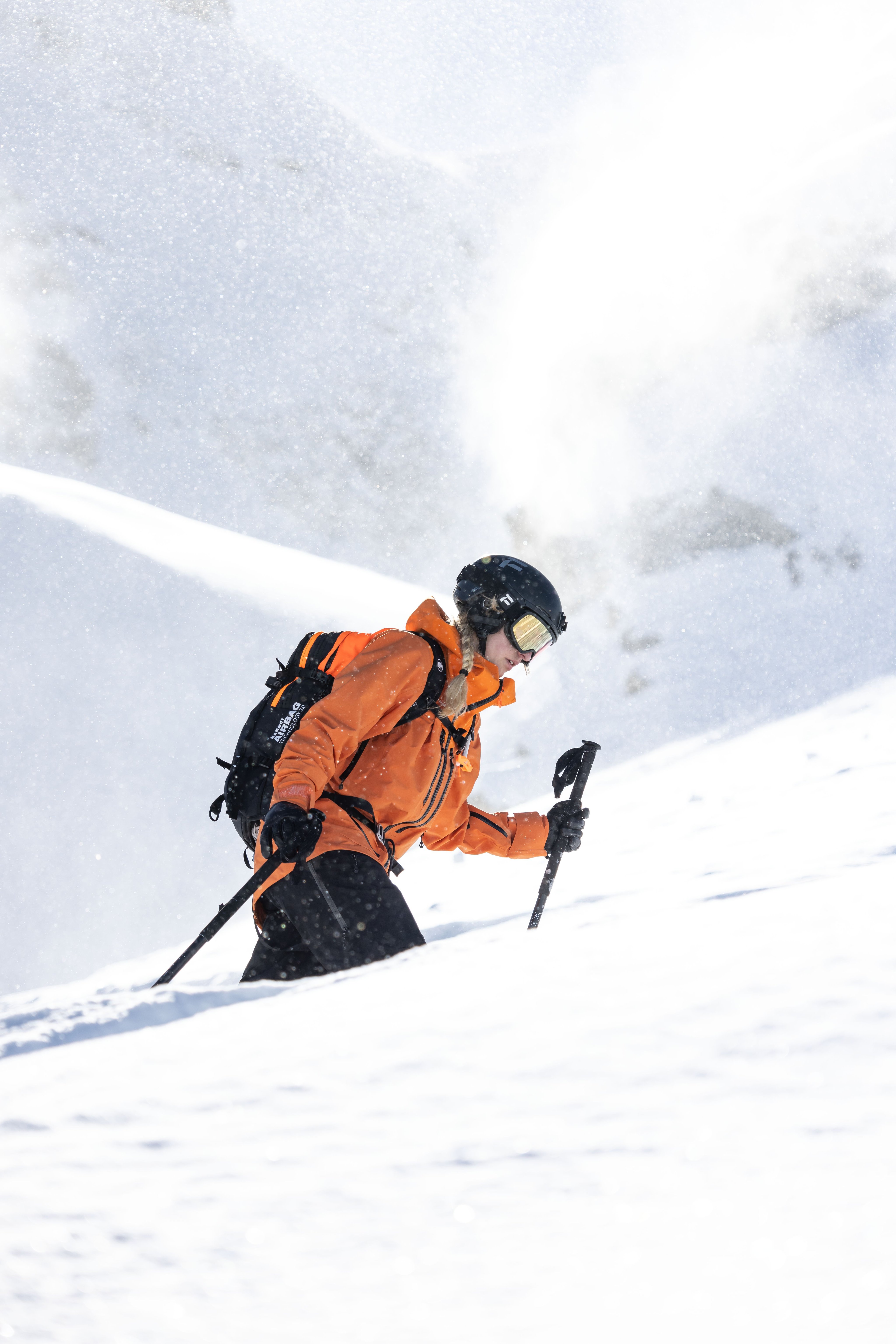
Kunagi suusamaailma tõusev täht Sanne oli tuntud oma graatsia ja oskuste poolest nõlvadel. Kuid ühel päeval muutus kõik. Laviinina langev lumi. Hirmutav vaikus. Sammud tema kohal. Kuigi Sanne päästeti kiiresti, põhjustas laviin tal traumajärgse stressihäire, röövides temalt kogu suusatamisrõõmu, mida ta varem tundis. Sarja „Mountain of Angels” esimeses osas vaata, kuidas Sanne võitles end tagasi mägedesse, et kogeda neid nii turvaliselt kui võimalik.
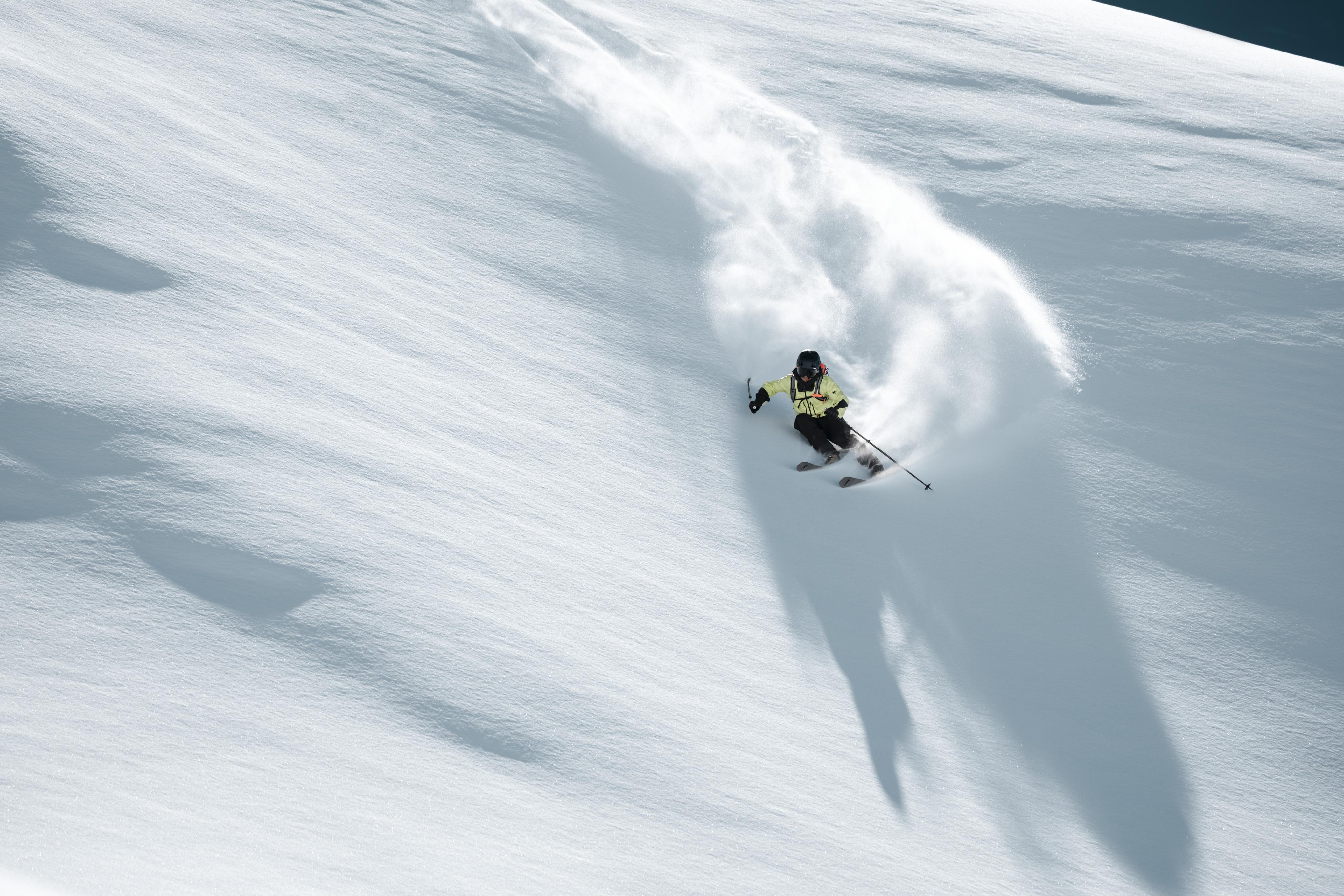
Pole juhus, et Engelberg tähendab 'Inglite mäge'. Šveitsi freeride'i mekka on üle maailma tuntud oma võimsate laskumiste, stabiilse lumesaju ja legendaarse mägikultuuri poolest. Viie kohaliku osa sarjas räägime oma inglitest. Kuus freeride-suusatajat jagavad meiega oma elu – igaühel neist on selle paigaga ainulaadne side, isiklikud kogemused, oskustase ja lähenemine.
Kui Sanne Mona Engelbergi kolis, ei võtnud ta isegi suuski kaasa. Oma esimese suusakarjääri jooksul kogus Årest pärit rootslanna mogulsuusatamises tuntust, kuid jäi napilt Rootsi Euroopa koondisest välja ega soovinud pettumusest enam profikarjääri jätkata – kuni avastas viis aastat hiljem Engelbergi suurepärased sügava lumega nõlvad. Sanne meenutab taas suusatamise kirge ja rõõmu. Ning alustab oma teist suusakarjääri: freeride-suusatajana. Praegu osaleb Sanne Freeride World Touri kvalifikatsioonivõistlustel ja võistleb selle ala parimatega. Siis juhtub õnnetus: Sanne jääb laviini alla, päästetakse kiiresti, kuid kannatab selle tagajärgede all posttraumaatilise stressihäire kujul. Filmiga kaasnevas intervjuus räägib Sanne lähemalt, kuidas ta traumaga toime on tulnud.
What happened exactly that day?
We were out on a photoshoot in Engelberg. We had a really nice crew; it was a beautiful day, with 50 centimeters of new snow. We knew that it was going to be a bit risky as it was the first day after the snowfall. We went up to the Jochstock lift and bootpacked up from there. So, we got our skis off, chatted a bit, and my friend went first, then I followed him. There were maybe four meters between us. When the terrain became steeper, he took his skis down from his shoulders and started ice axing his way. With the first ski push, I heard the "Whumph", and everything just went super quick.
Did that whole accident come out of nowhere? Were you thinking about that safety side of it?
No, I did not expect it at all. I had been living in Engelberg for two years before the accident. I thought that I was on it and knew everything about what could happen. But I didn't.
Can you remember anything about this flash moment?
I remember the "Whumph" and the feeling of not standing on anything. It felt like a rug had been pulled from under my feet. You have nothing to stand on. After that, I don't remember anything. All black until I’m not moving anymore. I realized that I’m stuck under the snow. I can’t move. I heard someone screaming, then realized that it was me. I told myself to stop screaming because I knew I had to save oxygen. What a weird thought.
How long were you underneath the snow?
I wasn't underneath the snow for long. I could feel when they probed and hit my boot. I heard them walking above me and talking. I couldn't see much obviously, but I heard the voices. I knew everything was going to be fine. They dug me out.
How long did it take for you to realize that it was something you properly needed to process?
I didn't realize how much it had affected me psychologically until half a year later. I saw the signs that it had affected me for the whole summer. I knew I had some problems with going out on untouched slopes because I didn't trust the snow anymore.
Was it not an option to stop skiing?
Never occurred to me. I realized that it would be the obvious choice for many, especially when I was having such a bad time and didn't even like skiing. I was fighting this fear so hard that it was super uncomfortable. It was more like a “who's going to win” situation. Is the fear going to win or am I going to win? I never knew if it was me having a gut feeling that where I wanted to drop in was not safe, or if it was my fear telling me that I’m going to die all the time. With the PTSD (post-traumatic stress disorder) that I developed, I thought that I was going to die all the time, even in situations where an avalanche was 100% unlikely.
Are you still scared?
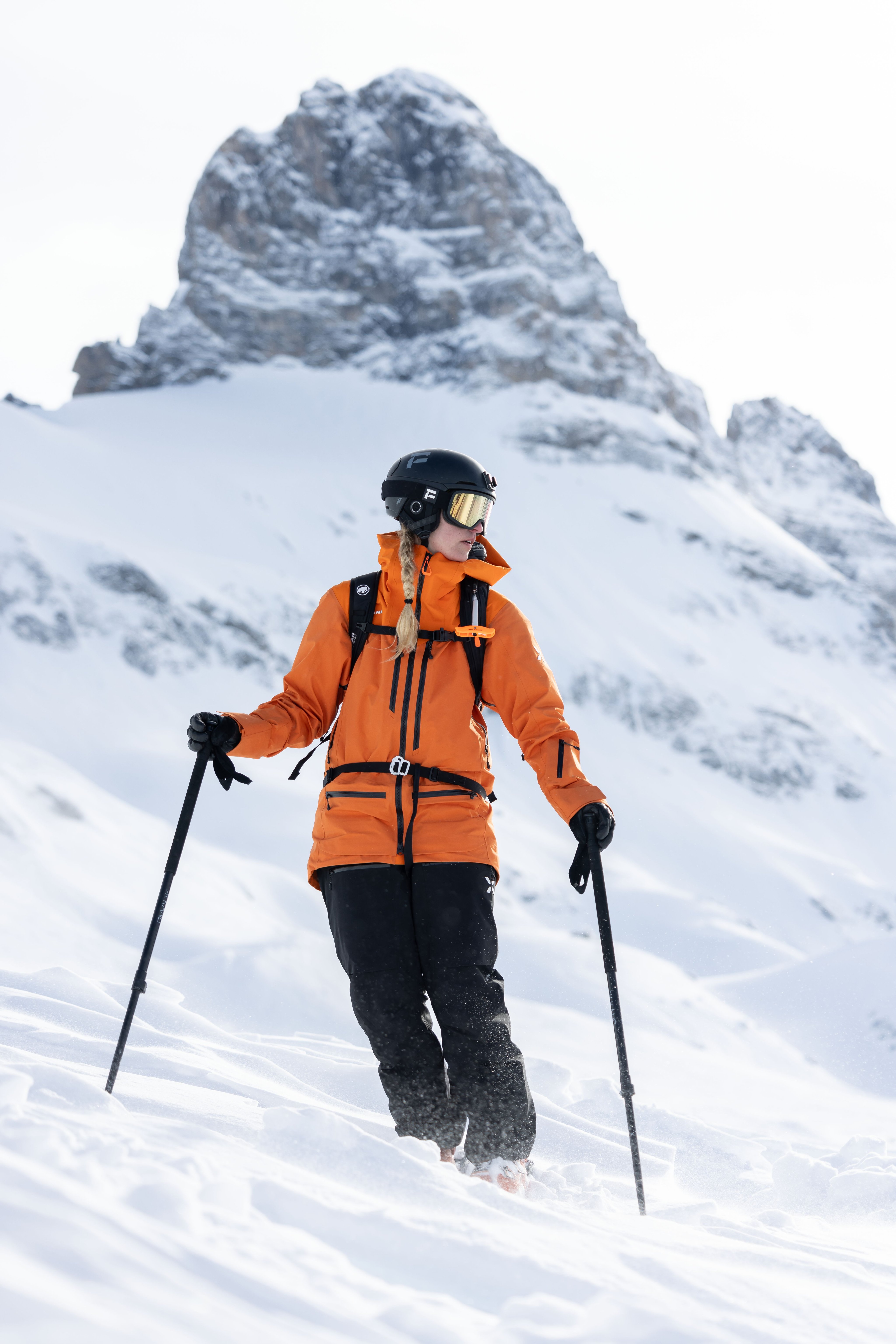
Yeah, I'm still scared. But I also don't know if I want to never be scared. The fear that I had made me start doing a lot more training, learn more about snowpack, ski with people that I would trust, and be more mindful about where on the mountain I would be and why. If you're not learning about all this, you can't make your own decisions out there. And I don't want to be dependent on someone else to make these decisions for me, and just follow – because that's what I did that day.
What was your process to reset yourself
In the weeks after the accident, it was maybe two weeks more of skiing that winter. I was mostly in shock and didn't think much about it. But then, the autumn after, when I came back on snow, we went straight out to a photo shoot, and I realized that there's no chance that I'm leaving the piste. But I had to because of this shoot. Crying under the goggles, I was just pushing through it. And I realized that I have a big problem. That whole winter was a nightmare. But I was still competing on the qualifier tour and felt super safe on the competition venues. Just getting to the starts was hard because usually you have to bootpack somewhere or traverse. That was a nightmare.
When did that start to change?
It started to change last year. So, five years after the accident. On bluebird days with lots of fresh powder and blue sky, everyone in Engelberg used to go skiing. There was a time when I couldn't do those days. I would have anxiety the day before because I was not going to ski it. I was going to find an excuse not to go up. And when people were asking, I was embarrassed to say “No, I can't, it's not possible.” Then, when I felt a bit better, I had this time when I went up with my dog and did super chill stuff. No exposure, no problems. When people saw me and asked, I just replied that it was my day with the dog. That was my excuse to get out. And finally – I was skiing, and I was happy. Then, a couple of years after the accident when I felt a bit better, I had this period when I went up with my dog and did super chill stuff. No exposure, no problems. When people saw me and asked, I just replied that it was my day with the dog. That was my excuse to get out. Finally – I was skiing, and I was happy making my own decisions and making new memories of snow.
How did this experience change your perspective?
Before the accident, I had never really understood the whole concept of "Mother Nature is in charge." Skiing means the world to many people. But skiing for me is not like a sport. It’s like meditation; when you're out there, it’s a feeling. It's definitely a feeling. I haven't found it anywhere else.
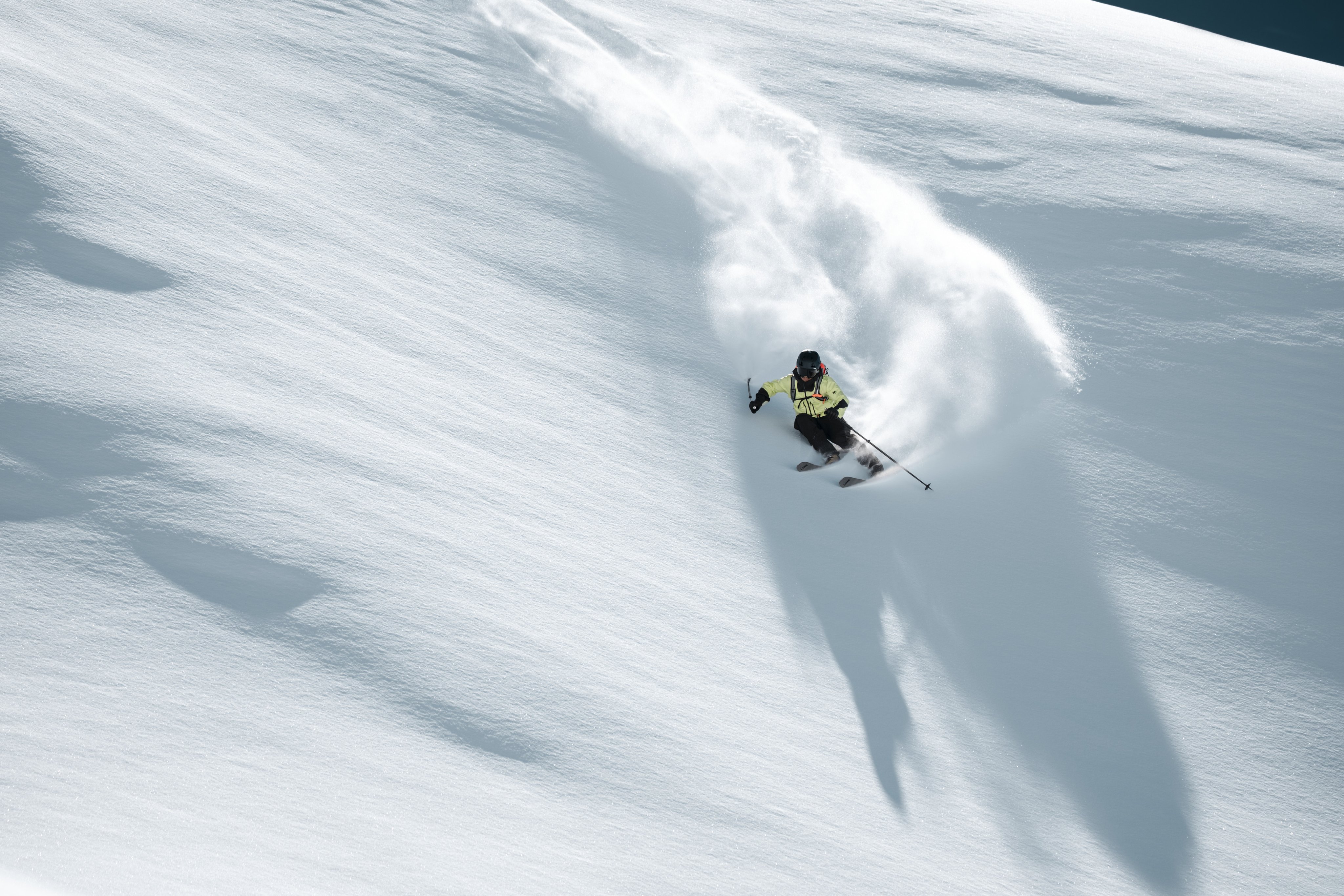
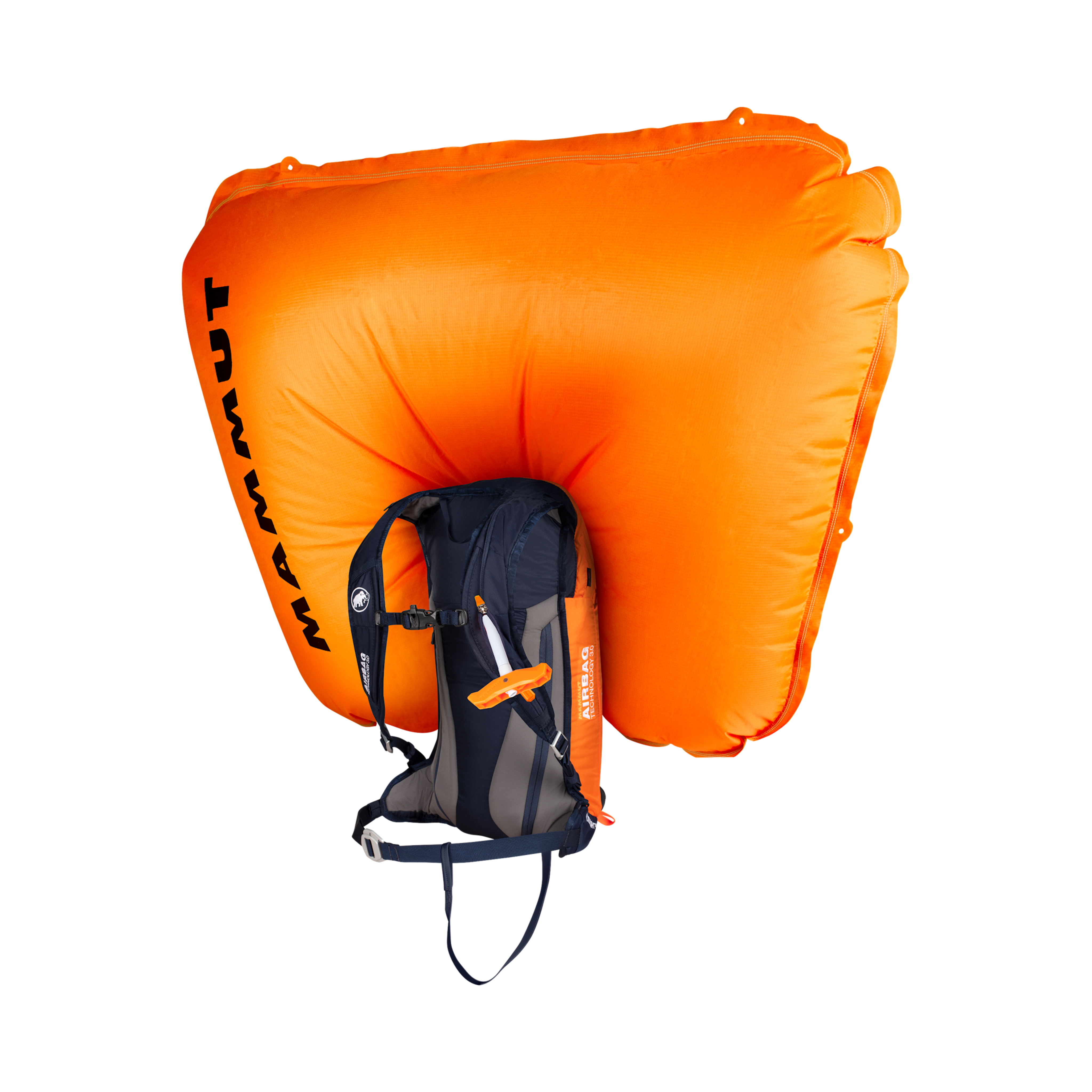
Broneeri endale koht kohalikul kursusel, tutvu veebiõppe materjalidega ja saa teada kõigest laviinivarustuse kohta.
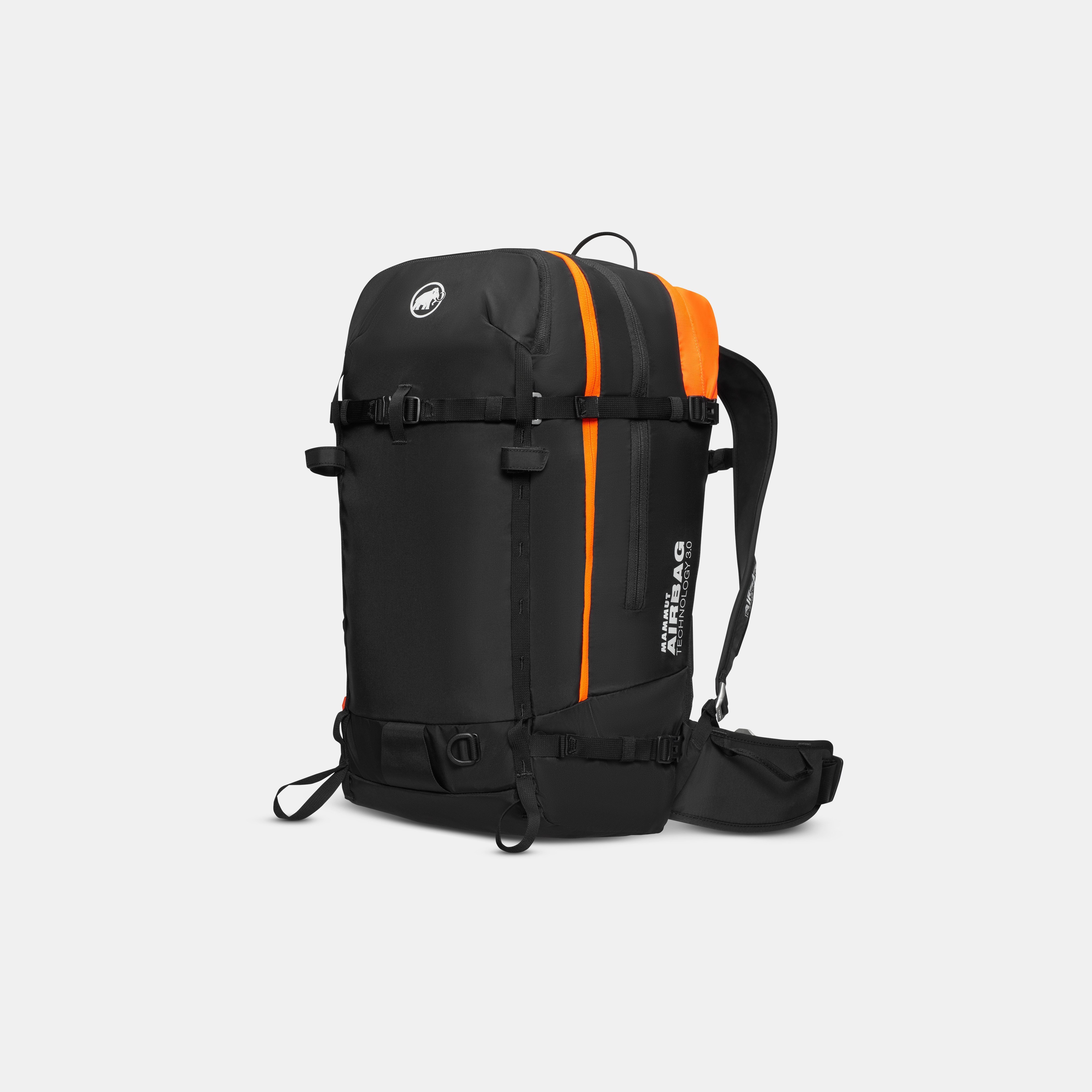
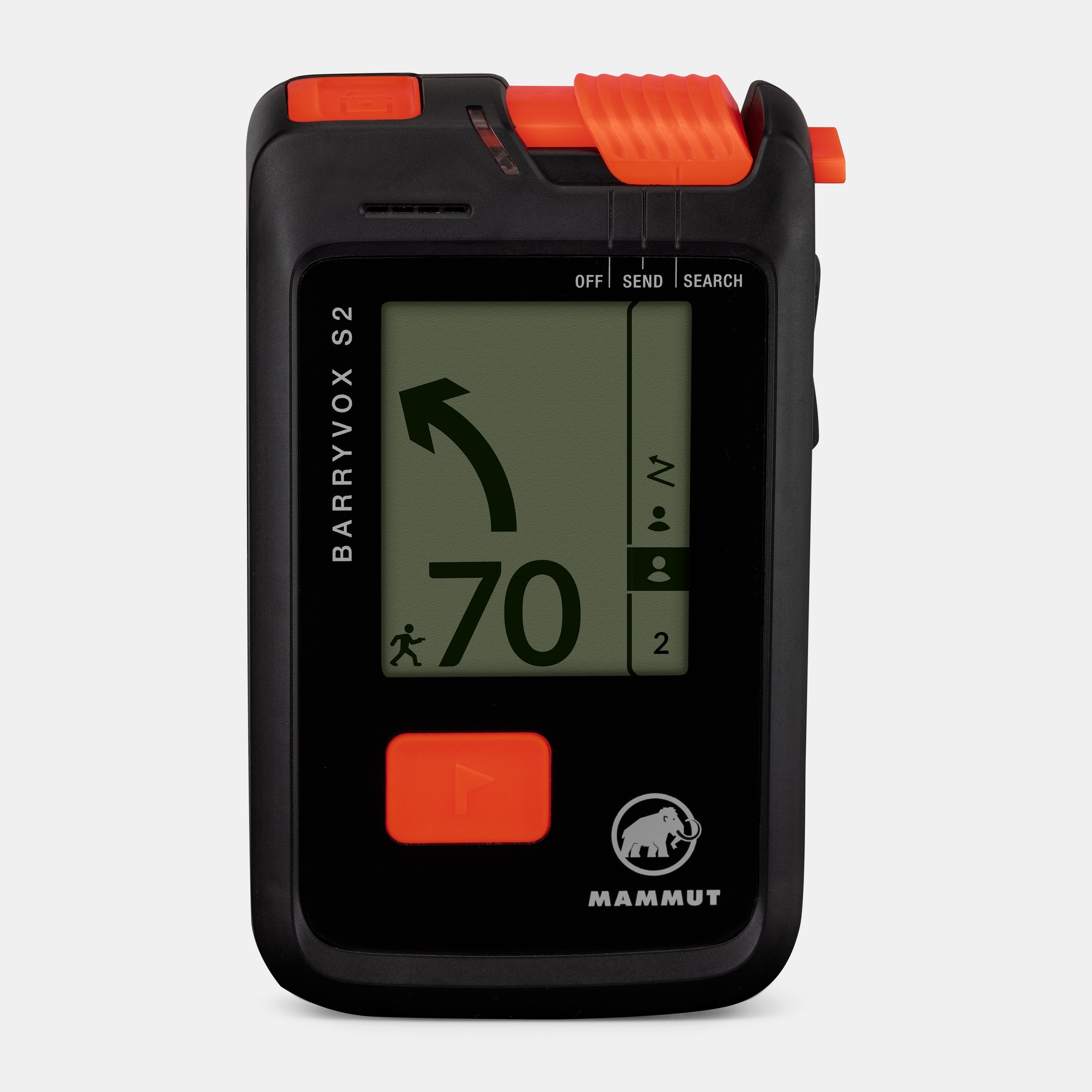
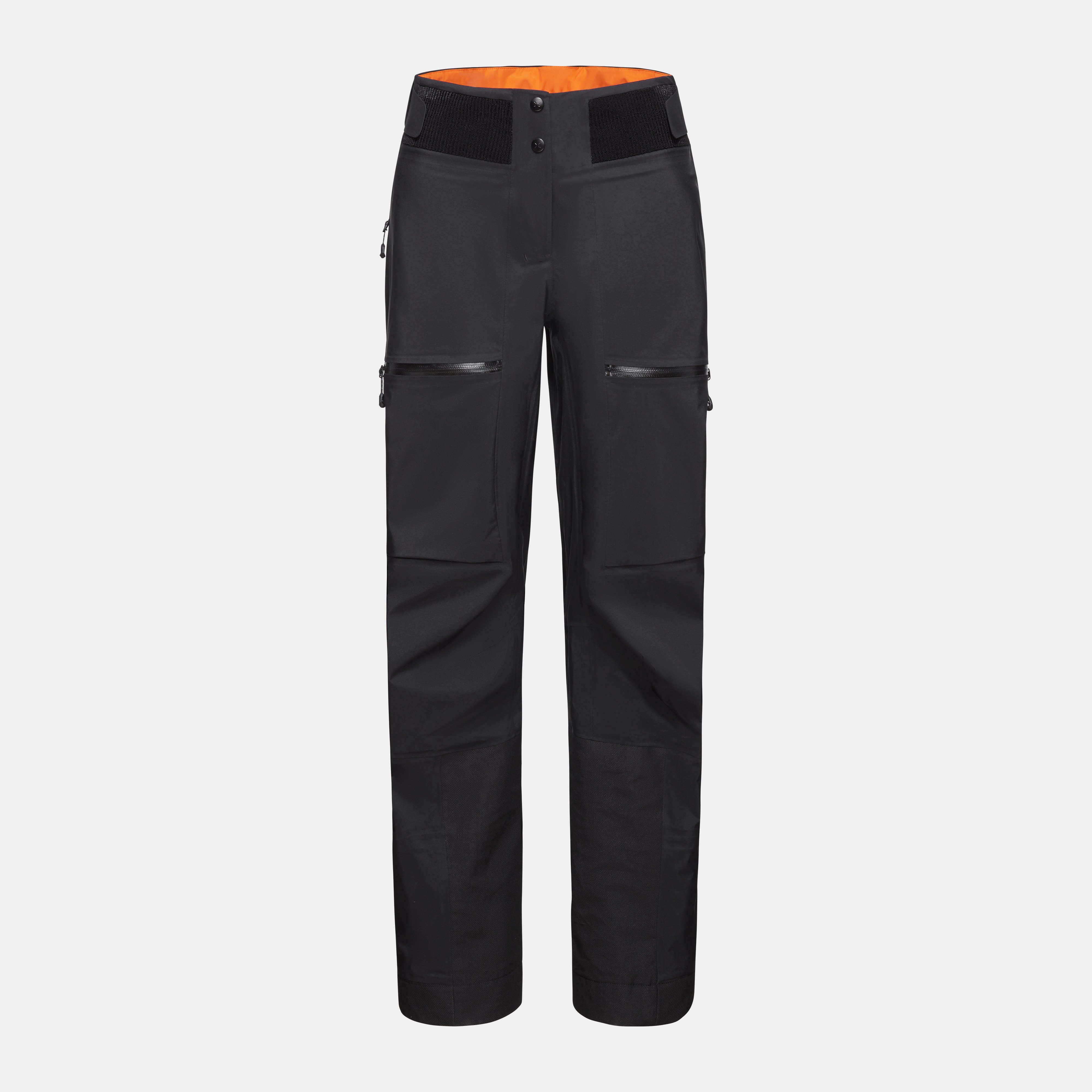
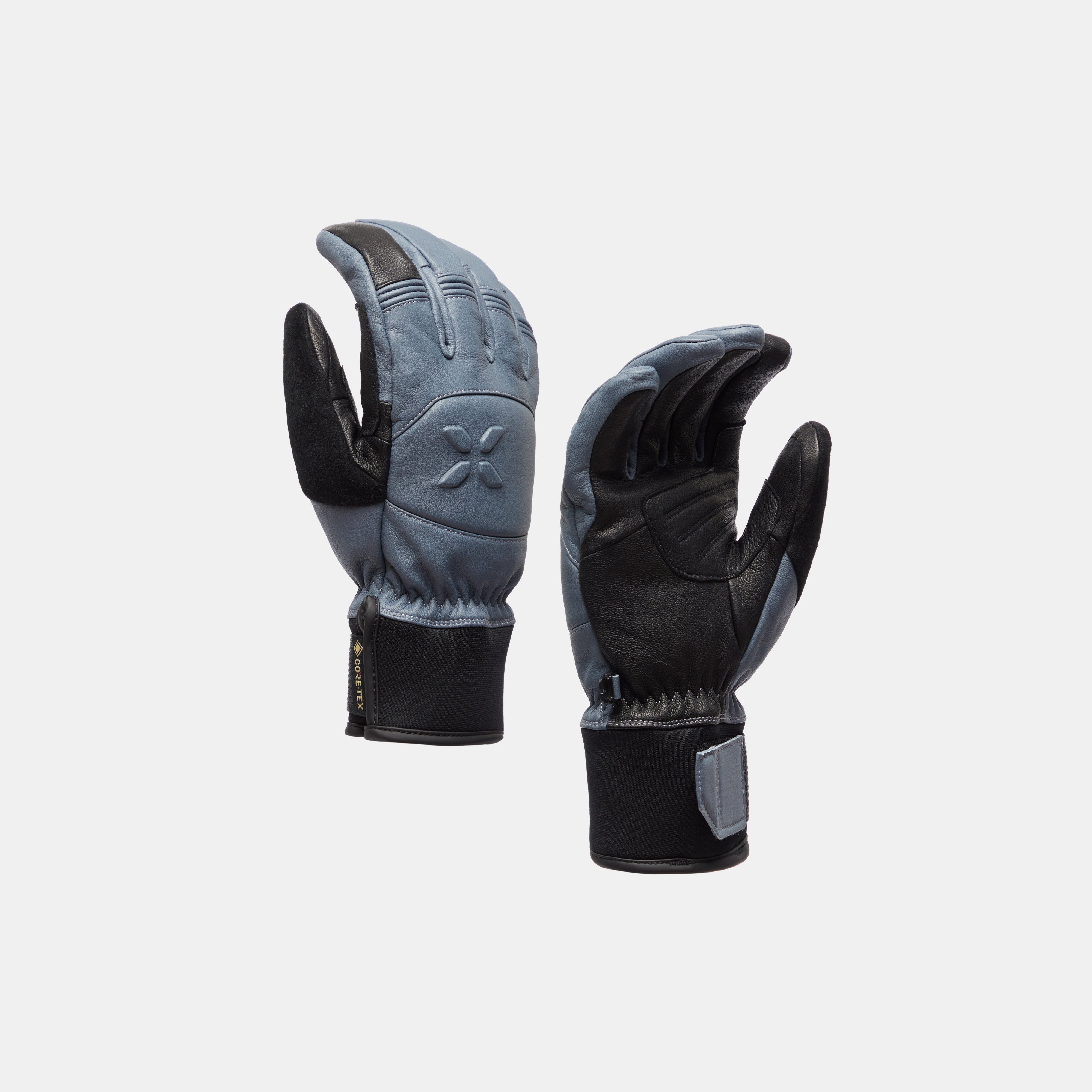
Oleme leiutajad, arendajad ja teerajajad. Muudame suured ja põnevad ideed tegelikkuseks, viies kvaliteedi ja jõudluse täiesti uuele tasemele. Seda oleme teinud alates 1862. aastast. Tutvu meie uusimate tehnoloogiatega.