


Climbing
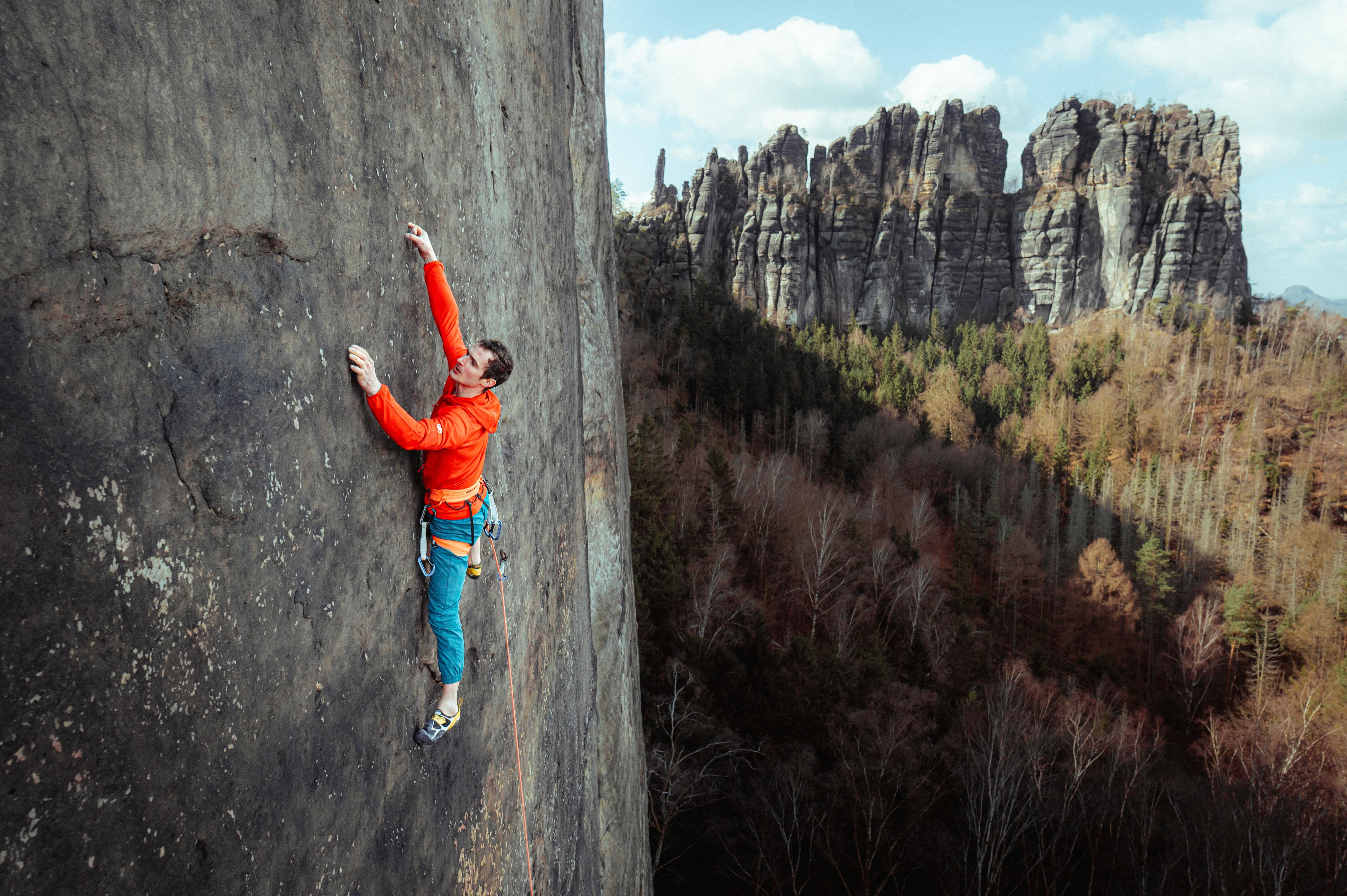
DüDaDo im Nirgendwo
October 2026
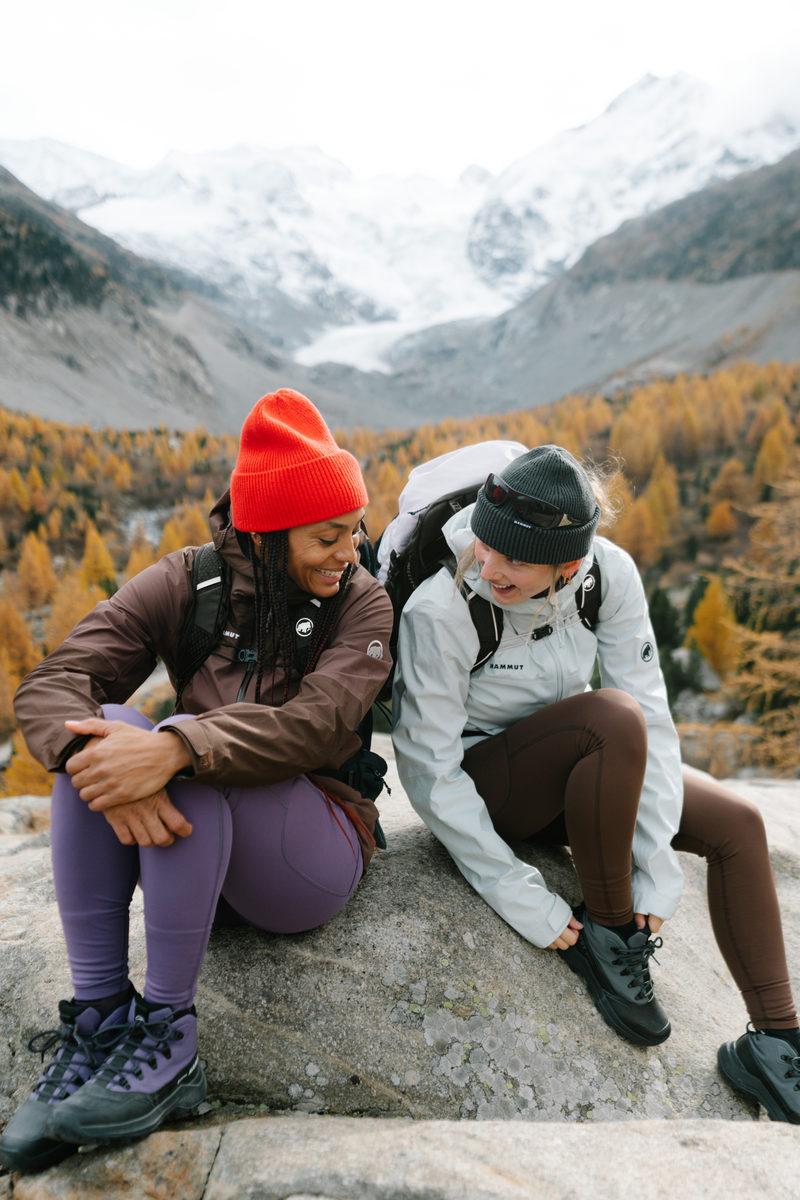
For many, fall is the best time for hiking. Colorful forests, fresh air, and the soothing feeling of change are simply unmatched. But fall plays by its own rules: In the morning, you’ll be freezing on the ascent; at noon, you’ll be sweating at the summit; and that rain shower that catches you off guard was definitely not in the forecast. Above 1,500 meters, there might even be snow, which isn’t uncommon in October. The good news? With the right gear, none of this is a problem. Here we’ll explain what’s best to wear for hiking in the fall so you can fully enjoy your time outdoors.
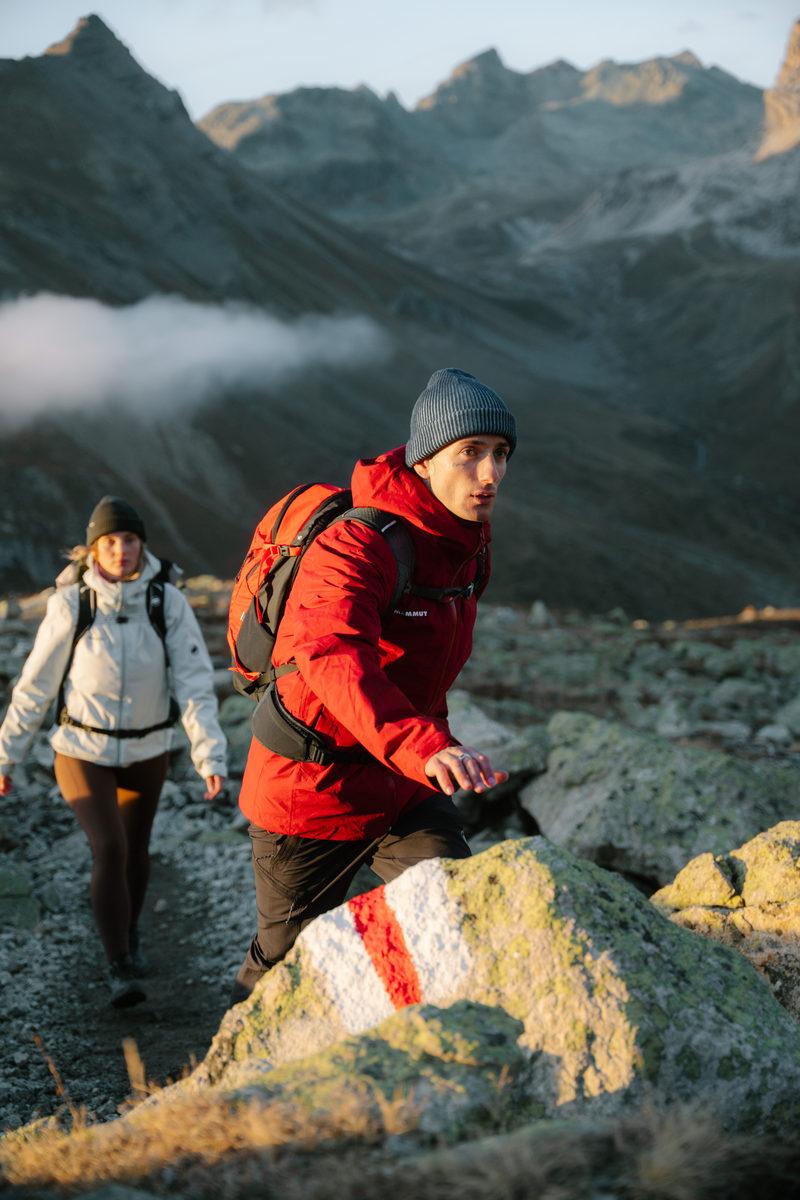
A yellow sign by the trail, a red-white-red mark on a rock, a cairn on an alpine ridge: if you hike a lot, you’ll come across an amazing variety of trail markers. They all serve the same purpose: to guide you safely to your destination. But what exactly does each color mean, how do the systems differ from country to country, and what should you look out for along the way? Here you’ll learn everything you need to know about hiking markers, so that on your next hike, you’ll always know where you are and where you’re going.
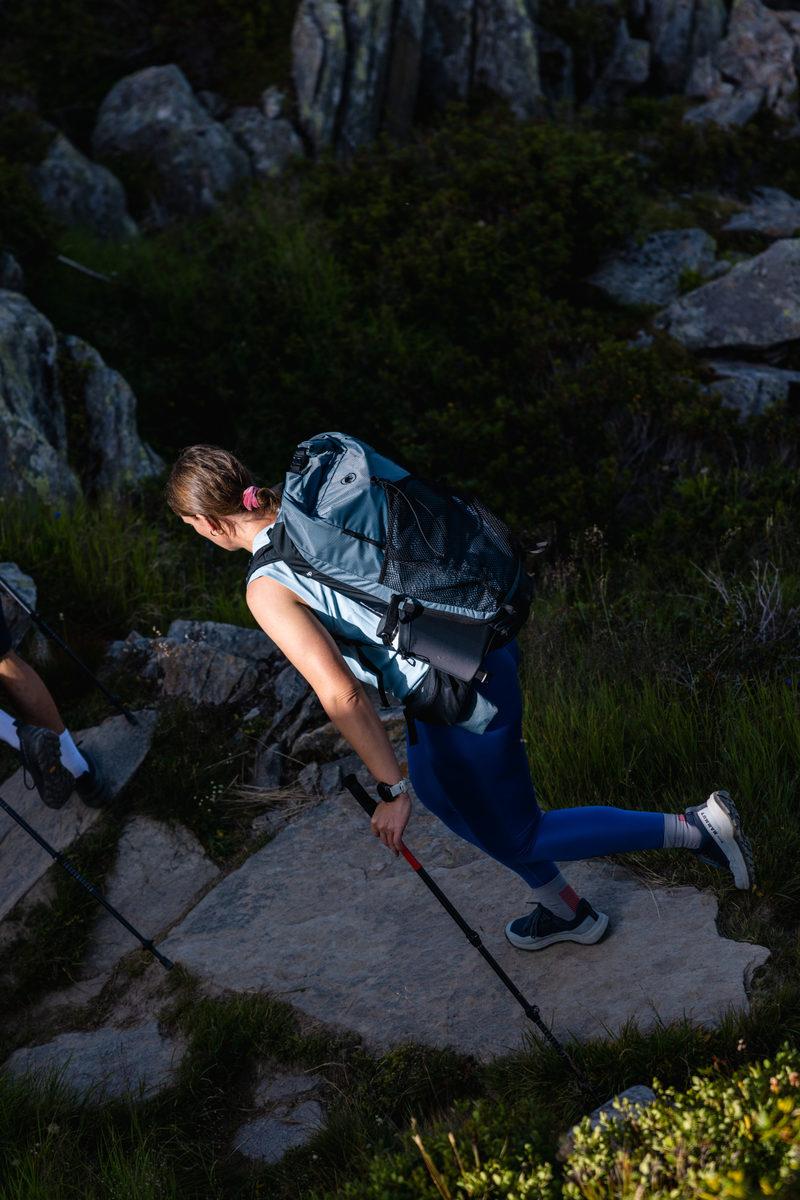
While hiking solo might sound lonely at first, in reality it’s often the exact opposite. Hiking alone through forests and mountains brings a sense of freedom and clarity and offers a unique way of experiencing nature. There’s no comparing yourself to other hikers, no compromises – just you and the trail ahead. In this post you’ll learn what makes solo hikes so special, how to prepare properly and what you should keep in mind – especially as a woman. We'll also show you how to get the most out of your time on the trail mentally as well.
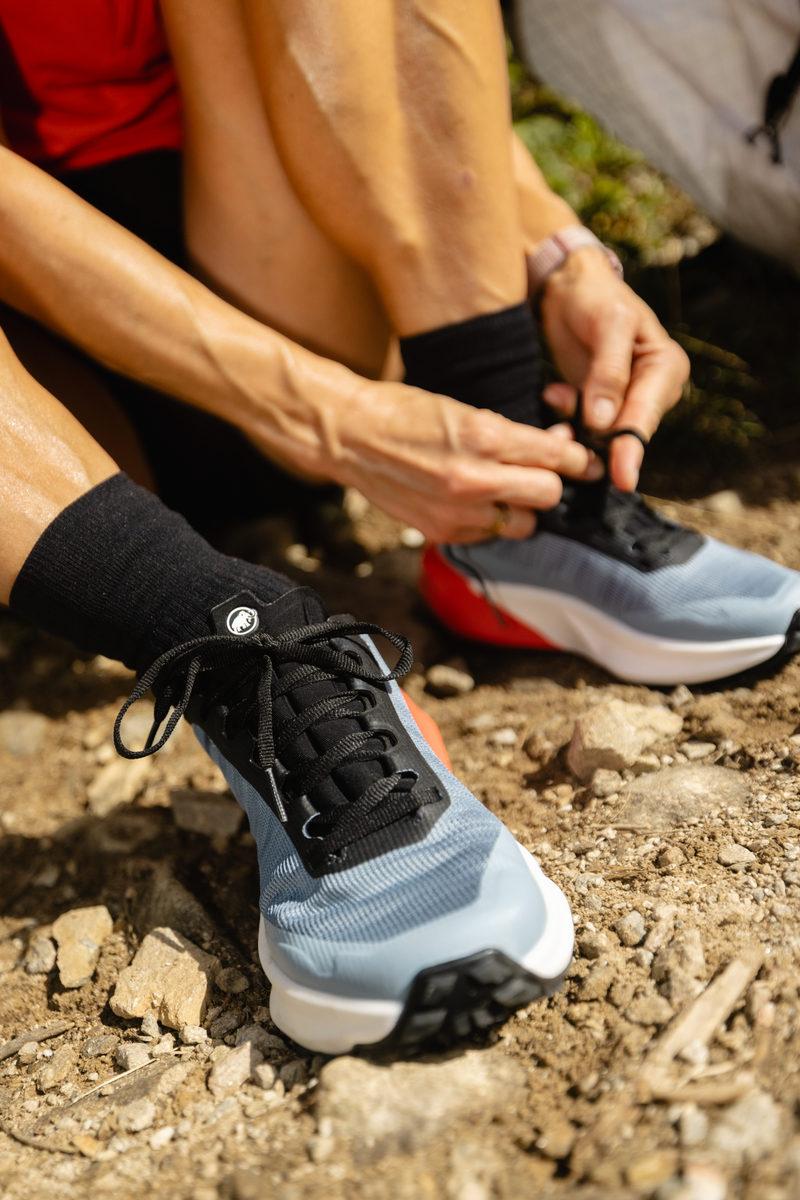
Roots, scree, steep climbs and unpredictable weather: when trail running, your feet are subjected to extreme conditions. Most runners invest a lot of time in choosing the right trail running shoes, which makes perfect sense. But between your foot and your shoe sits a piece of gear that matters just as much: your socks. What’s true for hiking applies even more so to trail running since it involves higher speeds, more strain on your feet and more dynamic movements. Here's why dedicated trail running socks make all the difference and what to look for when choosing them.
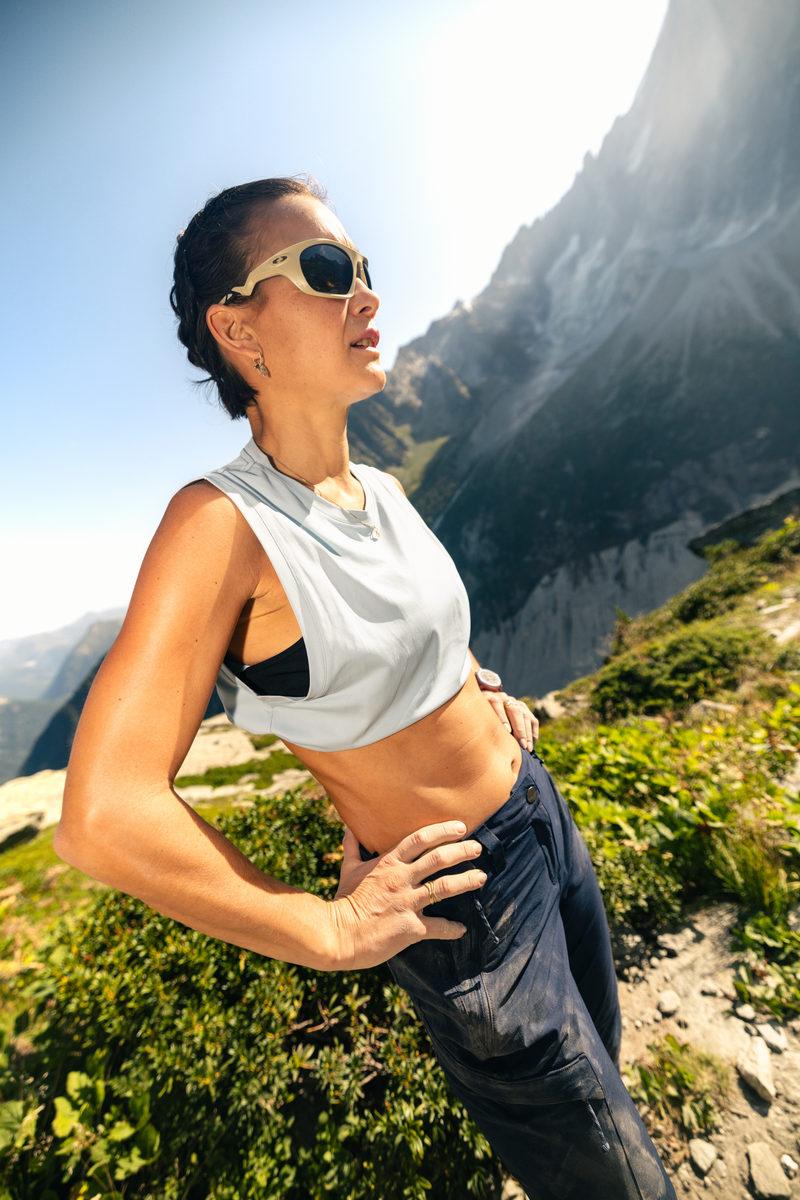
Bright sunshine, blue skies, and mountains on the horizon: that sounds like the perfect day for a hike. But when the thermometer climbs toward 30°C/86°F, you’ll need more than just a good attitude and breathable hiking boots. High temperatures and intense UV radiation can quickly push your body to its limits. In this post, you’ll learn how to best prepare for hiking in the heat and what you absolutely must keep in mind while you’re out on the trail.
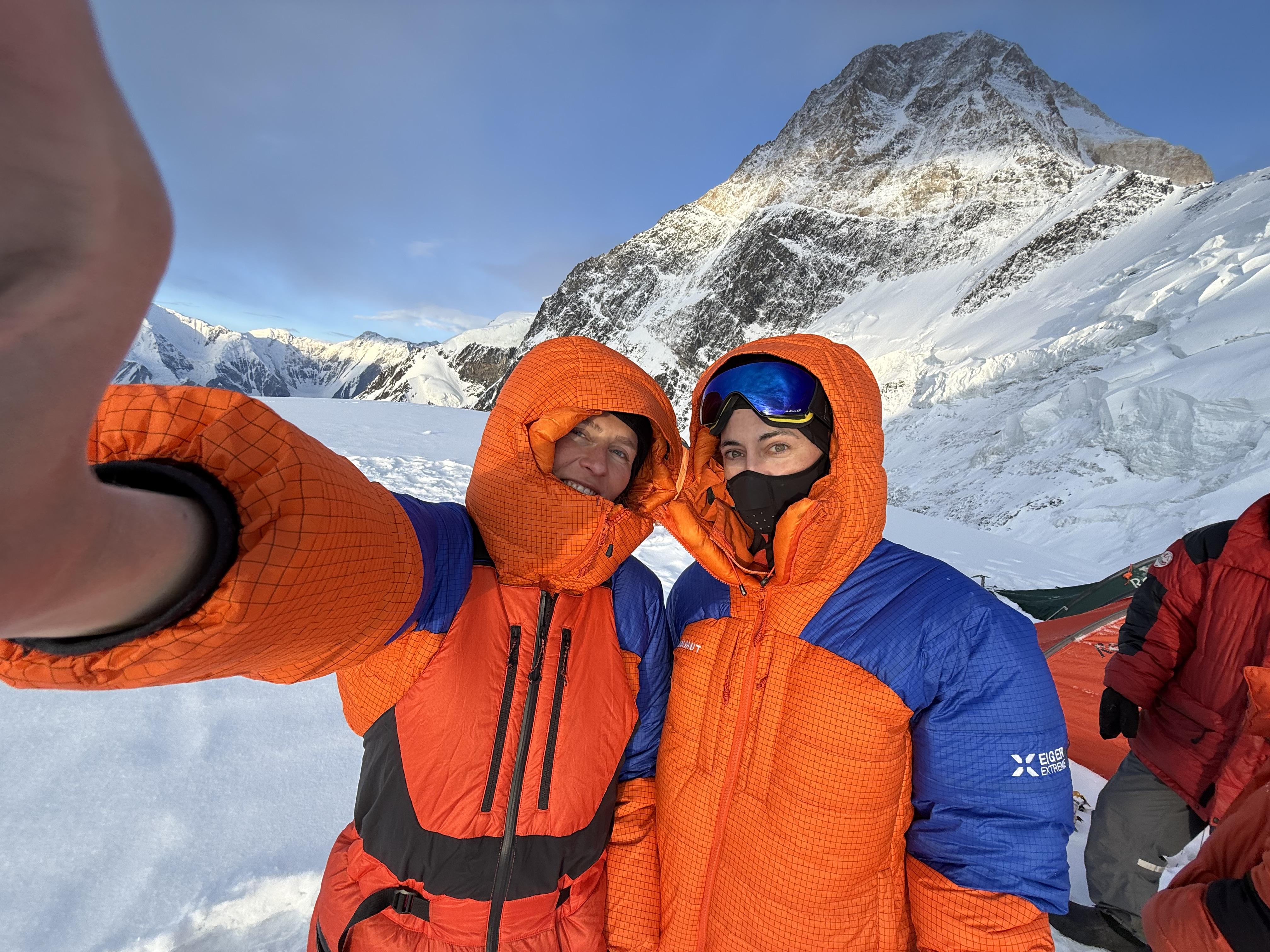
Two Swiss alpinists travel to Kyrgyzstan in the summer of 2025: Gentiana Zyba and Sandra Christen. Khan Tengri has long held their attention—remote, demanding, uncompromising. Together with a local mountain guide, they choose the north side. But high on the mountain, just meters below the summit, the defining question arises: push on, or turn back?
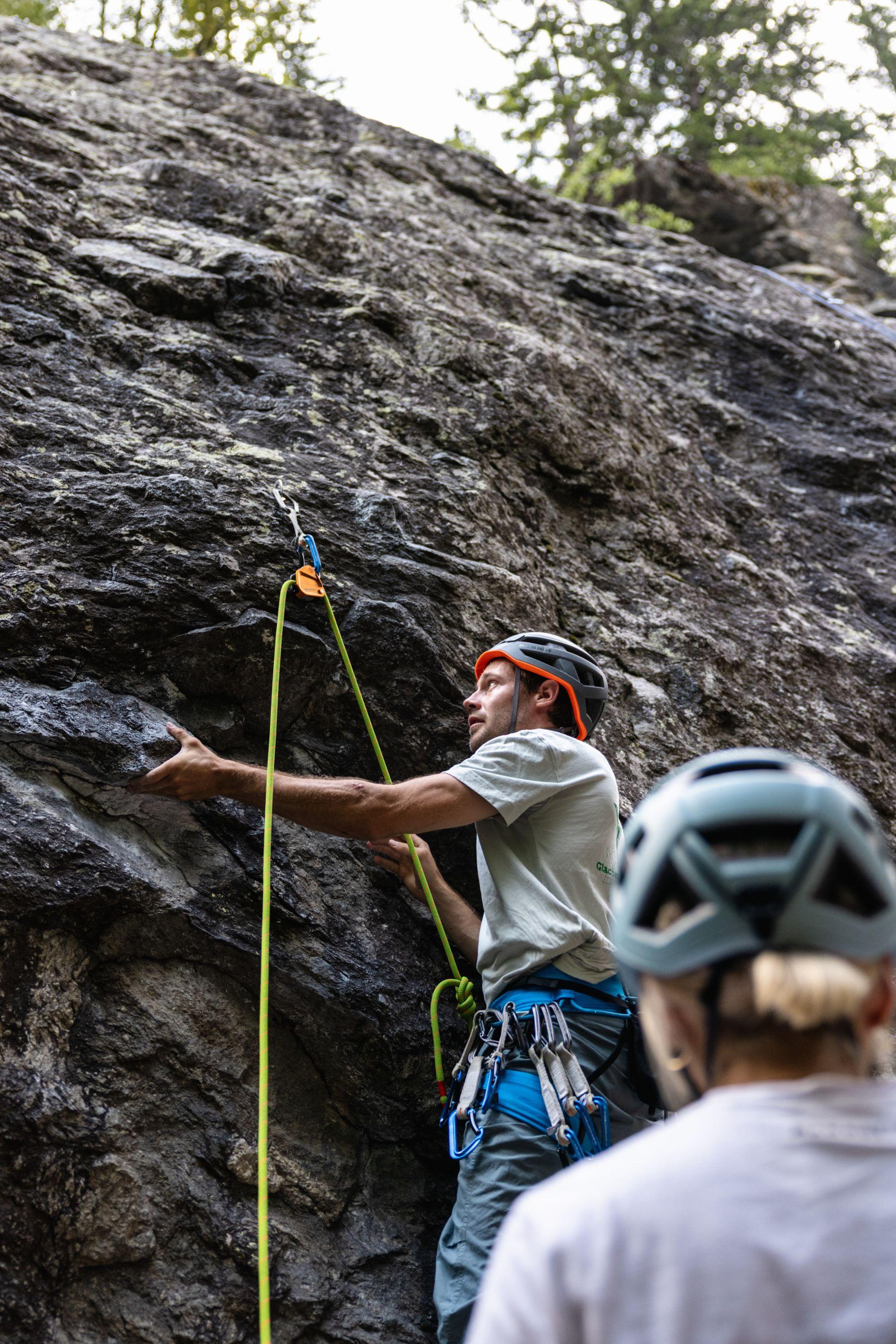
You don't pick your climbing partner based on what the scale says. Whether it's couples, friend groups, or random teams at the gym – most partnerships come with weight differences, sometimes just a few pounds, sometimes way more. It's totally irrelevant in daily life, but when you're climbing, it becomes genuinely important for safety. The weight ratio between belayer and climber directly impacts how a fall gets caught – and that affects the risk level for both people. Here's what you need to understand about why weight matters when climbing, when the difference becomes concerning, and which techniques and tools can keep you safe regardless.
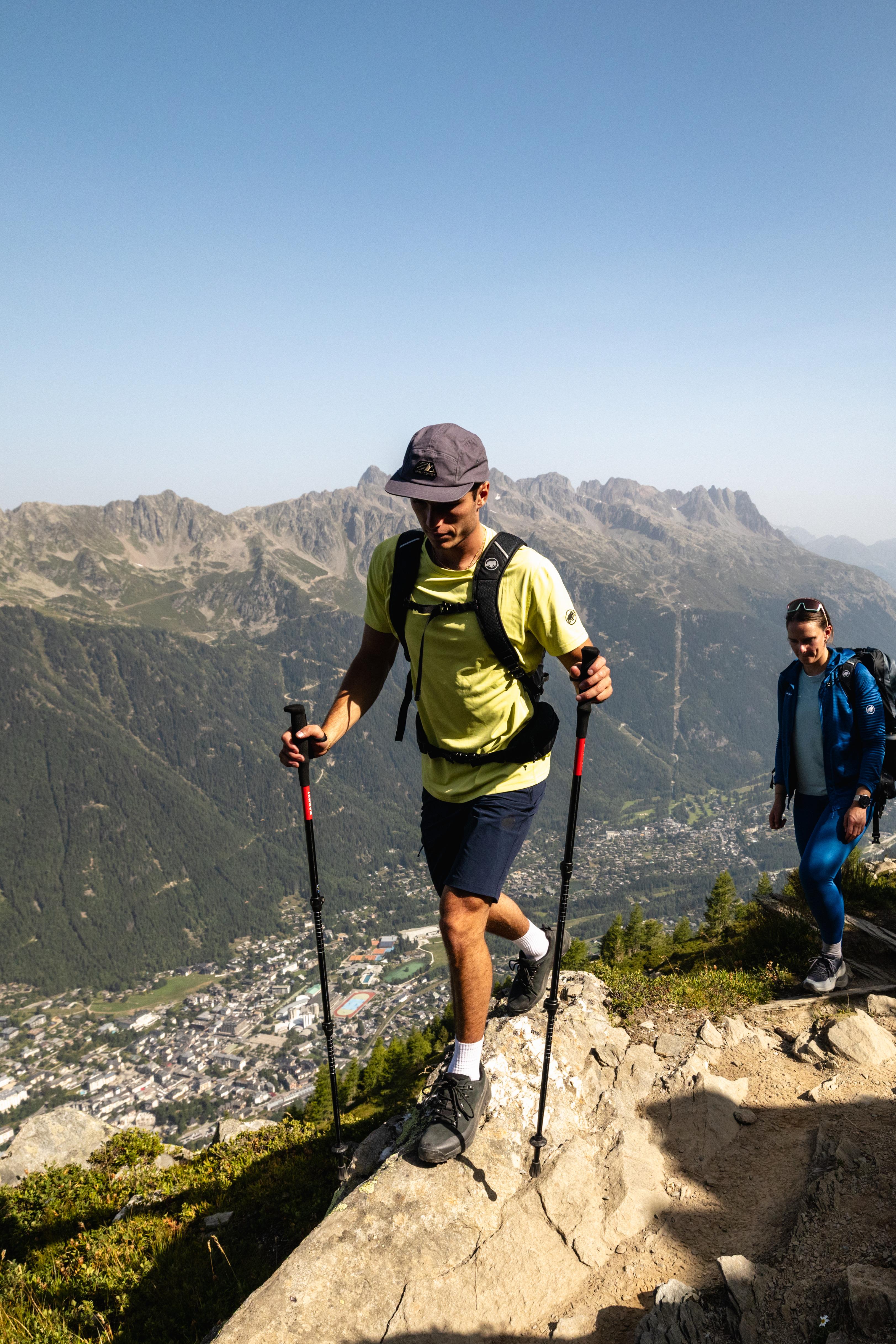
Have you ever wondered why some people seem to stroll across narrow ridges with the greatest of ease, while your knees go weak at the mere sight of the drop below? Truth is, it's got a lot less to do with natural talent than you might think. Because steady nerves and sure-footedness are skills you can train – as long as you know how. In this guide, we'll show you how to build up your confidence at altitude and improve your sure-footedness on the trail.
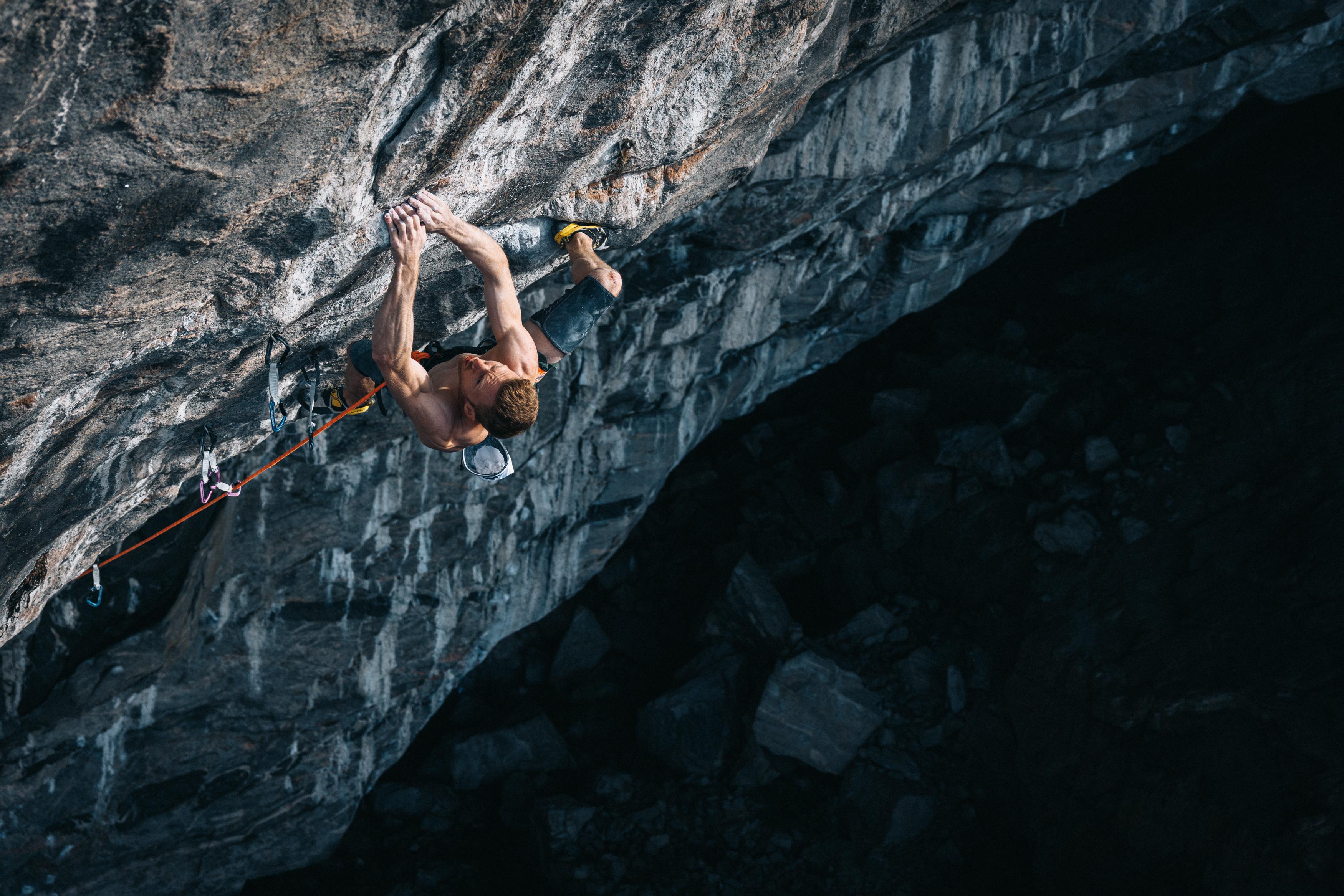
Deep inside the granite cave of Flatanger, Norway, lies a route unlike anything else. Steep, powerful and relentlessly long, B.I.G. 9c (5.15d) stands as one of the most futuristic sport climbs ever bolted. Over time, it became a benchmark for difficulty and a magnet for those drawn to its challenge. Among them, Jakob Schubert. He became one of its most dedicated protagonists and the first to make the free ascent on B.I.G.
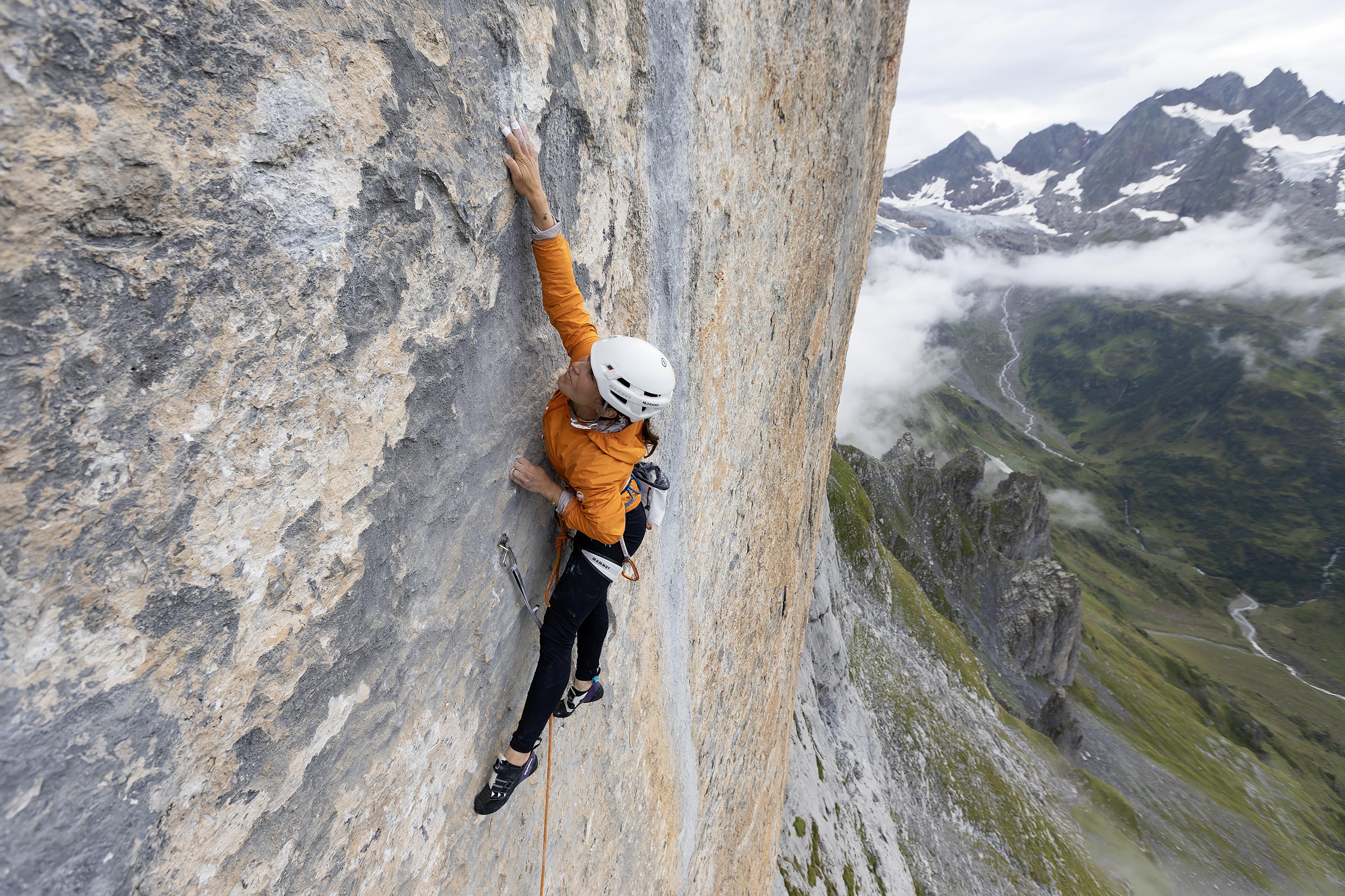
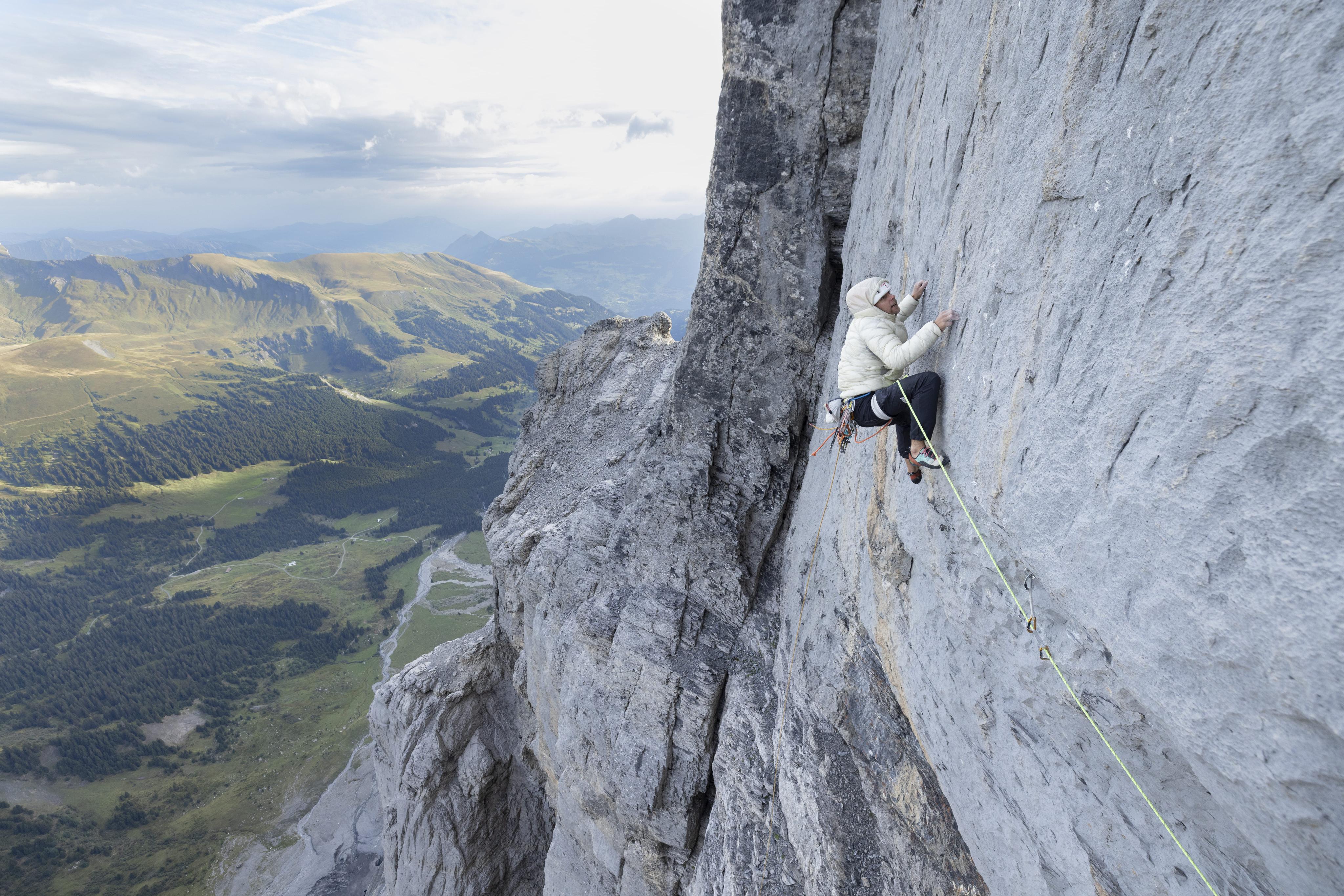
In September 2024, Mammut athlete Katherine Choong made history in Swiss climbing when she redpointed Zahir (8b+, 300 m), a demanding multi‑pitch route on the Wendenstöcke in the Bernese Oberland, in one day — and she did it in full ecopoint style, which means accessing the wall by train, by bike, and on foot, without motorized transport. This film retraces her adventure and gives voice to Katherine’s raw, personal account of an extraordinary experience. The route spans 300 meters over eight pitches, graded 6c, 8a, 8b+, 7c, 7a+, 7a+, 7b and 6c. Bolted by Günther Habersatter and Iwan Wolf between 1996 and 2004 and freed by them in 2006, it’s considered a benchmark line in the Wenden. The challenge: climb every pitch clean, leading, in a single day.