


Hiking alone: tips for your solo adventure
08/26
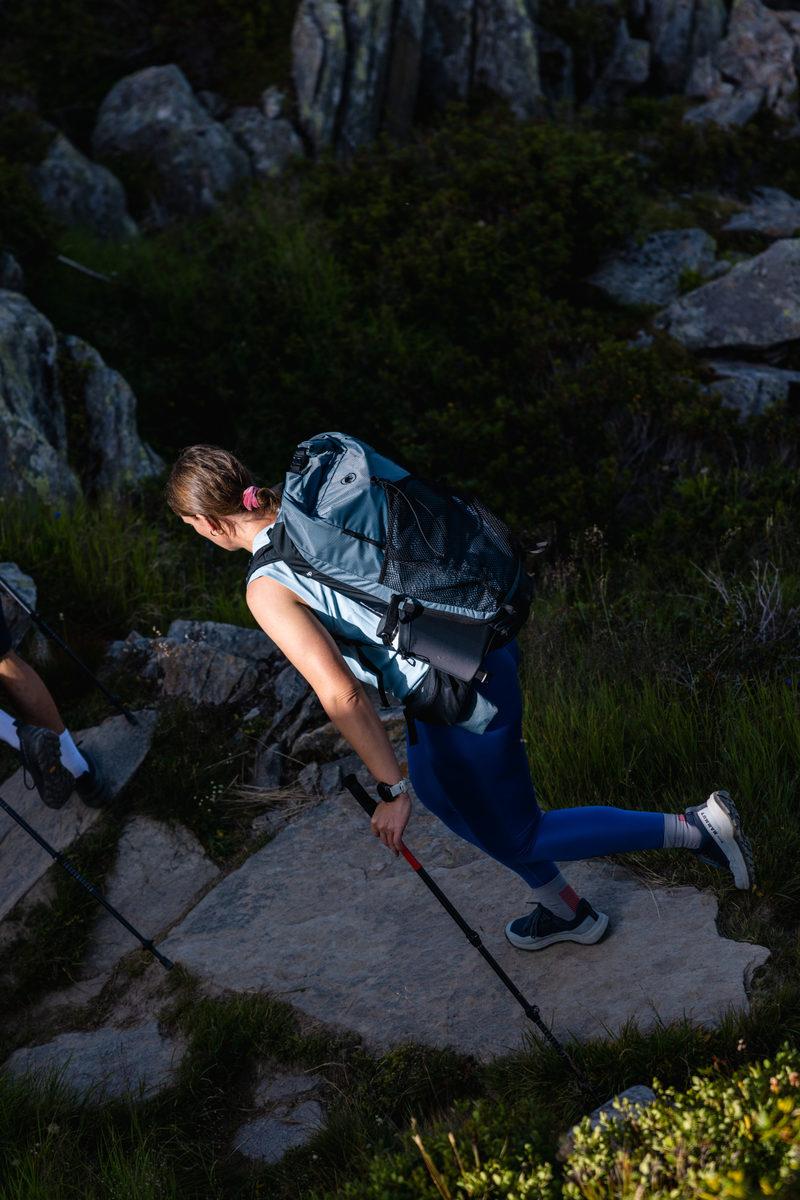
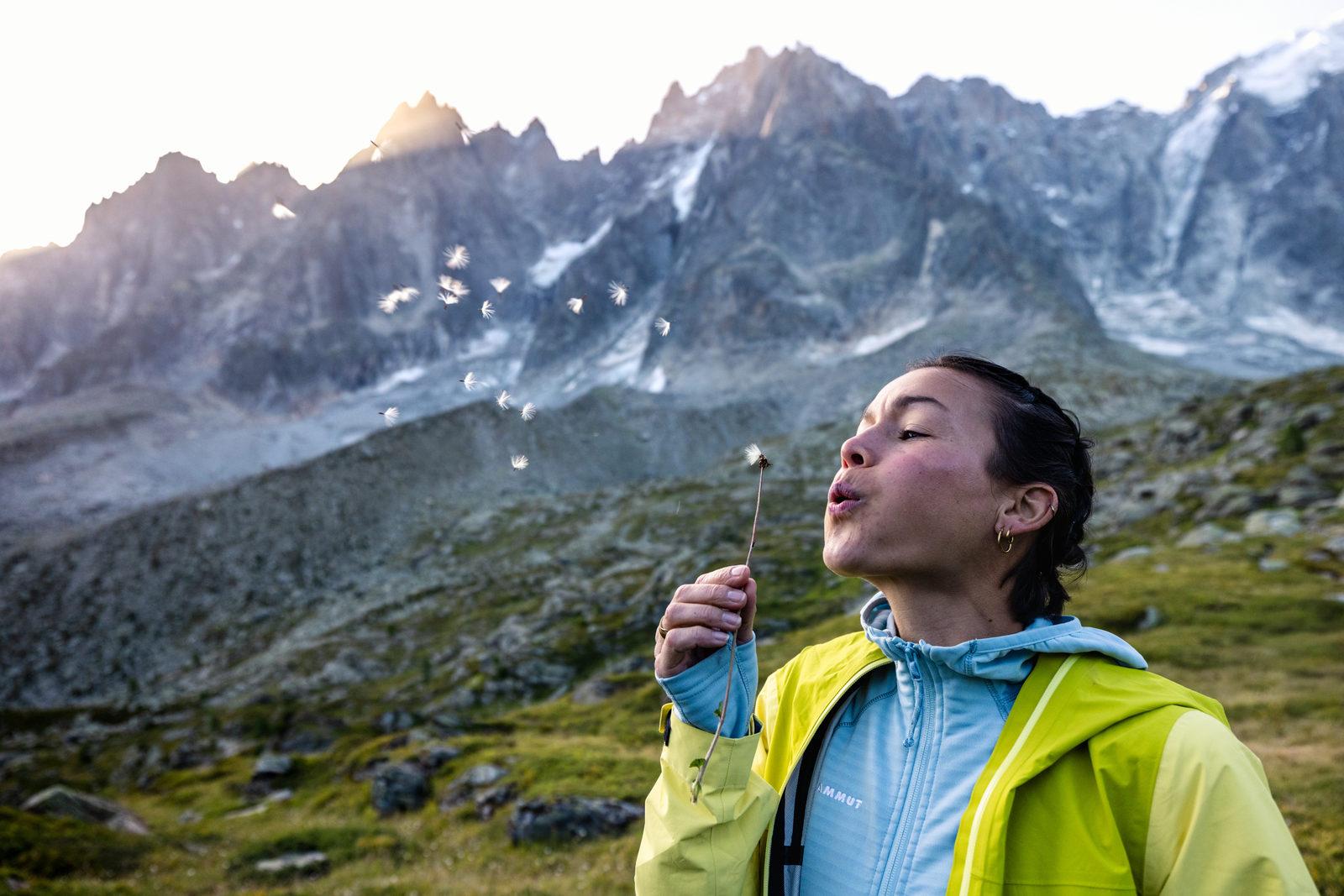
While hiking solo might sound lonely at first, in reality it’s often the exact opposite. Hiking alone through forests and mountains brings a sense of freedom and clarity and offers a unique way of experiencing nature. There’s no comparing yourself to other hikers, no compromises – just you and the trail ahead. In this post you’ll learn what makes solo hikes so special, how to prepare properly and what you should keep in mind – especially as a woman. We'll also show you how to get the most out of your time on the trail mentally as well.
Why go hiking alone?
We’re used to sharing special moments with those around us. Yet a breathtaking view from the summit can be even more intense when you get to enjoy the moment all to yourself. And that’s just one of many good reasons to head out on your own for a change:
You set your own pace
Want to stay a little longer at a beautiful viewpoint? Prefer to explore a side trail? Turn back early? Anything is possible when you don’t have to worry about anyone else. Hiking alone offers maximum flexibility. Only one thing matters: Doing what feels right to you.
You’ll find peace of mind
Solo hiking can be a meditative experience. Your mind gets a chance to slow down, sort through chaotic thoughts and simply breathe. This is particularly valuable in the midst of hectic everyday life.
You’ll boost your self-confidence
Hiking alone also means making every decision yourself. And what better way to boost your self-confidence than by overcoming challenges on your own? Solo hiking is an ideal opportunity to get to know yourself better. Every summit you reach becomes your personal proof: you can handle this, even when things get hard.
Precautions: solo, but safe
Hiking alone is incredibly fun. Still, there are a few things to consider before setting out for your adventure to ensure your safety:
Let someone know: Tell a trusted person where you’re going and when you expect to be back. In an emergency, this could save your life.
Research your route: Make sure to spend enough time planning your hike ! Find out in advance about the distance, elevation gain, difficulty level and trail conditions. For your first solo hike, ideally choose a route that you can easily manage or are already familiar with.
Check the weather: Mountain weather can shift quickly. Be sure to check the weather forecast in advance and be prepared for sudden changes like rain .
Stay realistic: Think carefully about which route and pace suit your abilities. Also, always prepare for the unexpected as much as you can: What if you need to turn back? Do you have a Plan B?
The right equipment
Since you’ll have to carry all your gear yourself, it’s worth carefully considering what you’ll actually need. Important: Always keep the weight in mind. Some of the must-haves for your hiking gear include:
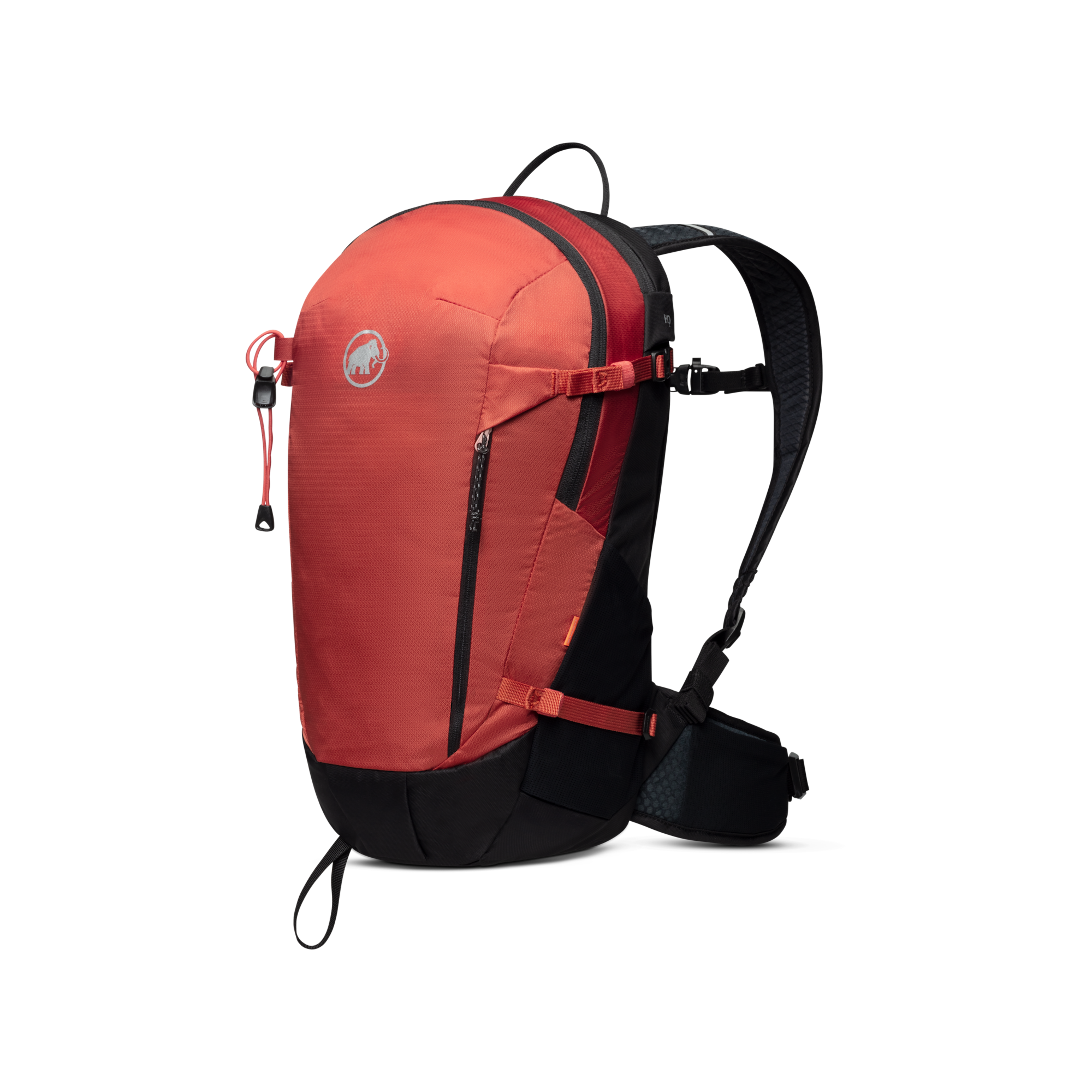
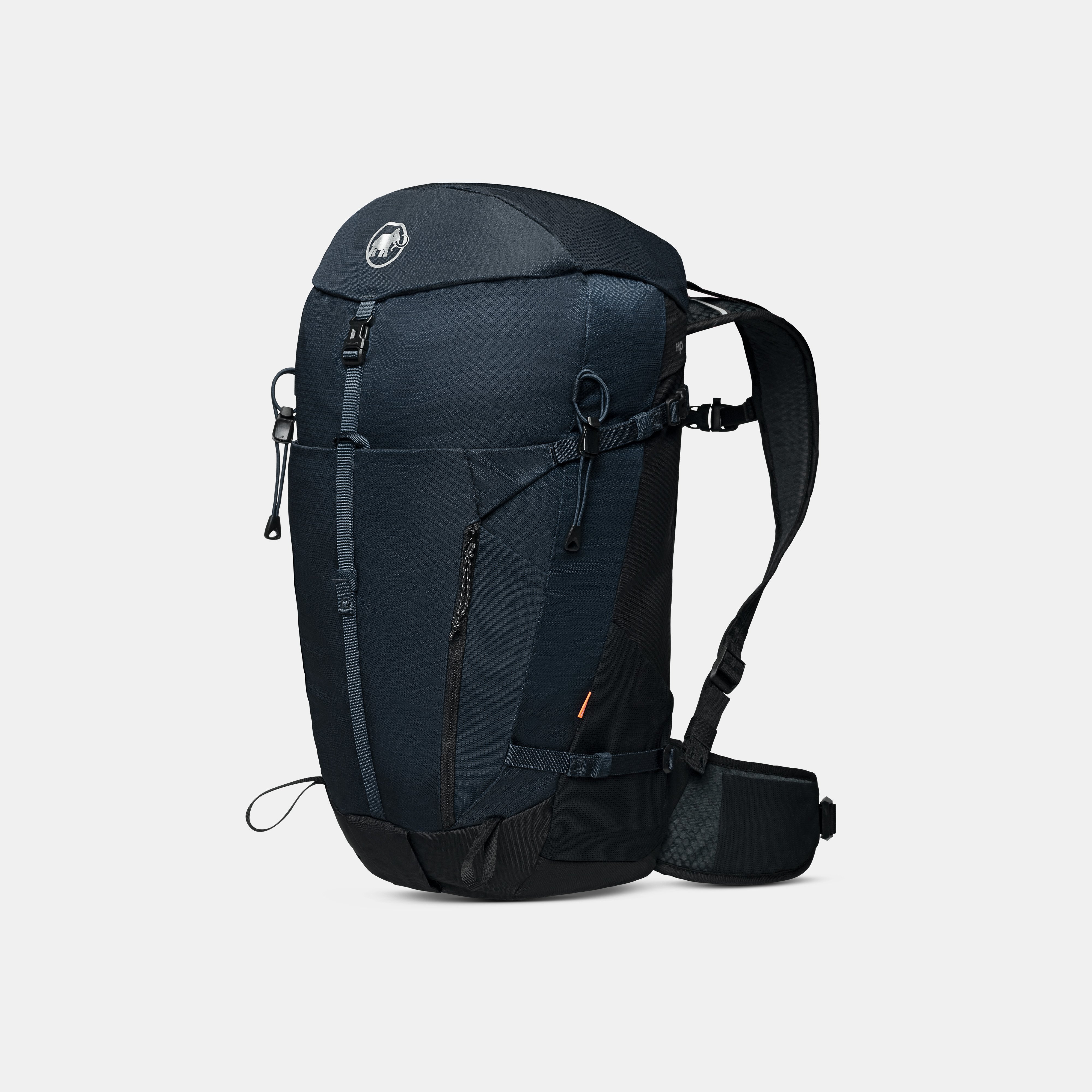
Backpack : Choose a model with a good carrying system and enough space for water, snacks and emergency gear.
Water and food: Plan to bring enough food for before and during the hike . To stay hydrated, drinking systems like hydration bladders are particularly useful.
Weather-resistant hiking clothes : Dressing in layers is ideal so you can adjust easily to changes in temperature.
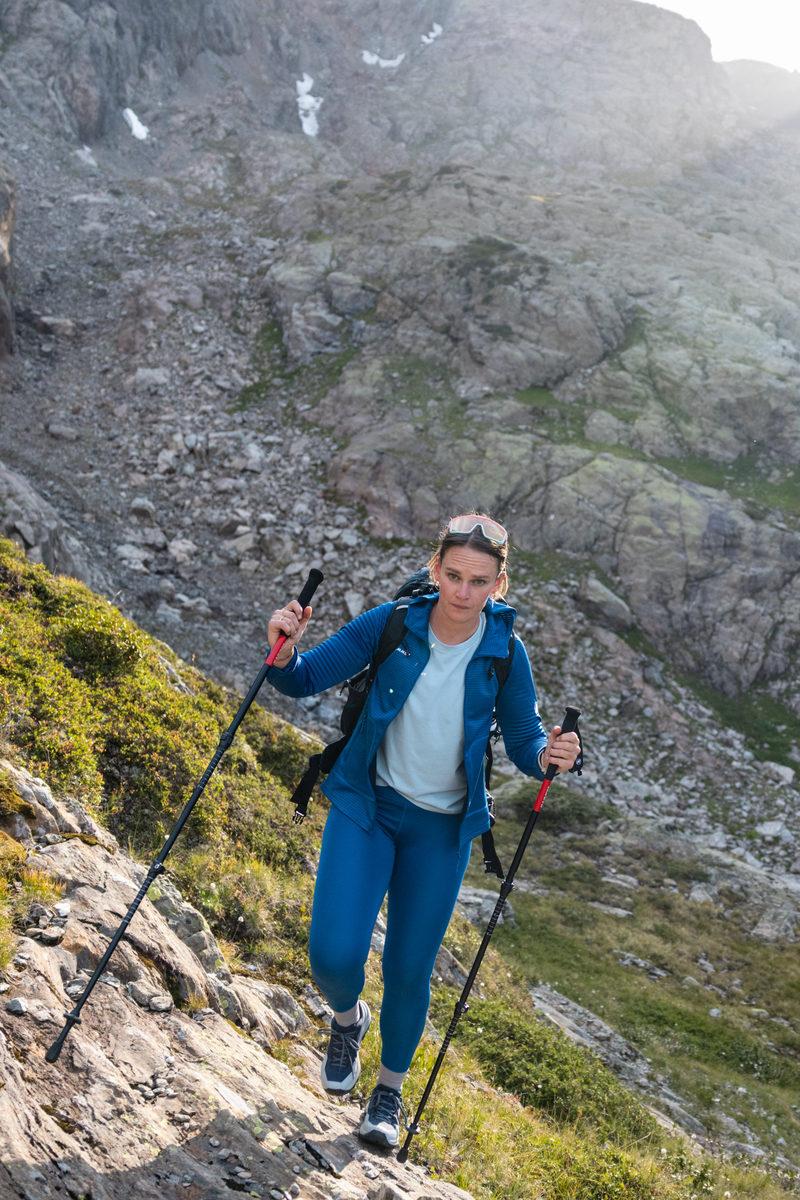


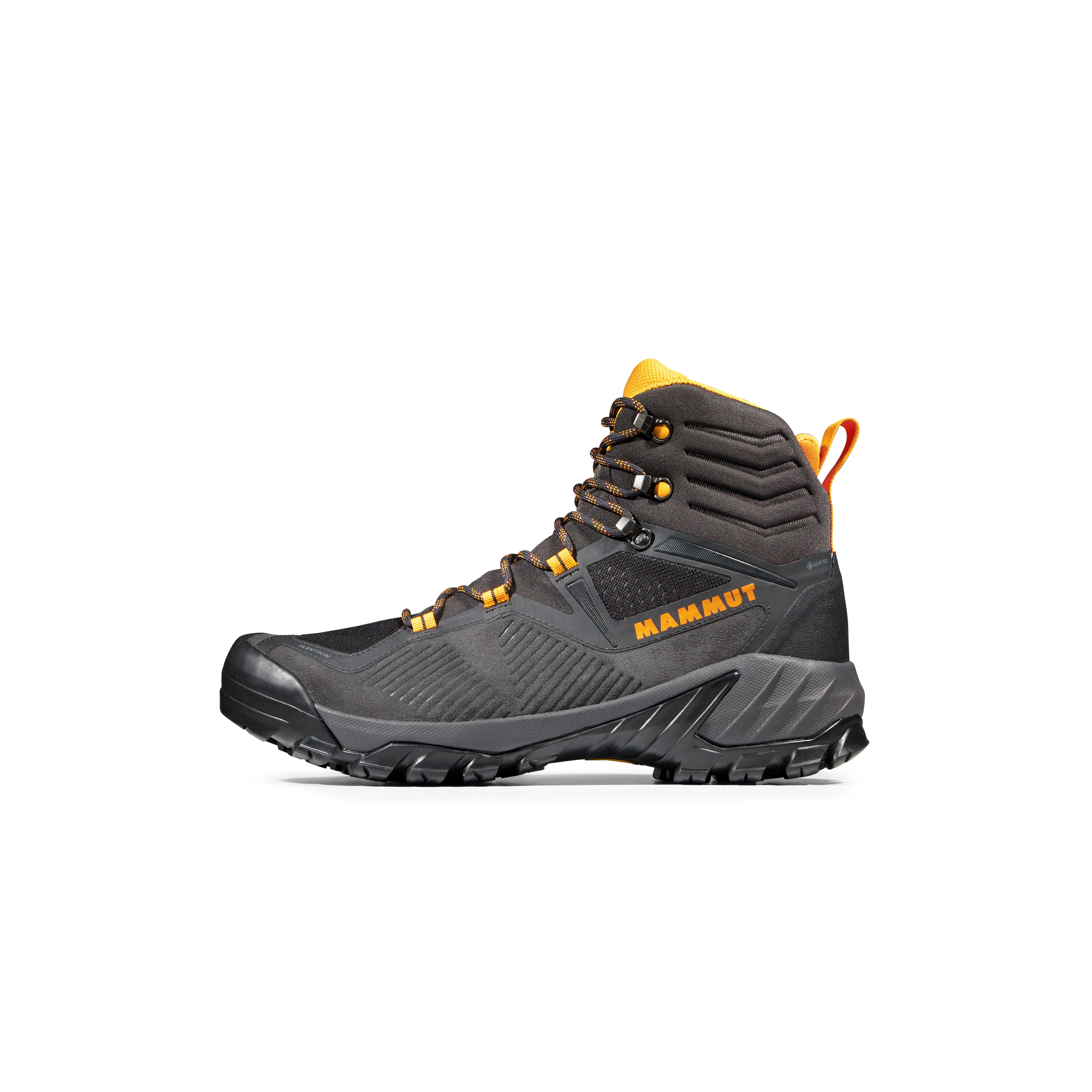
Good hiking boots : Ankle-high boots provide stability on uneven terrain. Remember to break in your hiking boots before a long hike to avoid painful blisters.
First-aid kit: You should always take Band-Aids, bandages, antiseptic and other essentials on your hike.
Navigation: Don’t just rely on your phone – a map, compass or a GPS app can help you navigate safely. And most importantly: Practice using them beforehand.
Lighting: Be sure to pack a headlamp or flashlight in case you’re out for an extended period of time.
Signaling device: A small item, such as a whistle or an emergency signal, can become crucial in case of an emergency.
Tip: Make sure to check out our detailed hiking gear list where you’ll find everything you need for your hike. With this, you’ll head out fully prepared.
Hiking alone as a woman: important tips
Women who want to hike alone are often confronted with the well-intentioned question “Isn’t that dangerous?” The short answer: Not more so than for men. At the same time, however, there are a few things to help you feel safer and more relaxed while you’re out on your hike.
Listen to your gut feeling
If a place or a situation doesn’t feel right, trust your instincts. It’s perfectly fine to change routes or take a break somewhere else.
Choose busy paths
As a beginner on your first solo adventure, it’s helpful to choose routes where you’ll encounter other people. This will help you feel even safer.
Plan your breaks intentionally
Be careful to choose rest areas that are open and unobstructed. That way, you can keep an eye on your surroundings.
Stay reachable
A charged smartphone is essential, therefore, be sure to pack a powerbank as well. Bringing a GPS tracker or a smartwatch with GPS can also be a useful addition.
Dealing with being alone: How does it actually work?
Your first solo trip might feel a bit strange at first. Suddenly, there’s no one to share your thoughts or coordinate breaks with. To some, this may seem odd in the beginning but that’s exactly what makes it so appealing: You learn to rely on yourself. It’s completely normal for thoughts to emerge that easily get buried in everyday life. Maybe you’ll start worrying about problems or reflecting on yourself. Instead of pushing these thoughts aside, it’s worth consciously giving them space.
If you notice that your thoughts are getting too loud: focus on your breath and your next step. But it’s also very important to know your limits. If a tour feels truly uncomfortable, whether due to fear, exhaustion or just not feeling right, turning back isn’t a defeat.
Your adventure awaits
Hiking alone is an experience that uniquely combines freedom, tranquility and self-confidence. But that makes careful planning even more important. If you want to learn more about the right gear and other related topics, check out our Mammut Stories & Guides . There you’ll find exciting articles on the essentials of a first-aid kit , cleaning your hiking boots , the importance of mental training in sports and a lot more.
FAQs on solo hiking
Question: What should you know before solo hiking for the first time?
Answer: Start with a well-marked, easy route, let someone know your plans, bring enough water and snacks and make sure your phone is charged.
Question: Which route is ideal for my first solo hike?
Answer: Choose a well-marked trail that is neither too long nor too challenging. Popular hiking trails are especially convenient because you’ll keep running into other hikers, which provides additional safety.
Question: What are the advantages of solo hiking?
Answer:
full flexibility
a deep connection to nature
peace of mind
boosting your self-confidence
a conscious break from everyday life
Question: Is solo hiking safe?
Answer: Yes. With good preparation, the right gear, a realistic assessment of your abilities and letting someone you trust know where you're going, you'll generally be safe on your hike.