


Why trail running socks make all the difference
08/26
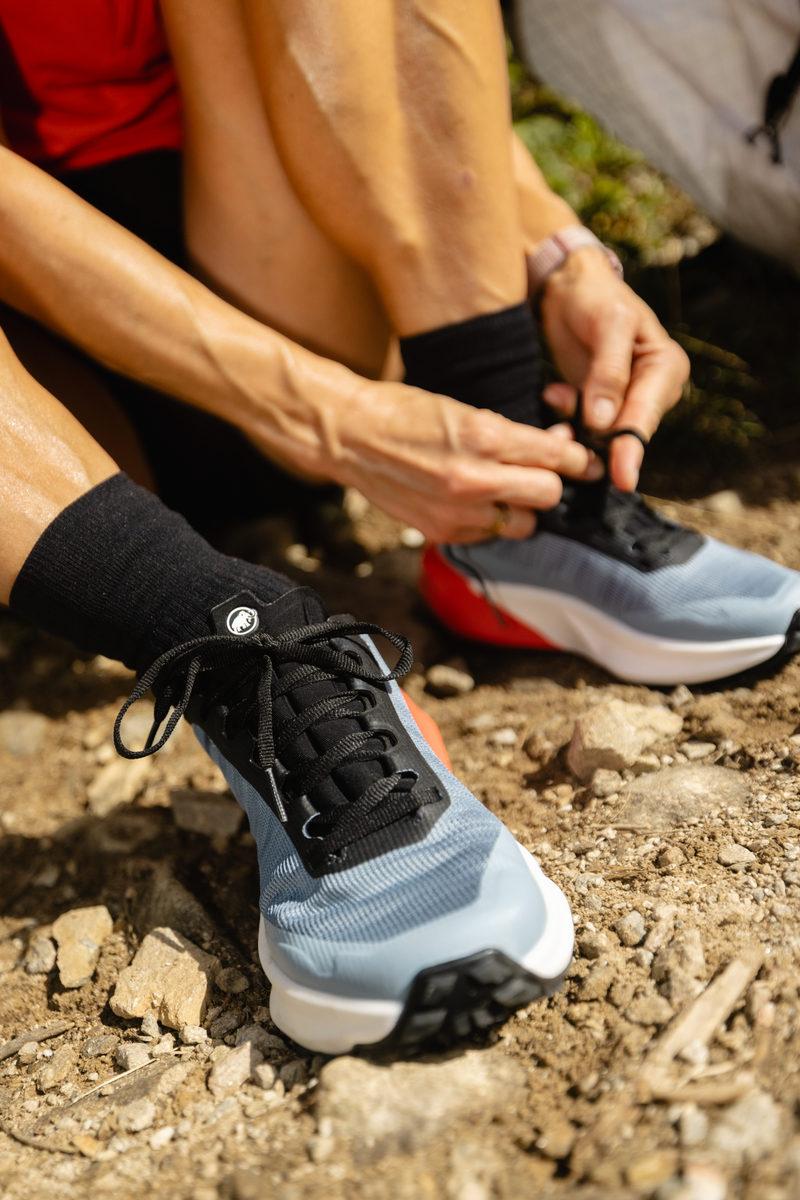
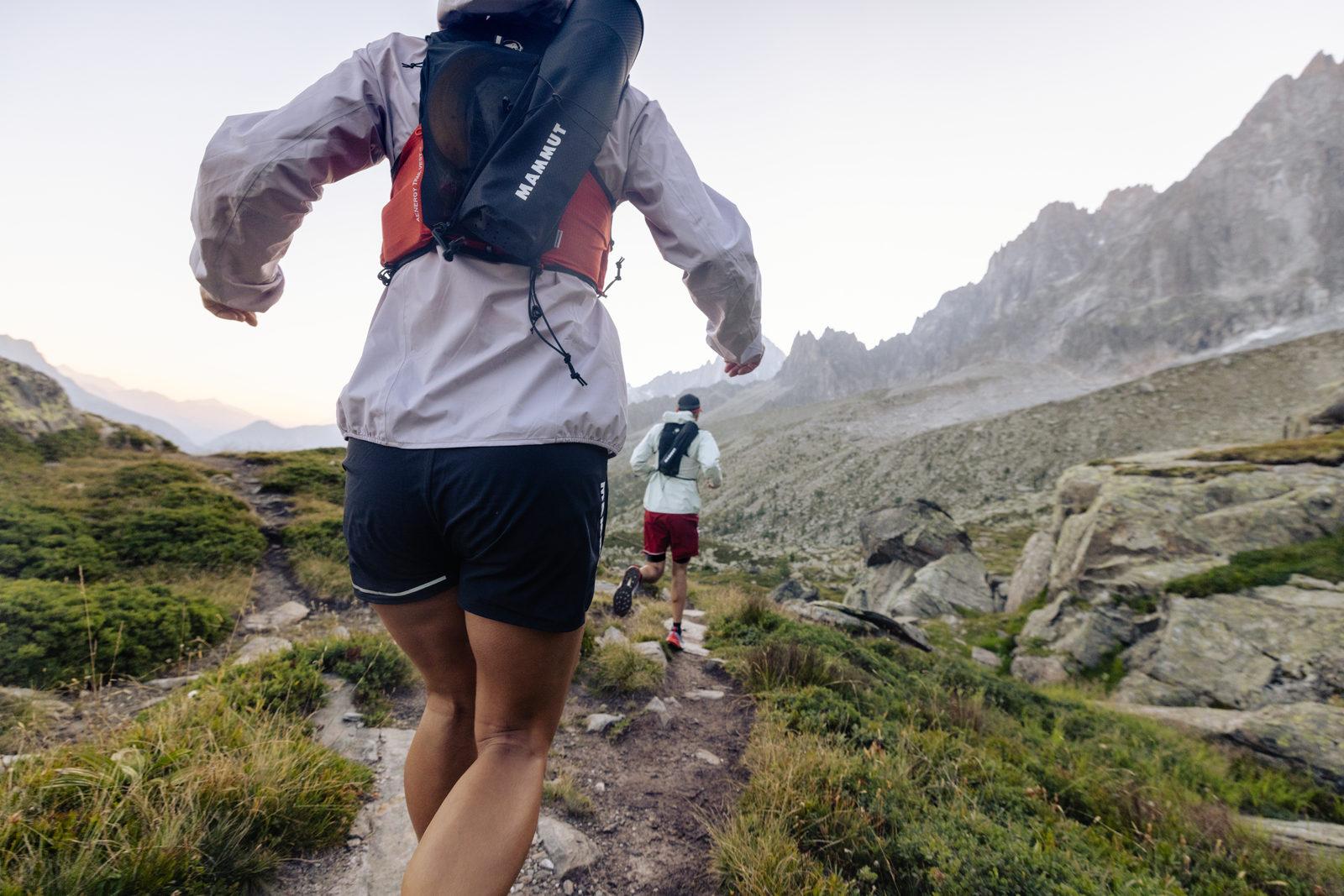
Roots, scree, steep climbs and unpredictable weather: when trail running, your feet are subjected to extreme conditions. Most runners invest a lot of time in choosing the right trail running shoes, which makes perfect sense. But between your foot and your shoe sits a piece of gear that matters just as much: your socks. What’s true for hiking applies even more so to trail running since it involves higher speeds, more strain on your feet and more dynamic movements. Here's why dedicated trail running socks make all the difference and what to look for when choosing them.
Why aren't regular running socks enough for trail running?
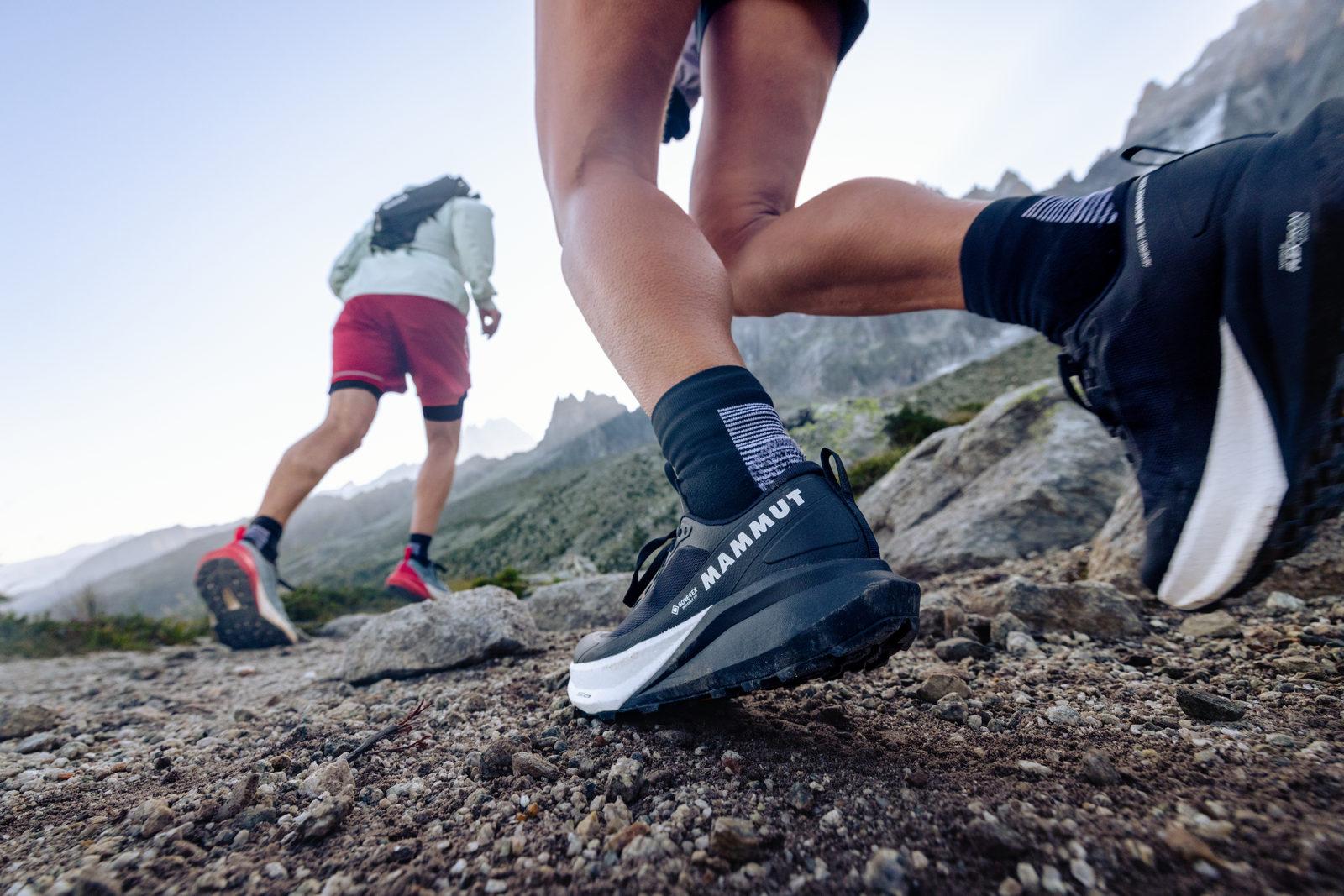
Compared to running on the road, trail running places entirely different demands on your gear . The terrain is constantly changing, your feet are put under stress in every direction and peak forces on descents or technical sections are high. Conventional running socks are designed for even surfaces and consistent movement patterns. But on the trail, they quickly reach their limits: they slip, offer little protection against friction at critical points and often don’t absorb moisture fast enough.
Many trail runners know the result all too well: blisters, pressure points, soaked feet or a poor grip in their trail running shoes . Trail running socks, on the other hand, are specifically designed to meet the demands of trail running. They fit snugly without constricting, provide strategic cushioning and efficiently wick away sweat even under intense effort. In short: they make the difference between a great run and a grueling one.

What to look for in trail running socks
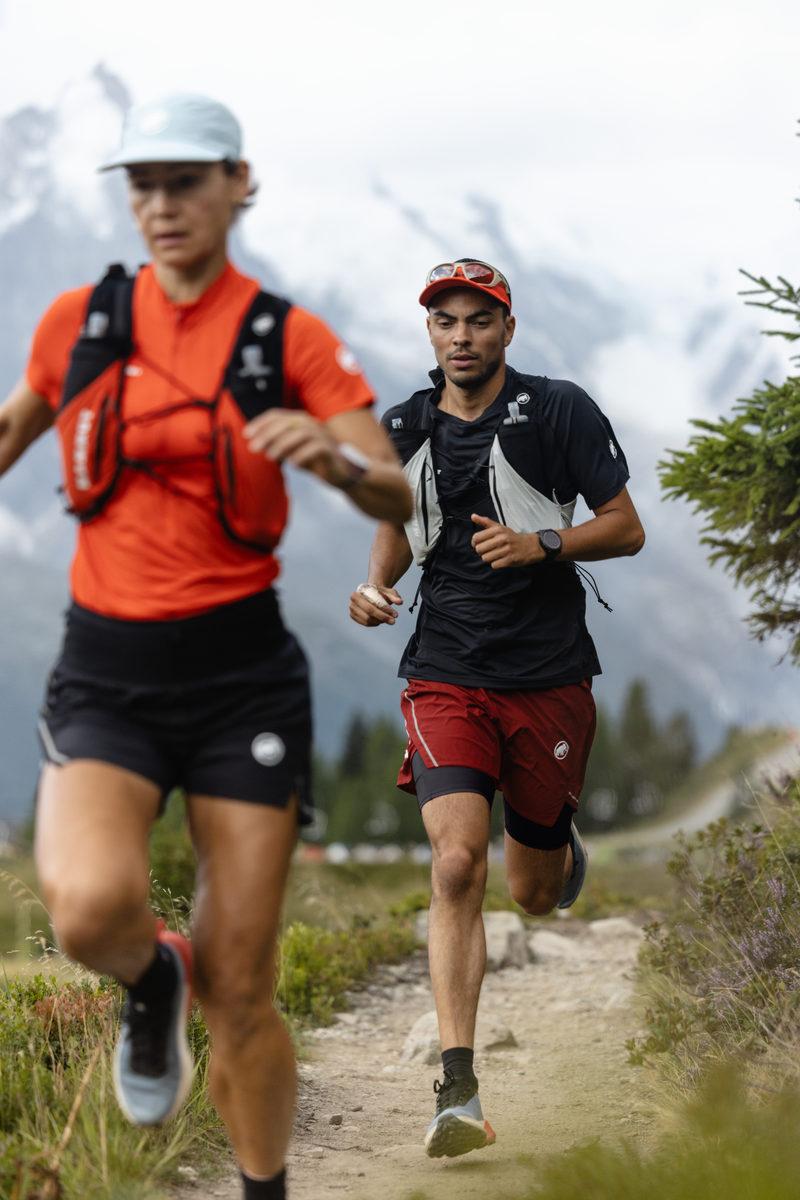
At first glance, trail running socks may not seem all that special but they are packed with technology. To help you find the right pair for your next trail run, it’s worth taking a closer look at the following features:
The right fit
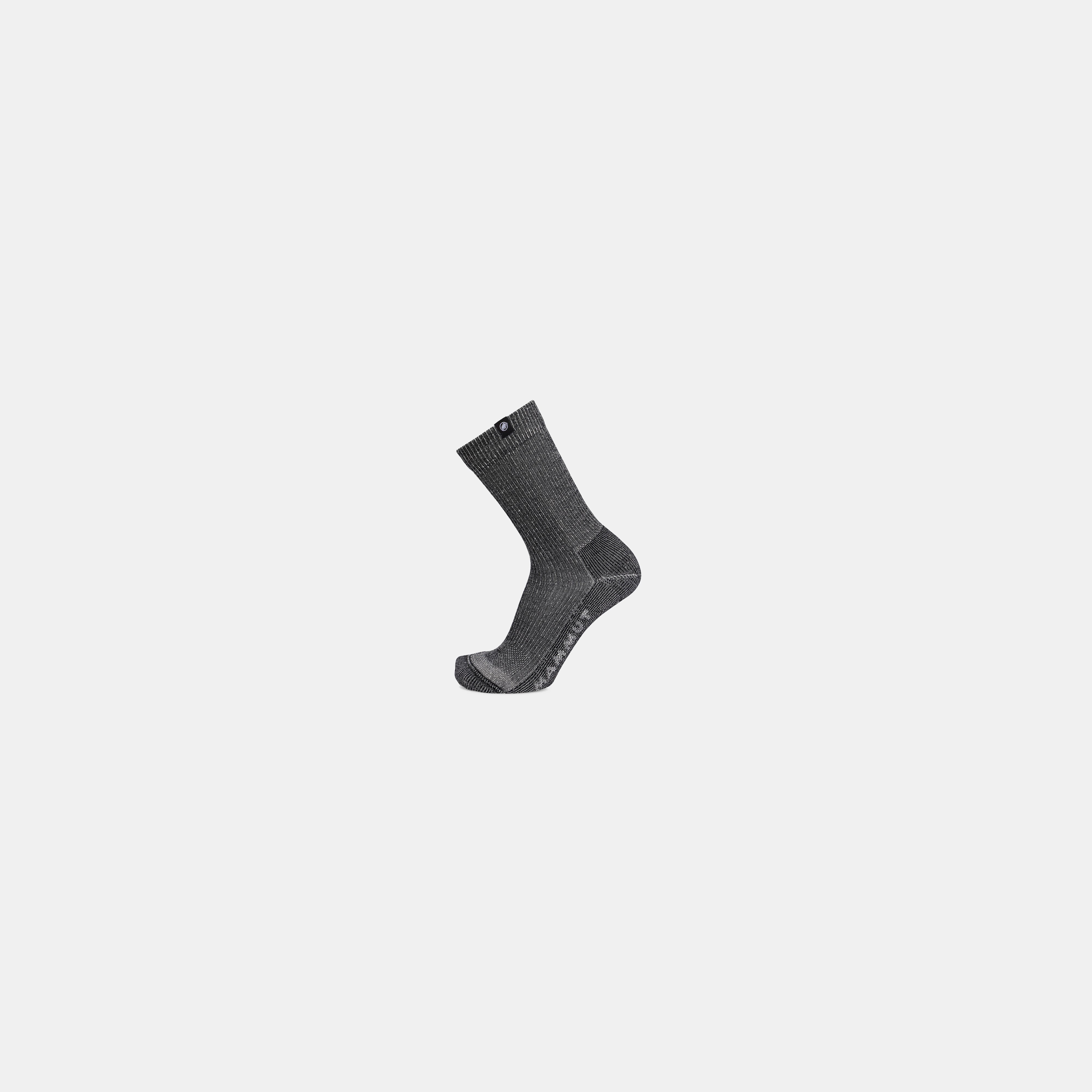
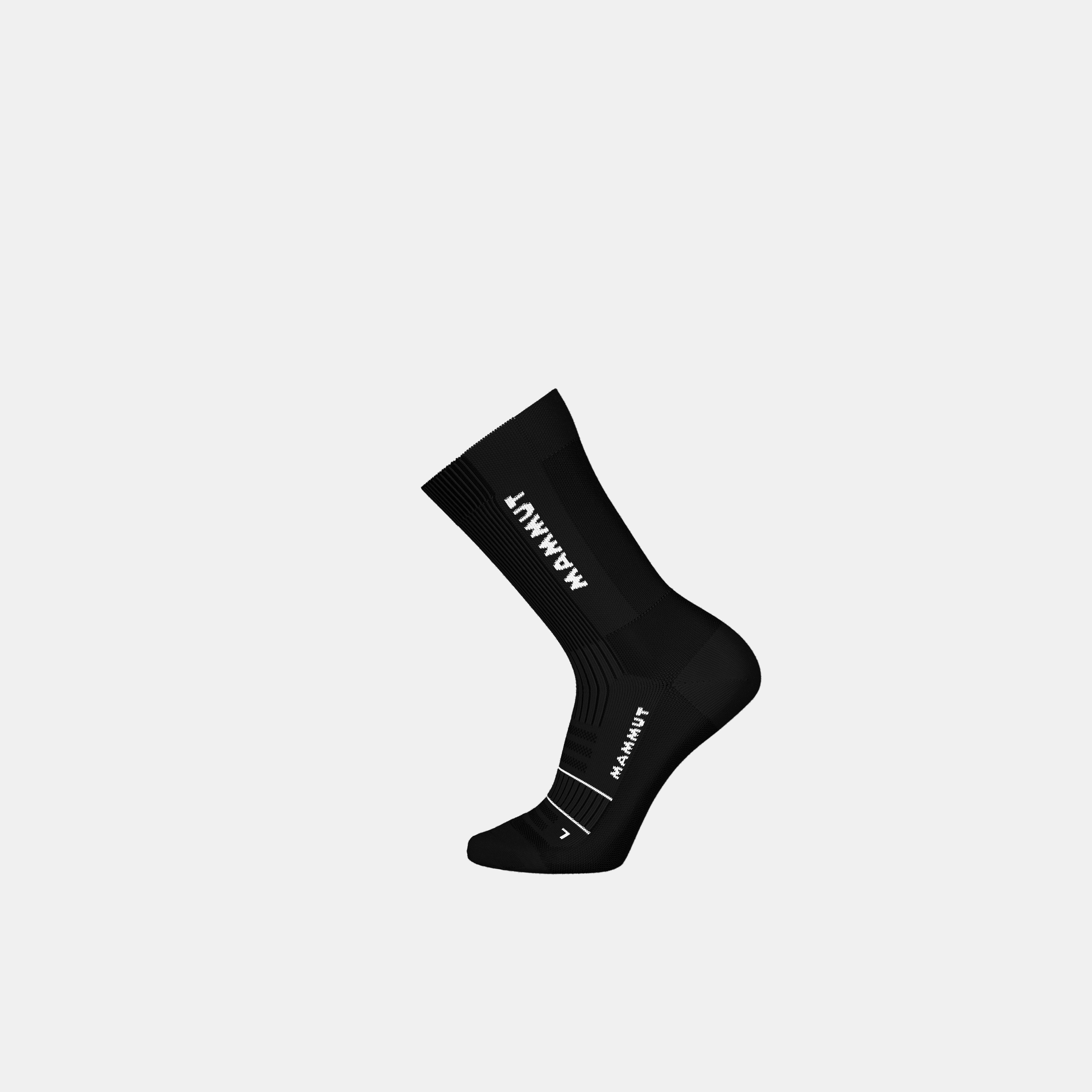
In trail running, every millimeter counts. A sock that slips or bunches up quickly becomes a problem on technical trails. Good trail running socks fit like a second skin and follow the shape of your feet precisely. Many models are anatomically shaped for the left and right foot, which reduces pressure points and noticeably improves support inside the shoe. Also, make sure the shaft height matches your shoes.
Cushioning and protection
Gravel, roots, steep climbs and descents – your feet need protection without the sock taking up too much room in your shoe. High-quality trail running socks use targeted cushioning zones on the heel, ball and toes. These zones absorb impact and reduce friction exactly where the load is highest when you are on the trail. Important to note: the cushioning should match the shoe. Trail running shoes with plenty of built-in cushioning call for thinner socks, while minimalist models benefit from a bit more padding.
Moisture management
Wet feet are your worst enemy on the trail. Moisture increases friction and with it the risk of blisters. Trail running socks need to wick sweat away from your feet quickly and ideally dry fast, in case you run through a stream or a puddle. Mesh panels in strategic areas provide additional ventilation and keep your feet comfortable even during intense climbs.
Flat seams
With the dynamic movements involved in trail running, even small seams can cause significant damage. Flat or seamless constructions in the toe area are therefore essential. They eliminate friction points and keep the sock comfortable even after many kilometers on the trail.



The right material for trail running socks
The choice of material has a major impact on how well your socks perform. As with hiking socks, there's no single perfect material. Instead, there are various options, each with their own strengths:
Merino wool
Merino wool has long proven itself in the outdoor sector – and for good reason. Its fine fibers can absorb up to a third of their own weight in moisture without feeling wet. Merino wool also regulates temperature, provides warmth and insulation even when damp and is naturally antibacterial. That means less odor, even after long runs. To prevent the wool from wearing out too quickly under heavy use, it is often blended with polyamide or nylon in high-quality trail running socks.
Tip: When buying merino products, look for high animal welfare standards. All Mammut merino products are sourced responsibly .
Synthetic
Synthetic fibers such as polyester or polyamide score with very fast drying and high durability. They wick moisture efficiently away from the foot and retain their shape even under heavy use. For intense runs in warm weather or races where every ounce counts, pure synthetic socks are an excellent choice. In addition, synthetics can be made from recycled materials, which can reduce the environmental footprint.
Blends
Combining merino wool with synthetic fibres brings together the best of both worlds: the comfort and odor resistance of wool with the durability and fast drying of synthetics. Blends like these are versatile and suitable for both short speed runs and long trail running trips in the mountains. Some models add elastane for light compression, which supports blood circulation and helps relieve tired legs.
What else you need for the trail
Socks are a key part of the setup, but of course they are only one piece of the puzzle. To ensure you’re properly equipped for the trail, it's worth choosing the following items of gear with equal care:
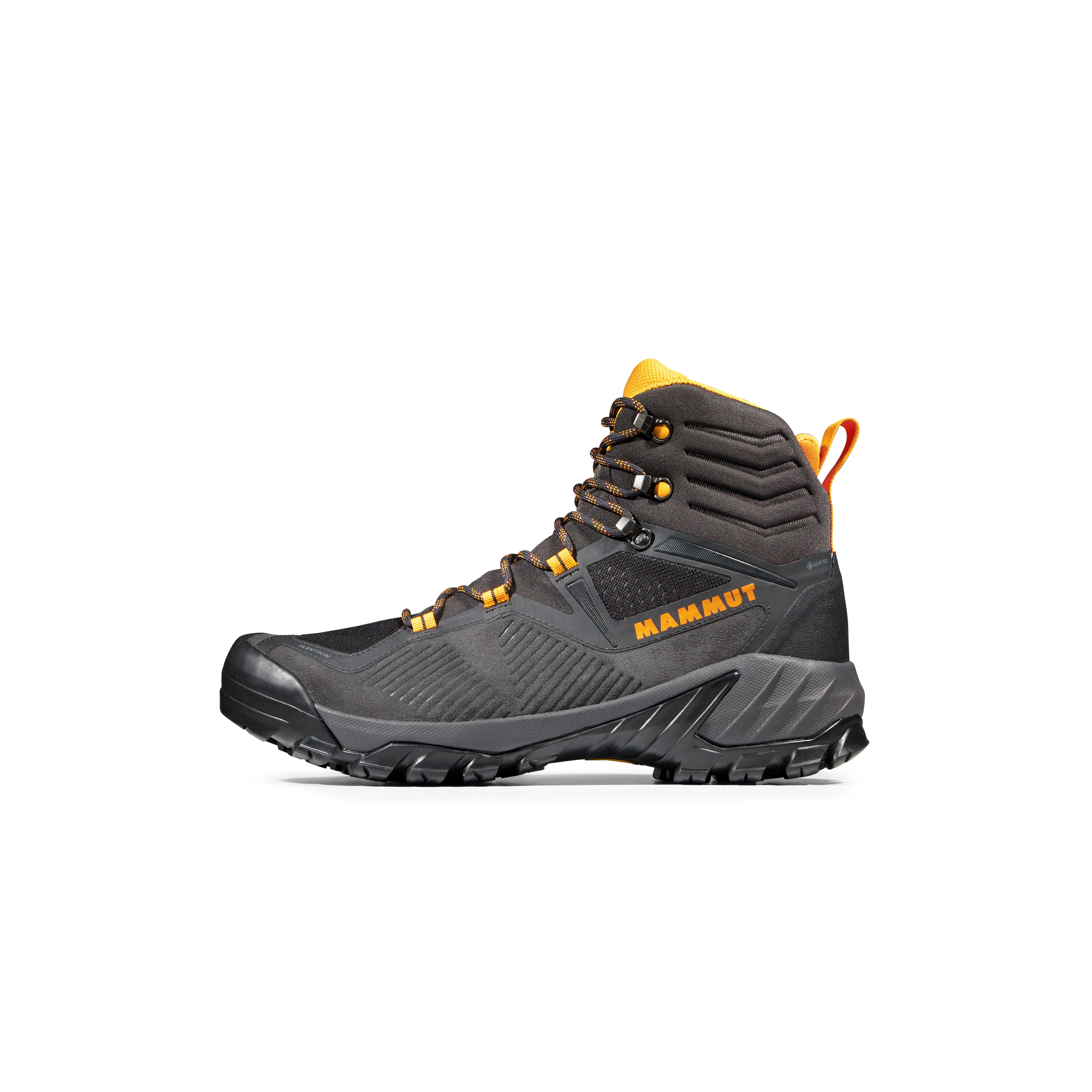
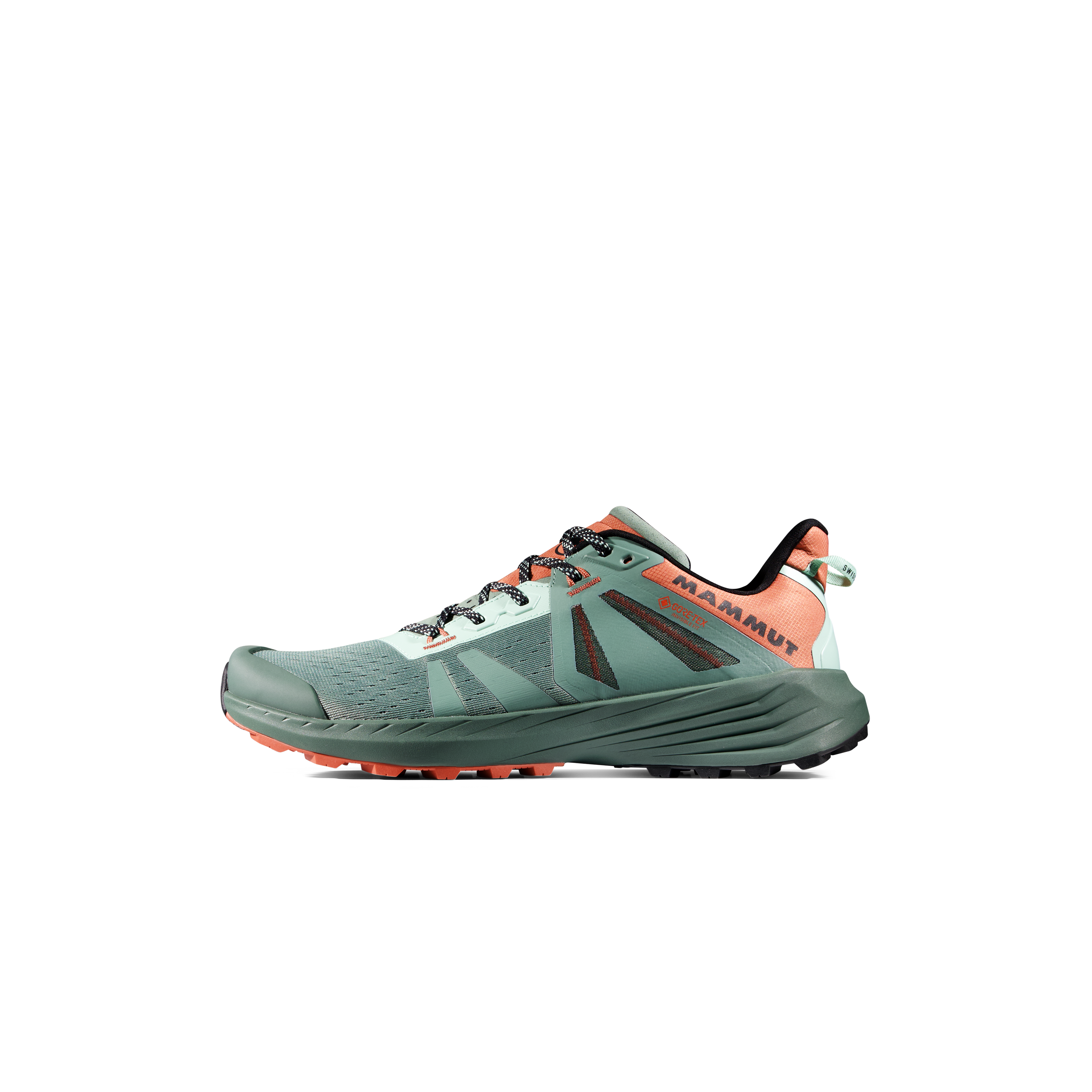
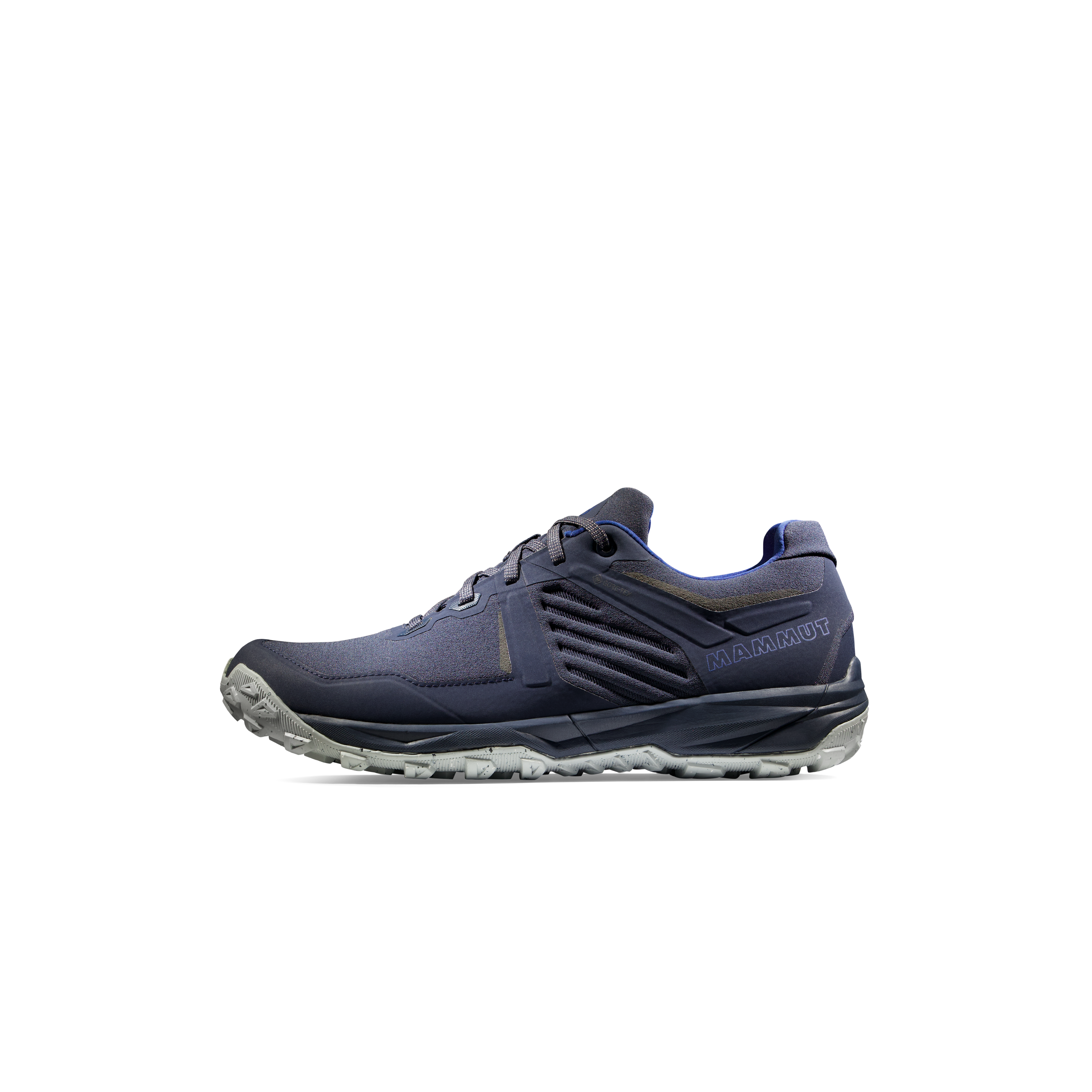
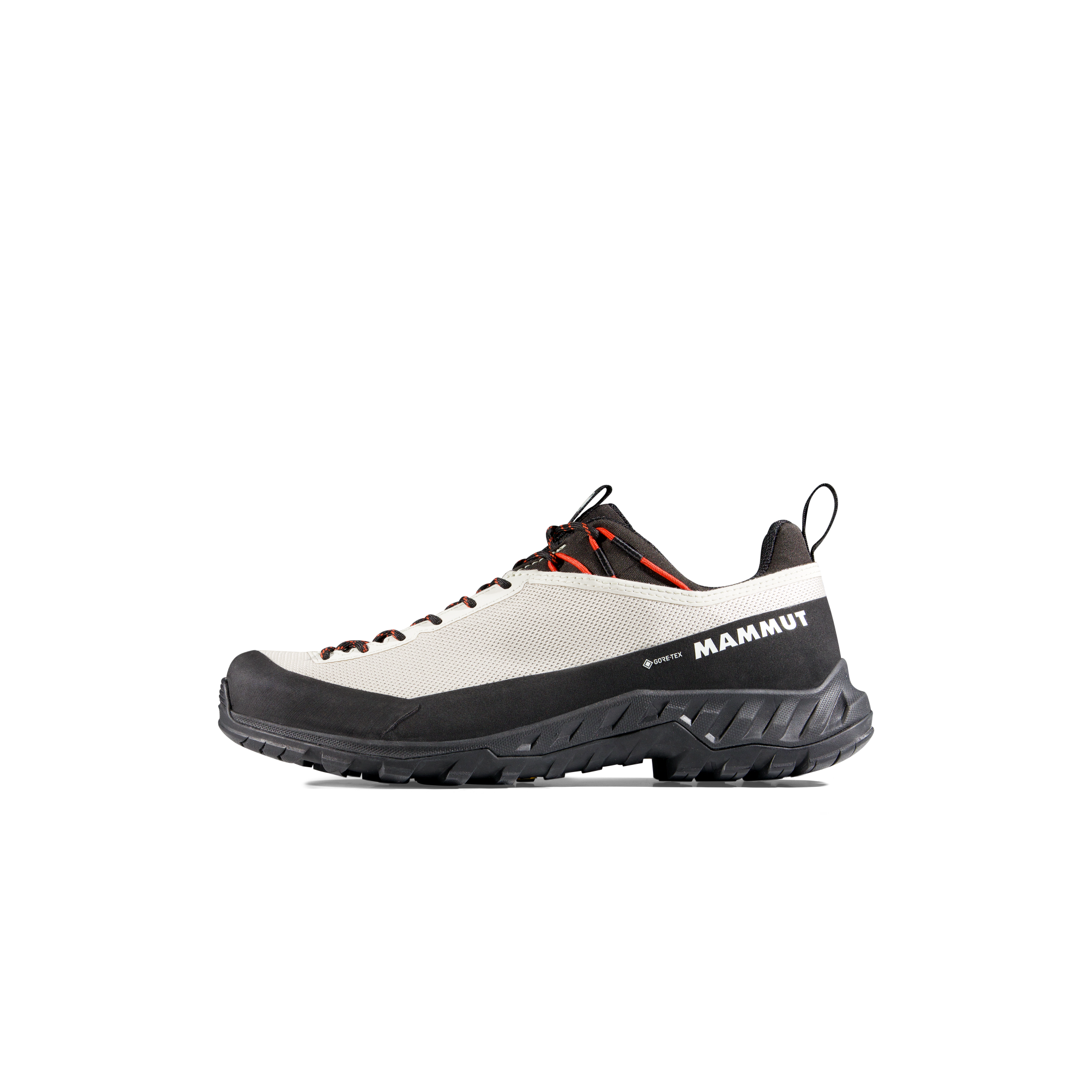
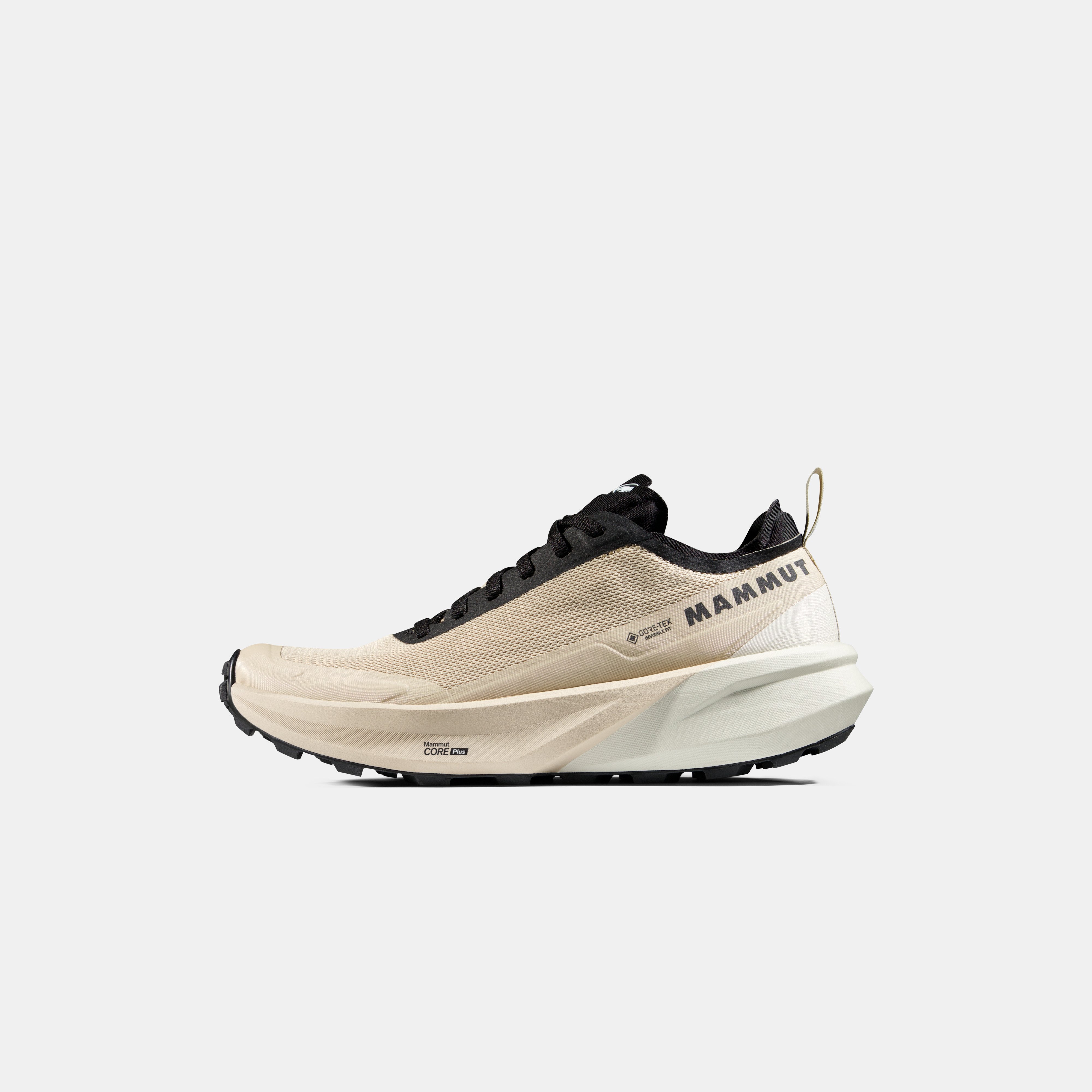
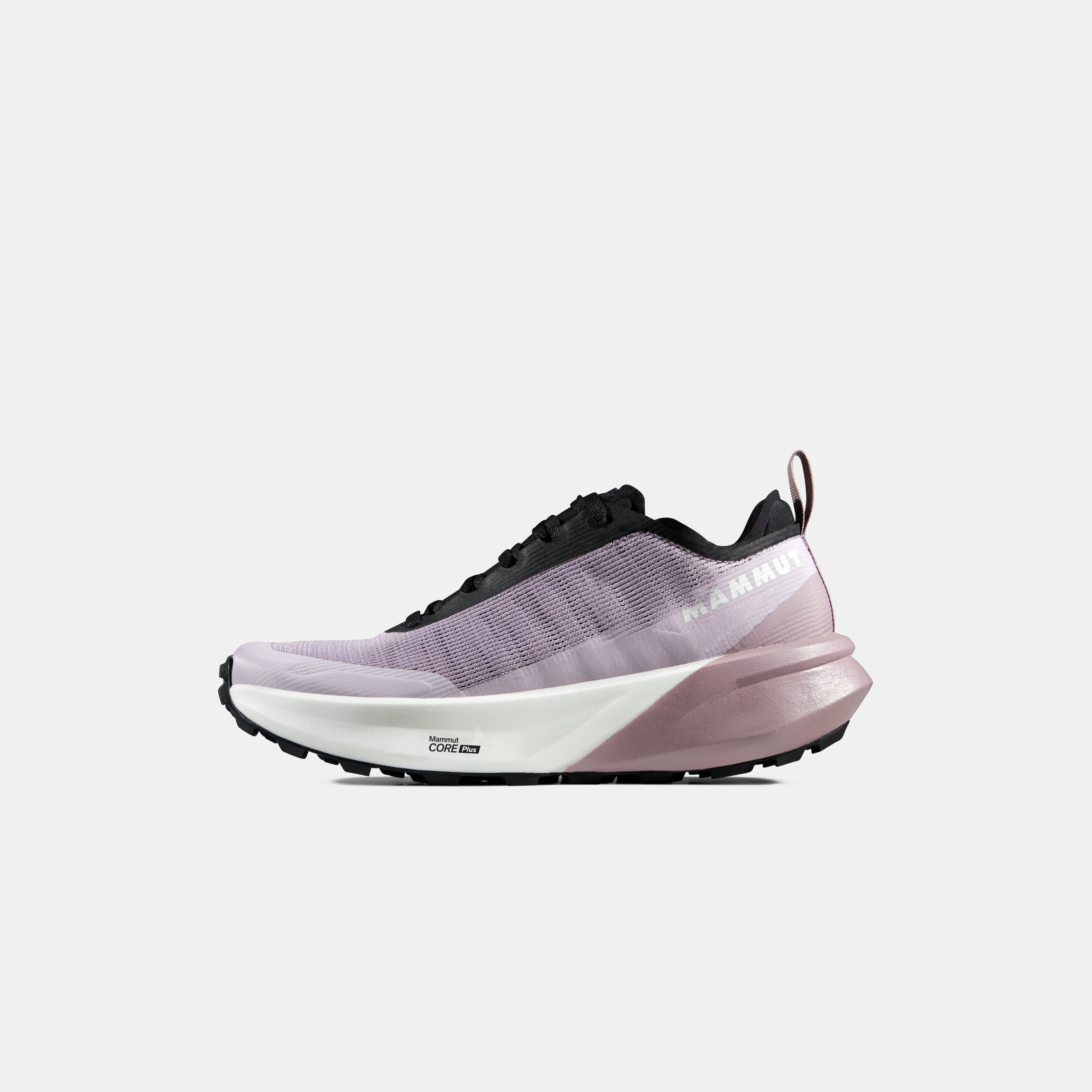
Trail running shoes : These are the foundation for grip, stability and protection on the trail and should match your preferred terrain – whether that's technical alpine trails or flowing forest paths. Our guide to trail running shoes covers everything you need to know about materials, outsoles and fit.
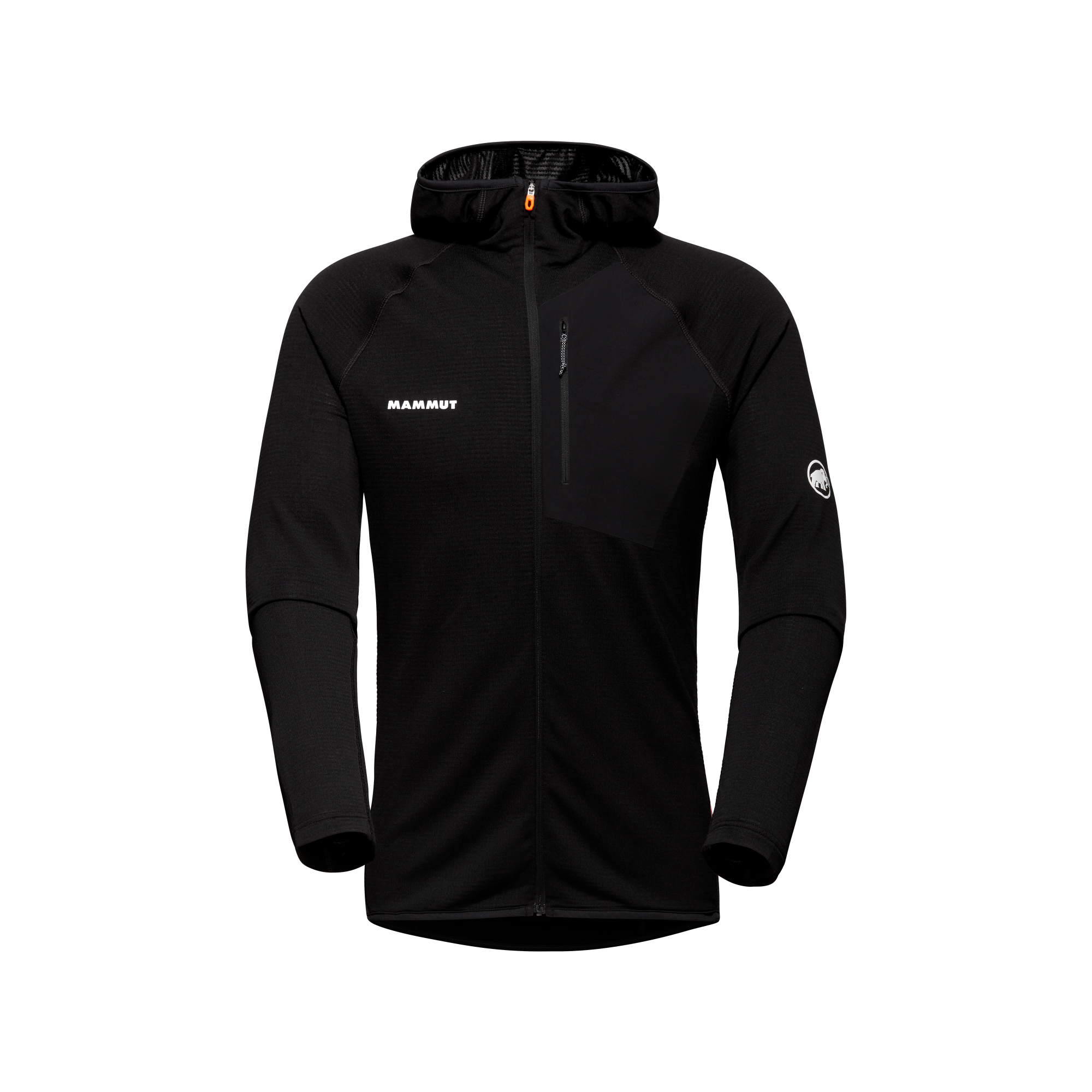
Technical clothing : Breathable shirts and shorts , along with an ultralight weather-resistant jacket , keep you comfortable even in changing conditions.
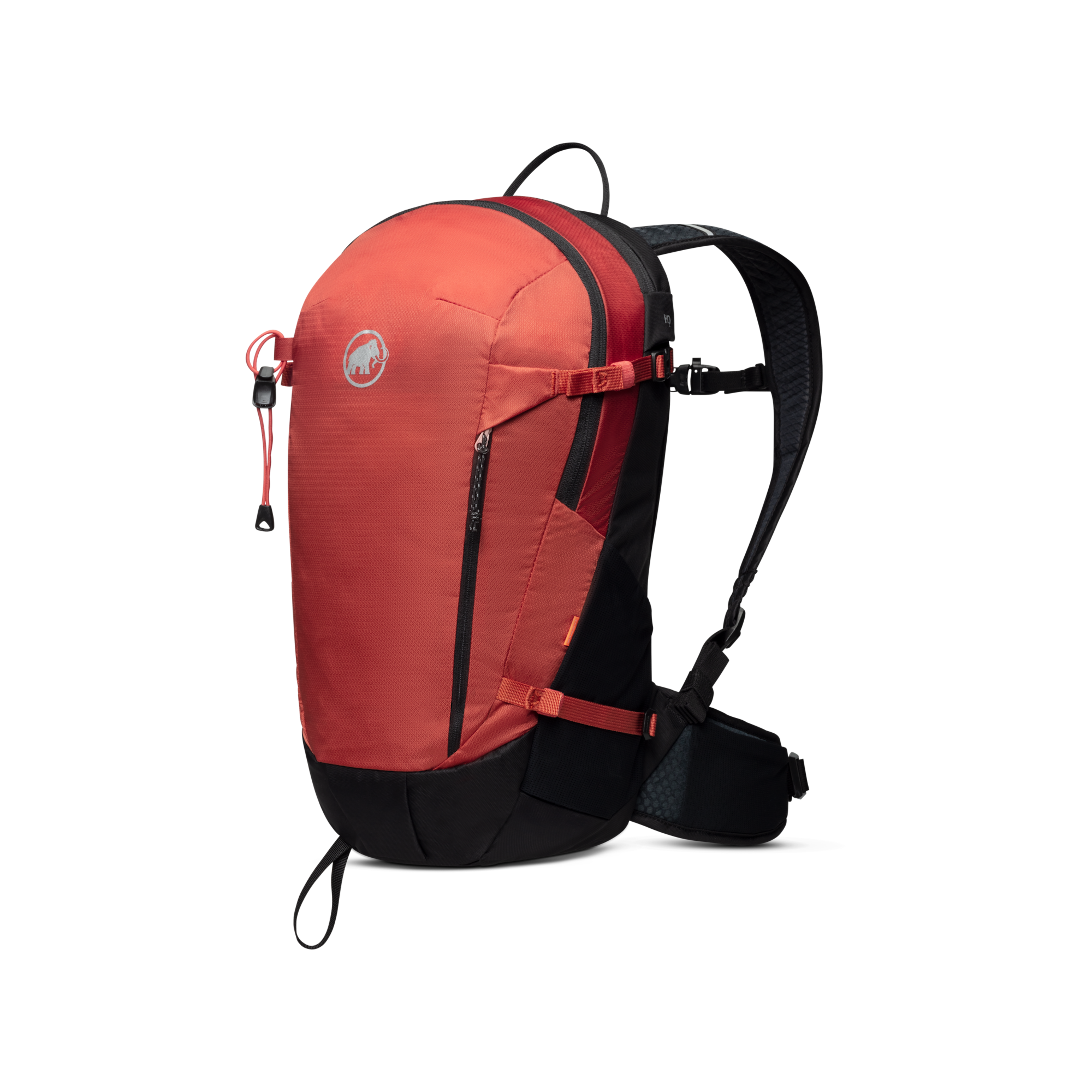
Trail running backpack with hydration system: Essential for longer tours, so water, food and emergency kit stay within easy reach.
Accessories : A cap or visor, headband and, depending on the conditions, lightweight gloves complete your setup and protect you from the sun, wind and cold.
Ready for the next trail
As you can see, the right socks do more than you might expect at first. They prevent blisters, keep your feet cool and dry, improve the hold inside your shoe and help you feel comfortable even on demanding trails. Those who match their socks to their shoe, terrain and conditions will not only run more comfortably, but also more safely and with greater joy.
You'll find more on trail running in our Mammut Stories & Guides , from tips for running in winter to choosing the right trail running backpack and what actually sets hardshells apart from softshells . That way, you're not only perfectly equipped but also well informed – from start to finish.
FAQs on trail running socks
Are trail running socks worth it?
Yes, definitely. Trail running socks are specifically built for the demands of off-road terrain: they help prevent blisters, manage moisture efficiently, provide targeted cushioning and keep your foot securely in place inside the shoe.
Why do trail runners wear long socks?
Long socks provide extra protection against scratches from branches, rocks or dense undergrowth and keep your calves warm in cooler conditions. They also stop small stones and dirt from getting into your shoe from above, especially when combined with gaiters.
What kind of socks for trail running shoes?
It’s best to go for dedicated trail running socks made of merino wool, synthetics or a blend. What matters is a snug fit, targeted cushioning zones, flat seams and effective moisture management. Shaft height should match the height of your trail running shoes – quarter socks work well with most low-cut models.
What's the difference between trail running socks and hiking socks?
Trail running socks are generally thinner, lighter and cut closer to the foot than hiking socks. They are built for the dynamic movement and higher intensity of running, while hiking socks are designed for lasting comfort at a moderate pace.
Should I wear compression socks for trail running?
Socks with light compression can support blood circulation and reduce that feeling of heavy legs. On longer runs or routes with significant elevation, this can help improve comfort and aid recovery.