


Bouldering Gear Essentials » What You Really Need
01/26

Bouldering is a hugely popular and versatile sport where you're climbing without ropes at heights you can jump from – either on a rock or in the gym. Your gear setup makes all the difference for staying safe, climbing comfortably, and actually having fun. When you've got the right essentials, you climb more safely and can zero in on your movement instead of worrying about your setup. In this post we will explain what needs to be on your bouldering checklist: from absolute essentials like climbing shoes and crash pads to handy extras for both gym and outdoor sessions.
Bouldering for Beginners: What You Actually Need
Getting started with gym bouldering requires surprisingly little equipment. Most important is a proper pair of climbing shoes that give you a solid grip on holds – most gyms let you rent these if needed. Chalk, ideally kept in a chalk bag, keeps your hands dry and thus noticeably improves your grip. Comfortable, flexible clothing that allows you to move freely rounds off the minimalist setup. Safety mats are already there in the gym, so you can focus entirely on your first climbing attempts.
Outdoor bouldering somewhat expands the gear list. Crash pads become essential here for cushioning falls. You'll also need weather-appropriate clothing for changing conditions. A bouldering guidebook helps locate problems and check their difficulty scales.
Equipment for Bouldering
The following gear forms the basis for every bouldering session – regardless of whether you are climbing in the gym or on the rock:
Climbing Shoes: Your Most Important Piece of Gear
A pair of well-fitting climbing shoes provides optimal grip and allows for precise footwork. Proper fit is critical: shoes should be snug without being painfully tight, since you need to stand precisely on tiny footholds.
Beginners should go with symmetrical models without downturn that work in many situations and stay comfortable. Advanced boulderers often go for more "aggressive" shoes. This is where asymmetry (= feet get rotated inward by the shoe), camber (= visible when you bend the shoe, improves performance on small holds), and downturn (= toe is angled significantly downward, shaping the forefoot) come into play. Serious boulderers usually own different shoes for different situations.
Chalk and Chalk Bag
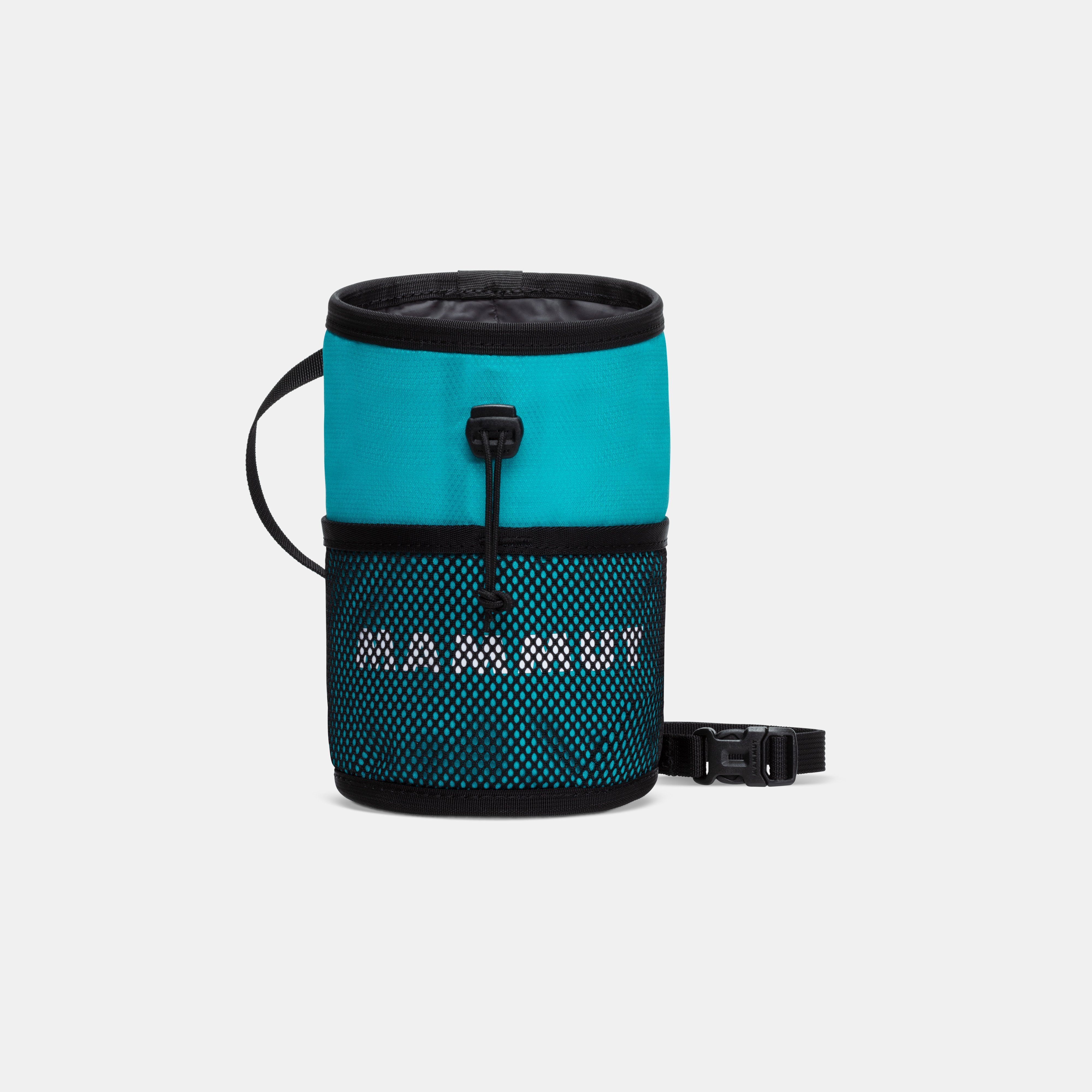
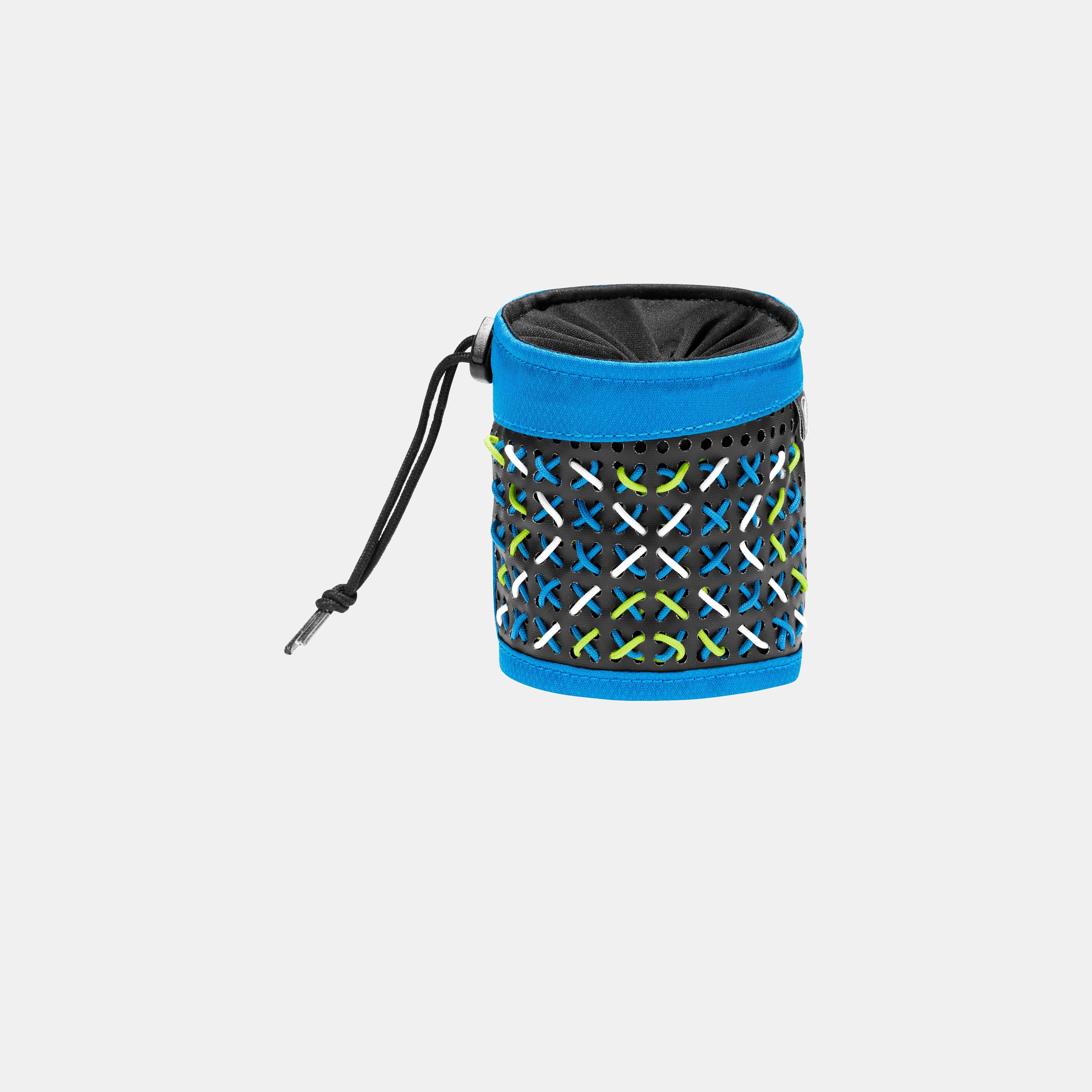
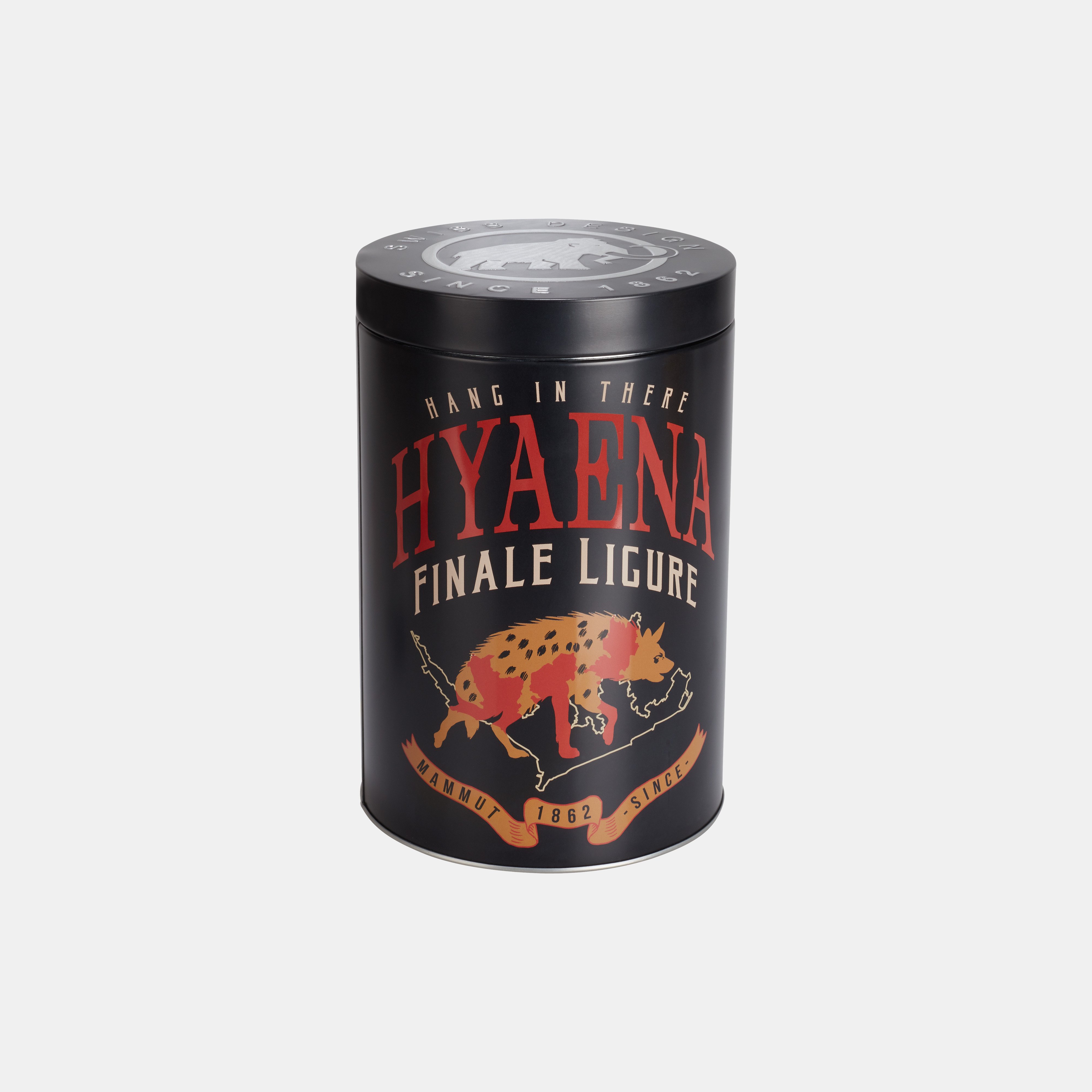
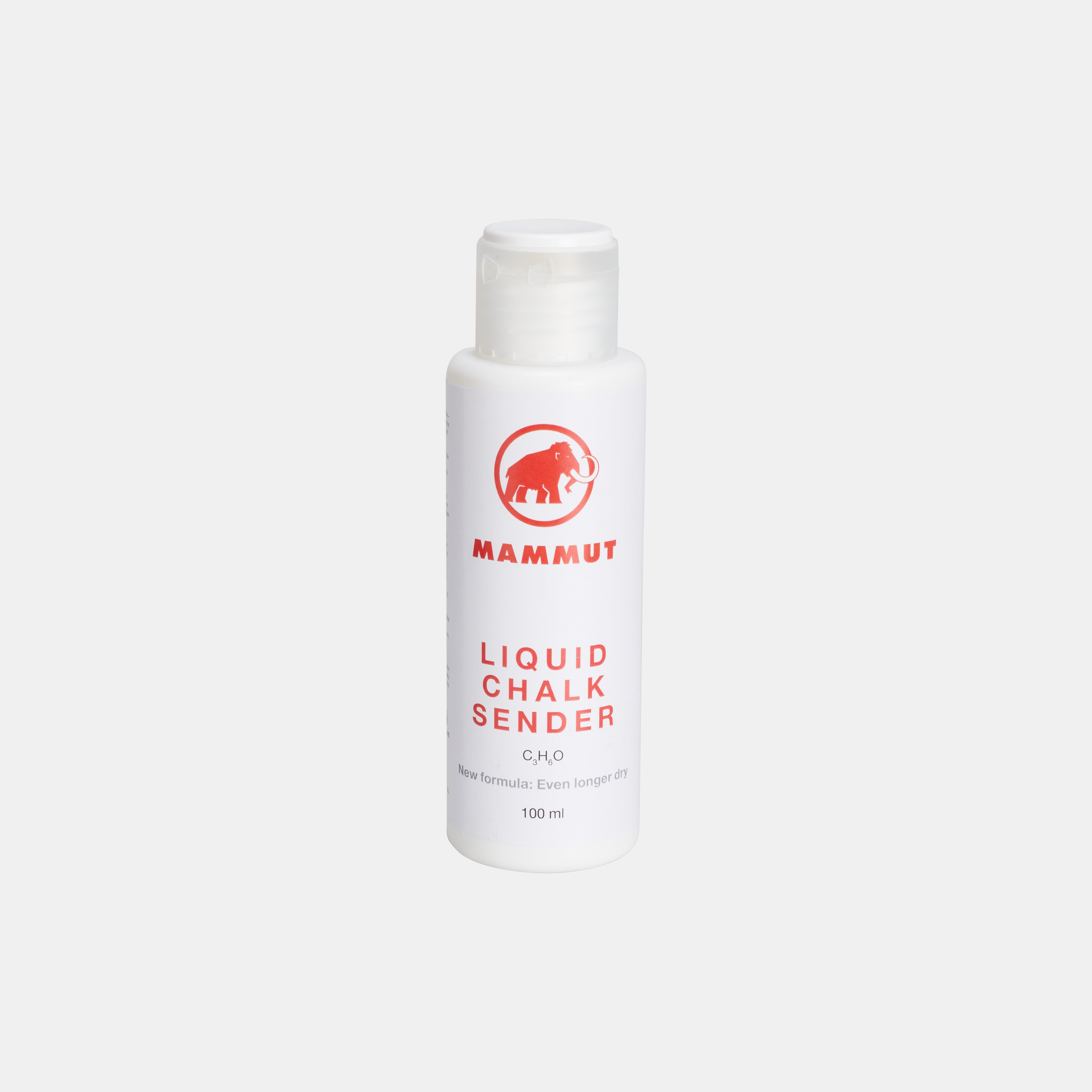
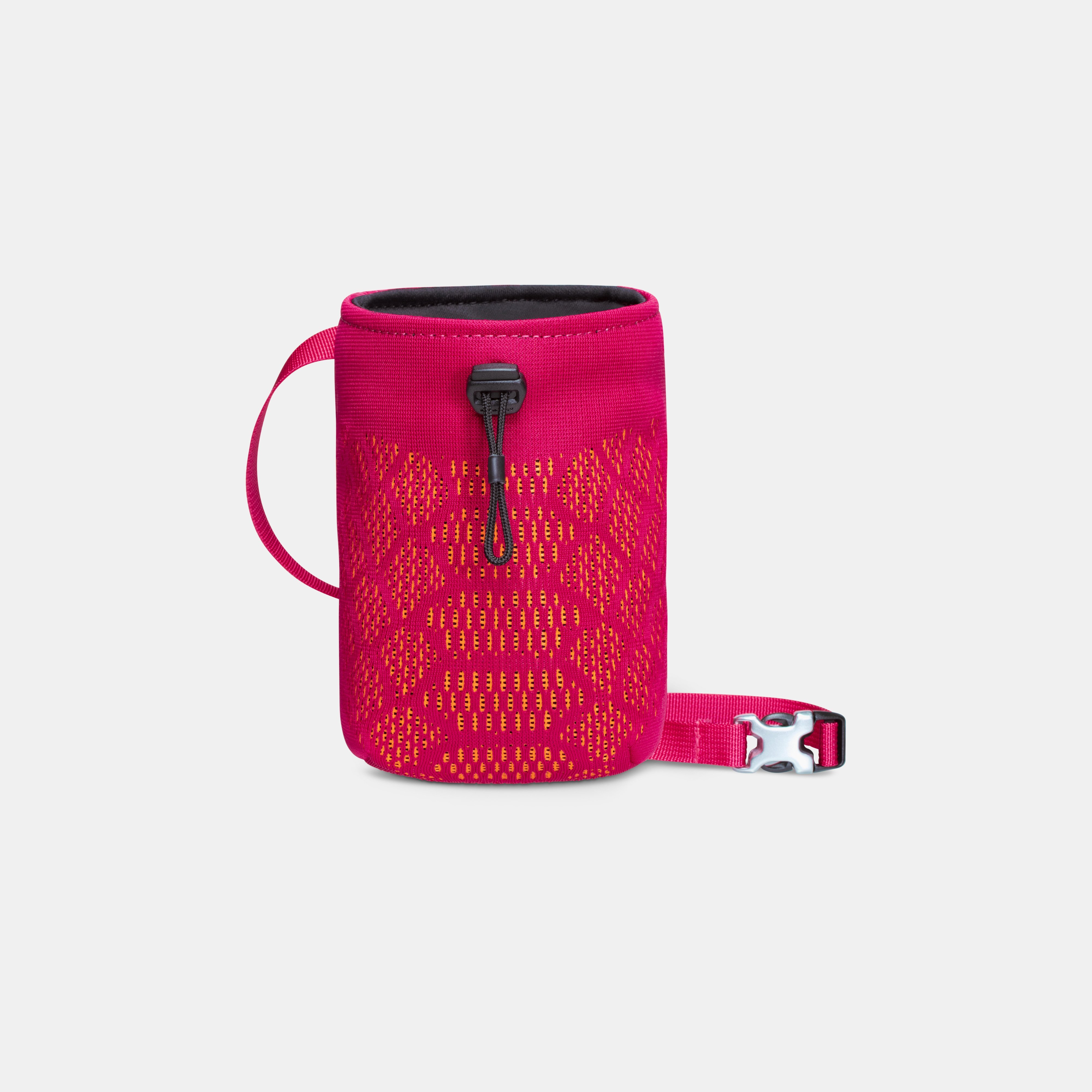
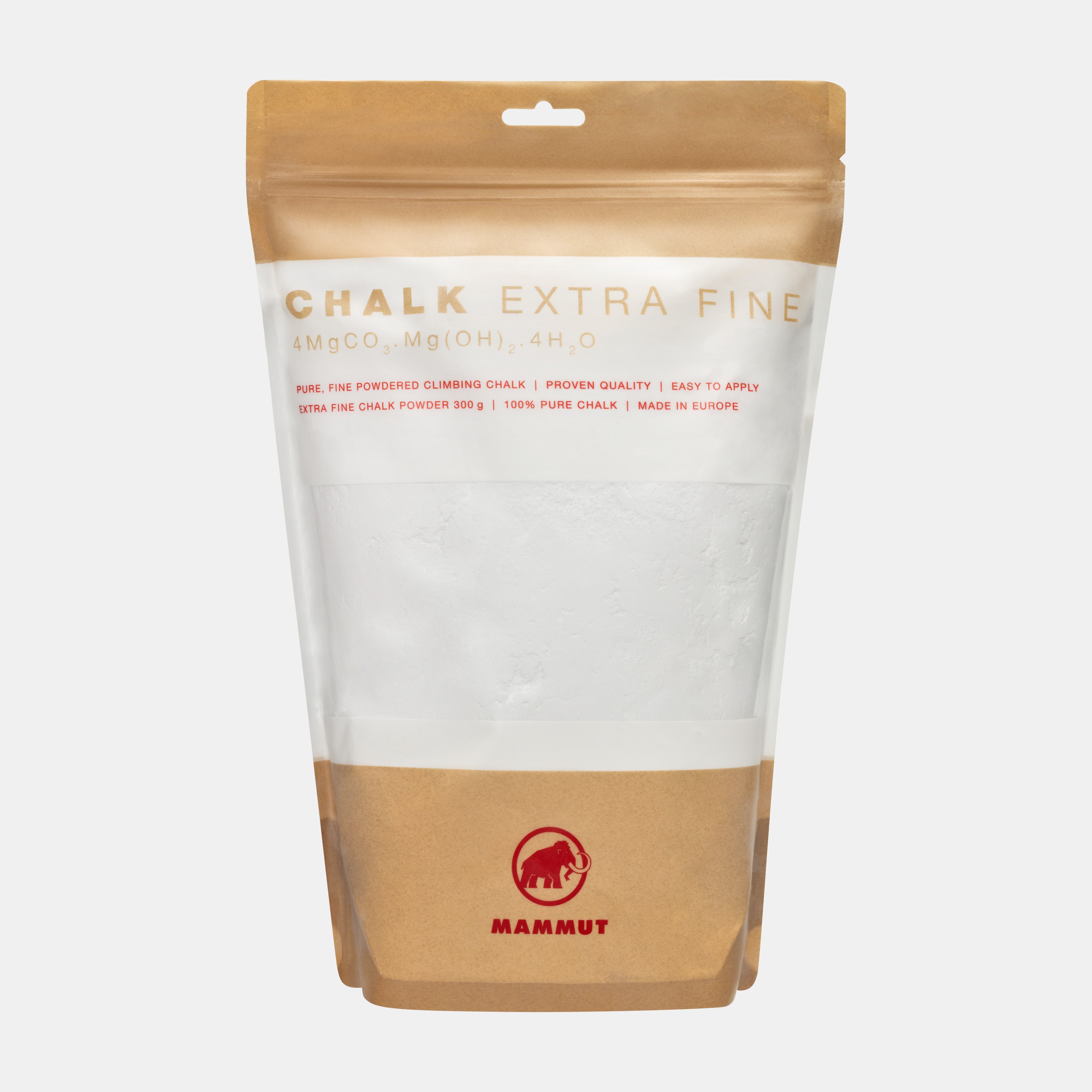
Chalk is essential to keep your hands dry and improve the grip on rock and holds. The white magnesium carbonate powder absorbs sweat and moisture, giving you a noticeably better grip. A chalk bag keeps it accessible at all times.
Hands get sweaty fast, especially on demanding sequences or longer bouldering sessions, which can cause slipping. Chalk doesn't just improve your grip – it also provides psychological security. That familiar feeling of dry hands boosts confidence in difficult sections. Chalk comes in different forms, each with its pros and cons. Chalk blocks last a long time and break down nicely, loose chalk is ready to use immediately and consistently fine, while liquid chalk lasts longer and creates less dust – perfect for sensitive airways or dust-restricted gym areas. For more details on different chalk types and to find out which one works for you, check out our guide to buying chalk .
Tip: When bouldering outdoors, check whether chalk is allowed in the area. Some rock types get damaged by it, and therefore use is often prohibited.

Boulder Crash Pad
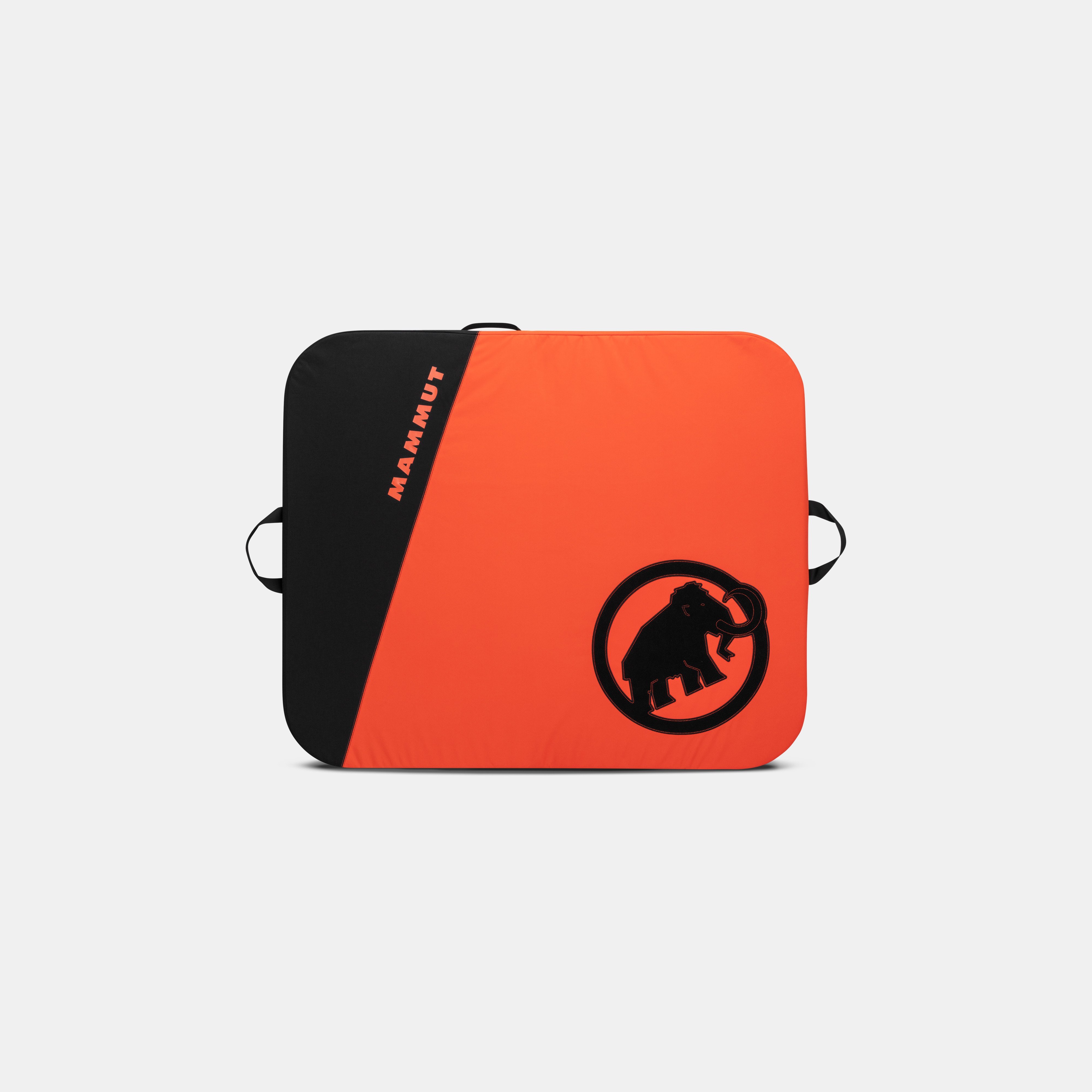
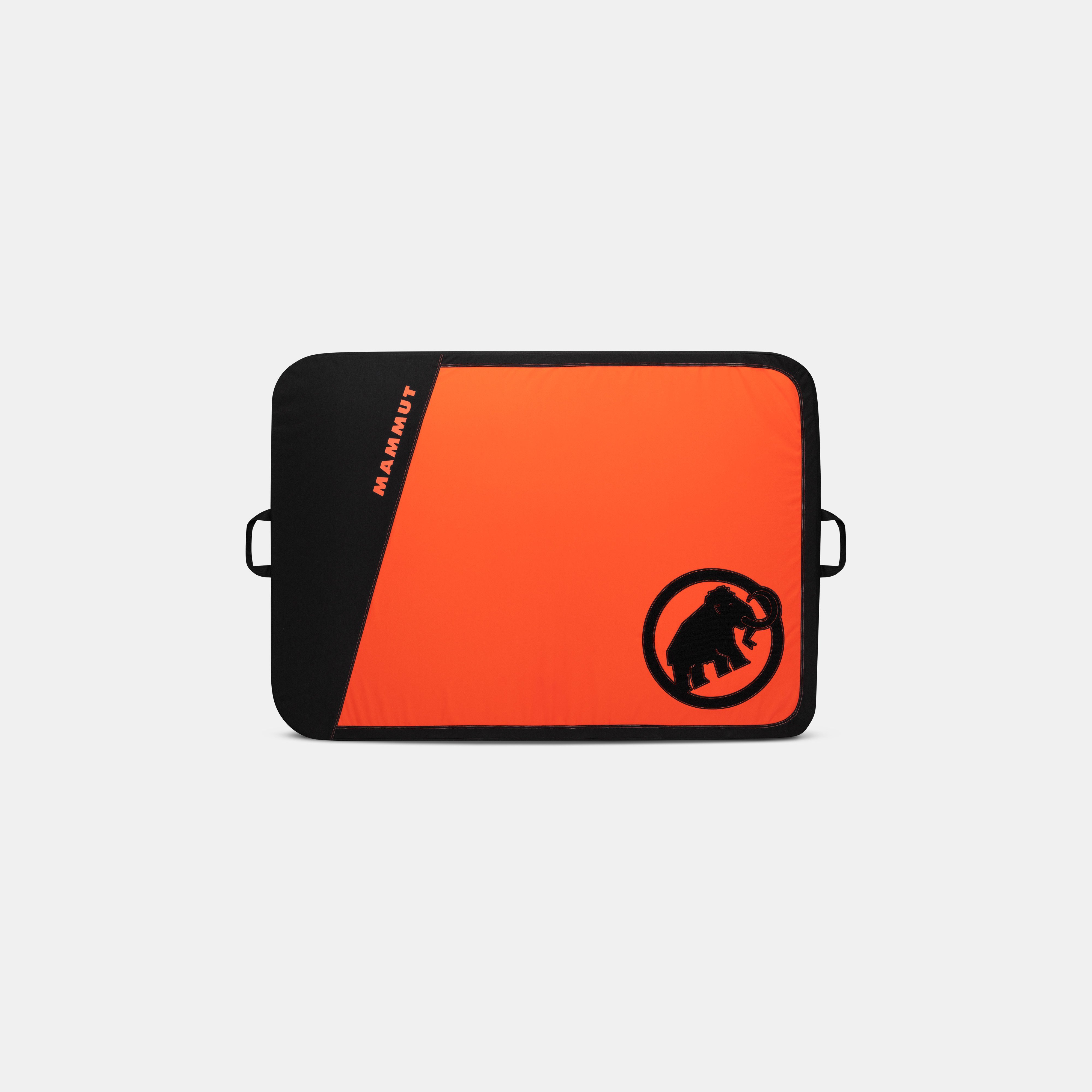
Crash pads are essential for staying safe when bouldering outdoors as they cushion falls and help prevent injuries. When downclimbing isn't an option, you're jumping off and landing on the ground. A well-placed crash pad can be what separates a harmless fall from a serious injury.
Crash pads come in different sizes, from compact models for easy transport to large-format versions for maximum protection. For padding, Mammut uses various foam combinations: a soft top layer for initial impact and a firmer bottom layer for stability and even distribution of force.
Depending on the bouldering area, bringing multiple crash pads makes sense to properly protect the landing zone. When buying, look for a practical carrying system and compatibility with other crash pads. Ideally, several people in your crew bring pads so you can link them together.
Bouldering Apparel
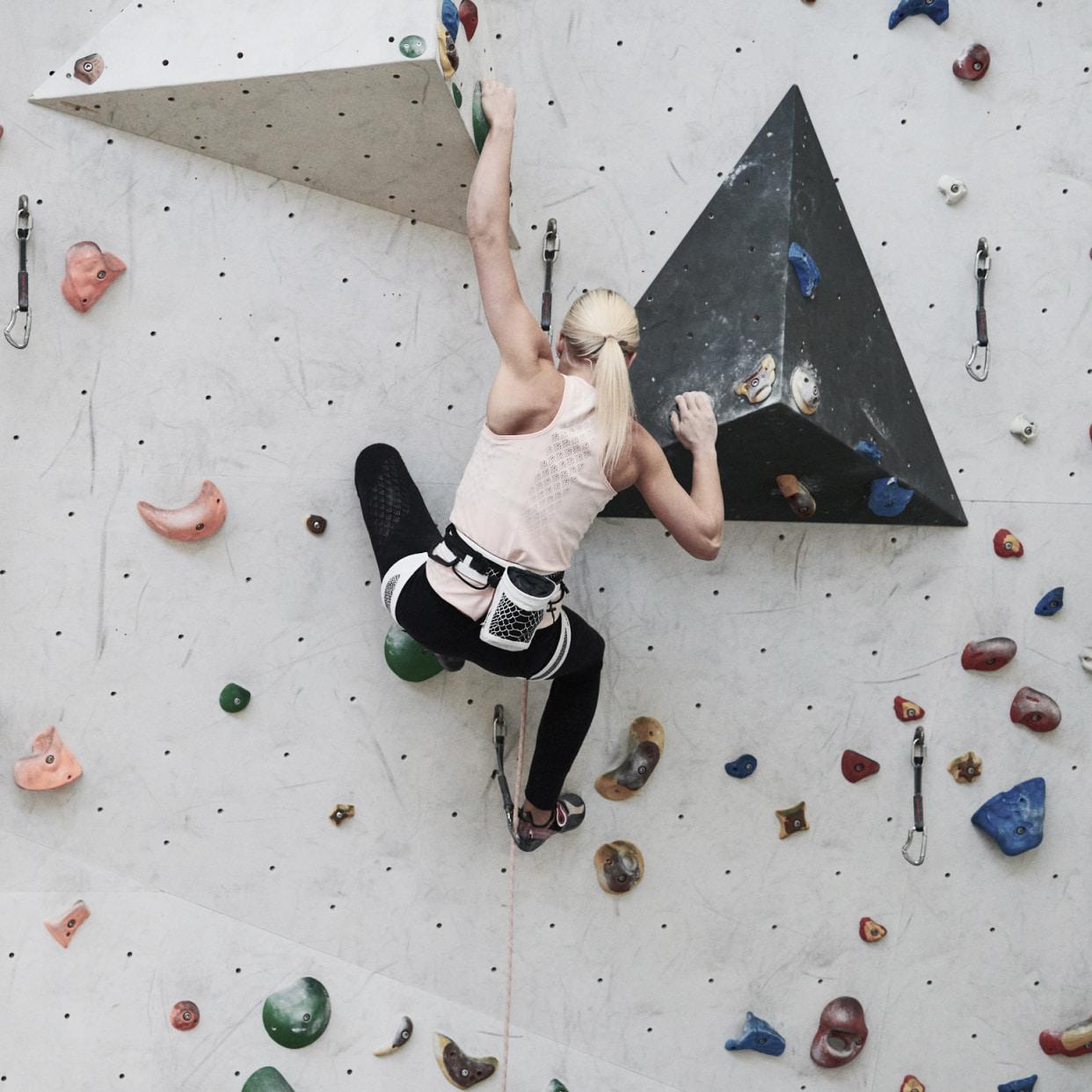
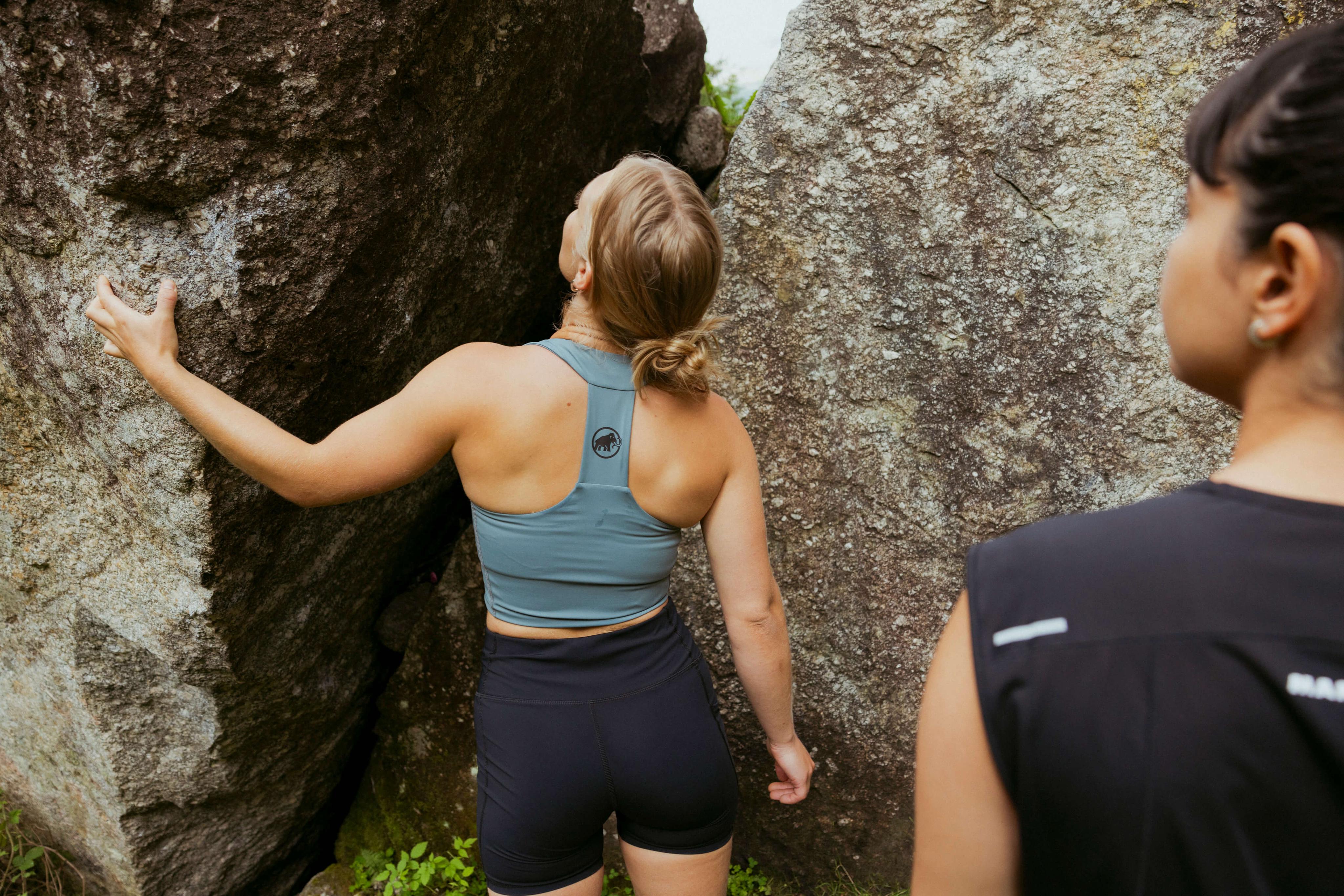
Proper clothing is an important part of your bouldering setup and significantly contributes to comfort and freedom of movement. Bouldering involves extreme body positions and dynamic movement, which means your clothes need to be both flexible and durable. Proper climbing pants allow for unrestricted movement while climbing. They should stretch, especially around the crotch and knees. Climbing pants can be especially helpful outdoors because of rough rocks – their tough fabric offers more protection. In gyms though, most people go with athletic shorts or tights for bouldering, with climbing-specific tights also available. For tops, fitted, stretchy shirts work best since they won't catch on holds while still allowing movement.
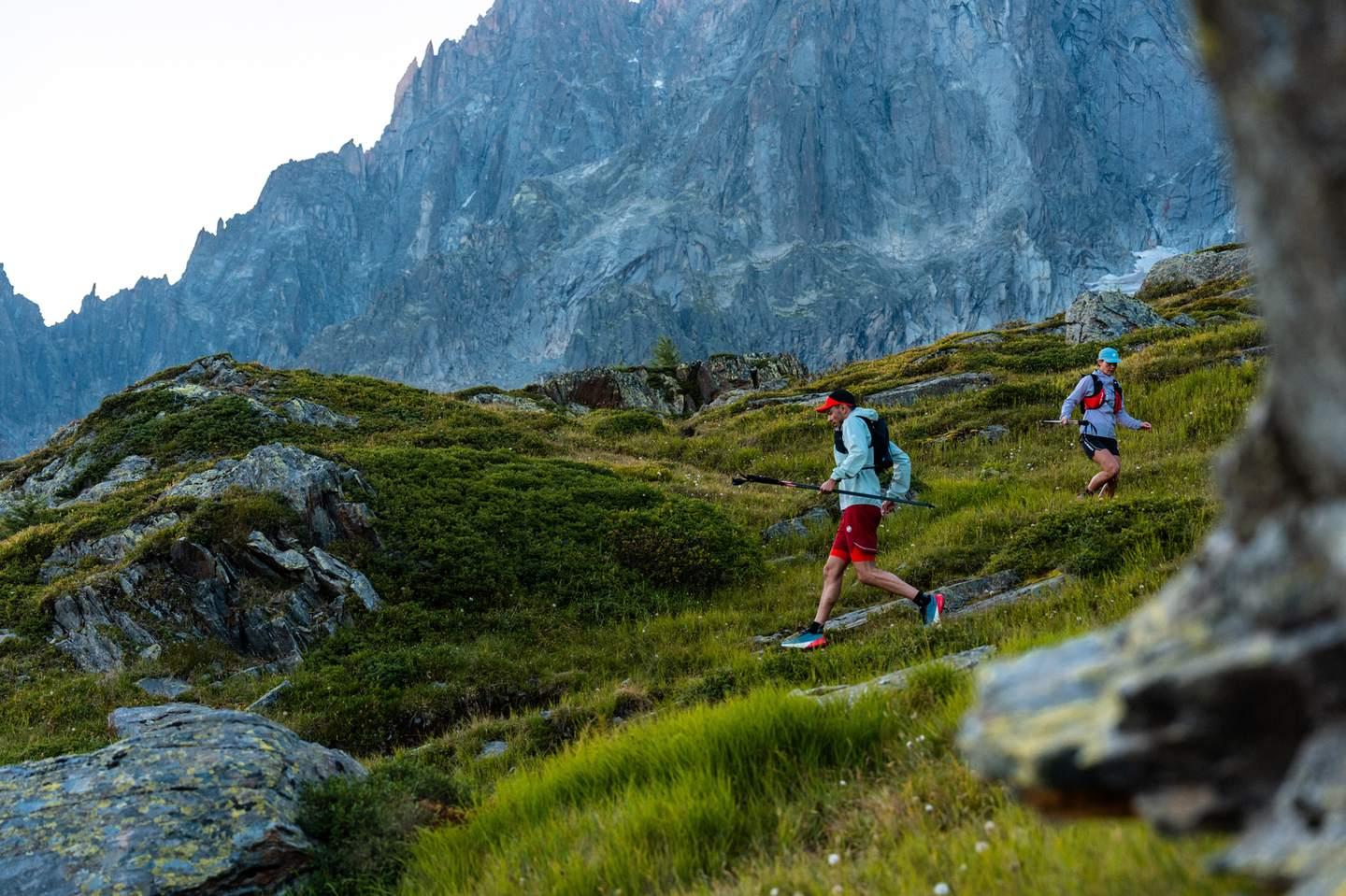
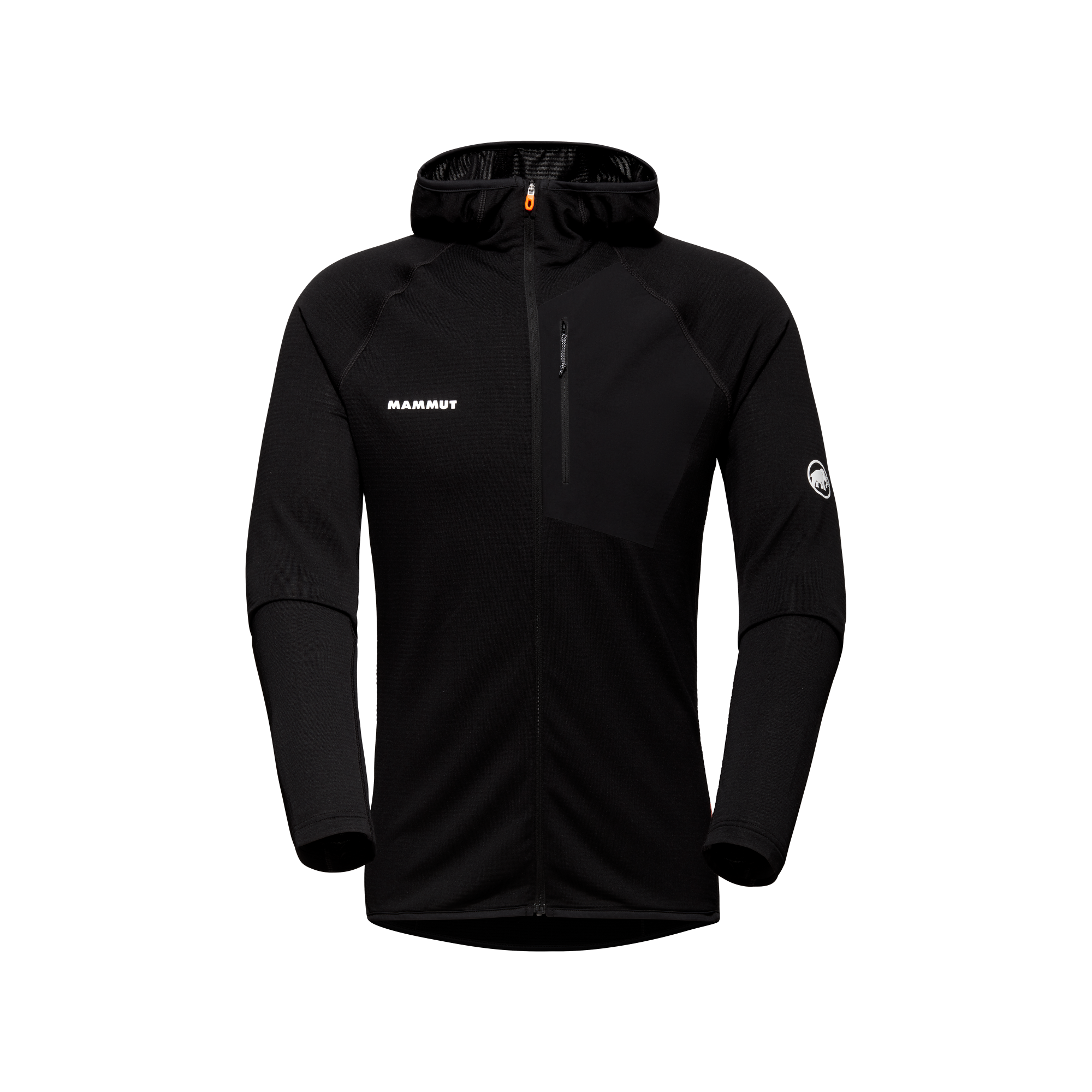
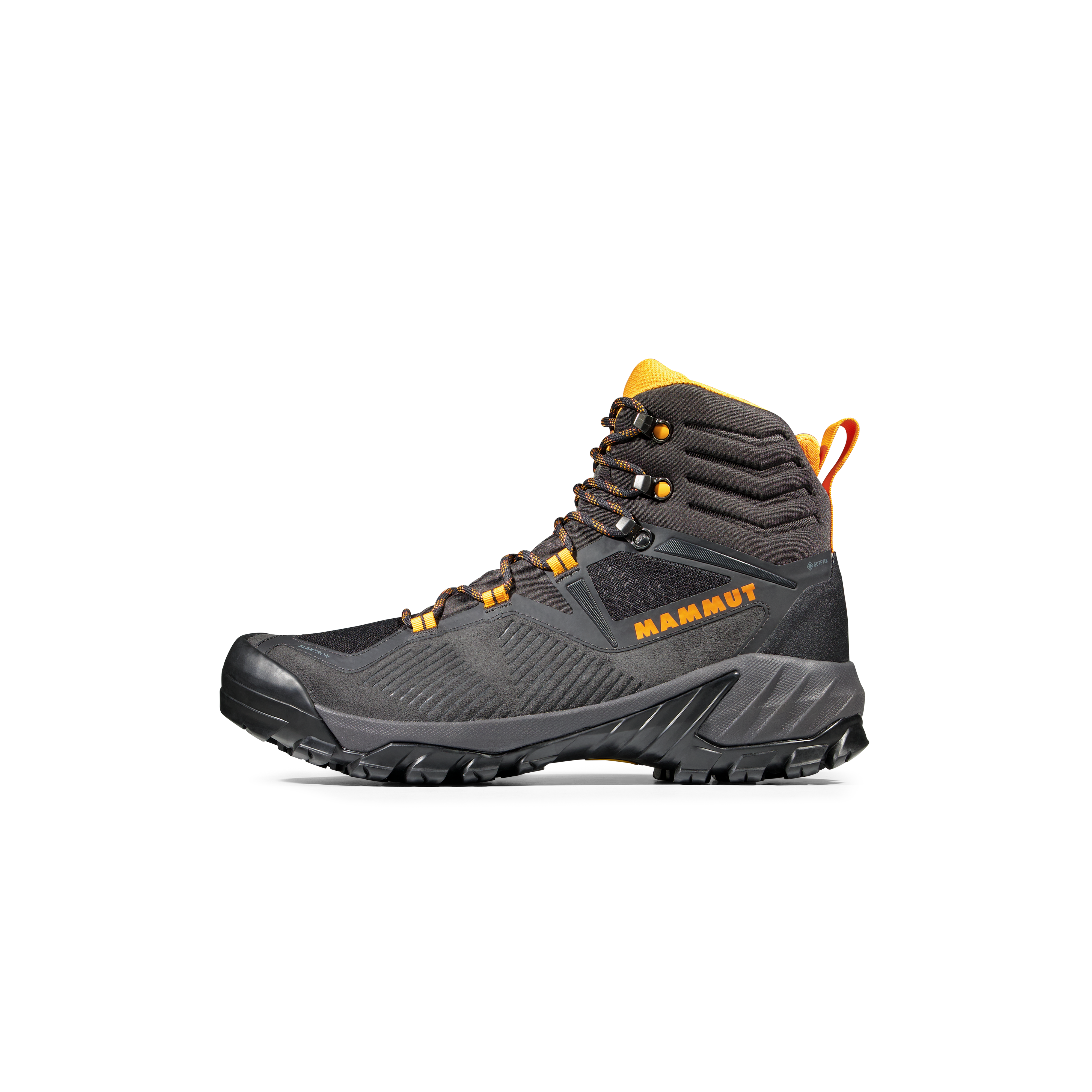
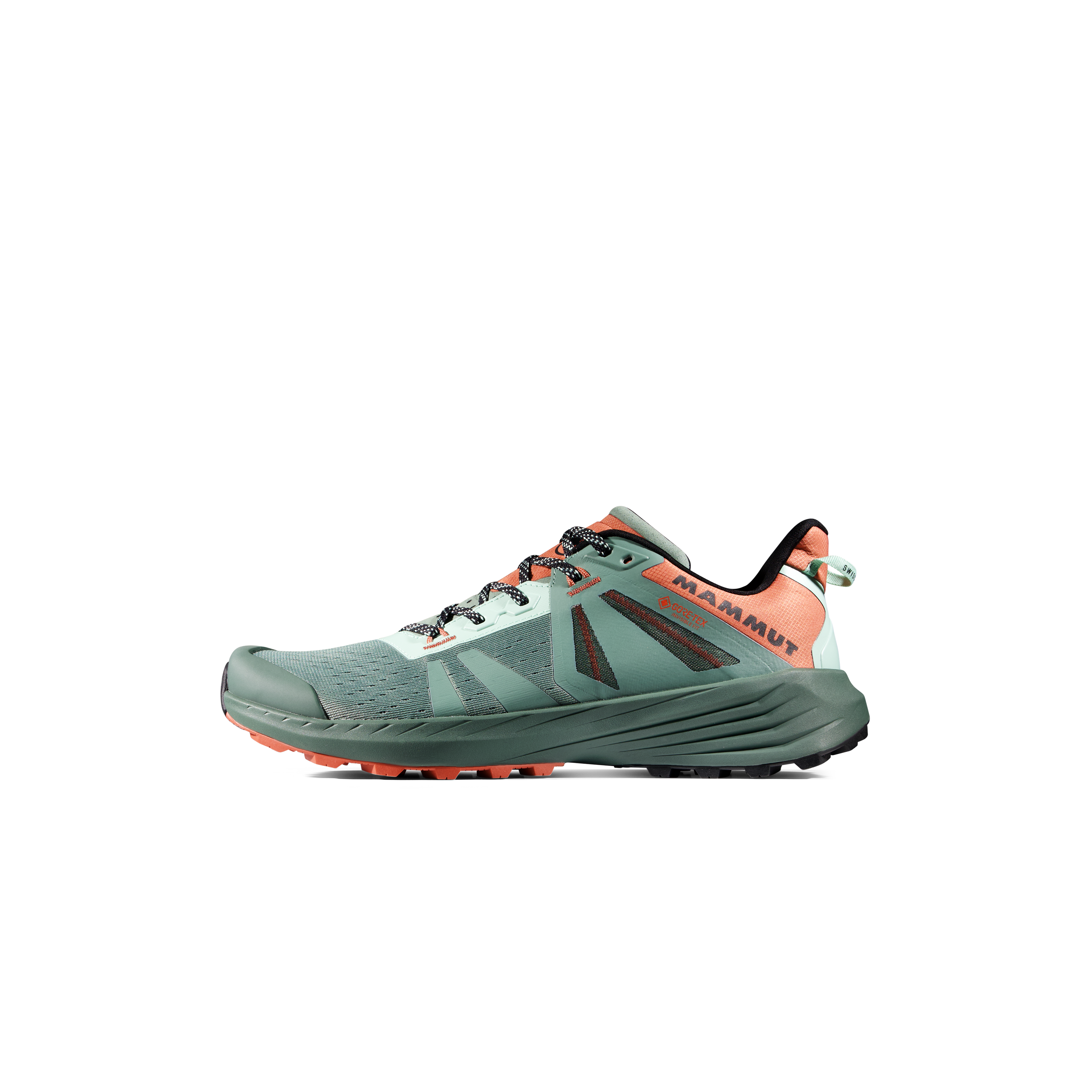
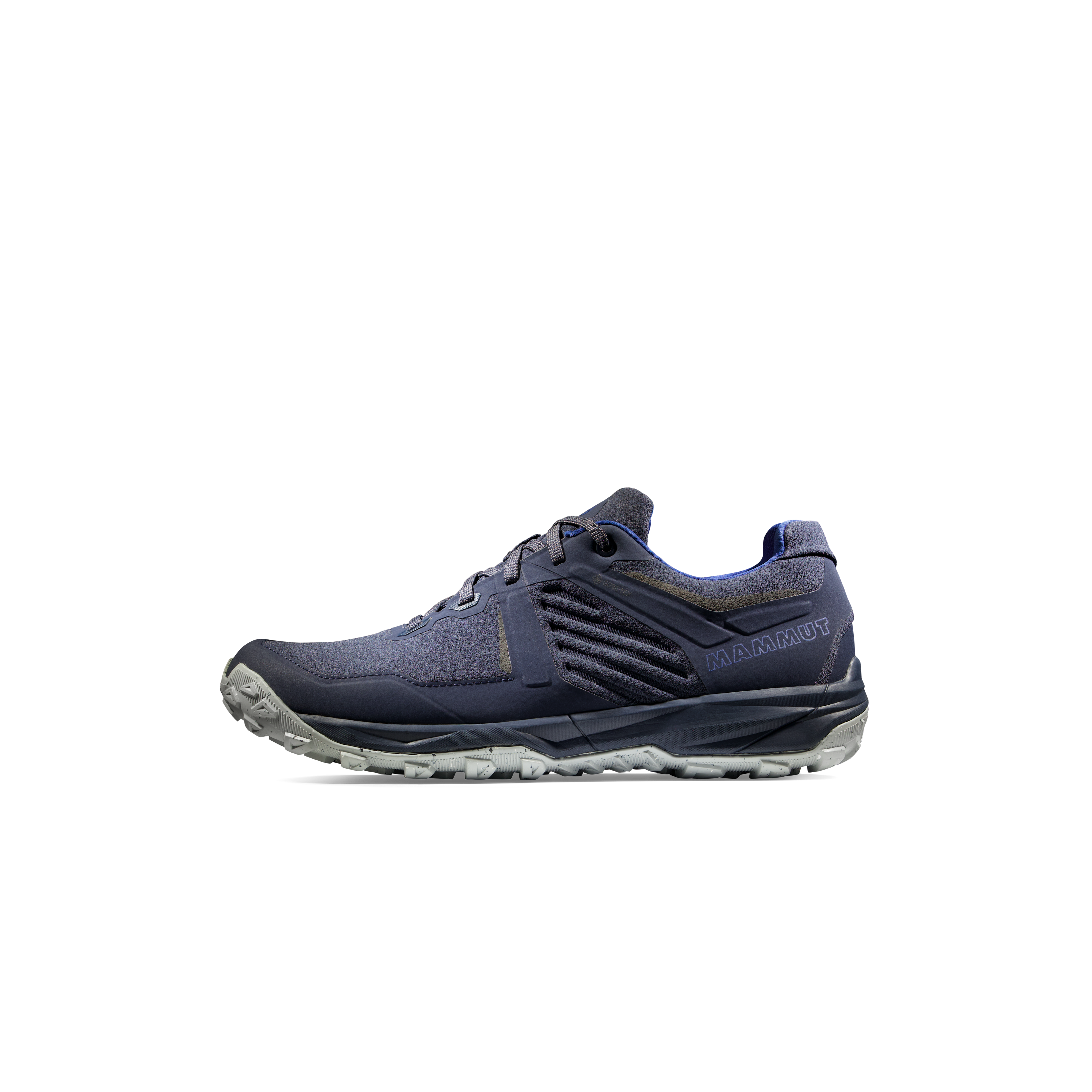
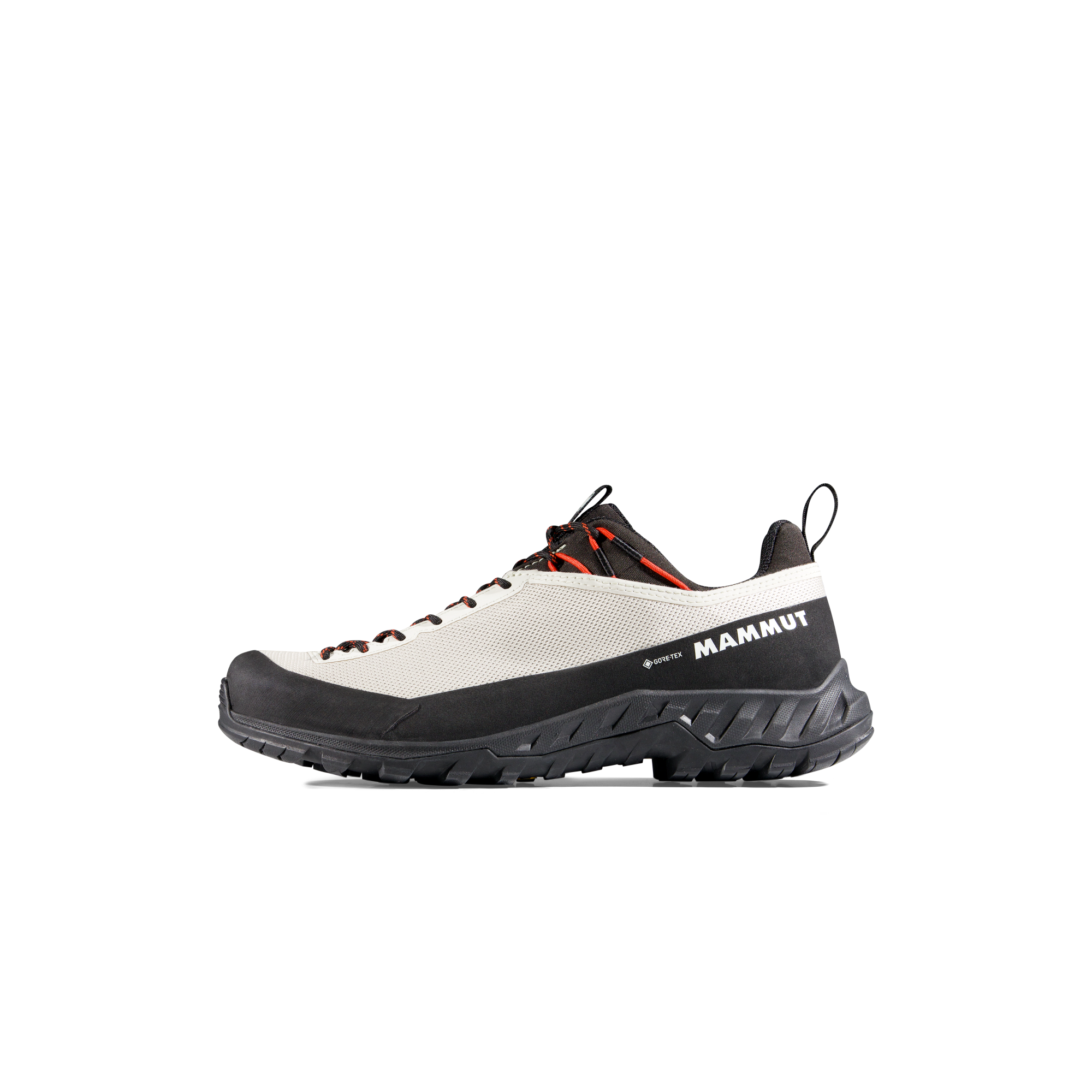
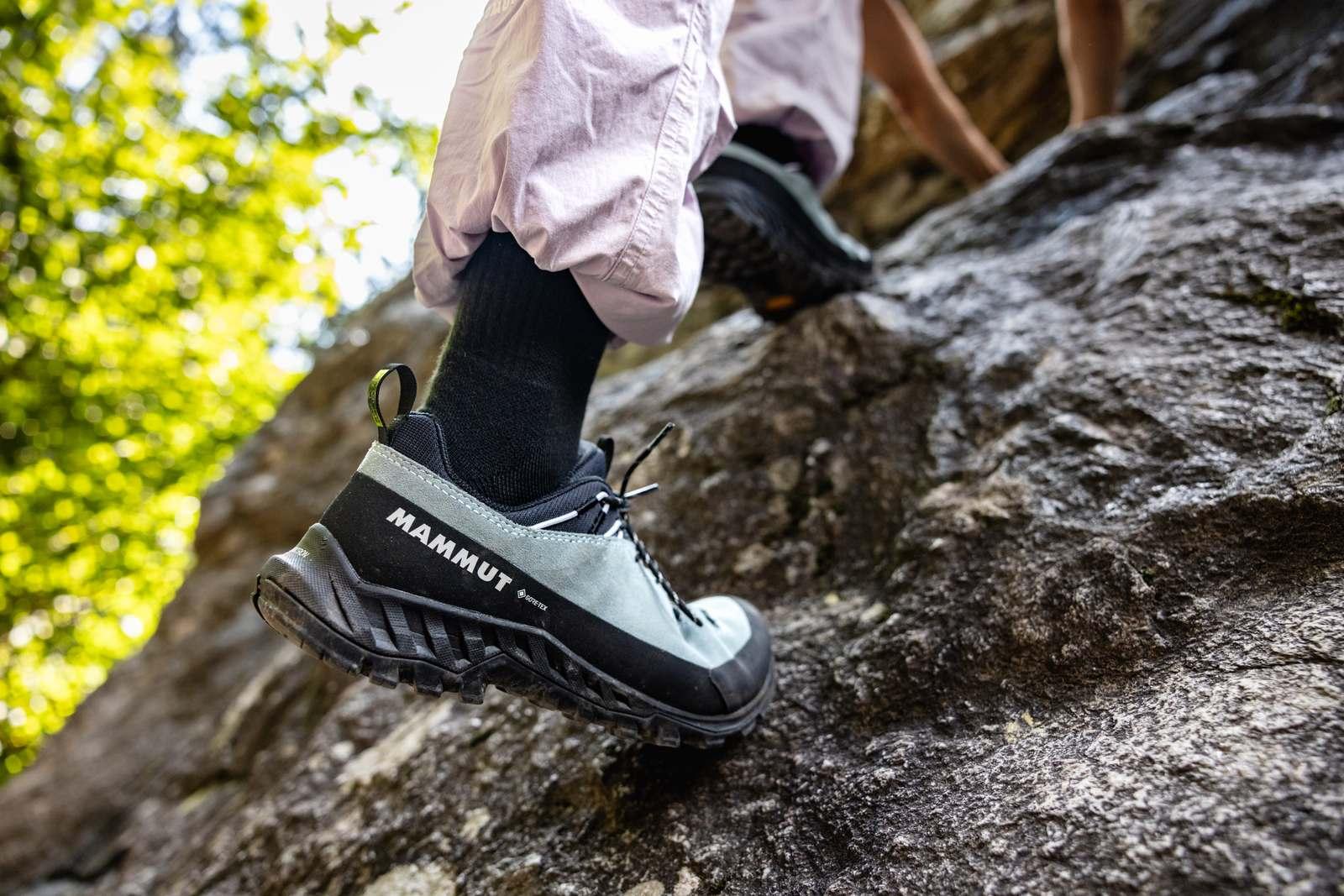
While light, breathable clothing usually suffices in the gym, outdoors you might need weather-appropriate gear depending on the conditions. On the approach to bouldering areas, sturdy approach shoes provide protection and comfort. Depending on the weather, appropriate outerwear like a fleece jacket or softshell jacket keeps you warm. A down jacket for breaks in between attempts prevents you from getting chilly during longer outdoor sessions. Find more info in our guide on what to wear for rock climbing .
Handy Extras
Beyond the basic setup, there are some extras that will come in handy and make your bouldering experience significantly more enjoyable. These nice-to-haves aren't necessary, but they can be what transforms a good session into a great one.
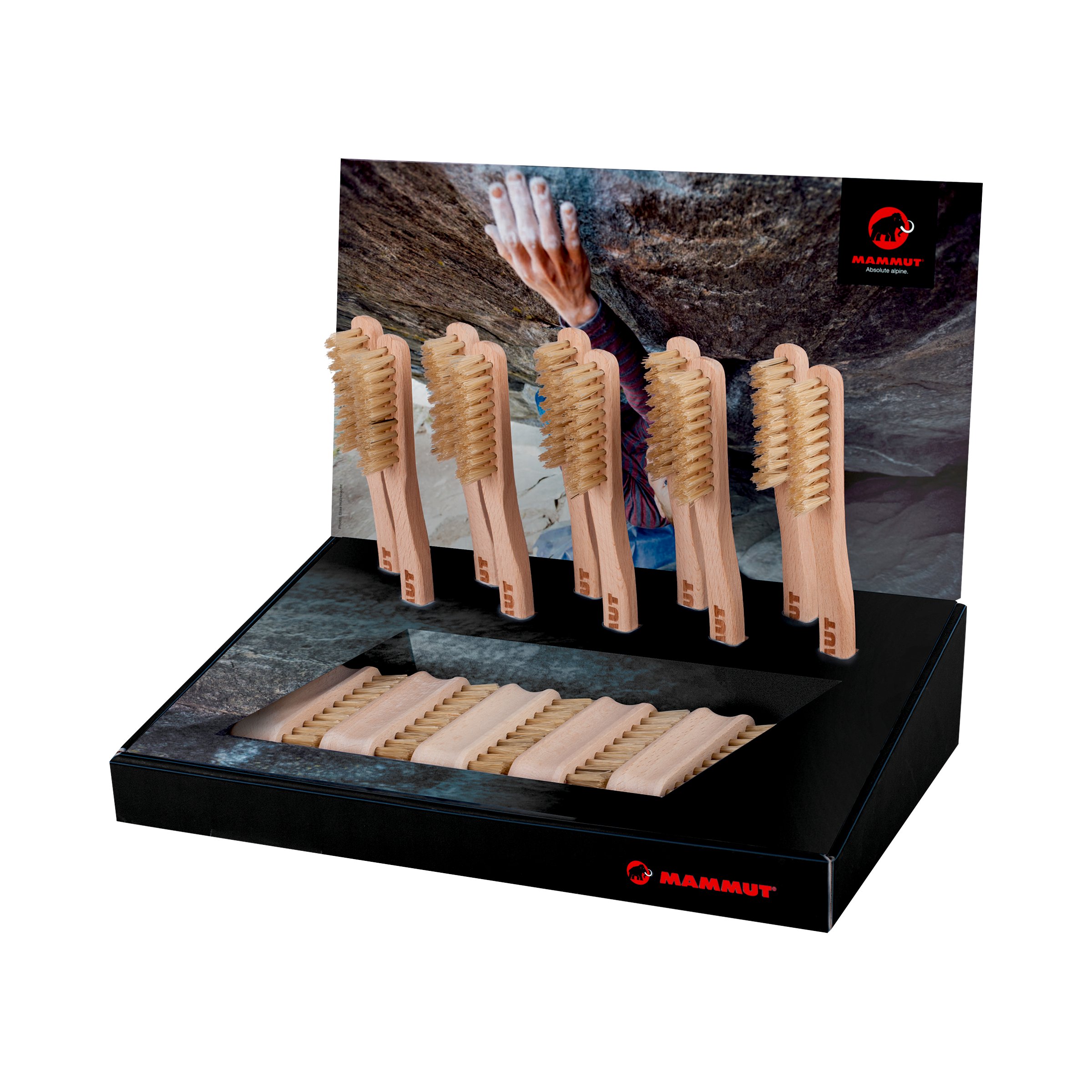
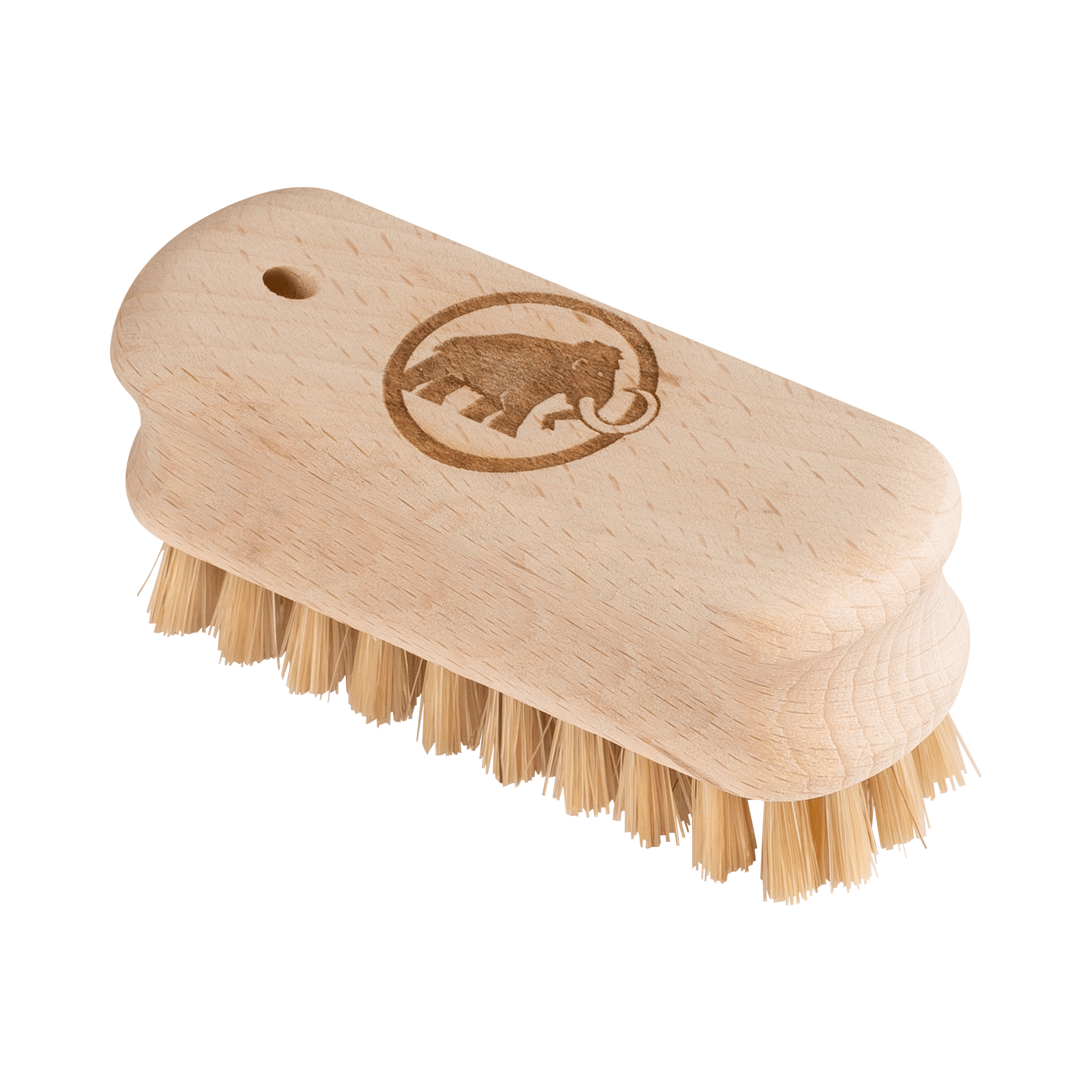
Boulder Brush
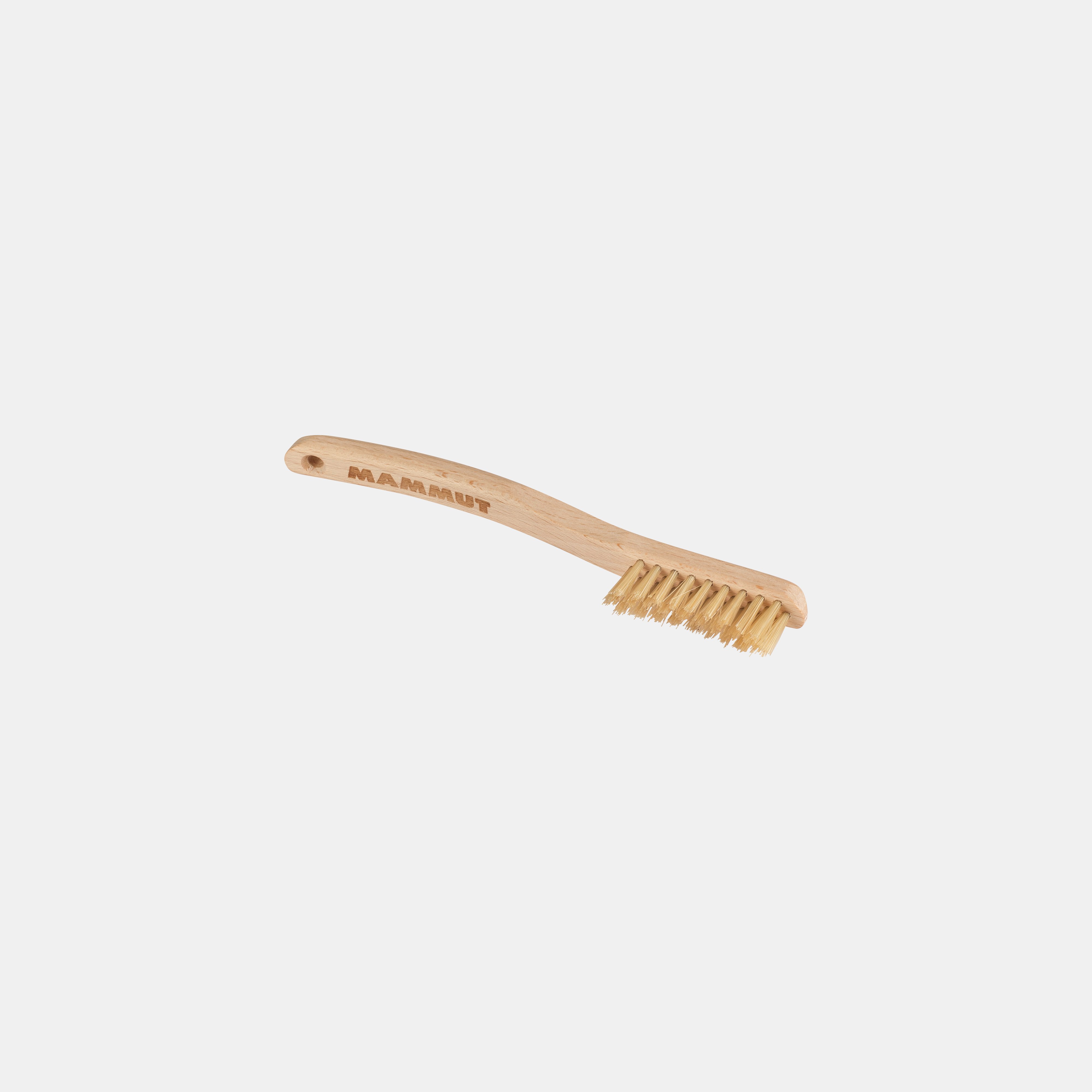
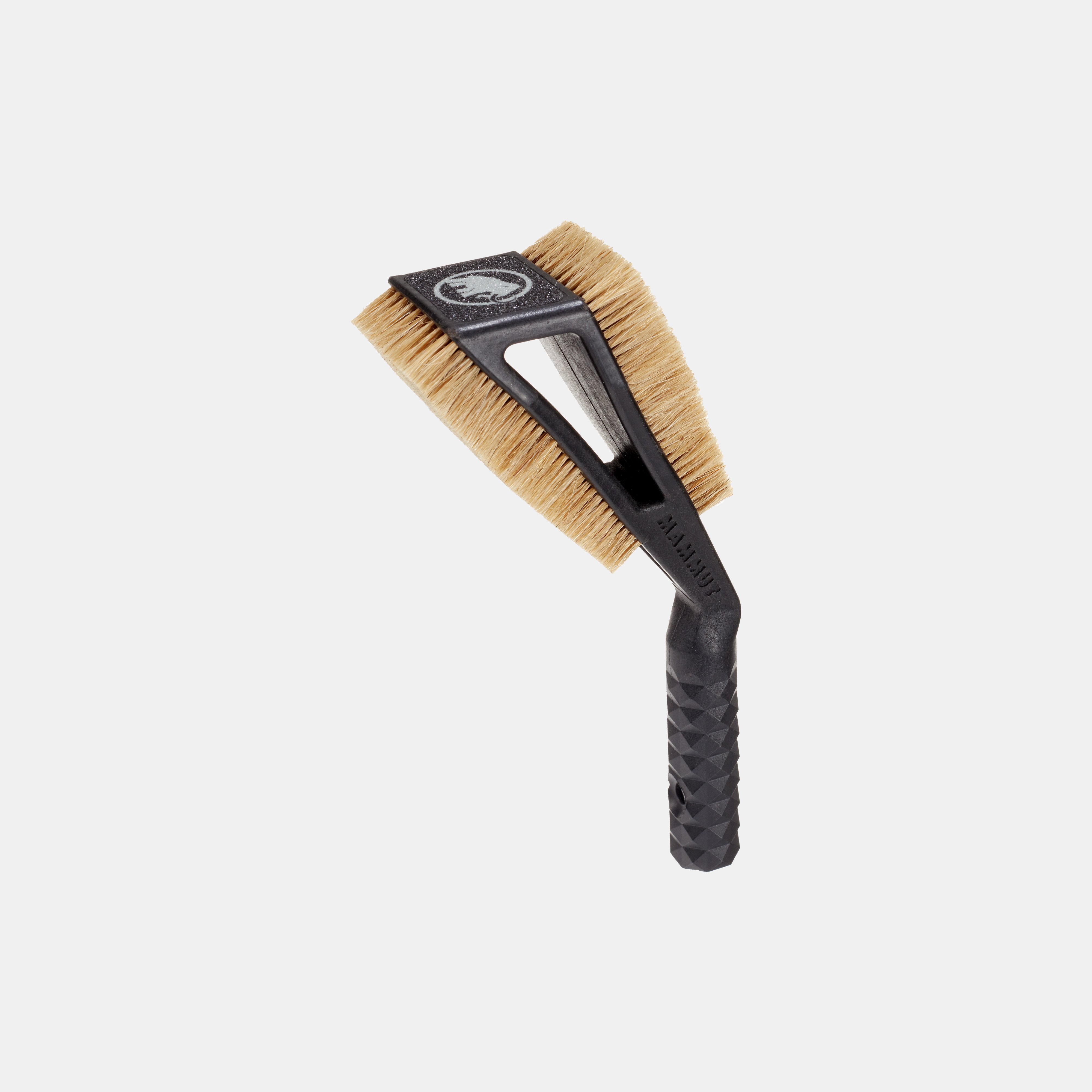
A boulder brush is a specialized cleaning tool with stiff bristles designed specifically for cleaning rock, climbing holds and footholds.
With a boulder brush you can clear holds and footholds of dirt, excess chalk, or buildup to improve grip. Cleaning isn't just important for better friction – outdoors it's also about protecting the environment. Clean rock suffers less from chalk buildup and stays in better condition for climbers coming after you. The brush should have firm bristles to clean effectively, but not hard enough to damage the rock.
Tape and Finger Care
Bouldering puts extreme strain on your fingers and hands. Small holds, sharp edges, and repeated stress can quickly lead to overuse or minor injuries. Fingertips and palms take the hardest beating.
Finger tape protects vulnerable spots on your hands from overuse and injury. It can be used preventatively at the first signs of problems.
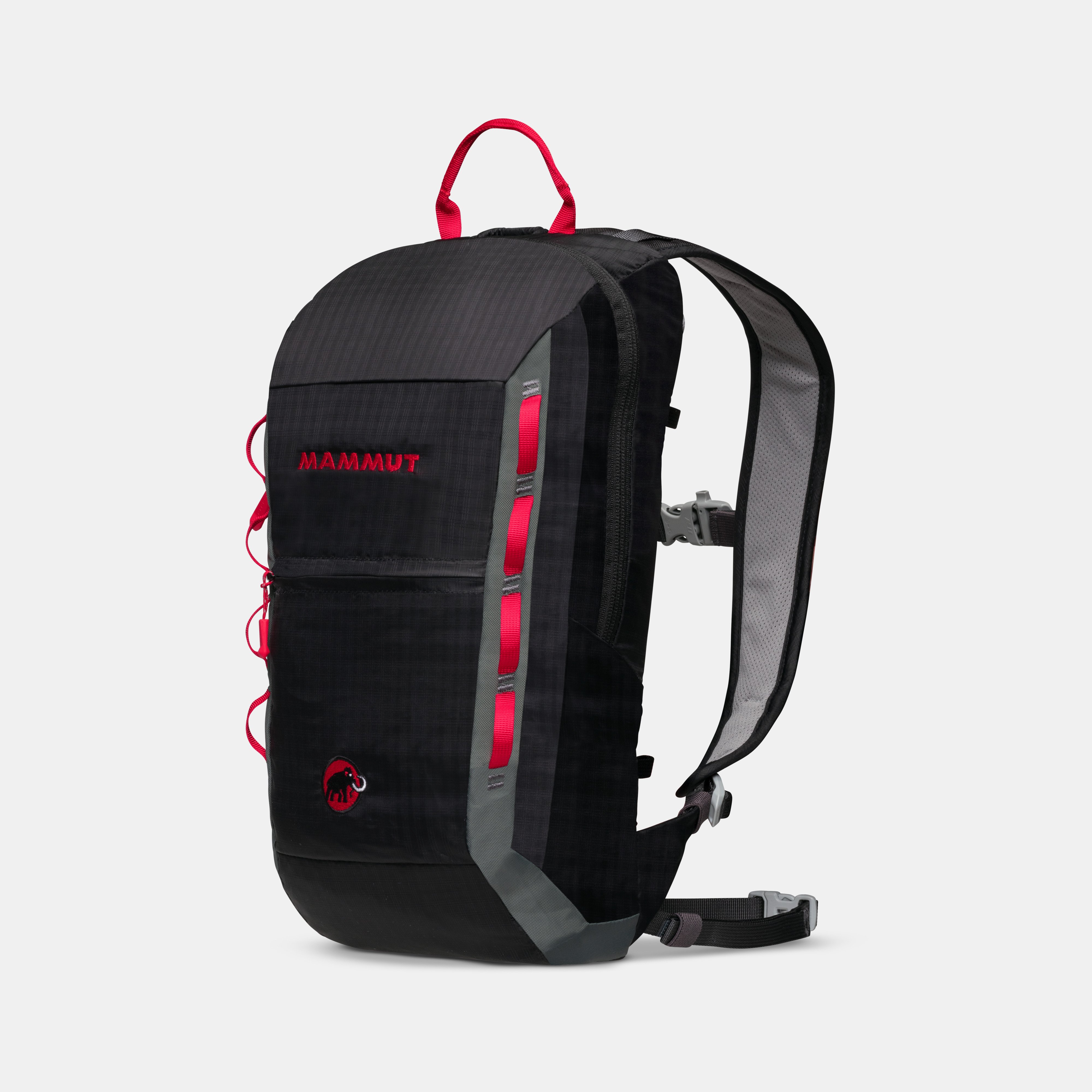
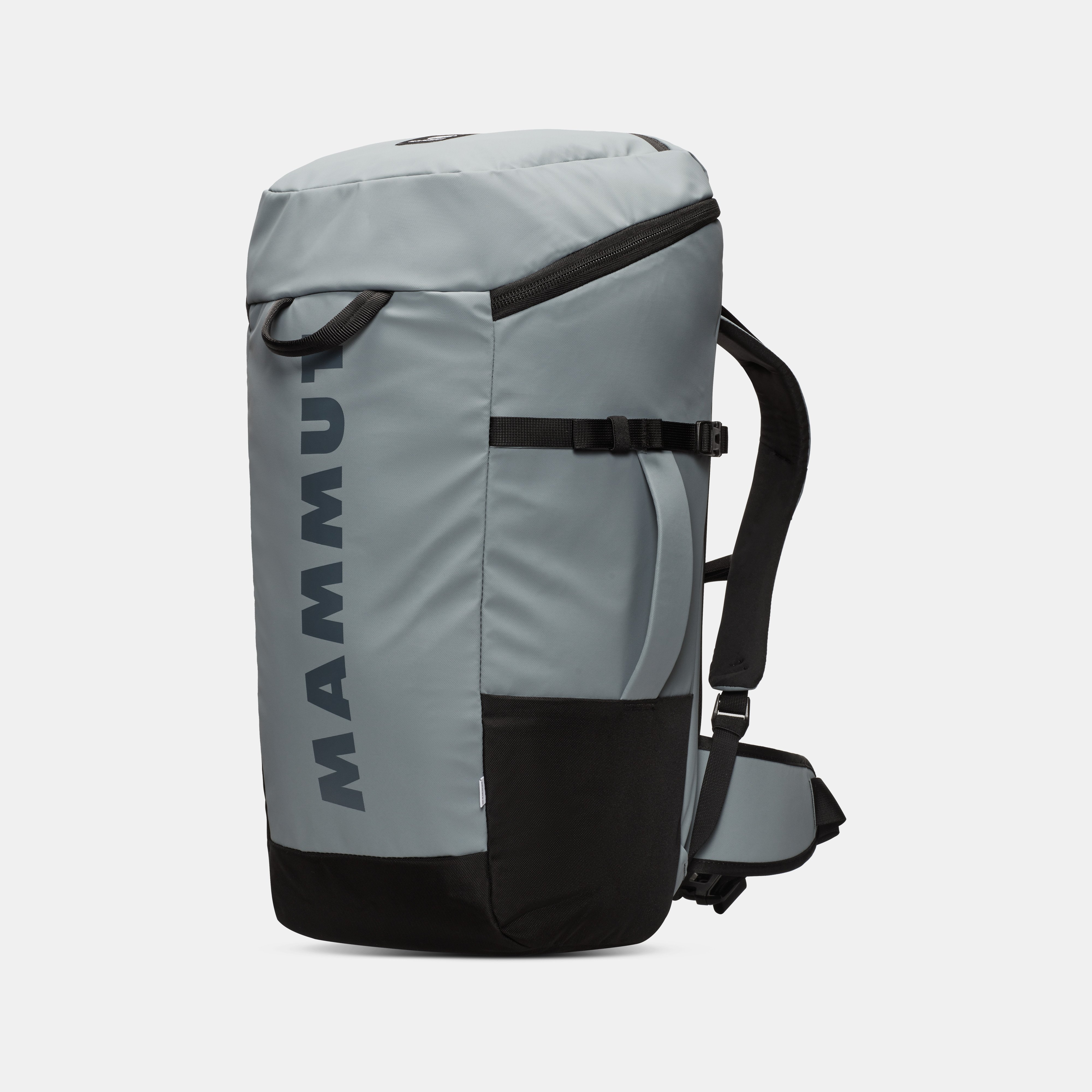
Backpack and More
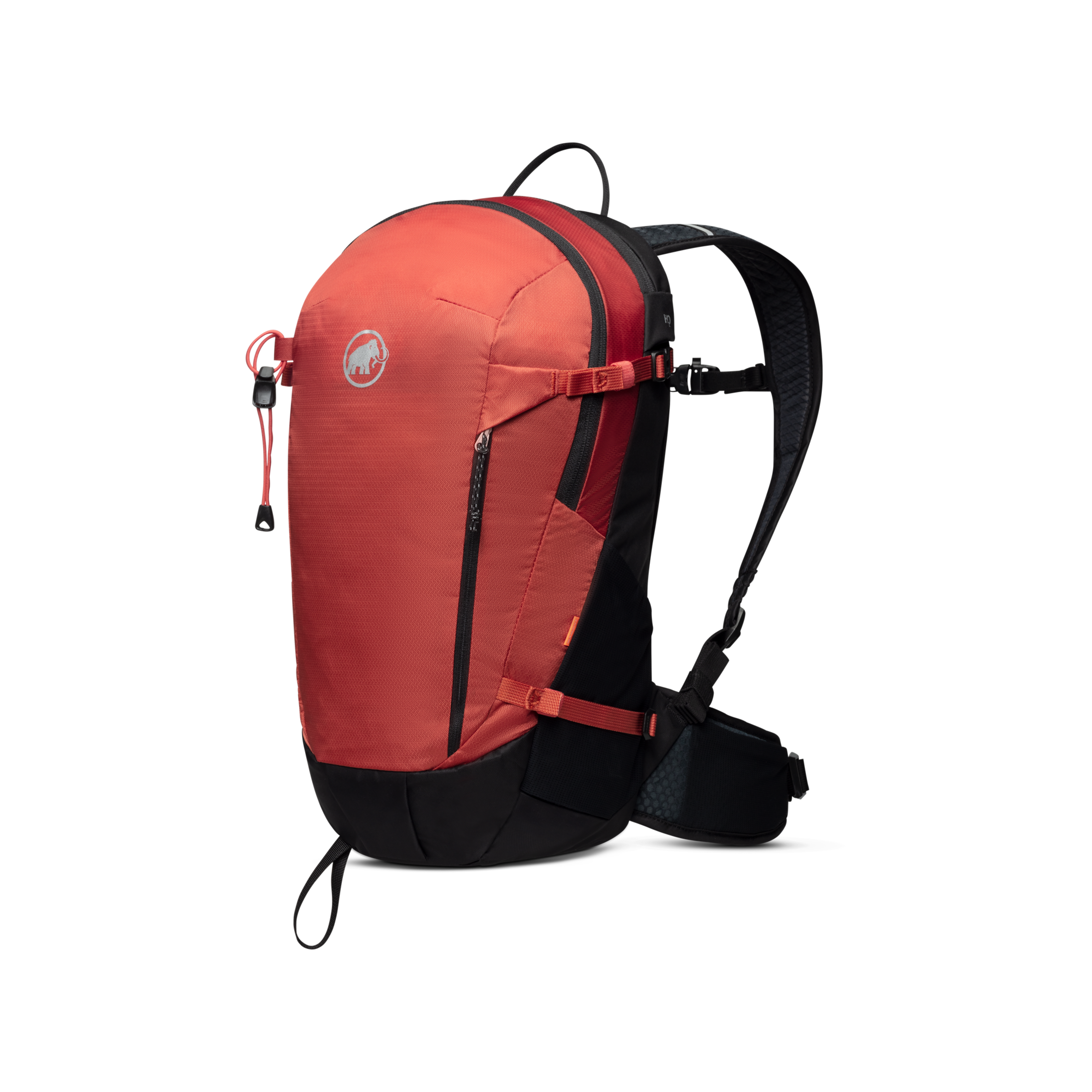
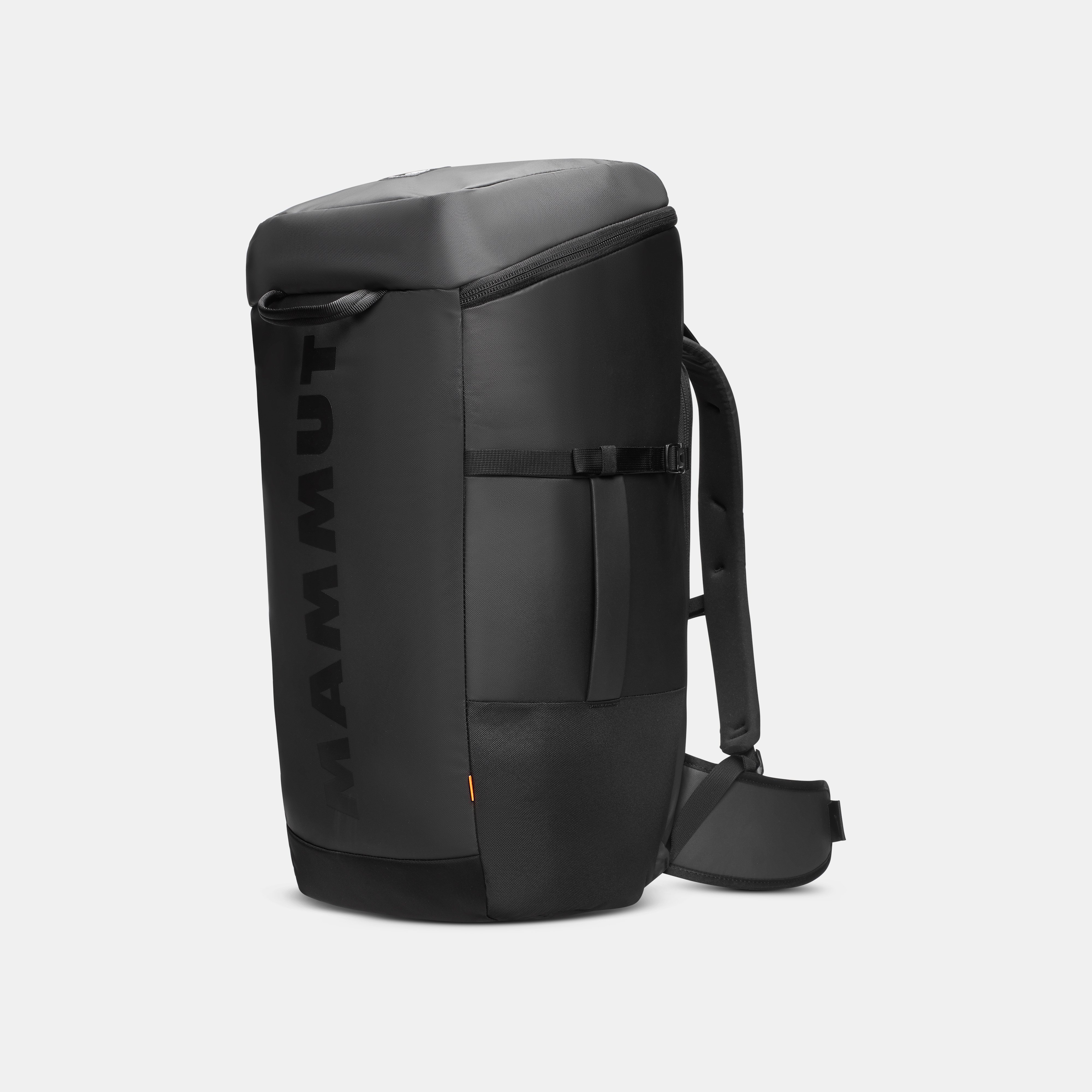
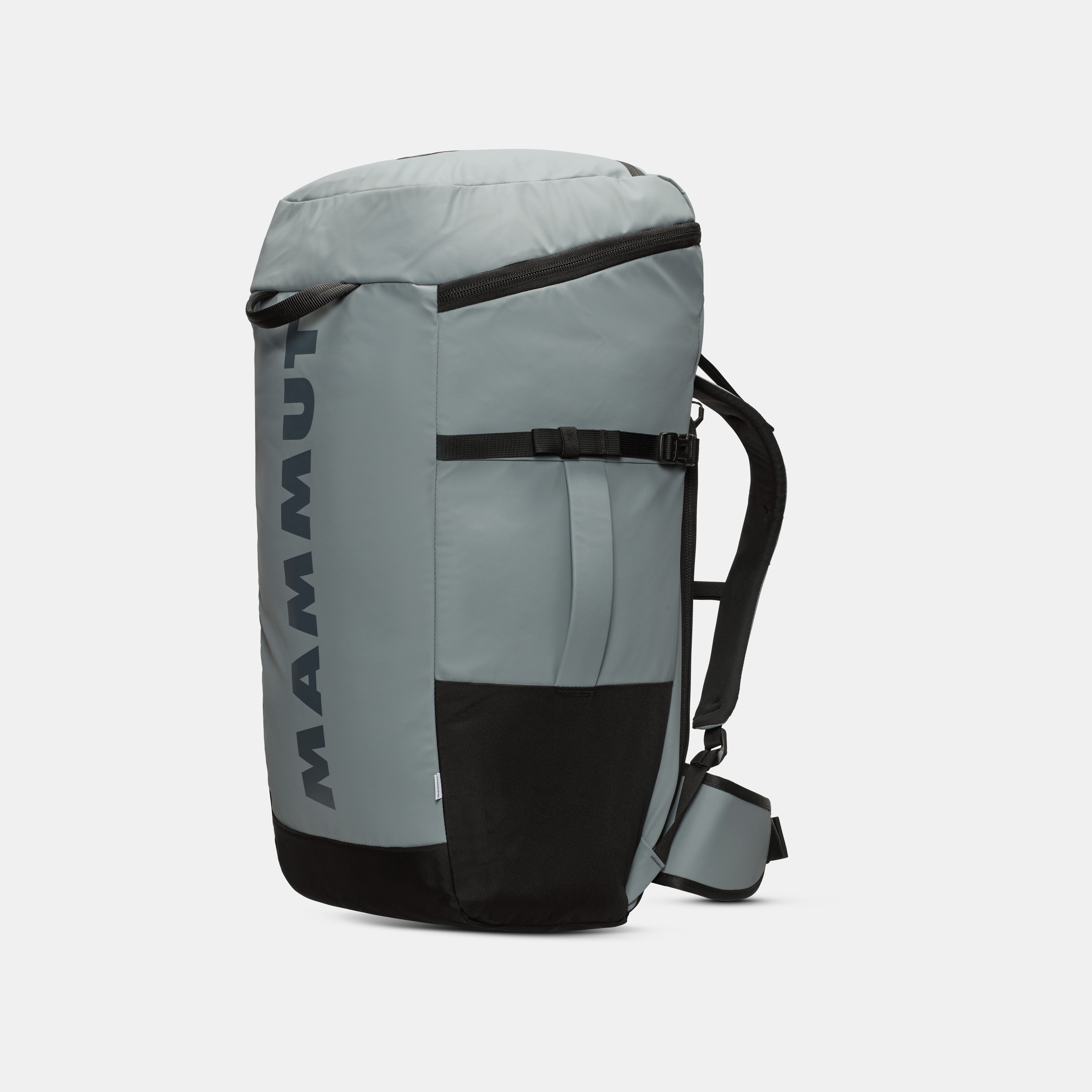
A well-organized climbing backpack makes hauling your gear way easier. Separate compartments for climbing shoes, chalk, and small items like brushes keep everything tidy and accessible.
Skin Care
Chalk, constant washing, and the mechanical stress of gripping make your hands dry out and get rough fast. Cracked skin isn't just uncomfortable – it can hurt your performance too. Good hand cream after your sessions helps keep skin supple. Specialized climbing salves with nourishing ingredients are very effective and absorb quickly.
Well-Equipped for your Bouldering Adventures
Having the right gear is essential for safe and successful bouldering. What matters most is keeping your priorities straight – start with the basics and expand your gear gradually as you gain more experience. This way you can focus fully on what really counts: enjoying climbing and tackling new boulder problems.
Common Questions about Bouldering
Question: How important is a crash pad for bouldering?
Answer: A crash pad is essential for cushioning falls and preventing injuries. Especially outdoors, it's mandatory.
Question: Do I need special tape for my fingers?
Answer: Finger tape protects against overuse and minor injuries. It's especially helpful with frequent strain or skin issues.
Question: How can I prepare my landing zone safely?
Answer: Clear rocks, branches, and other obstacles from the fall zone. Position your crash pad optimally and consider using multiple pads to cover the area properly. In the gym, keep the floor under your route clear of water bottles, chalk bags, or backpacks.
Question: Are clothes for bouldering different from clothes for climbing?
Answer: Clothes for bouldering are especially stretchy and comfortable – often similar to other sports where flexibility is key.