





Η Corinne για την τέχνη ως μορφή ακτιβισμού
08/2021
08/2021
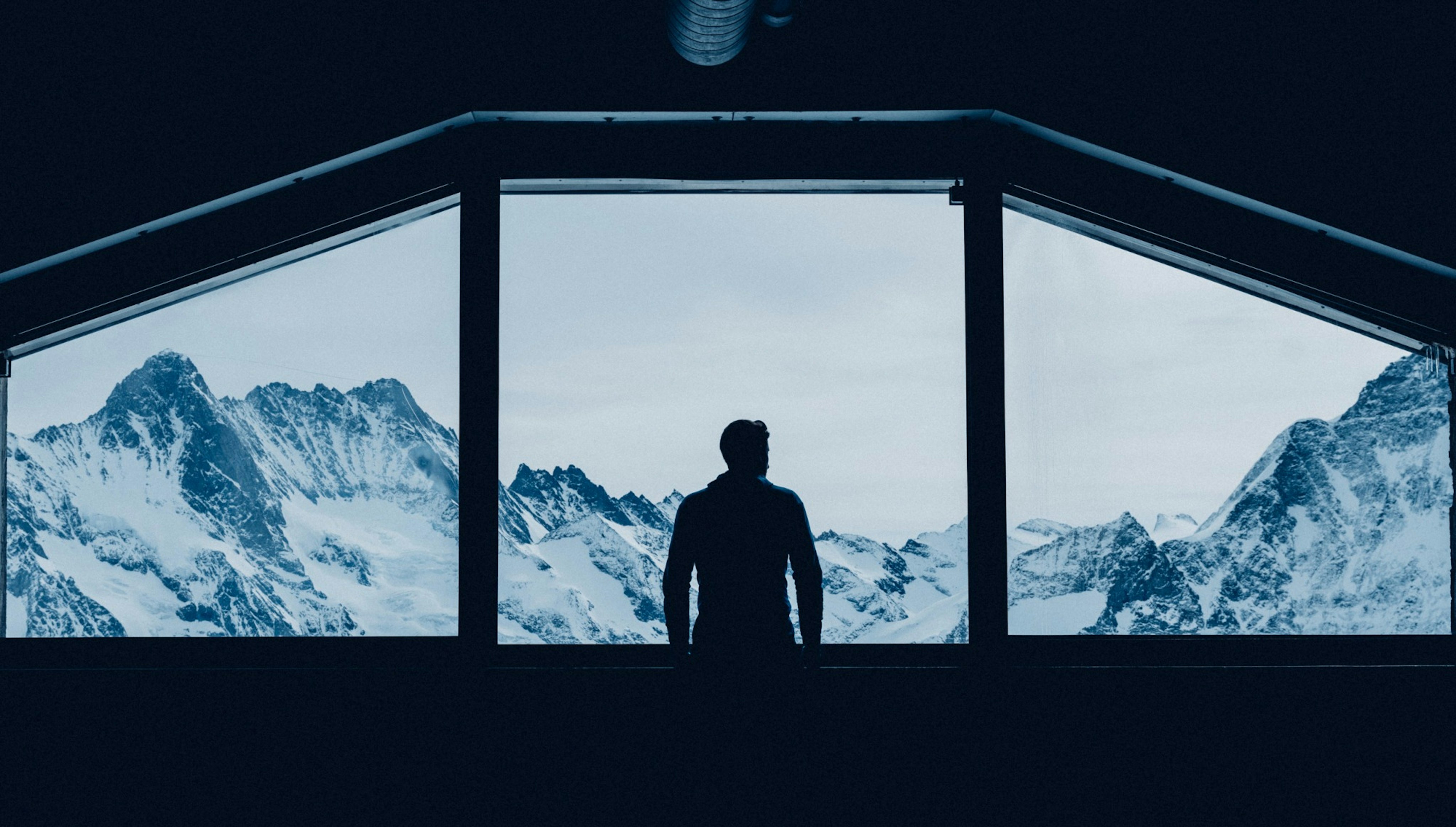
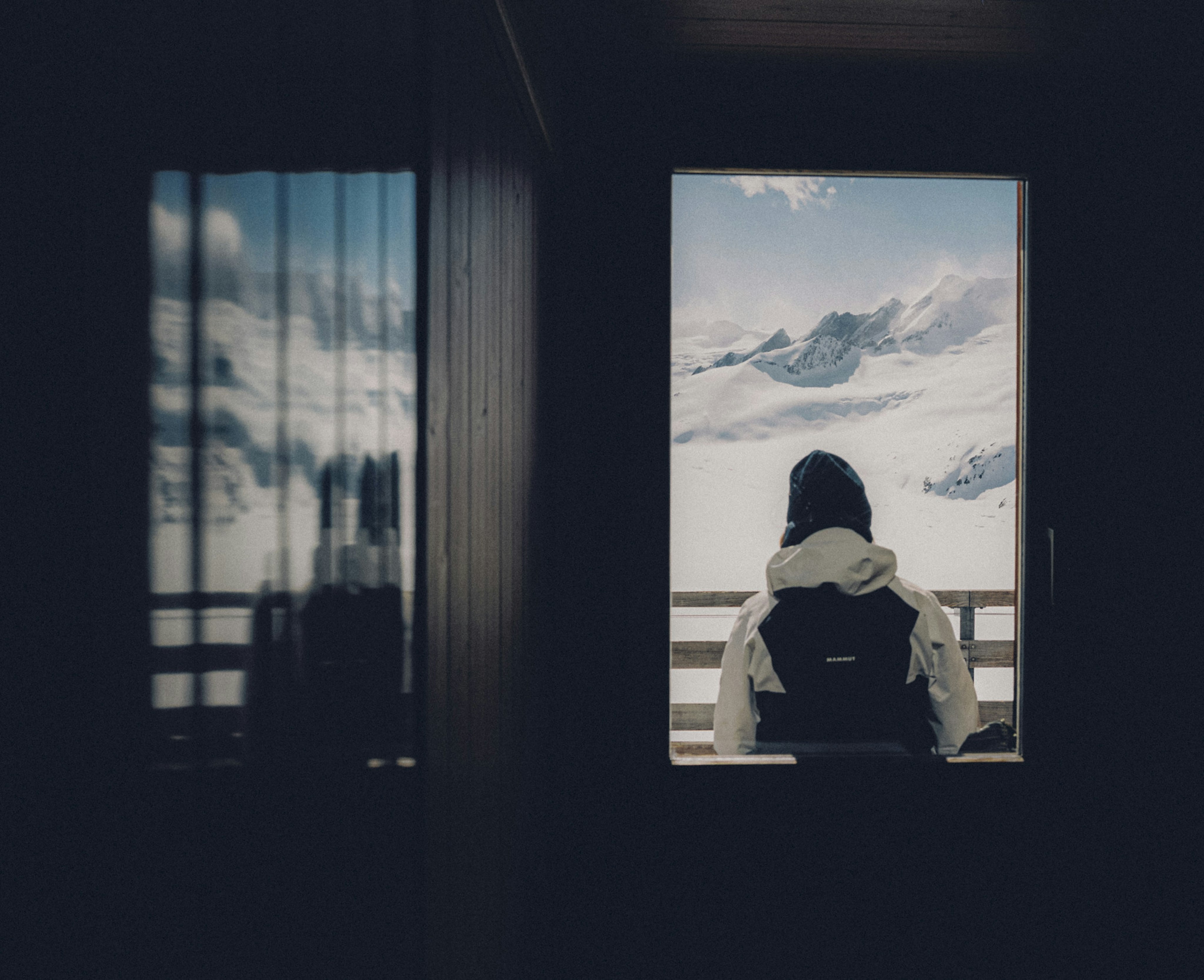
Η οροσειρά που φαίνεται μέσα από τα μεγάλα παράθυρα του στούντιο της Corinne Weidmann δεν είναι απλώς μια θέα: αποτελεί αναπόσπαστο μέρος της δημιουργικής της διαδικασίας. Ο ήλιος λούζει τις κορυφές και μπαίνει κατευθείαν στον ζεστό, δημιουργικό της χώρο στο Hasliberg — ένα μικρό χωριό ανάμεσα στο Engelberg και το Interlaken — όπου διοχετεύει το πάθος της για τον φυσικό κόσμο. Αναπνέοντας ένα μεθυστικό μείγμα από μπογιά, ξύλο και αιθέρια έλαια και περιτριγυρισμένοι από τους πίνακες της Corinne και τα snowboard καλυμμένα με έργα τέχνης, καθίσαμε να τη ρωτήσουμε για την τέχνη ως μορφή ακτιβισμού.

How does your passion for the mountains influence your art?

Being in the mountains gives me the opportunity to experience nature as it is—raw, wild, powerful, and incredibly beautiful. It’s this heartfelt connection to nature, and the beauty of what is, that I try to capture in my work and hope will inspire people to protect these places. Art can communicate issues and evoke emotions in people that lead to action. I hope my paintings inspire a sense of allegiance with the environment.
«Όταν ο καθένας προσφέρει από μία σταγόνα, θα γίνει ωκεανός.»
You say that a landscapes is a window into the past. Do you also record the changes in the landscapes through your art?
Even though my paintings are documenting one moment in time, it happens that by the time the painting is finished, the landscape has already changed. I visit Findelgletscher in Zermatt every summer which has meant I’ve been able to document the annual changes of the ice. Witnessing these changes first hand, year after year, has only strengthened my commitment to protecting special places like these.
Protecting our environment is important for both our local and global environment, how does this influence your climate action?
What influences my climate action the most is the fact that we are living in a circular system in which everything is connected. The decision that I make here (in a shop for example) has an impact on the other side of the planet, not only ecologically, but also on people. By watching what we buy, we can already do a lot. The same goes for the environment; it’s really important to protect the local environment, but we have to keep in mind that it is part of the global environment. The two can’t really be separated from each other. And that’s why our climate action needs to consider both close to home and large scale issues.