


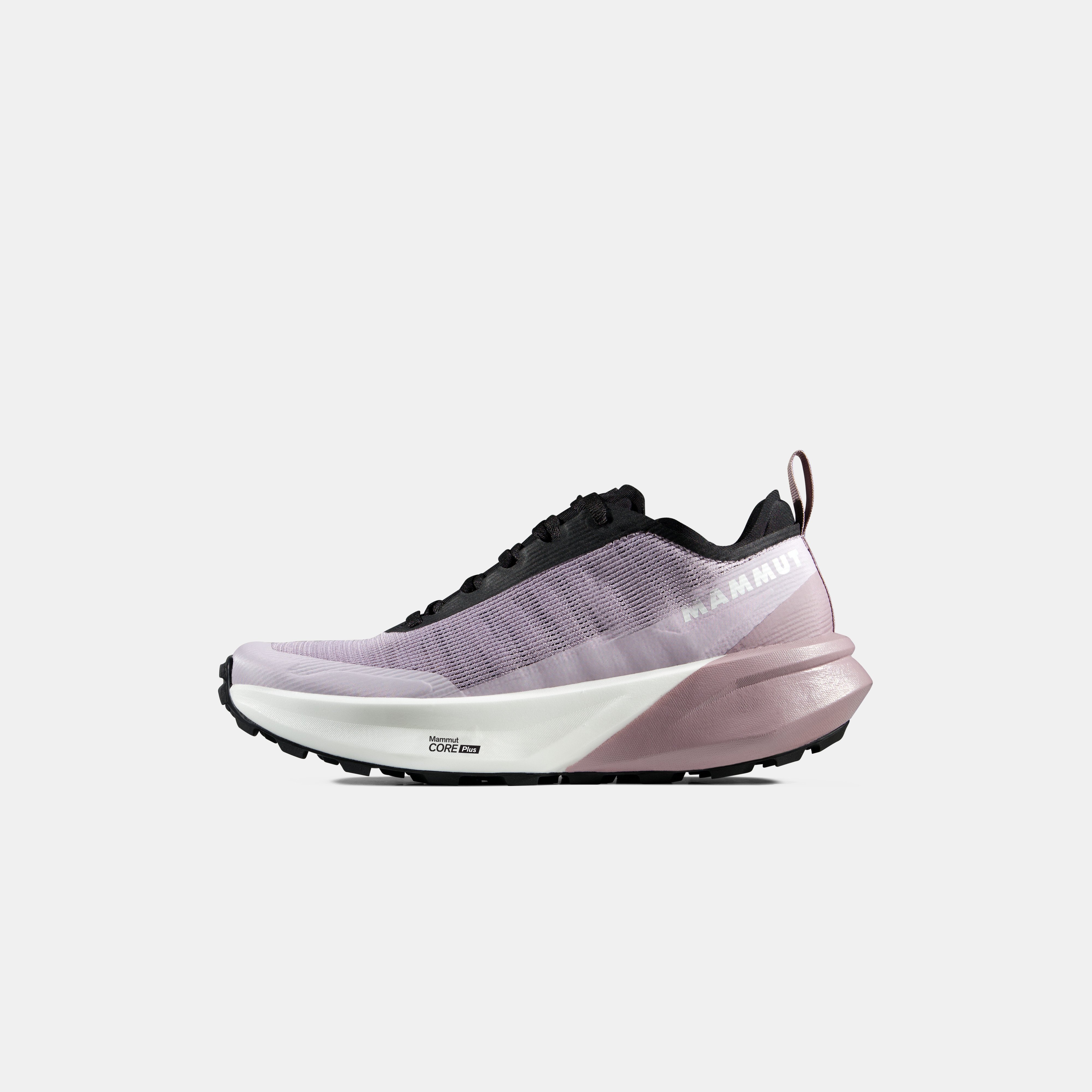
The difference between trail and road running shoes
04/26
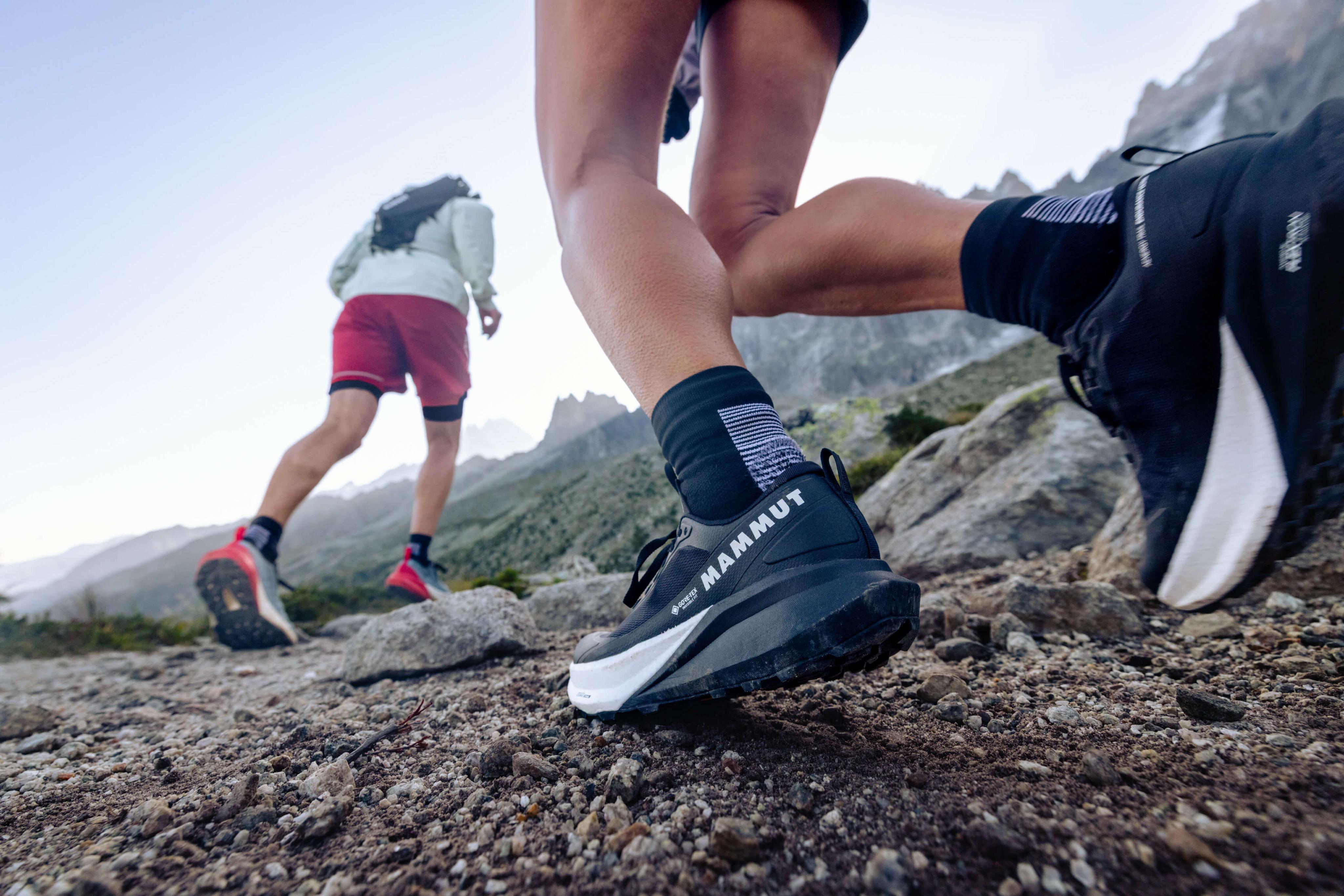
Whether you're running through city streets, cruising along forest trails, or pushing through technical alpine terrain – it doesn't take long to figure out that not every type of shoe is built for every surface. Especially with trail running, one question eventually comes up: is a regular running shoe good enough, or do you actually need a dedicated trail running shoe? In this guide, we'll break down the key differences between the two types, walk you through the most important criteria for choosing the right pair, and help you figure out which type of shoe works best with your running style.
Comparison: Trail running shoes vs. Running shoes
Trail running shoe
Terrain: Natural paths, trails, alpine terrain
Sole: Heavily lugged with a pronounced tread
Traction: Loose, wet, and slippery surfaces
Cushioning: Functional and on the firmer side
Stability: High, with added protection
Upper: Robust, abrasion-resistant, and protective
Weight: Slightly heavier
Protection: Toe cap, lateral stability, protective plates
Purpose: Control and confidence on the trail
Running shoe
Terrain: Asphalt, urban environments, paved surfaces
Sole: Flat to lightly structured
Traction: Dry pavement
Cushioning: Soft and focused on wearing comfort
Stability: Lower, geared toward comfort
Upper: Lightweight and breathable
Weight: Usually very light
Protection: Minimal
Purpose: Efficiency and speed
What is a trail running shoe?
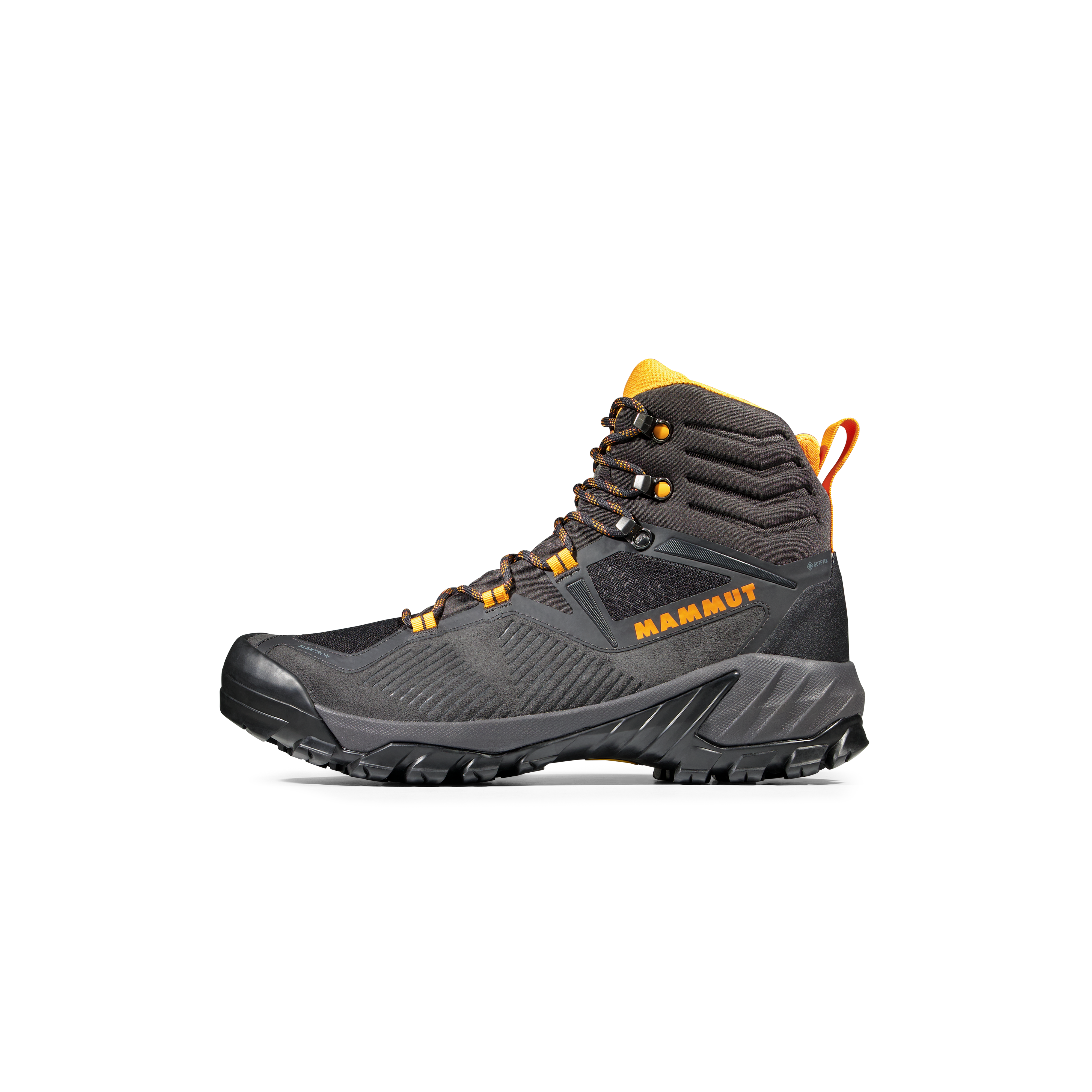
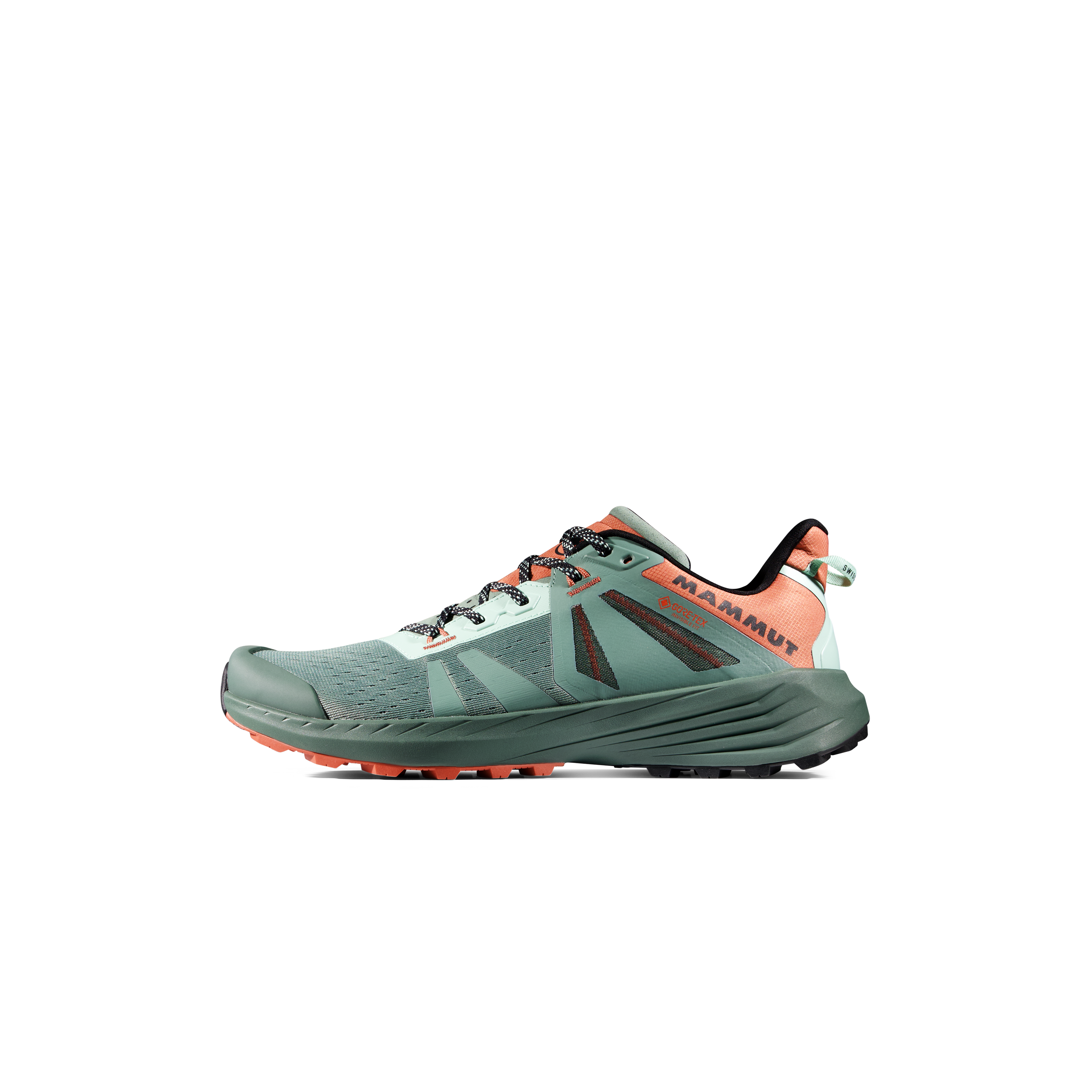
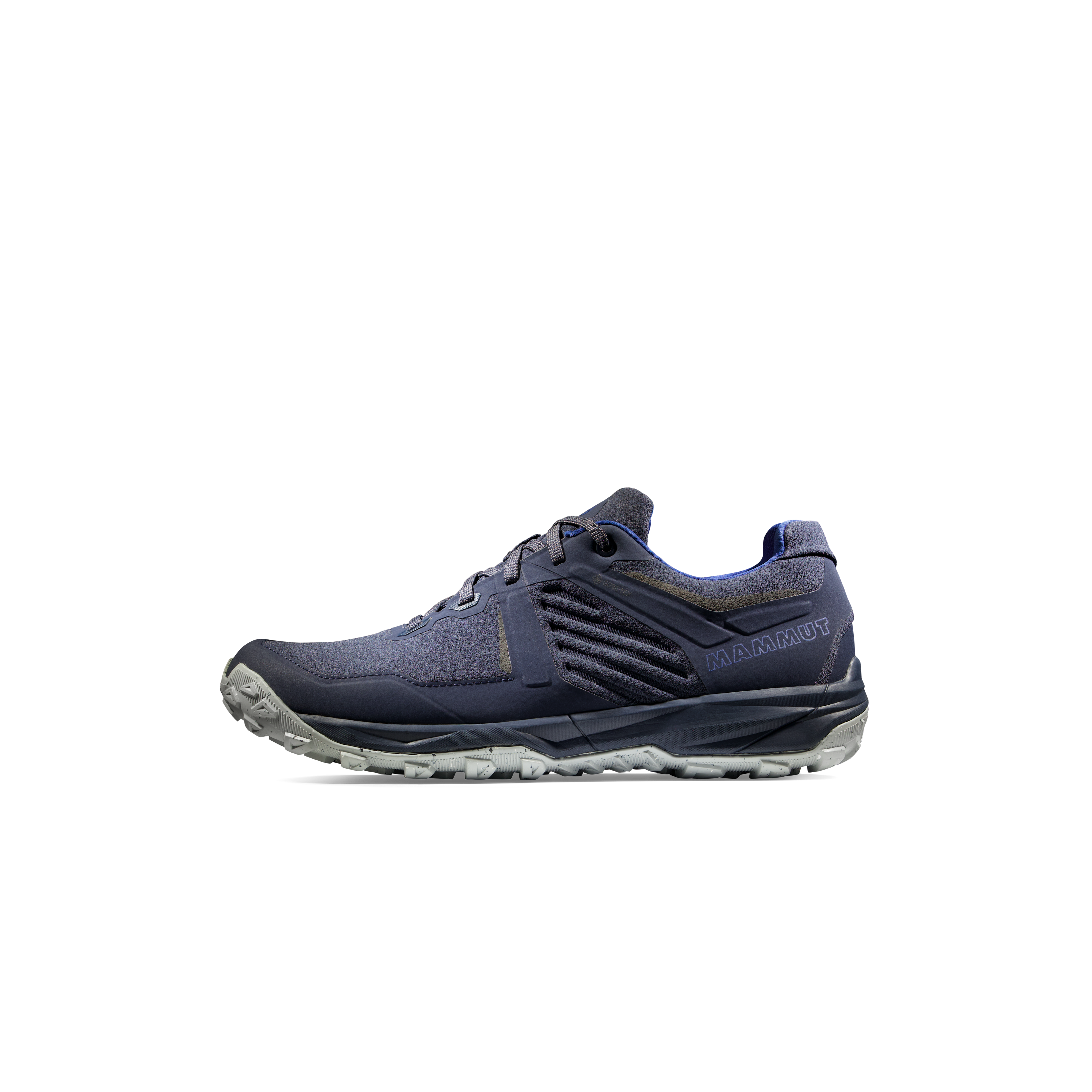
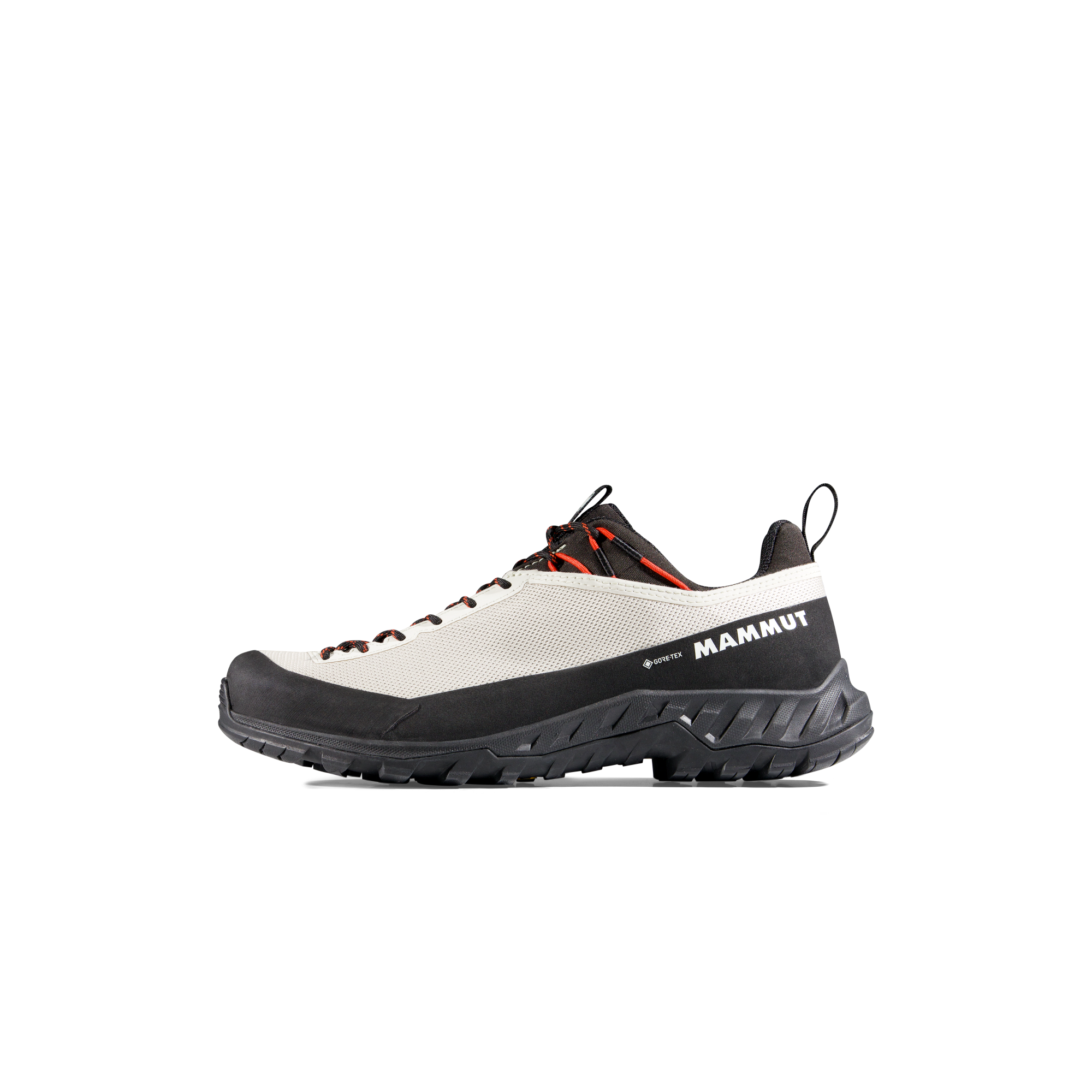
Trail running shoes are purpose-built for the great outdoors: designed specifically for running on uneven, slippery, or technically demanding surfaces. Unlike regular running shoes, they're built around a combination of maximum grip, enhanced stability, and robust protective features.
But a trail running shoe is a lot more than just a shoe with a bit of extra tread – it's a carefully tuned system, bringing together a specialized sole construction, functional cushioning for direct ground feel, and durable outer materials to protect your feet from rocks and roots.
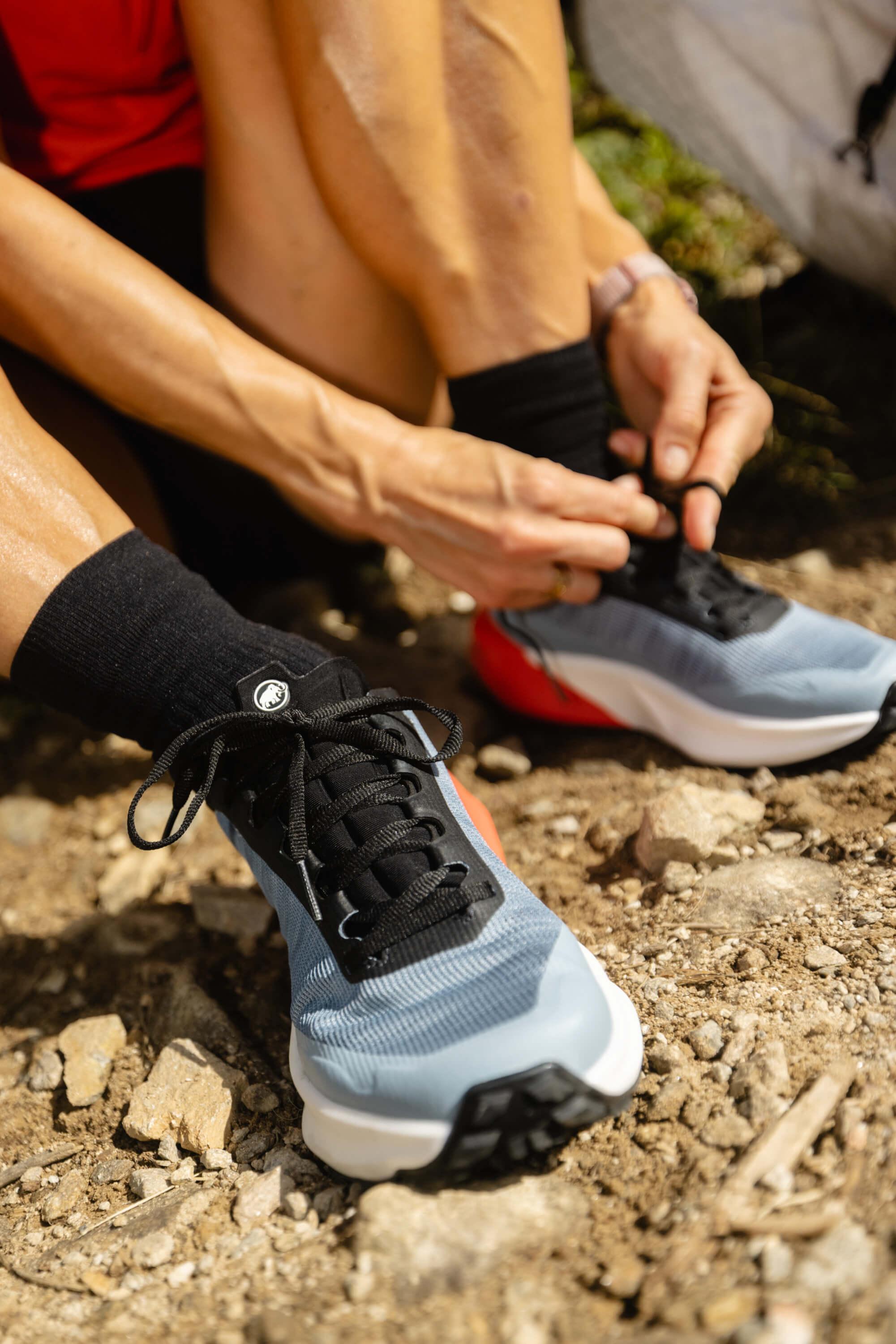
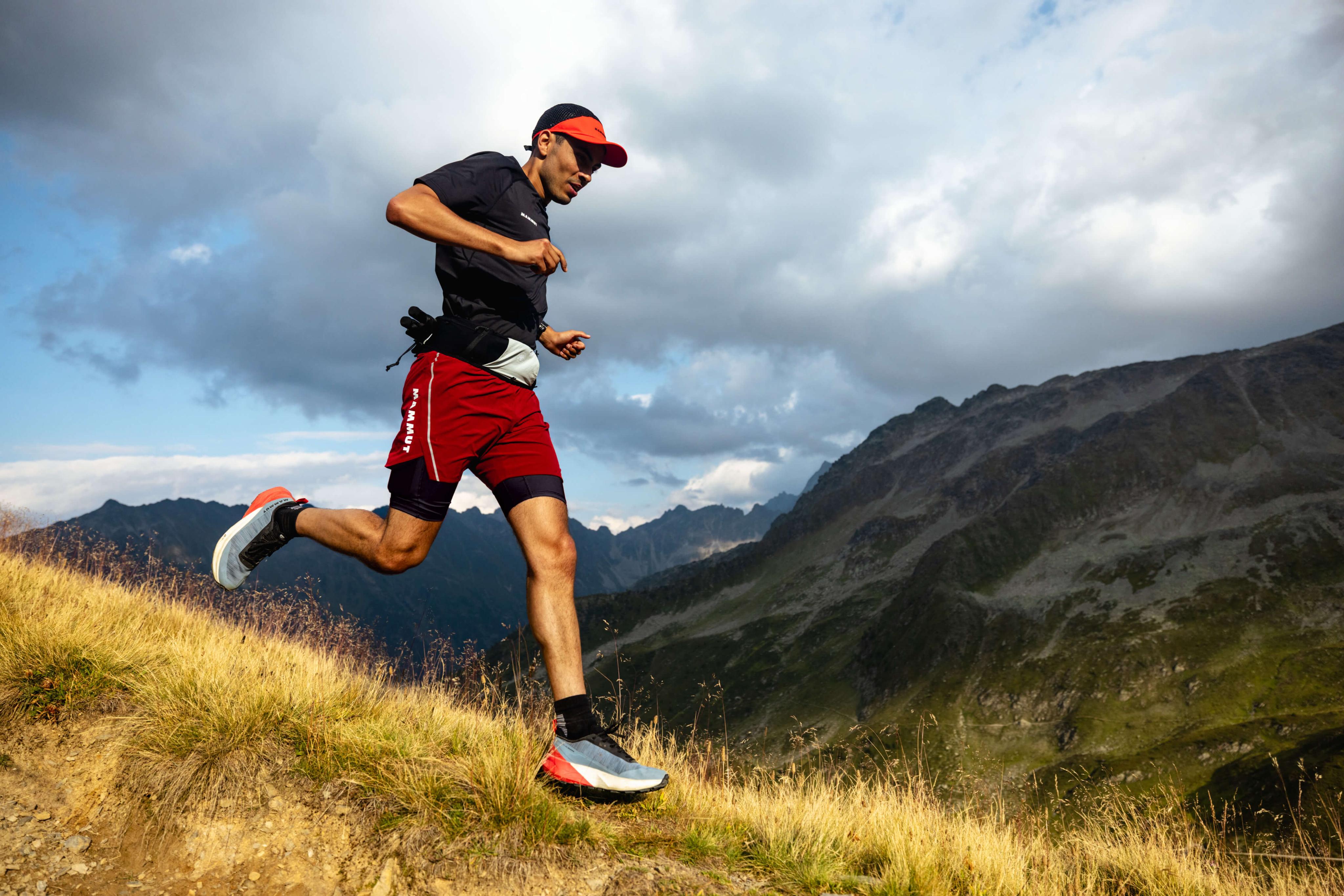
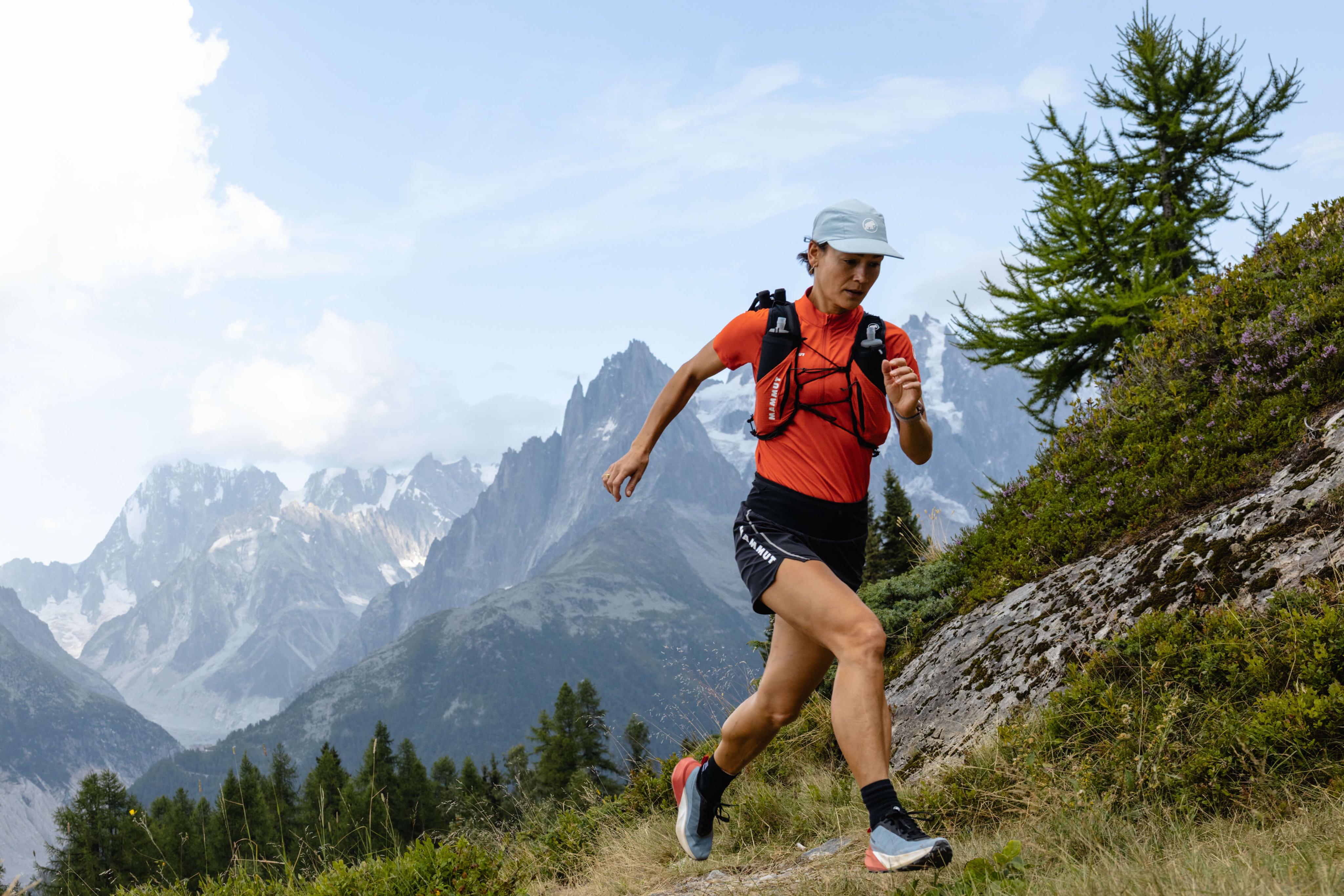
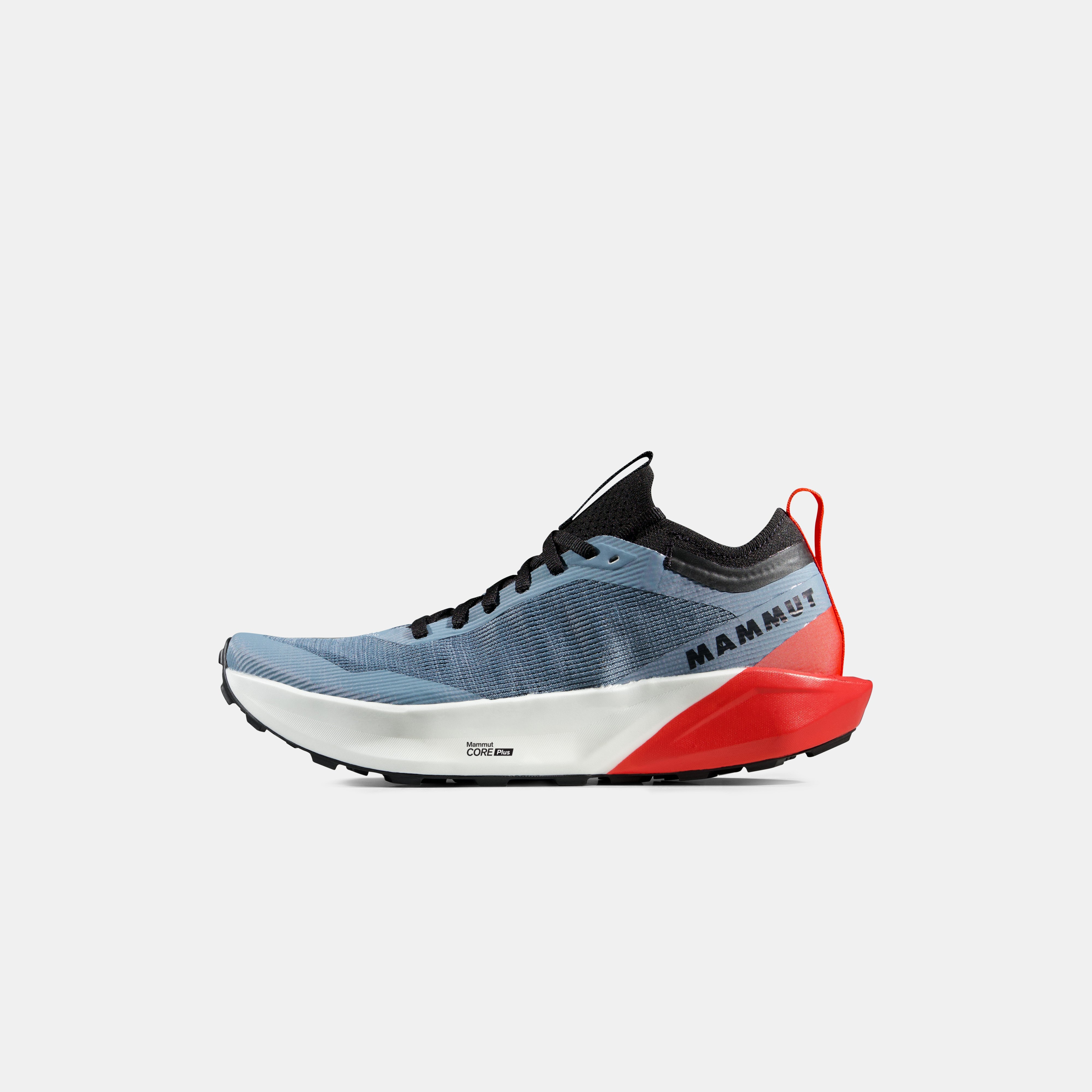
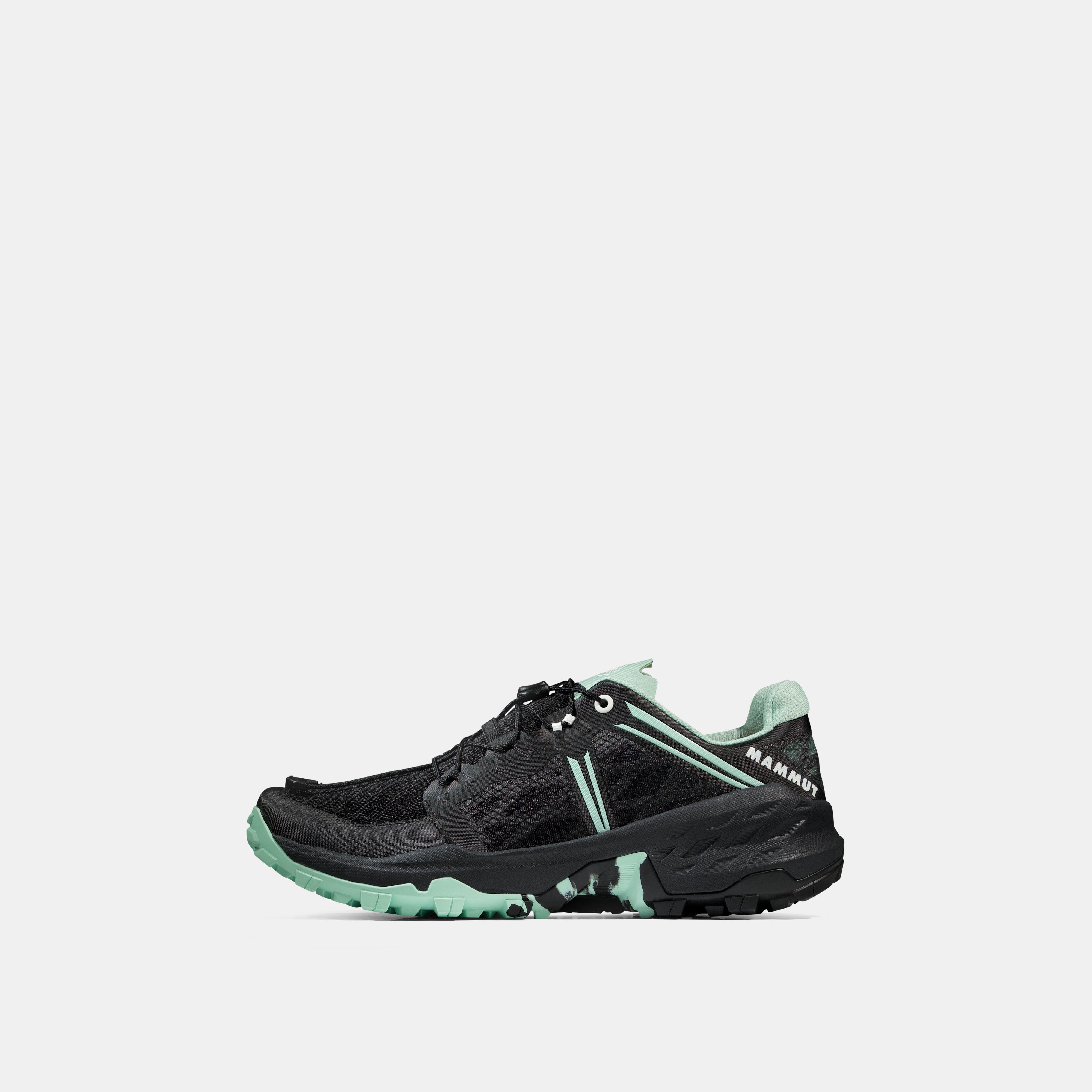
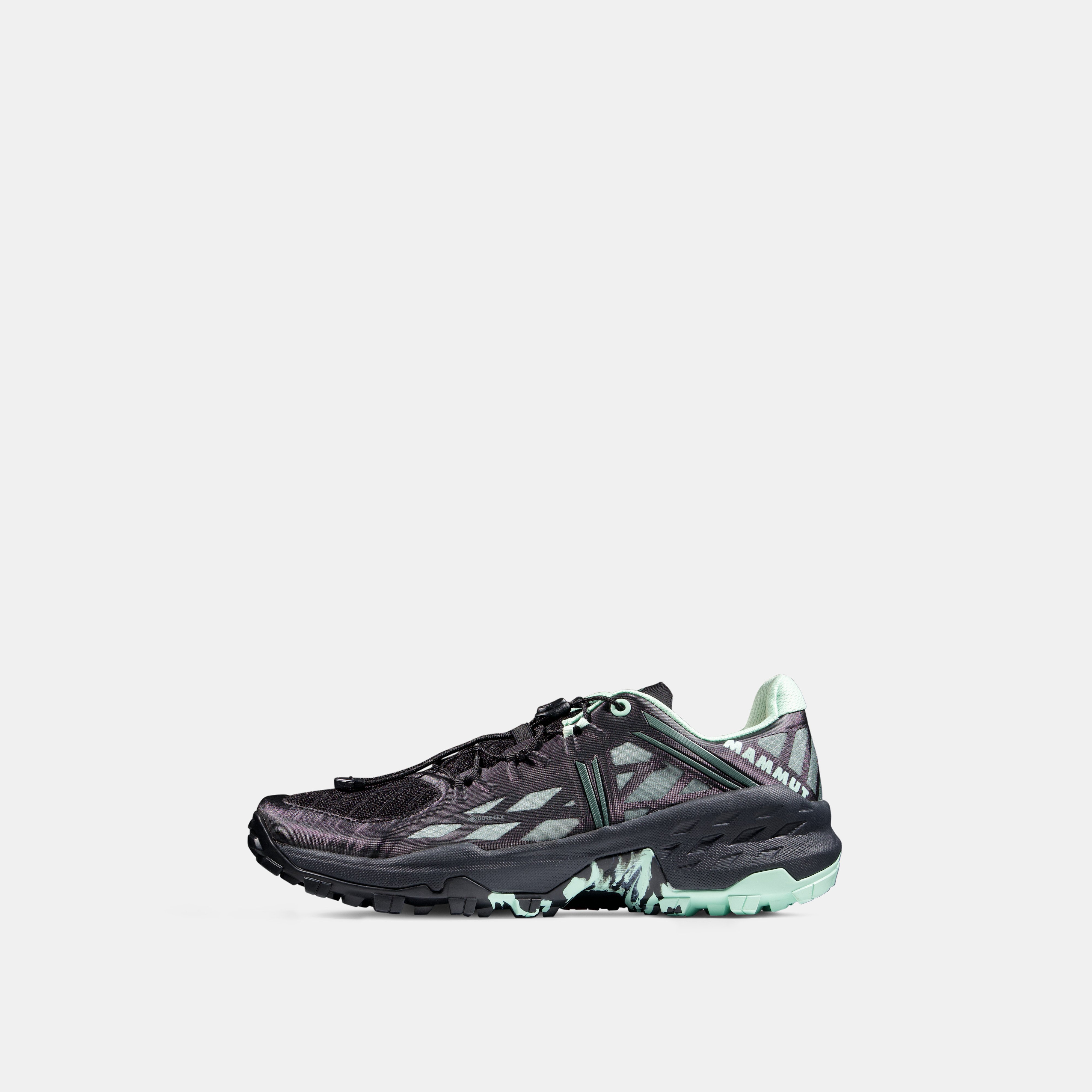
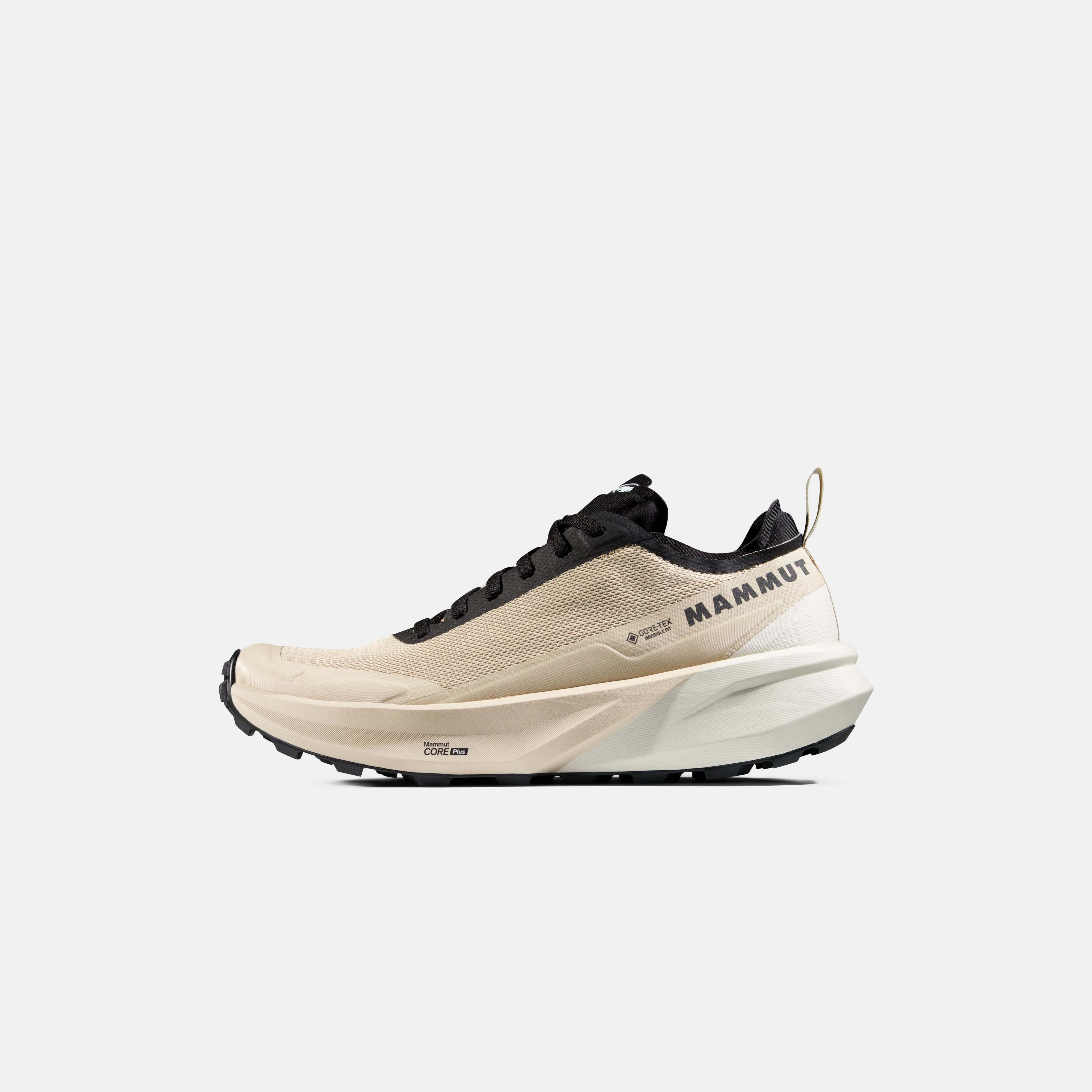
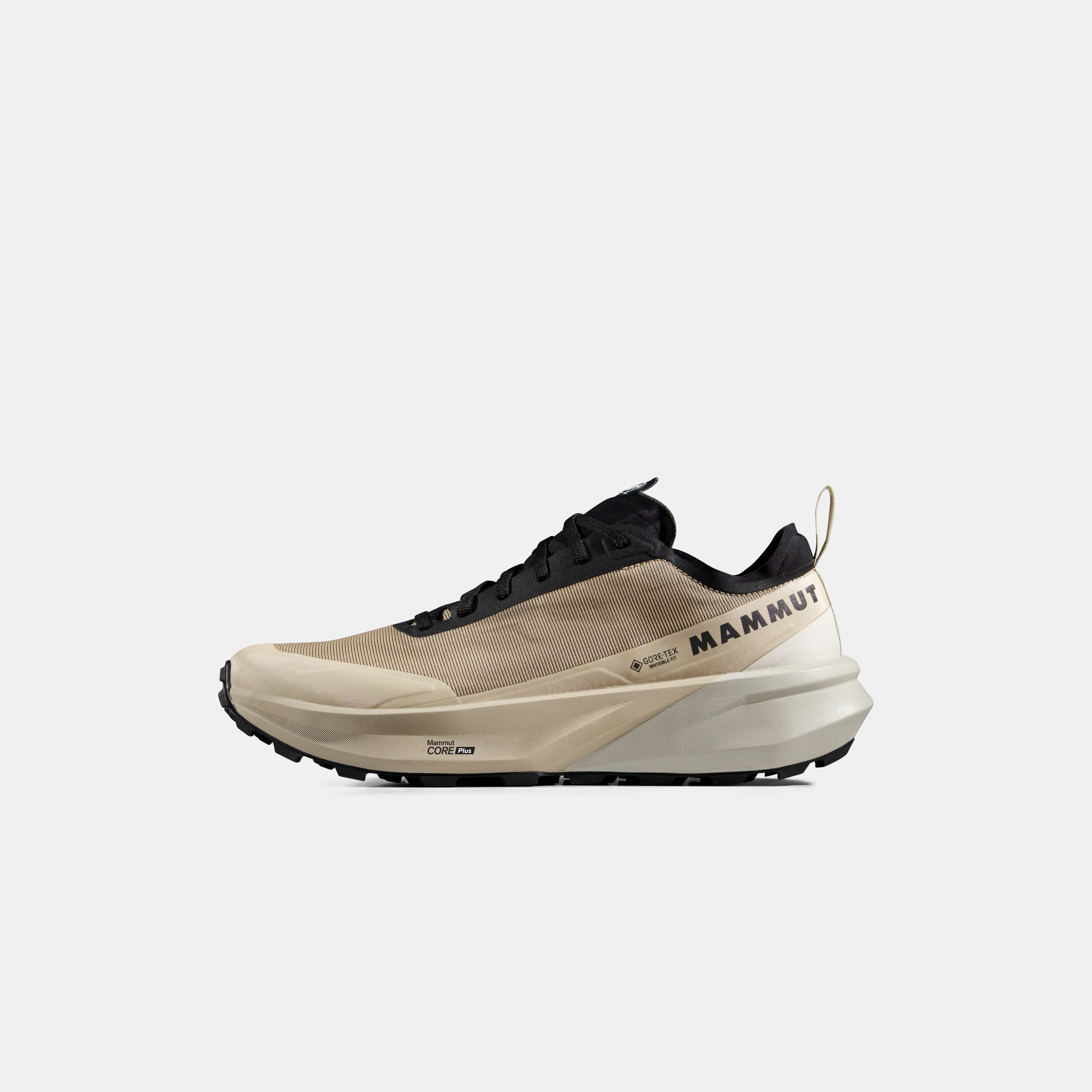
Let's take a closer look at how these components work together – from lug depth to fit.
The components of a trail running shoe
Every part of a trail running shoe is engineered to handle the specific demands of off-road terrain:
Sole and grip: Keeping you safe
Where regular running shoes rely on friction, trail running shoes work on a different principle: pronounced lugs dig into the ground to deliver traction on loose scree, mud, or wet leaves. The rubber compound is typically softer and grippier, providing hold even on wet rock. Lug depth varies depending on the terrain:
Moderate tread (approx. 3–4 mm): ideal for door-to-trail running and dry forest paths
Aggressive tread (5 mm+): built for soft ground, mud, and technical high-alpine terrain
Cushioning and ground feel: control vs. comfort
A sole that's too soft increases the risk of rolling your ankle, since you lose the direct feedback from the ground beneath you. Many trail running shoes also feature a lower heel-to-toe drop than running shoes, keeping your center of gravity closer to the ground for better stability. How much cushioning works best for you ultimately comes down to your preferred distance, the terrain you run on, and your individual running style:
Less cushioning: For maximum control and short, technical efforts
More cushioning: For ultra-long distances and taking the strain off your joints
Stability and protection: armor for your feet
On technical trails, your feet take a real beating. That's why trail running shoes come equipped with a range of protective features:
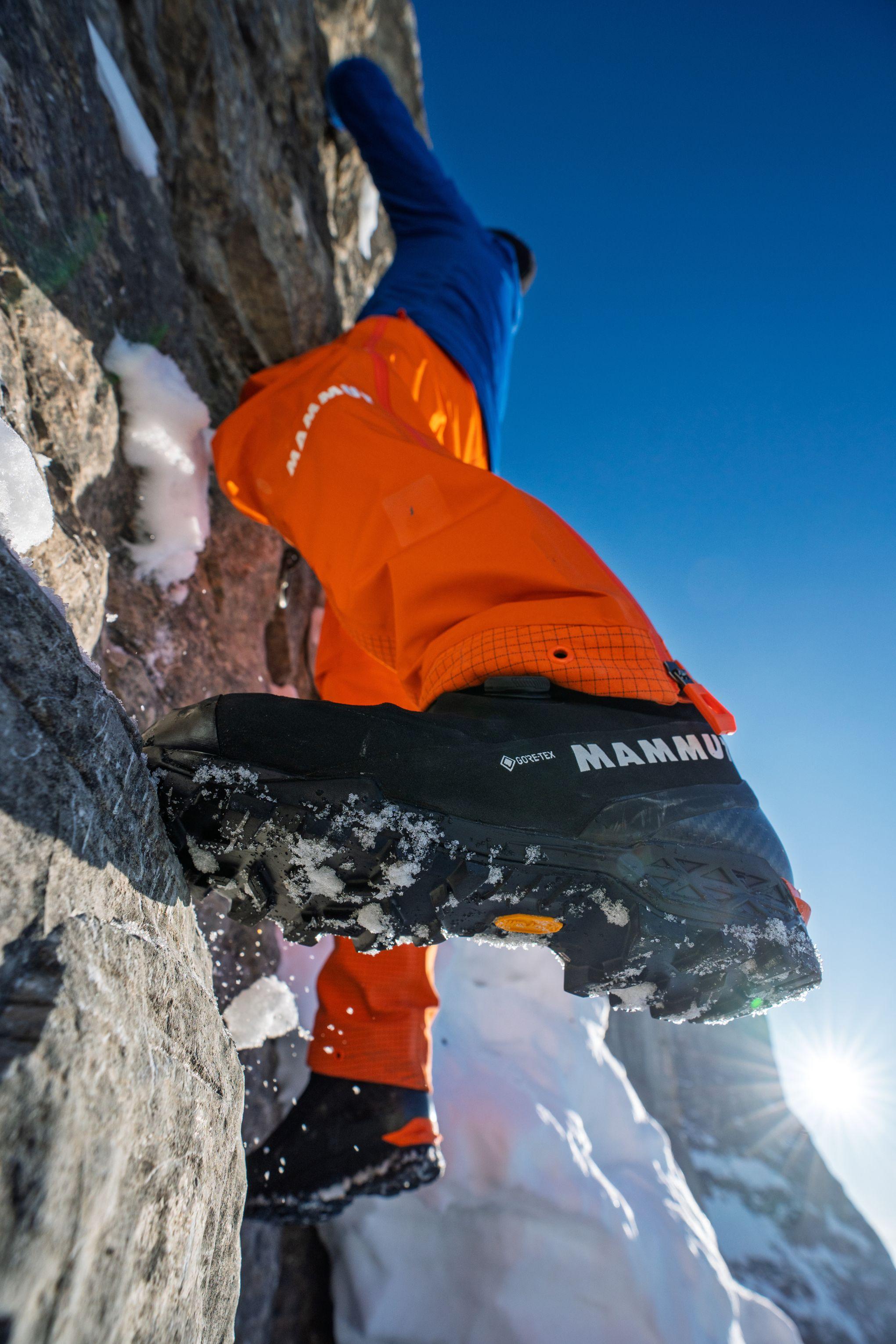
Toe cap: Guards against impact from rocks and roots
Rock plate: A rigid layer in the sole that shields against sharp objects (not always included)
Heel stability: Keeps your foot precisely in place on descents and traverses
Durable outer material: Built to last, even on the roughest terrain
Outer materials and fit: secure footing in any weather
The outer materials of a trail running shoe are a feat of engineering, balancing two opposing demands: it needs to be tough enough to handle sharp rock edges, thorny undergrowth, and loose scree, while remaining flexible enough to allow a natural stride. Abrasion-resistant mesh and TPU overlays protect against wear and tear. For wet conditions or snow, GORE-TEX (GTX) models are the go-to choice for keeping your feet dry. Trail running shoes also tend to fit more snugly than street shoes – and for good reason. That precise fit is what keeps you stable on lateral traverses and prevents your foot from sliding forward painfully on steep descents.
Running shoes: optimized for roads and firm surfaces
Classic running shoes are built for maximum efficiency and a smooth forward stride. They prioritize comfort above all else, absorbing the repeated impact of hard surfaces with every step.
Sole, cushioning, and dynamics: comfort on hard ground
The sole is flat or only minimally structured to maximize contact with the surface. The main focus is cushioning technology: since hard surfaces put more stress on your joints, running shoes tend to be softer and more elastic. They convert impact energy into forward momentum, giving you that springy, responsive feel underfoot. Street running shoes are also typically much lighter, which helps you maintain a higher step frequency during interval sessions or city runs.
Outer materials and fit: breathability first
Fine, highly breathable mesh keeps air flowing freely, so your feet stay cool even during intense sessions. Since your foot needs less lateral support on straight, even surfaces, the fit is designed around even pressure distribution and all-day comfort rather than a locked-down feel.
How to find the right shoe for your goals
When it comes to finding the perfect trail running shoe , your starting point should always be the terrain you typically run on and the conditions you'll encounter there. If technical alpine trails are your home turf, maximum stability is the priority – the Aenergy Trail series is the specialist for protection and grip in demanding terrain. For forest trails, the same series strikes the right balance between cushioning and traction.
Whatever the terrain, one golden rule always applies: leave a thumb's width of space in front of your toes and always try your shoes on with the right running socks, since feet swell during a run.
Your next step towards adventure
Trail running shoes and running shoes are each built for a very different purpose: one offers protection and grip in off-road terrain, the other stands out for its lightweight comfort and cushioning on pavement. Ultimately, the right choice comes down to where you like to run.
Once you've found your ideal shoes, it's time to fine-tune the rest of your setup. Whether you're just getting started or already gearing up for your first ultra trail event, the right gear makes all the difference. Ready to complete your kit? Our guides have you covered:
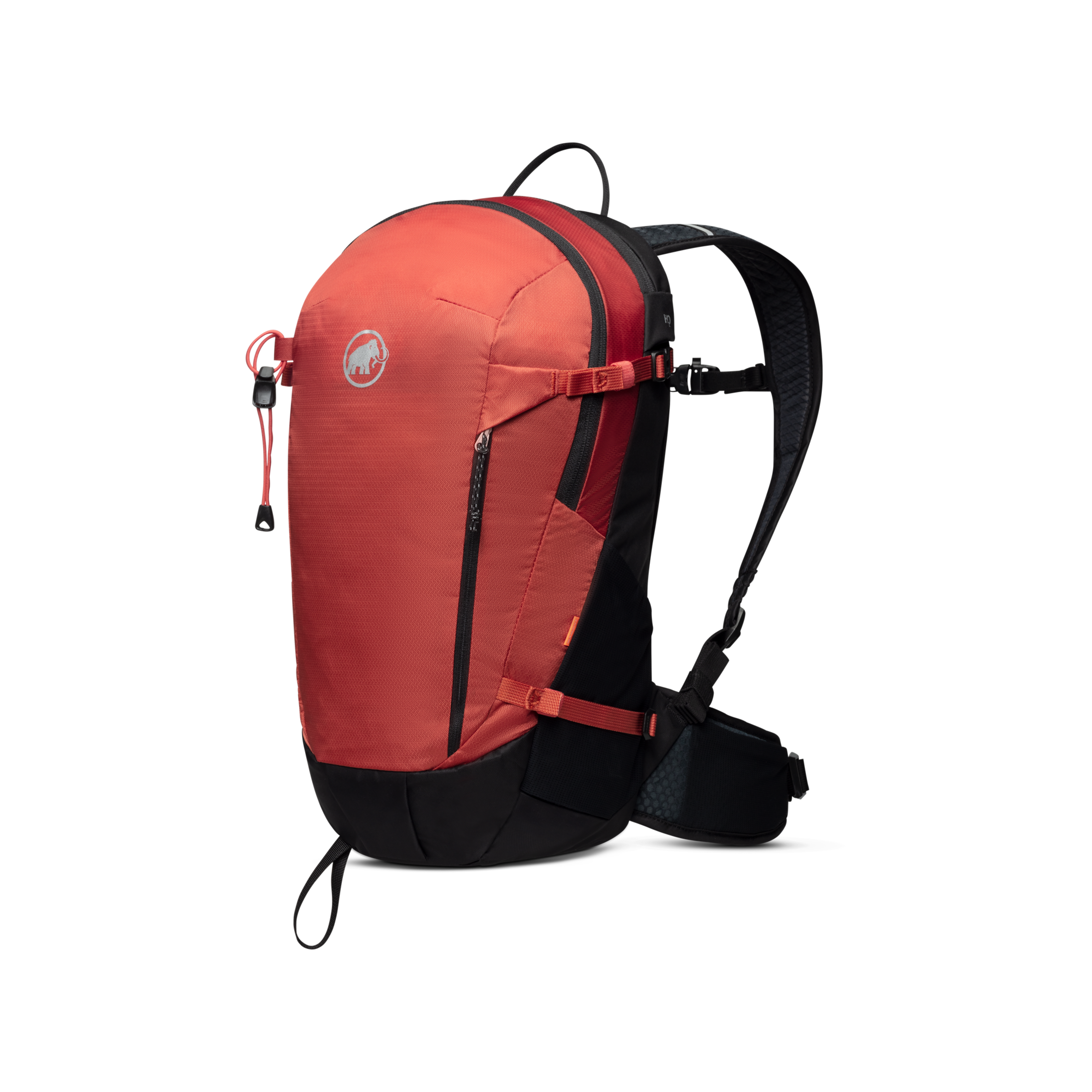
Which trail running pack is right for you? Find out how to keep your gear secure and within easy reach on the trail.
Tips for trail running in winter: How to stay safe and sure-footed even in cold and snowy conditions.
With the right knowledge and the right setup, nothing stands between you and your next off-road adventure.
Frequently Asked Questions
What happens if I run trails in running shoes?
On easy, dry forest paths, you'll usually be fine. But on technical terrain, in wet conditions, or on loose ground, you'll quickly notice you’re missing grip, stability, and protection – which significantly increases the risk of slipping and getting injured.
Can I wear trail running shoes on paved surfaces?
Technically yes, but they're not built for it. The firmer cushioning doesn't absorb impact on hard surfaces as well, which puts more strain on your joints over time. On top of that, rough asphalt acts like sandpaper – the softer rubber compound and lugs wear down fast, while running feels wobbly and less directional.
Do beginners need a trail running shoe right away?
If you're mainly running on paved surfaces, a running shoe will do. But if you regularly find yourself on forest trails, gravel, or mountain paths, a trail running shoe makes sense from day one.
What's the most important difference between trail running shoes and running shoes?
The main difference is the surface they were designed for. Trail running shoes are built around grip, protection, and stability in off-road terrain – regular running shoes are all about comfort, cushioning, and efficient movement on firm surfaces.