


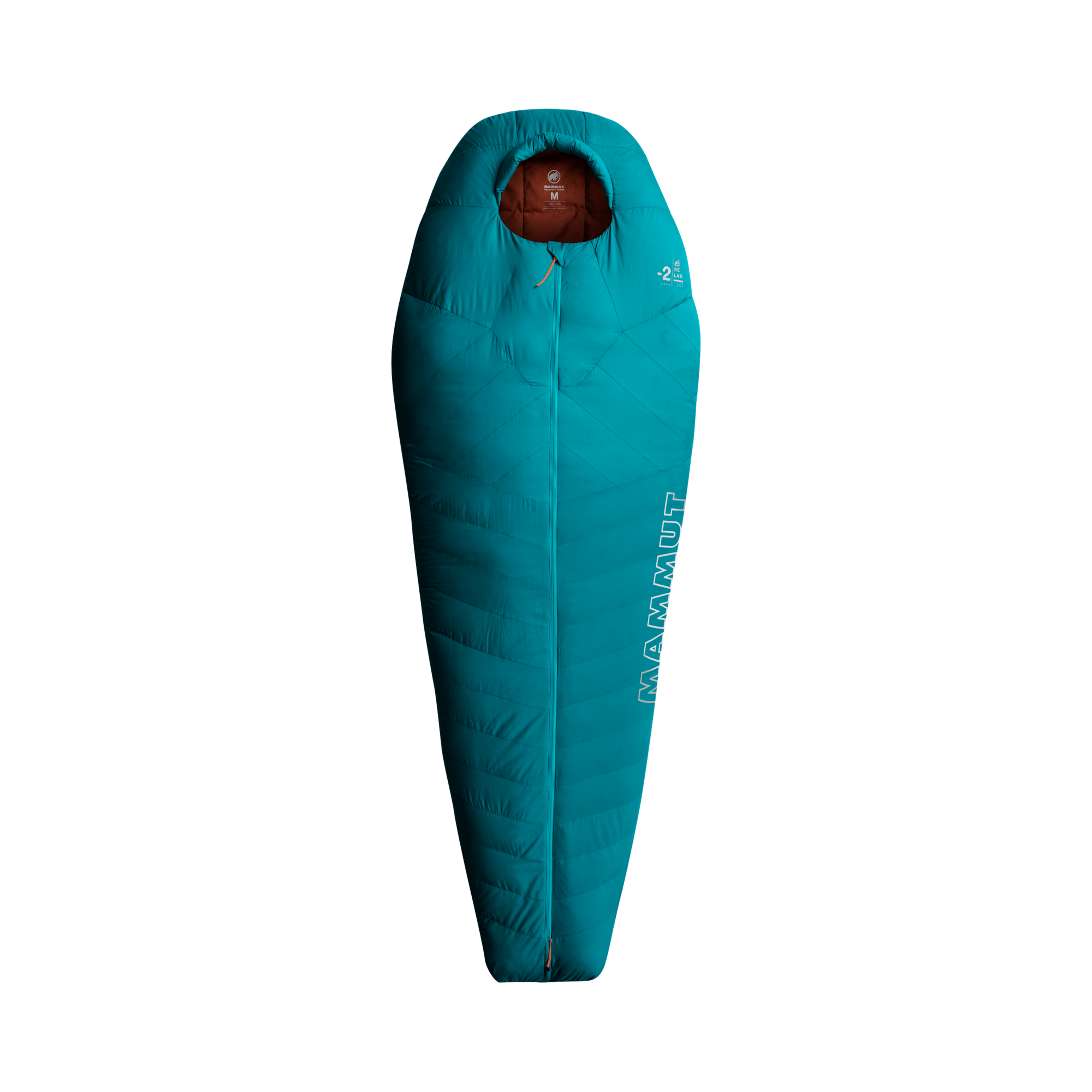
New Colors Added
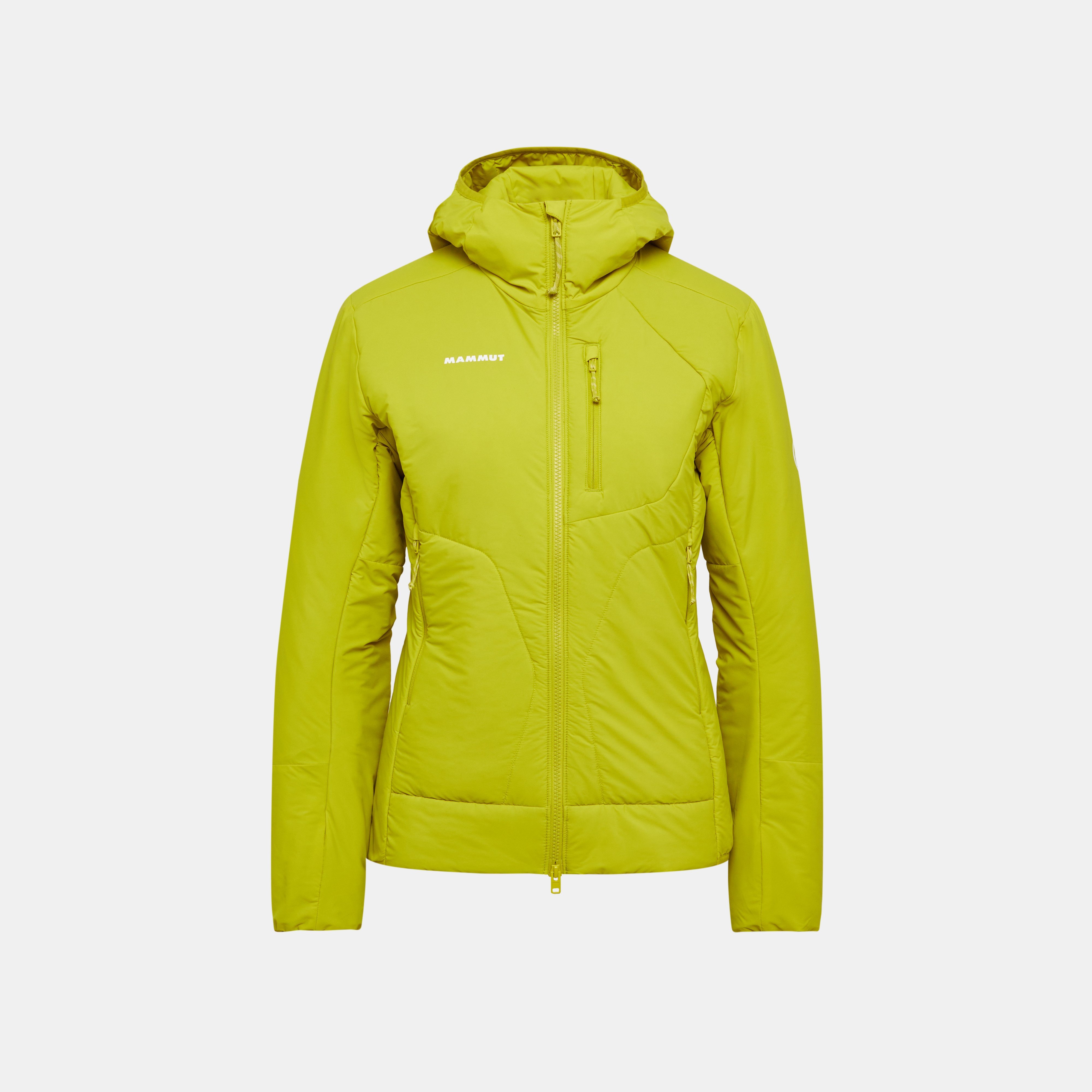
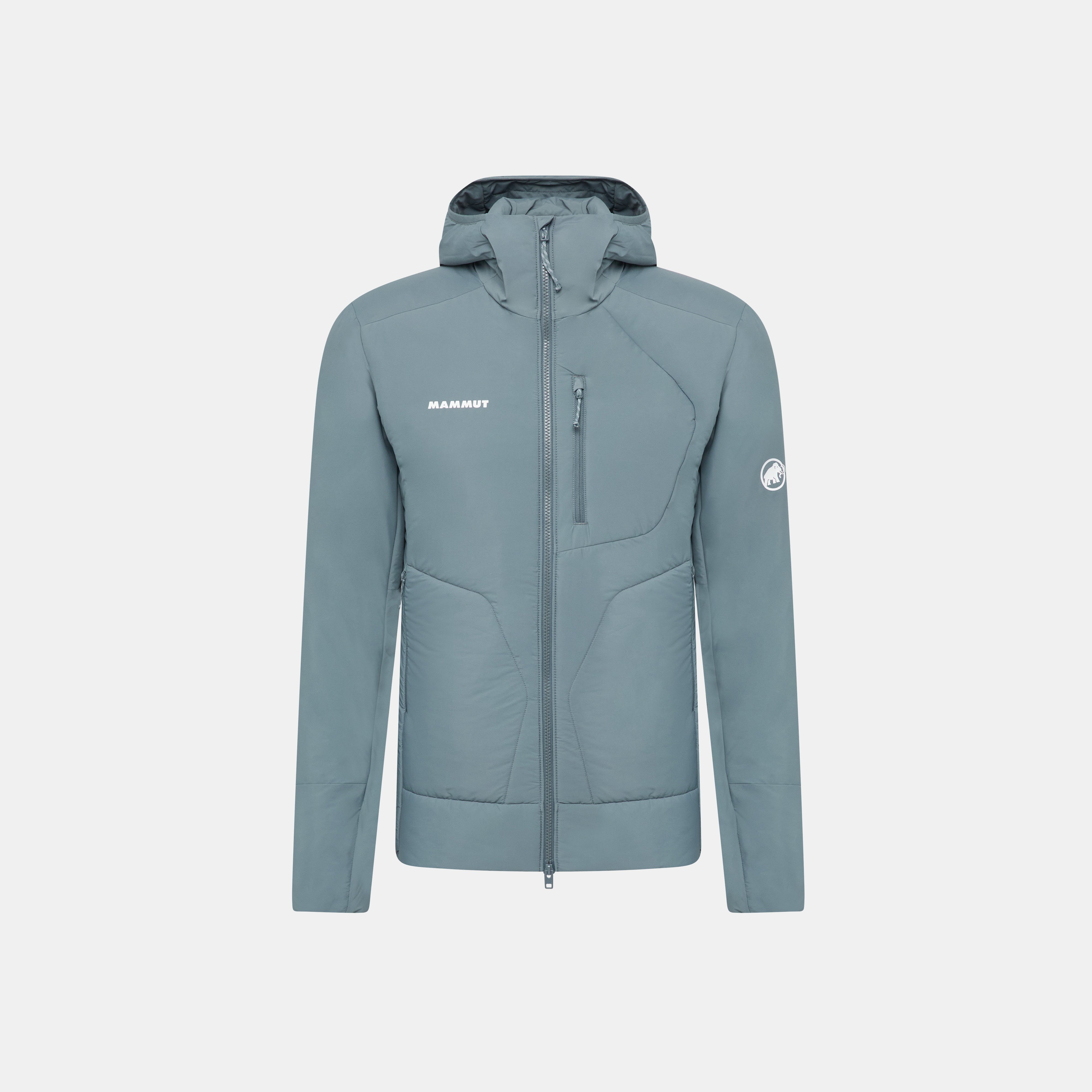
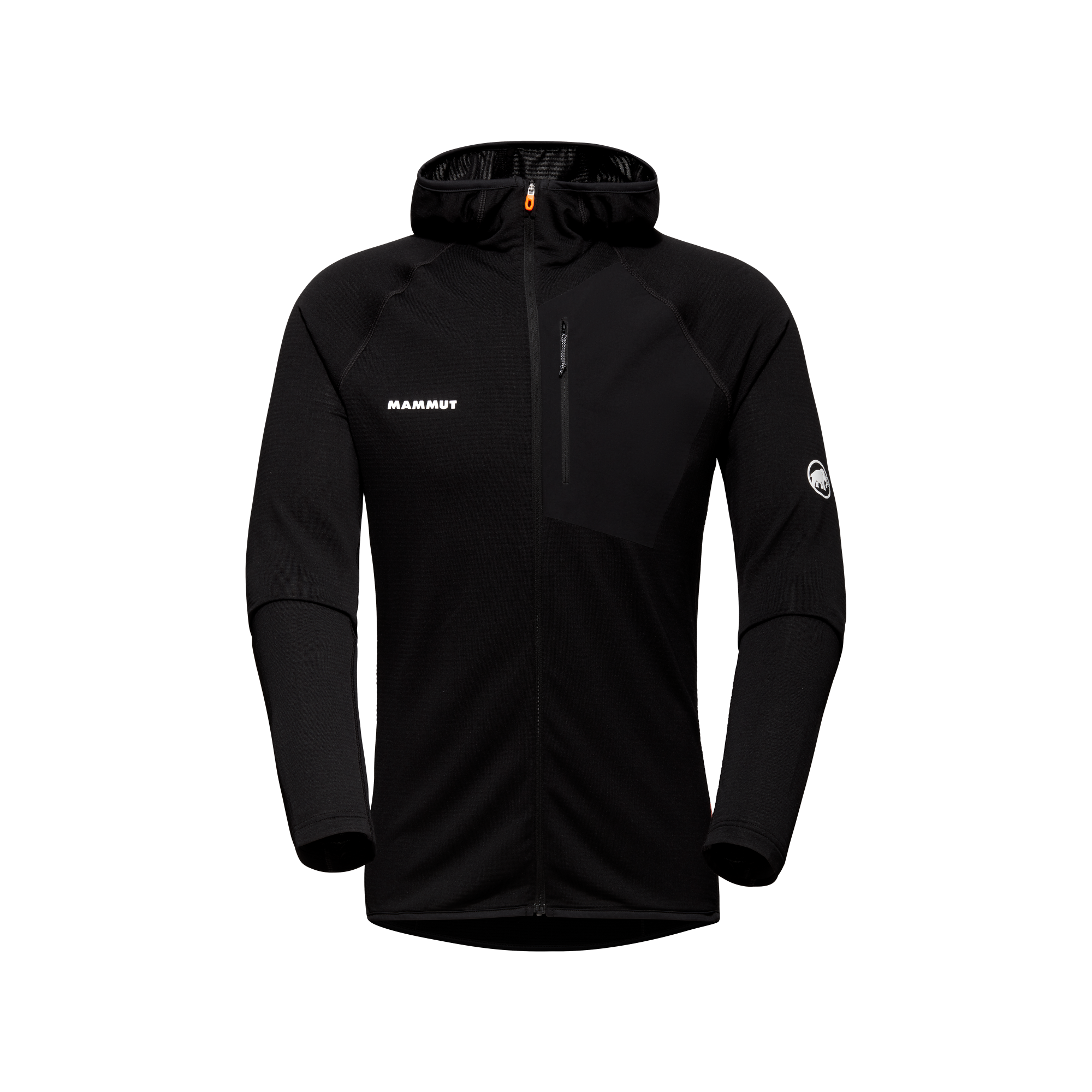
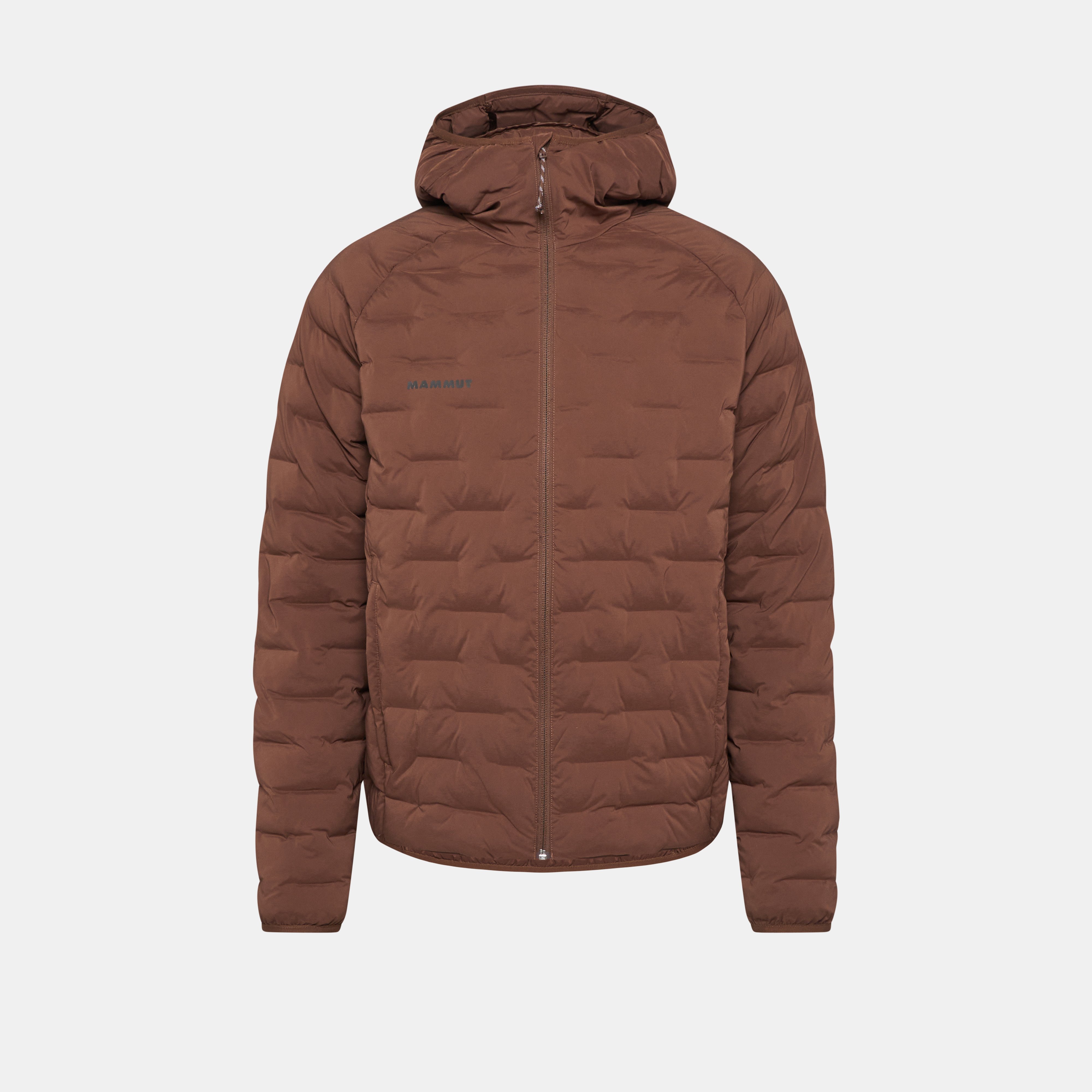
Sender IN Hooded Jacket Men

Next-level insulation with lower impact – transforming rope offcuts and recycled materials into cutting-edge cold weather protection.
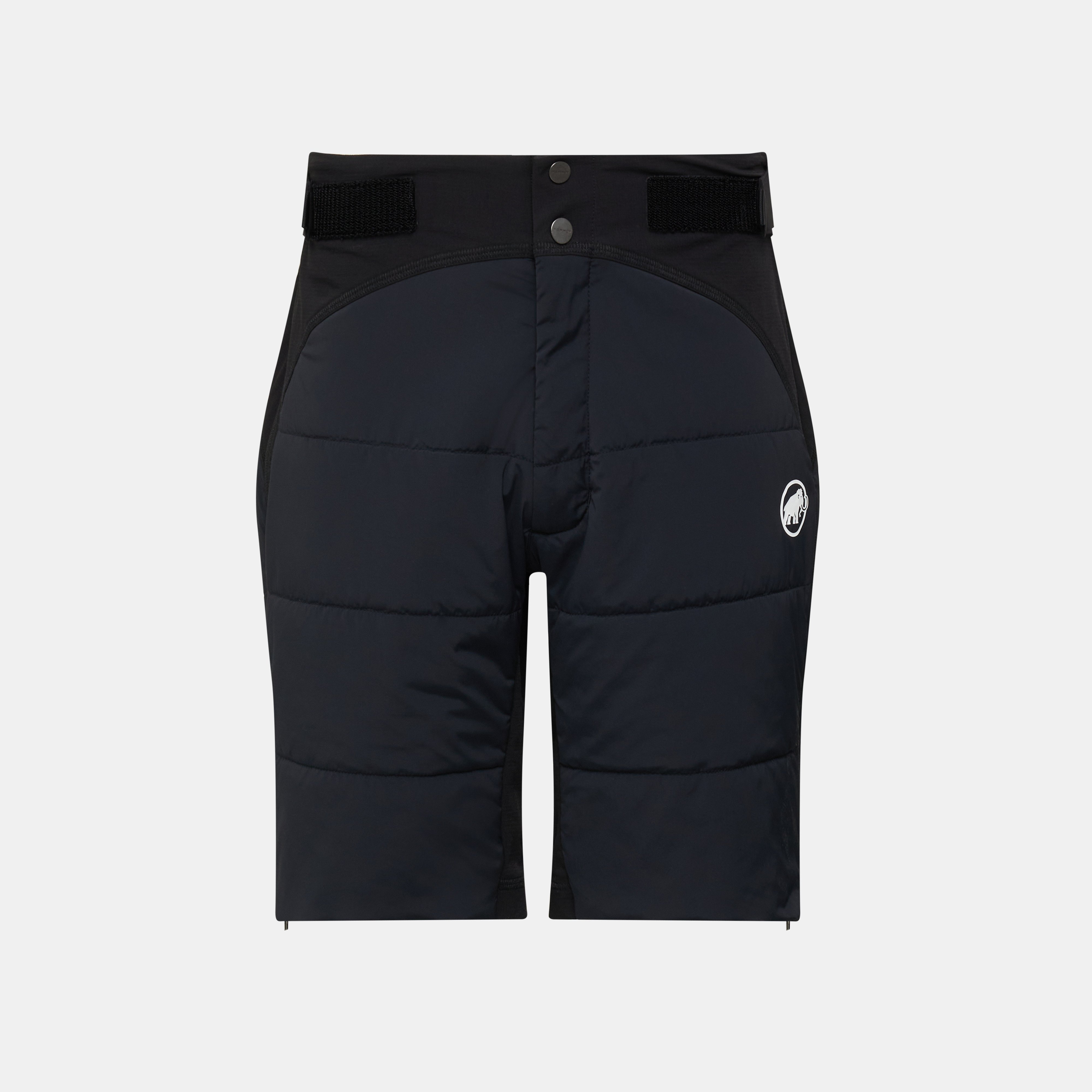
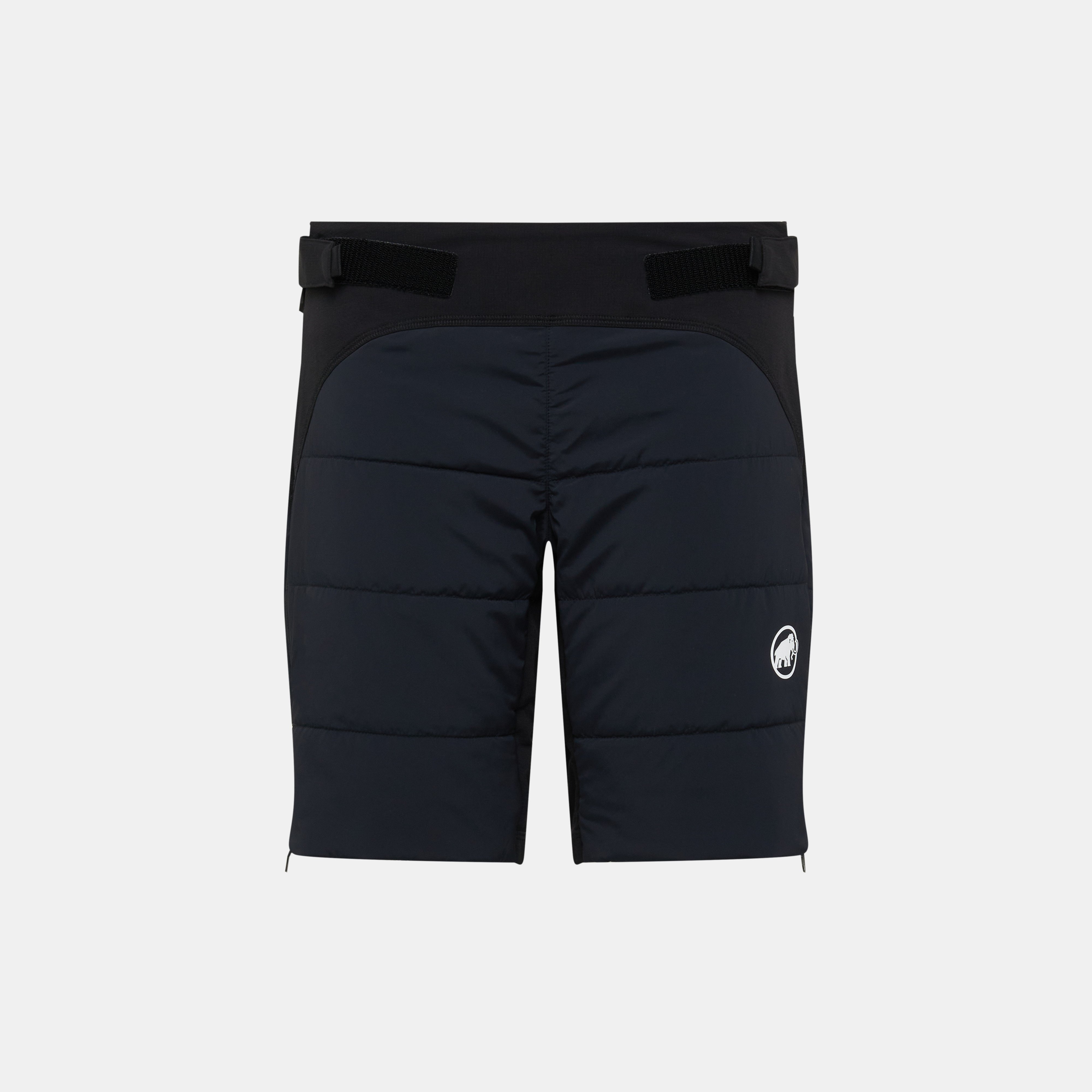
Warm even in wet and humid conditions, crafted from repurposed materials, and easy to care for, Mammut LOOPINSULATION marks the next step in our journey toward creating more circular products. Made by transforming industrial rope production offcuts and recycled PET (rPET) into next-level insulation, our jackets are ready for quick day hikes and multi-day tours alike.
Polyester-based rope offcuts from industrial rope production are gathered – materials that would otherwise be discarded.
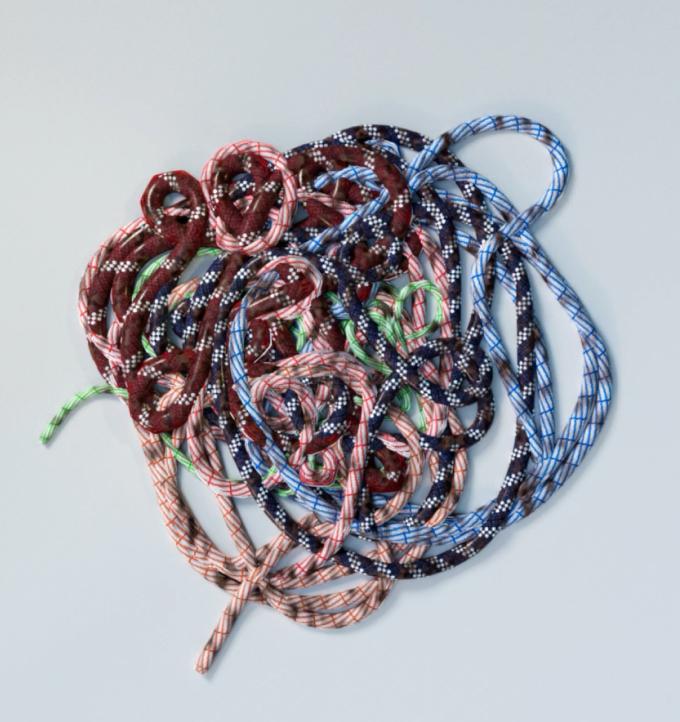
These offcuts are then untangled into single strands which are brushed together and combined with recycled plastic.
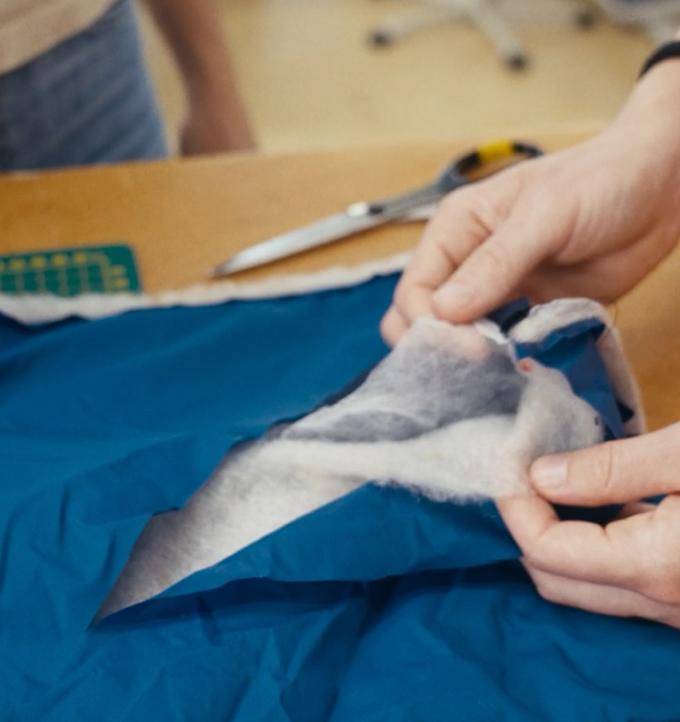
The end result is fluffy polyester sheet padding and cluster fill, which creates warming insulation for our jackets.
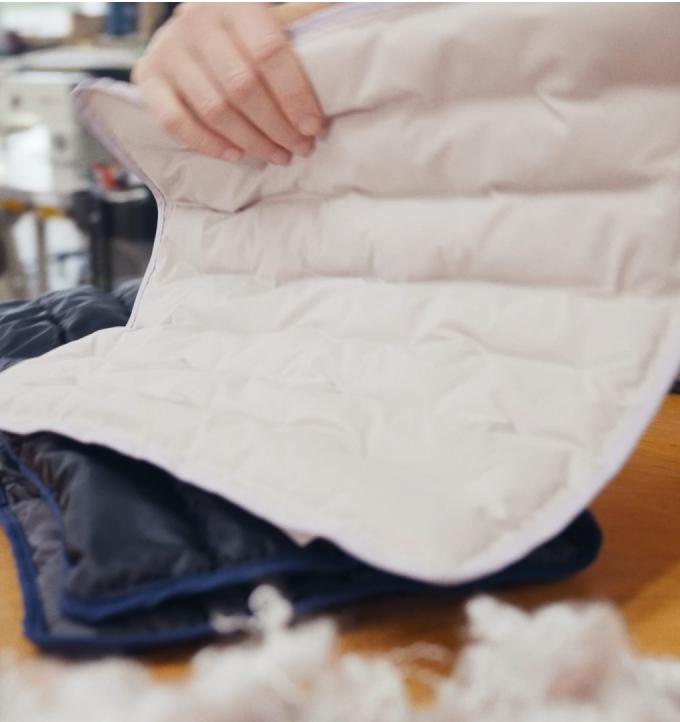


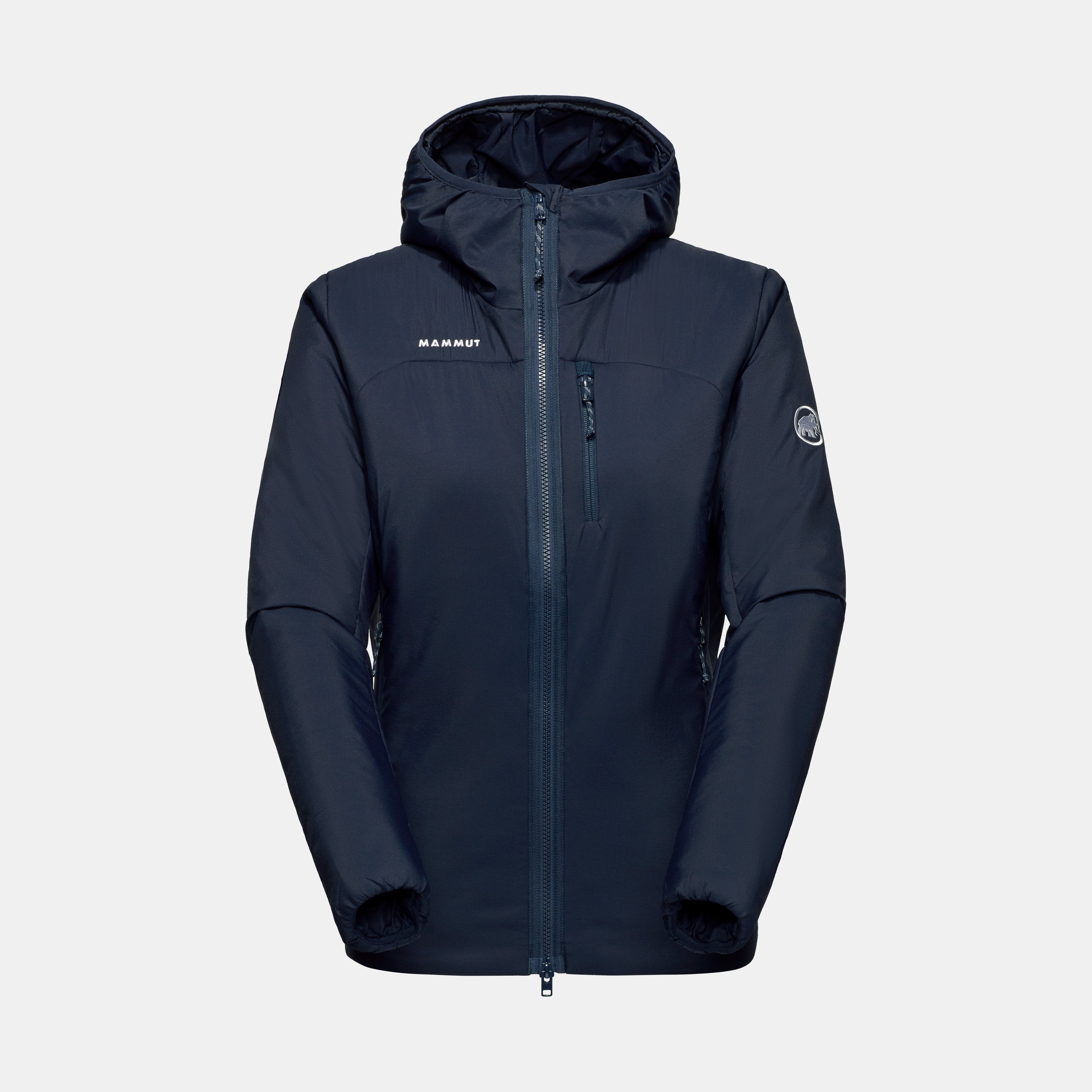
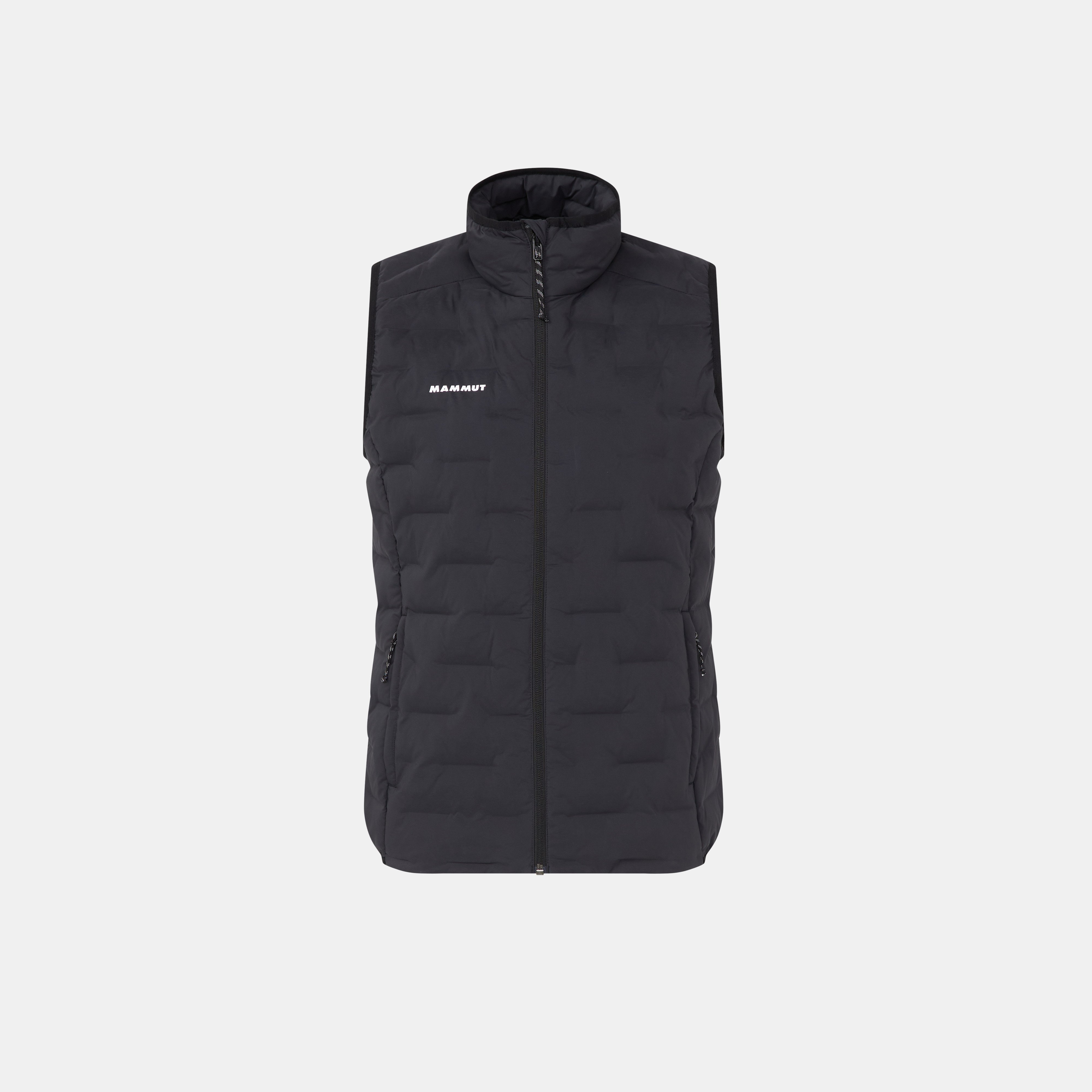
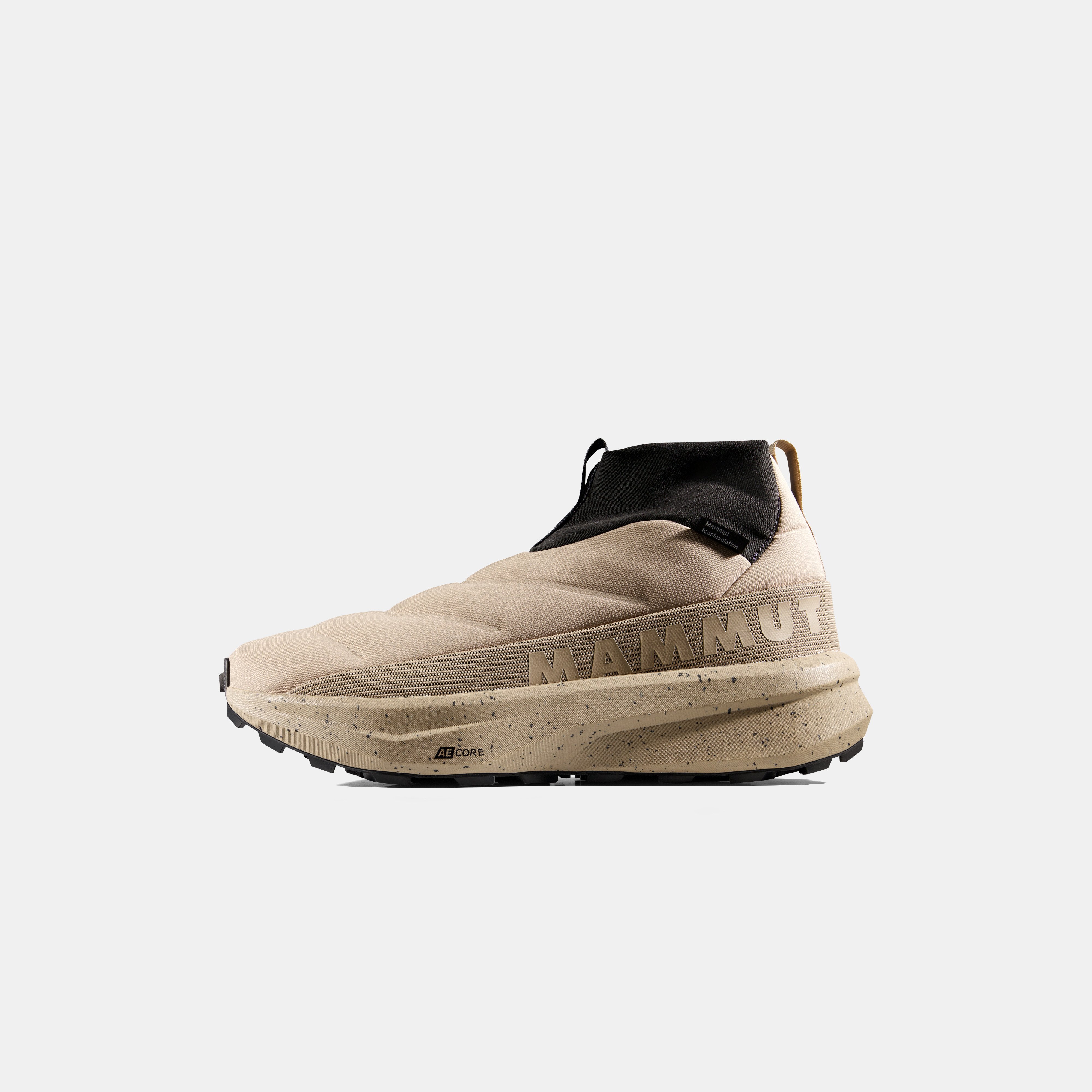
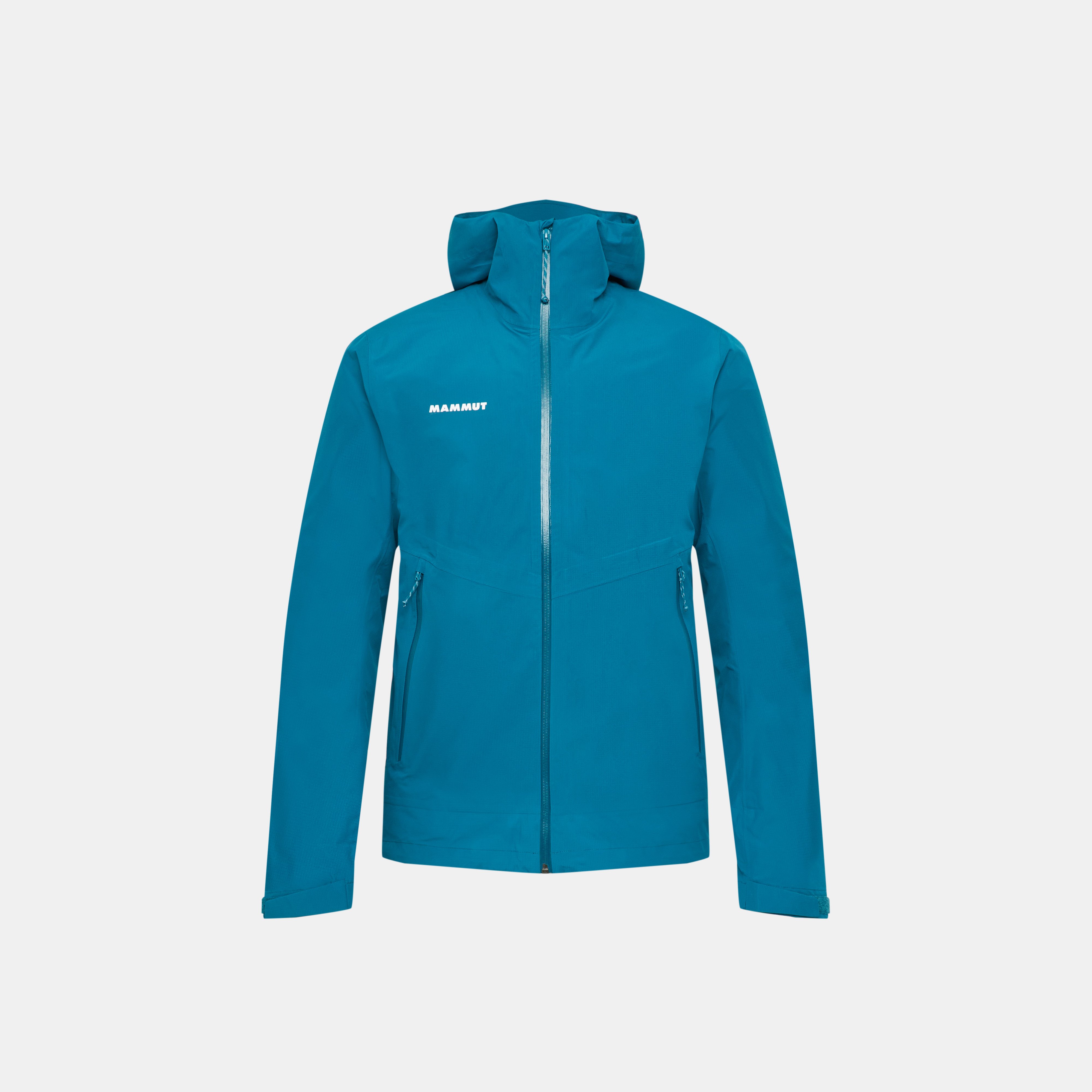
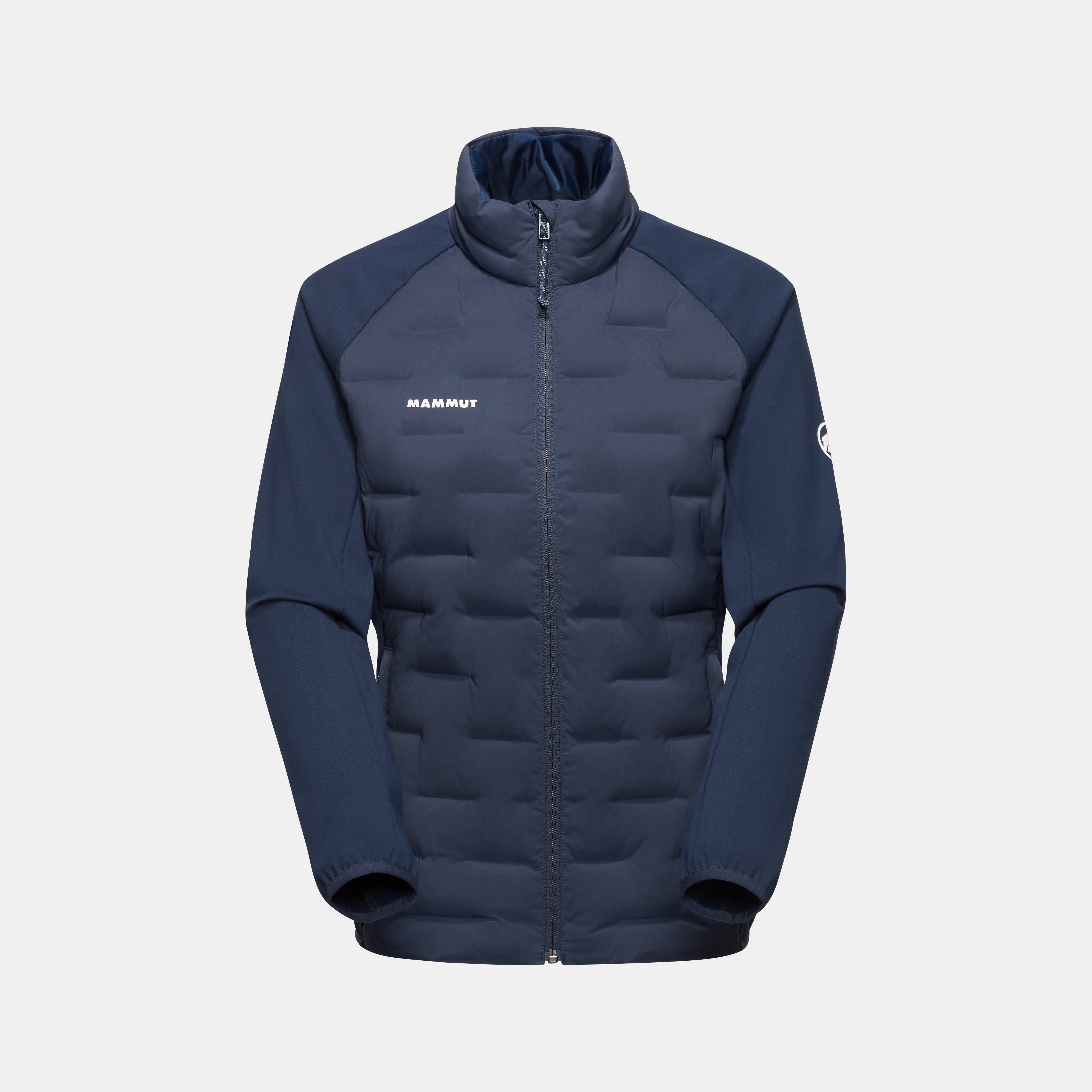
At Mammut, we're always exploring more sustainable and resourceful practices. When we tested reused rope for insulation, we found that while climbing ropes made from polyamide weren't effective, rope production offcuts made from polyester had fantastic insulating properties – and from this, we developed Mammut LOOPINSULATION.

Industrial rope offcuts undergo a mechanical recycling process. These ropes are untwisted into single rope strands, which are then brushed together and combined with rPET at a 50/50 ratior ecycled plastic to create polyester sheets or clusters – using no extra chemicals, glues or water.
These polyester sheets or fiber balls are placed with great care inside our jackets to form synthetic insulation for warmth and protection against cold and wind. The result is next-level insulation with a lower environmental impact. The production of Mammut LOOPINSULATION emits 48% less carbon compared to standard virgin polyester insulation. This calculation considers the emissions of shipping the material from Europe to the garment manufacturers in Asia for production.*
* Attribution statement: The estimations regarding CO2 calculations were modelled using the Higg MSI 3.7. They were calculated by Mammut Sports Group AG and are not third-party verified.
Warm when still, breathable when moving – with an accordion-like structure that regulates heat.

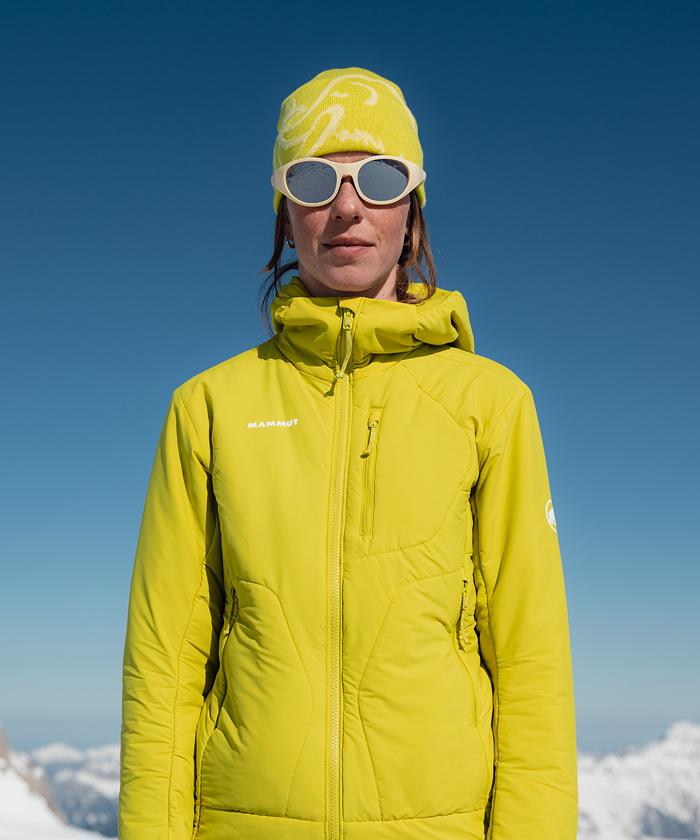
Alpine performance demands gear that keeps pace. This means warmth when you pause, and breathability when you push.
Mammut LOOPINSULATION Active is an adaptive thermal layer that responds directly to your movement, keeping you comfortable through every phase of your high-intensity adventures.
Time to get Active.
We've engineered Mammut LOOPINSULATION Active by reclaiming industrial rope offcuts and reweaving them into an accordion-like insulation. When you stop and temperatures drop, the fibers trap essential heat to keep you warm. When you move, the structure expands, releasing excess moisture and air to cool you as you heat up.
The result is insulation technology that regulates your microclimate in real-time, from the burn of the ascent to the chill of the summit. Plus: Industrial rope waste gets a second life, all with zero added chemicals and 48% less CO₂ emissions than virgin polyester.*
*The estimations regarding CO, calculations were modeled using the Higg MSI 3.7. They were calculated by Mammut Sports Group AG, are not third-party verified, and are based on generalized industry data and assumptions at raw material level.
Mammut LOOPINSULATION provides dependable warmth for everyday comfort. When intensity rises, Mammut LOOPINSULATION Active steps up with enhanced breathability, stretch, and quick-drying capabilities for the stop-and-go demands of climbing, skiing, and ski touring.
Breathability
Durability
Packability
Warmth
Warmth to weight
Stretch
Quick drying
LOOPINSULATION
LOOPINSULATION Active