


What to wear for hiking? » Essentials for every weather
01/26
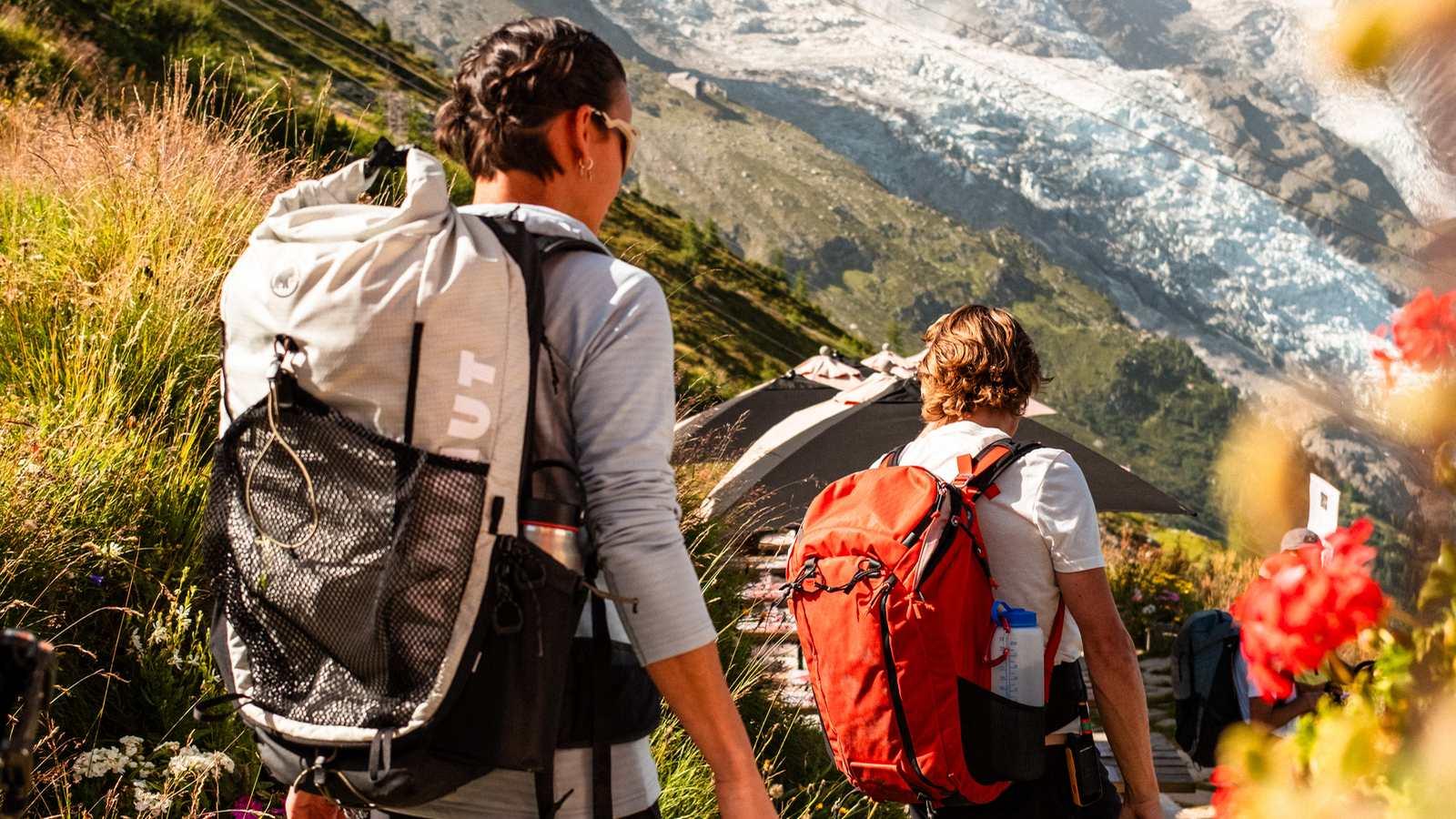
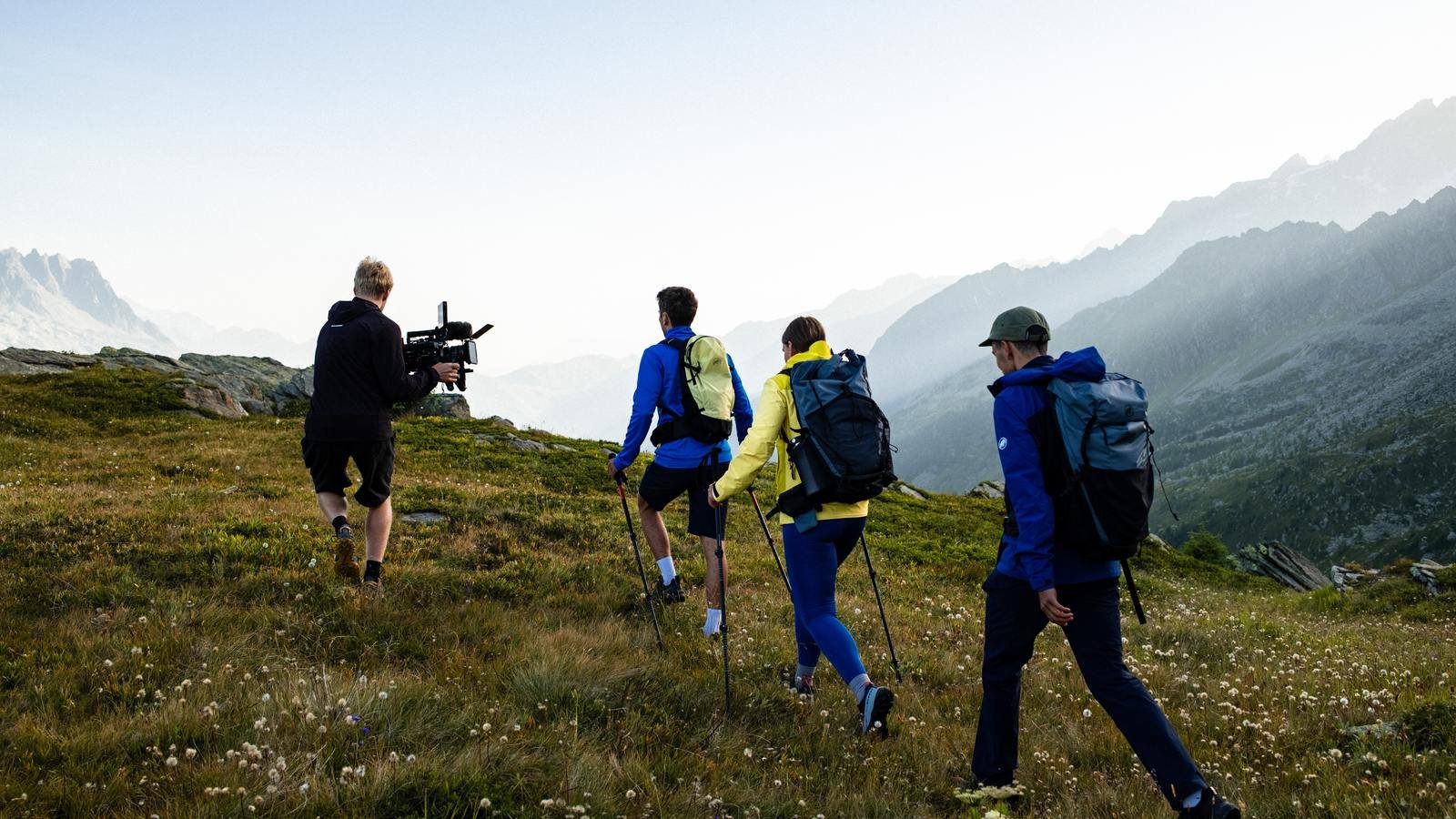
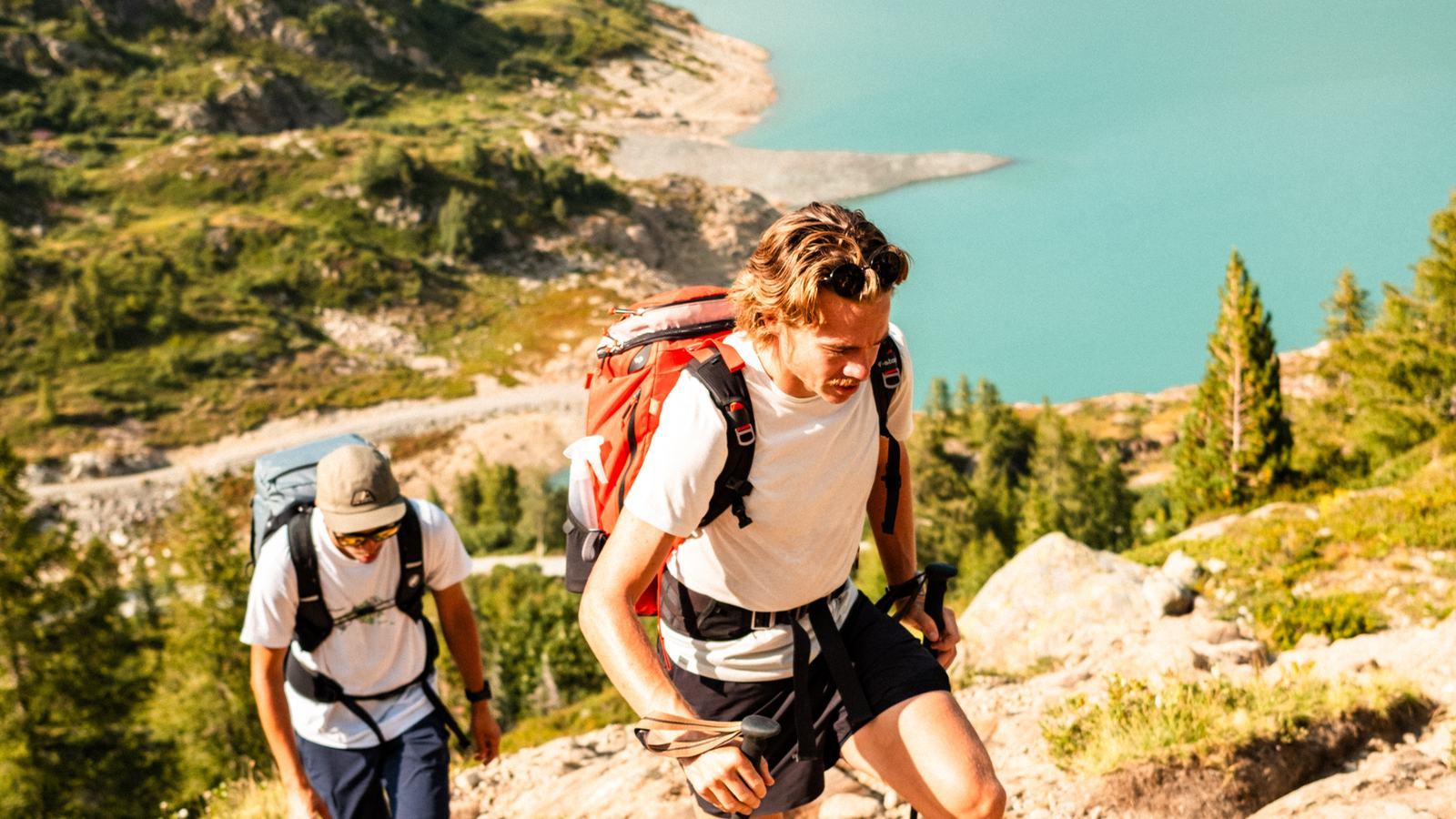
Whether you're out for a day hike, a long distance hike, or sneaking in an after-work trail run – having the right clothing makes all the difference. Your outdoor gear needs to work hard: keeping you protected when weather gets wild, staying comfortable for hours, and moving with you instead of against you. This guide covers what actually matters in hiking clothes – from base layers to boots.
What Your Hiking Clothes Need to Do
Hiking gear has to be functional above everything else. Translation: breathable, weatherproof, and designed for movement. Features like ventilation zips, ergonomic cuts, stretch zones, or abrasion-resistant reinforcements actually matter – especially when on longer tours.
Here's the deal: hiking clothes have to fit properly or they'll rub, restrict your movement, or bunch up in all the wrong places. That's not just irritating, but can also lead to chafing. Therefore, always look for a proper fit, a smart material mix and adjustment options. Natural fibers such as merino wool score points for their breathability and odor control, while synthetic fibers such as polyamide or polyester ensure durability, elasticity, and quick drying.
At the same time, sustainability matters more than ever. Mammut focuses on PFC-free waterproofing, recycled materials, and long-lasting quality. By combining natural fibers like merino with high-tech synthetics, we create clothing that feels good and performs even better.
Layering Up the Right Way
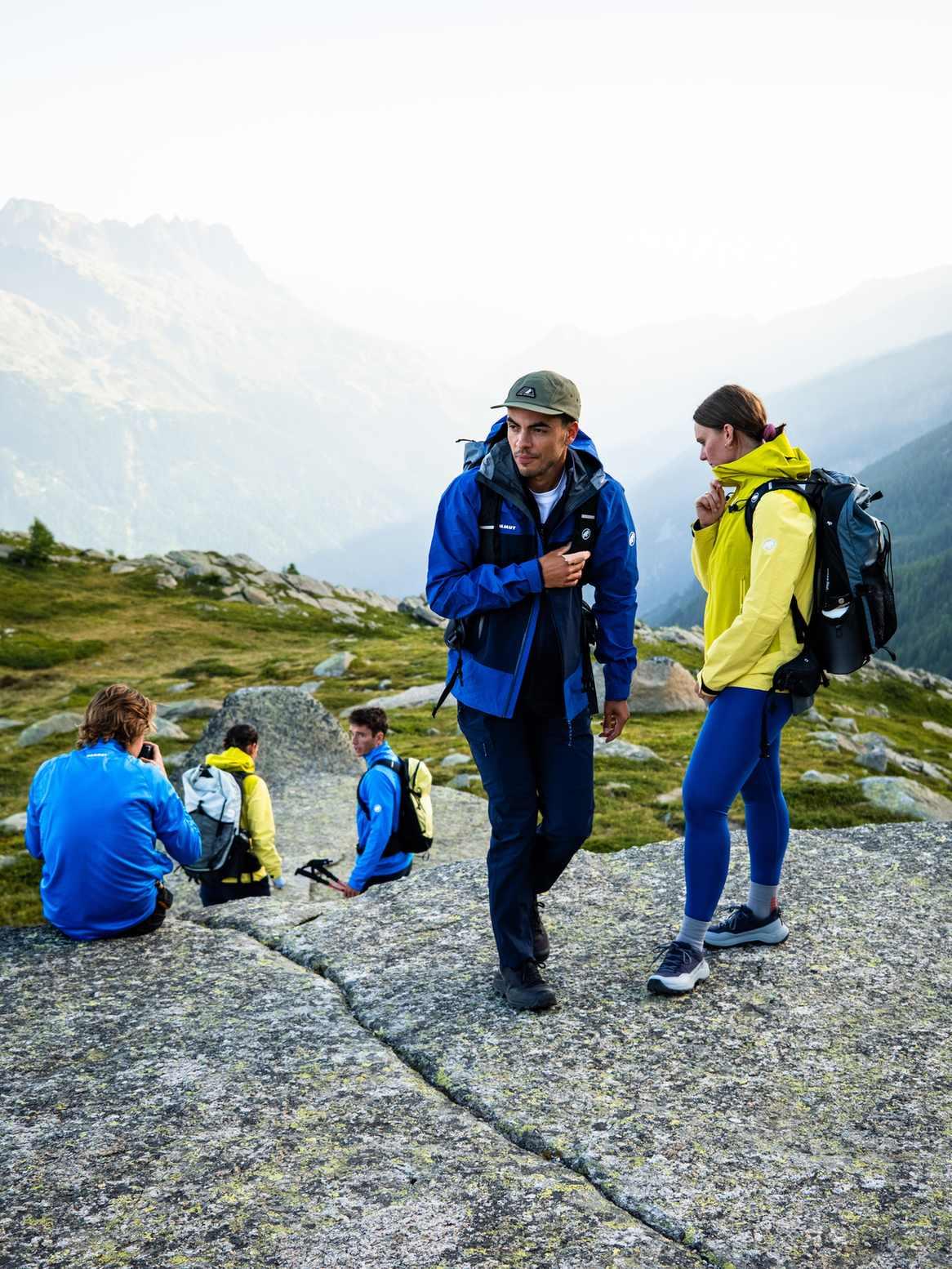
Mountain weather often changes faster than you'd think, plus your body temperature shifts as you work hard, get cold, or start sweating. To avoid freezing or overheating, you need to layer smartly. This involves combining several layers of clothing that can be adjusted depending on the activity or weather conditions. For the full breakdown on how layering works, check out our guide on the layering system .
Base Layer: Functional underwear to combat sweat and cold
Your base layer sits right against your skin and wicks sweat away fast. Go with technical shirts made from merino wool or quality synthetics. They dry quickly, regulate your temperature, and prevent unpleasant odors.
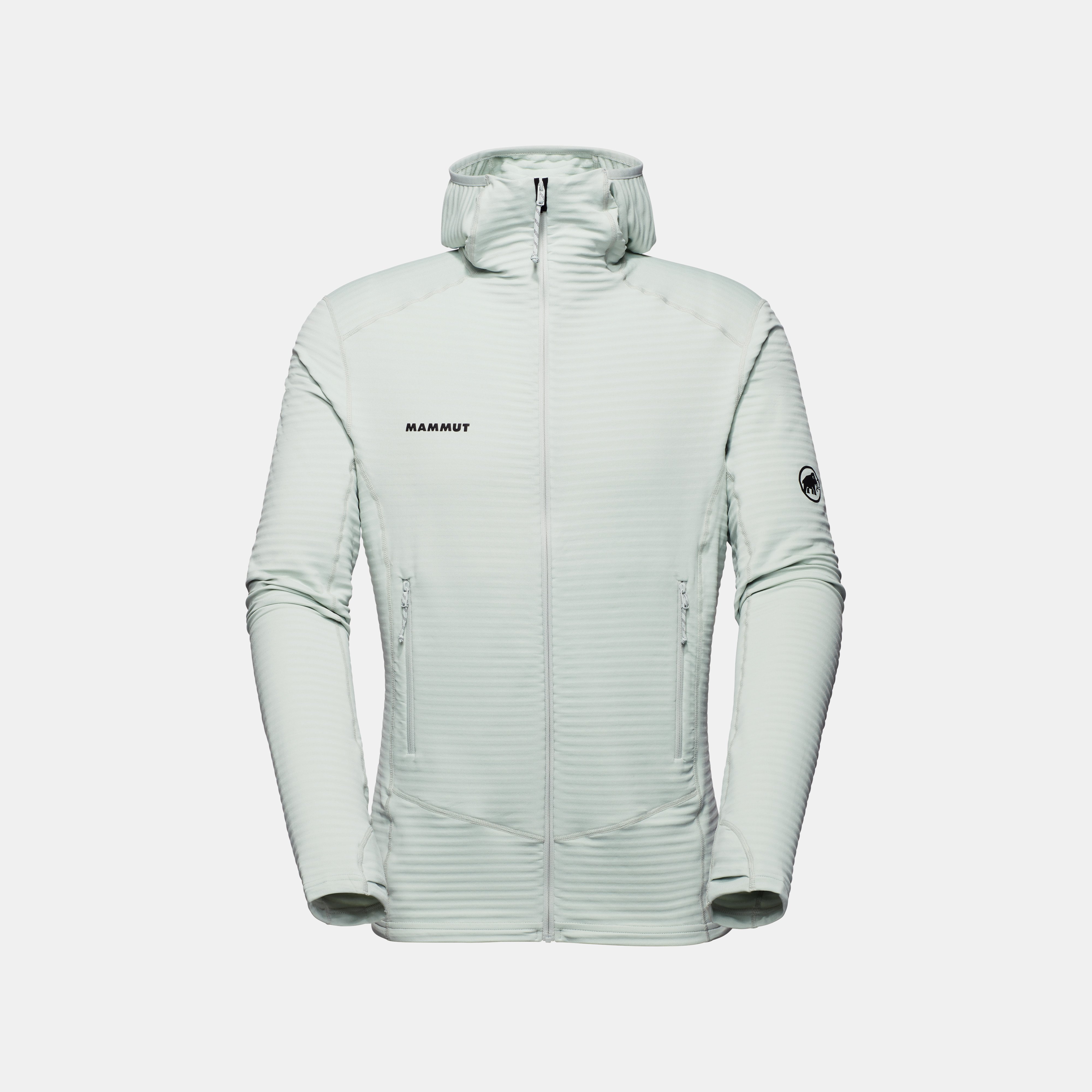
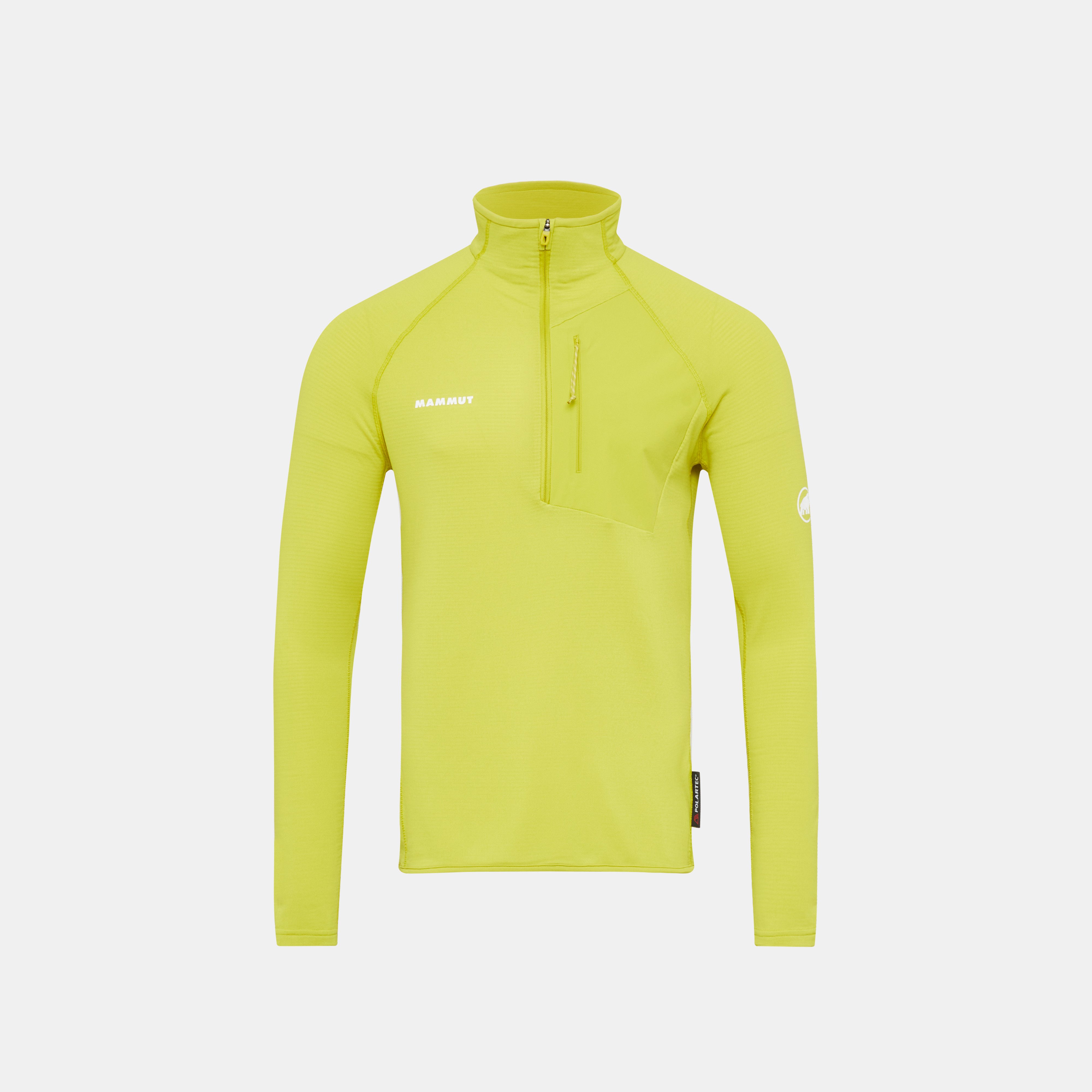
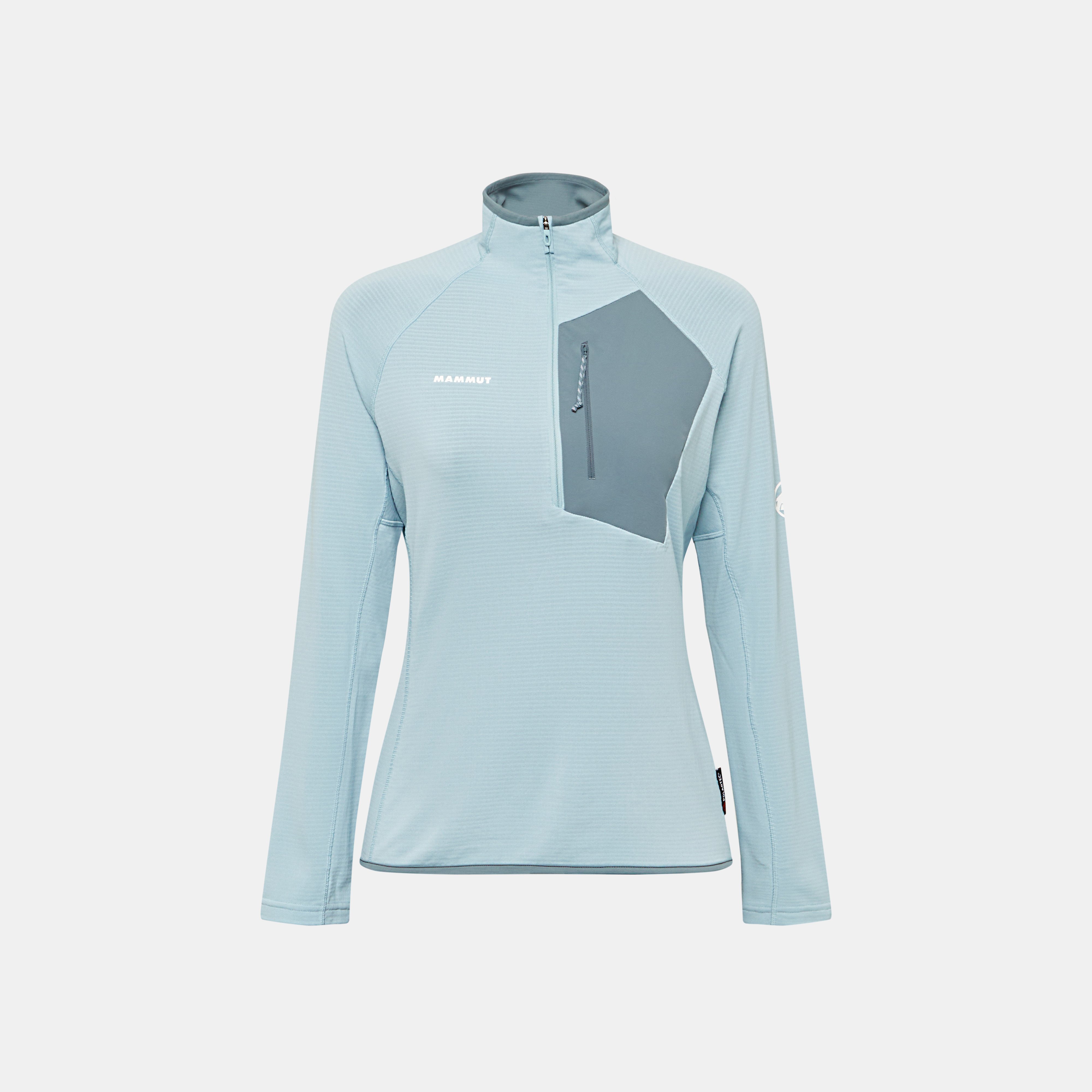
Mid Layer: Warm but breathable
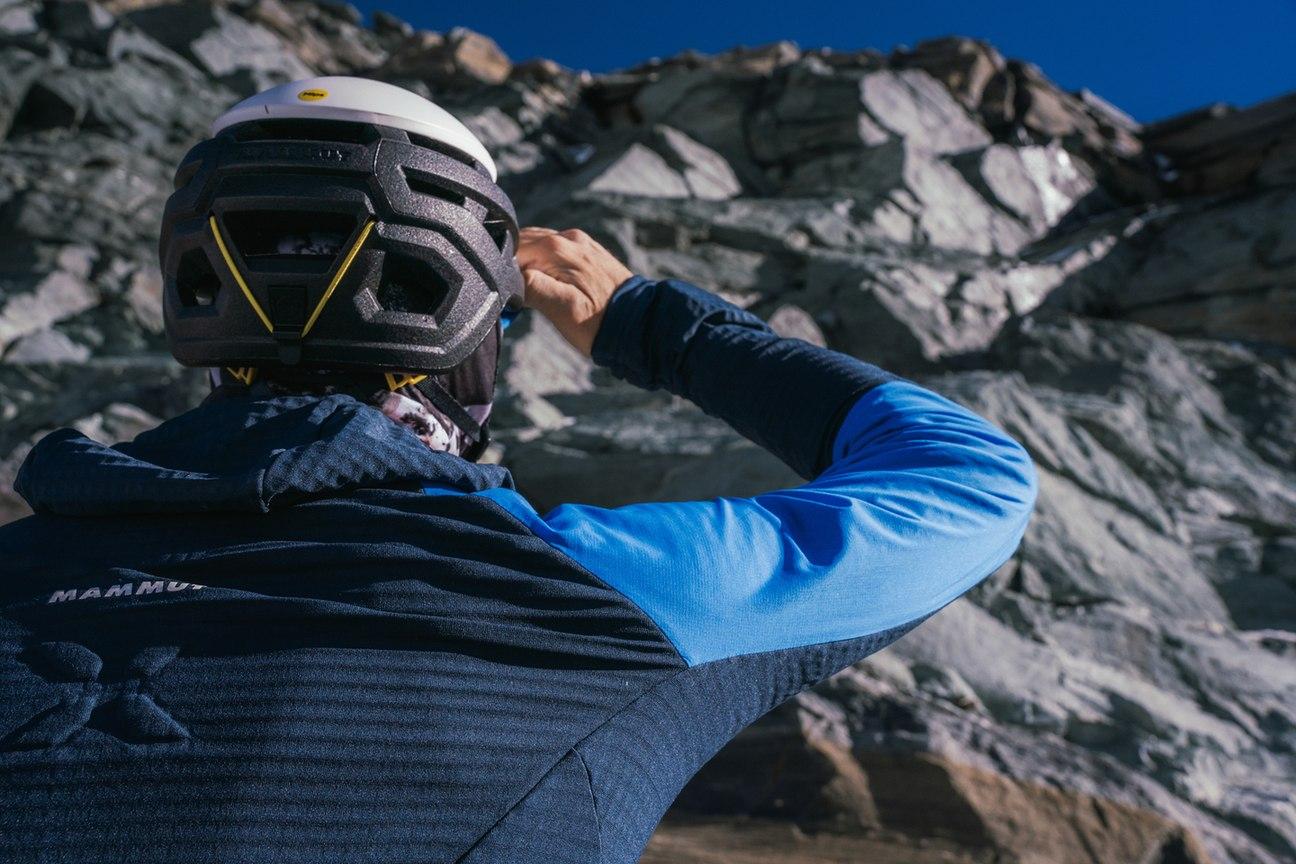
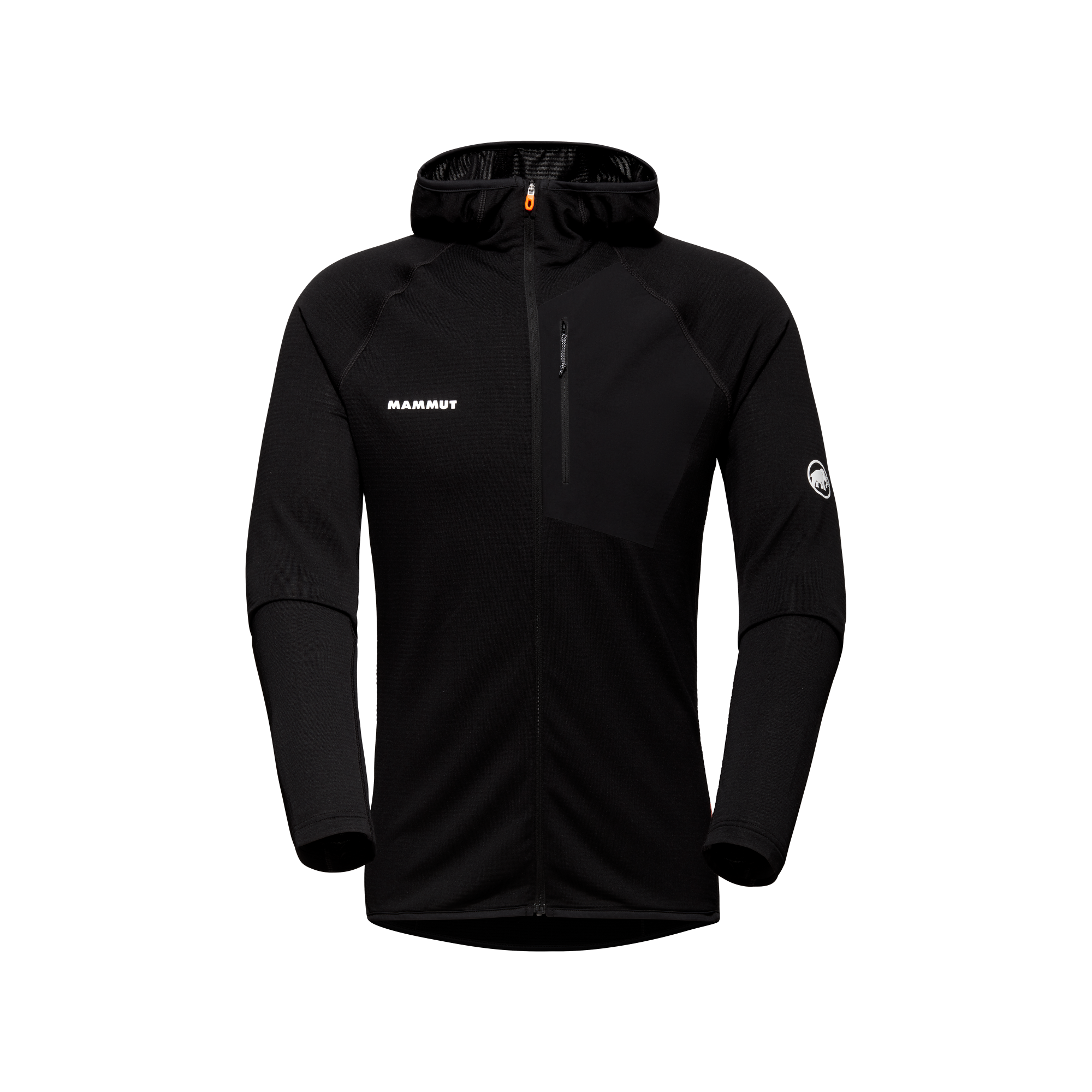
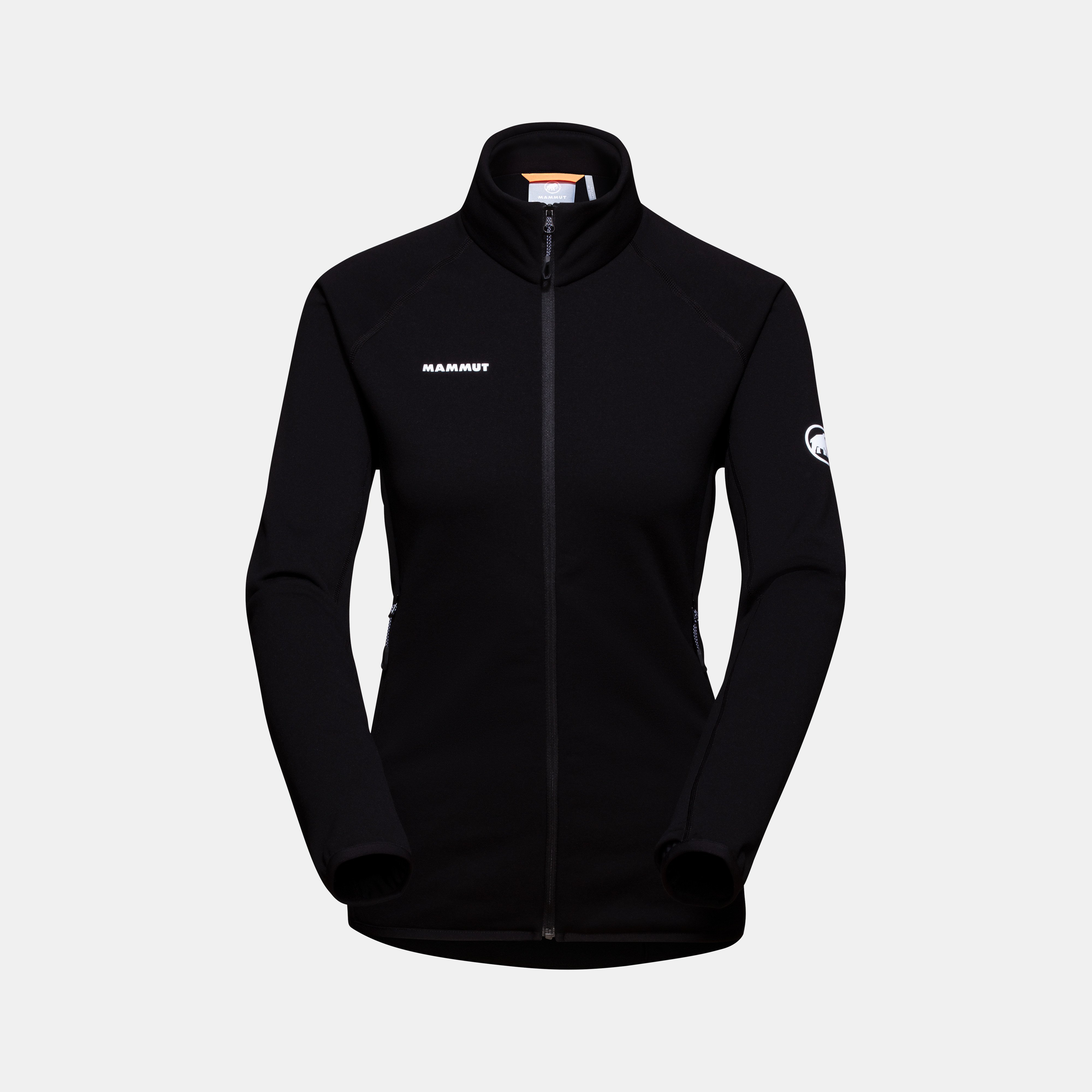
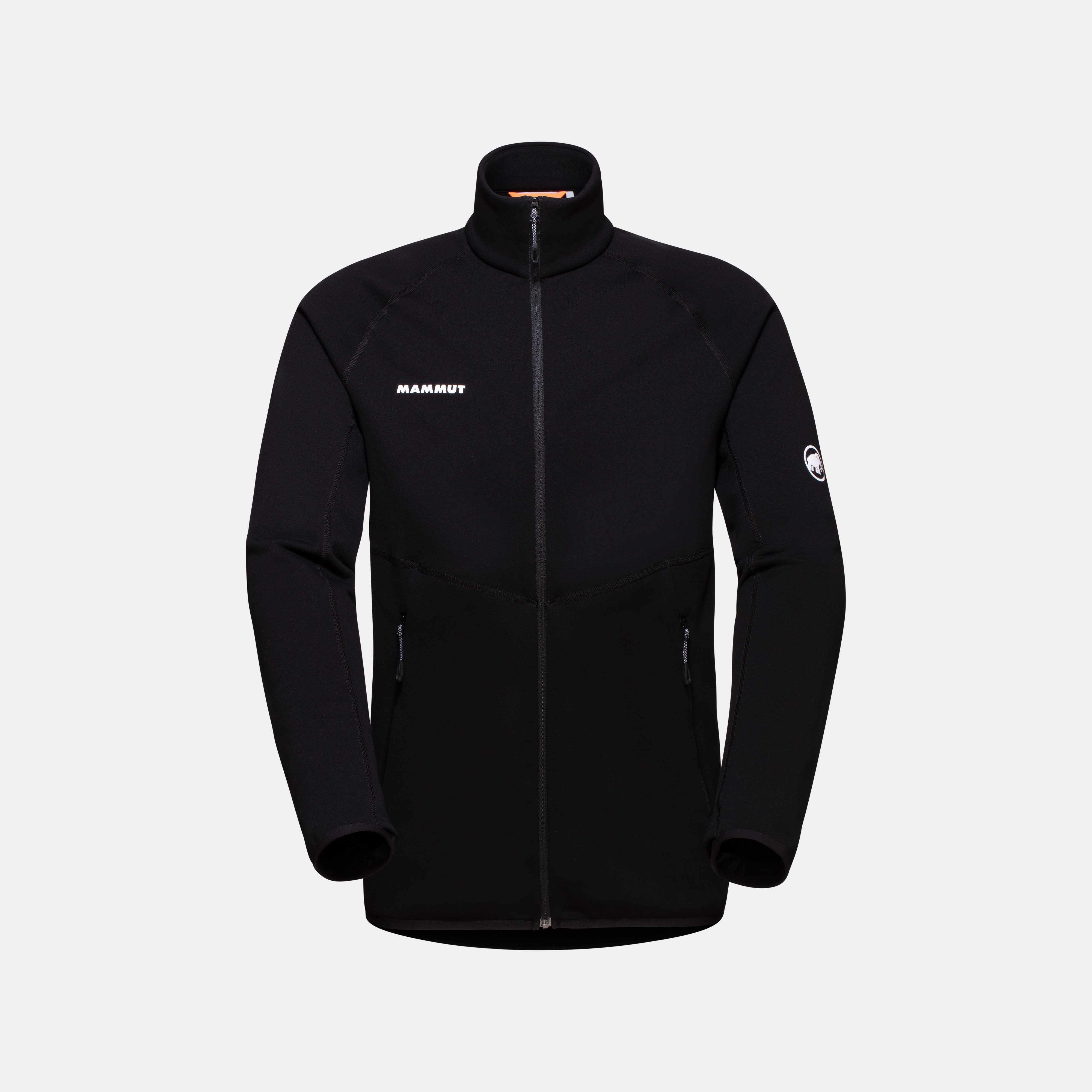
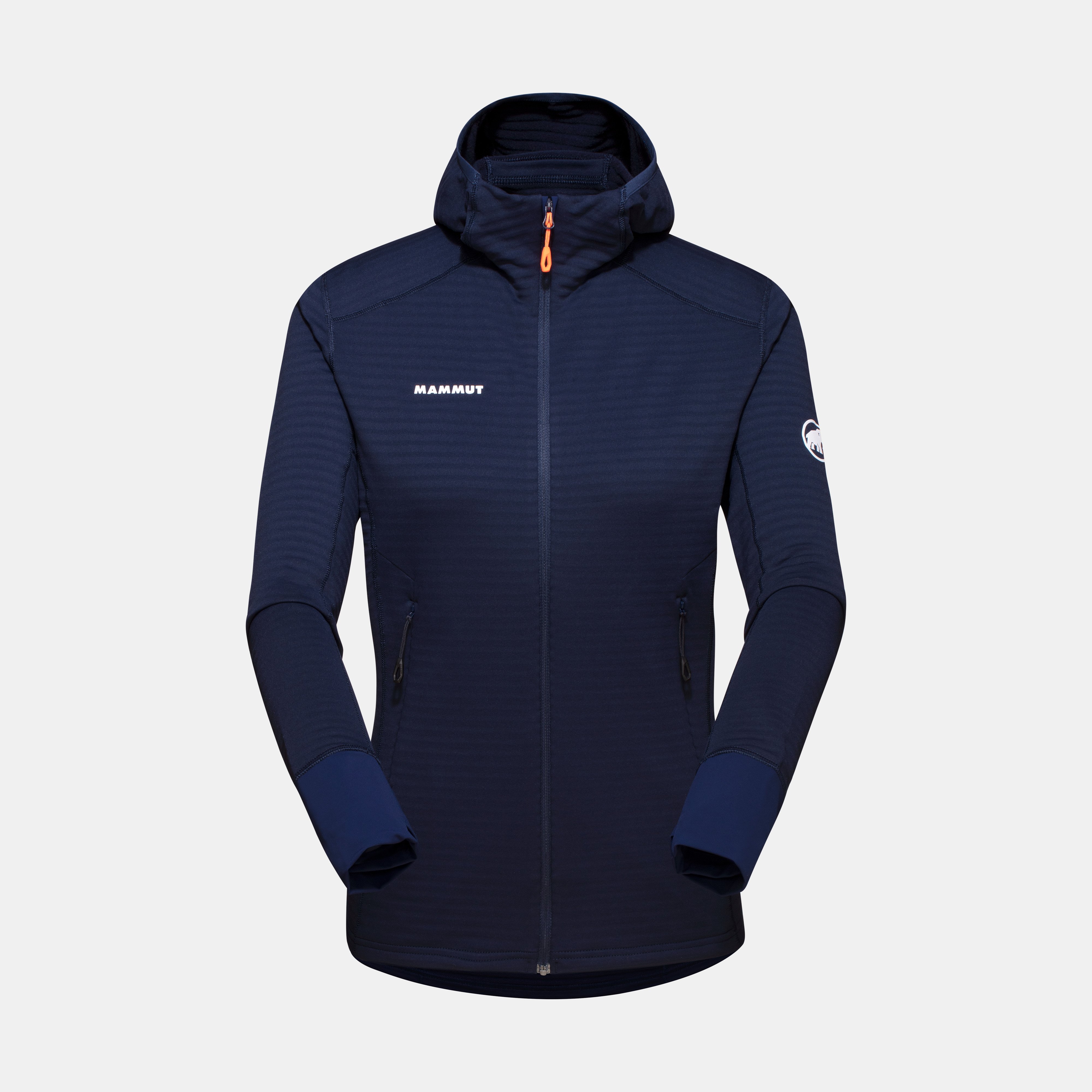
Your mid layer is your thermal layer. This is where fleece jackets, lightweight insulated jackets, or warm pullovers and hoodies come in. Important: This layer needs to trap heat while still wicking moisture away from the body.
Outer Layer: Protection from wind and weather
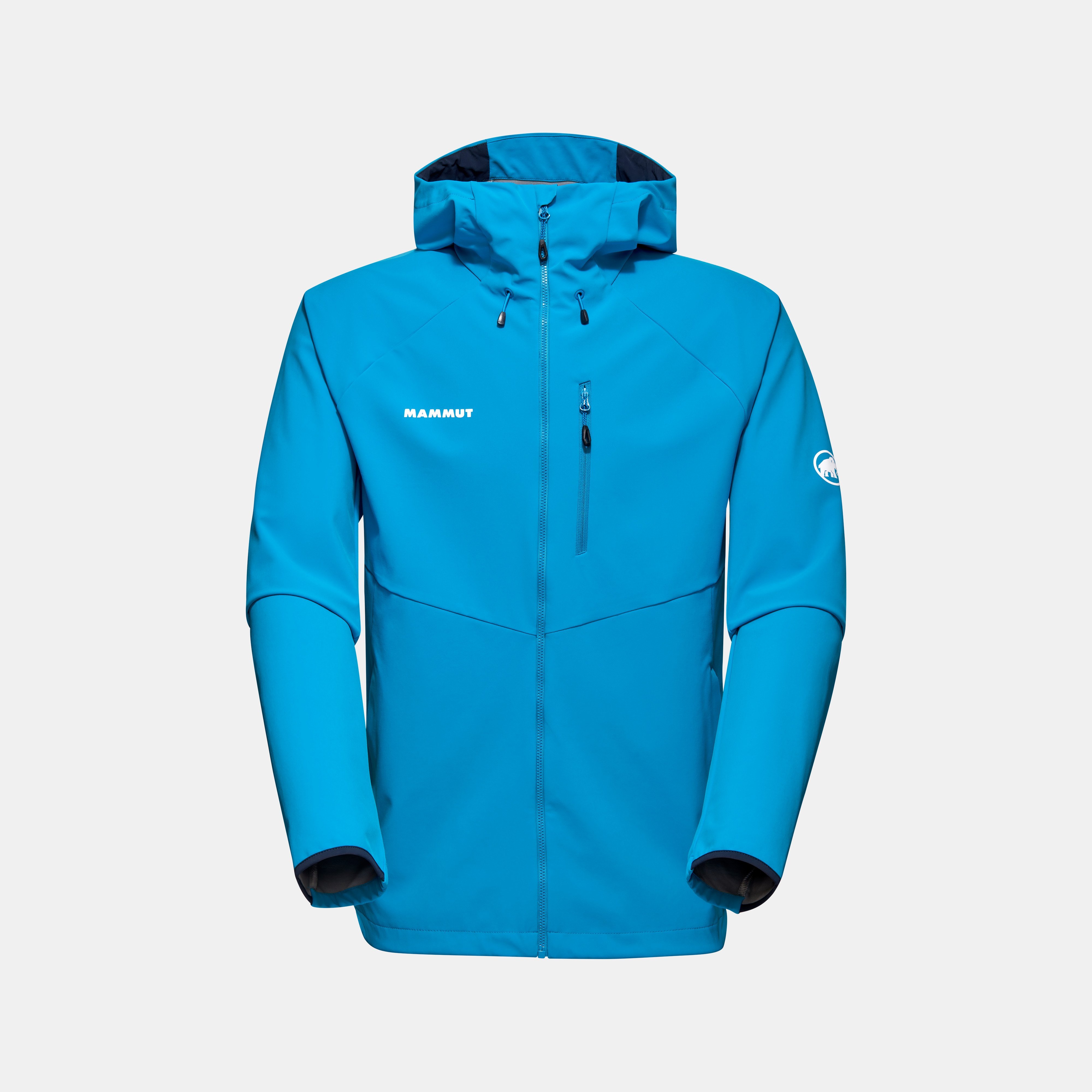
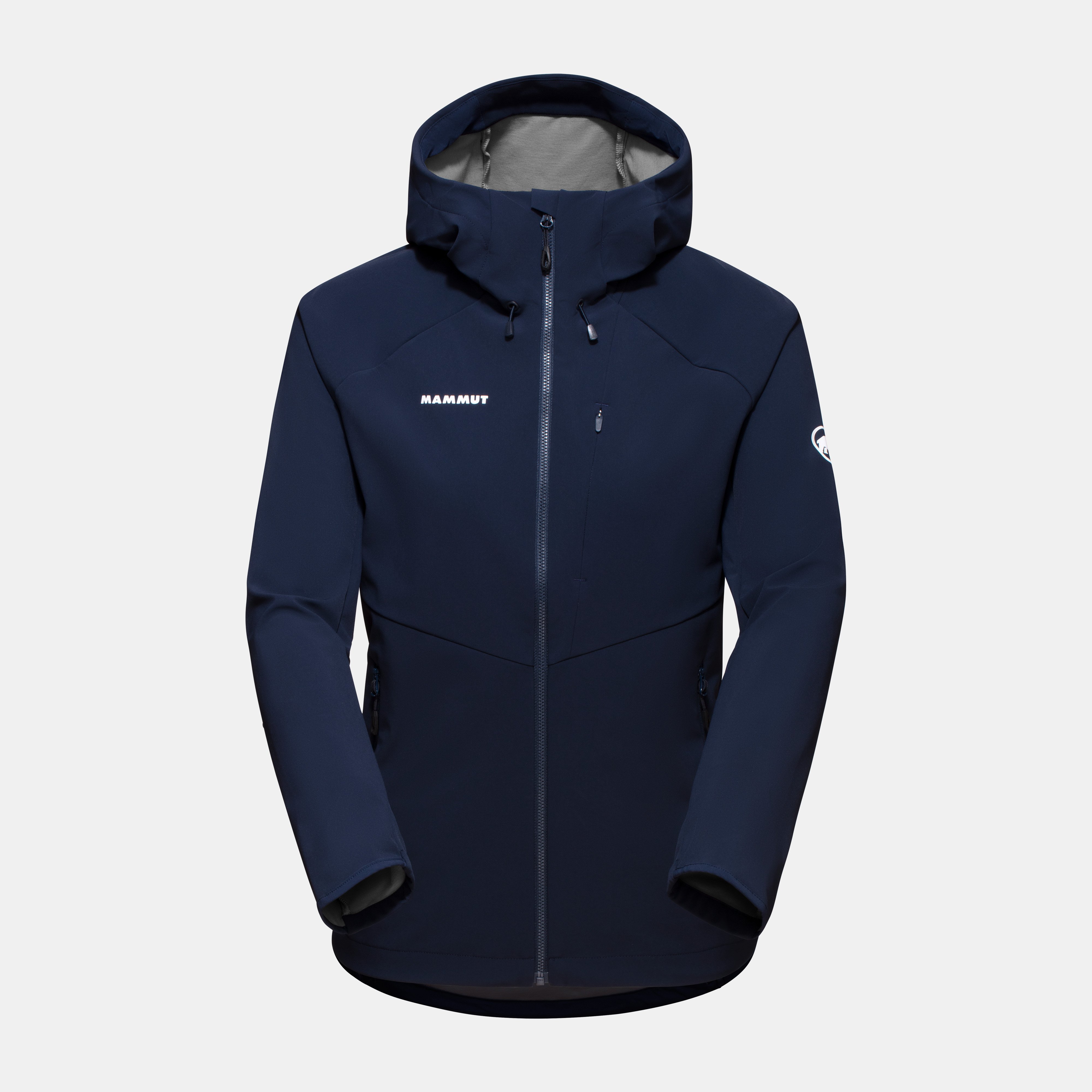
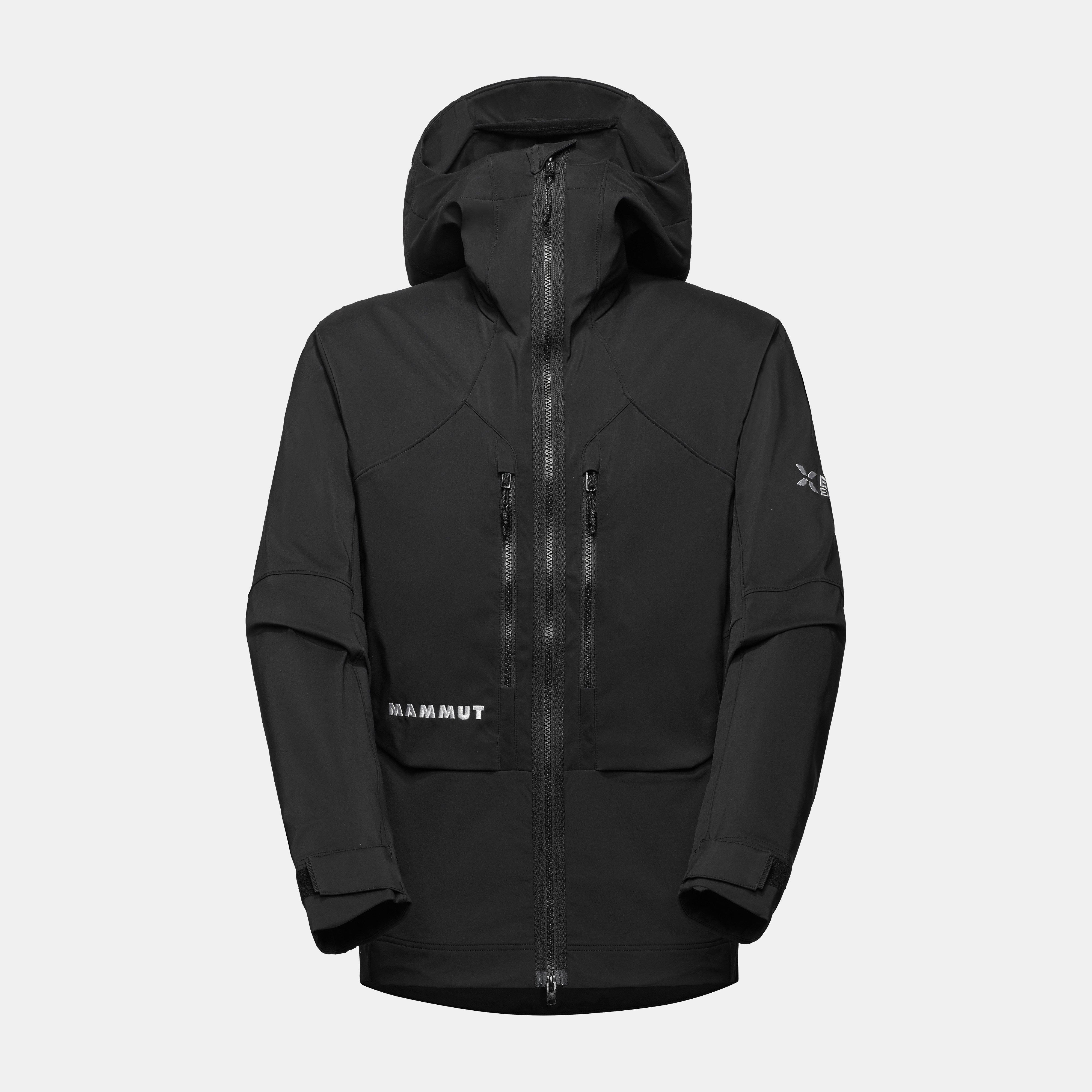
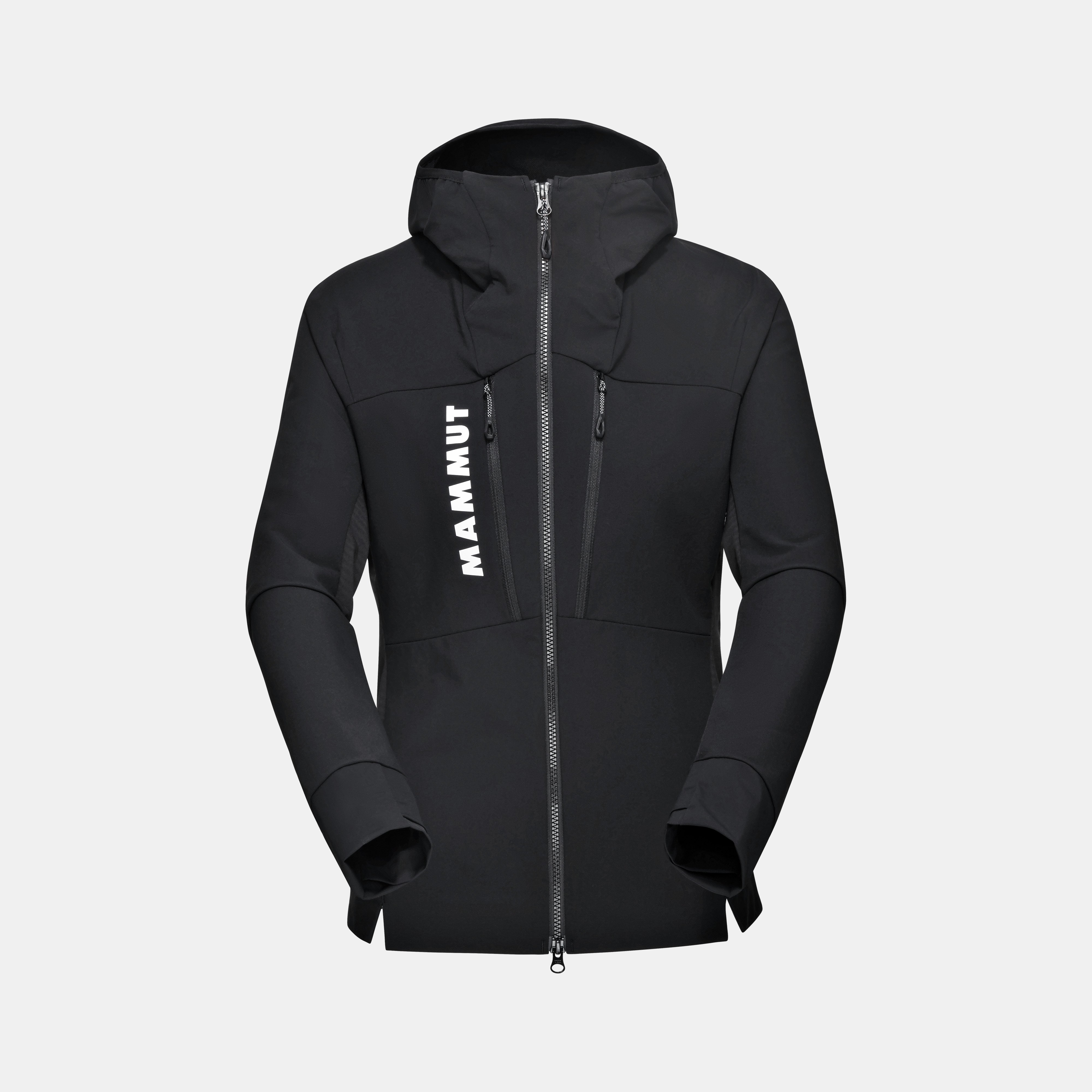
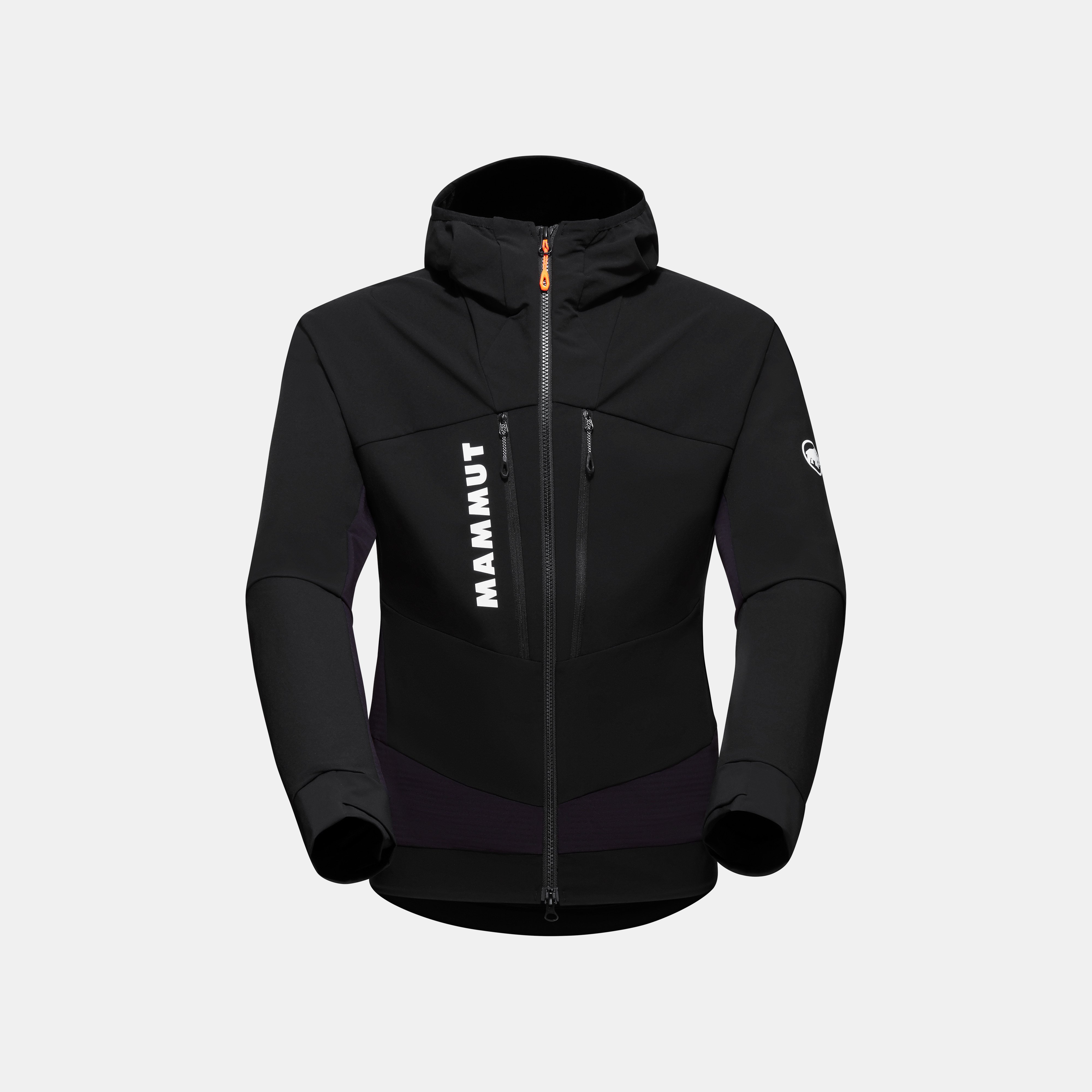
Whether it's rain showers, gusts of wind, or damp fog rolling in – the right outer jacket keeps you dry and protected. Hardshells with Mammut DRY Technology or GORE-TEX® offer you reliable weather protection plus solid ventilation. On dry days, a softshell jacket works as a lighter option against the wind.
Essential Clothing and Gear Breakdown
In the following sections we'll dive deeper into individual pieces of clothing and gear – covering what they do, when to use them, and what to look for.
Tops: Functional and Versatile [H3]
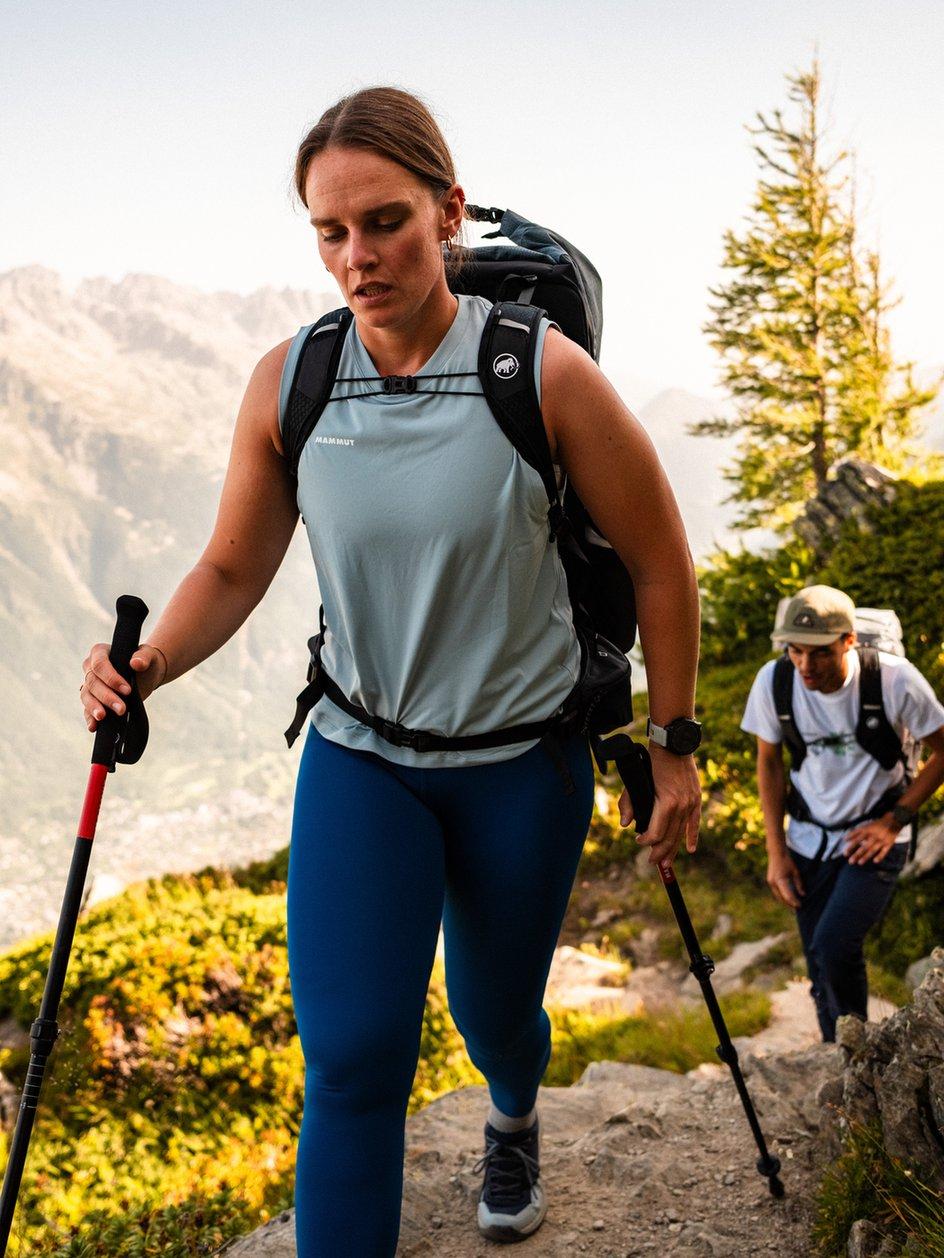
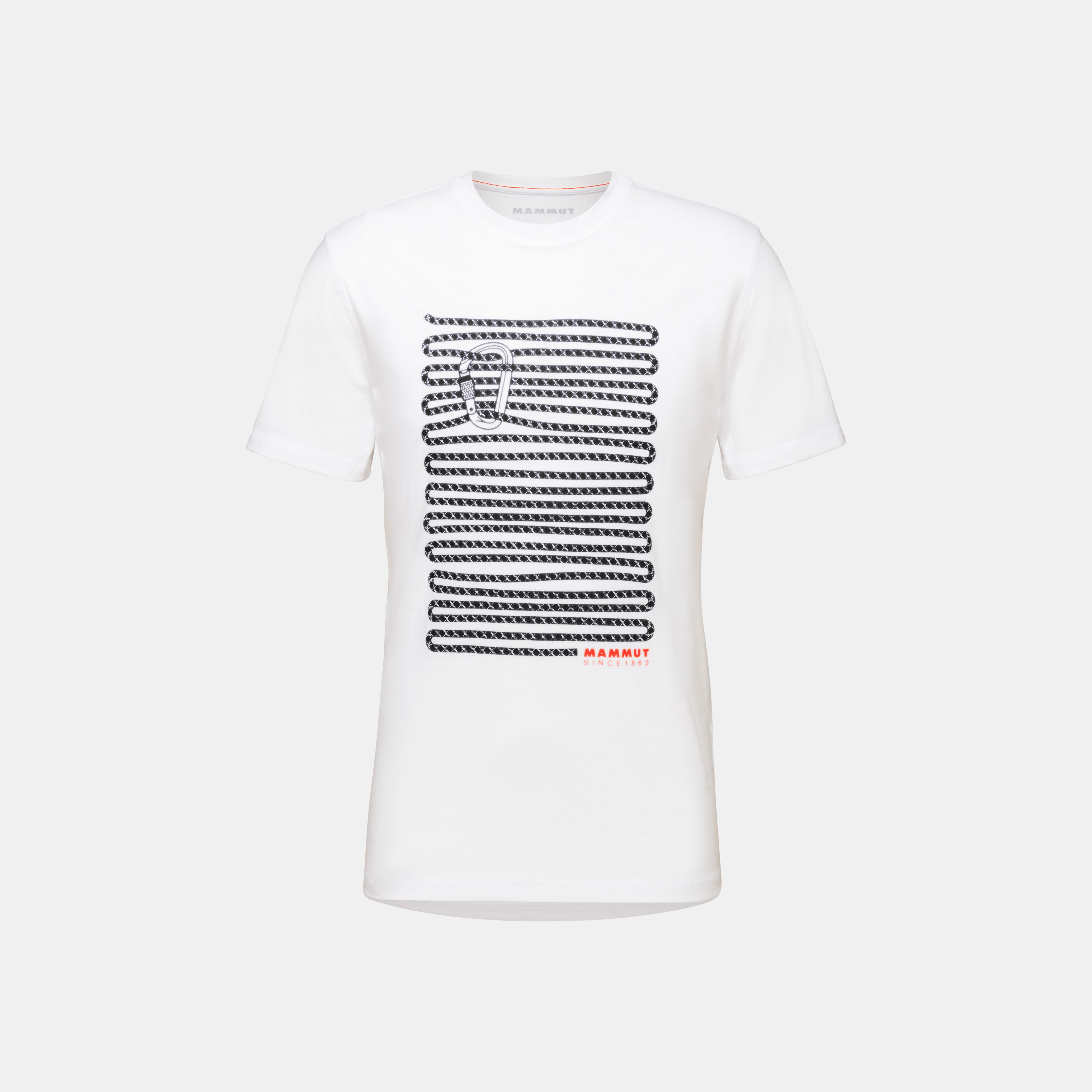
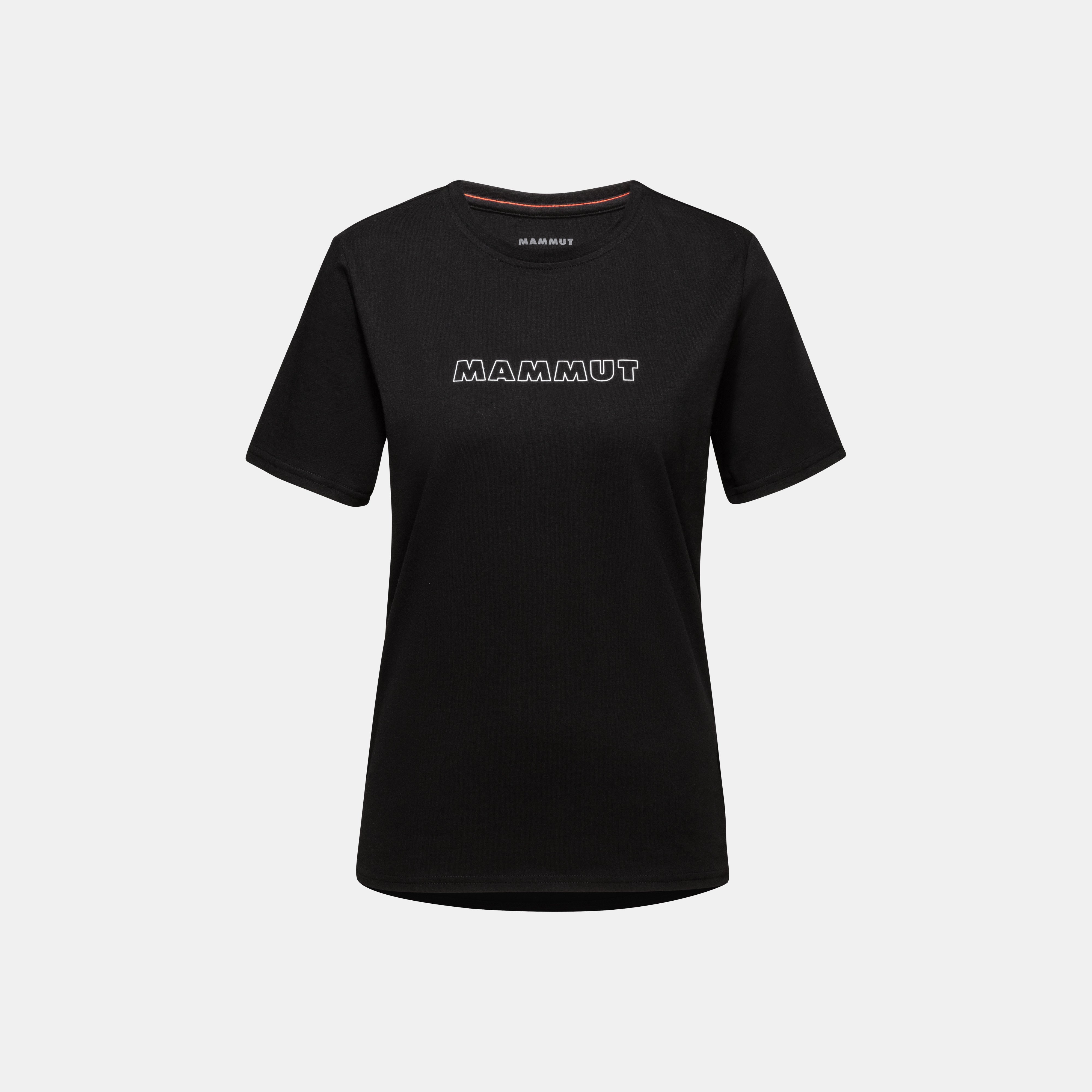
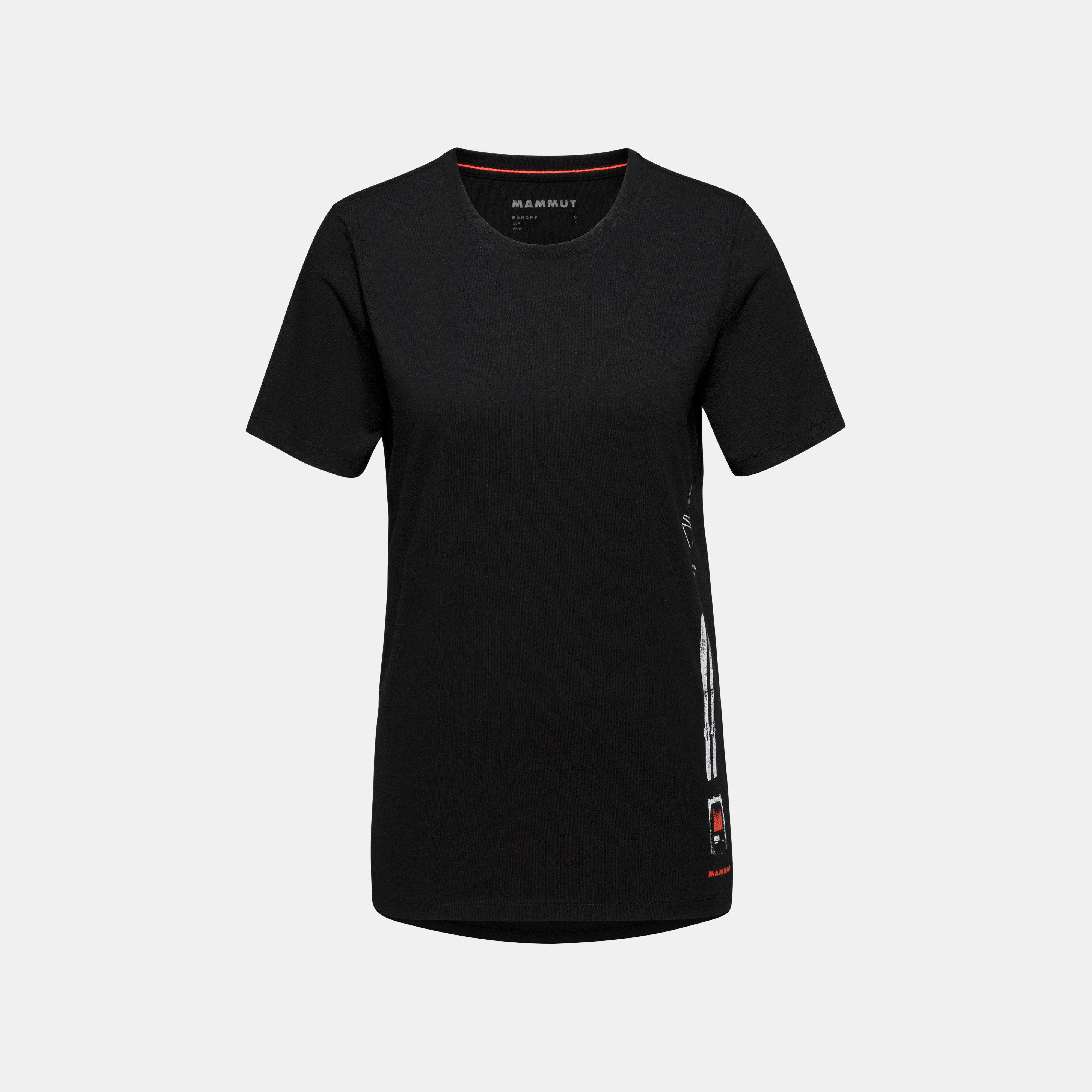
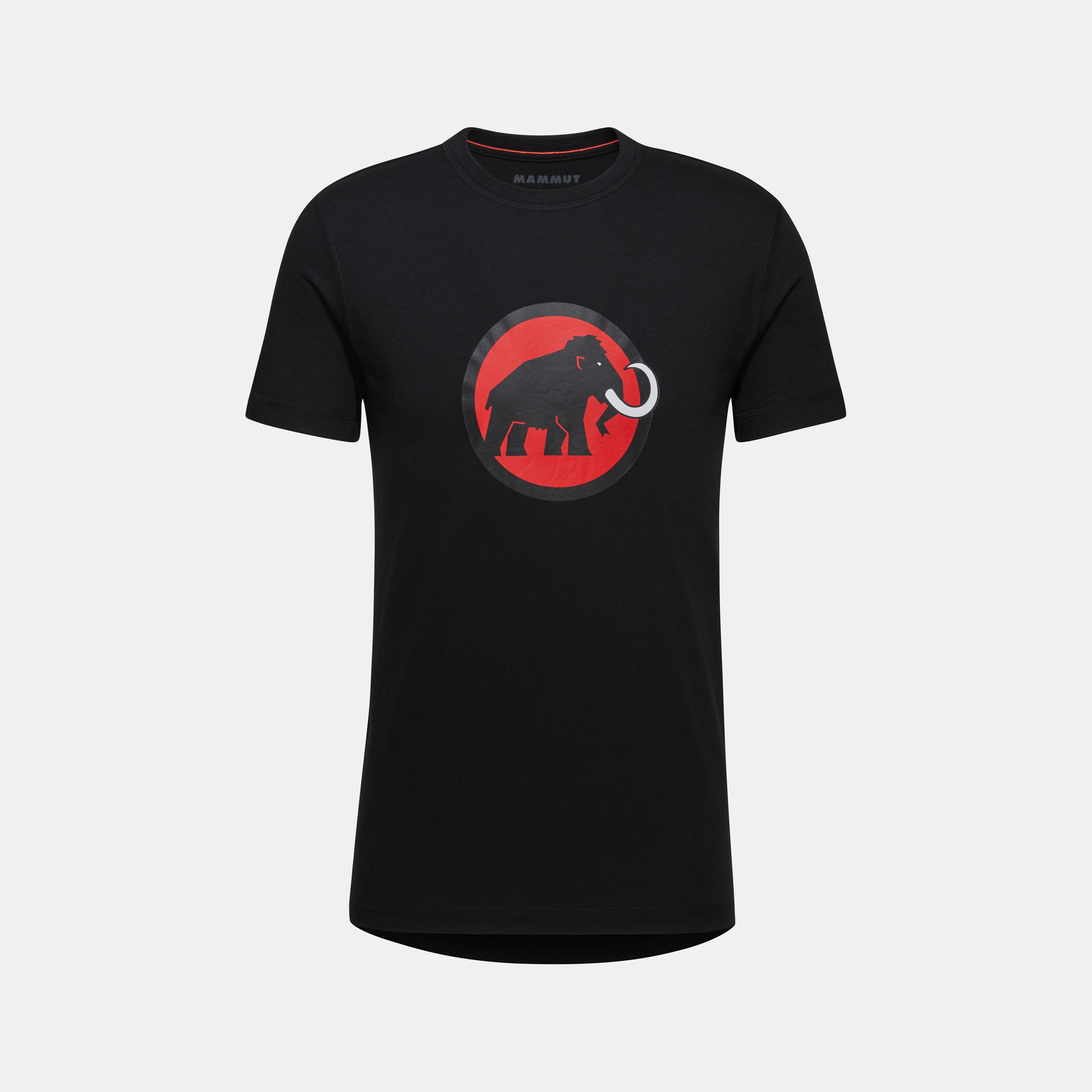
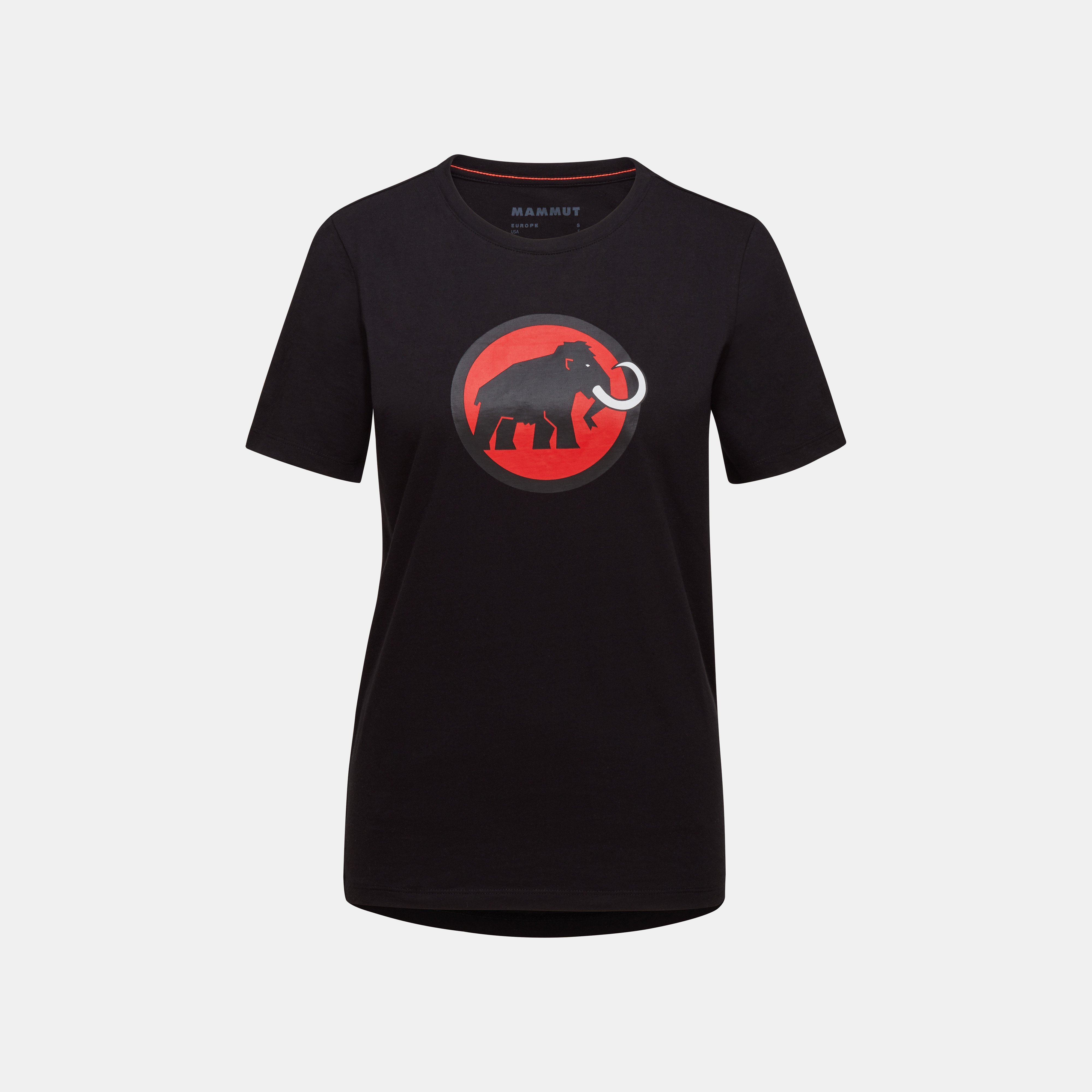
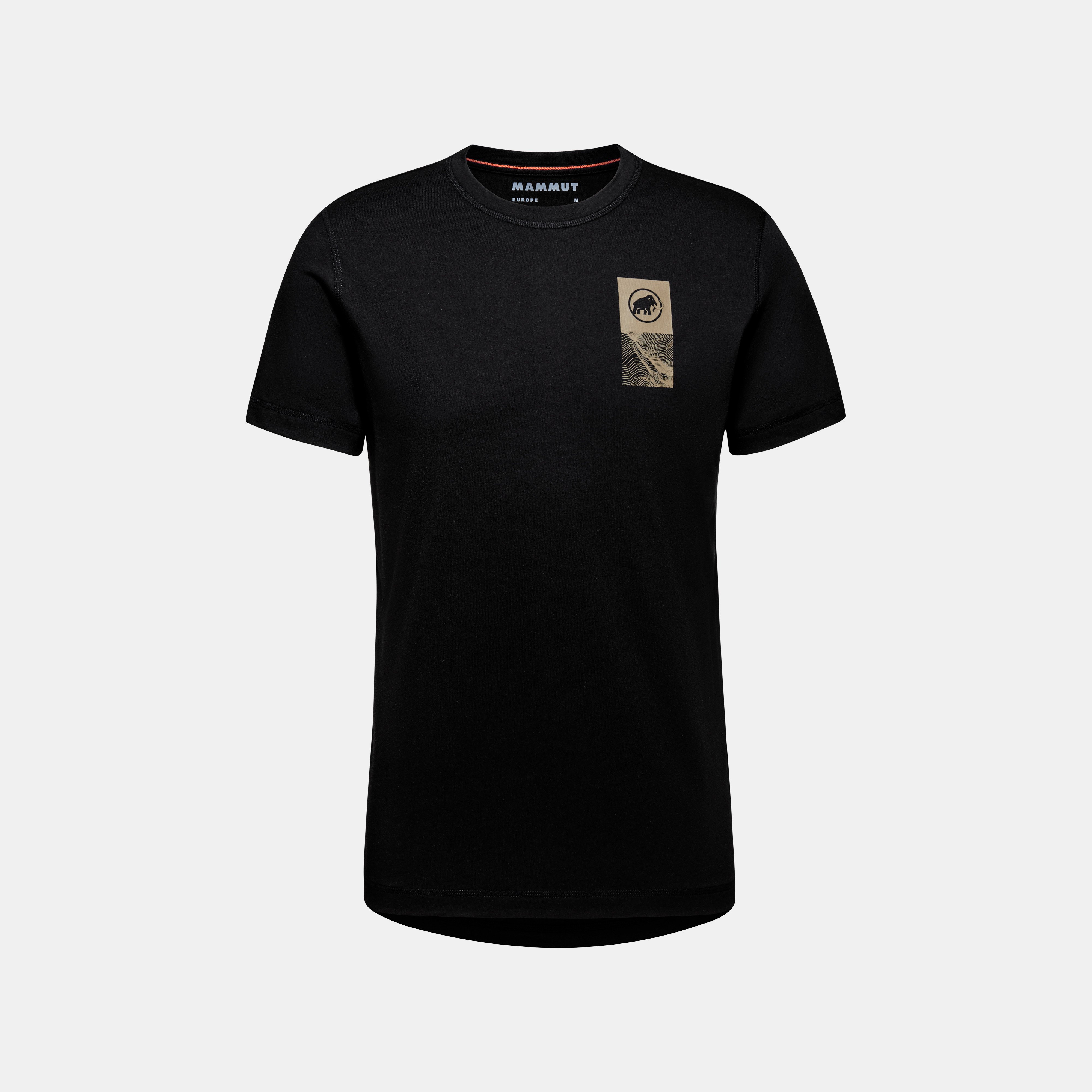
T-shirts, long sleeves, or hiking shirts – different weather and different trips call for different tops. Bottom line: breathable, quick-drying, and comfortable. UV protection matters especially in summer, while in spring or fall, long sleeves give you that extra warmth.
Hiking Pants: Freedom to Move with Every Step
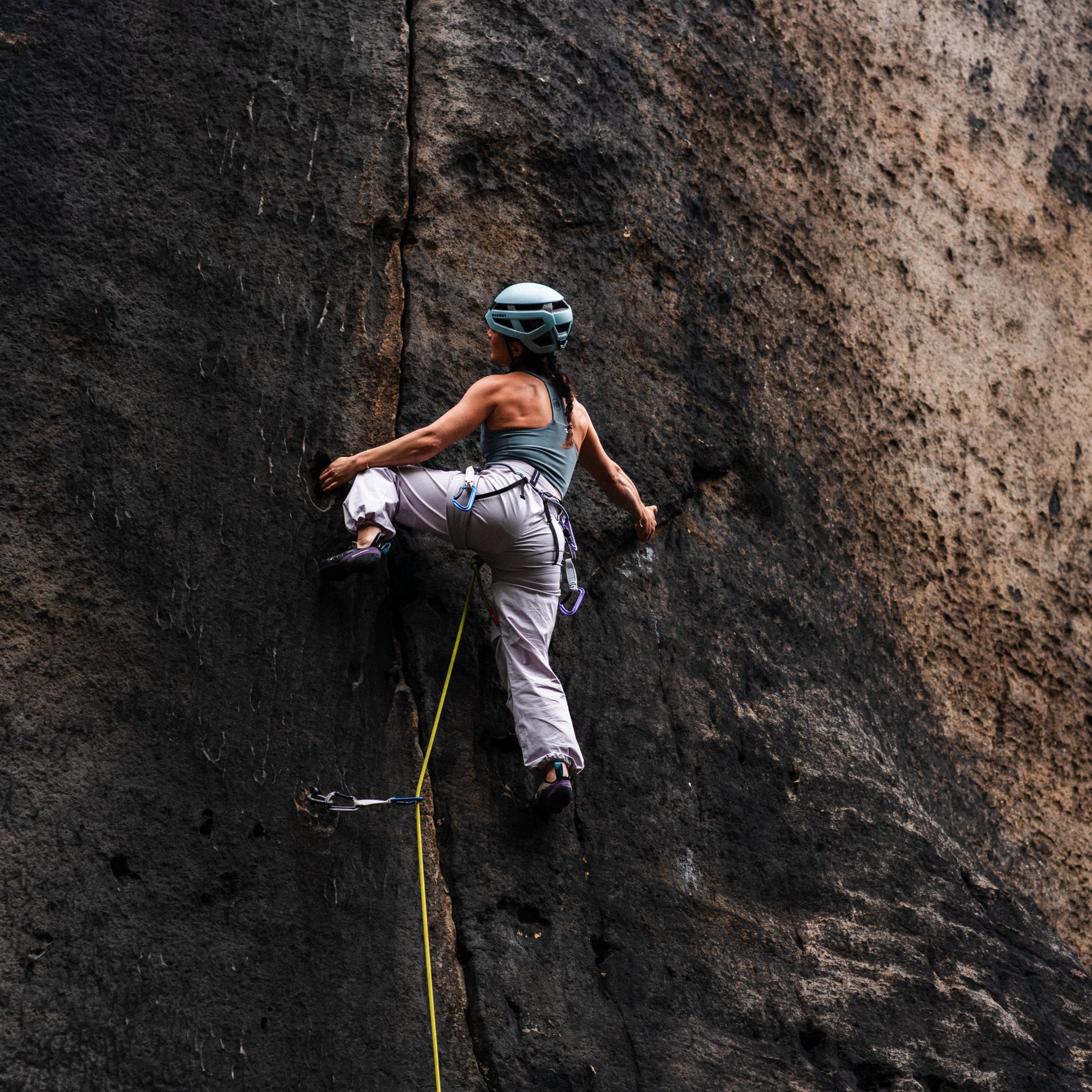
Your hiking pants must be sturdy, stretchy, and suitable to match the conditions. Zip-off models offer flexibility, while softshell pants are ideal when it's windy or cool. Look for comfortable waistbands and functional pockets so you've got room for your essentials.
Hiking Boots: Your Most Important Piece of Gear
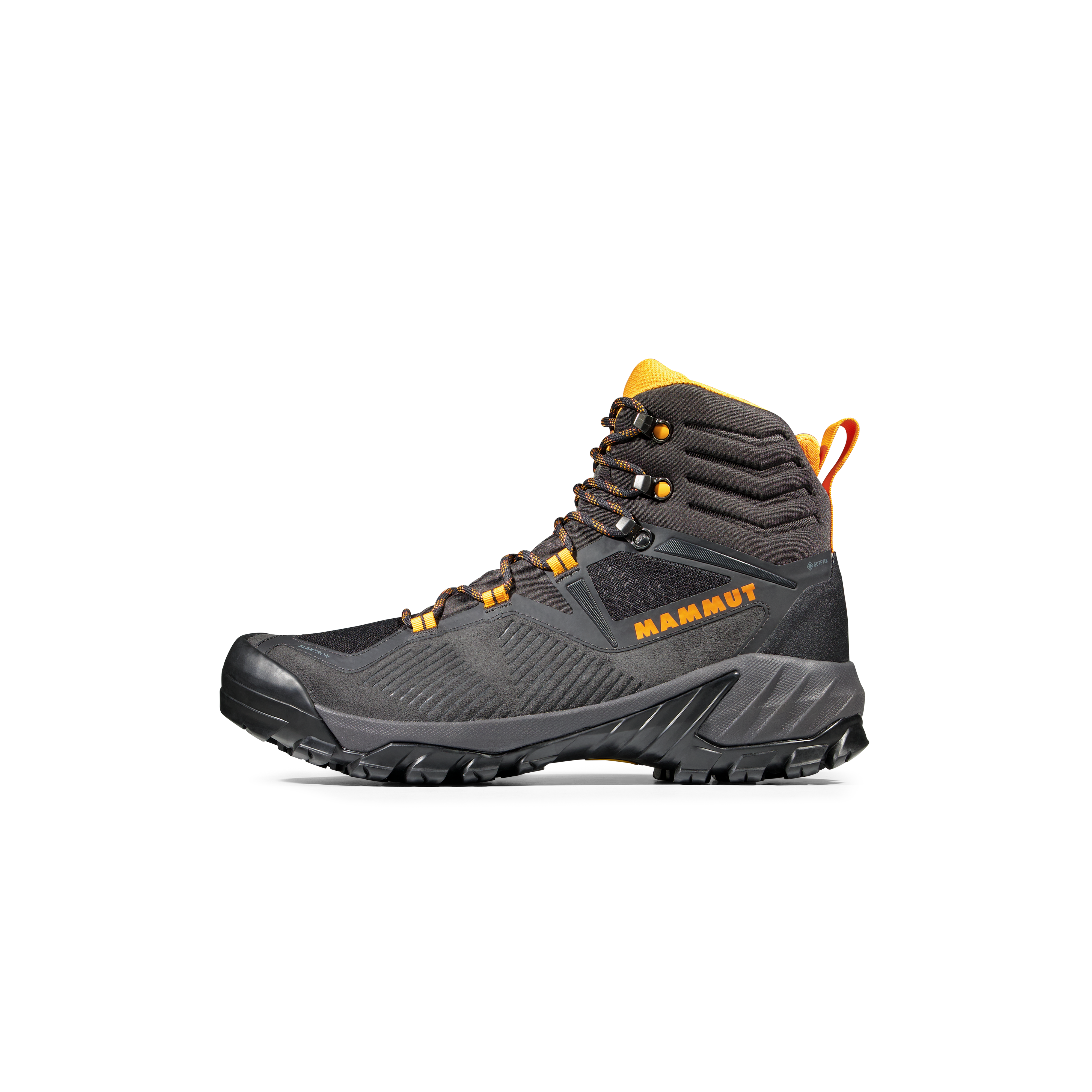
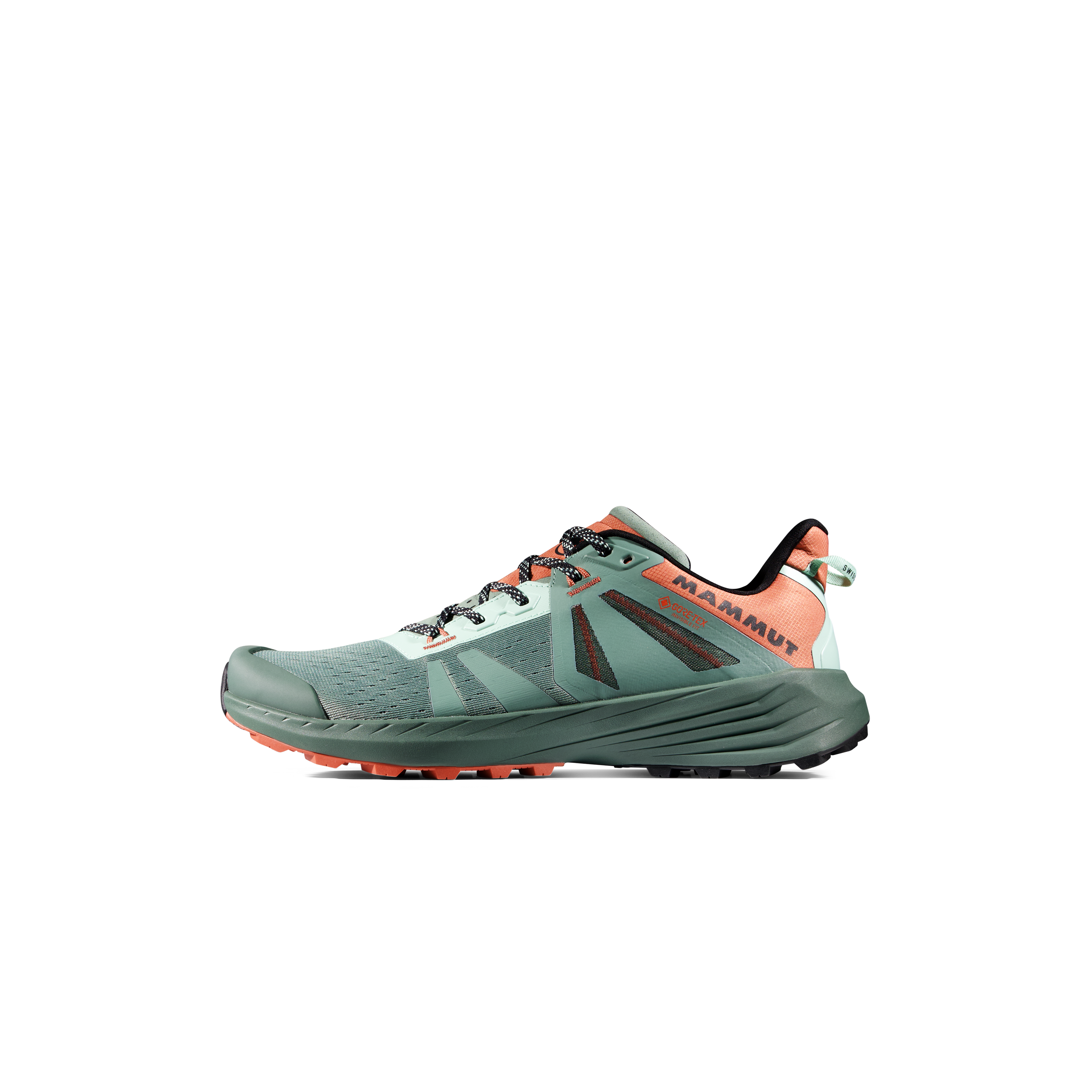
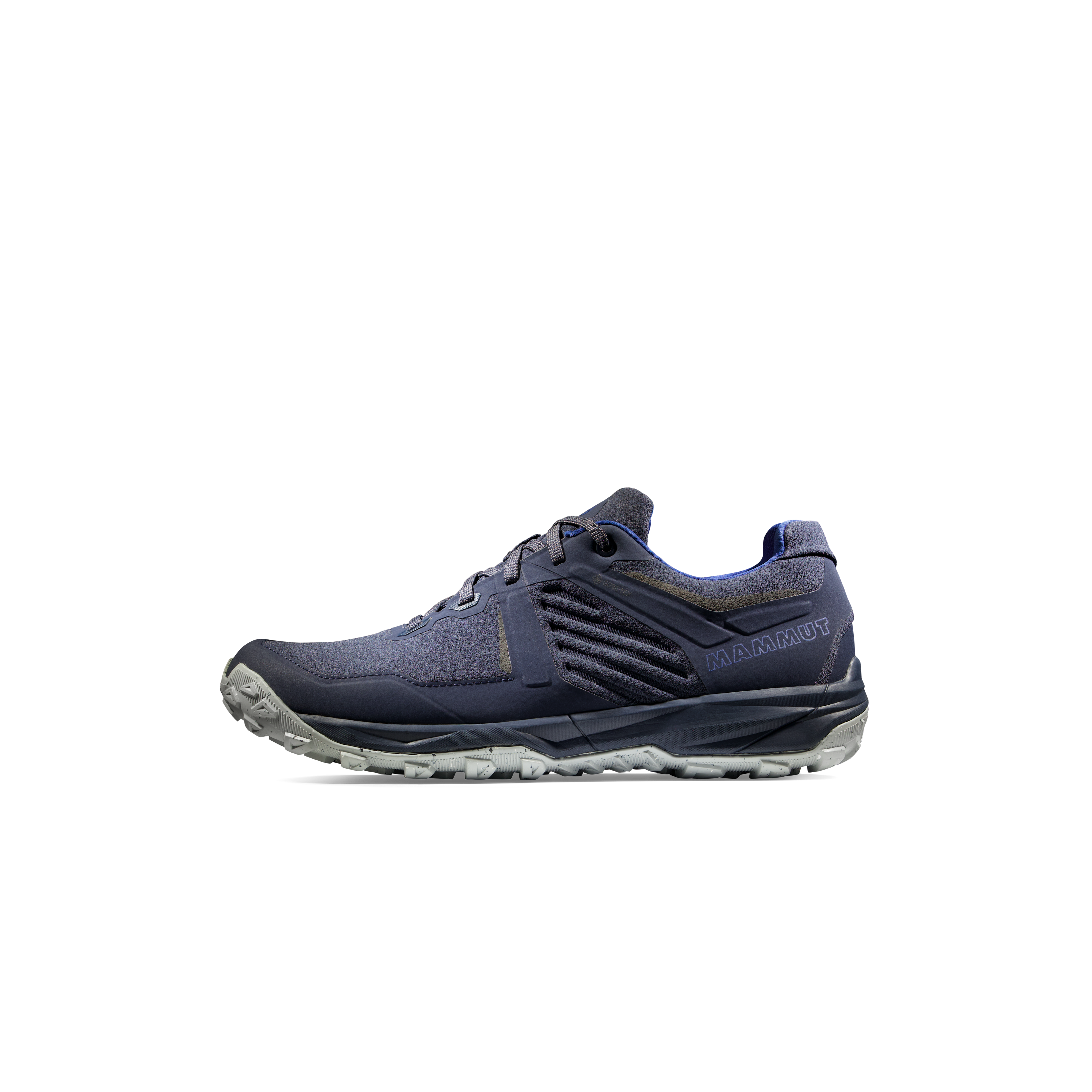
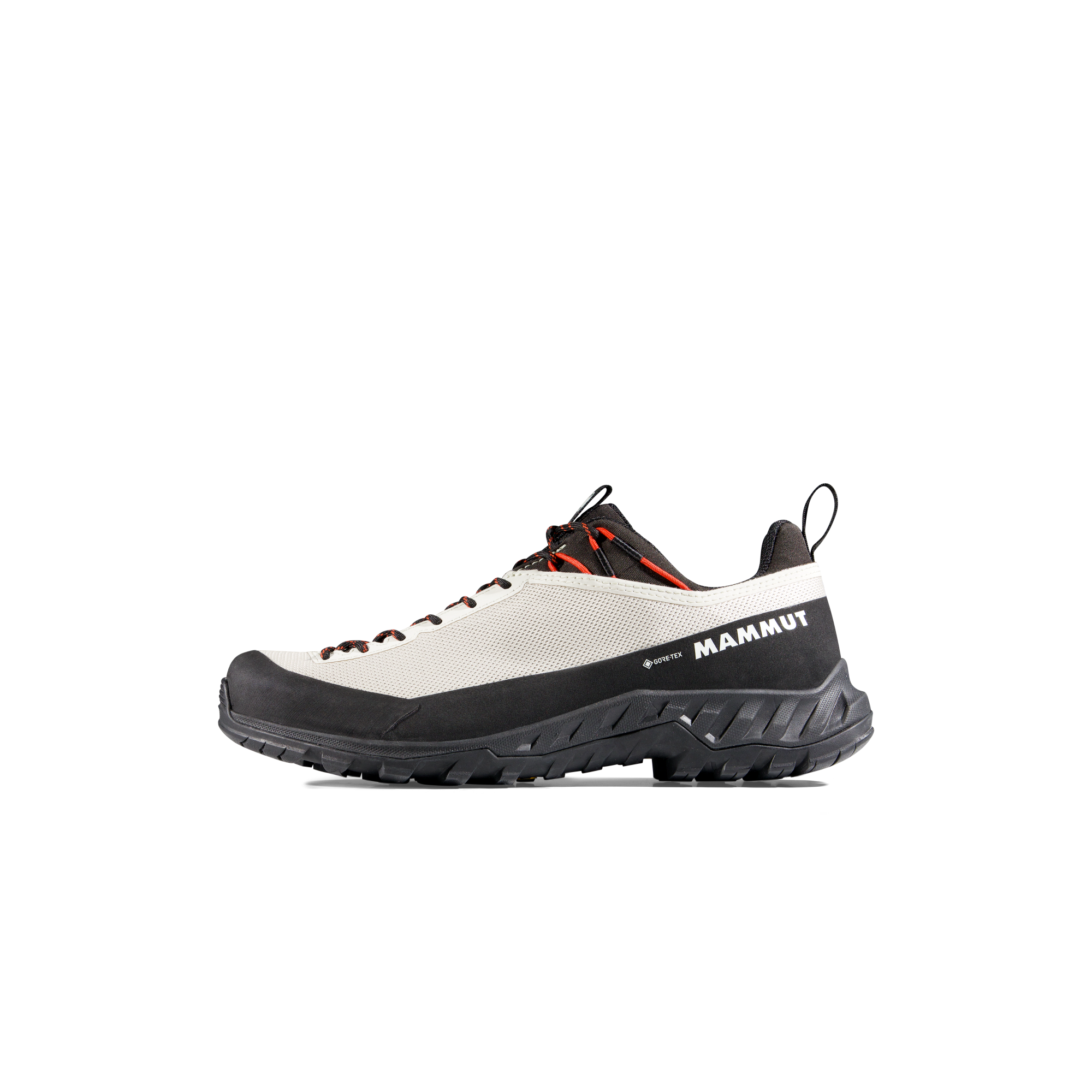
Hiking boots are your foundation out there. Look for solid support, grippy soles, and weather protection. For easier trails, a mid-cut hiking shoe does the job, but when terrain gets gnarly or you're carrying a heavy pack, go with an ankle-high model. For the full breakdown on choosing boots, check out our guide for hiking boots .
Accessories: Small Gear That Makes a Big Difference
These pieces of gear add comfort and protection. Don't forget to bring the following items:
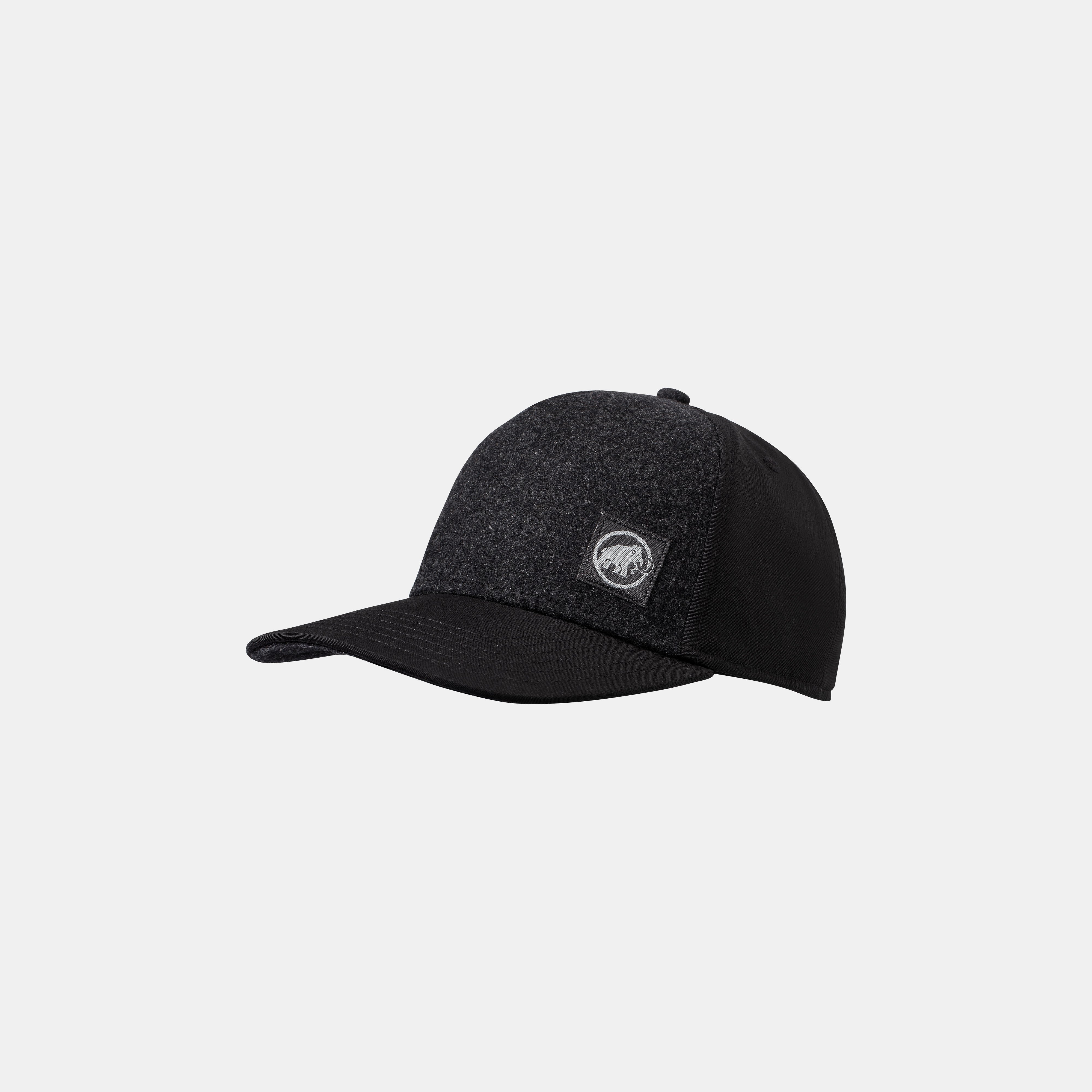
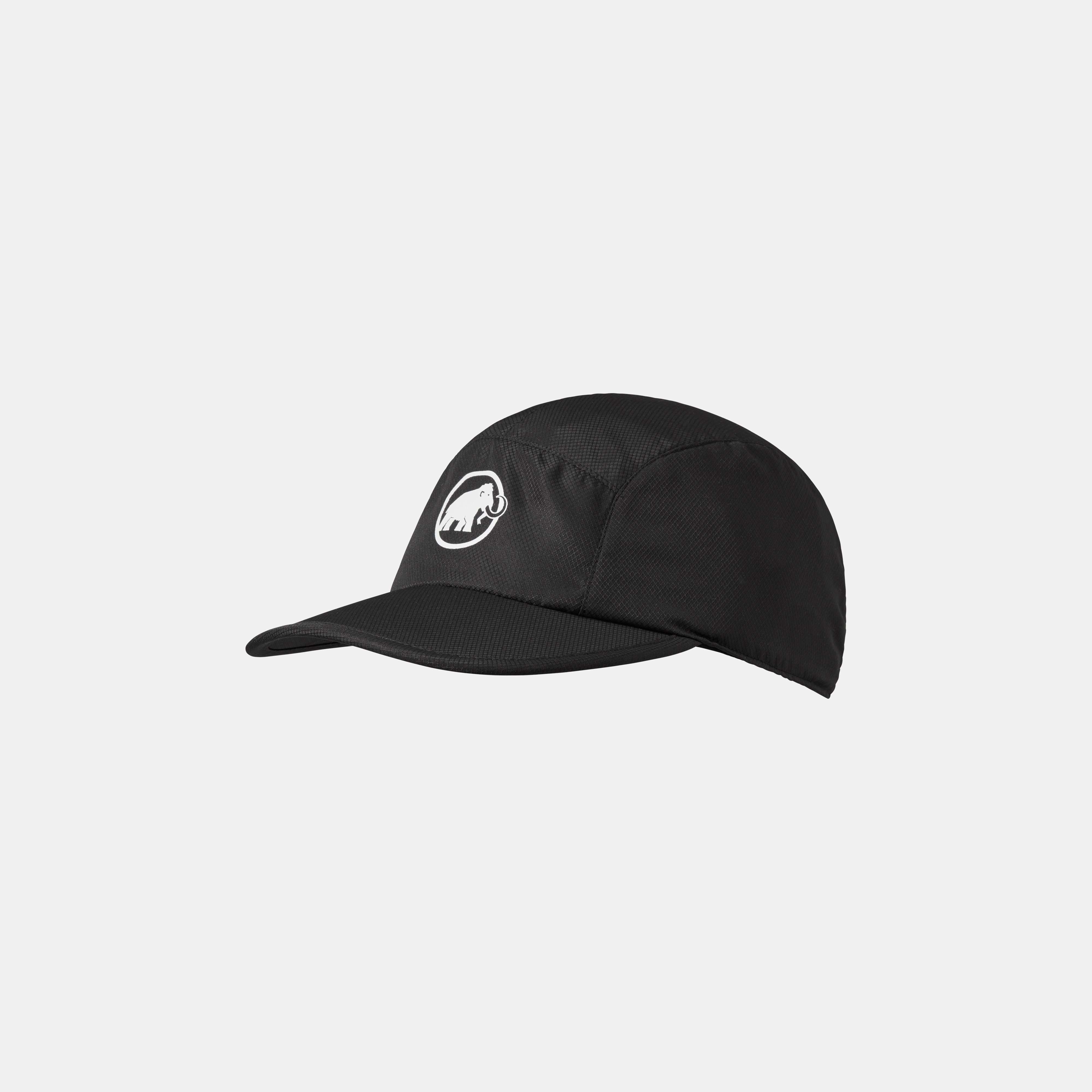
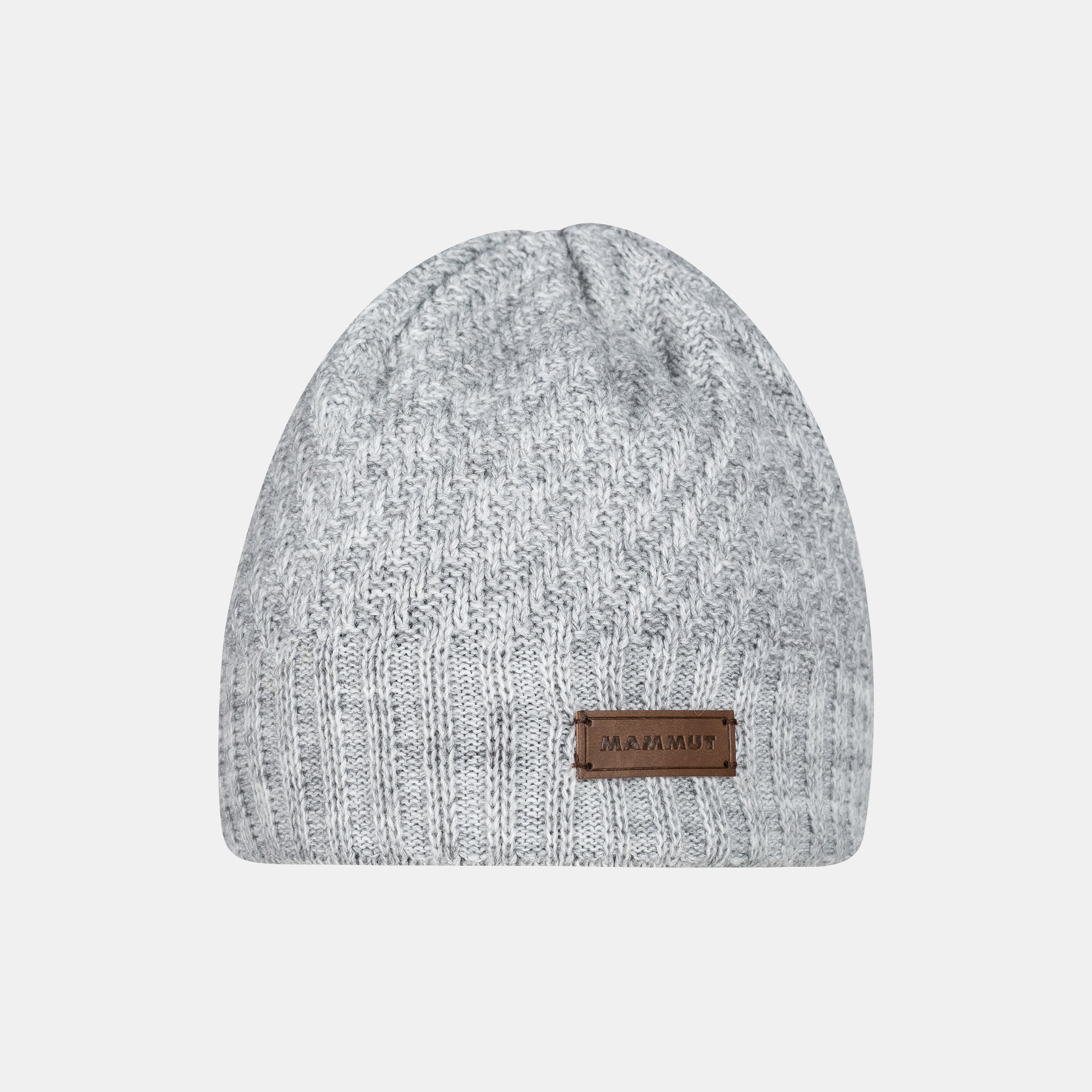
Cap or beanie: Protection from sun or cold – depending on conditions
Headband: Perfect for windy days or instead of a full beanie
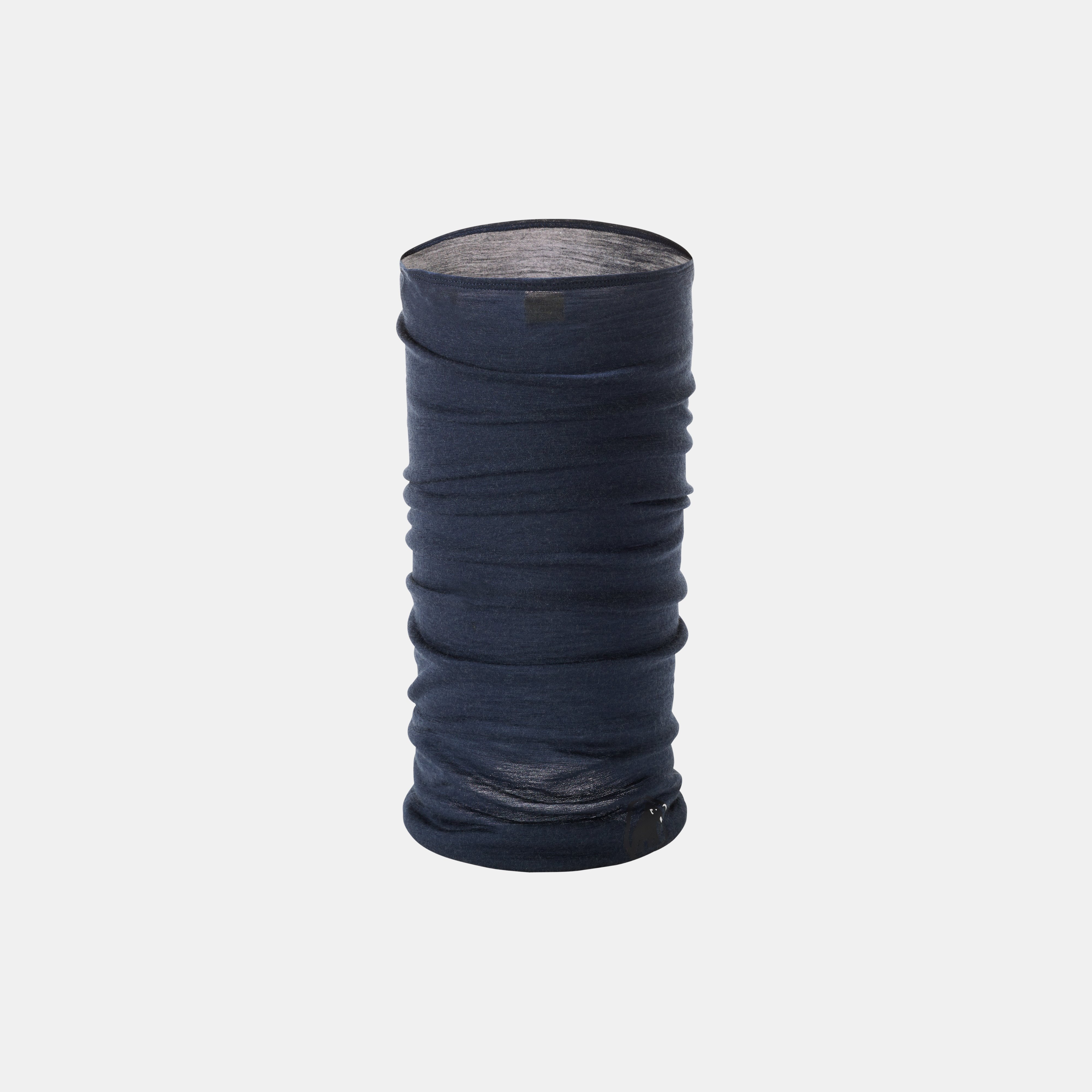
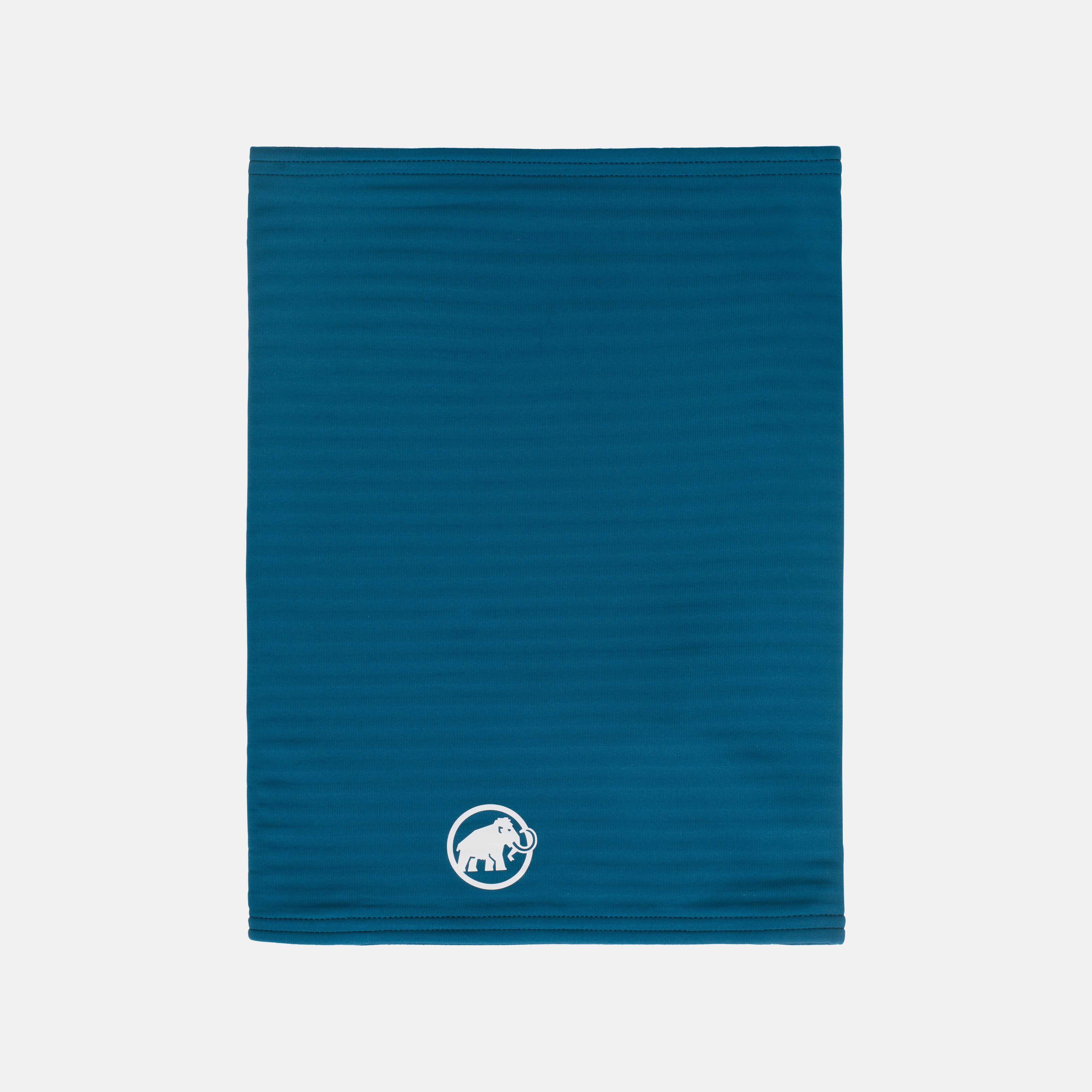
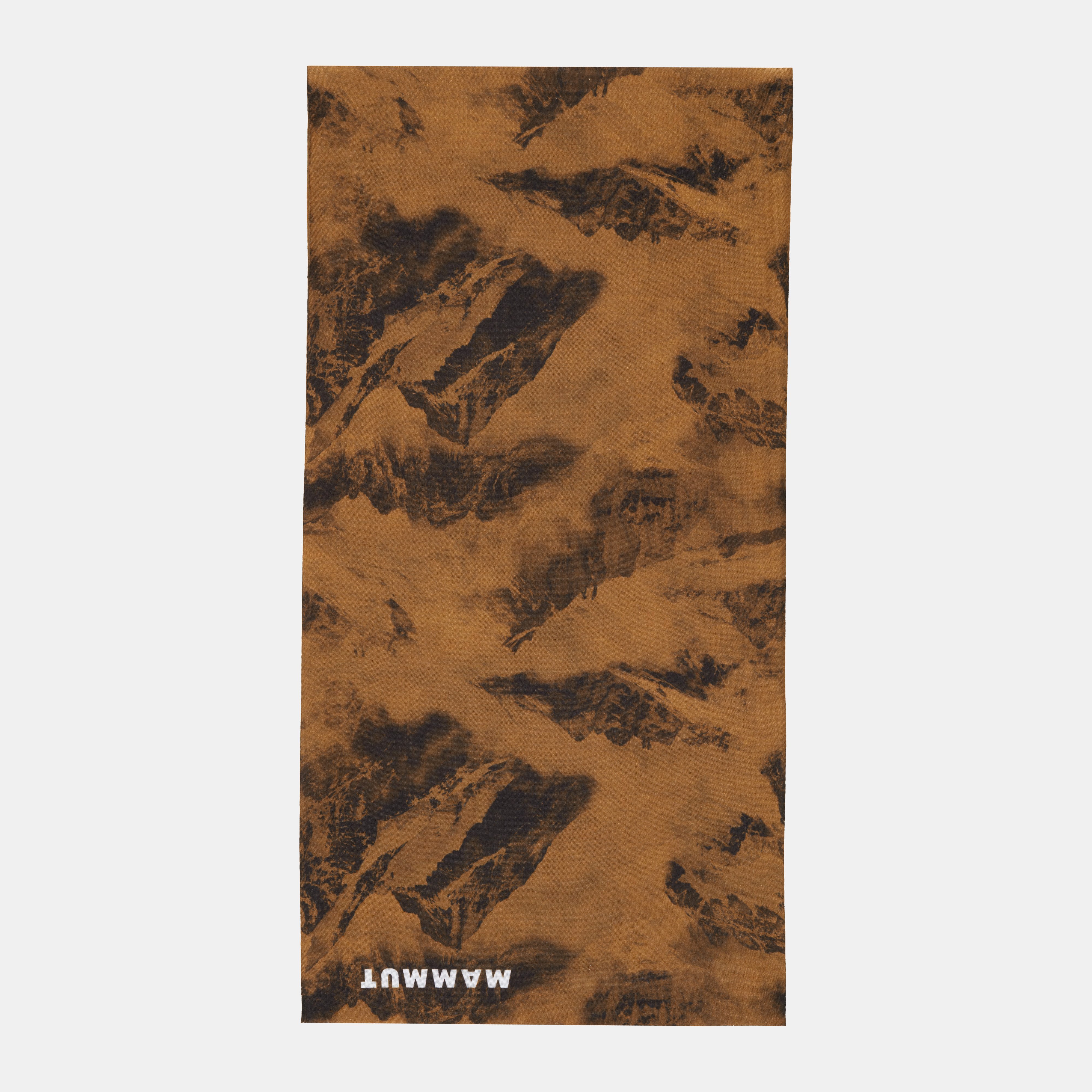
Neck gaiter: Versatile for use in wind, sun, or dust
Gloves: Thin and windproof for chilly altitudes
Sunglasses: Essential when UV rays get intense in the mountains
Hiking socks: Merino models with cushioned zones prevent blisters
Rain pants & extra socks: For emergencies and long tours
Hiking Gear by Season
Every season has its own specific demands for your hiking clothing – both in terms of materials and layering. Summer calls for lightweight, breathable fabrics that protect you from the sun and dry fast. Spring and fall are all about versatility so you can adapt to temperature swings. Winter, on the other hand, demands insulating, weather-resistant layers and warm accessories to handle the cold and wet conditions.
Summer: Light shirts, shorts or thin hiking pants, plus breathable shoes that prevent heat build-up. Fabrics also offer additional UV protection.
Spring & Fall: Versatile mid layers, weather-resistant jackets, and convertible pants (like zip-offs) so you can adapt quickly to changing conditions.
Winter: Thermal base layers, insulating pieces like fleece or down, weatherproof hardshells, beanie, gloves, and warm waterproof boots with good tread.
Ready for Anything with Mammut
Now that you know what to wear and have the right hiking gear , you're ready to embark on your next hiking adventure! Missing other essentials? We've got you covered with everything from boots to packs – all the gear you need for your adventures. And don't miss our Mammut Stories and Guides where you'll find our complete hiking checklist , a guide on getting your pack weight right , and many other useful tips!
Common Questions About What to Wear for Hiking
Q: Why is cotton not ideal for hiking?
A: Cotton retains moisture and dries very slowly. When you're sweating or caught in rain, cotton sticks to your skin, cools you down quickly, and can cause chafing. Functional materials such as merino wool or synthetic fibers are much better because they are breathable, dry quickly, and wick moisture away from the body. If you're still unsure, check out our buying guide "Choosing the Right Hiking Shirt" for more info.
Q: What are the best pants for hiking in summer?
A: In summer, go with lightweight, breathable hiking pants made from synthetics. Zip-off pants are practical because you can convert them into shorts when it gets hot. Thin softshell pants or shorts with UV protection are also a good choice as they offer freedom of movement and dry quickly.
Q: Can I wear jeans while hiking?
A: Jeans are unsuitable for hiking. They are heavy, not very elastic, and dry very slowly. That's not just uncomfortable – but in the worst case can also lead to chafing or hypothermia. Hiking pants made from light, flexible functional materials are the much better choice.