Climbing
DüDaDo im Nirgendwo
October 2026
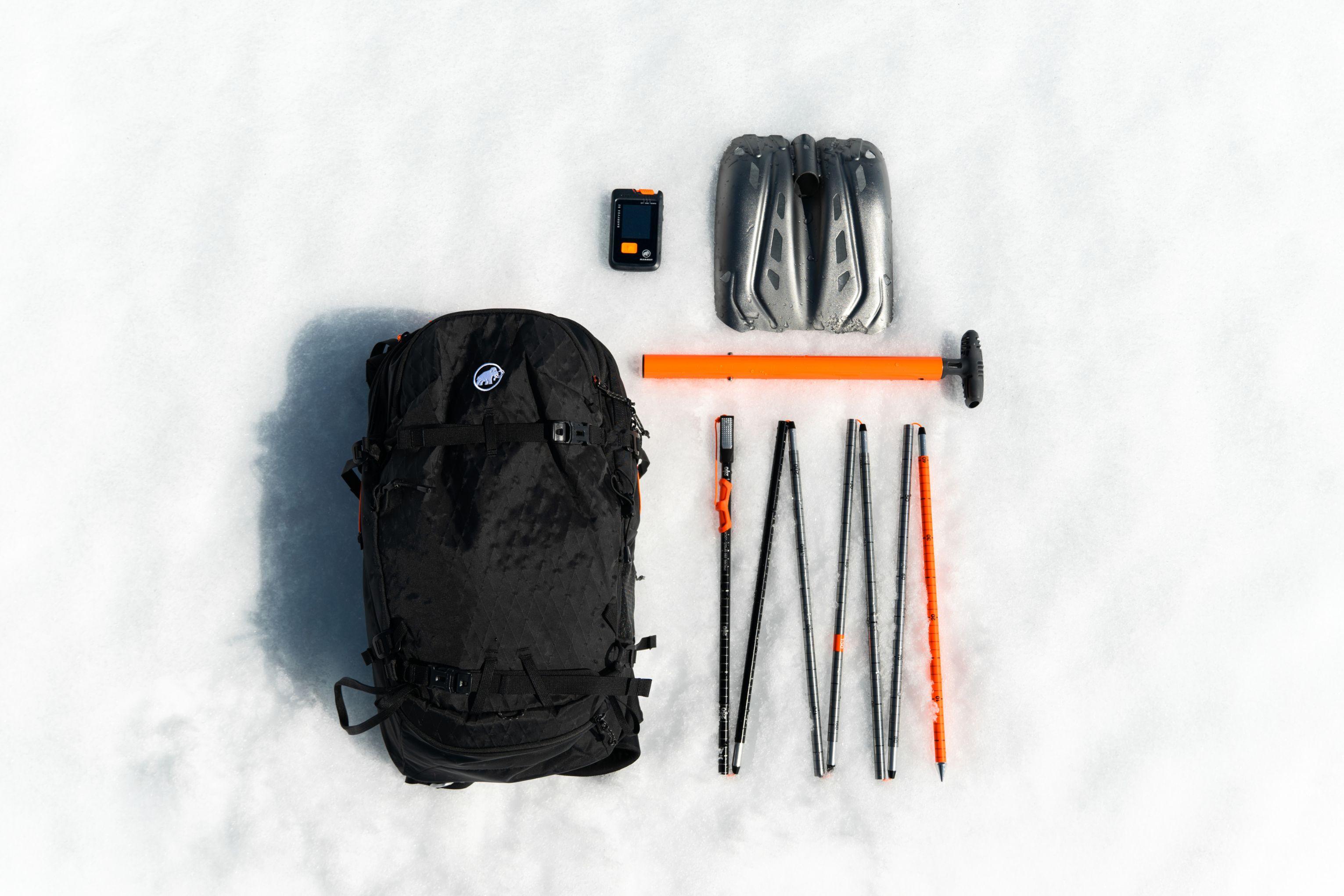
If you want to locate and rescue a buried person in an emergency, you need to master the search – under stress and cold, in an avalanche field where every second counts. To be able to execute the right technique when it matters most, honing your avalanche transceiver search skills through regular training sessions is essential. We'll walk you through every step, with videos and detailed instructions showing you how a burial search works, how to wear your transceiver correctly, and how to practice the entire rescue sequence strategically.
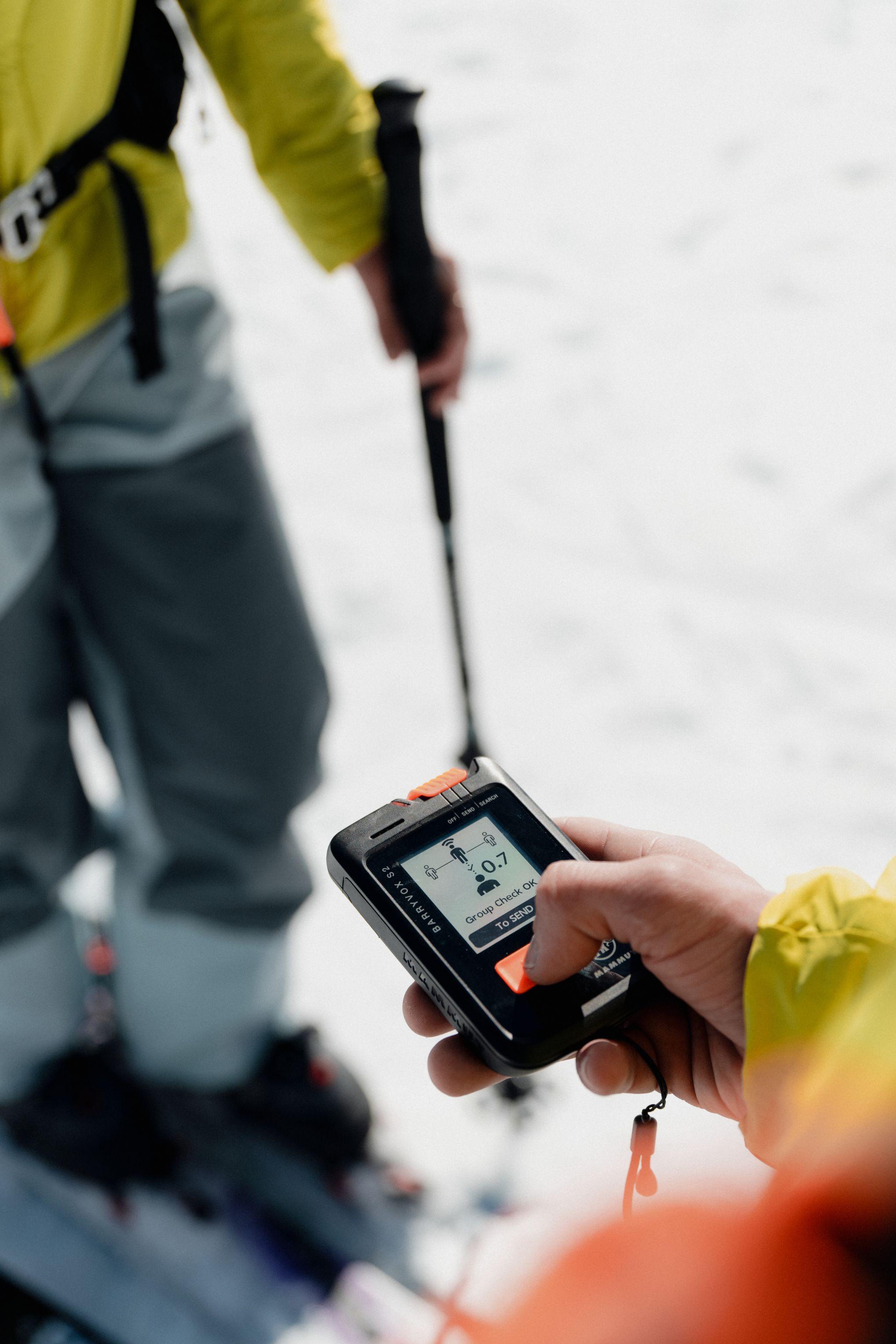
Whether ski touring, freeriding, or snowshoeing – anyone venturing off designated slopes needs to make avalanche safety a priority. The heart of every avalanche safety kit is the avalanche transceiver, also known as avalanche beacon or avalanche safety device. In an emergency, it can make the difference between life and death. However, not all transceivers are the same. They differ in range, ease of use and performance. Here you'll learn what a transceiver is, how it works and what to look for when choosing one.
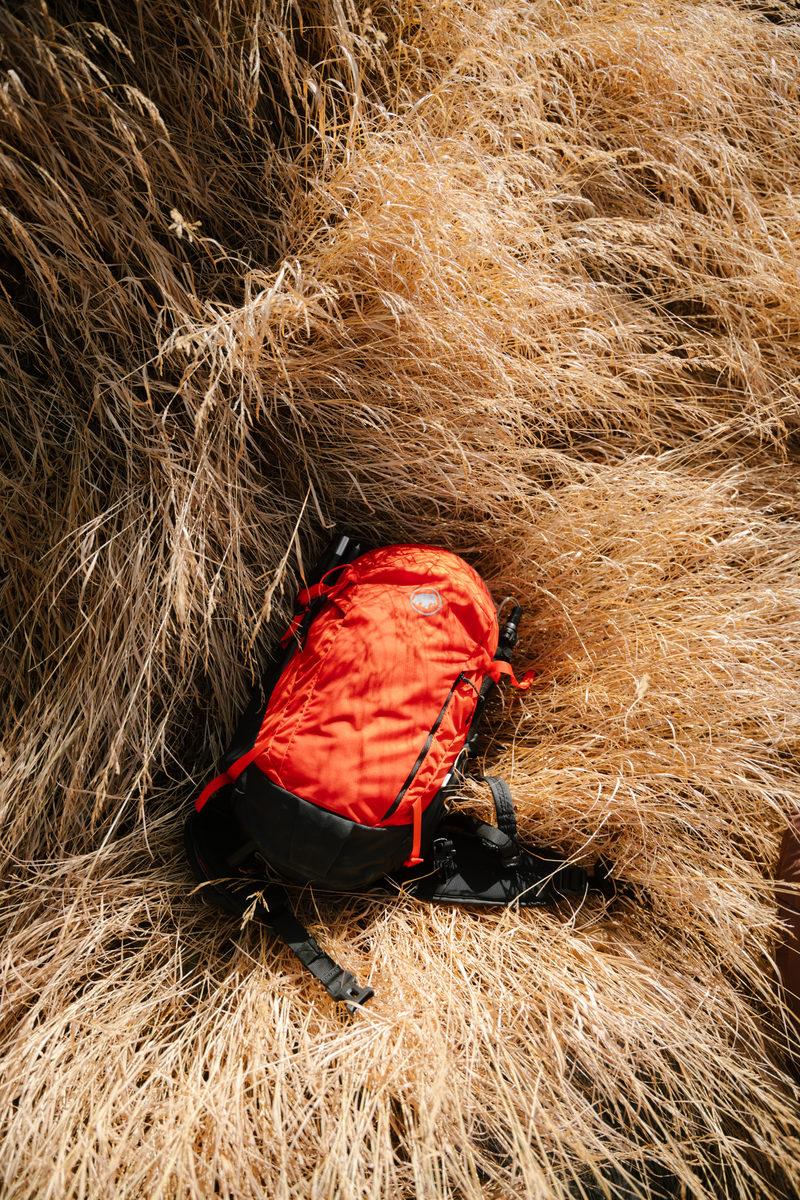
Choosing the right backpack size determines how comfortably and efficiently you’ll be able to move. A backpack that’s too small may force you to get creative, while one that’s too large may tempt you to take much more than you actually need. In this guide, we’ll tell you which pack capacity is best suited for your favorite activity and what to look for when buying a new one.
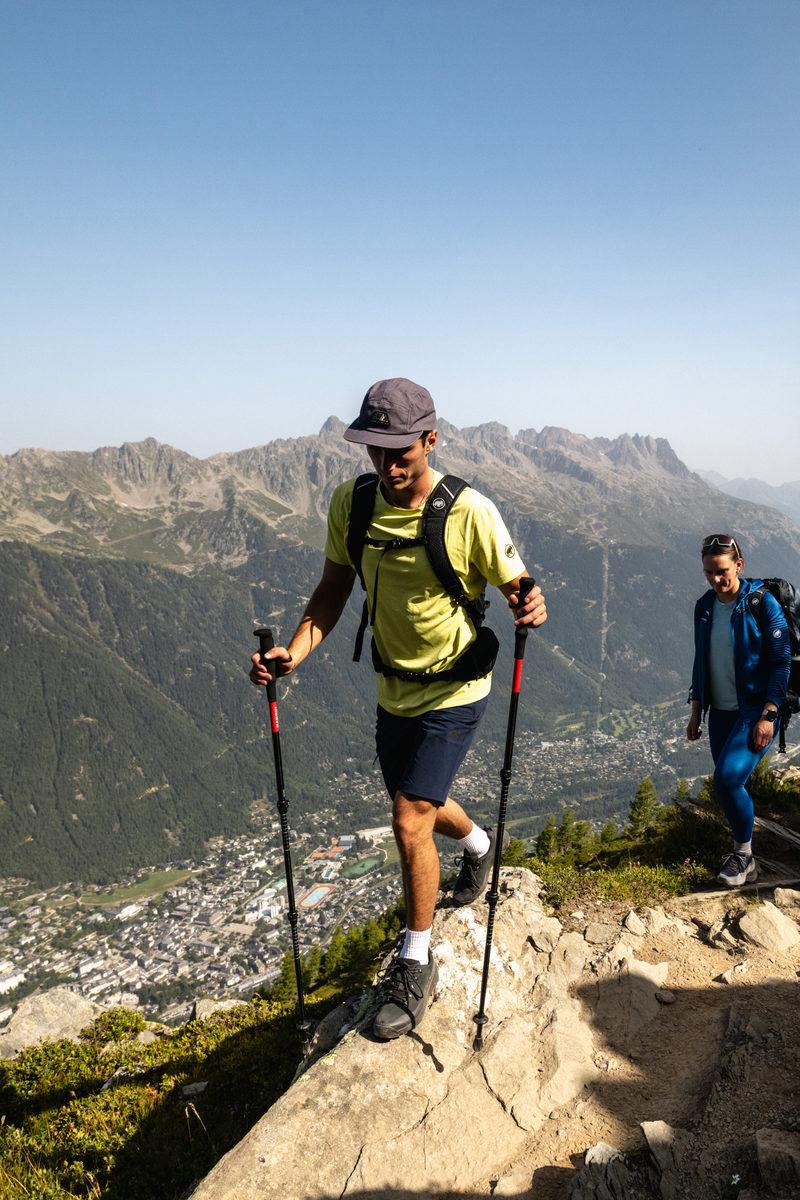
Some hikers absolutely swear by hiking poles and use them for every single tour; others consider them an impractical accessory that restricts their hands and adds unnecessary weight to their equipment. The truth lies probably somewhere in between – and entirely depends on the terrain, your gear, and your knees. Which is exactly what this guide is for: We’ll tell you when hiking poles come in handy, when they’re best left at home, and how to use them correctly.
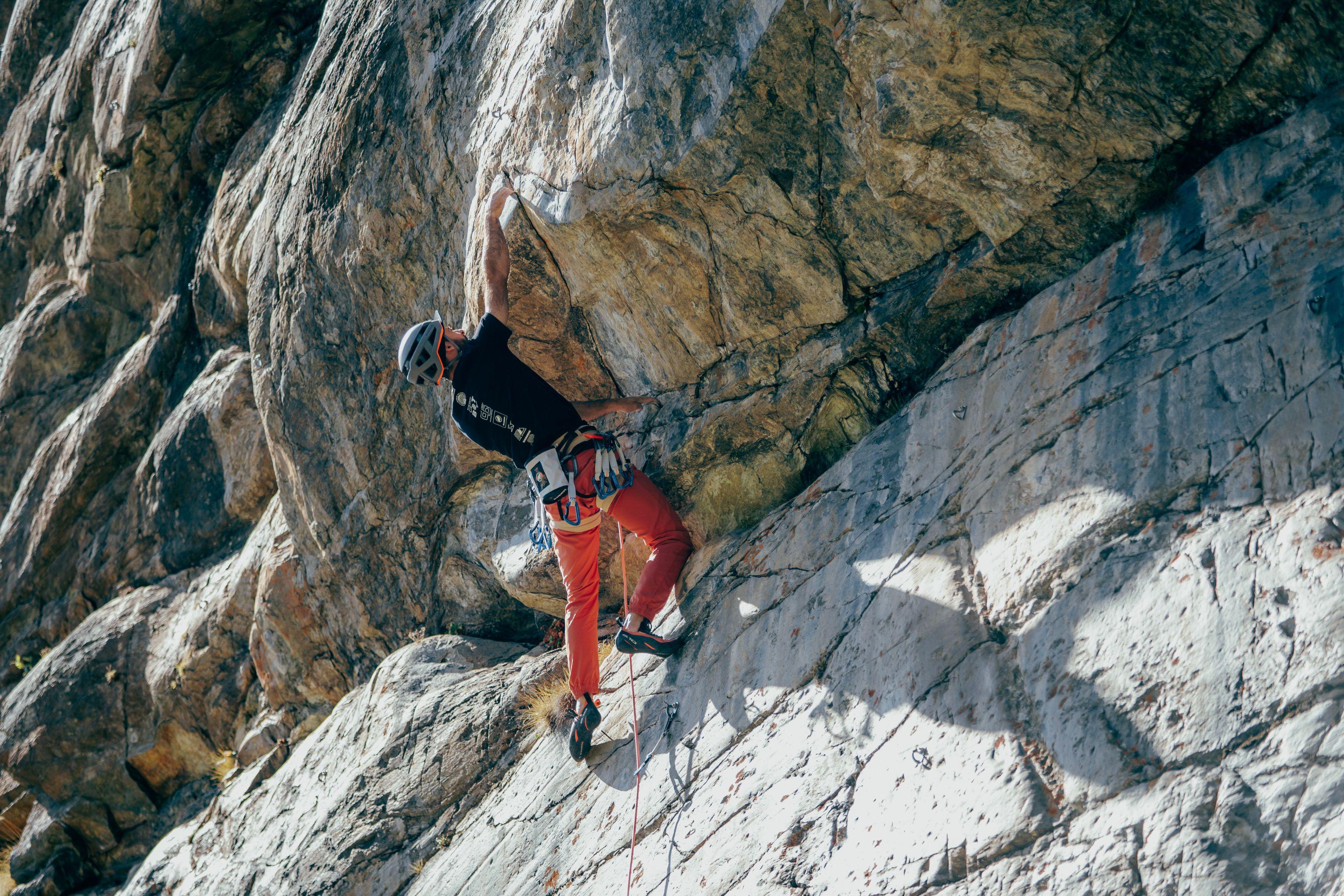
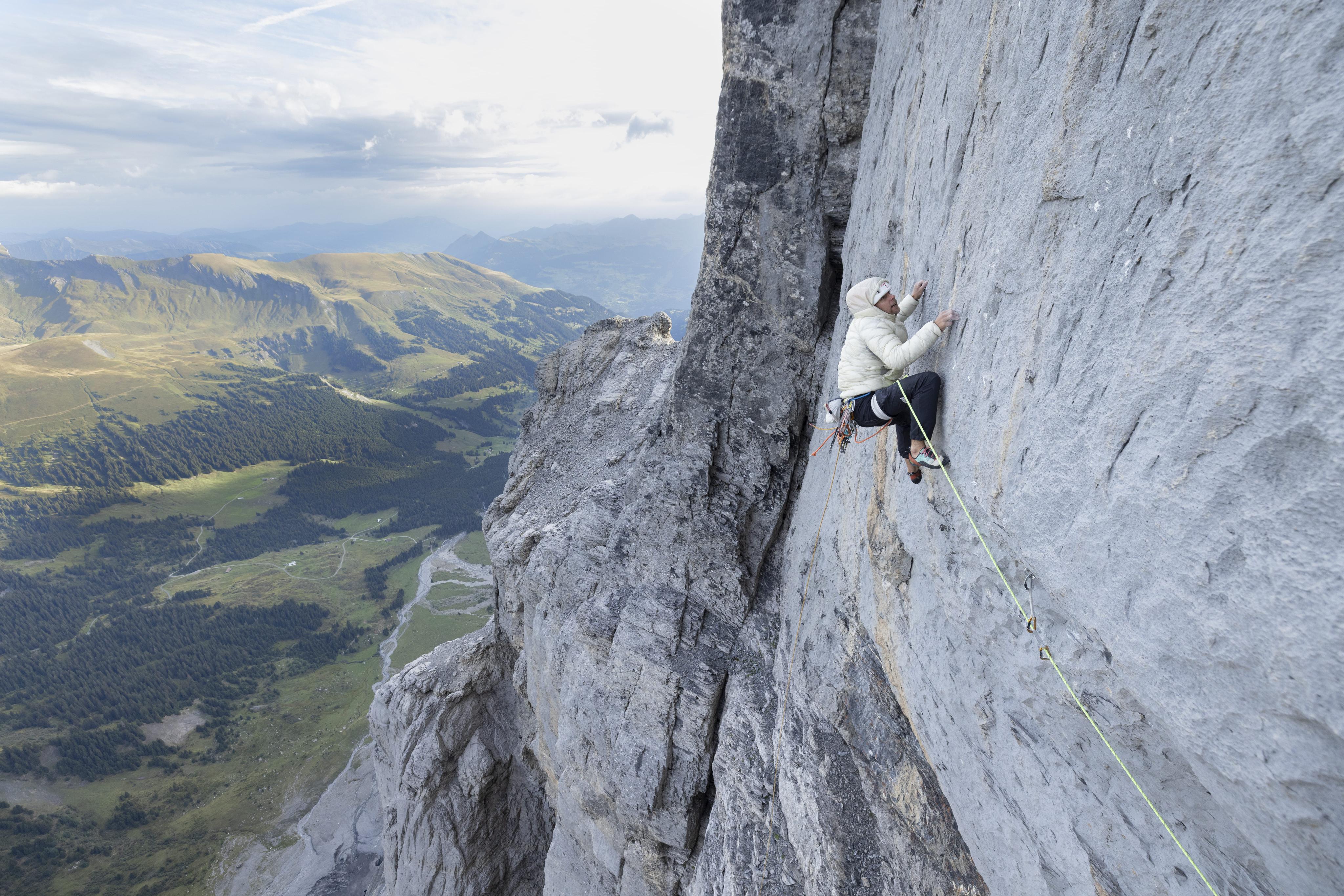
The wall looms over you, your arms grow heavy, each pull takes more strength than the last – it’s the challenge that makes overhang climbing so appealing. An overhang requires more than just brute strength: To climb it well, you need the right technique, body tension, proper footwork, and a good feel for movement sequences. At the same time, mistakes in an overhang can quickly lead to exhaustion or frustration. Here you’ll learn what matters most when climbing overhangs, how to train for them, and what gear will ensure you’re fully prepped for the task ahead.
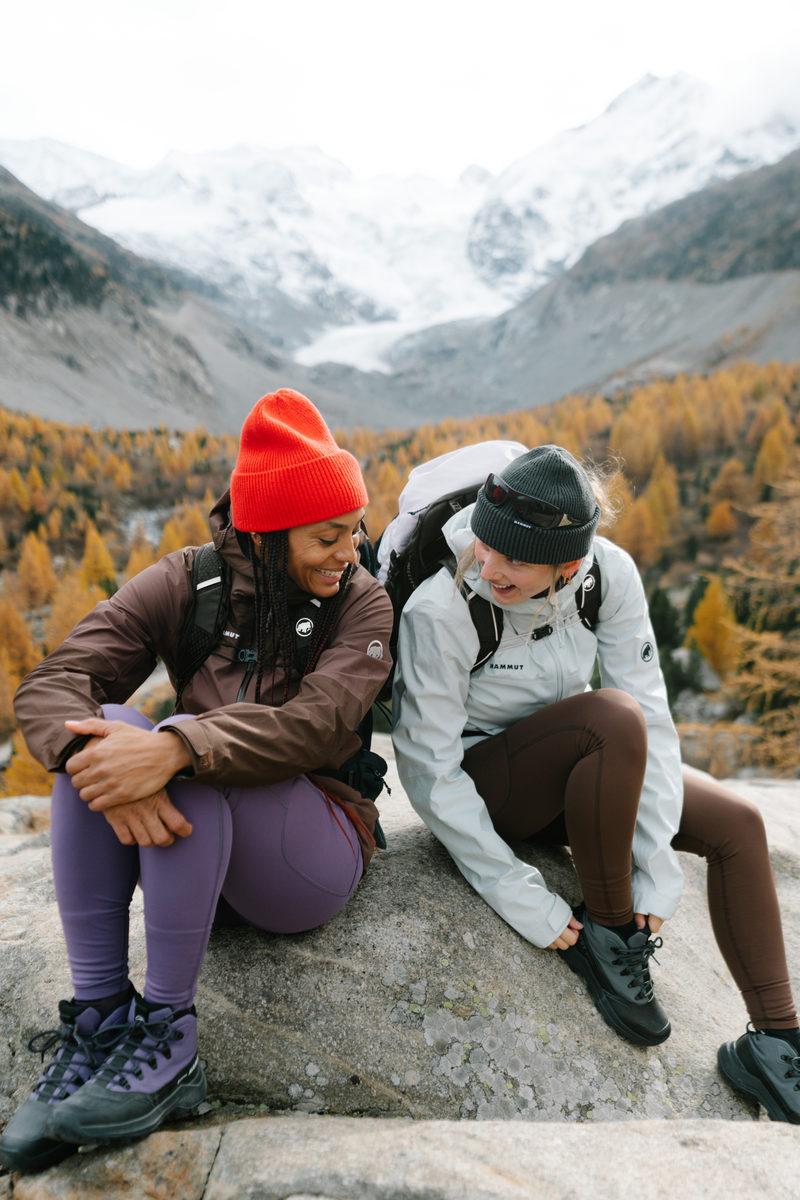
For many, fall is the best time for hiking. Colorful forests, fresh air, and the soothing feeling of change are simply unmatched. But fall plays by its own rules: In the morning, you’ll be freezing on the ascent; at noon, you’ll be sweating at the summit; and that rain shower that catches you off guard was definitely not in the forecast. Above 1,500 meters, there might even be snow, which isn’t uncommon in October. The good news? With the right gear, none of this is a problem. Here we’ll explain what’s best to wear for hiking in the fall so you can fully enjoy your time outdoors.
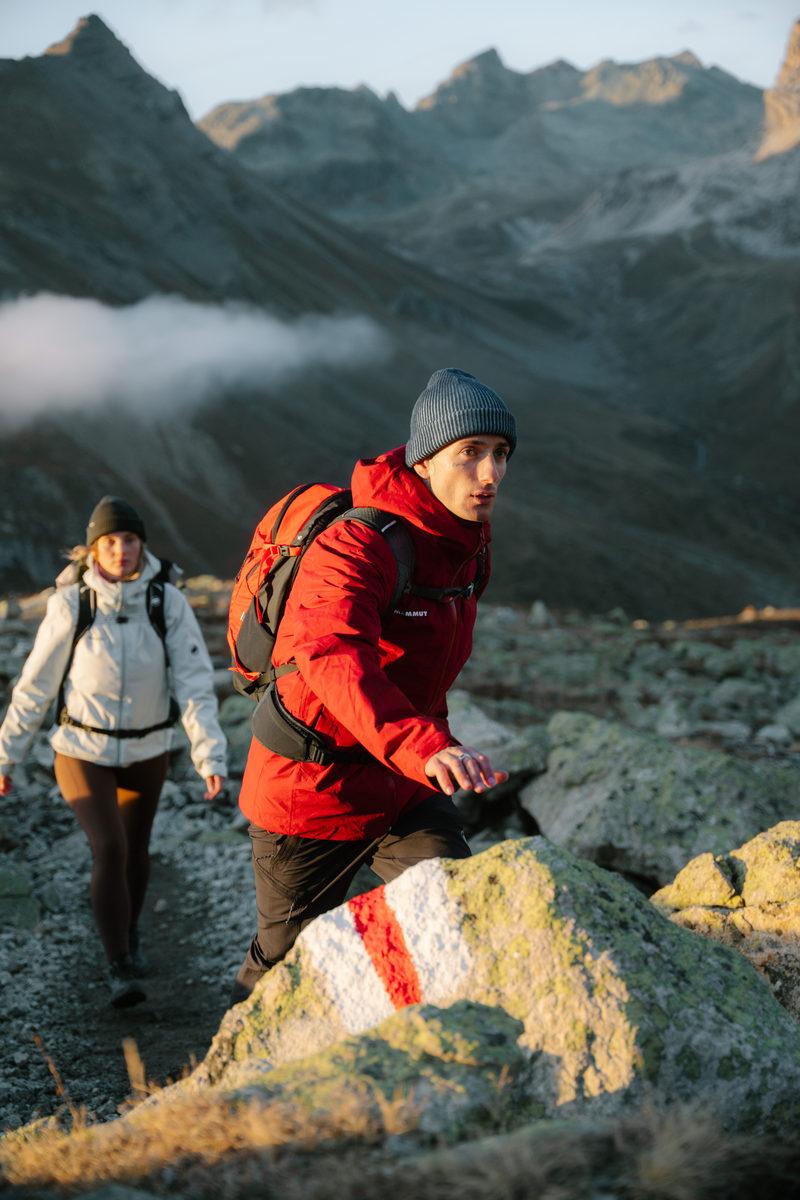
A yellow sign by the trail, a red-white-red mark on a rock, a cairn on an alpine ridge: if you hike a lot, you’ll come across an amazing variety of trail markers. They all serve the same purpose: to guide you safely to your destination. But what exactly does each color mean, how do the systems differ from country to country, and what should you look out for along the way? Here you’ll learn everything you need to know about hiking markers, so that on your next hike, you’ll always know where you are and where you’re going.
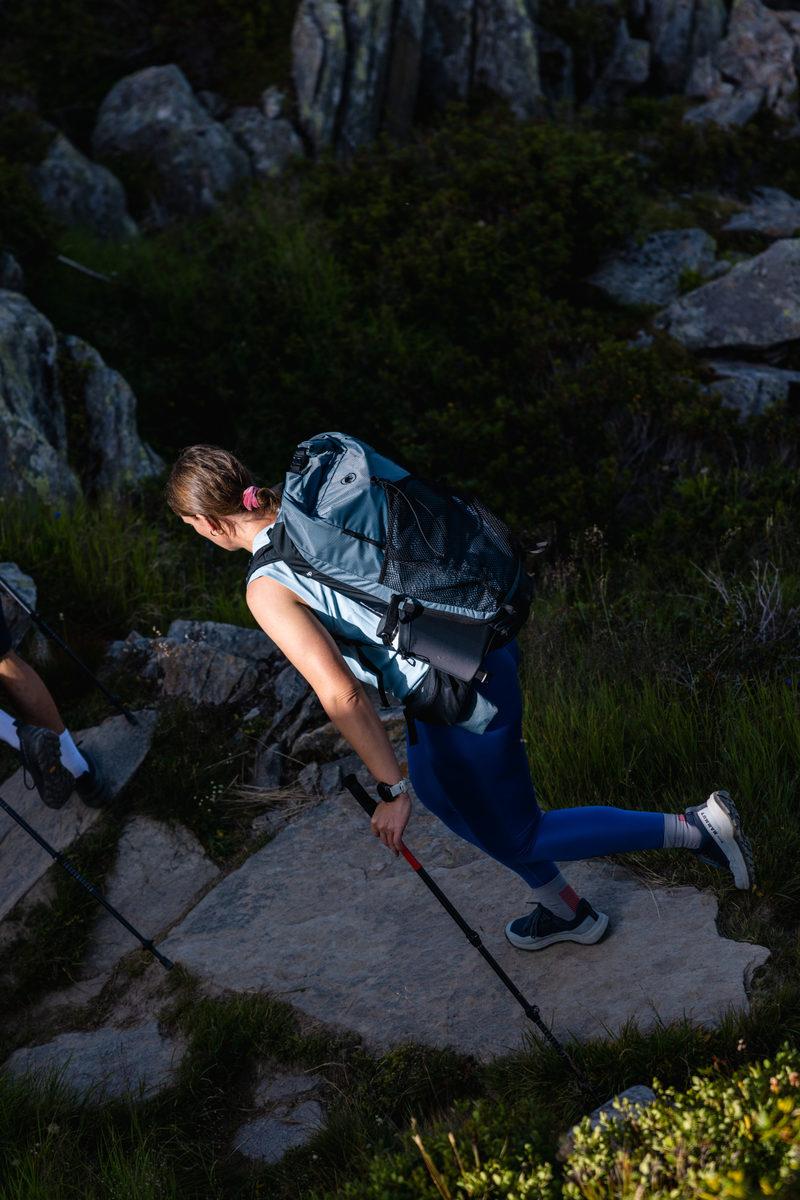
While hiking solo might sound lonely at first, in reality it’s often the exact opposite. Hiking alone through forests and mountains brings a sense of freedom and clarity and offers a unique way of experiencing nature. There’s no comparing yourself to other hikers, no compromises – just you and the trail ahead. In this post you’ll learn what makes solo hikes so special, how to prepare properly and what you should keep in mind – especially as a woman. We'll also show you how to get the most out of your time on the trail mentally as well.
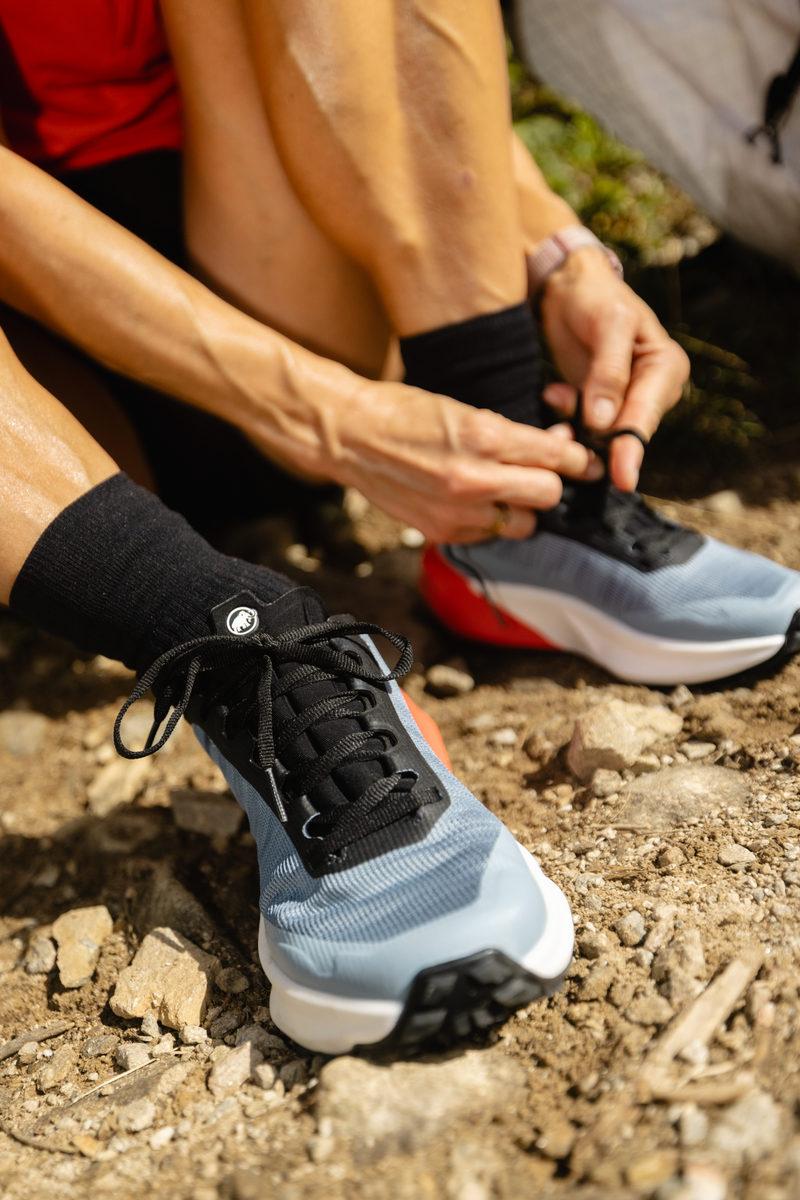
Roots, scree, steep climbs and unpredictable weather: when trail running, your feet are subjected to extreme conditions. Most runners invest a lot of time in choosing the right trail running shoes, which makes perfect sense. But between your foot and your shoe sits a piece of gear that matters just as much: your socks. What’s true for hiking applies even more so to trail running since it involves higher speeds, more strain on your feet and more dynamic movements. Here's why dedicated trail running socks make all the difference and what to look for when choosing them.
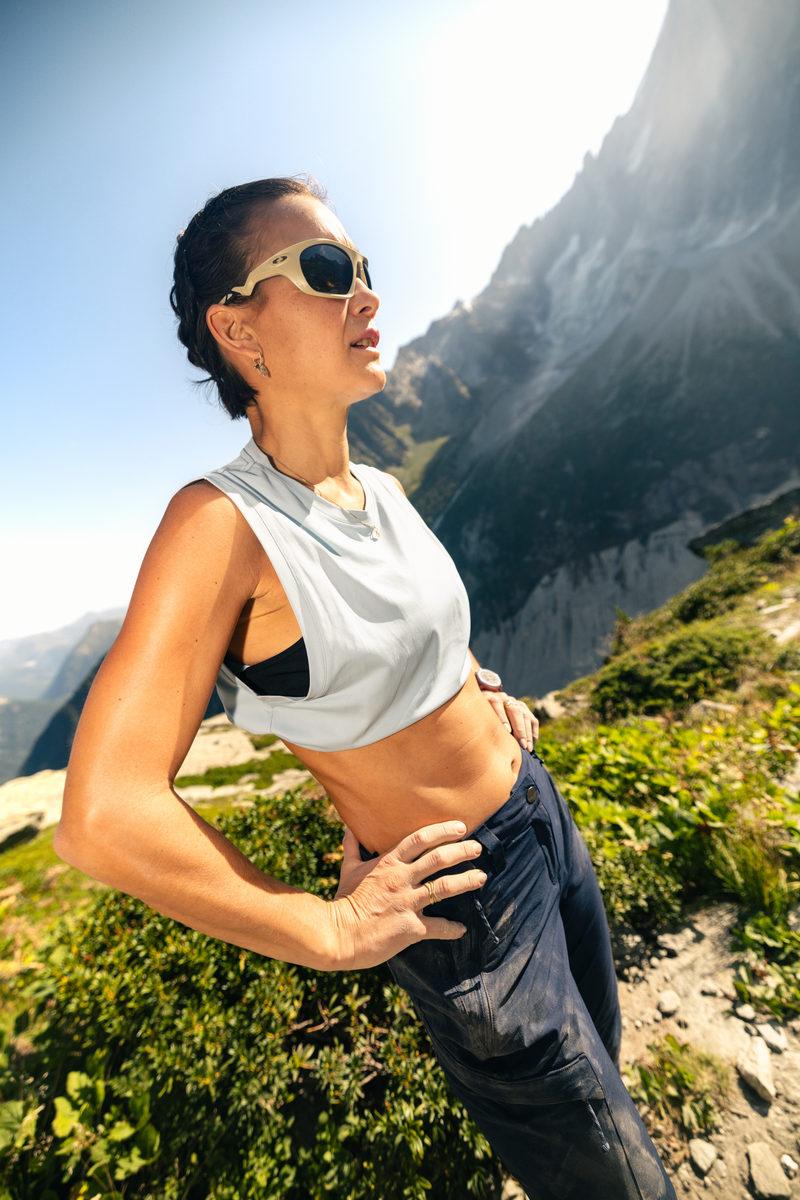
Bright sunshine, blue skies, and mountains on the horizon: that sounds like the perfect day for a hike. But when the thermometer climbs toward 30°C/86°F, you’ll need more than just a good attitude and breathable hiking boots. High temperatures and intense UV radiation can quickly push your body to its limits. In this post, you’ll learn how to best prepare for hiking in the heat and what you absolutely must keep in mind while you’re out on the trail.
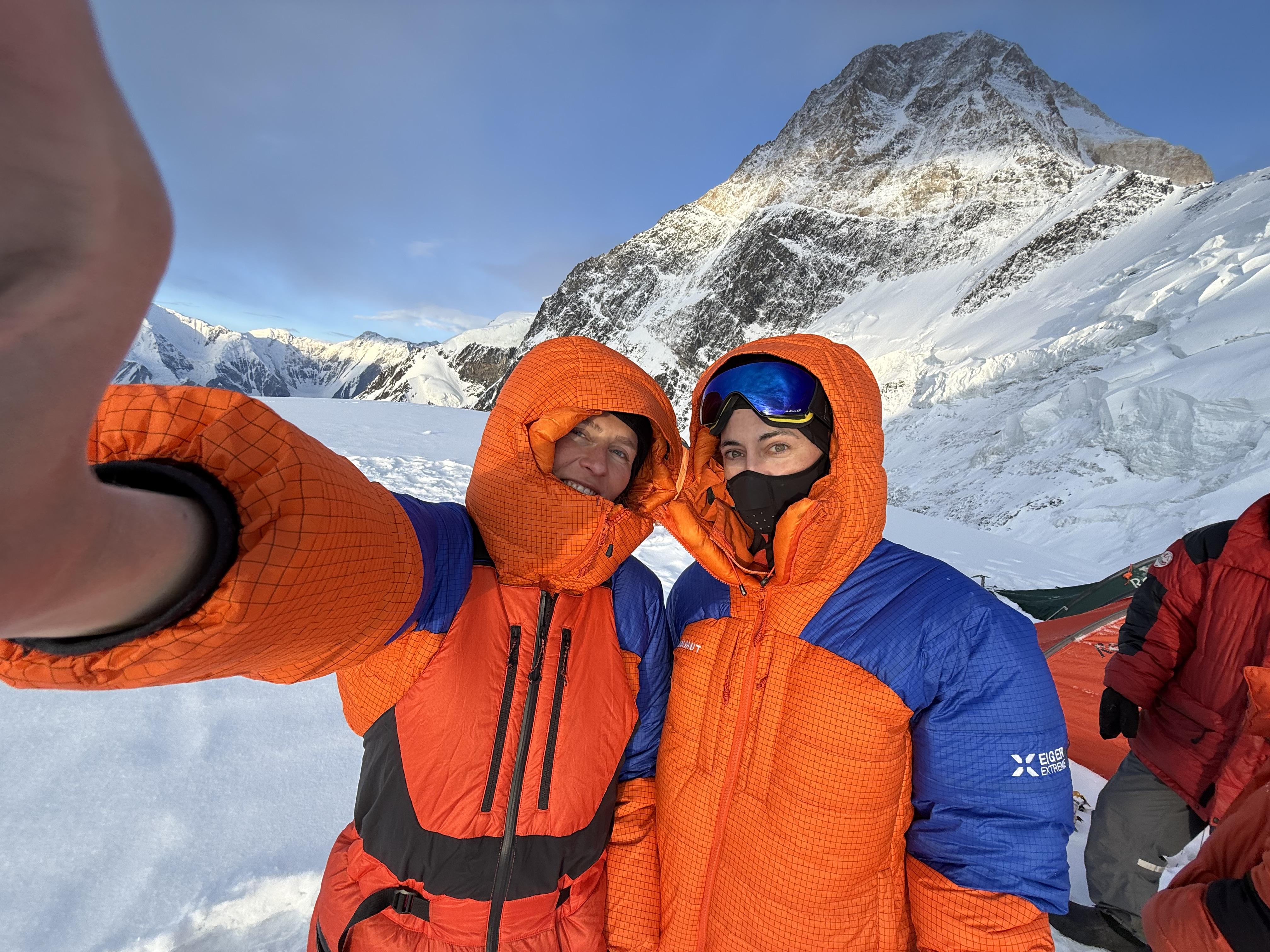
Two Swiss alpinists travel to Kyrgyzstan in the summer of 2025: Gentiana Zyba and Sandra Christen. Khan Tengri has long held their attention—remote, demanding, uncompromising. Together with a local mountain guide, they choose the north side. But high on the mountain, just meters below the summit, the defining question arises: push on, or turn back?