





How to Wash a Sleeping Bag » Down & Synthetic
10/25

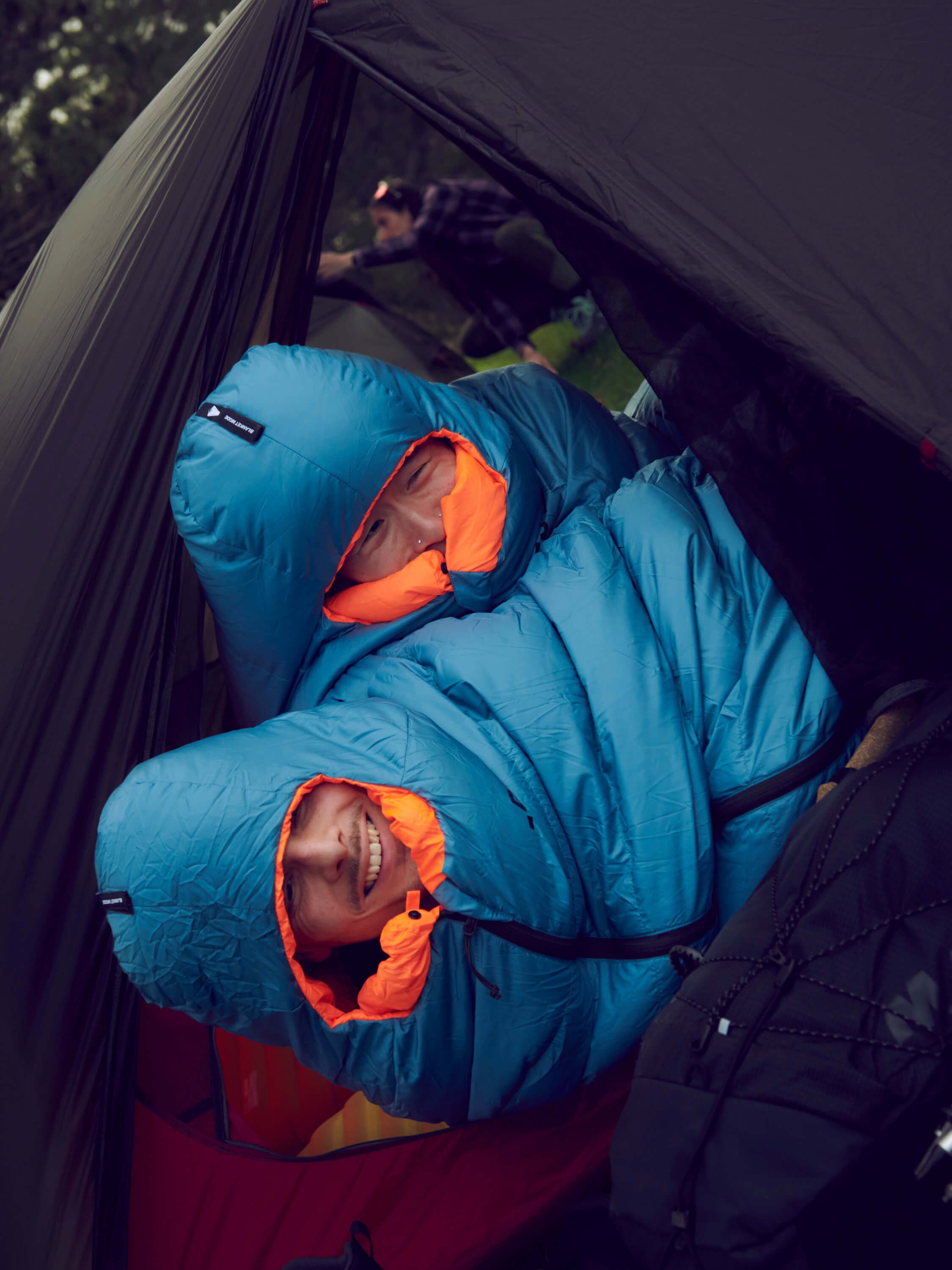
A good sleeping bag is key. Whether you're touring, backpacking, or hitting huts for days – when darkness falls, that bag is your lifeline against the cold and whatever else nature throws at you. But what do you do when your go-to gear starts to smell funny or showing serious traces of dirt and grime? Whether down or synthetics: In this guide, we’ll tell you exactly how to wash, care for, and store your sleeping bag so it keeps delivering that cozy warmth trip after trip.
When Should I Wash My Sleeping Bag?
The golden rule: As little as possible, but as much as necessary. Washing puts stress on both the shell fabric and the insulation – especially if you do it too often. Minor dirt and grime can usually be handled with a damp cloth or soft brush. Only throw it into the washing machine when your bag starts smelling weird or is seriously dirty.
Down vs. Synthetic – What's the Difference When Washing?
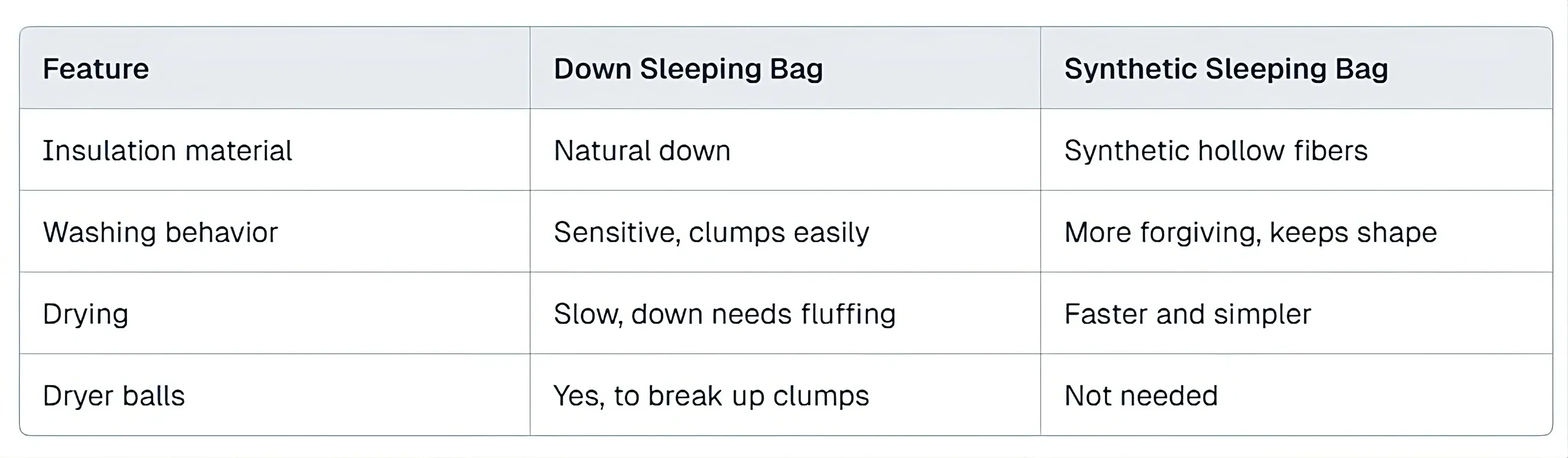
Whether you own a down sleeping bag or a synthetic sleeping bag makes a huge difference in how you care for it. Down is super sensitive to moisture, clumps easily, and needs special washing and drying techniques to maintain its loft. Synthetic bags are way more forgiving – they dry faster, hold their shape better, and can handle minor mistakes in the wash. Still, taking care pays off with both types.
Here's a quick breakdown of the key differences between the two bag types:
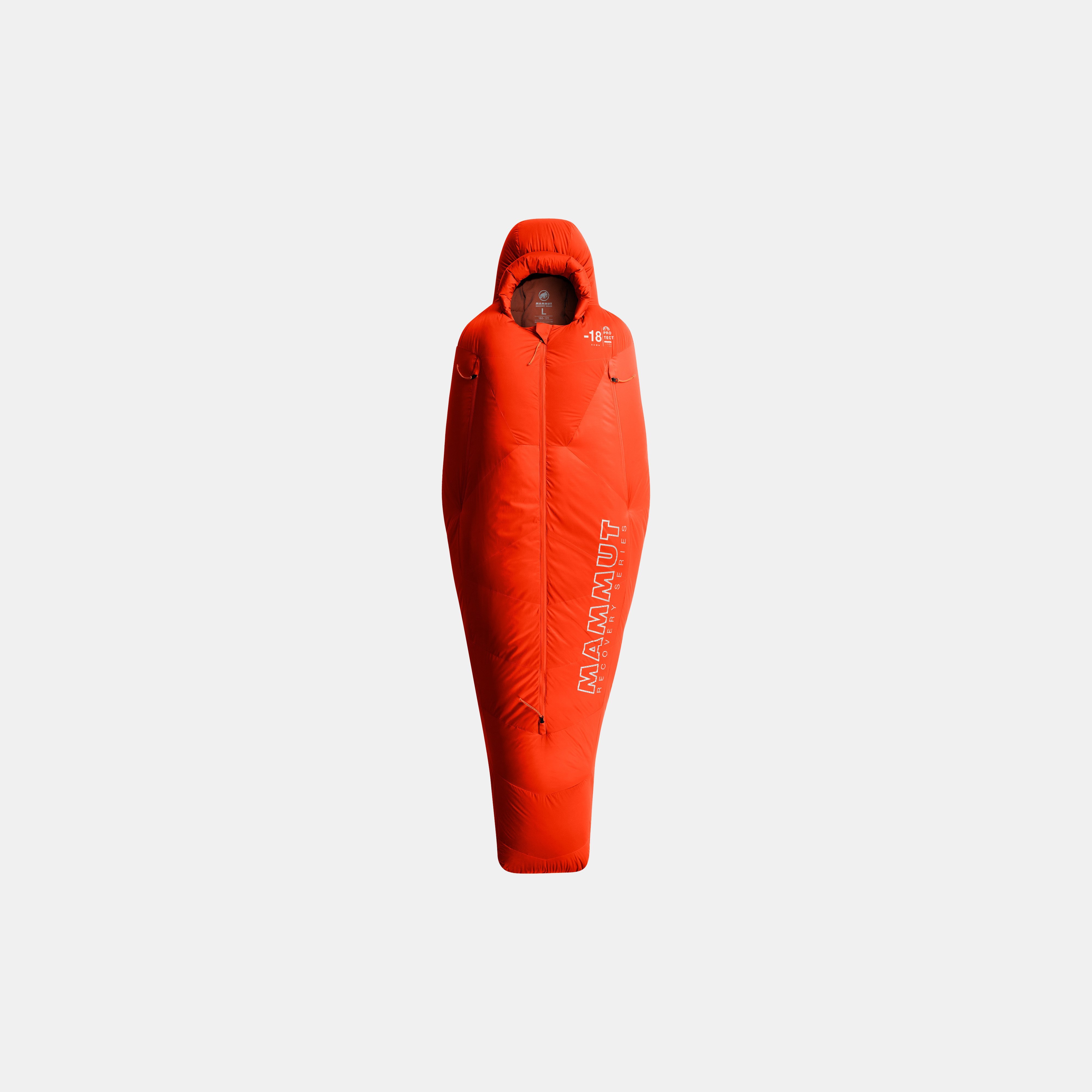
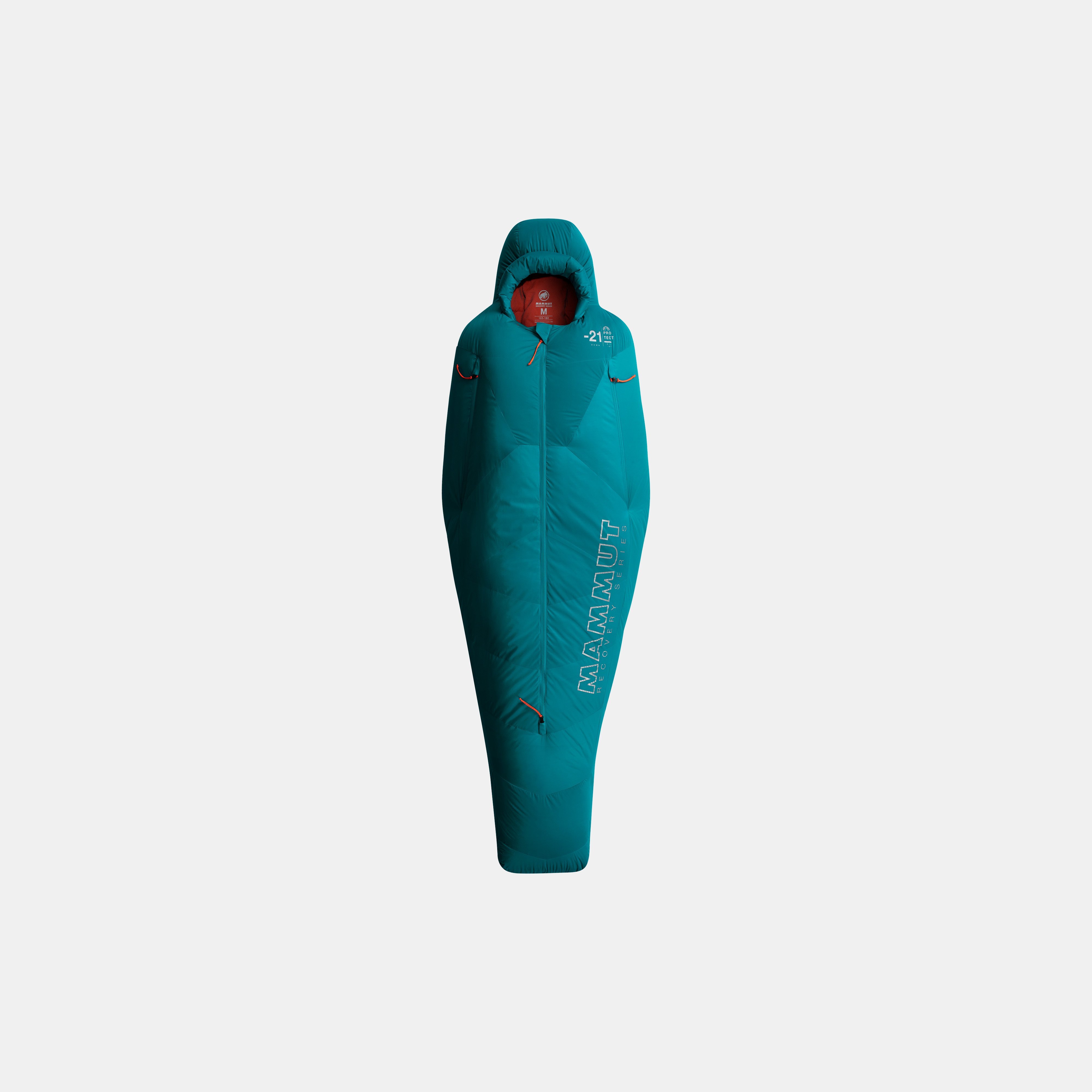
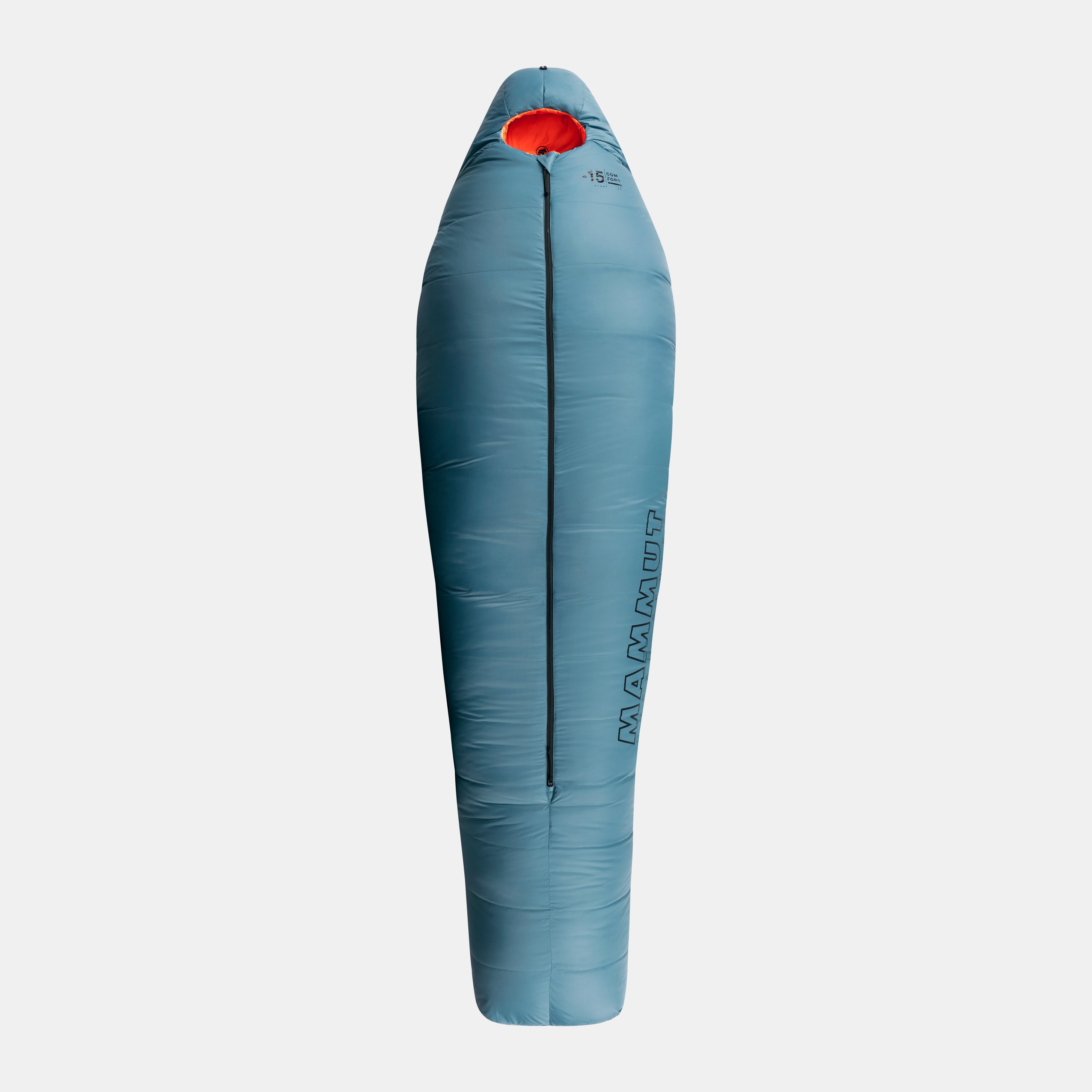
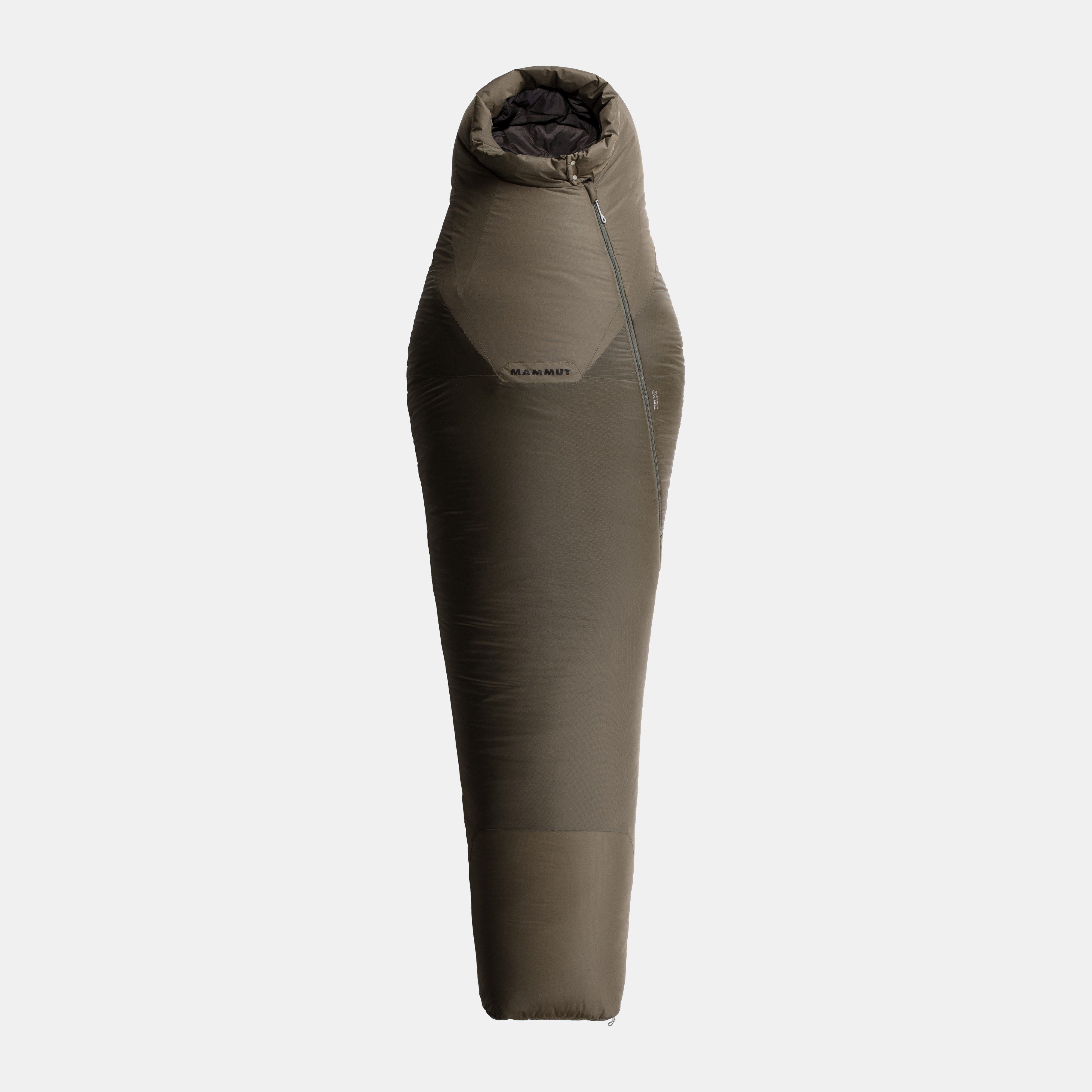
If you're not sure which sleeping bag is right for you, we've got the essentials covered in our sleeping bag guide.
How to Wash Your Sleeping Bag Right – Step by Step
Decided your sleeping bag needs a deep clean? Let's do this!
Here's a video showing all the steps for washing a down sleeping bag:
The following four steps break down exactly how to go about it:
Step 1: Prep Work
Before throwing your sleeping bag in the machine, check the care label first. Make sure your washer's drum is big enough for the bag to move around freely. Top-loaders with agitators are a no-go since they can damage the fill. If you're not sure, you can always get it professionally cleaned – but never dry clean it. Run your washing machine empty once to clear out any leftover detergent or fabric softener residue. This is especially important if you normally use regular detergents.
Step 2: Machine Washing
Use the gentle cycle at 86°F – this goes for both bag types. The key is using a mild, surfactant-free detergent. Stay clear of fabric softener and bleach since they'll mess with your bag's performance. After the main wash, run an extra rinse cycle to get rid of any leftover soap.
Step 3: Drying
Sleeping bags can generally go in the dryer – for down bags this step is actually essential to get the down back to full loft. Use low heat and toss two or three dryer balls in with it. They help break up the down and prevent clumping.
Key point: Don't store the sleeping bag until it's completely dry. For best results, hang it upside down overnight just to be on the safe side.
Step 4: Reproofing
Your sleeping bag will get in touch with damp ground and light rain, so refreshing the water repellency at regular intervals is key. A quick tumble on heat reactivates the existing DWR coating (durable water repellent). If that's not enough, hit it with an eco-friendly reproofing spray. When water stops beading up during a test, it's time to reproof.
How to Use Your Sleeping Bag Right – and Avoid Getting It Dirty
How you use your sleeping bag is key to making sure it stays clean. Less dirt means less frequent washing – which protects both materials and insulation qualities. Here are a couple of useful tips:
Sleep in clean clothes: Sweat, body oils, and leftover sunscreen mess up your bag from the inside. If possible, change into clean clothes for sleeping – your bag will last way longer.
Use a sleeping bag liner: A lightweight liner made from cotton, silk, or microfiber effectively protects your bag's interior fabric. It's easy to wash and actually improves your sleep comfort, too.
Don’t place your sleeping bag directly on the ground: Always put your sleeping bag on a sleeping pad or other type of protective layer – even when sleeping in a tent. Not only will this prevent your bag from being exposed to damp or dirty ground, but it will also gives you better protection from cold and moisture.
Don't leave it outside: After getting up in the morning make sure to not leave your bag lying on the wet ground or exposed to the sun for long. This will go a long way in protecting the shell fabric and preventing mildew.
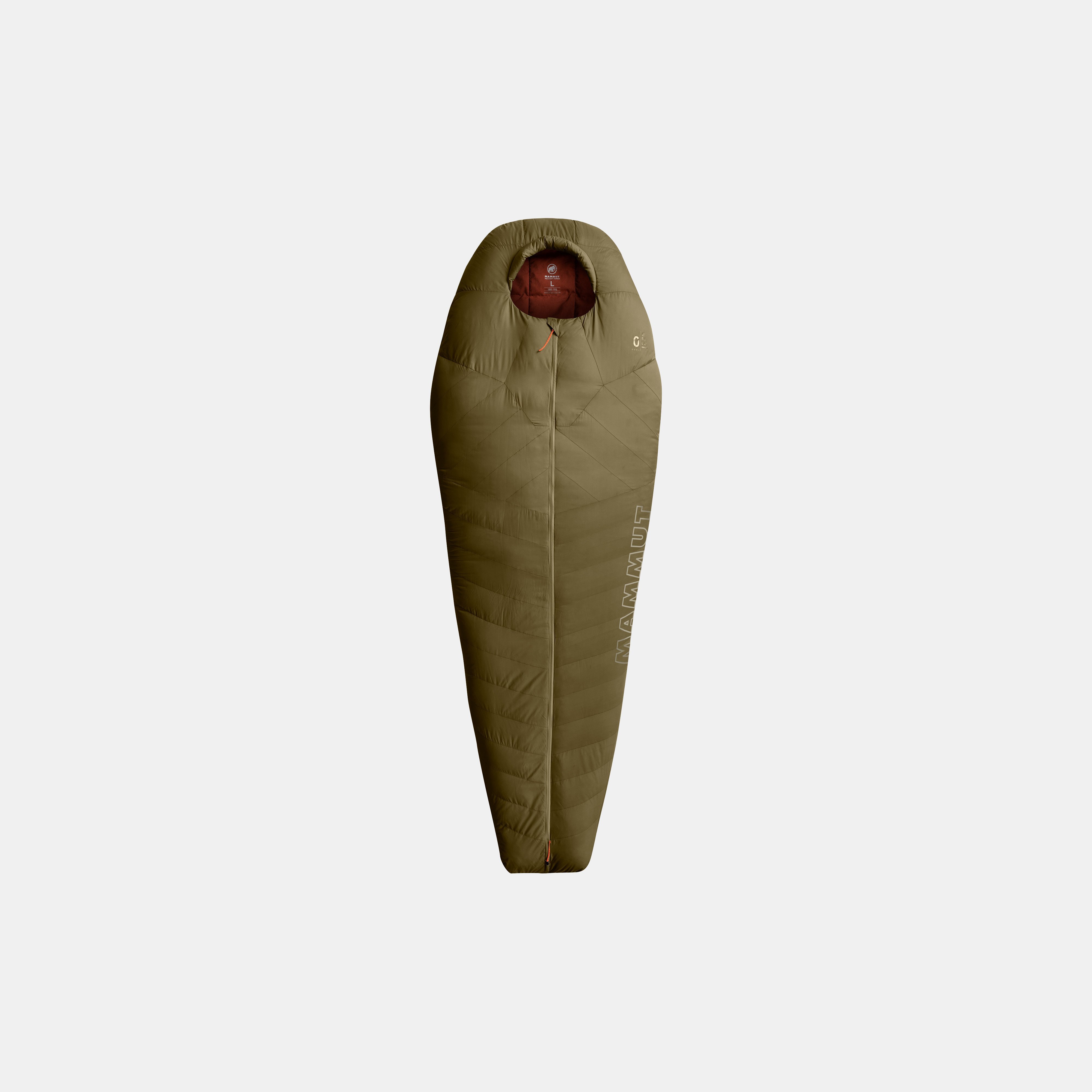
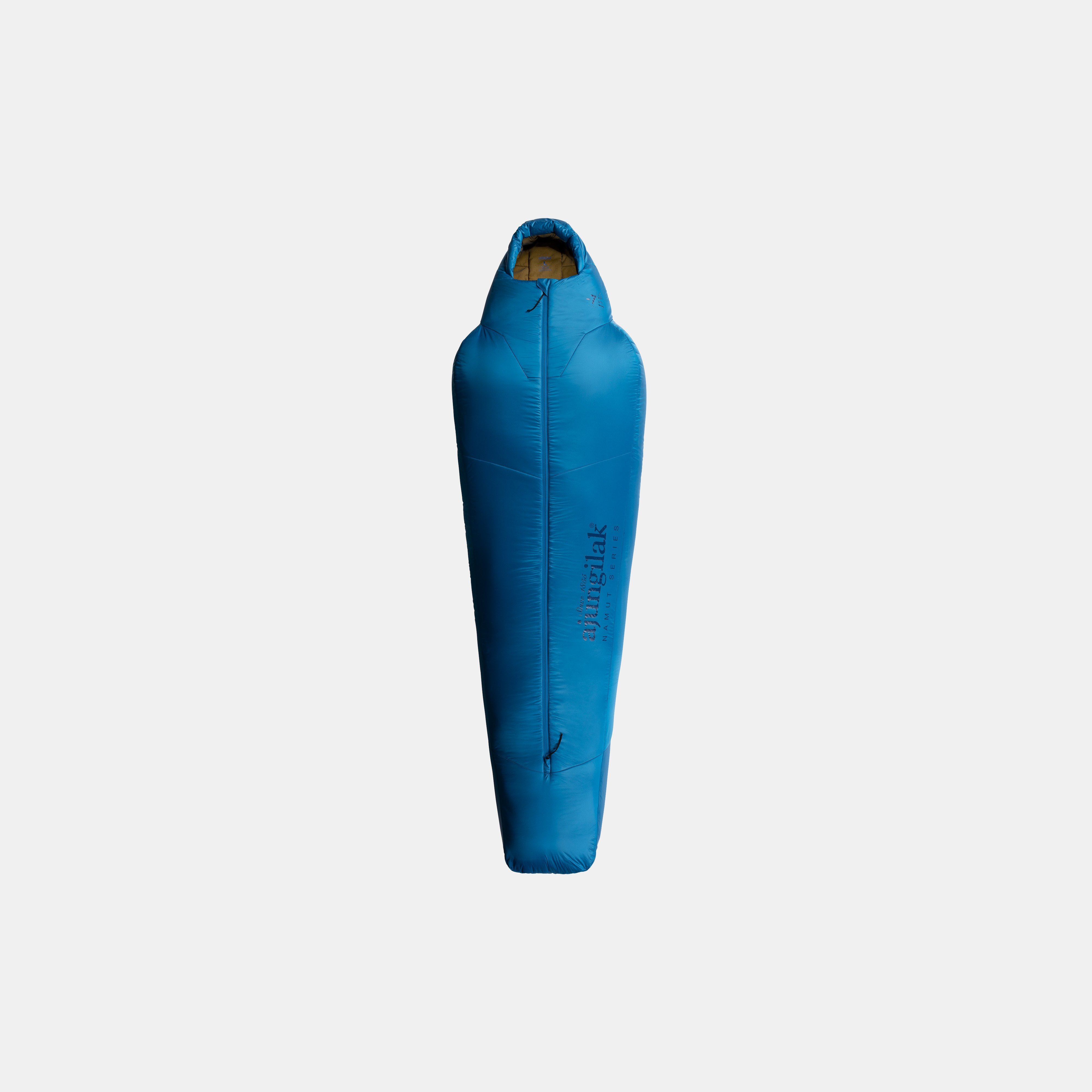
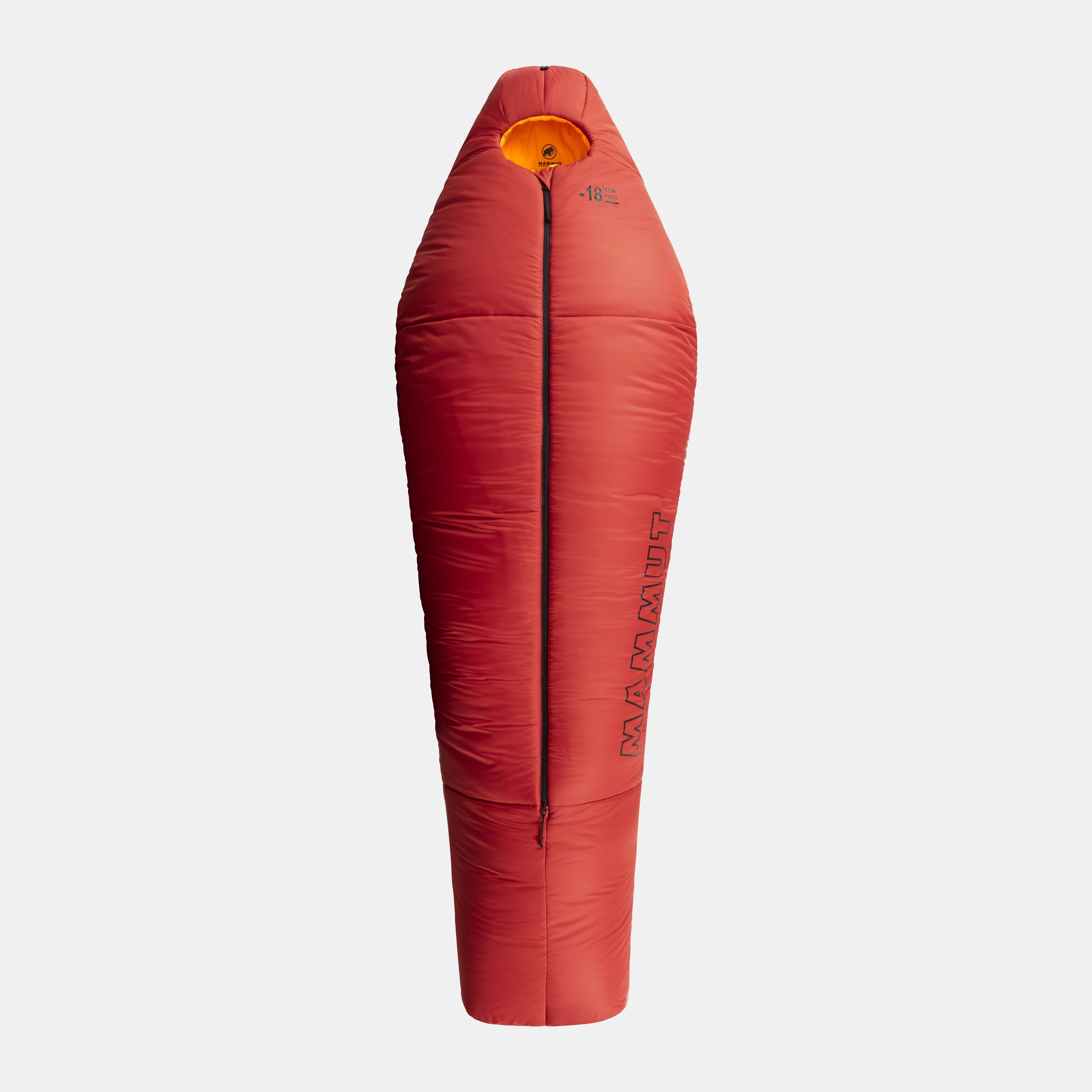
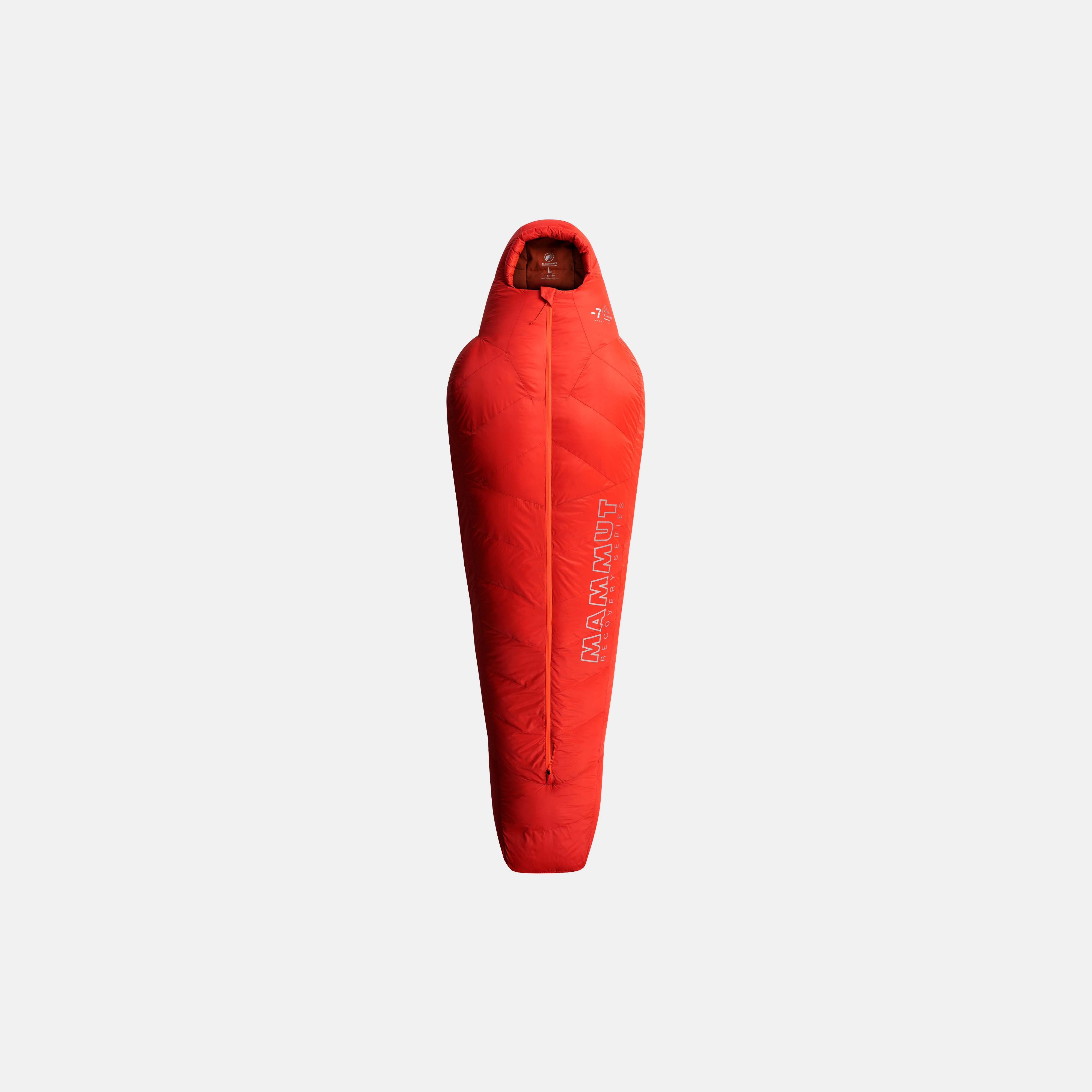
Storage Tips
To keep your sleeping bag working properly and smelling fresh for as long as possible, proper storage is everything. Just stuffing your bag in its compression sack after a trip and forgetting about it is a sure-fire way to damaged down, trapped moisture, and permanent damage. Here's what to do:
Always air it out well. After every night – especially when there’s a lot of dew – hang it up to dry.
Don't store it in its compression sack. Use a cotton or mesh storage bag instead, especially for down bags. This allows the air to circulate and will maintain the insulating qualities.
Keep it out of the light. UV rays can fade and weaken the shell fabric – so always store your bag in a dark and dry place.
A well-cared-for and properly stored sleeping bag will last you for years. Save the compact packing for when you're actually heading out – at home, it needs room to breathe.
FAQ: Common Questions About Washing Sleeping Bags
Can I wash my sleeping bag in any washing machine?
Not every machine works. Make sure there's enough drum space and avoid top-loaders with agitators. When in doubt, get it professionally cleaned (no dry cleaning!).
How often should I wash my sleeping bag?
Only when you really need to – like when it's seriously dirty or smells unpleasant. Less is definitely more.
Does a down sleeping bag need special care products?
Absolutely. Use specialized down detergent or a mild, surfactant-free product. No fabric softener, no bleach.
What do I do if the down clumps after washing?
Put it in the dryer on low heat – with dryer balls to break up the clumps.
Can I dry my sleeping bag outside?
Yes, but in the shade. Direct sunlight can damage the fabric. Key point: the bag has to be completely dry.
How do I store my sleeping bag properly?
Never in the compression sack – always loose in a roomy cotton or mesh storage bag.
Whether it's down or synthetic – with the right care, your sleeping bag will be your trusted companion for cold nights and crisp mornings. Be smart about washing it, patient when leaving it to dry, and systematic when storing it in between trips – for the best possible performance when you’re out and about again.
For more sleeping bag accessories , make sure to check out or Mammut shop. Gear up with additional top-tier equipment for your adventures, and see what sleep gear our top athletes rely on.