








How to train for hiking: getting ready

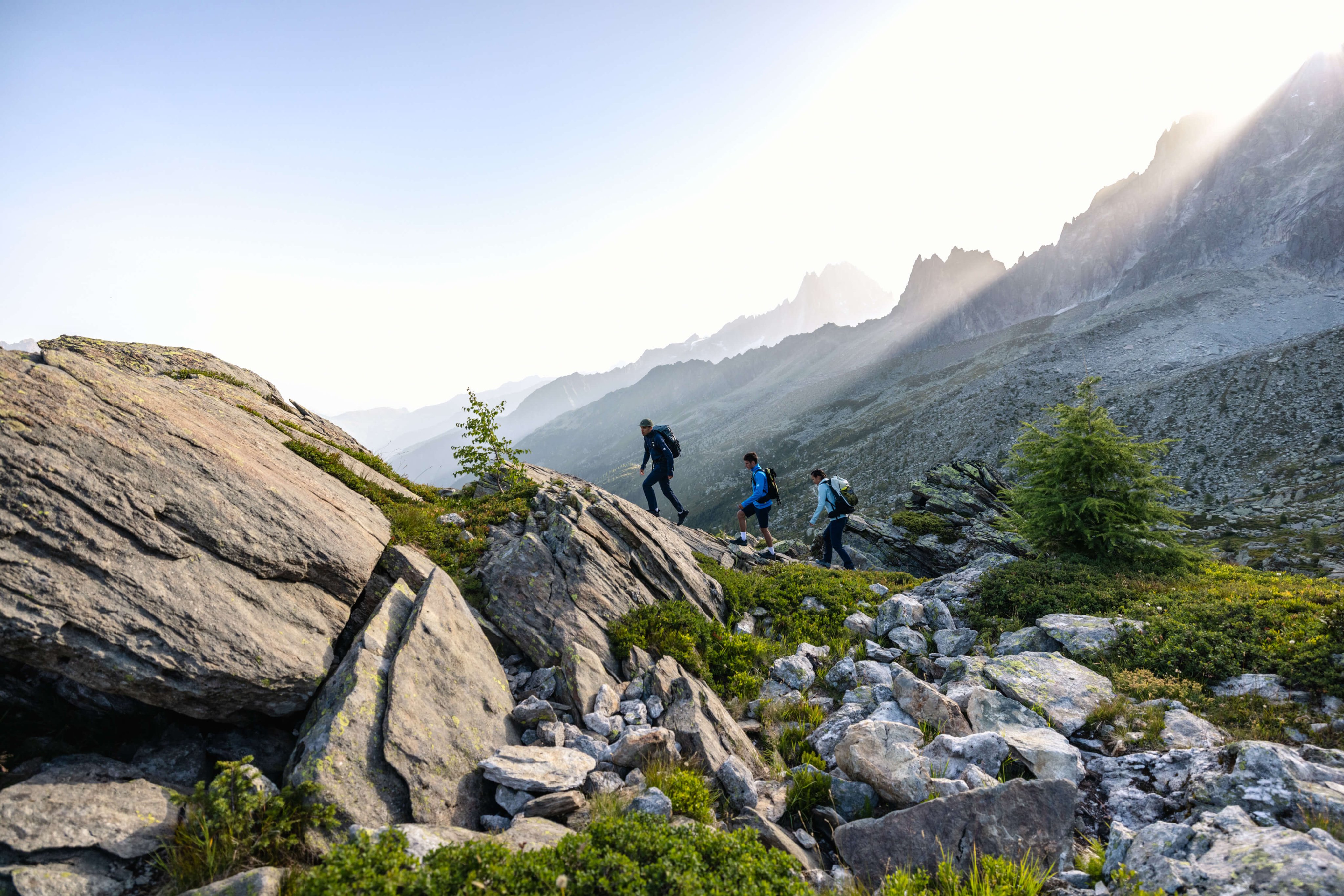
Hiking is a lot more than a simple leisurely stroll – it's a real test of body and mind. But before you hit the trail, there's more to think about than just the right hiking gear. Targeted training is the key to staying strong over long distances, reducing the risk of injury, and making the most of every moment out in nature. In this guide, we'll show you exactly how to get in shape for your next hiking adventure.
How fit should you be for hiking?
When it comes to hiking, your training should always match your goals and the tour you've got in mind. For a straightforward half-day hike in gentle terrain, a solid base fitness level will usually do the trick. But if you're planning a tour with serious elevation gain and multiple days on the trail, targeted training is a must. Either way, there are a few key foundations everyone should bring to the trail:
Base endurance: You should be able to move at a moderate pace for several hours without being completely out of breath.
Leg strength: Steep ascents and long descents can put serious strain on your quads, calves, and glutes.
Balance and stability: On uneven terrain, a strong core and sure footing are essential.





When to start training
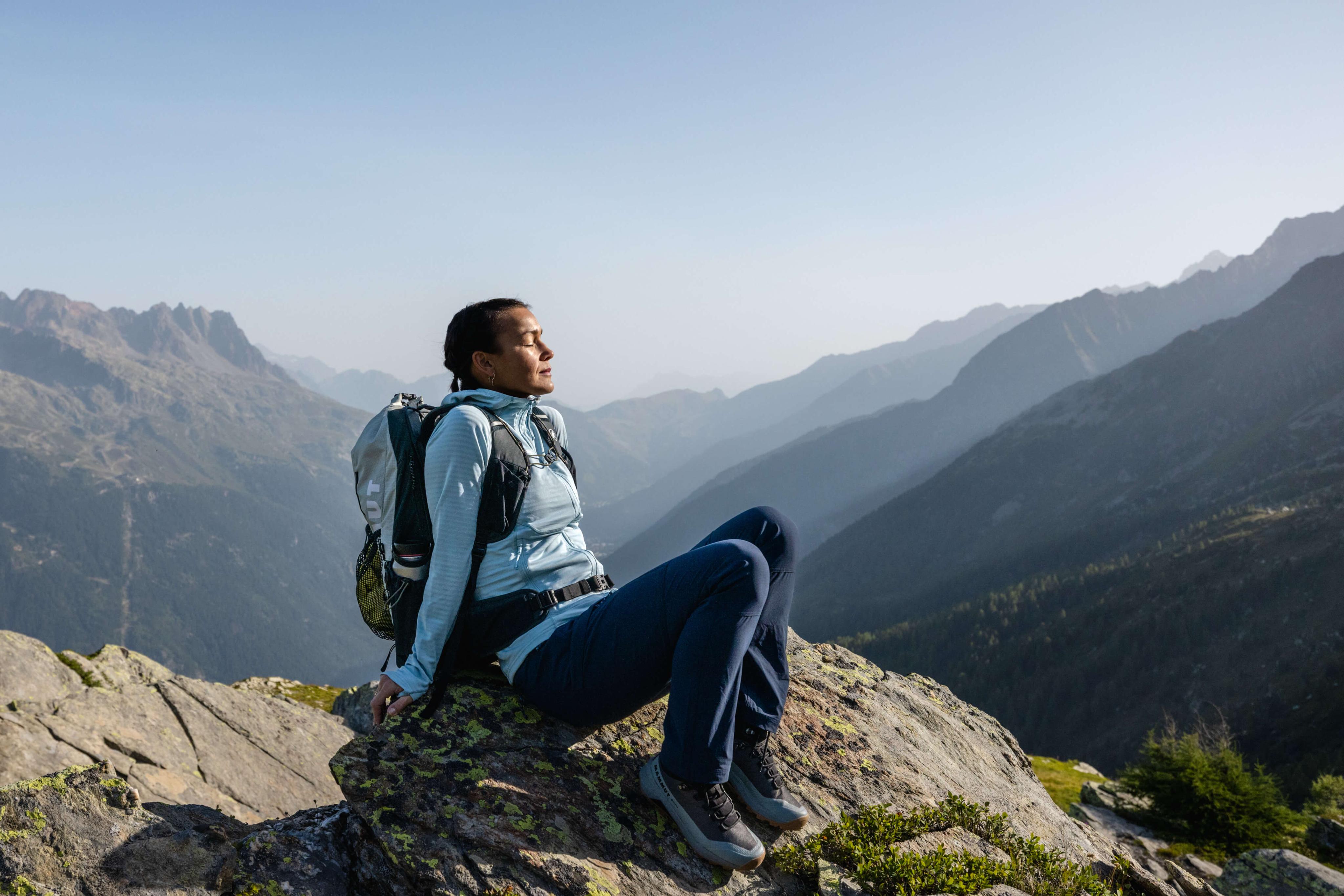
The earlier you start preparing for a long hike, the better. If you're already active in your day-to-day life, you're automatically building the foundation for a strong hiking season. As a general rule of thumb, kicking off a targeted training routine six to eight weeks before your tour is ideal. If you're less experienced and gearing up for a multi-day trip, giving yourself up to six months is even better. That way, your muscles, tendons, and ligaments have plenty of time to adapt to the demands ahead. A structured training plan with set sessions for endurance, strength, and mobility will help you stay on track to make real, measurable progress.
Endurance training: The basis for your hike
When it comes to hiking , endurance forms the foundation of any good training plan. It’s what gets you through long distances without running out of steam. The trick is to stay in the aerobic zone consistently while training. Simply put, this means that your body should be getting enough oxygen to efficiently tap into its energy reserves. At this pace, you could theoretically keep going for hours without burning out.
Before we get into the specific exercises, let's take a look at which types of training are most effective for building your endurance base.
How to train correctly
Intensity: Moderate, you should be able to hold a conversation without any trouble throughout your workout
Duration: At least 30 to 45 minutes per session
Frequency: 2 to 3 times a week
The following activities all work great for building endurance:
(Brisk) walking
Jogging on flat or uneven terrain
Cycling
Swimming
Hiking with a light backpack
Strength and stability: More than just strong legs
Endurance is only part of the picture. Strength training for your legs, core, and back is just as important as it helps you tackle steep ascents and long descents safely, and keeps overuse injuries at bay. A strong core in particular gives you the stability you need and protects your back on demanding terrain. The good news is that basic bodyweight exercises – the kind you can do at home – are often more than enough. What really leads to noticeable progress is consistency.
Leg muscles
Squats: Strengthen your quads, glutes, and calves.
Lunges: Train your balance and leg axis stability.
Calf raises: Build lower leg strength and help fight muscle fatigue on the descent.
Core & back
Planks: Stabilize your entire body.
Back extensions: Strengthen the muscles along your spine.
Side planks: Improve balance and deep muscle activation.
One important note: focus on controlled movements, nail the technique before adding intensity, and build up gradually. Two sessions per week is plenty.
Training balance and coordination
Good balance is a must on narrow paths or rocky ground. These exercises will help you get there:
Single-leg stands on an unstable surface (e.g. a balance pad)
Lateral lunges with arm movement
Balance board exercises
Training with weight: getting used to your pack
One aspect of hiking that's easy to underestimate is the weight on your back. A well-packed backpack can quickly tip the scales at 8–12 kg, so it's worth practicing with added weight well before you hit the trail:
Start light – around 5 kg in your pack is a good starting point.
Increase the load gradually over time.
Start training in uneven terrain or on stairs.
This gets your muscles used to the weight and takes the strain off your back.






Don’t forget to stretch
After every training session (and after every hike) take a few minutes to stretch. It prevents muscle tightness, speeds up recovery, and keeps you mobile. Skipping your warm-up or neglecting mobility work puts you at real risk of strains, cramps, and sore muscles the next day.
The most important areas to focus on:
Front and back of the thighs
Calves and Achilles tendon
Glutes and lower back
A foam roller is also great for loosening up your muscles and speeding up your recovery.
What your training plan could look like
A well-structured training plan helps you track your progress and get fitter in a systematic way. The following four-week plan combines endurance, strength, and coordination – the perfect way to get yourself ready for your next hike.
Week 1: 2 x 30 min walking for endurance, 1 x legs & core strength, 1 x balance training
Week 2: 2 x 45 min hiking for endurance, 2 x strength training, 1 x balance training
Week 3: 3 x 45 min hiking for endurance, 2 x strength training, 2 x balance training
Week 4: 1 x 60 min hike with a hiking backpack for endurance, 2 x strength training, 2 x balance training
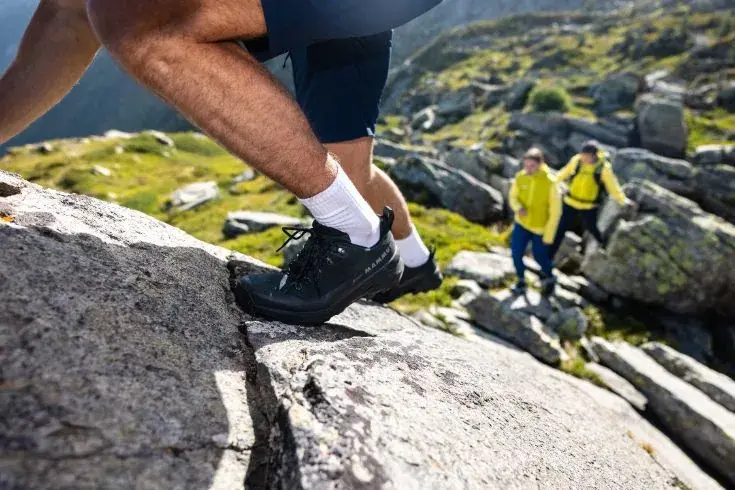
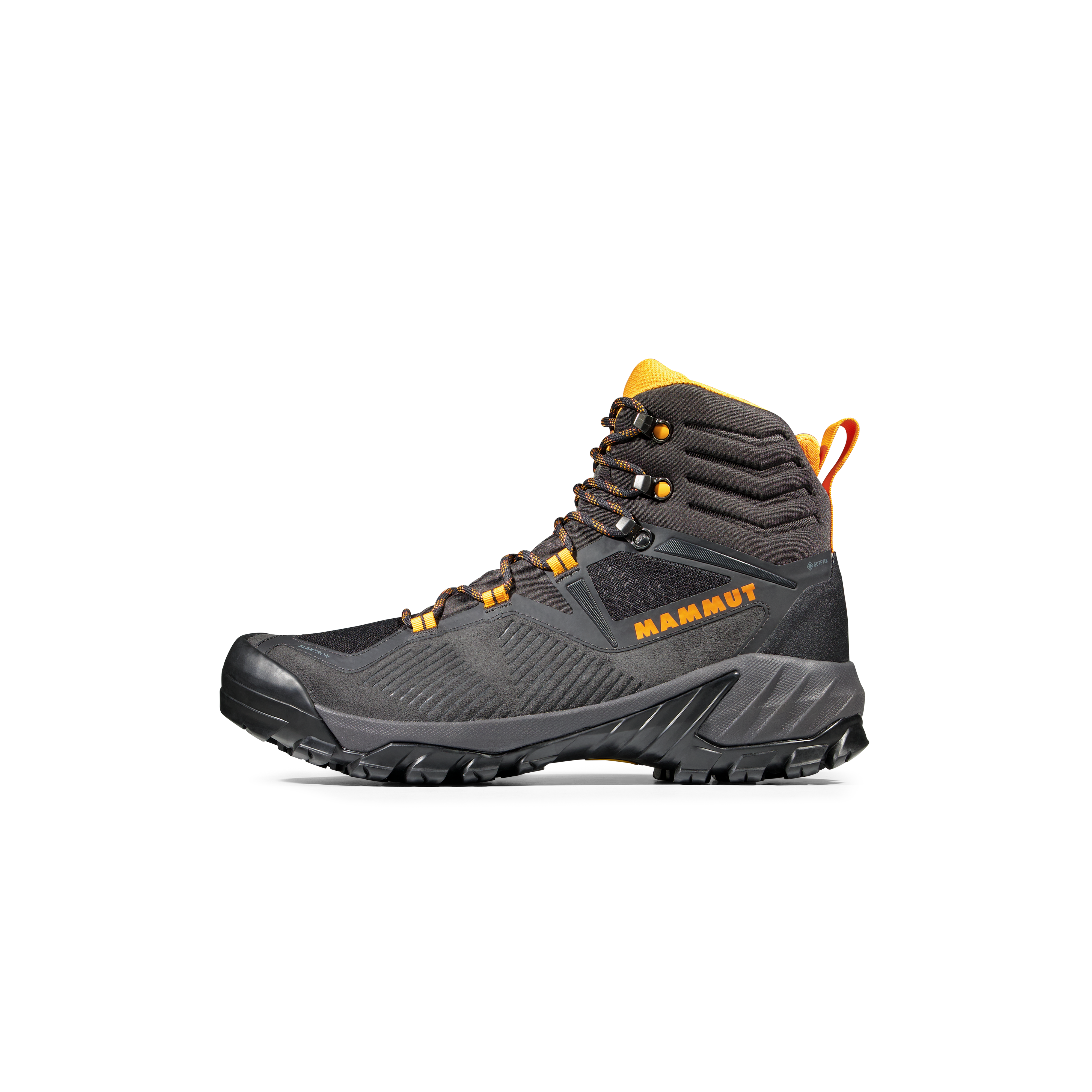
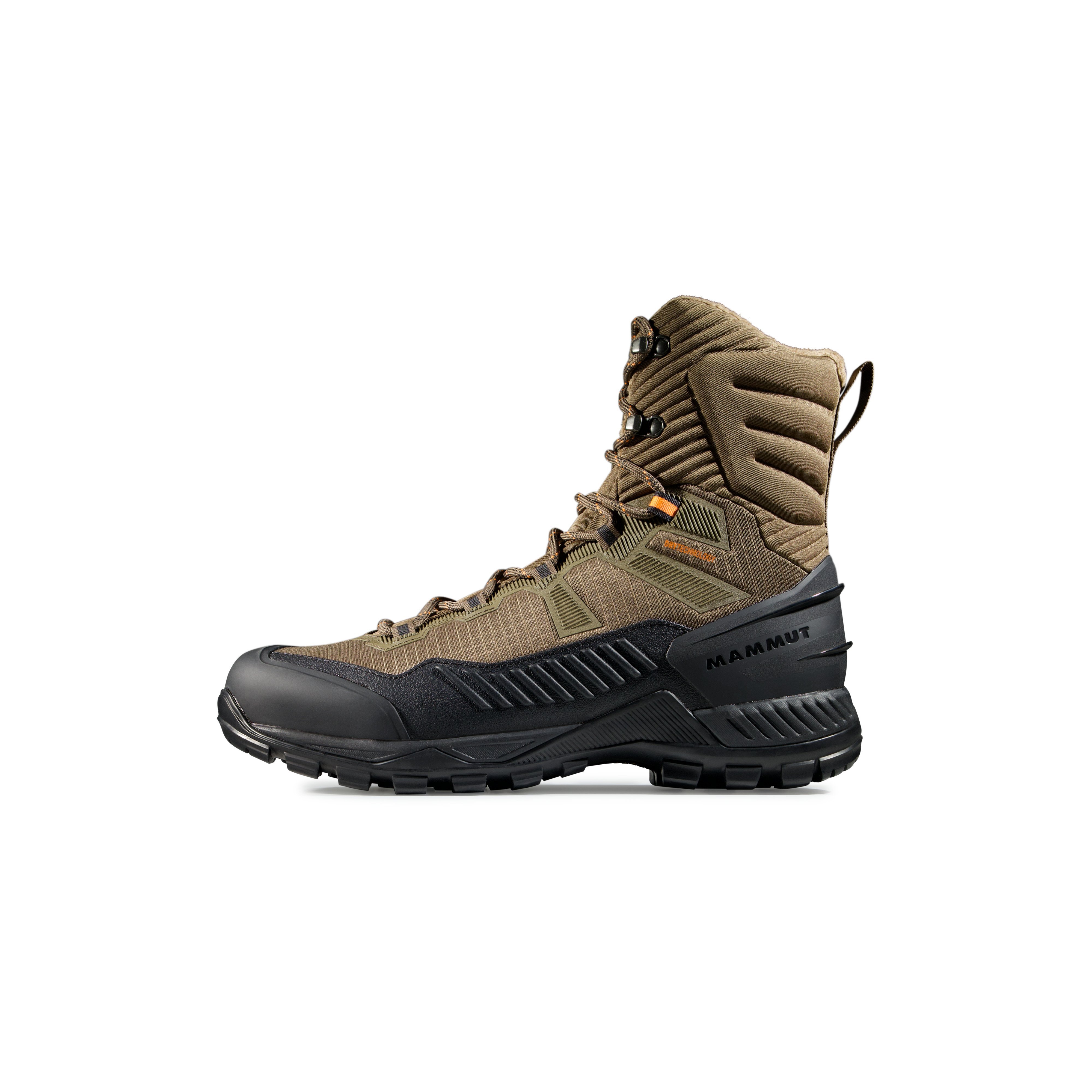
For longer training sessions, it’s worth lacing up your hiking boots already for preparation to get your feet used to the fit and help prevent blisters or pressure points. Your sure-footdness on different types of terrain will also improve when you've already broken your boots in before the actual tour. And remember: steady, moderate training beats infrequent, intense sessions every time.
It's also worth being honest with yourself about your progress and adjusting both distance and pace to match your current fitness level. Pushing too hard too soon does more harm than good – small, regular steps forward are what will eventually get you there. And if you're having an off day, take a rest rather than pushing through the pain. That way, hiking stays enjoyable and you'll be ready for whatever adventure comes next.





The basis for more strength, endurance, and confidence
Training for hiking is more than just preparation – it's what takes your outdoor experience to the next level, challenging both body and mind. Put in the work before longer tours and you'll feel a noticeable difference: stronger legs, a more stable core, better endurance, and a surer footing on any terrain. In the Mammut Stories & Guides you’ll find more useful tips on planning your perfect hike , how much weight to carry when backpacking , or what gear you simply can't do without when hiking in the rain .