




All about Mental Training for Climbing & Mountaineering
01/26
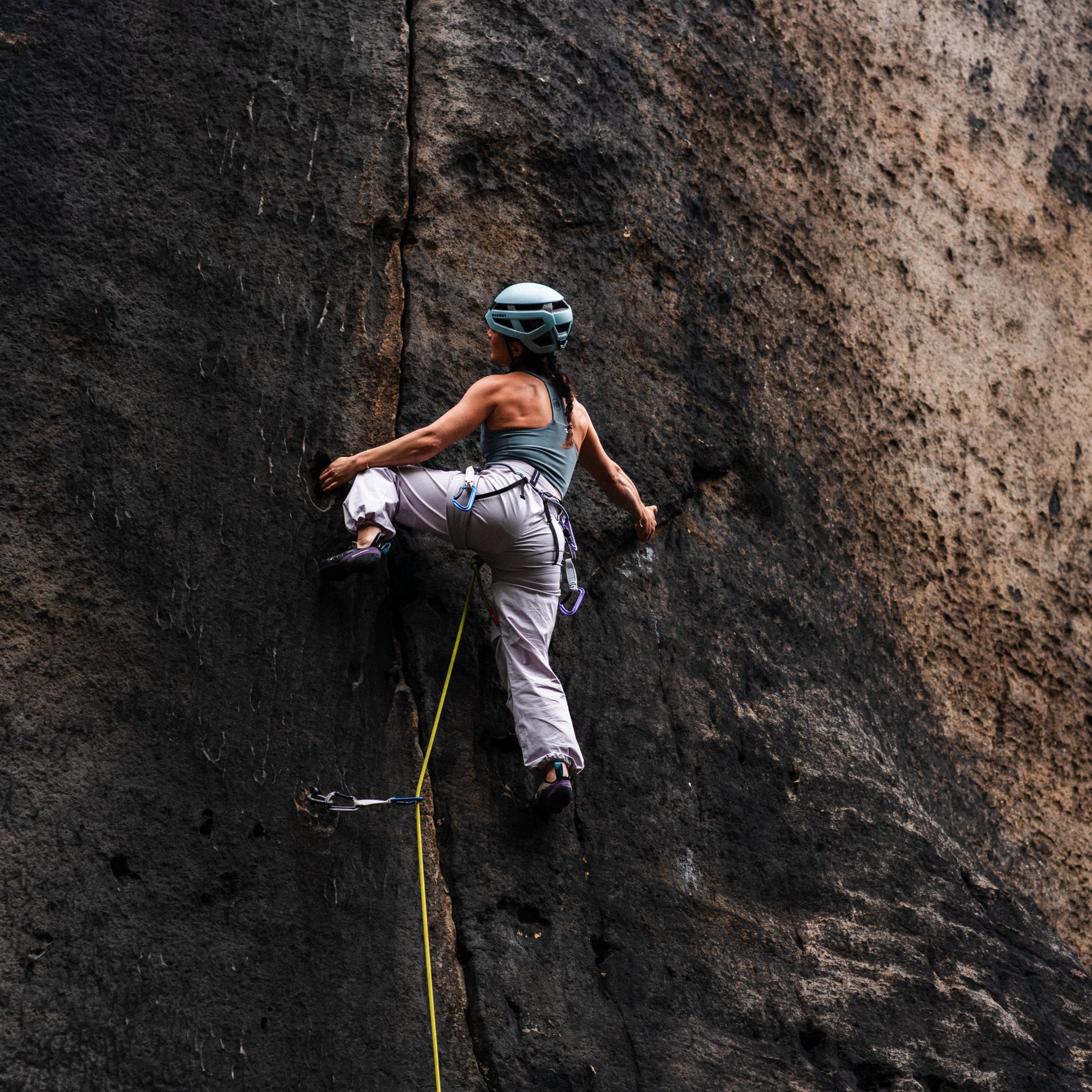
If you are into climbing or mountaineering, you definitely know one thing: strength, technique, and endurance aren't the only things that determine whether you succeed and stay safe. Your mental game matters just as much. Getting spooked by exposure, feeling nervous before a tough route, or second-guessing yourself in critical moments can decide whether you’re smoothly leading a pitch or having to retreat. Mental training helps control fear, stay focused, and build genuine confidence. This post covers how to build up your mental toolkit for rock, gym, and alpine terrain – and why a solid headspace is gear you can't leave behind.
Why mental training matters so much in climbing and mountaineering
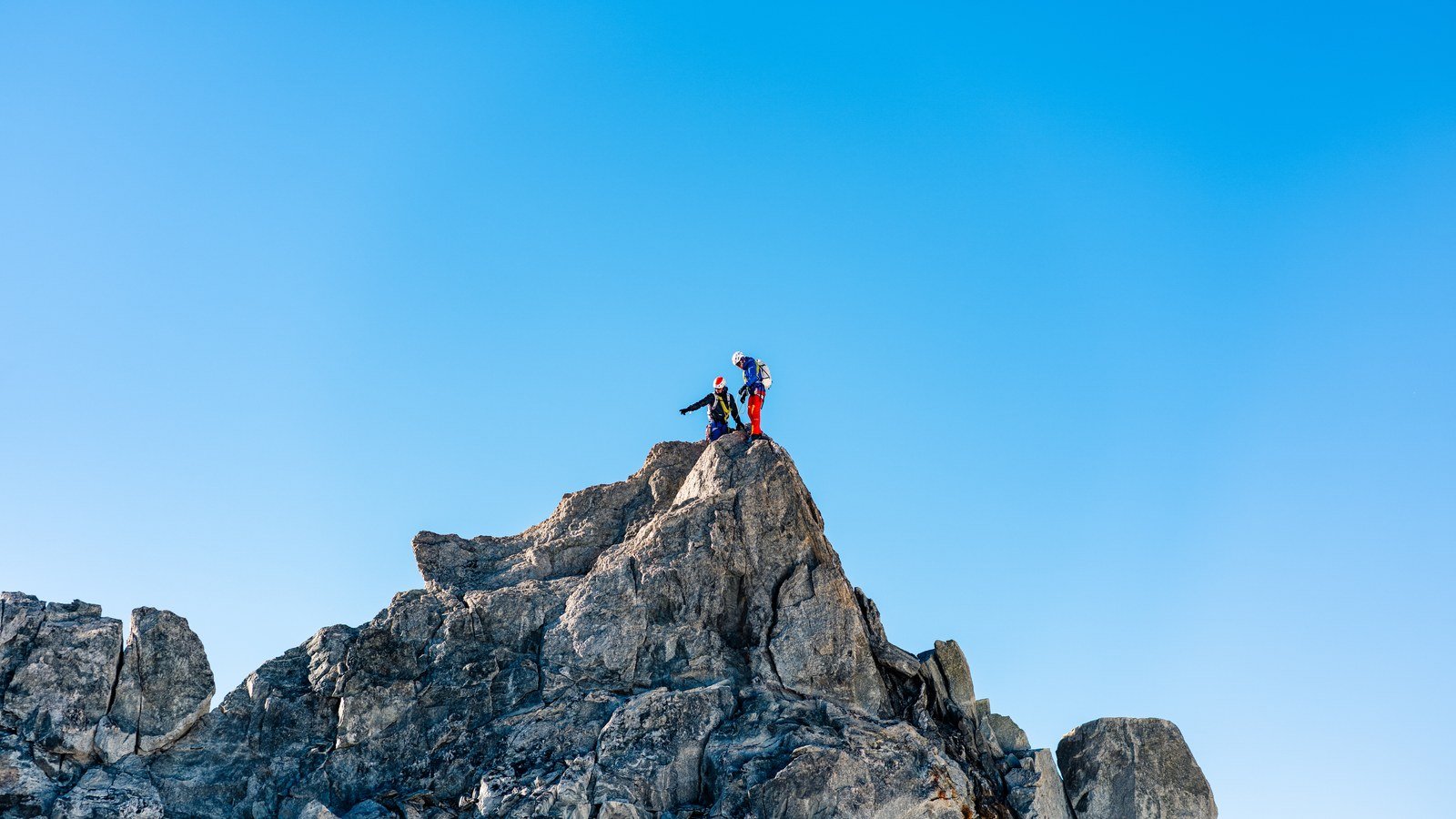
Climbing , mountaineering , and pretty much every mountain sport demand way more than just raw muscle. You're traversing an exposed ridge or hanging on a wall, roped in but totally out there. One moment of hesitation, spiraling thoughts, or jangled nerves can make you tense up and make mistakes. When you can keep your head clear however, you climb safer routes and tap into your physical abilities when they really count.
Mental strength means:
Focus when it matters – so you can execute moves precisely and in a controlled way.
Better fear management – especially when you're high up or hitting difficult sequences.
Real confidence – trusting both your skills and your gear.
Staying power – the ability to keep going through setbacks as well as long or demanding pitches.
Bottom line: mental strength is fundamental to staying safe and performing in the mountains.
What is mental training?
Mental training means targeted methods for developing psychological skills – similar to how you build muscle through physical training. It's not just about conquering fear, but consciously directing your thoughts, emotions, and attention. For outdoor athletes, that means rehearsing sequences through visualization, using breathing techniques to drop stress levels, or using self-talk to boost confidence. Mental training doesn't just help you stay calm in tough moments – it also improves your focus, motivation, and mental stability in the long term.
Common mental challenges in climbing
Fear of heights and exposure: Even experienced climbers and mountaineers can get that queasy feeling when looking down into the depths.
Fear of failure: The pressure of feeling like you "have" to send a route or complete an objective often blocks you more than a lack of strength.
Struggling with falls: When you've never learned to process past falls mentally, you may react by tensing up and climbing scared.
Environmental distractions: Weather, other people, or random noises can break your focus.
Internal dialogue: Negative thoughts like "I can't do this" directly impact your performance.
Recognizing these challenges is the first step toward building mental strength.
Mental training methods for climbing and mountaineering
There are lots of methods for building mental strength. Some come from sports psychology, others from relaxation or focus techniques. What matters is regularly integrating the right exercises into your training and figuring out what works for you.
Identify your fears
Try to recognize which situations trigger stress – exposure, sketchy rock, changing weather. When you consciously name these fears, you can develop specific strategies to respond to them more calmly.Practice controlled breathing
Slow, deep breaths help control your heart rate and nerves. This technique helps not only when you're on the wall, but also when hiking at altitude or on long trekking tours with heavy packs. Conscious breathing regulates both energy output and focus.Visualization
Picture upcoming challenges in as much detail as possible – whether it's a crux sequence at the crag, an exposed ridge, or a long ascend. That way, your brain preps for the movement sequence before you even start.Keep your mind engaged
Whether approaching the crag, in steep terrain, or during breaks: keep your head active with clear tasks instead of letting yourself spiral into worry loops. Count steps, focus on your breathing rhythm, or set small incremental goals.Watch your body language
An upright posture also gives yourself a sense of strength and control. This doesn't just apply to climbing, but equally to hiking in technical terrain or ski touring.Push your comfort zone
Whether it's a new climbing route, a steep summit slope, or a longer trekking session – small, controlled challenges expand your comfort zone step by step.Reduce pressure
Not every tour or route needs to work out perfectly on the first try. Learn to let go of self-imposed pressure and enjoy the experience itself – regardless of whether you reach the summit or not.Positive self-talk
Encourage yourself with clear messages like: "I'm moving forward safely, one step at a time." This directs attention to your capabilities and keeps you confident.Stay focused
Deliberately train mindfulness, for example through brief focus exercises before heading out. The more present you are, the less outside factors can distract you.Surround yourself with positive people
Whether it's your climbing partner or a hiking group – your circle influences your mindset. Companions with a positive mindset can motivate you and help tackle difficult situations optimistically.Move with confidence
Trust your training and your gear. With every successfully completed move, your inner confidence grows – a crucial foundation for taking on new challenges.Build routines
Whether it's a gear check before the trip or small rituals like consciously adjusting your trekking poles: routines provide security and help maintain focus.Fall practice
For climbers, fall training remains a valuable component as well. Practicing controlled falls reduces fear and builds additional composure.
How to integrate mental training into climbing
Mental training doesn't work in an isolated form, but rather alongside physical training. Here are some tips how you can integrate it:
Before you start climbing: Visualize the route, do quick breathing exercises, and set a clear objective.
While climbing: Use breath control and self-talk during hard sections.
After climbing: Reflect on what worked for you mentally and where you felt blocked.
Practice regularly: Mental training is just like muscle training – progress comes through repetition.
Mentally strong on the mountain: Applied to alpinism and expeditions
In alpine terrain, additional factors come into play: sudden changes in weather, long periods of exertion, and possibly loneliness. Mental training can help here, too:
Focus on stages rather than total distance: Break big objectives down into smaller steps.
Accept uncertainty: Not everything can be planned. Mentally dealing with the unexpected reduces stress.
Team dynamics: Positive communication and mutual motivation increase safety.
This is how mental strength becomes a decisive safety factor—alongside equipment, technique, and experience.
How quality gear supports mental wellbeing
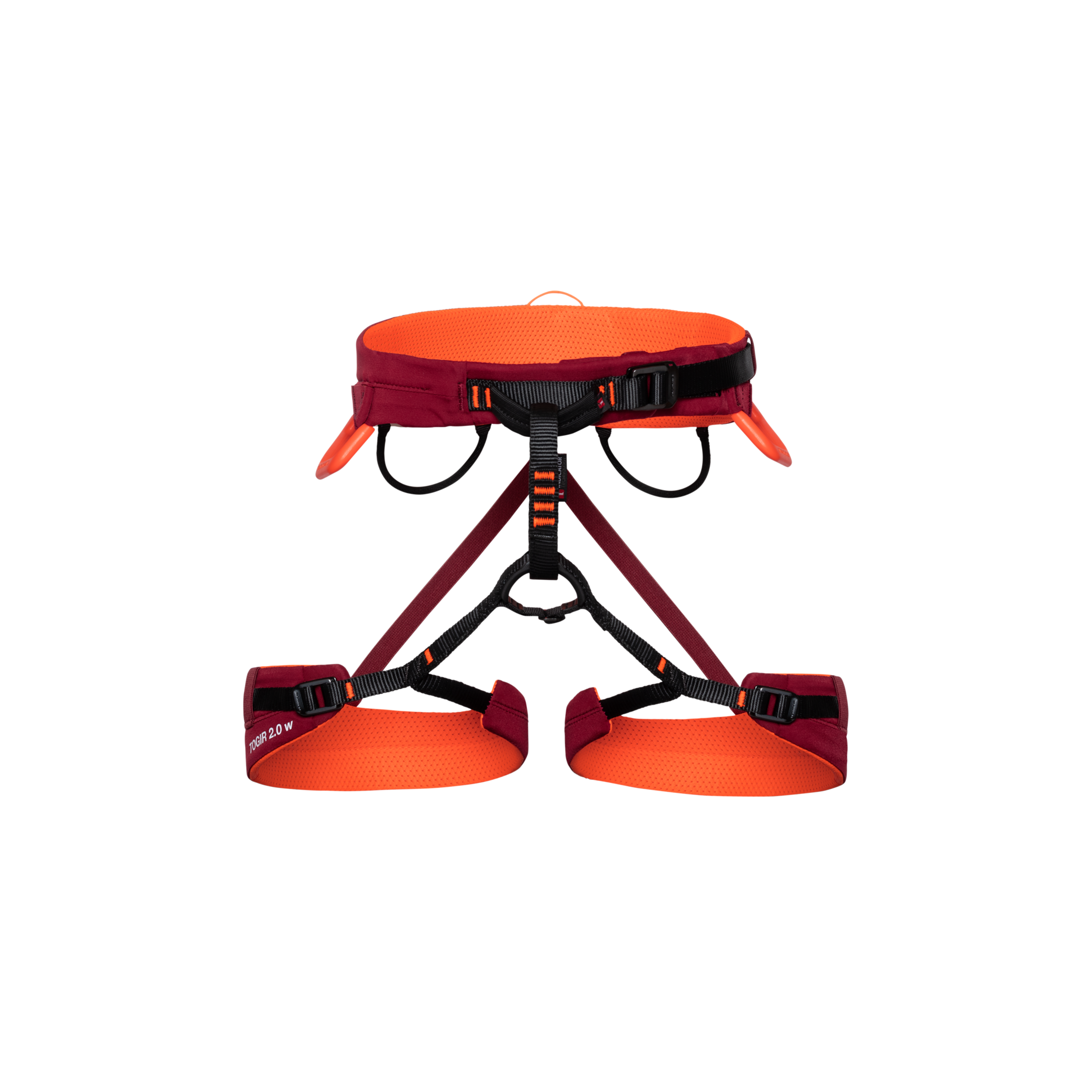
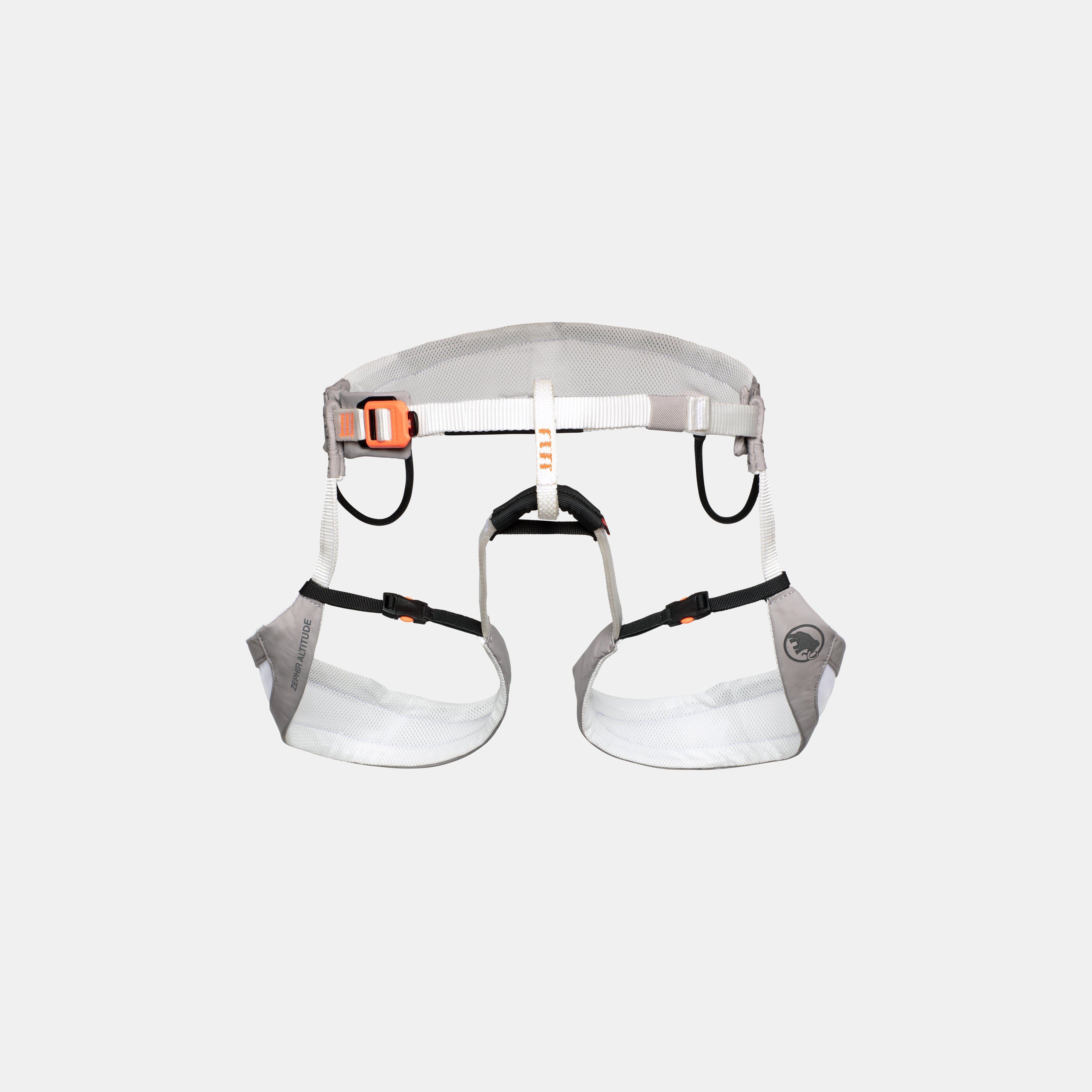
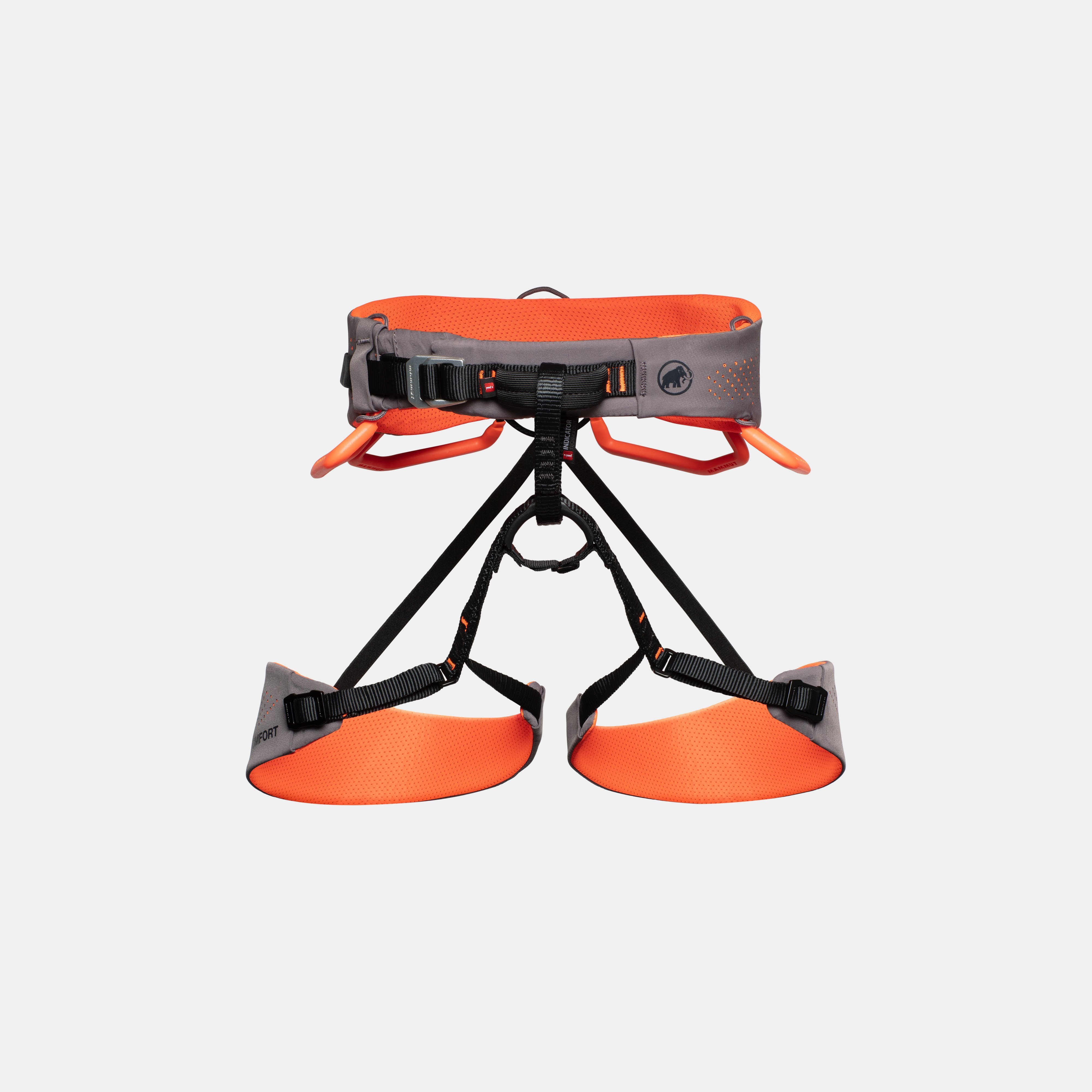
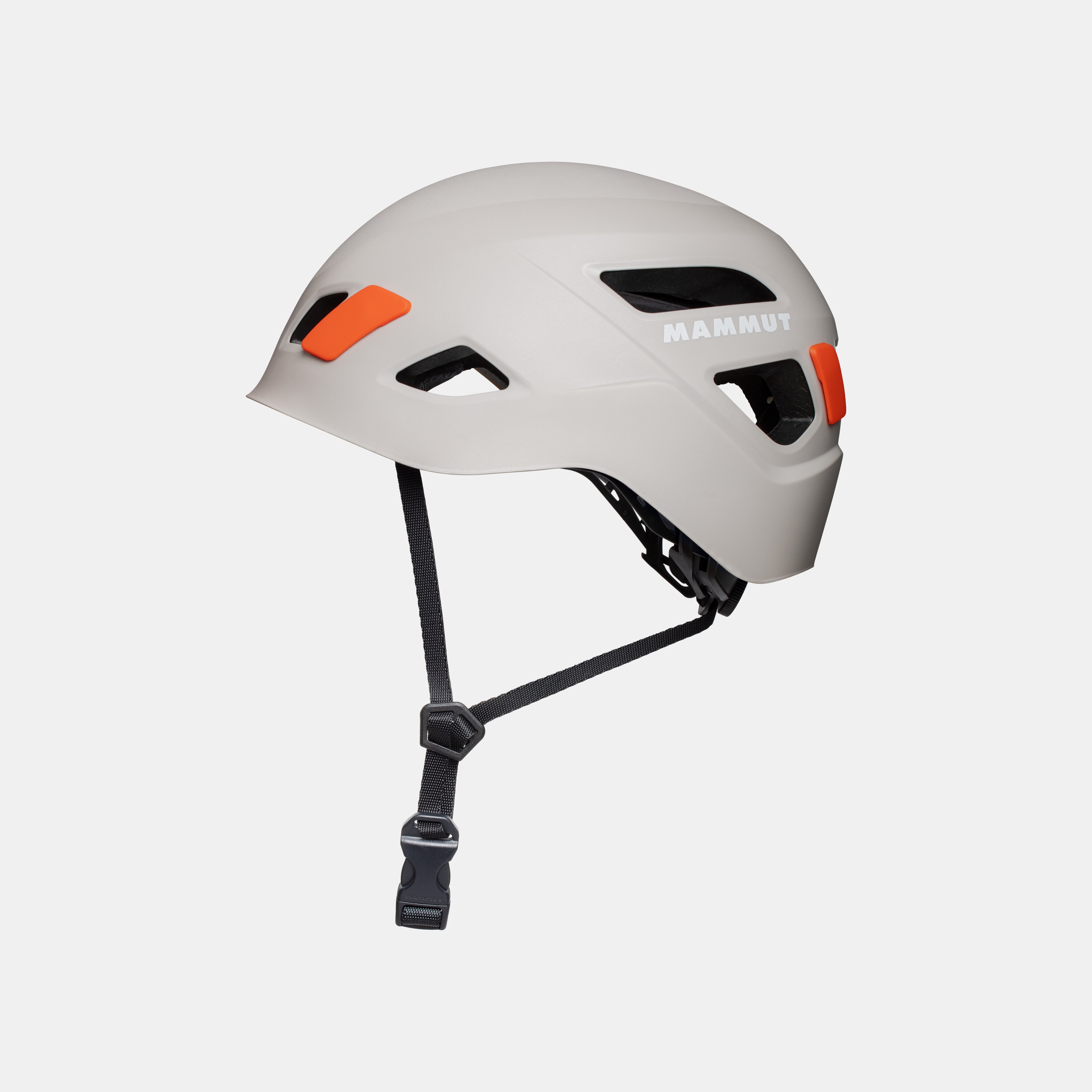
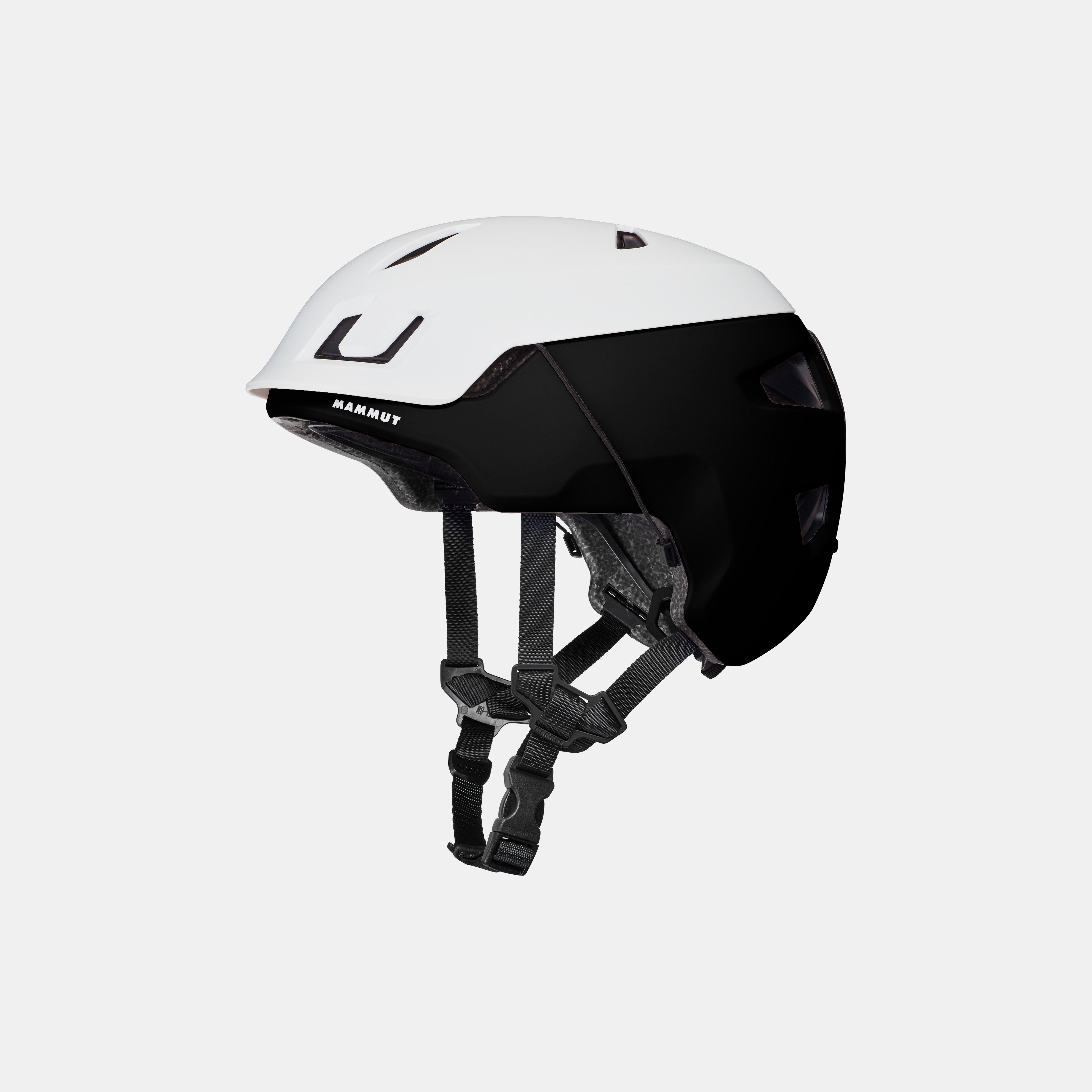
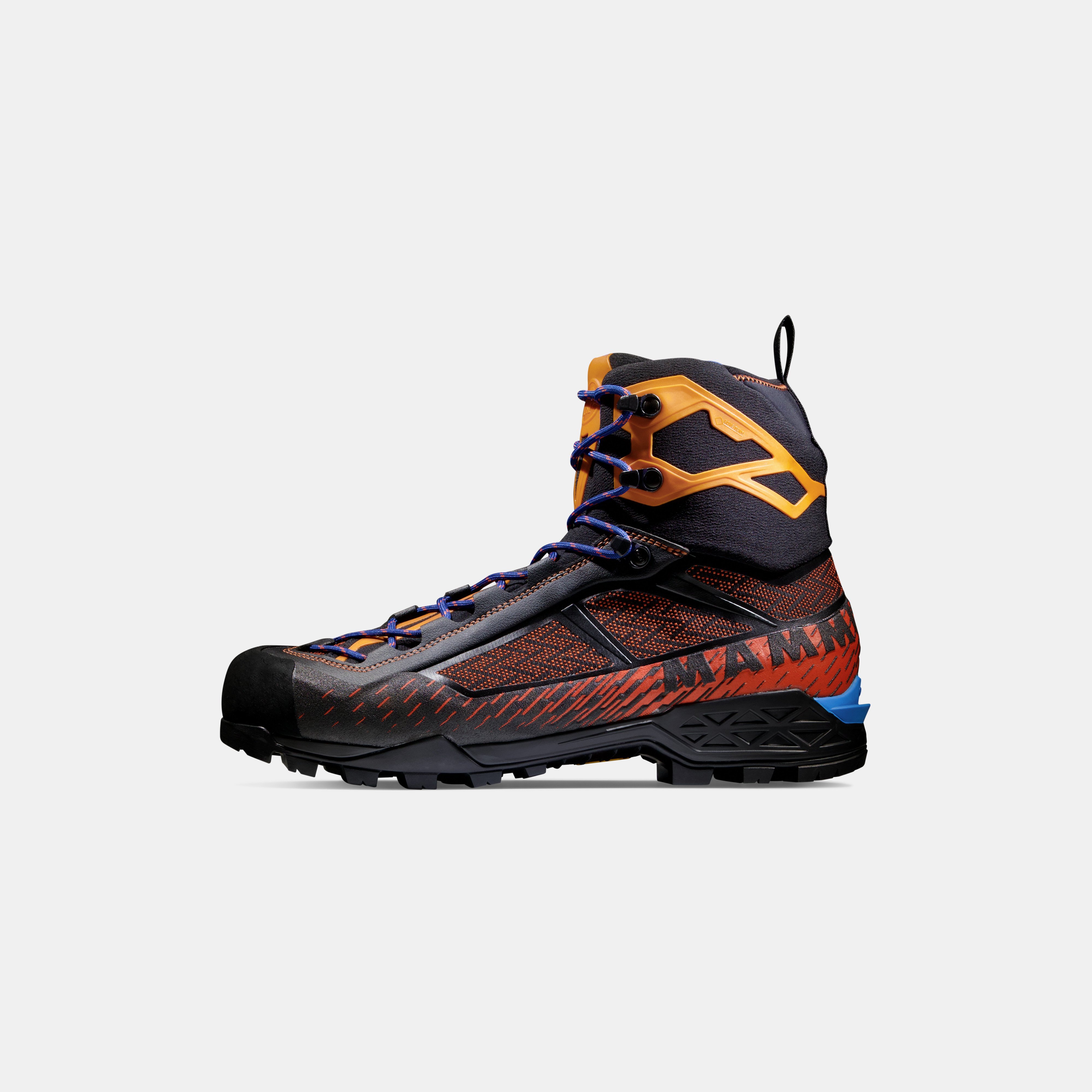
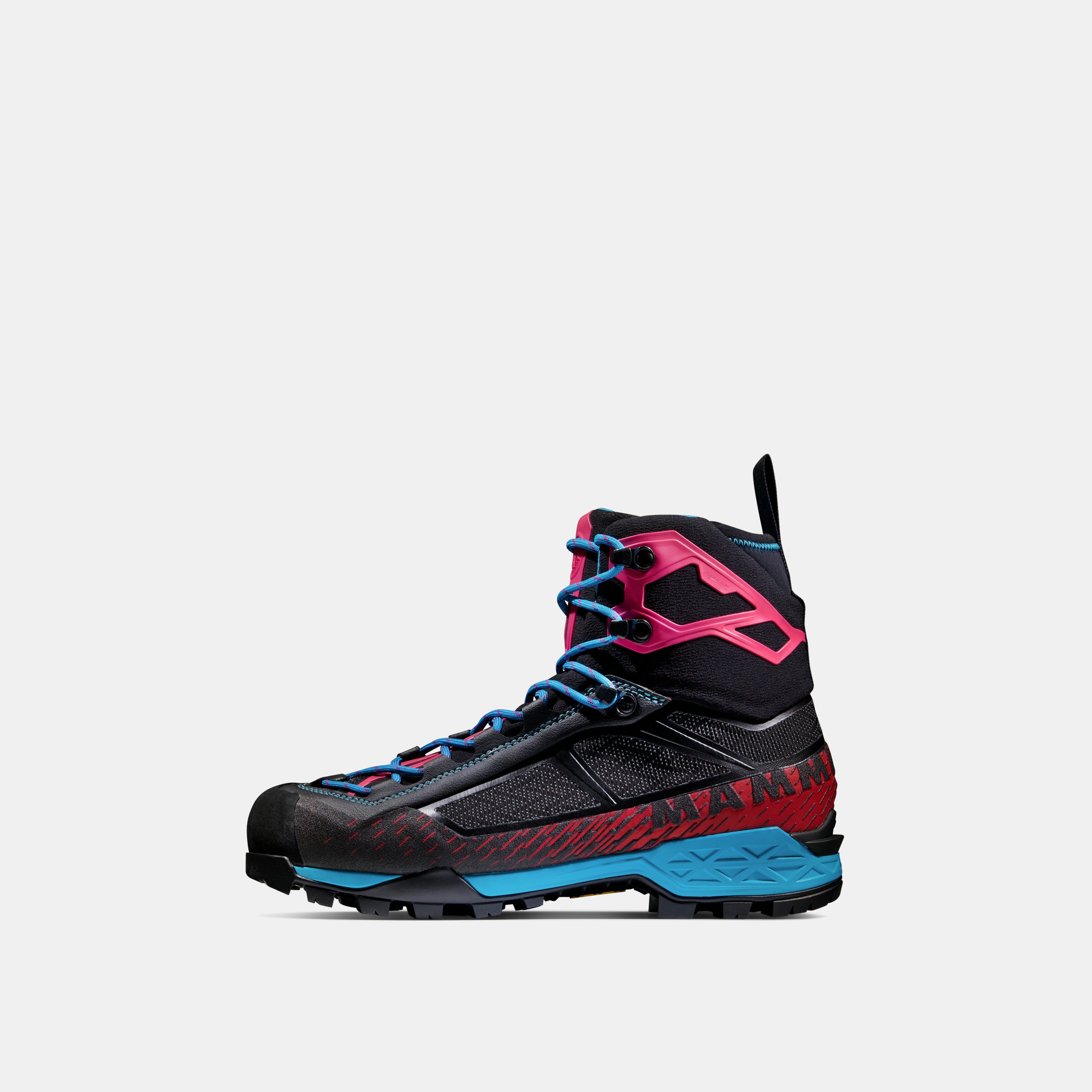
Mental training plays a central role in mountain sports – but don't underestimate how much quality gear matters for your mental wellbeing, too. That feeling of trusting your rope , carabiners , climbing harness , and mountaineering boots reduces fear and creates inner calm. Protective gear such as a solid helmet or the right belay device also builds confidence. When you know that your equipment has been tested, is robust, and reliable, you can clear your mind and fully focus on the route. High-quality products – such as those from Mammut – are therefore not only technical protection, but also mental support that promotes self-confidence and composure.
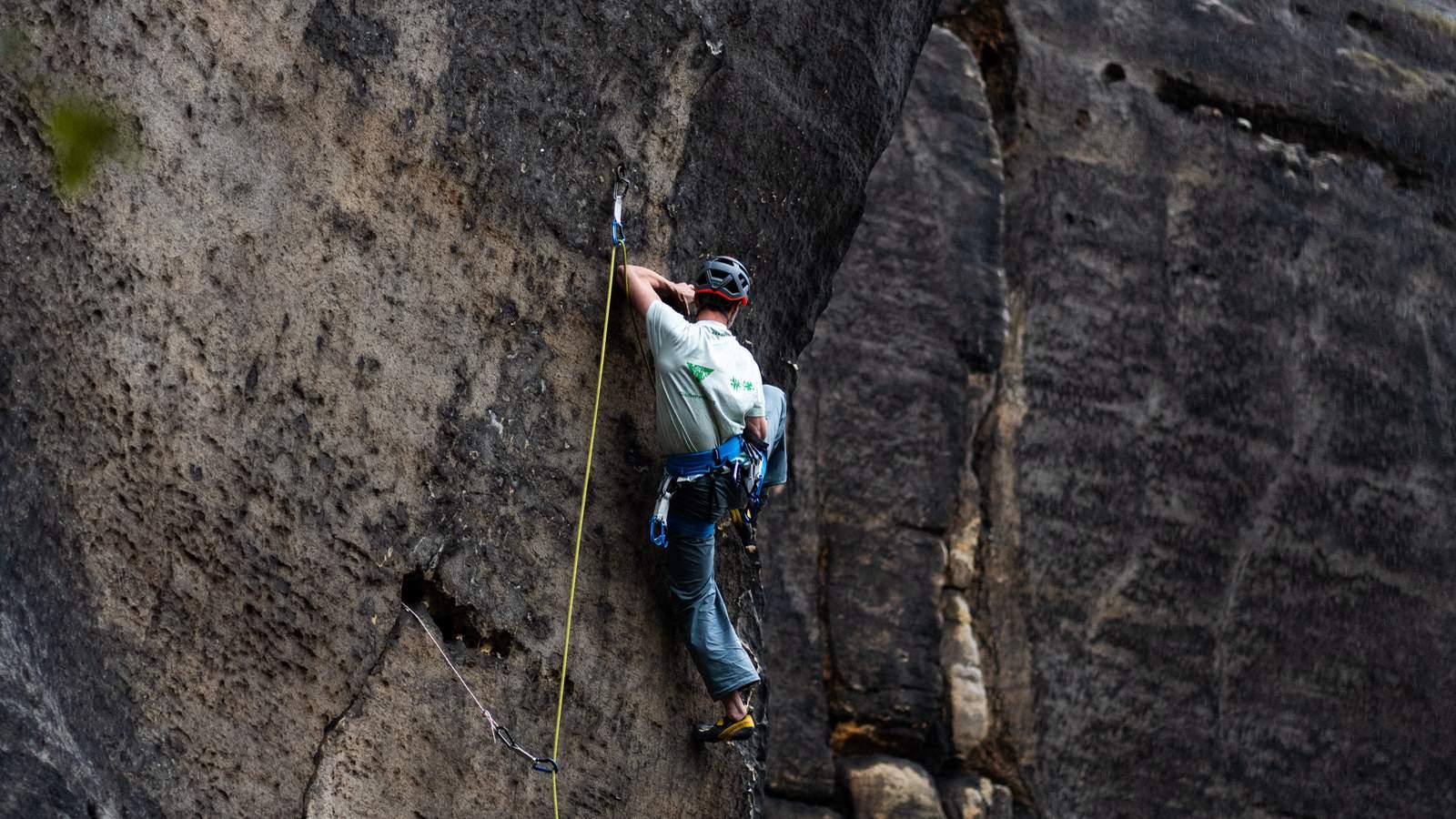
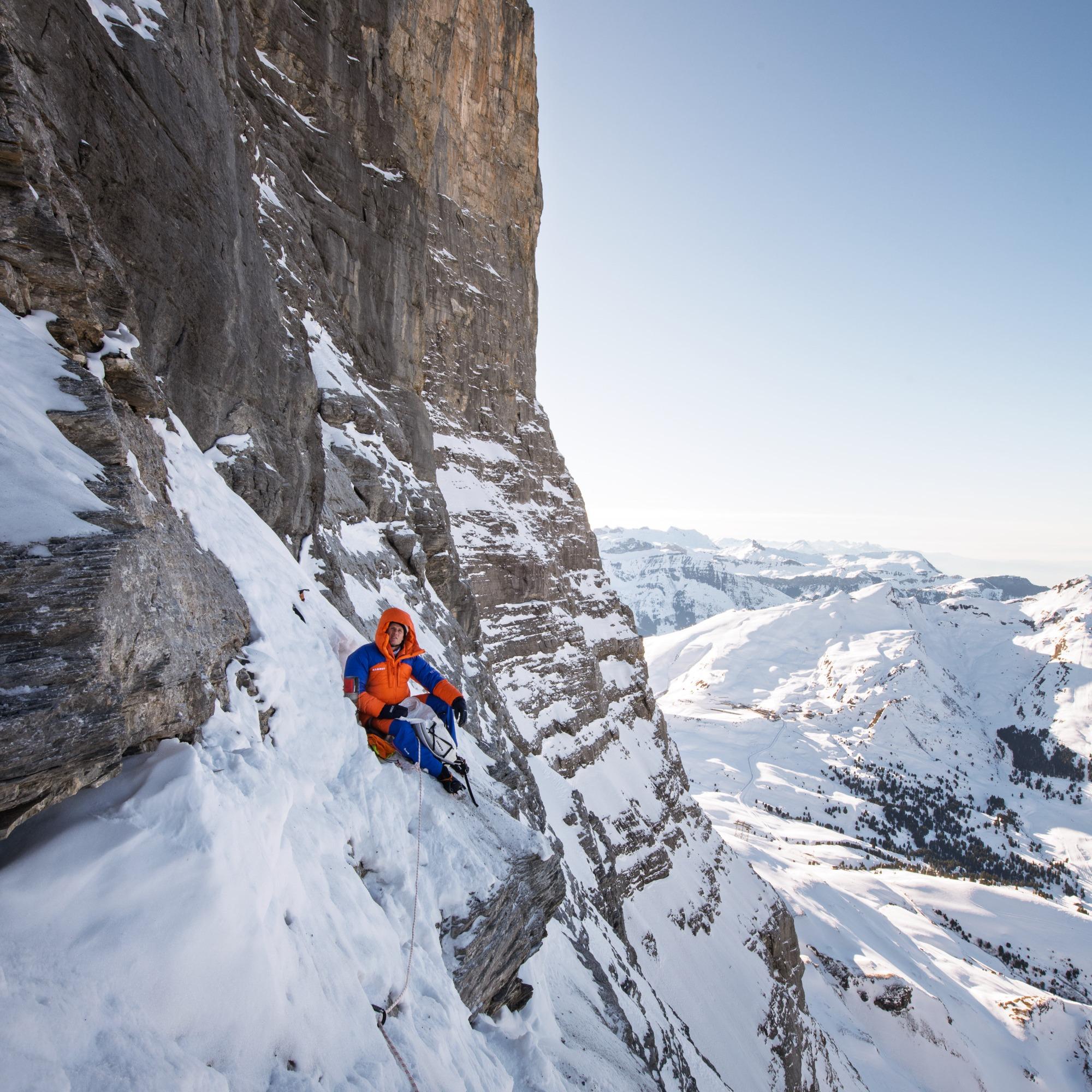
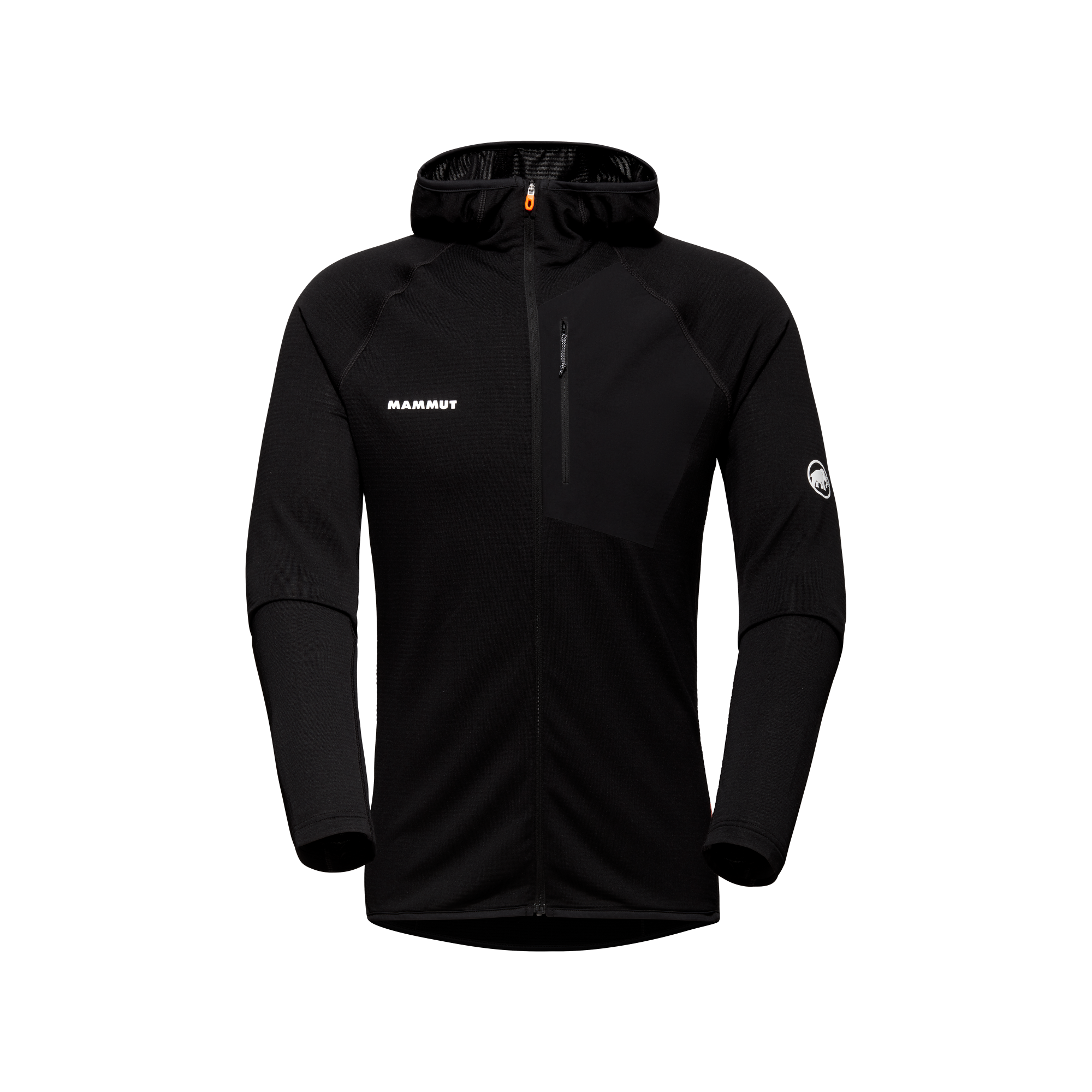
Beyond that, the right clothing plays a crucial role as well. Nobody wants to focus on a hard passage when they're freezing, overheating, or uncomfortable. Breathable, temperature-regulating layers like functional underwear , mid layers , and jackets prevent both overheating and getting chilled, contributing to your overall wellbeing. The more comfortable you feel in your outfit, the easier it is to direct full attention to the rock or mountain instead of getting distracted by discomfort.
Reach new heights with mental strength
Sports like climbing , mountaineering , and via ferratas challenge you – both physically and mentally. With specialized mental training, you can reduce fear, build confidence, and improve performance. Whether at the gym, on the crag, or in the mountains: a clear head is your most valuable asset.
Check out our Stories & Guides to learn more about our top athletes and dive into topics like beginner tips for mountaineering , an outdoor climbing gear checklist , clothing for outdoor climbing , via ferrata gear , and a lot more.