


Microspikes vs. Crampons: Differences, How to use them and Mammut tips at a glance
04/26
At some point, the inevitable question will come up when planning your next tour on snow or ice: microspikes or crampons for navigating high-alpine or winter terrain? While both improve traction on slippery ground, their general construction, area of application, and footwear requirements are vastly different. In this article, we’ll break down the key differences and what to keep an eye on when choosing your gear — including tips on crampon compatibility for your hiking and mountaineering boots.
Why are traction devices for shoes important?
In snowy or icy terrain, additional traction devices are often non-negotiables. They improve sure-footedness, prevent dangerous slips, and allow you to move safely — whether you're winter hiking, crossing snowfields, or navigating alpine terrain. The options range from simple spikes and microspikes to highly specialized crampons. What’s right for you depends on your route and the terrain you’ll be using them on. In any case: The traction device needs to match the terrain, your footwear, and your level of experience.
The main systems at a glance: spikes, microspikes, crampons
Before we take a closer look at microspikes and crampons, here's a quick overview of the different traction systems:
Spikes: Affordable, lightweight, and elastic — perfect for everyday use and casual winter hikes.
Microspikes: A more robust middle-ground option with short points for moderate terrain.
Crampons: Advanced technical gear for high-altitude routes, ice, and challenging conditions.
What are microspikes?
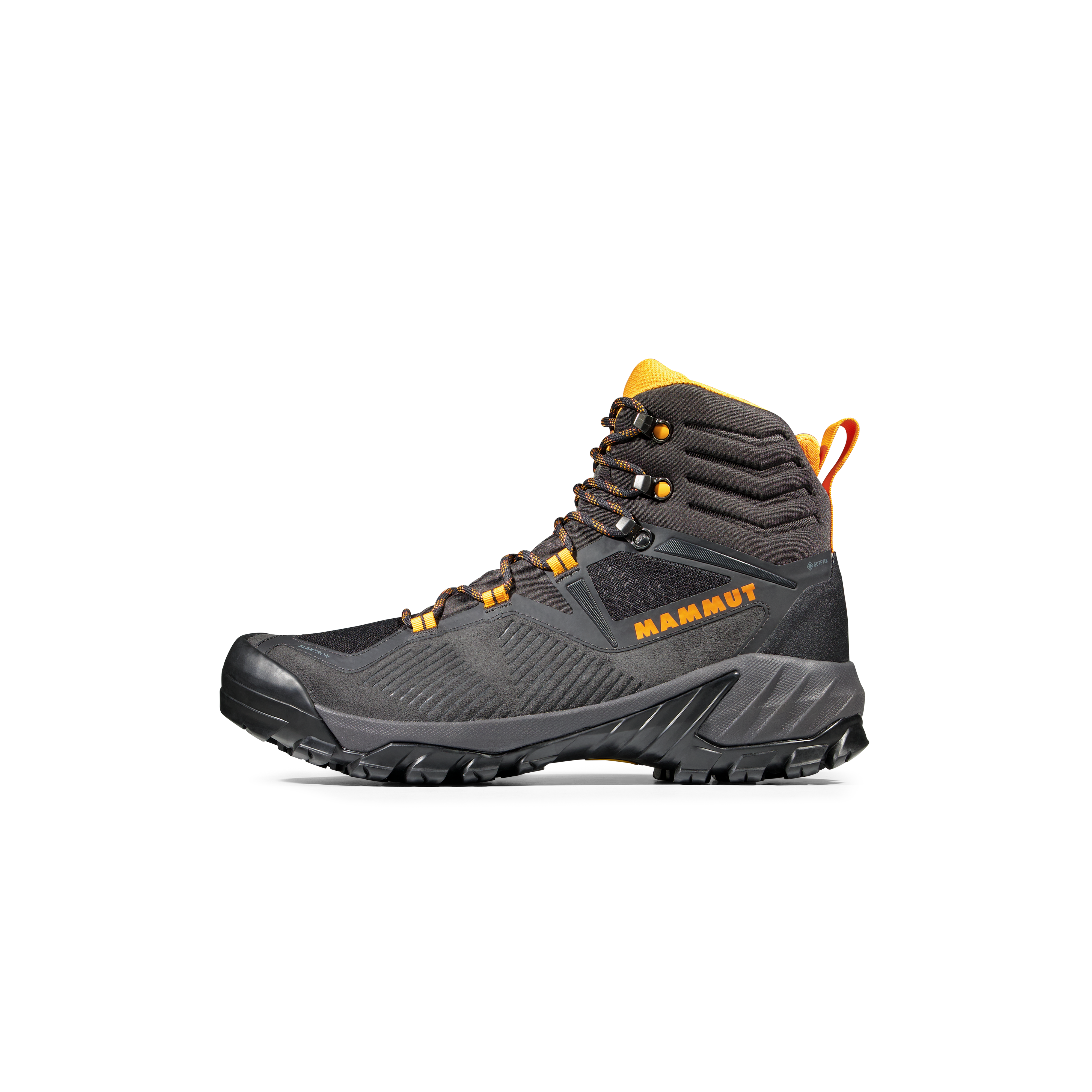
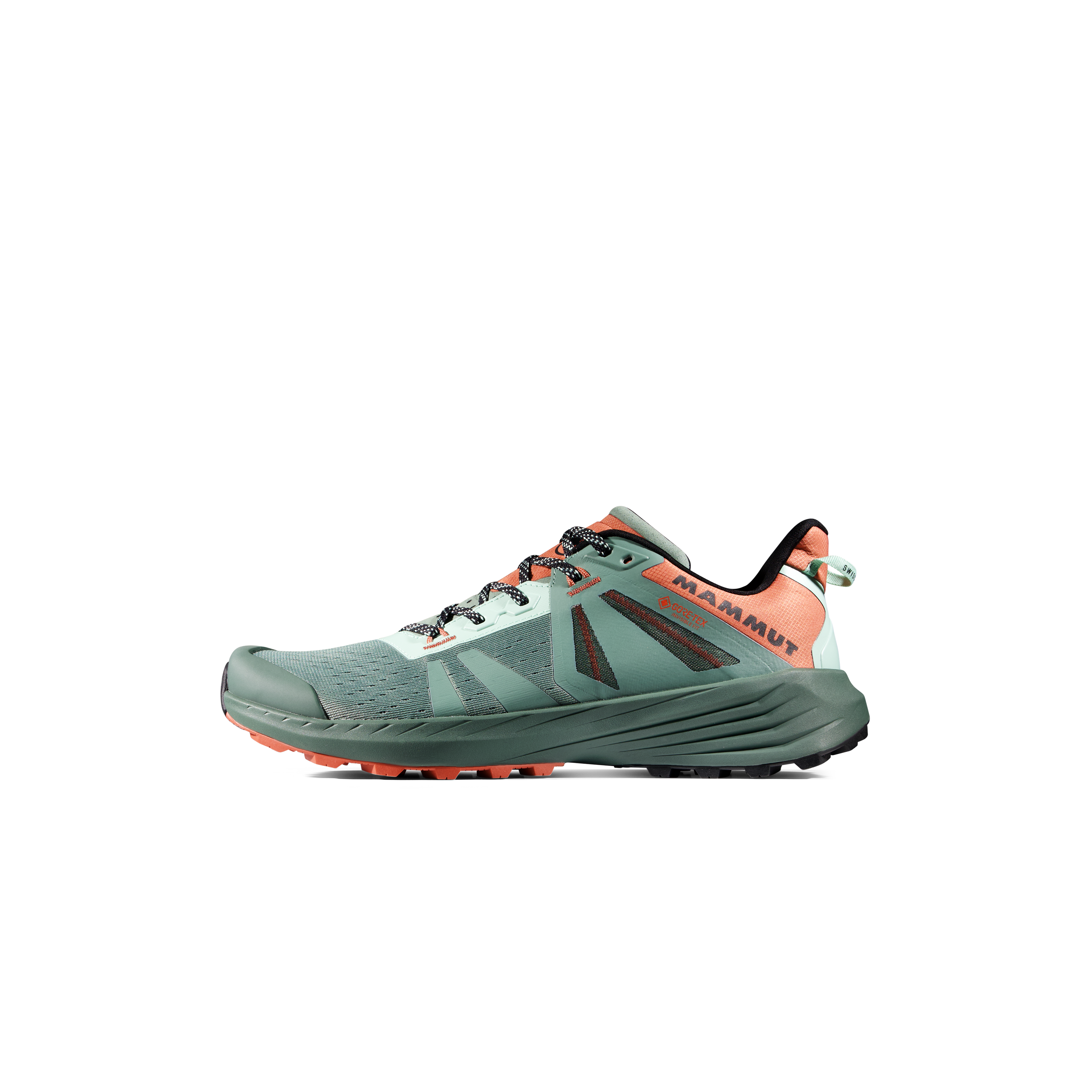
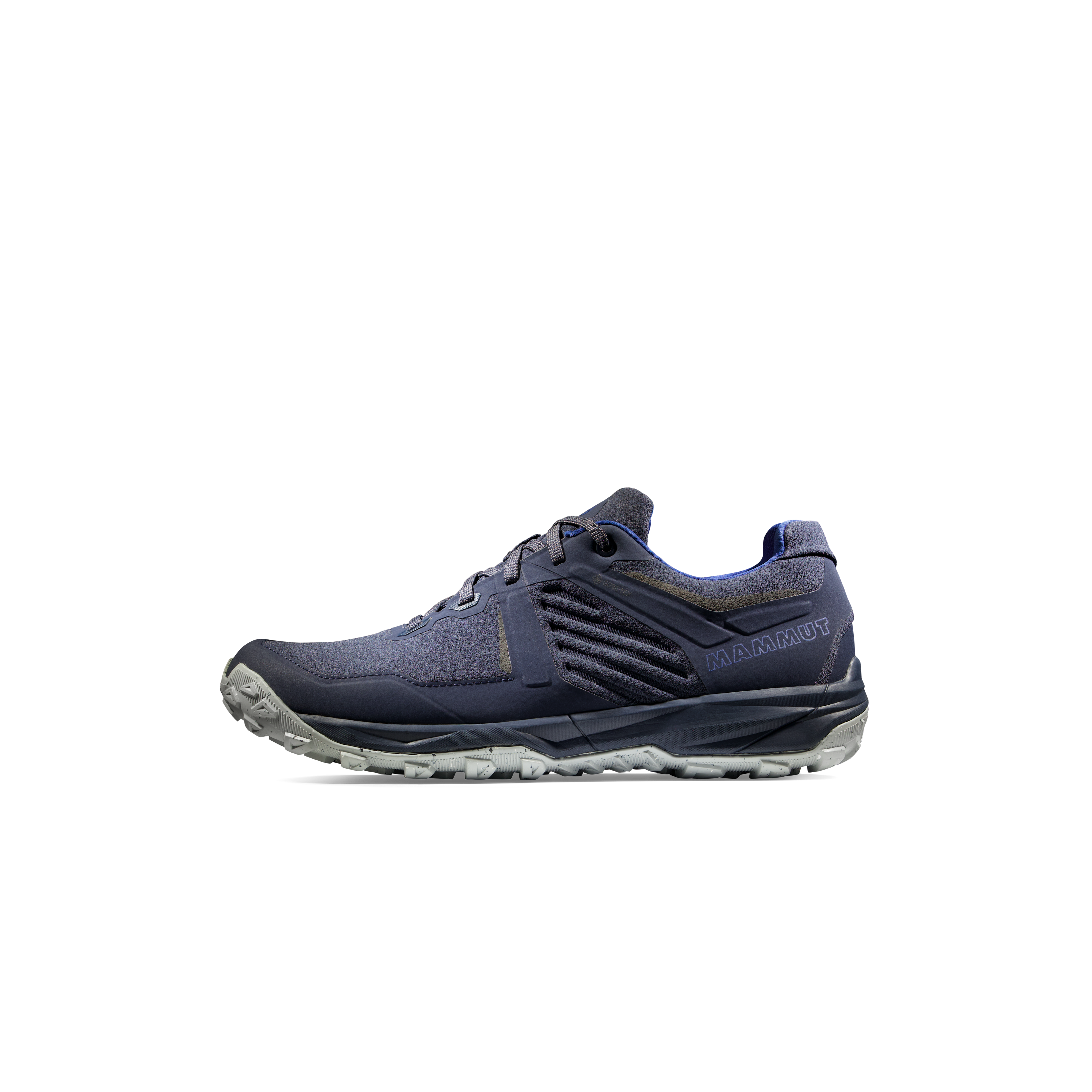
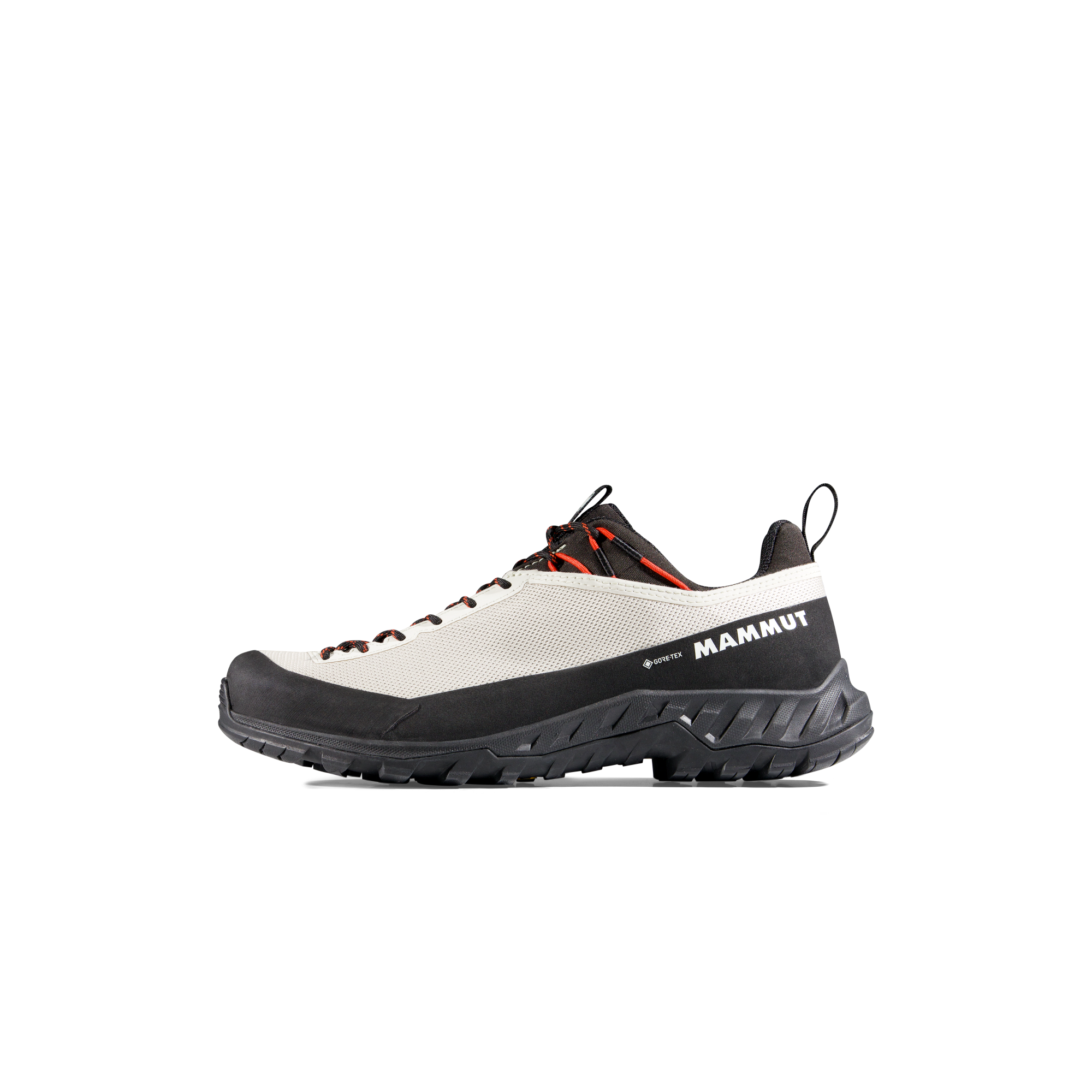
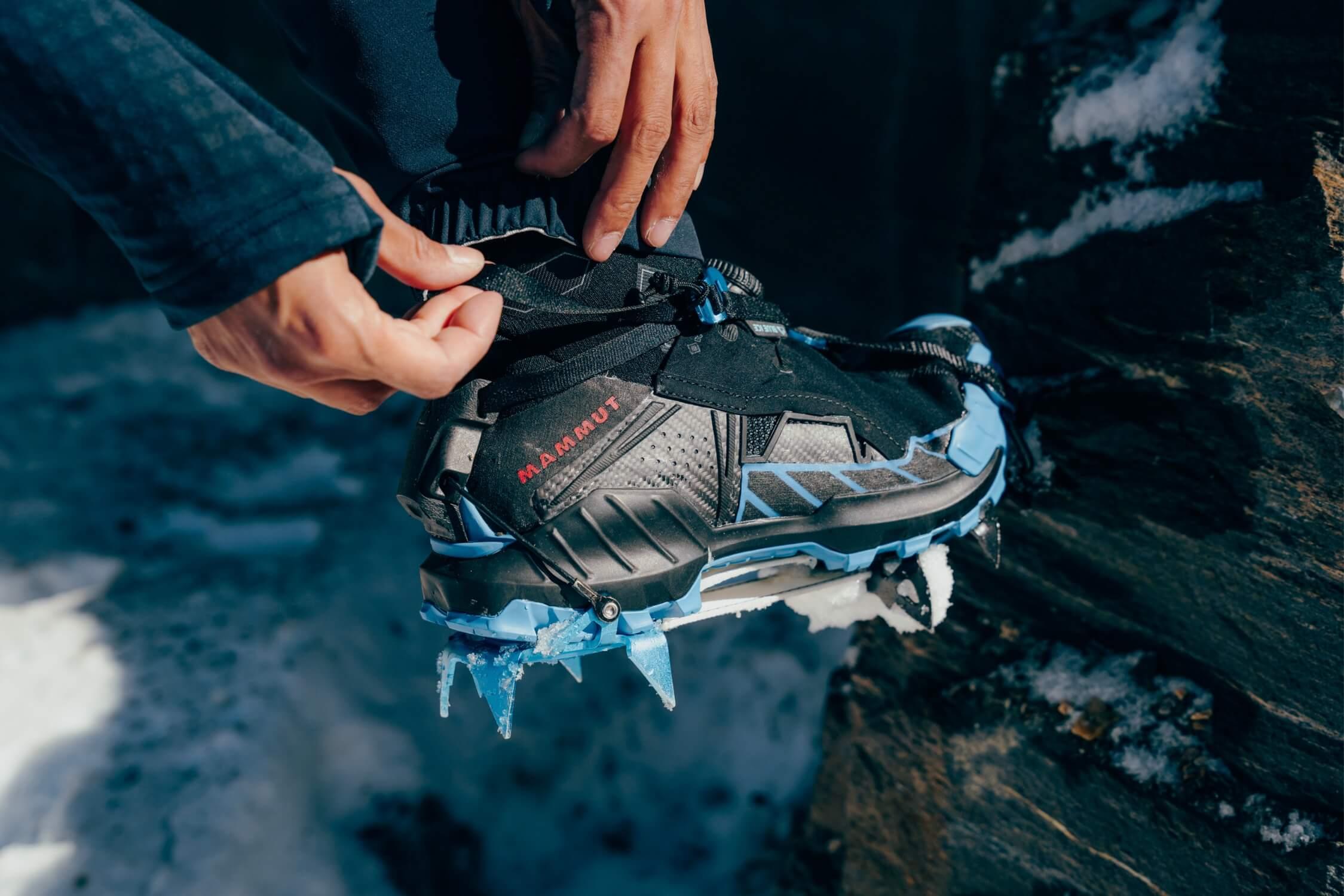
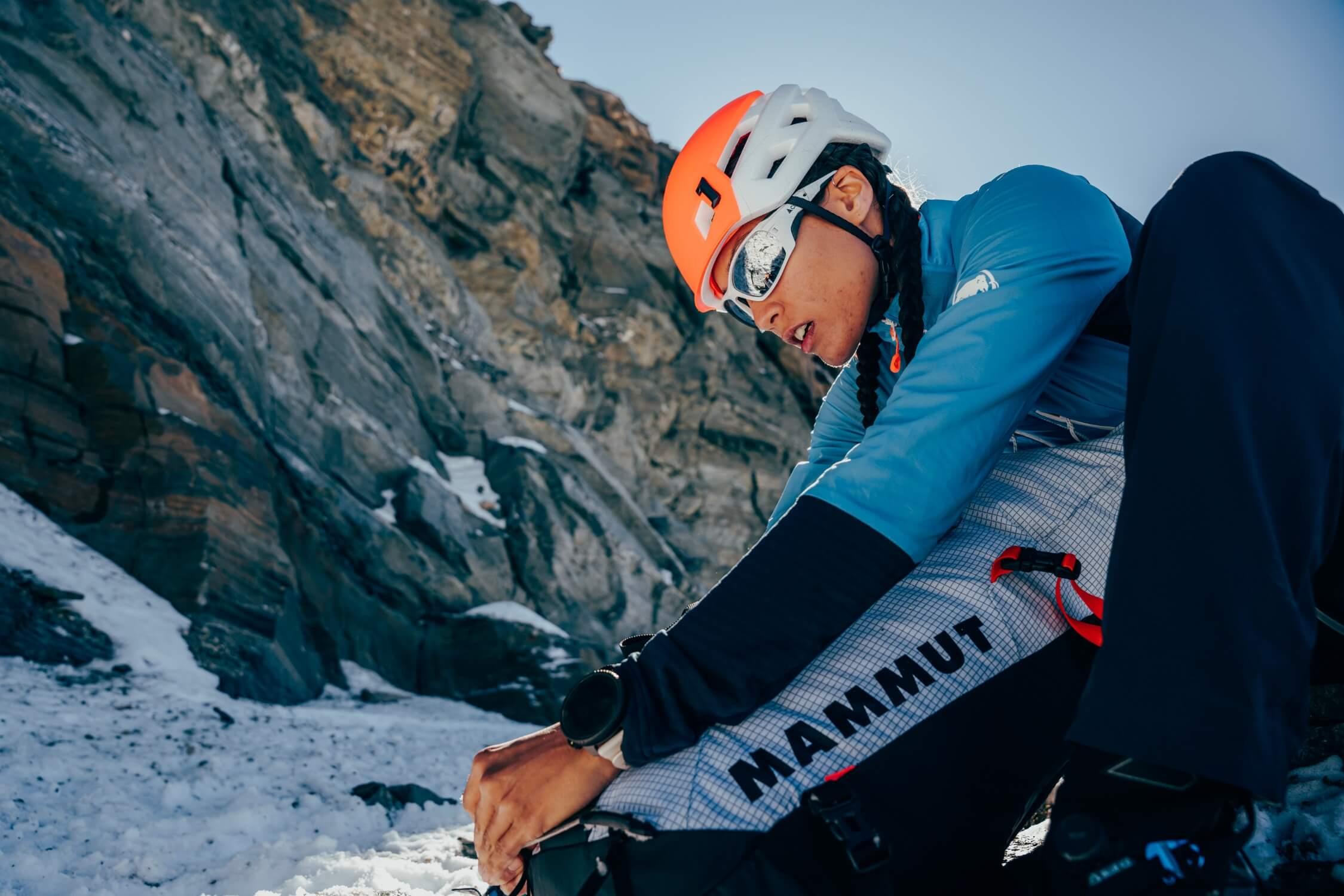
Microspikes are lightweight traction devices that attach to hiking boots and provide extra grip on slippery surfaces like hardpack snow, firn, or icy trails. They typically consist of four to six short metal points, secured with straps or a flexible rubber harness. Thanks to the elastic material, modern microspike models can be quickly and effortlessly pulled over almost any hiking boot or trail running shoe .
Important: Microspikes are not a substitute for crampons — using the wrong device can be dangerous. As soon as you can no longer plant your full foot on the surface, you need crampons.
When do I need microspikes?
On easy to moderate winter hikes
On snowy forest roads or icy woodland trails
For moderate snowfields, such as in spring
As a backup when you’re not sure about the conditions at higher elevations
For trail running, sledding, or walking on frozen ground
Note: Microspikes have no front points and are not suitable for steep, technical terrain or demanding ice sections.
The pros and cons of microspikes
Microspikes are a practical addition for many winter tours. Here's a quick overview of their pros and cons:
Pros
On in seconds — great for changing conditions
Fits most standard hiking boot models
Compact and lightweight — easy to stash in your pack
Cons
Not suitable for glaciers, bare ice, or mixed terrain
Only comfortable with sufficiently stiff soles
No front points — not suited for steep terrain
Footwear requirements
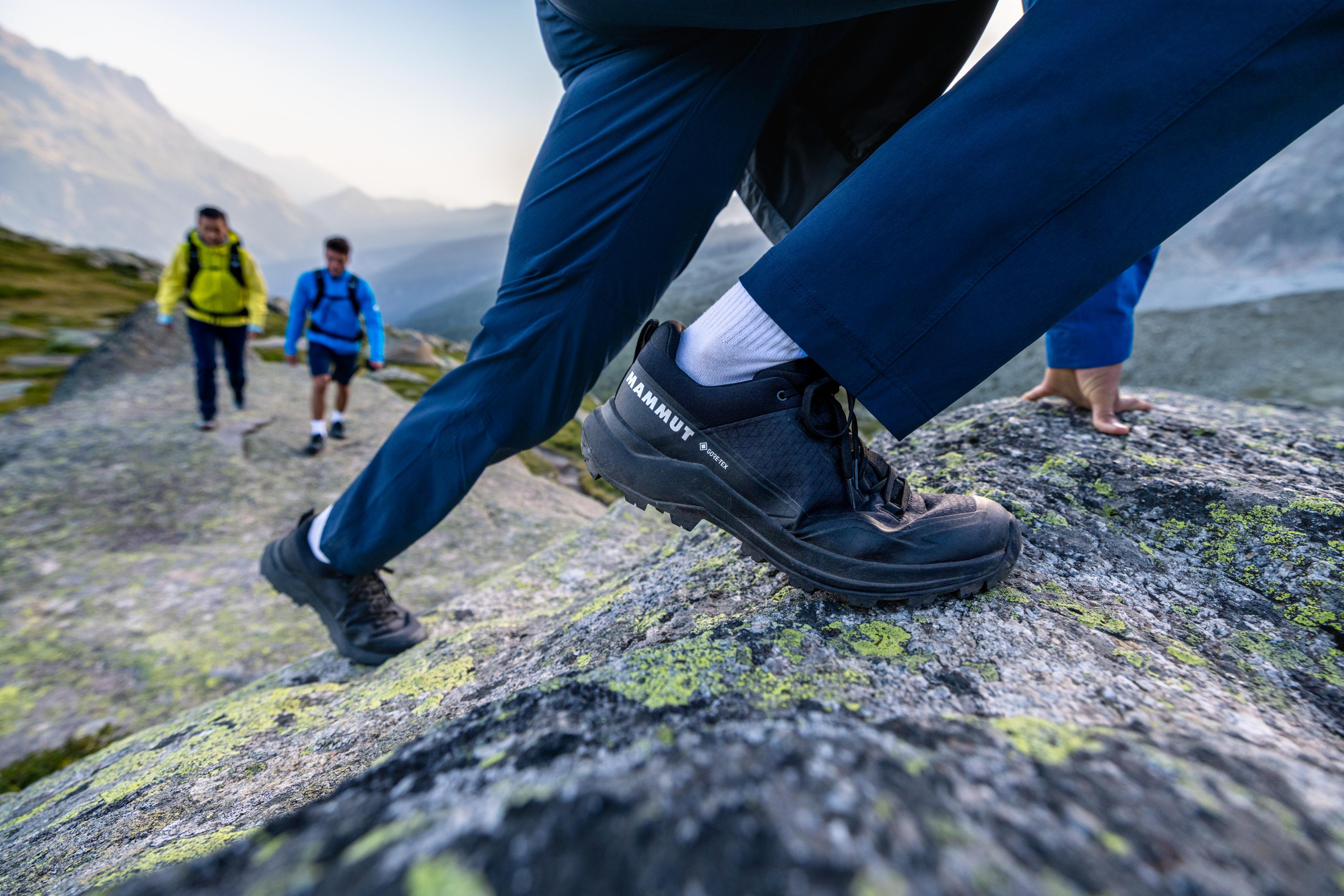
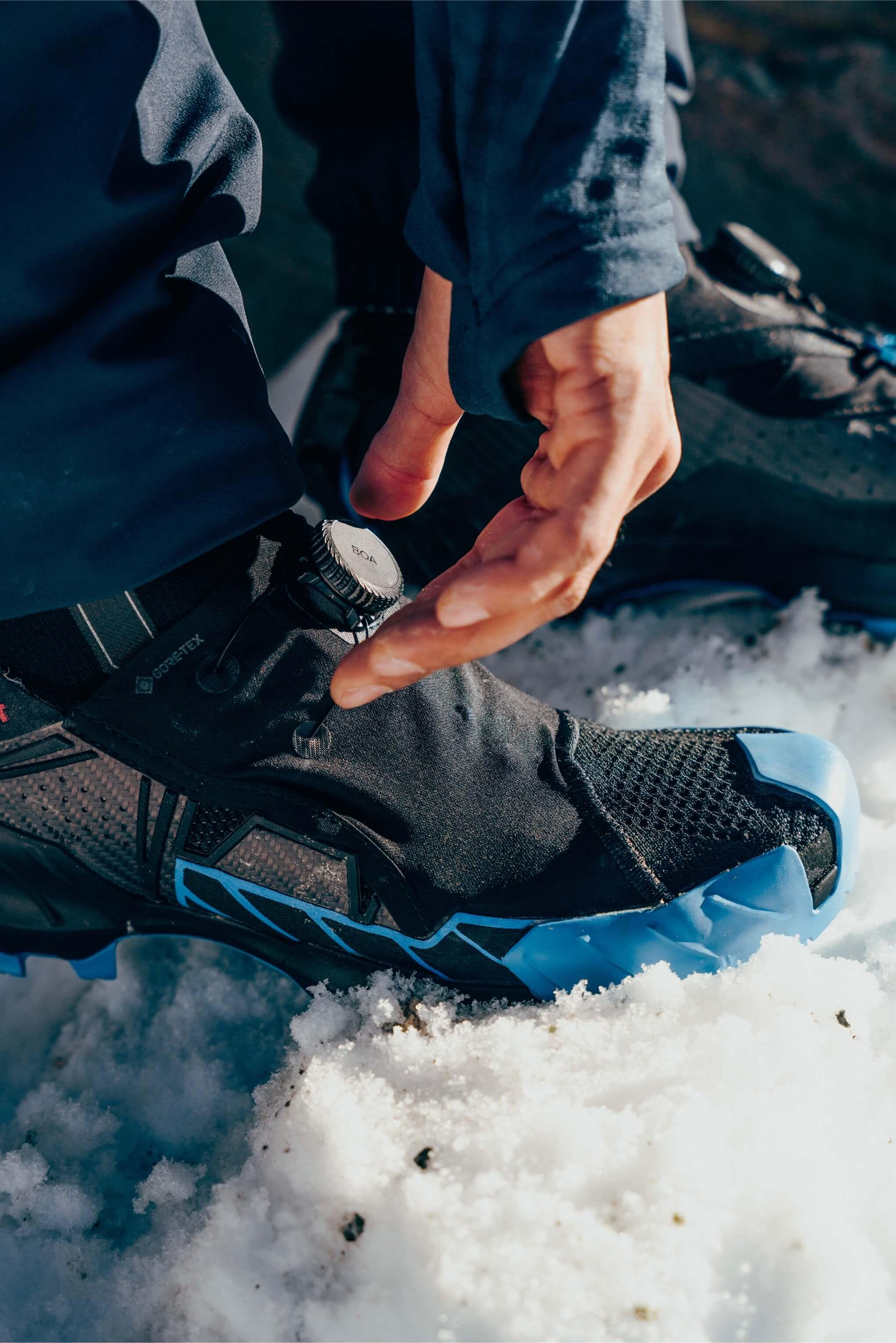
Microspikes work best with sturdy hiking boots that score high on the AB Flex Index — a measure of sole stiffness. For use with microspikes, models with an AB Flex Index of A8 or higher are the best fit, as they provide the necessary stiffness and stability. Depending on the terrain, shoes rated A9/B1 can also be a solid choice when additional traction and partial crampon compatibility are needed. Boots with too soft a sole (such as A4–A6) can deform under pressure, causing pinching and leading to unstable footing.
What are crampons?
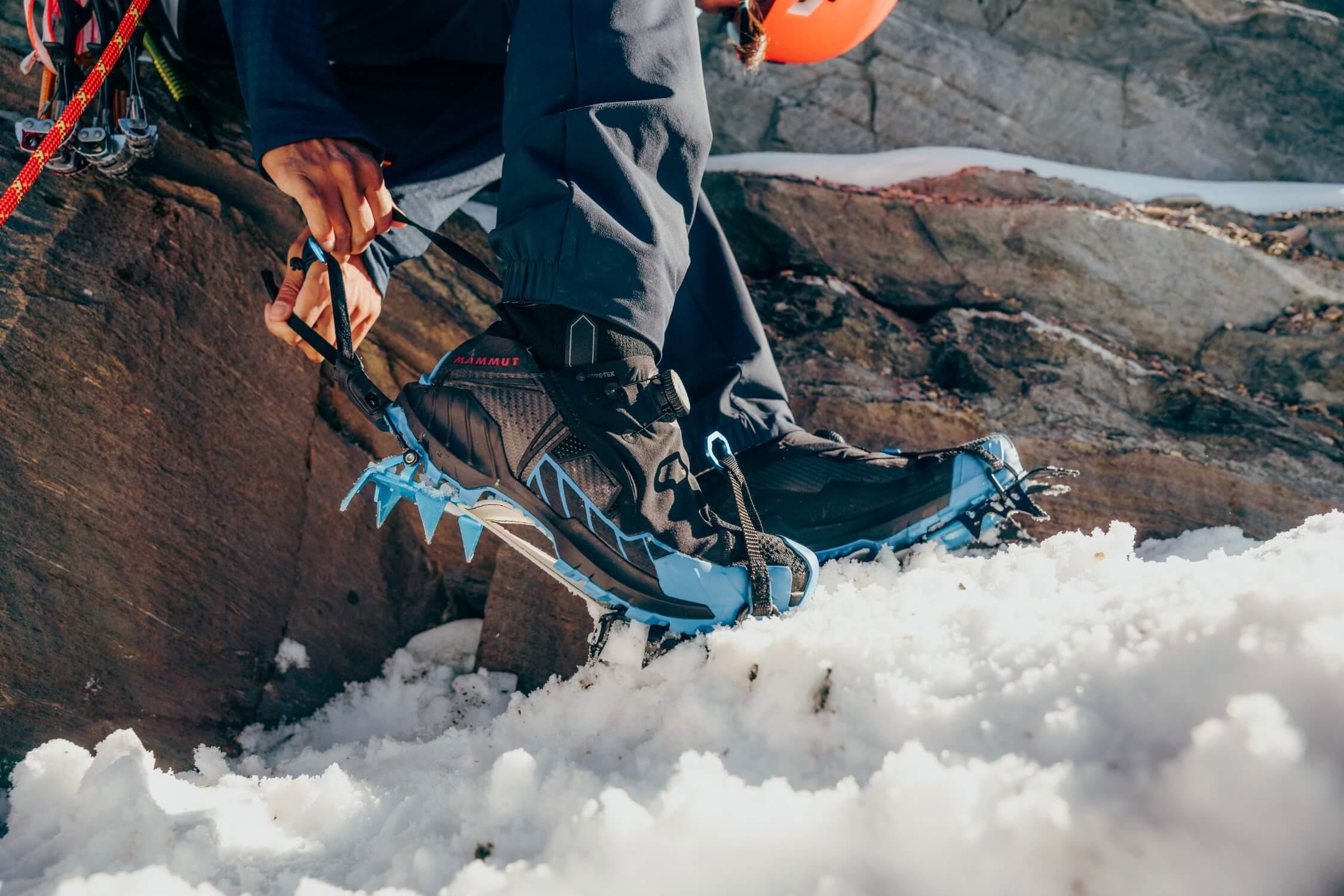
Crampons are sturdy metal frames with ten to fourteen points that provide secure grip on ice, firn, and steep snowfields. They come in different configurations depending on their intended use and shoe compatibility, and are indispensable for high-altitude routes, glacier crossings, or ice climbing.
Types, binding systems & when to use them at a glance
Requirements vary depending on the type of tour and terrain you’ll be navigating — and so do the various crampon models:
Lightweight Crampons
Material: Aluminium
Number of Points: 10–12
Binding: Strap-on or hybrid binding
Best For: Ski tours, easy high-altitude routes
Standard Crampons
Material: Steel
Number of Points: 12
Binding: Step-in or strap
Best For: Glaciers, demanding high-altitude routes
Technical Crampons
Material: Steel
Number of Points: 12–14
Binding: Full step-in with wire bail
Best For: Ice and mixed climbing, extreme alpine conditions
Which type of crampon binding for which shoe?
For crampons to sit correctly and provide a secure grip, the binding needs to work with the construction of your boots:
Strap-on: uses flexible straps; fits many hiking boots, but requires a stiff sole (Flex Index A9/B1)
Hybrid: rear bail with lever and front basket — for boots with partial crampon compatibility (Flex Index B1/B2)
Automatic: Metal bails front and rear — requires fully crampon-compatible boots with a welt at both the toe and heel (Flex Index B3)
Matching boots and crampons correctly
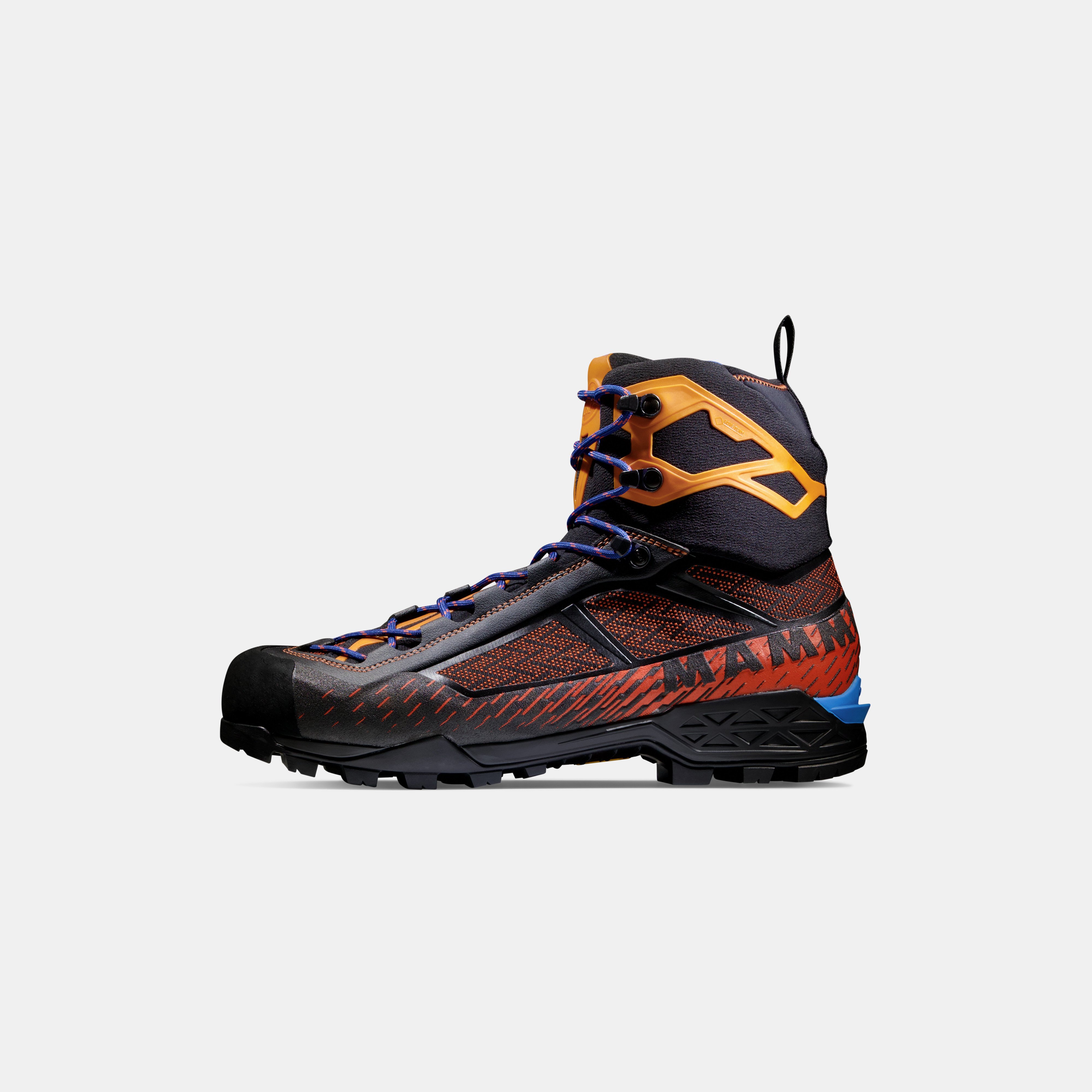
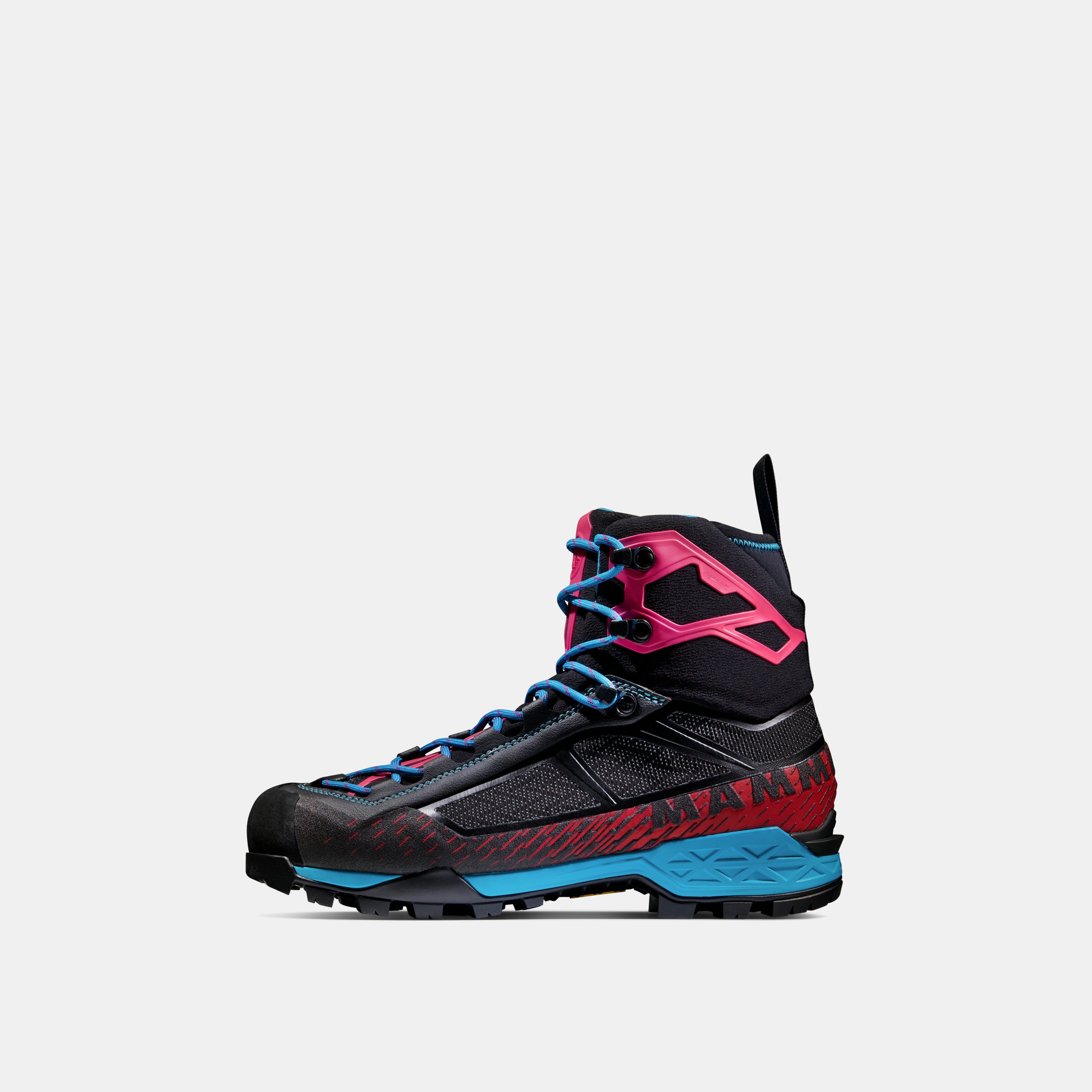
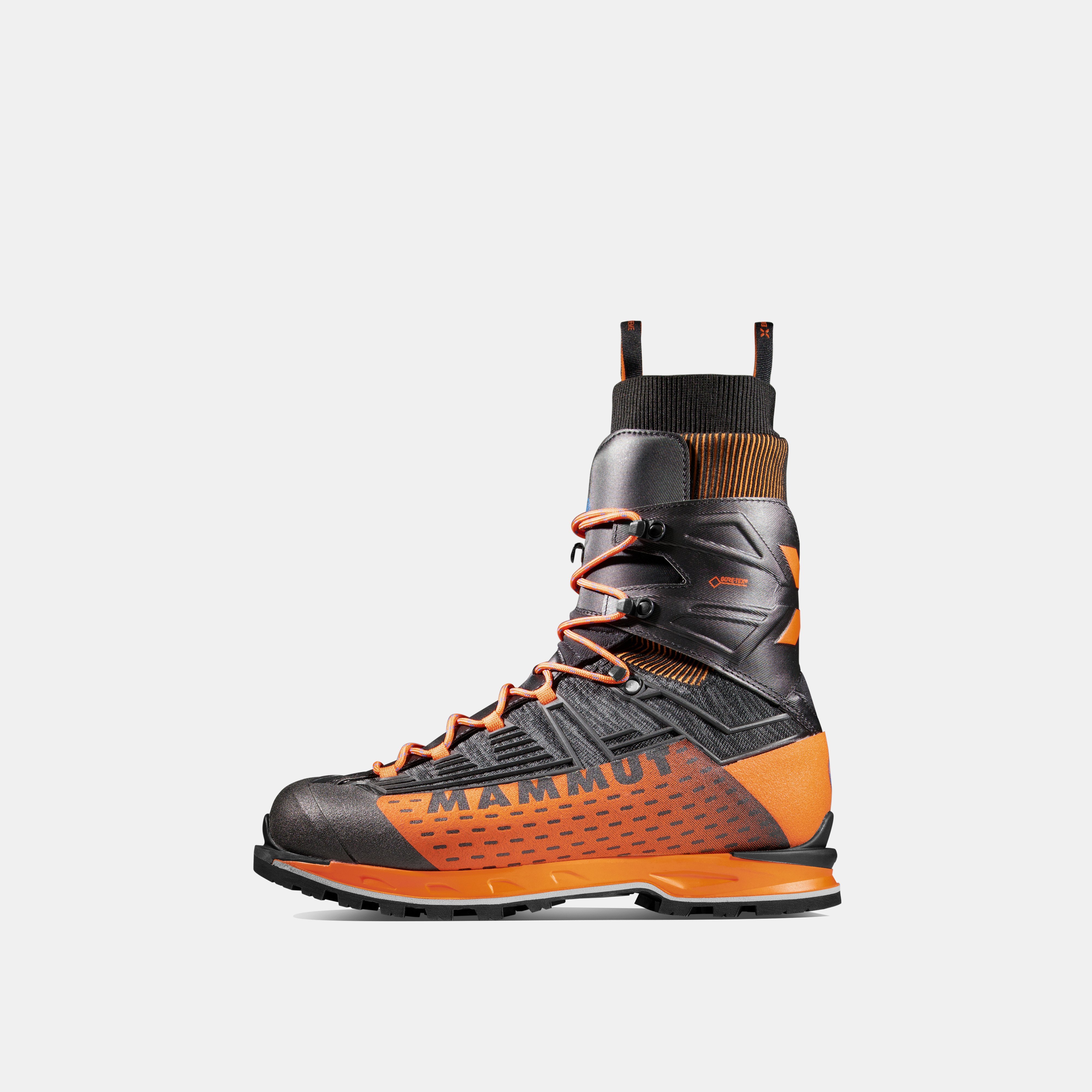
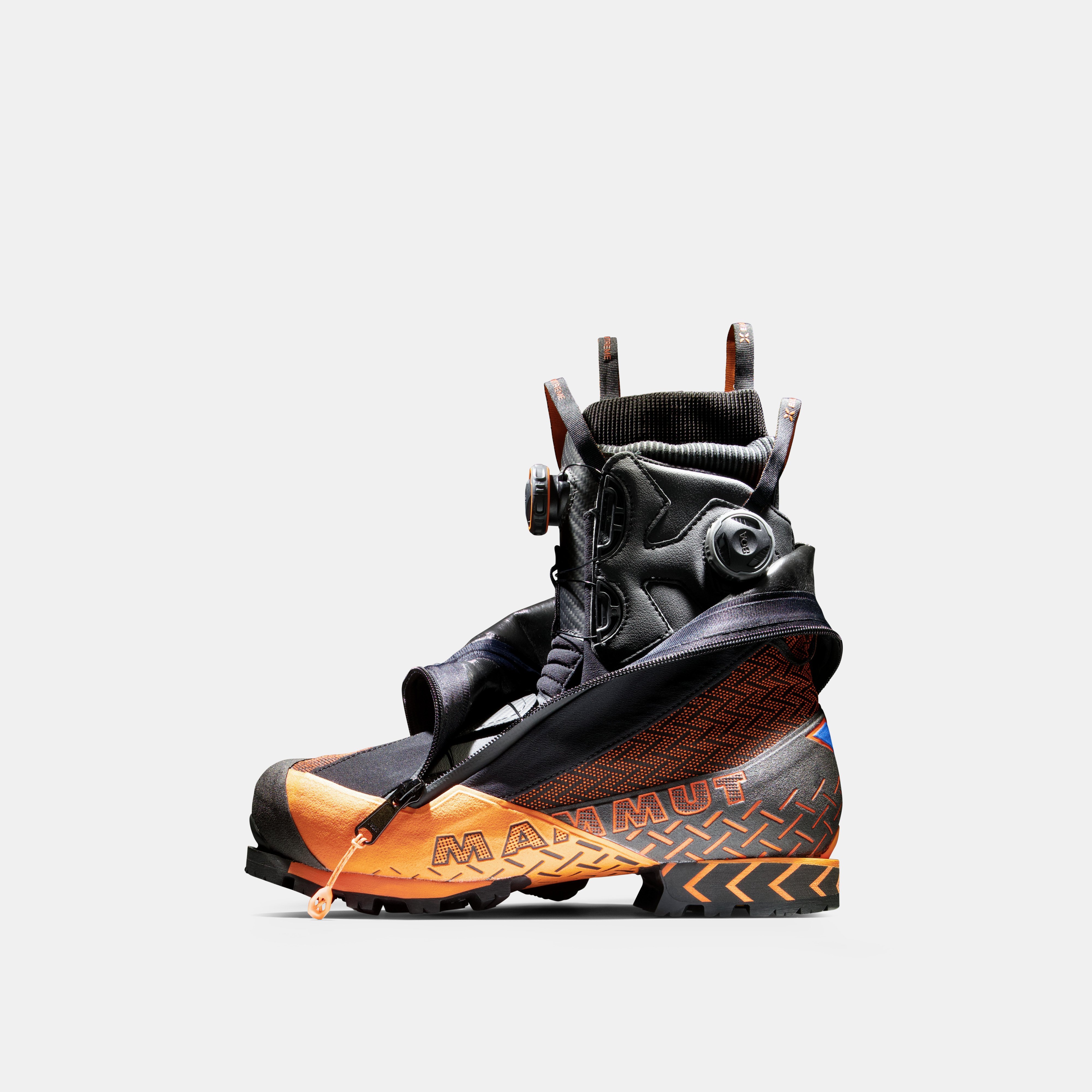
At Mammut, we offer several fully crampon-compatible models , for example from the Taiss series and the Eiger Extreme collection — both optimized for alpine tours. When paired with the right crampons, they make the ideal companions for technical high-altitude routes without adding unnecessary weight. Make sure the binding matches the Flex Index of your boot.
Tip: Look for indicators on crampon compatibility when making a purchase, or ask your local gear retailer for guidance. Want to know more? Check out our guide to choosing the right crampons.
What are anti-balling plates?
Anti-balling plates are flexible inserts fitted under crampons that prevent snow from clumping between the points. This reduces the risk of slipping and improves traction — especially important in wet, sticky snow. Many crampons come with anti-balling plates as standard, or can be retrofitted with them.
Microspikes vs. crampons: the key differences explained
Now that we’ve covered the general basics, here's a detailed head-to-head comparison of microspikes and crampons:
Microspikes
Terrain:
Winter hikes, forest roads, icy trails, snowfields
Material:
Very light and compact — easy to carry as backup
Number of Points:
4–6 points, no front points
Attachment:
Elastic rubber harness or straps
Boot Compatibility:
Sturdy hiking boots with a sufficiently stiff sole (A7–A9/B1)
Weight & Pack Size:
Very light and compact — ideal as a backup
Technical Terrain:
Not suitable
Crampons
Terrain:
High-altitude routes, glaciers, steep ice, mixed terrain, ice climbing
Material:
Aluminum (light) or steel (robust), fully rigid construction
Number of Points:
10–14 points, including front points
Attachment:
Strap binding, step-in (rear bail), or full step-in
Boot Compatibility:
Crampon-compatible boots (B2 for rear bail, B3 for full step-in)
Weight & Pack Size:
Heavier and bulkier — a deliberate choice, not just backup
Technical Terrain: Essential
In short:
Microspikes are ideal for winter hikes and straightforward tours — lightweight, quick to put on, and versatile.
Crampons, on the other hand, are specialised technical gear for extreme terrain, require compatible mountaineering boots, and should be used for very specific purposes.
Microspikes or crampons: How to choose
Whether you go with microspikes or crampons comes down to where your tour will take you. For easy winter hikes, the approach to a mountain hut or moderate snowfields, microspikes are a practical, budget-friendly solution. Once the terrain gets steeper, icier, or more technical, crampons are the way to go — ideally paired with the right Mammut mountaineering boots. And remember: Always keep in mind the Flex Index, the profile of the terrain, and your own level of experience.
For even more safety, comfort, and performance, check out Mammut's cleverly designed range of gear — from crampon-compatible mountaineering boots to mountaineering backpacks and avalanche safety equipment .
Want to learn more about choosing the right boots for your tours? Check out our guide to the differences between mountaineering boots and hiking boots, and discover more tips in our Mammut Stories and Guides .