



Climbing
DüDaDo im Nirgendwo
October 2026
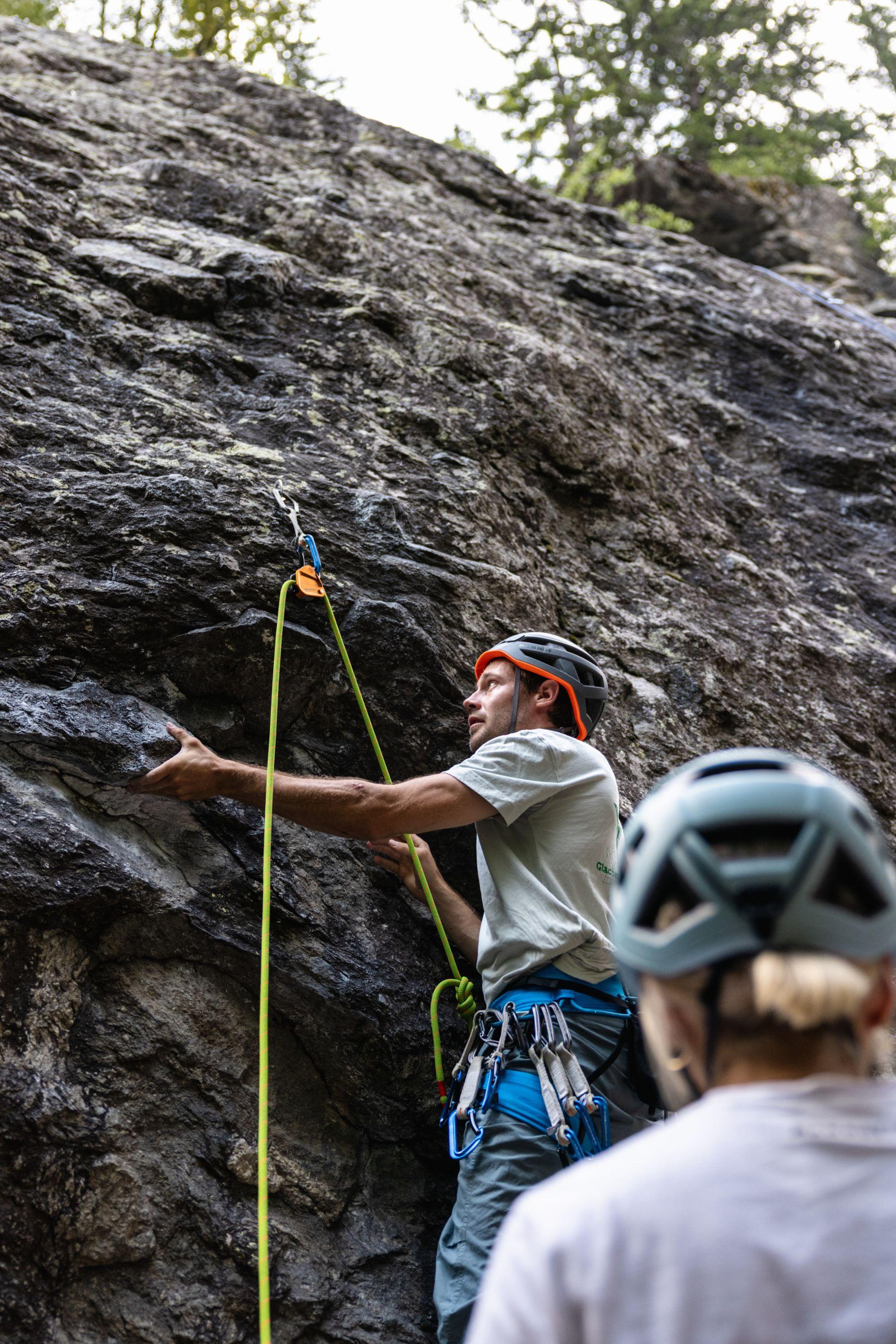
You don't pick your climbing partner based on what the scale says. Whether it's couples, friend groups, or random teams at the gym – most partnerships come with weight differences, sometimes just a few pounds, sometimes way more. It's totally irrelevant in daily life, but when you're climbing, it becomes genuinely important for safety. The weight ratio between belayer and climber directly impacts how a fall gets caught – and that affects the risk level for both people. Here's what you need to understand about why weight matters when climbing, when the difference becomes concerning, and which techniques and tools can keep you safe regardless.
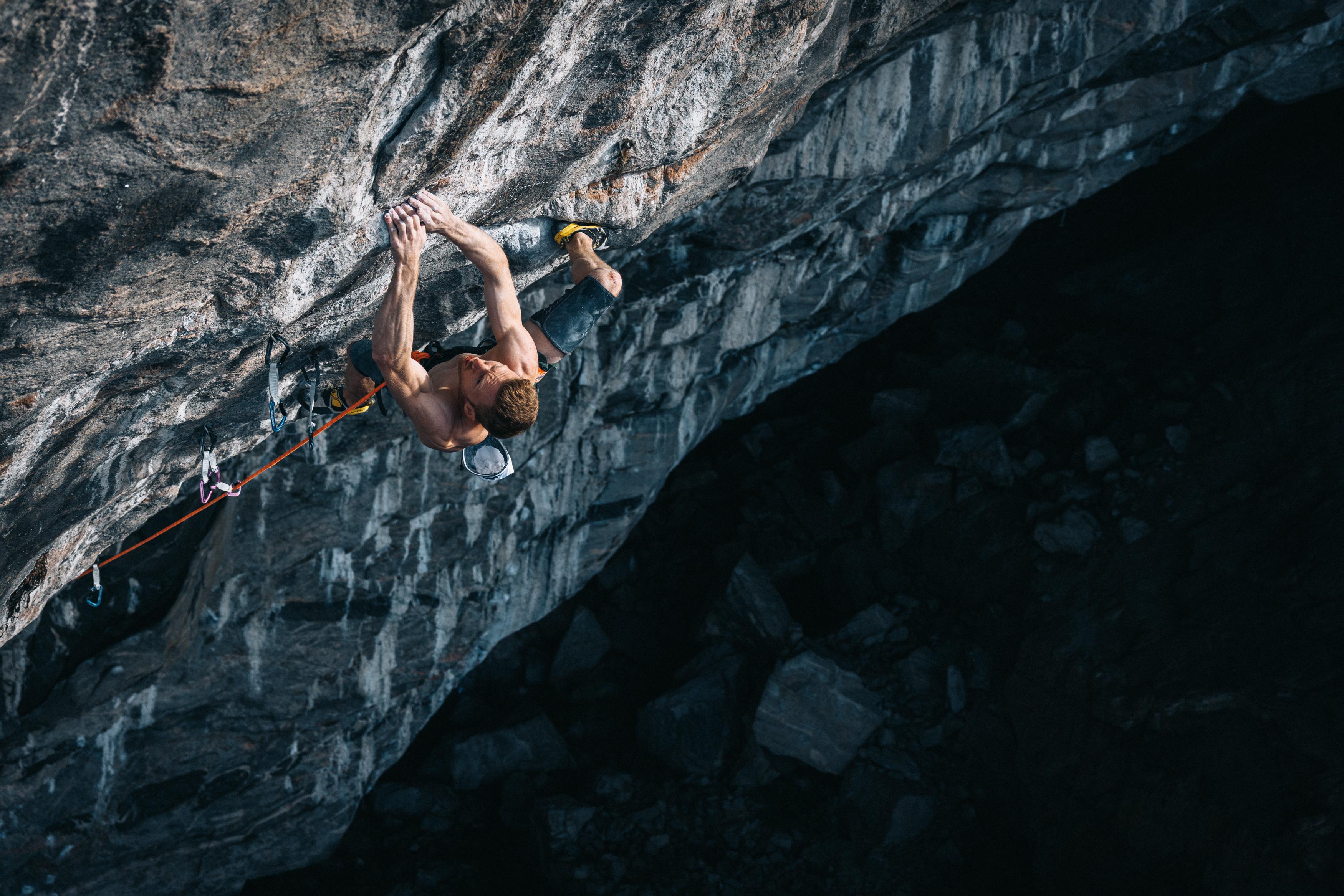
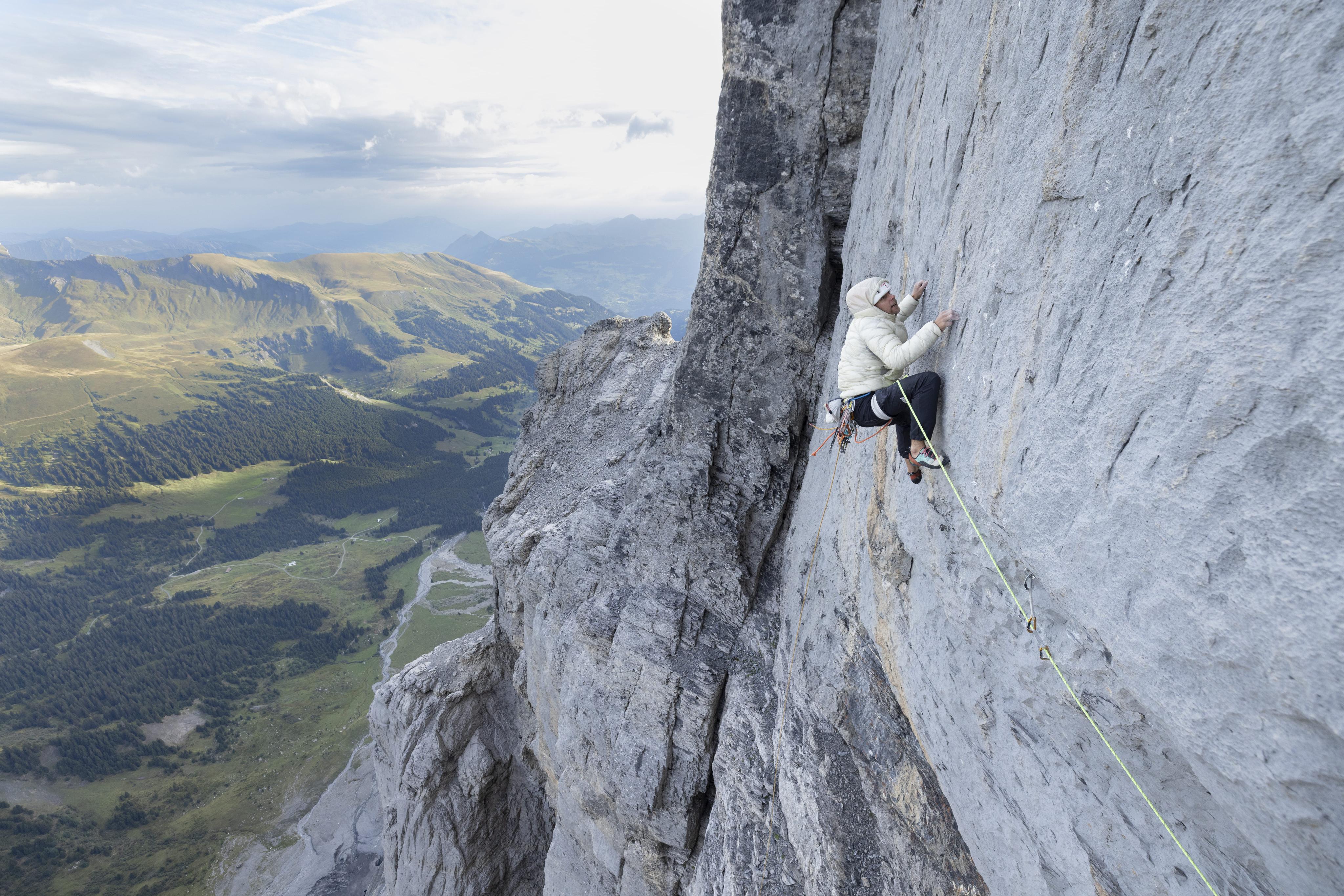
Deep inside the granite cave of Flatanger, Norway, lies a route unlike anything else. Steep, powerful and relentlessly long, B.I.G. 9c (5.15d) stands as one of the most futuristic sport climbs ever bolted. Over time, it became a benchmark for difficulty and a magnet for those drawn to its challenge. Among them, Jakob Schubert. He became one of its most dedicated protagonists and the first to make the free ascent on B.I.G.
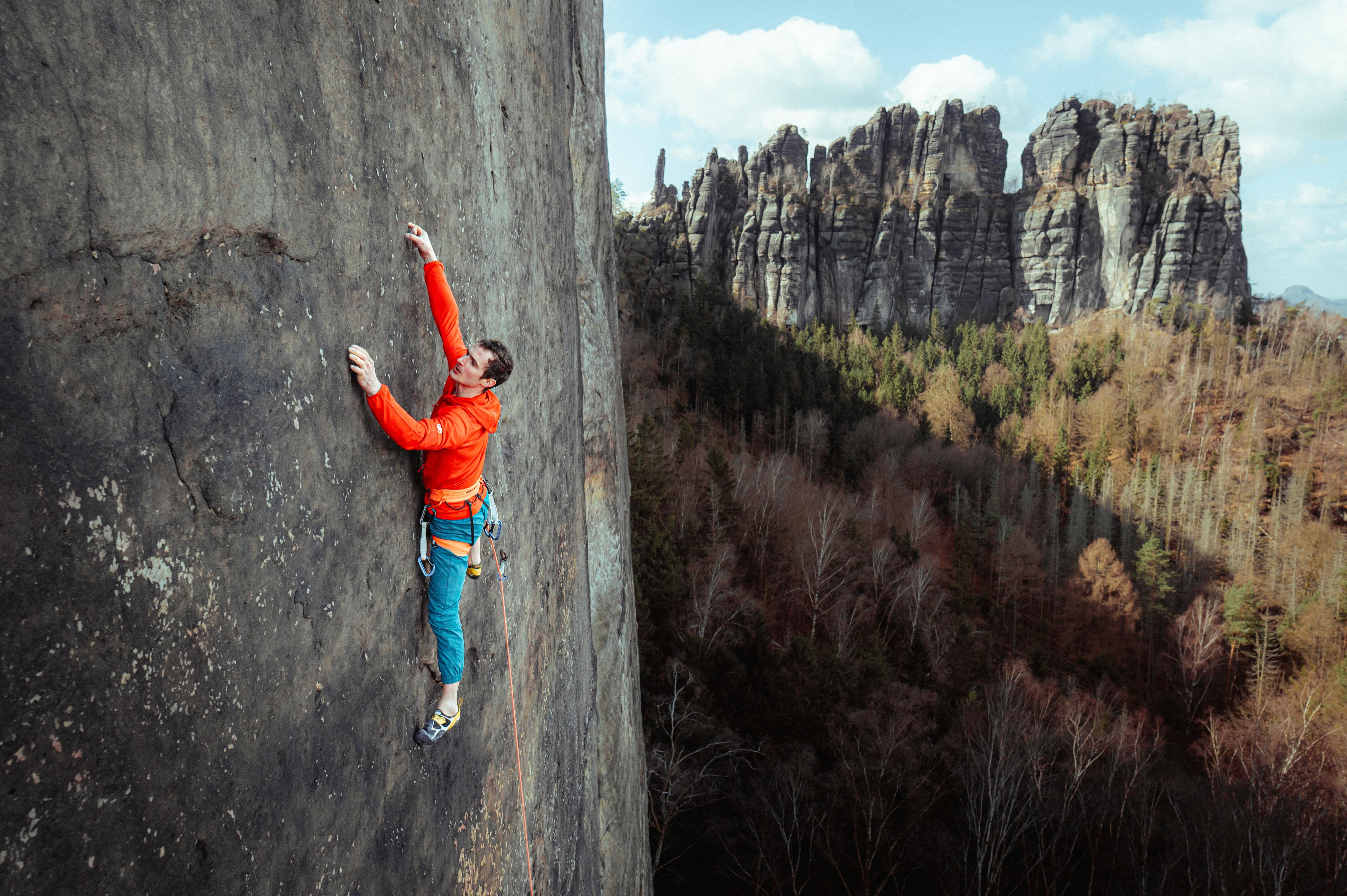

Climbing and bouldering are way more than just an intense workout – they're a sophisticated mix of technique, problem-solving, and precise movement. Whether you're training in the gym or going for it on real rock, knowing the different hold types and how to use them properly will make you a way better climber. This guide gives you the complete rundown on the main hold types, their differences, and how the right climbing gear supports your next adventure.
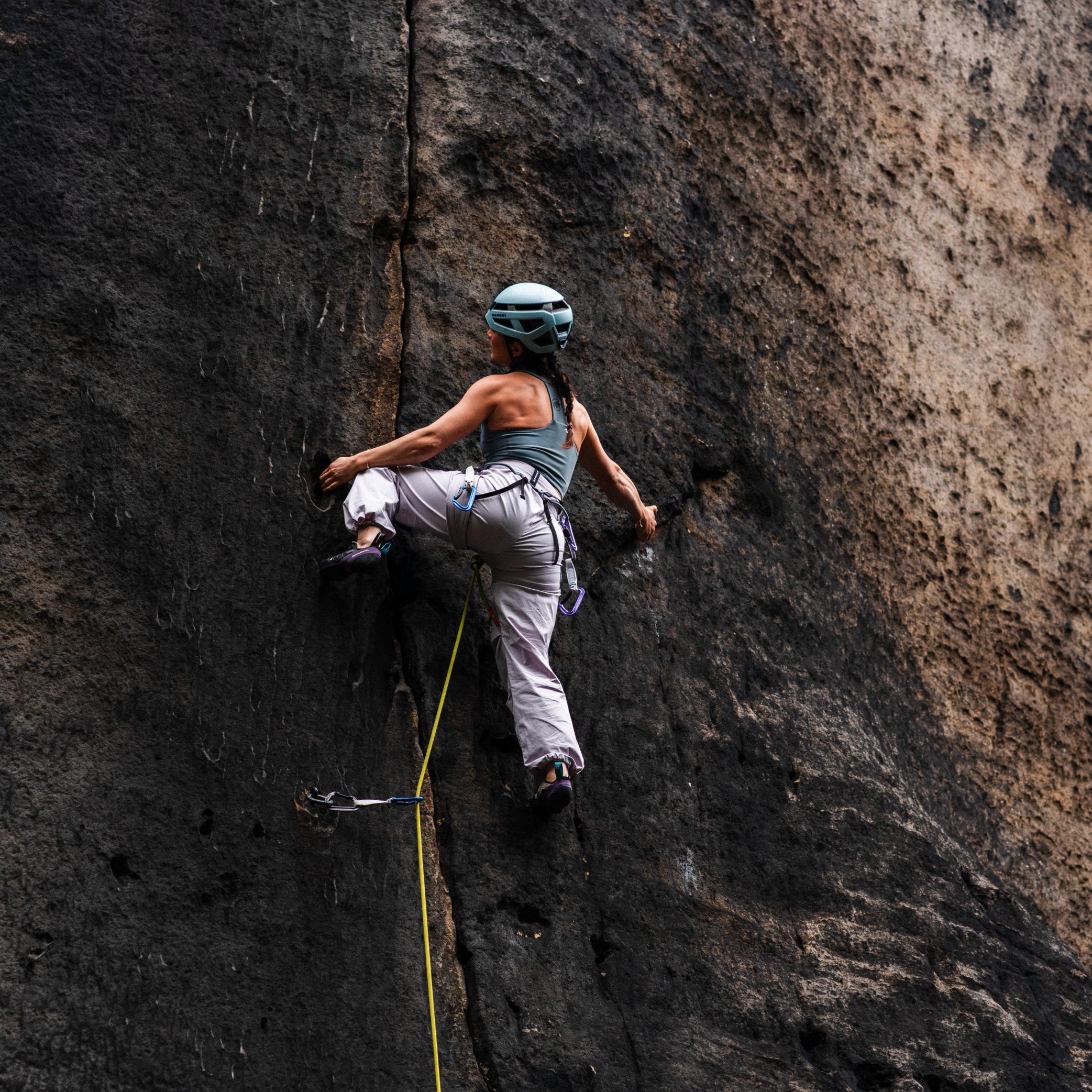
If you are into climbing or mountaineering, you definitely know one thing: strength, technique, and endurance aren't the only things that determine whether you succeed and stay safe. Your mental game matters just as much. Getting spooked by exposure, feeling nervous before a tough route, or second-guessing yourself in critical moments can decide whether you’re smoothly leading a pitch or having to retreat. Mental training helps control fear, stay focused, and build genuine confidence. This post covers how to build up your mental toolkit for rock, gym, and alpine terrain – and why a solid headspace is gear you can't leave behind.

Bouldering is a hugely popular and versatile sport where you're climbing without ropes at heights you can jump from – either on a rock or in the gym. Your gear setup makes all the difference for staying safe, climbing comfortably, and actually having fun. When you've got the right essentials, you climb more safely and can zero in on your movement instead of worrying about your setup. In this post we will explain what needs to be on your bouldering checklist: from absolute essentials like climbing shoes and crash pads to handy extras for both gym and outdoor sessions.
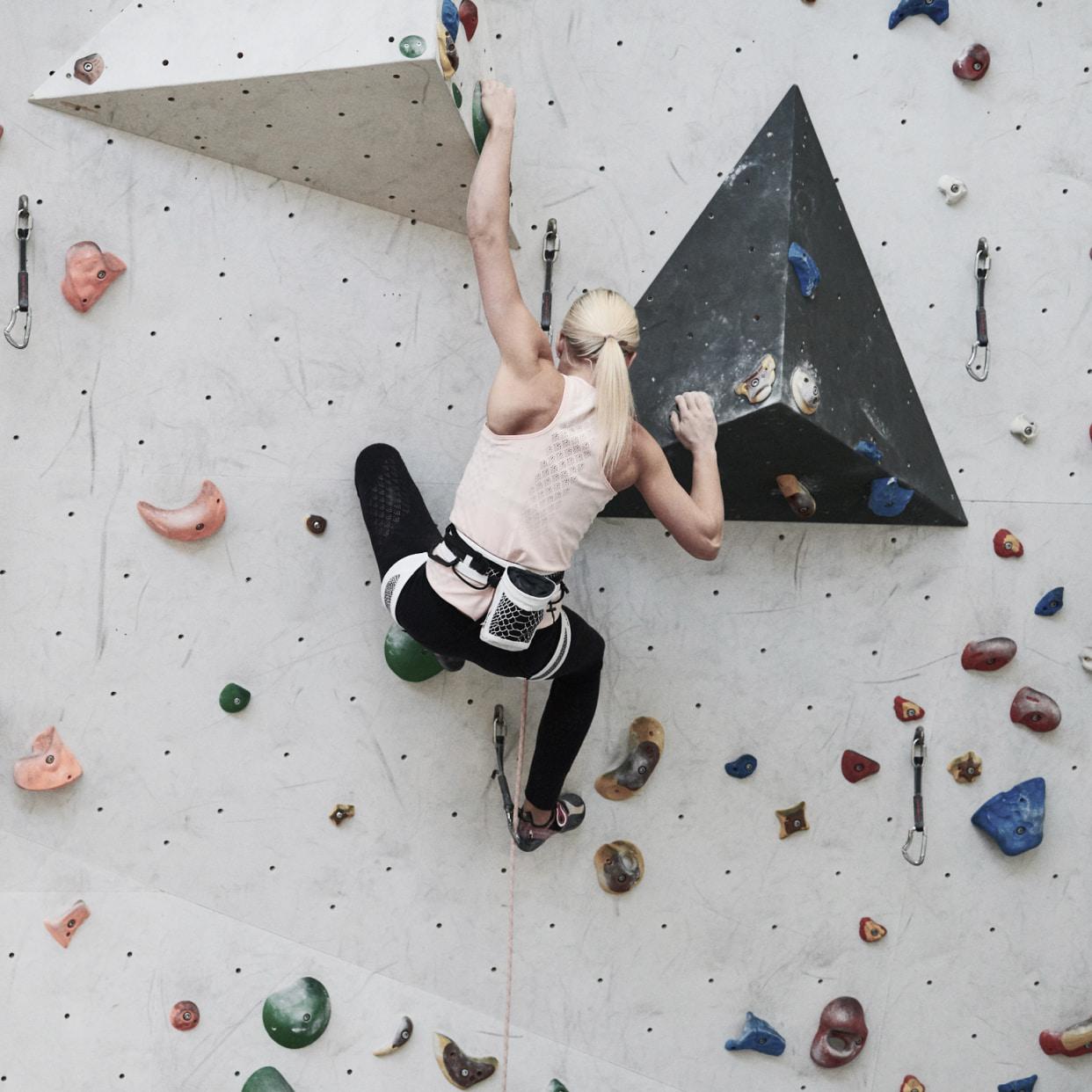
Indoor climbing has blown up in popularity. Whether you're new to the climbing world or already have some experience and want to improve your technique, gym atmospheres give you ideal conditions year-round and let you explore different grades. Having proper gear is crucial though for staying safe, climbing comfortably, and succeeding on the wall. This post breaks down what you actually need to be properly equipped for gym climbing – from basic essentials to useful extras.

Whether you're on steep rock or just getting outside: climbing has blown up as a sport – and for very good reasons. There's something raw and playful about it that brings out your inner kid. At the same time, it pushes your strength, cardio, and problem-solving skills all at once. But is it actually good for you? That's what a lot of climbers wonder about, along with people who are just getting stoked on the sport. This post dives into how climbing affects both your body and mind.

Raw rock, wild landscapes, and not a bolt in sight: Trad climbing – short for "Traditional Climbing" – is climbing in its purest form. Out there on natural terrain there's no fixed protection. Instead, trad climbers rack up with their own gear, slot it into cracks and features as they go, and clean it all when they're done. What sounds like a ton of extra work is actually the ultimate stoke for many climbers: a discipline built on self-reliance, solid technique, and getting deep into wild places. This guide breaks down what makes trad so special – and why many climbers consider it the real deal.

One thing you’ll realize the second you spot separate areas for bouldering and sport climbing when entering the gym for the very first time: There is no such thing as just “climbing”. While some people are all about casually moving along the boulder wall, others prefer scaling dizzying heights while secured by ropes. But beyond the walls themselves, what actually separates bouldering from classic sport climbing? This post covers everything you need to know about technique, gear, training, and the right mindset – and why it's worth trying out both.

How hard is hard? Bouldering isn't just about strength – it's also about technique, problem-solving, and sometimes simply figuring out how to nail that one crux. But how do you actually know how difficult a boulder problem is? And why does a V3 in the gym feel completely different to the one outdoors on real rock? Here's your comprehensive guide to the most common bouldering difficulty grades – and how to read them.