Which avalanche transceiver is right for you?
11/26
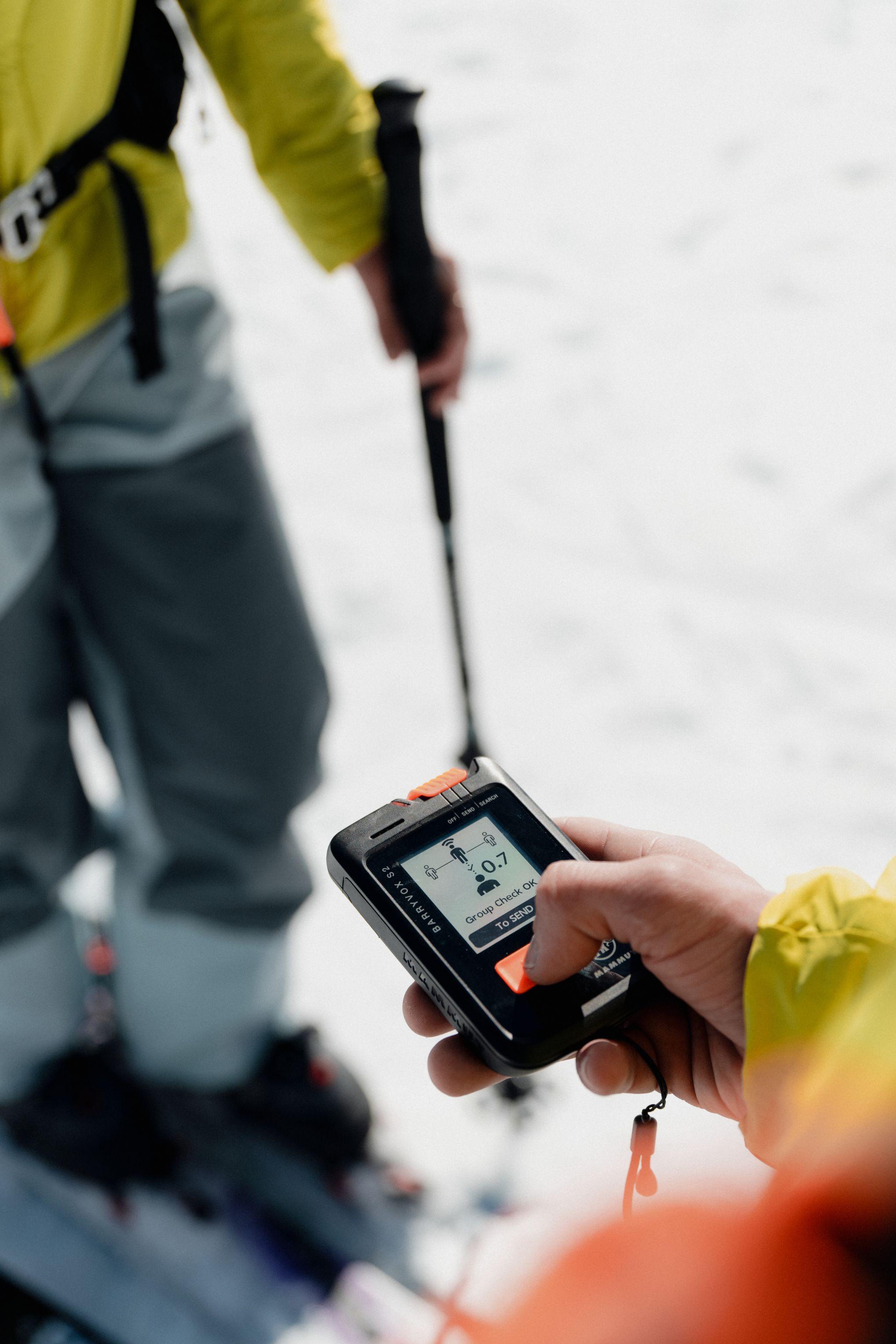
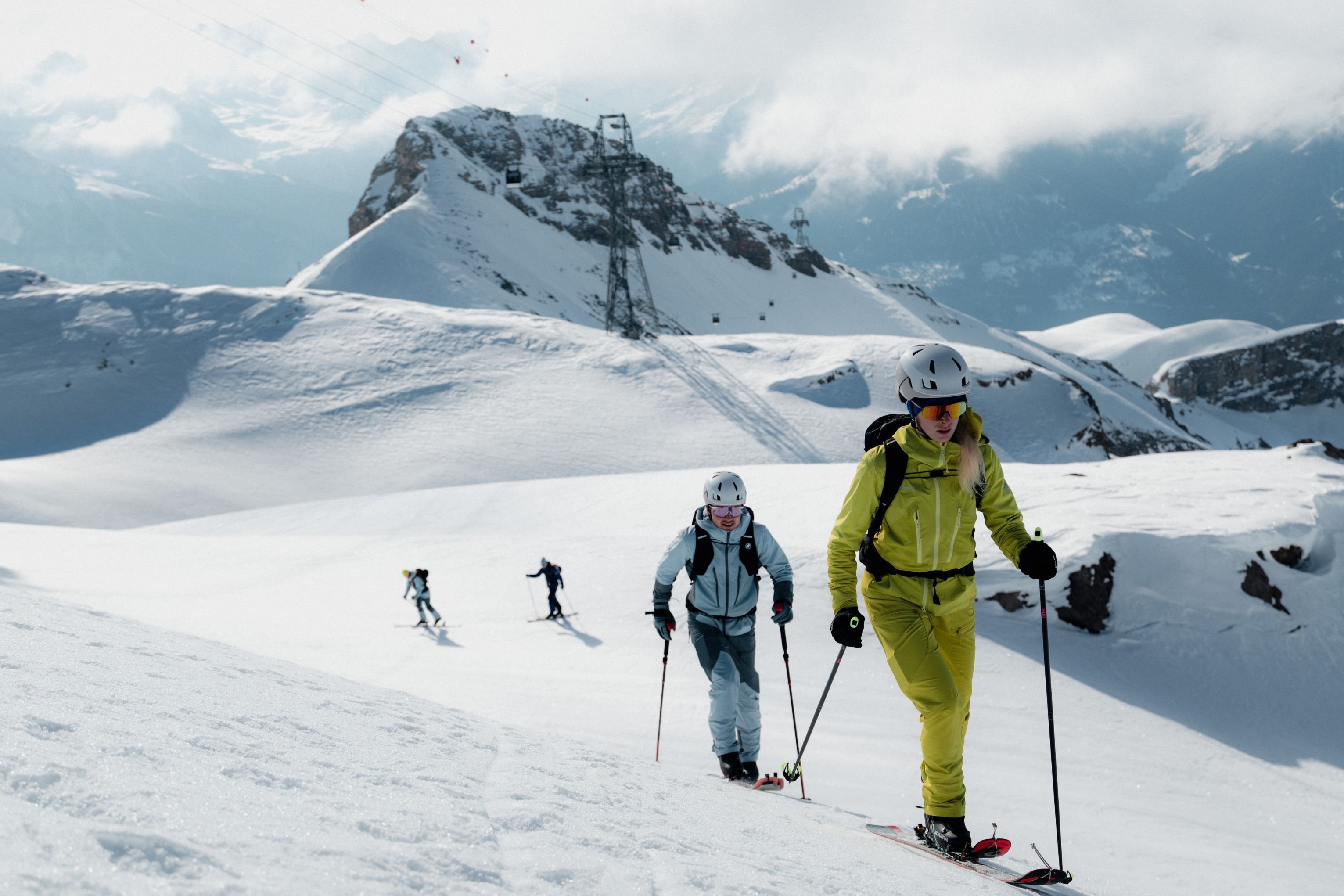
Whether ski touring, freeriding, or snowshoeing – anyone venturing off designated slopes needs to make avalanche safety a priority. The heart of every avalanche safety kit is the avalanche transceiver, also known as avalanche beacon or avalanche safety device. In an emergency, it can make the difference between life and death. However, not all transceivers are the same. They differ in range, ease of use and performance. Here you'll learn what a transceiver is, how it works and what to look for when choosing one.
What exactly is an avalanche transceiver?
An avalanche transceiver is an electronic device which can both transmit and receive a signal. In transmit mode, it sends out a continuous signal on the internationally standardized frequency of 457 kHz. If someone gets buried in an avalanche, the remaining group can switch to search mode and follow the signal emitted by the buried person’s transceiver to locate them.
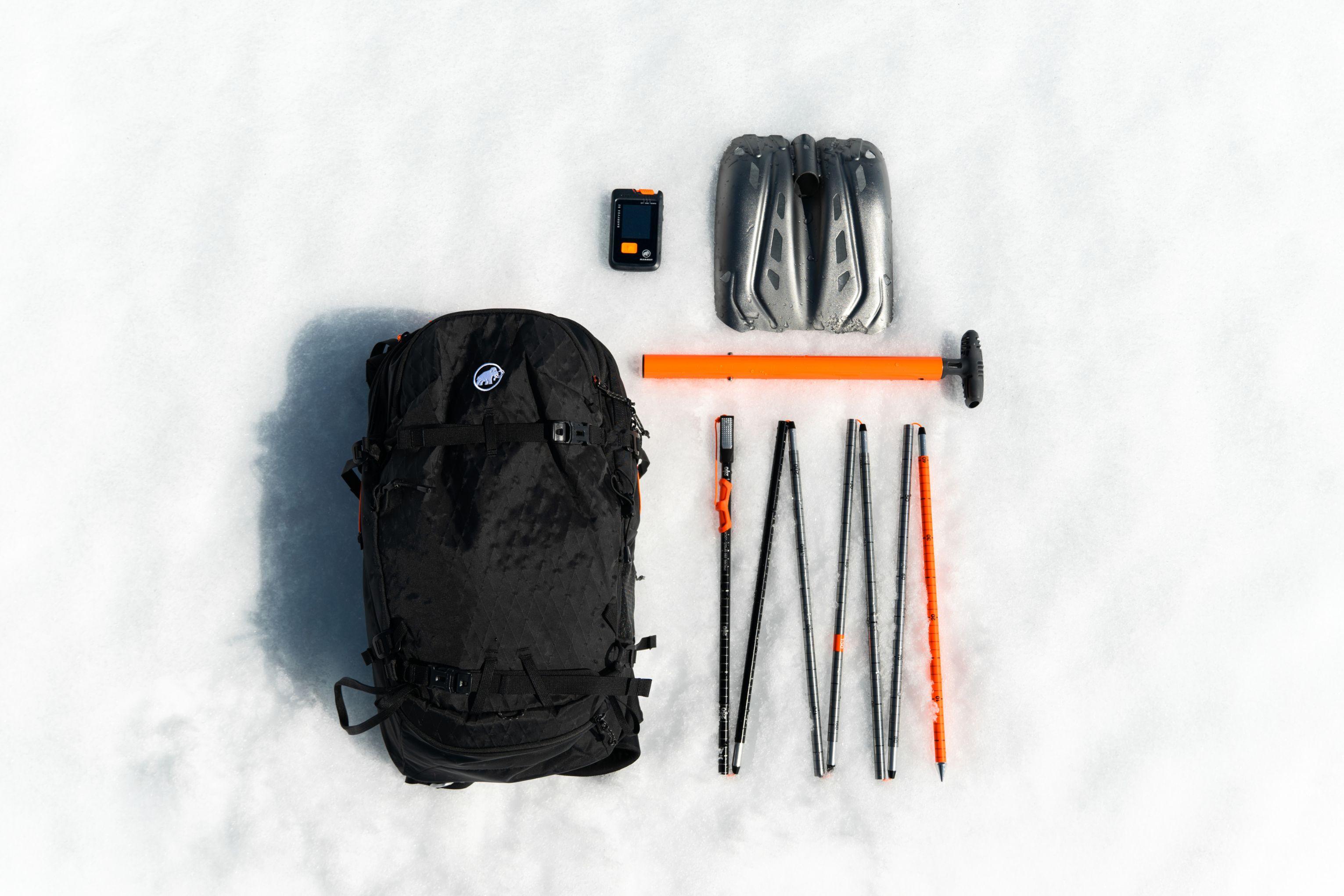
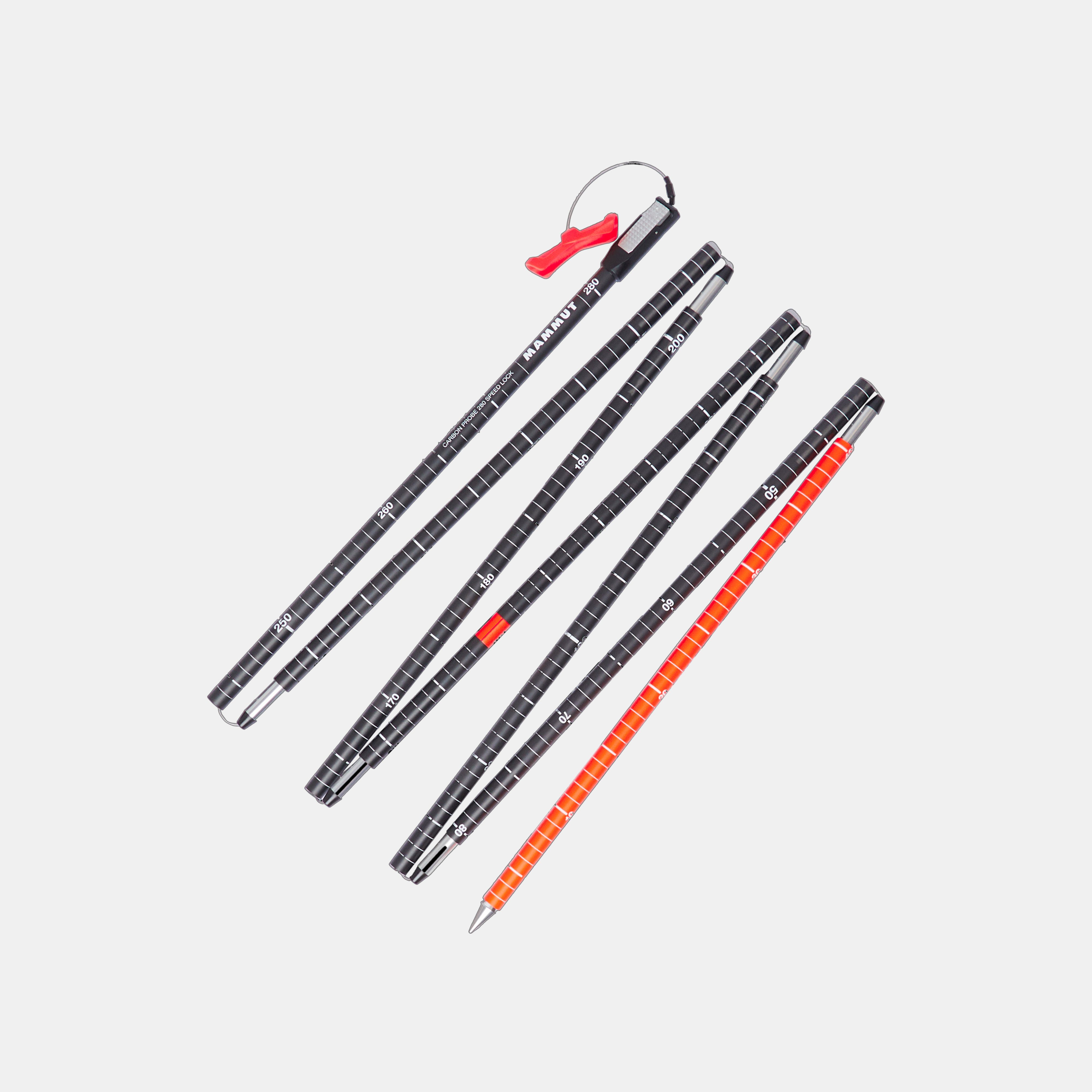
When traversing areas with a high avalanche risk, a transceiver is an essential part of your avalanche equipment . Worn directly on the body, it enables your group to locate you in case of an emergency. The actual rescuing is carried out by your buddies and rescue services on site by using a probe and shovel to locate and dig out the buried person. A good understanding of how to use your transceiver is as important as regular practice – so if you’re planning to use it for the first time, make sure to take an expert-led course first.


How does an avalanche transceiver work?
Modern transceivers use three antennas to receive the electromagnetic signal from a buried person's device when in transmit mode. This allows for precisely determining direction and distance, which are displayed on the screen.
Newer devices show this information more precisely and intuitively than older models: animated displays, audio cues and intelligent fine search support make locating others much easier. Older three-antenna devices still do their job, but should be tested regularly to ensure full functionality.
The search itself consists of multiple phases. To find out more about these different search phases, including instructional videos, make sure to check out our guide to Beacon training and search technique.


What to look for when choosing an avalanche transceiver
Picking the right transceiver depends on your experience, how you want to use it, and your own personal preferences. Here are some key criteria you should consider before making your choice:
Number of antennas: Modern devices have three antennas. Two-antenna devices are outdated and shouldn't be used anymore, since they're much less accurate during fine search.
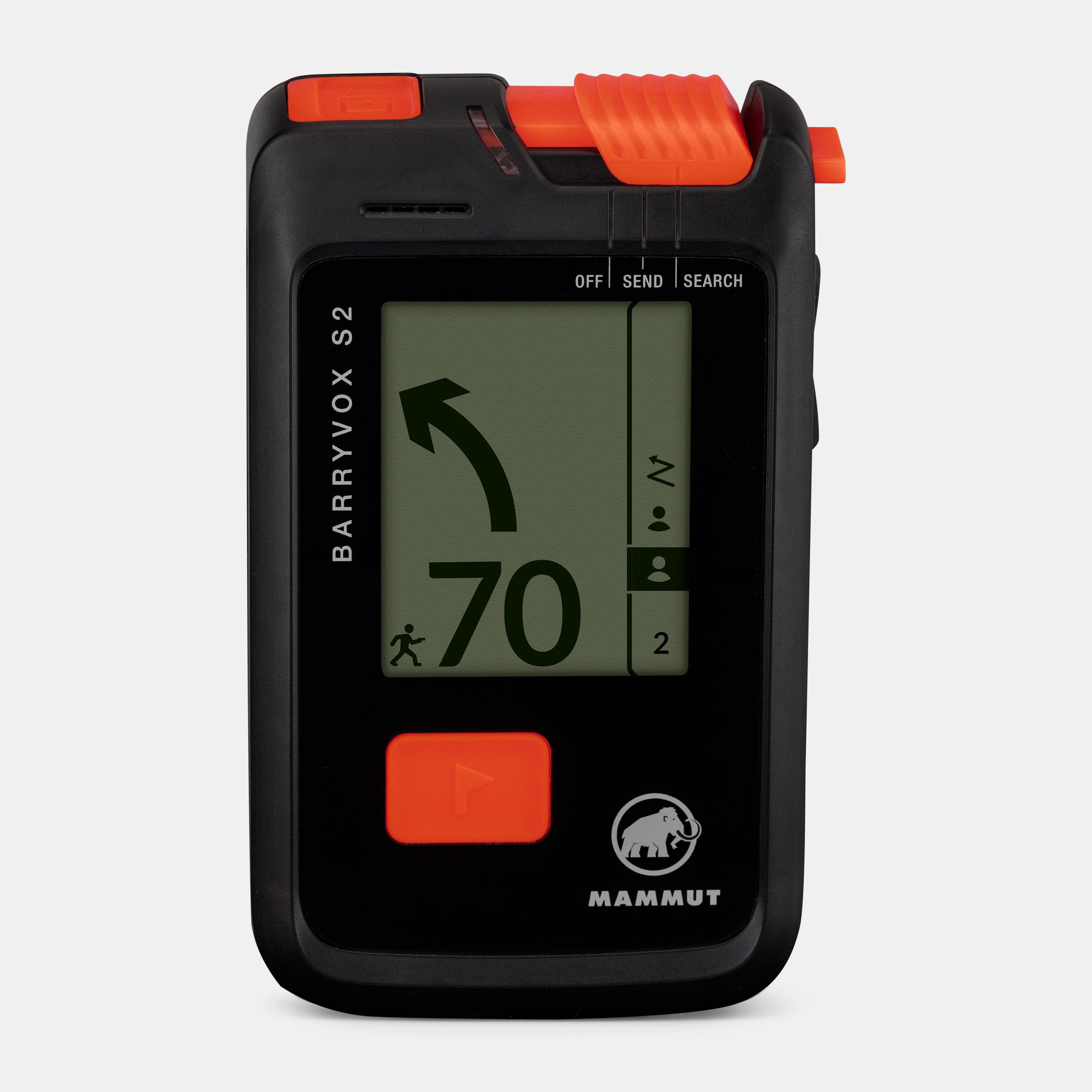
Search range and width: A wide search strip speeds up signal search significantly. On quality devices, 70 meters (about 230 feet) is now the established standard.
Ease of use: After an avalanche, every move matters. A clear display, large buttons that work with gloves on, and straightforward menus can make all the difference in life-and-death situations.
The Mammut Barryvox series has been designed with exactly this in mind, with the interface showing distance, direction and the number of buried people at just a glance.Multiple victims: If an avalanche buries more than one person, your transceiver needs to be able to separate multiple signals and individually guide you to each person.
Auto revert: This safety feature automatically switches the device back to transmit mode if the searcher remains inactive for four minutes, providing extra protection in case of a second avalanche. Both the Barryvox 2 and Barryvox S2 are fitted with this feature.
Rescue send: A quality transceiver protects not just the active searcher but also other helpers. If a second avalanche hits, the device switches automatically to send mode so rescuers can be located (available on Barryvox 2 and S2).
Group check: Before every tour, all group members should test each other's transceiver to make sure it's working correctly. With a built-in group check function, this step becomes even easier.
Self test: Quality devices like the Barryvox series run an automatic check when you turn them on, confirming transmit and receive functions, as well as battery level.


Technology you can trust: introducing the Mammut Barryvox series
Mammut has more than 50 years of experience developing avalanche transceivers . The first Barryvox was tested back in 1968. The current generation consists of three models:
The Barryvox 1 is the base model: a digital three-antenna device with intuitive controls and dependable search function. It's also available in the Barryvox 1 Tour 280 Package including a probe and shovel.
The Barryvox 2 is an extended version of the base model and made for regular ski tourers, providing a more extensive display and clear instructions – the ideal choice if you’re looking for a reliable transceiver with powerful search function that’s easy to use.
The Barryvox S2 is the perfect beginners’ device when used straight out of the box, but quickly turns into a pro device when the corresponding settings are activated. Combining digital and analog modes, it comes with our patented intelligent fine search and also shows vitals and burial data. Audio cues and interactive visual guidance walk you intuitively through the search. Mammut was the first to put an MIPS display in a transceiver, making the S2 one of the most realible transceivers on the market. Like the Barryvox 2, it also boasts W-Link and Bluetooth. By connecting your device to the Mammut app, you can quickly update your firmware and settings, as well as switch your device into a special training mode for our Barryvox training parks.
All models are developed and made in Switzerland, come with the high-function Barryvox carry system and work with AAA batteries (alkaline, lithium only for Barryvox S2). Our guide to the Barryvox models has even more details for a complete overview.
Firmware 5.0: the update for complex rescue situations
Starting December 15, 2026, you will be able to upgrade your Barryvox 2 and Barryvox S2 to our new firmware 5.0. Developed in cooperation with rescue teams, mountain guides and other professionals, it significantly improves search, especially multiple-search.
Additionally, a new search overview will be added to the Barryvox S2, making it possible to display locations of up to four buried people at the same time, and sorting them by distance. In total, your rescue list can include up to 16 people in total (you can turn this feature on or off right on your device or through the app). We’ve also upgraded the marker counter to add even more detail: when looking at your search screen, it will show you exactly how many buried people you've already marked. Together with an alternative mode and analog search tone, the S2 is the perfect choice for experienced users.
Stay safe in the backcountry with Mammut
Picking the right transceiver is important, but it’s only one of many steps to ensure your safety when you’re out an about: regular practice with burial search, understanding how avalanches happen and what terrain, snow and weather conditions trigger them, checking the local avalanche report before every tour, and planning routes that factor in slope angle, exposure and avalanche warning level are just as important. Our Mammut Mountain School and Barryvox App support you in practicing transceiver search and getting thoroughly prepped for an emergency.
Of course, no safety gear is complete without quality equipment: at Mammut, we’ve got you covered with our extensive range of avalanche equipment , including everything from transceivers, probes and shovels to avalanche packs with airbag systems to help you get set for your next tour of the backcountry.
Or check out our Mammut Stories & Guides for more info on ski tours and avalanche safety – including a complete ski tour kit list , tips on what to wear for ski tours , a guide to the perfect ski tour pack .
Frequently asked questions about avalanche transceivers
When do I need an avalanche transceiver?
You need an avalanche transceiver whenever you're in areas with a high risk of avalanches – for example on ski tours, when freeriding, off-piste skiing, snowshoeing or winter mountaineering.
How old can an avalanche transceiver be?
There's no legal expiration date, but manufacturers and alpine clubs recommend replacing transceivers after a maximum of 10 years. Electronics age, battery contacts corrode and older devices often lack safety features that are the established standard now. All the same: regular function tests are a must, regardless of age.
Where do you wear the transceiver?
An avalanche transceiver is worn directly on your body underneath your outer layers in a dedicated carry system. Mammut includes a highly efficient carry system with every Barryvox that fastens to your chest. Never stow the transceiver in your pack, as this can easily be ripped off during an avalanche.