


What socks to wear for hiking?
04/26
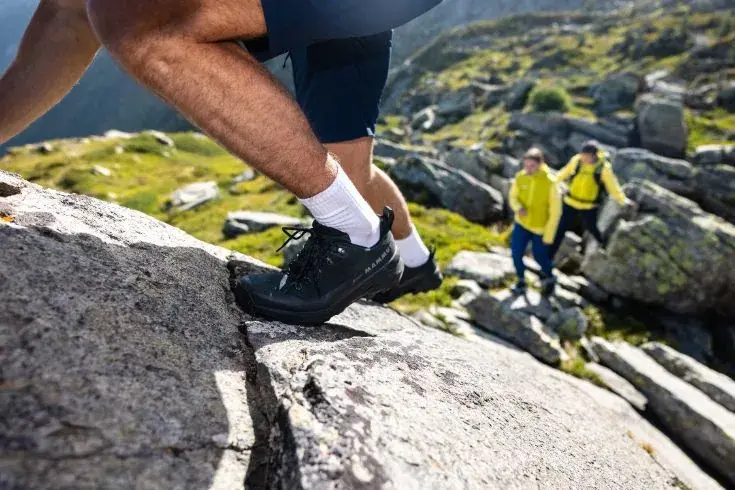
Blisters after just a few miles, burning soles, or constantly damp feet inside your boots – many problems on the trail have a similar cause: the wrong socks. It’s common to spend a lot of time choosing the right hiking boots while picking your socks comes as an afterthought. But your socks are the direct interface between your foot and your shoe, and have a significant impact on comfort, stability, and your overall well-being during the trail. Here’s what you should know about hiking socks to keep your feet comfortable even after long miles on the trail.
Can you wear “regular” socks for hiking?
Short answer: Yes, you can – but it is usually a bad move. When you’re out hiking, your feet are exposed to pressure, friction, and moisture for extended periods of time. Add in shifting temperatures and the different demands of climbing up versus heading back down, and it’s clear that everyday socks or standard sport socks just won’t work. They struggle to wick away moisture, offer little to no targeted cushioning, and often aren’t shaped to fit well inside a hiking boot . That’s a recipe for pressure points, blisters, and a poor fit in your shoe – especially on longer hikes.
Hiking socks, however, are designed specifically for these conditions. They support your foot in all the right places while hiking , keep your feet at ease and dry, and help you feel secure and comfortable in your hiking boots.
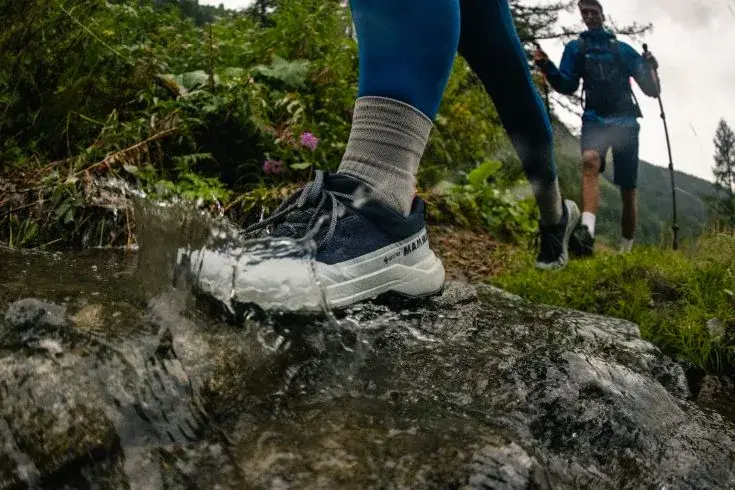
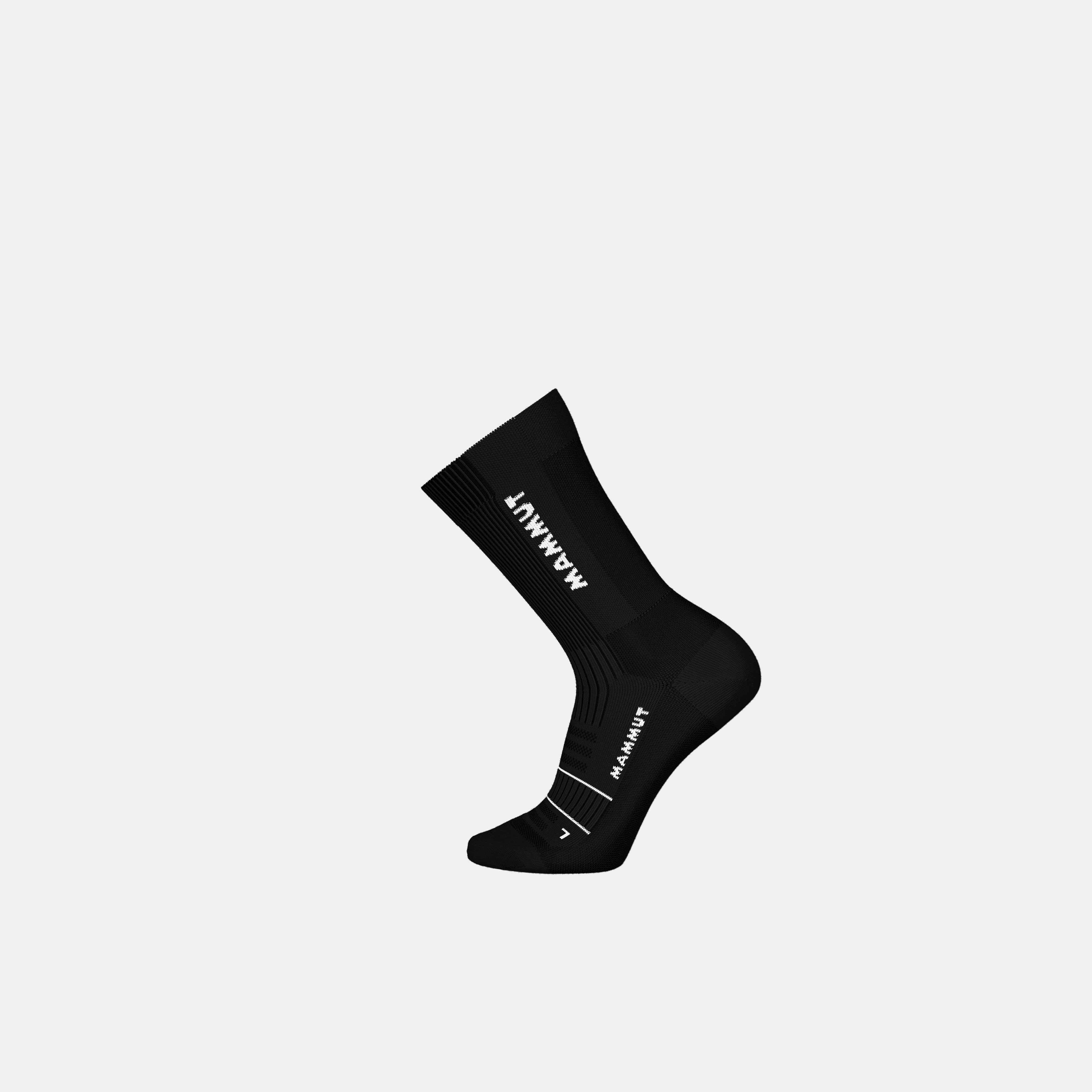
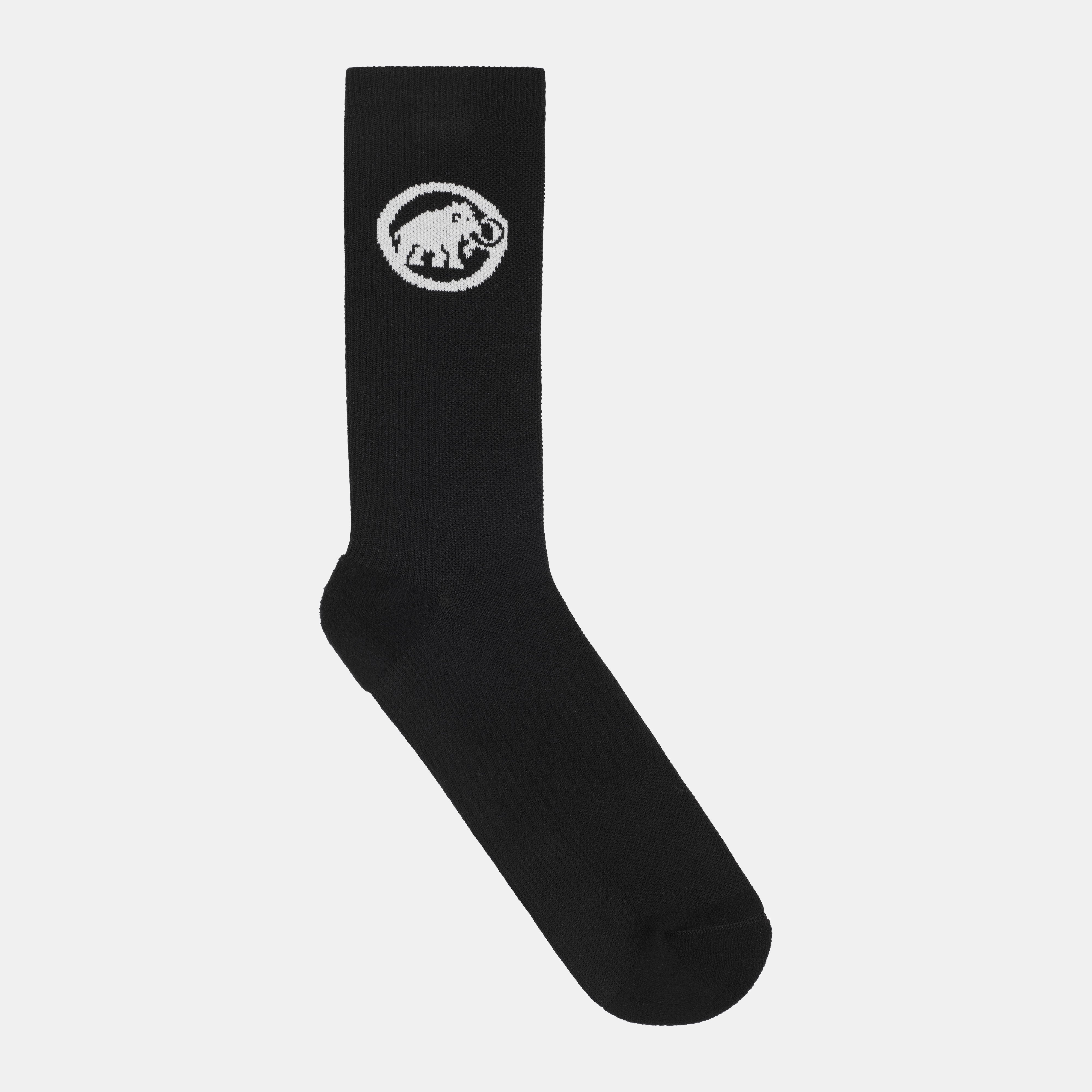
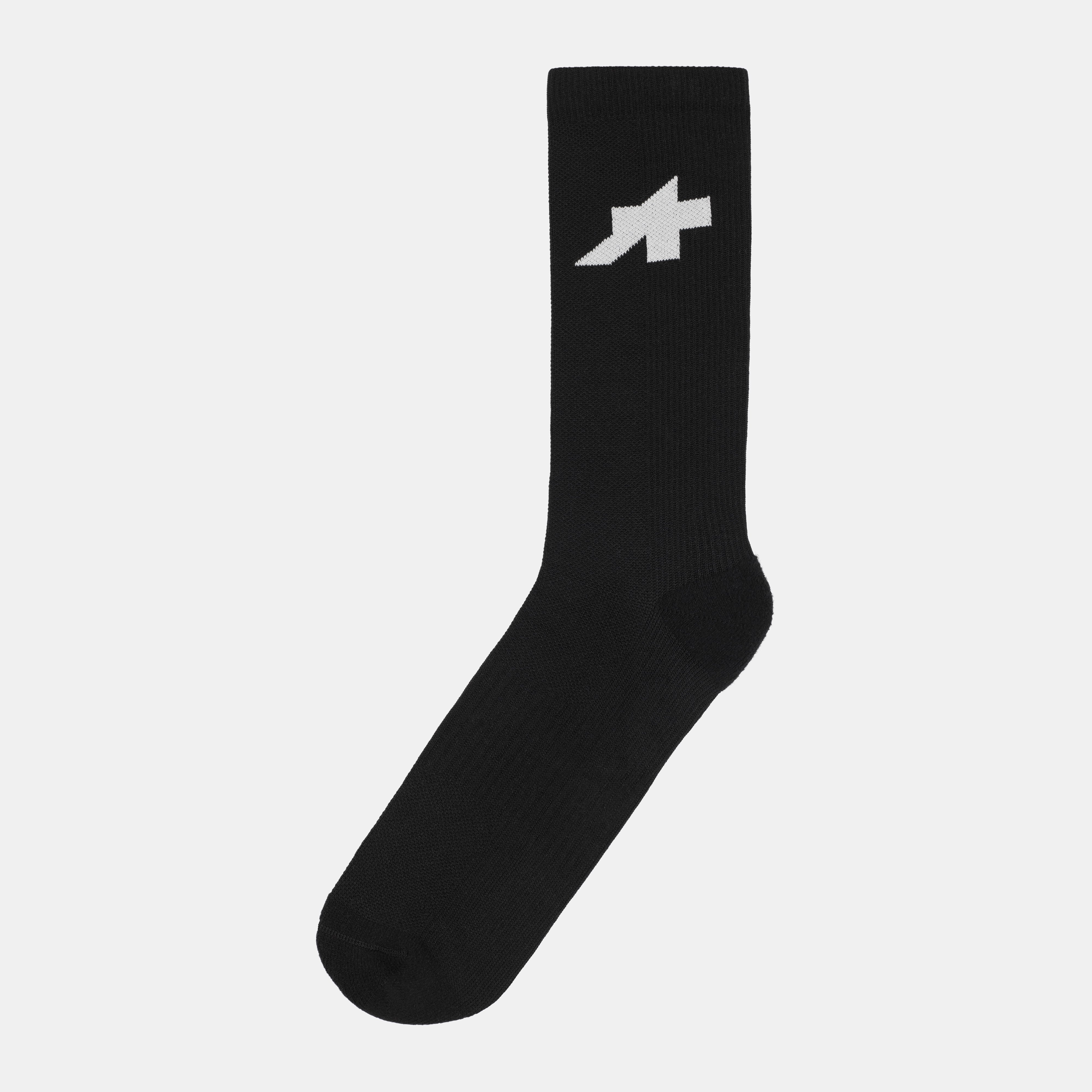
What should you look for when buying hiking socks?
Hiking socks might not look like much at first glance, but they have a huge impact on comfort, support, and overall trail feel. To make sure they do their job well, here are the main things to keep in mind when buying your next hiking socks:
Length
The shaft height (the length of the sock cuff) of your socks should be at least as tall as your hiking boots. This prevents friction and makes sure both your boots and socks fit as well as possible.Fit
Hiking socks should fit snugly without feeling restrictive. Any bunching or slipping increases the risk of pressure points and blisters. Many models are anatomically shaped or knit specifically for the left and right foot to improve the fit even further.Cushioning
Targeted padding zones at the heel, toes, and sole absorb impact and reduce friction, making each step more comfortable while protecting the high-stress areas of your foot from blisters and abrasion. Keep in mind that your socks and boots should work together here: more cushioning in one means less is needed from the other. Also consider the weight of your hiking backpack – the heavier the load, the more cushioning makes sense.Compression
Hiking socks with compression support circulation and help reduce that heavy, achy feeling in your legs. This not only helps you push through longer hikes, but also improves your stability and lowers your risk of injury. And as a bonus, your legs will recover faster after the hike.Seams
Flat or seamless toe areas are key to minimizing friction. Poorly placed seams in this spot can become uncomfortable fast.Season
Your sock choice should be suitable to the weather conditions you're heading into. Lighter, thinner options are more enjoyable in a warm climate, while thicker, heavier socks keep you cozy on cooler or alpine hikes.Material & fit of your hiking boots
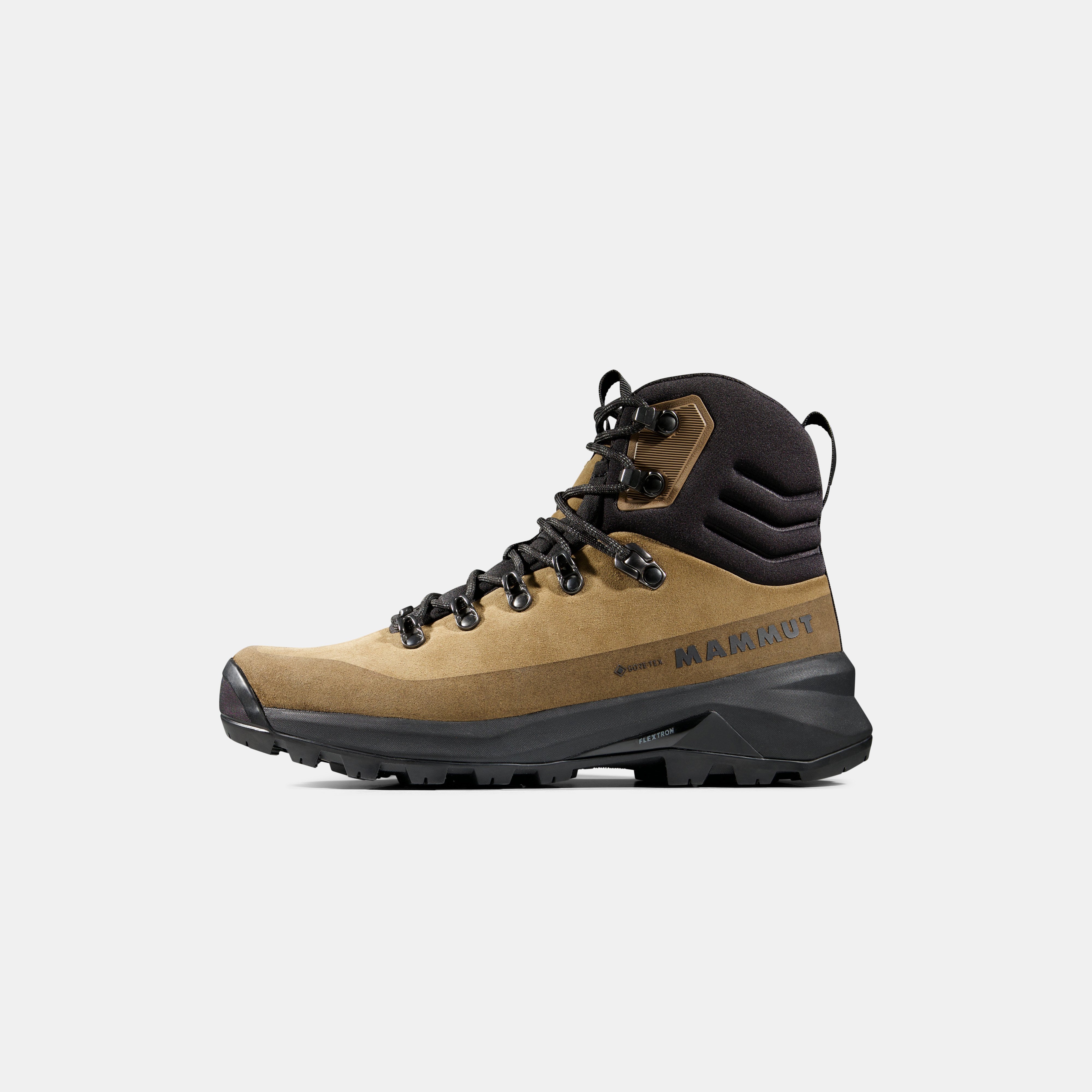
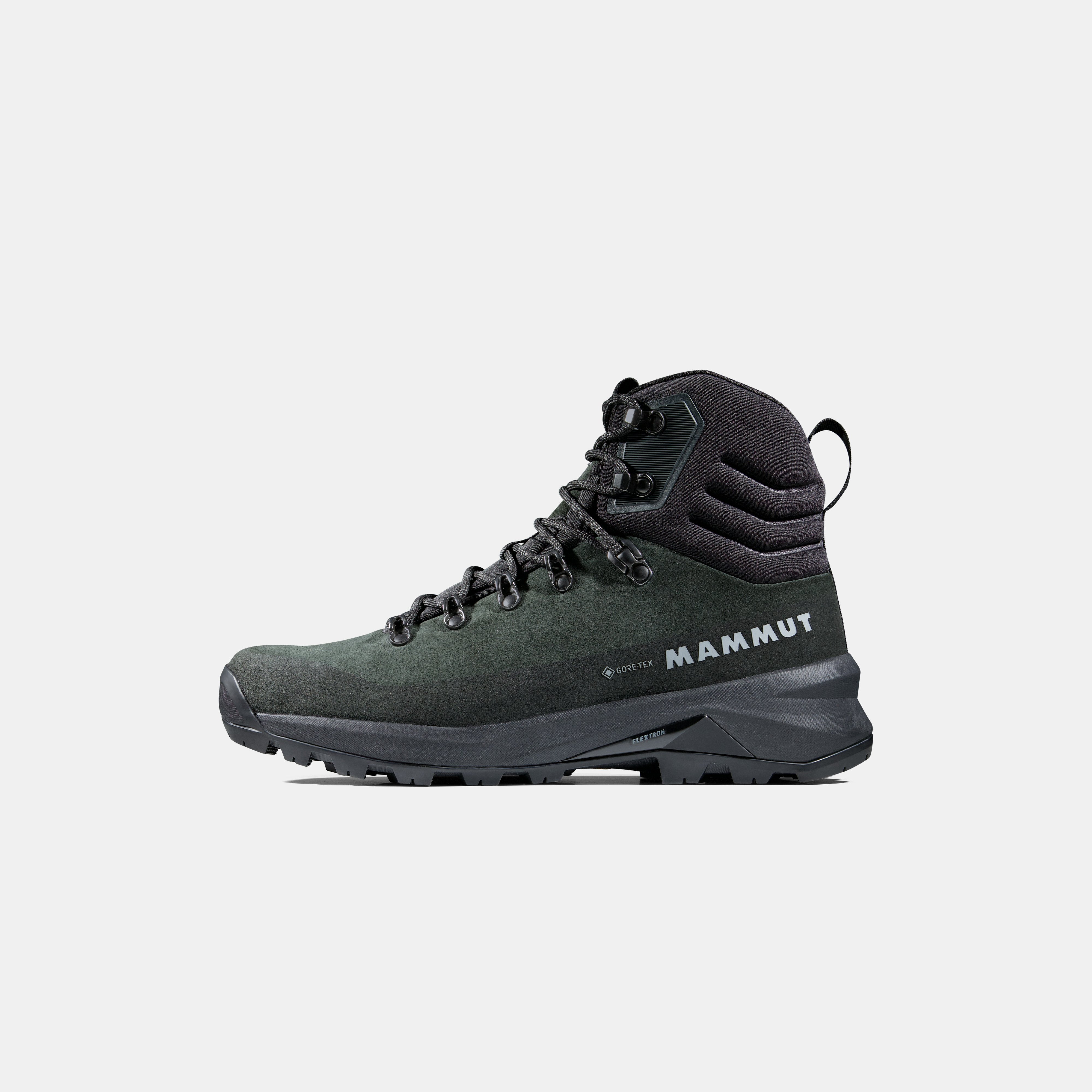
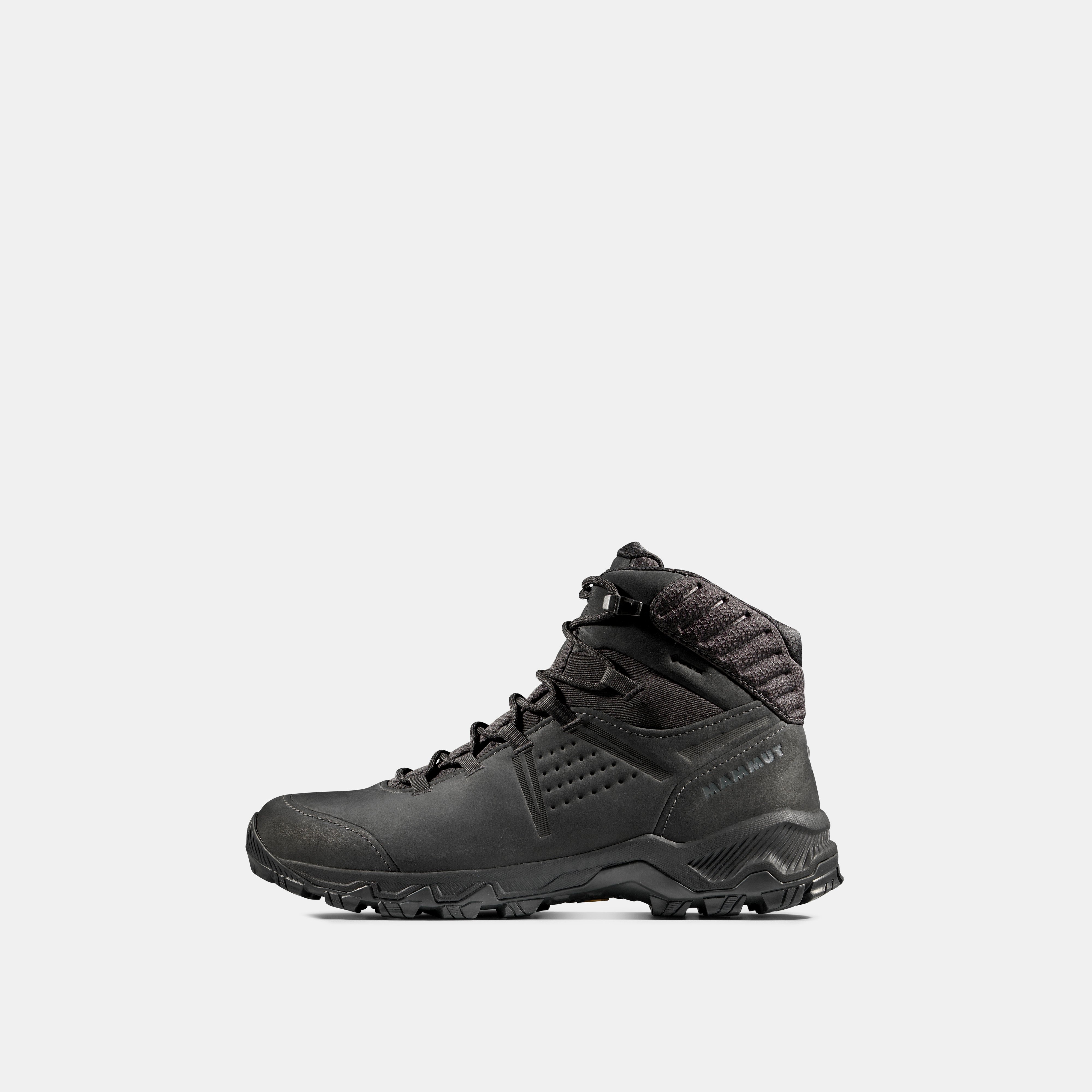
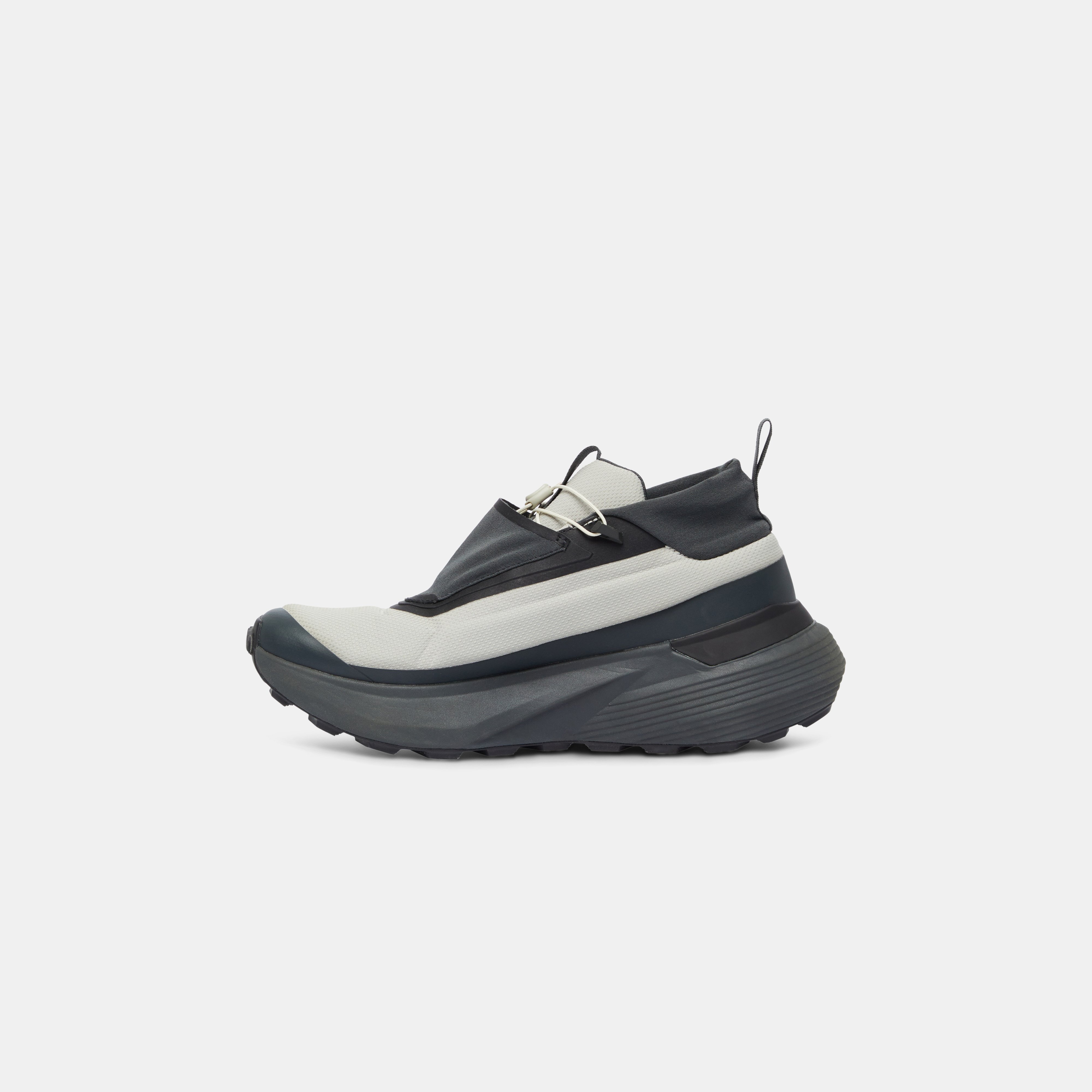
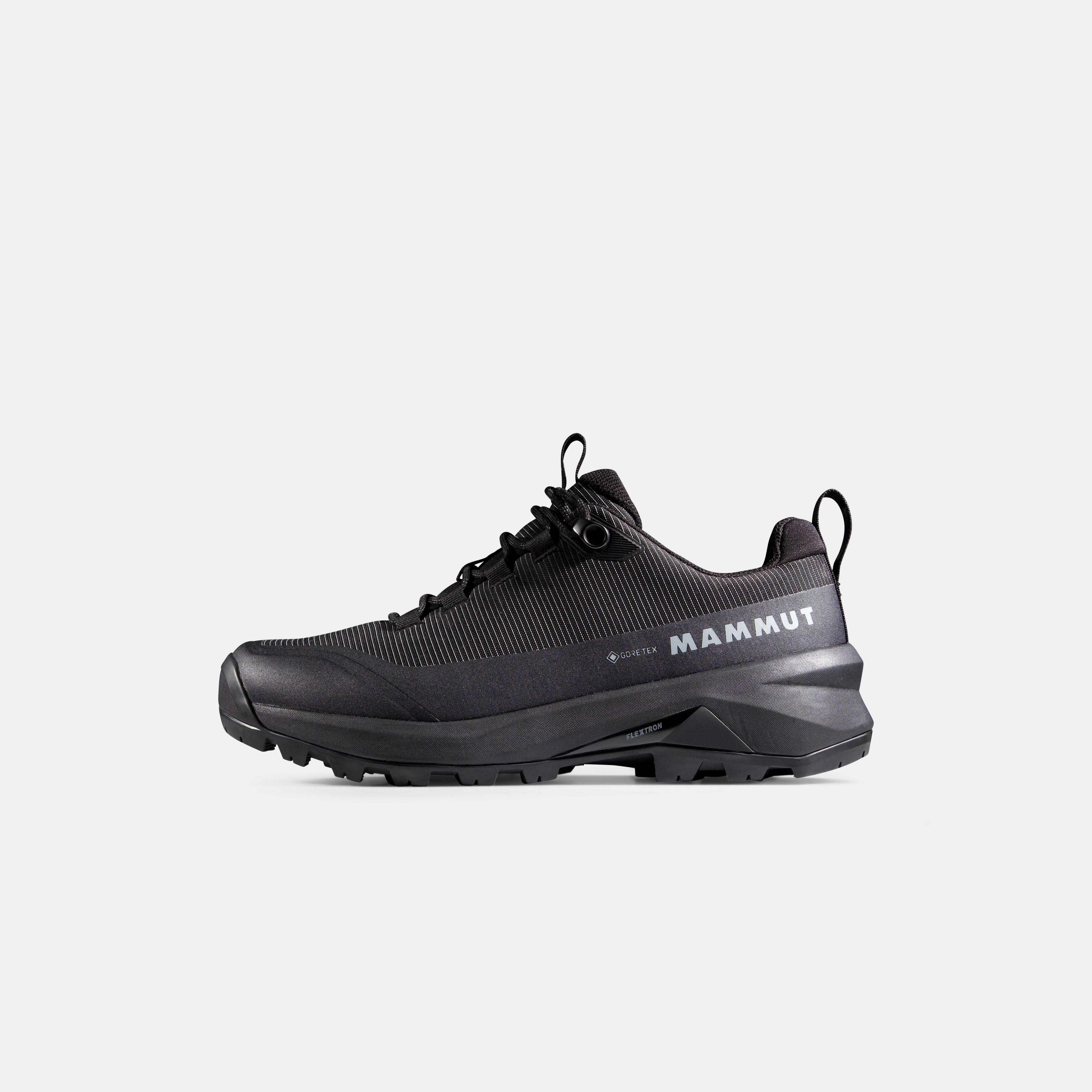
Last but not least, your socks and boots should complement each other. Here are the most relevant factors to consider when it comes to your boots:Inner lining
The interior lining affects friction, moisture management, and your overall feel. Synthetic linings dry quickly and wick moisture away – which means your socks need to efficiently move the dampness away from your foot. Leather linings release absorbed moisture more slowly, so socks that distribute it evenly are the better choice to keep your feet inside the boot consistently comfortable.Fit
Narrow-fitting boots need thinner socks so your foot doesn't feel cramped. In wider-fitting models, slightly more cushioning can improve the fit and give you extra support.Volume
The interior volume of your boot determines how much room is left for your foot and sock. High-volume boots – like those designed for longer or alpine hikes – are often built with thicker socks in mind. In lower-volume boots, a sock that's too thick can actually cause pressure points.
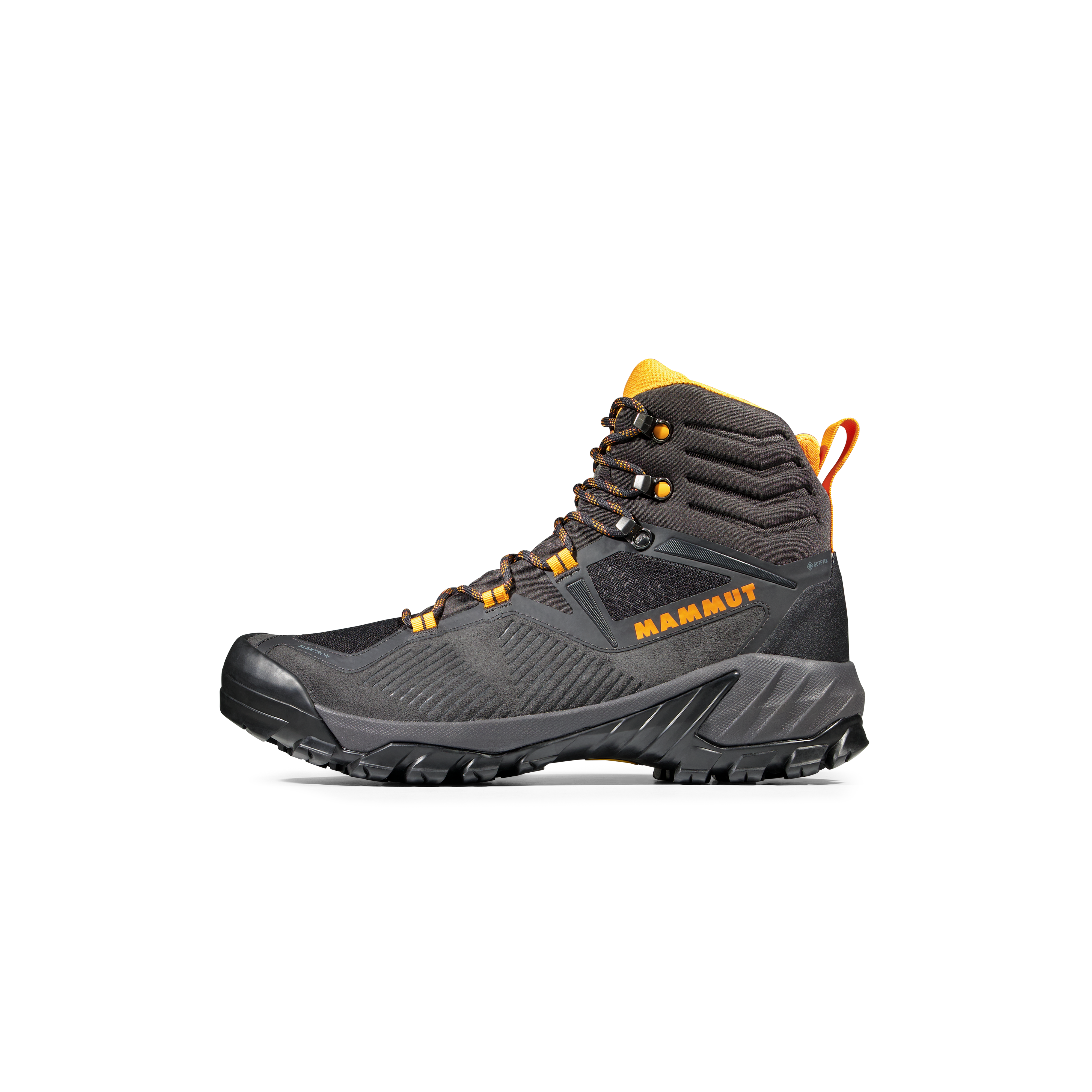
At Mammut, you can learn more about choosing the right hiking boot , as well as find tips on breaking in your boots and how to lace them correctly.
Which material is best for hiking socks?
The material of your socks plays a huge role in how they feel on your foot, how well they manage moisture, and how pleasant they stay over many miles on the trail. There's no single "best" material that works for every situation – instead, different materials come with different strengths that make more or less sense depending on the hike, intensity, and your own preferences:
Cotton
Cotton feels soft and is very common in everyday socks, but it's not a great choice for longer hikes. It soaks up moisture quickly but dries very slowly, leaving your socks damp – which is not only uncomfortable but also creates more friction and increases the risk of blisters. For short walks or light activities, cotton socks can get the job done, but for longer or more demanding hikes, they're really not ideal.
Merino wool
Merino wool is a go-to choice for hiking socks for good reasons since it offers a strong combination of functional benefits. It can absorb up to ⅓ of its own weight in moisture without feeling wet, holds its shape well, balances out temperature changes, and insulates even when damp. On top of that, merino wool is naturally antibacterial, which means it is resistant to odor and itch-free. And because merino fibers are much finer than regular wool, the fabric feels particularly soft against your skin.
Tip: When buying merino wool clothing, look for high animal welfare standards – the conditions sheep are raised and shorn under vary widely. All of Mammut's merino products, for example, are made from wool that's been sourced through verified responsible practices.
Synthetic fibers
Synthetic fibers like polyester, polyamide, or polypropylene are lightweight, durable, and dry very quickly. They efficiently wick moisture away from the foot and retain their shape even under heavy use. Hiking socks made of synthetic fibers are therefore particularly well-suited for strenuous hikes and warm temperatures. But even those who sweat a lot during easy to moderate hikes will find synthetic socks to be the perfect choice.
Blended fibers
Many hiking socks are made from a mix of different materials. Blended fibers combine the strengths of each component – for instance, pairing the comfort and temperature regulation of wool with the durability and quick-drying properties of synthetics. Elastane is often added to wool socks to provide extra compression. These kinds of material blends adapt well to a wide range of situations and preferences.
More comfort on every mile
So there you have it: hiking socks are so much more than just an afterthought. They have a real impact on how your feet feel inside your boots, how well moisture gets managed, and how comfortable you stay over miles on the trail. Choosing your socks thoughtfully – and matching them to the hike, your boots, and the conditions – can go a long way toward preventing blisters, pressure points, and fatigue, making the whole experience overall better.
Ready to gear up for your next hike? Beyond the right socks, the right hiking boots, functional hiking apparel , and a well-chosen backpack also play a key role. In our Mammut Stories & Guides , you'll find lots of helpful content on hiking – from how to choose the right hiking boots , to what you absolutely need to pack and what actually sets hardshell and softshell jackets apart . That way, you will not just be equipped perfectly, but you’ll also be fully informed – from your first step to your last break.
Frequently asked questions about choosing the right hiking socks
What's the difference between hiking socks for women and men?
The main difference comes down to the fit. Women's hiking socks tend to be cut narrower with less volume, while men's are a bit wider. These differences are based on average foot shapes.
How do you properly care for hiking socks?
Hiking socks should be washed after every hike. Use a mild detergent, skip the fabric softener, and let them air dry. Dryers, irons, and dry cleaning can damage the material and affect the fit.
Is it better to wear thin or thick socks for hiking?
That really depends on your boots, the hike, and the conditions. Thinner socks work great with lightweight boots and in warm weather, while thicker socks offer more cushioning and comfort on longer hikes.
Can you wear hiking socks for multiple days in a row?
Yes, it's possible, for example on a multi-day backpacking trip. But for comfort and hygiene, it's worth changing your socks regularly or at least giving them a good chance to air out.