


What should you wear for hiking in the fall? An outfit guide for unpredictable weather
08/26
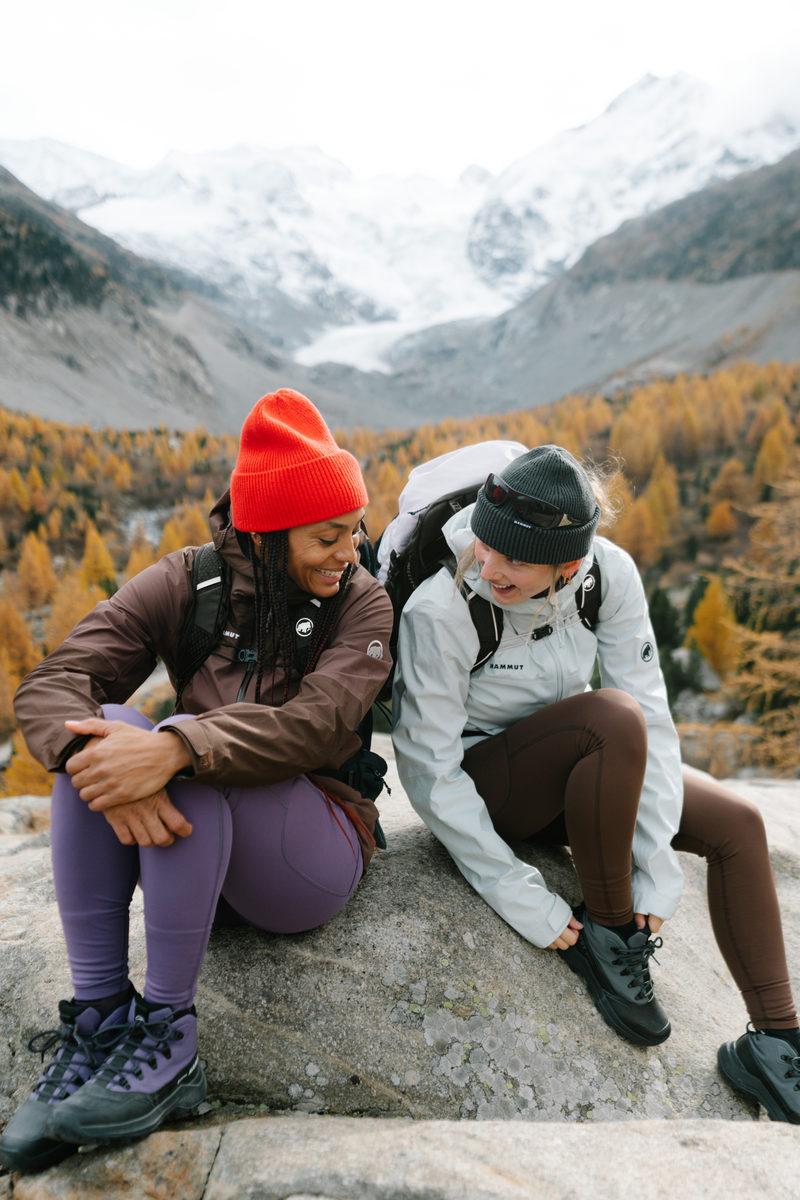
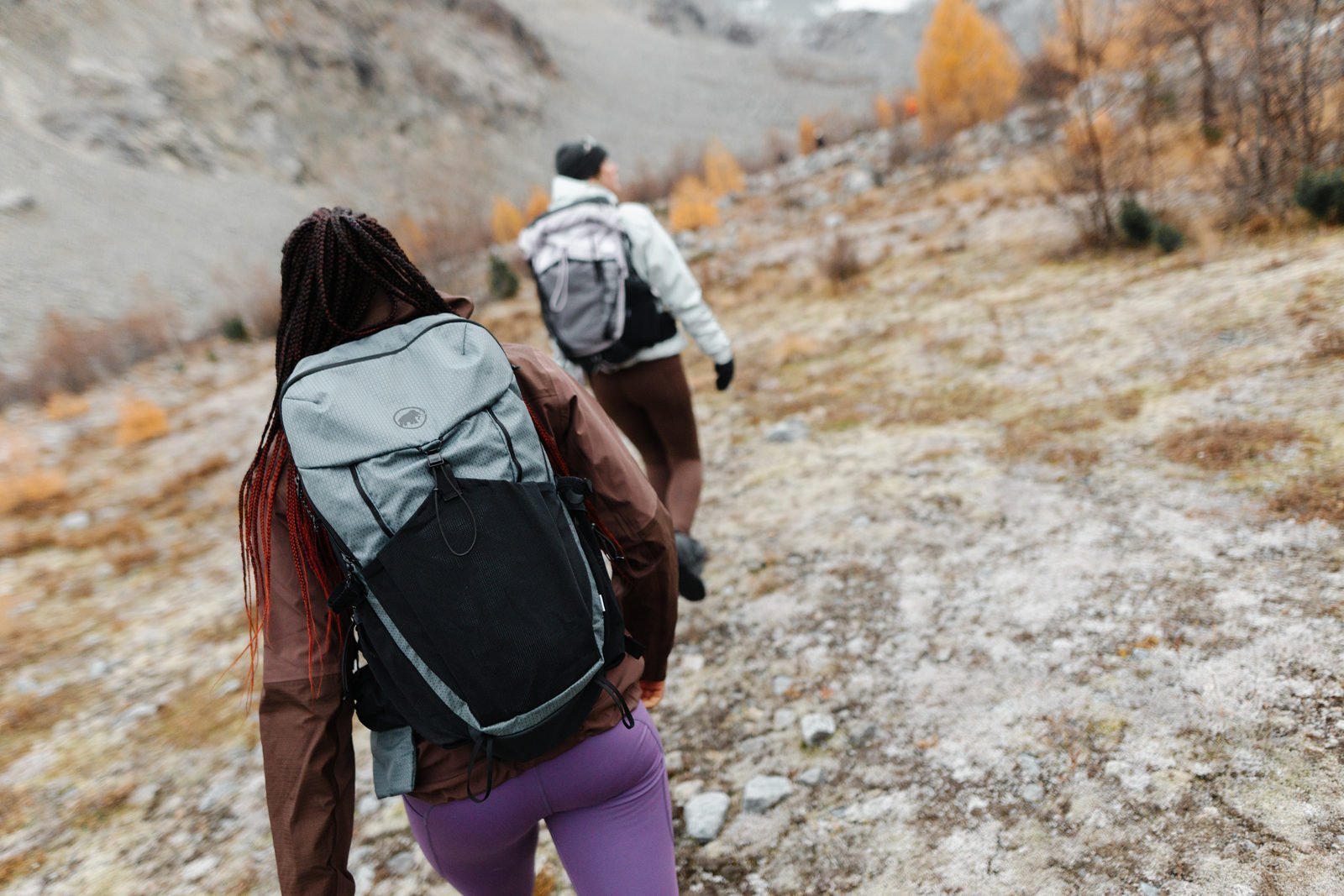
For many, fall is the best time for hiking. Colorful forests, fresh air, and the soothing feeling of change are simply unmatched. But fall plays by its own rules: In the morning, you’ll be freezing on the ascent; at noon, you’ll be sweating at the summit; and that rain shower that catches you off guard was definitely not in the forecast. Above 1,500 meters, there might even be snow, which isn’t uncommon in October. The good news? With the right gear, none of this is a problem. Here we’ll explain what’s best to wear for hiking in the fall so you can fully enjoy your time outdoors.
The most important criteria for your hiking attire in fall
What makes for a good hiking outfit in the fall can be broken down into a few basic characteristics. When choosing the right hiking clothes between September and November, you should consider the following features:
Your clothes should be easy to put on and take off, that way, you’ll stay flexible while you’re out and about.
They need to regulate moisture so your skin stays as dry as possible.
Look for quick-drying materials, because soaked clothes will cause you to cool down quickly.
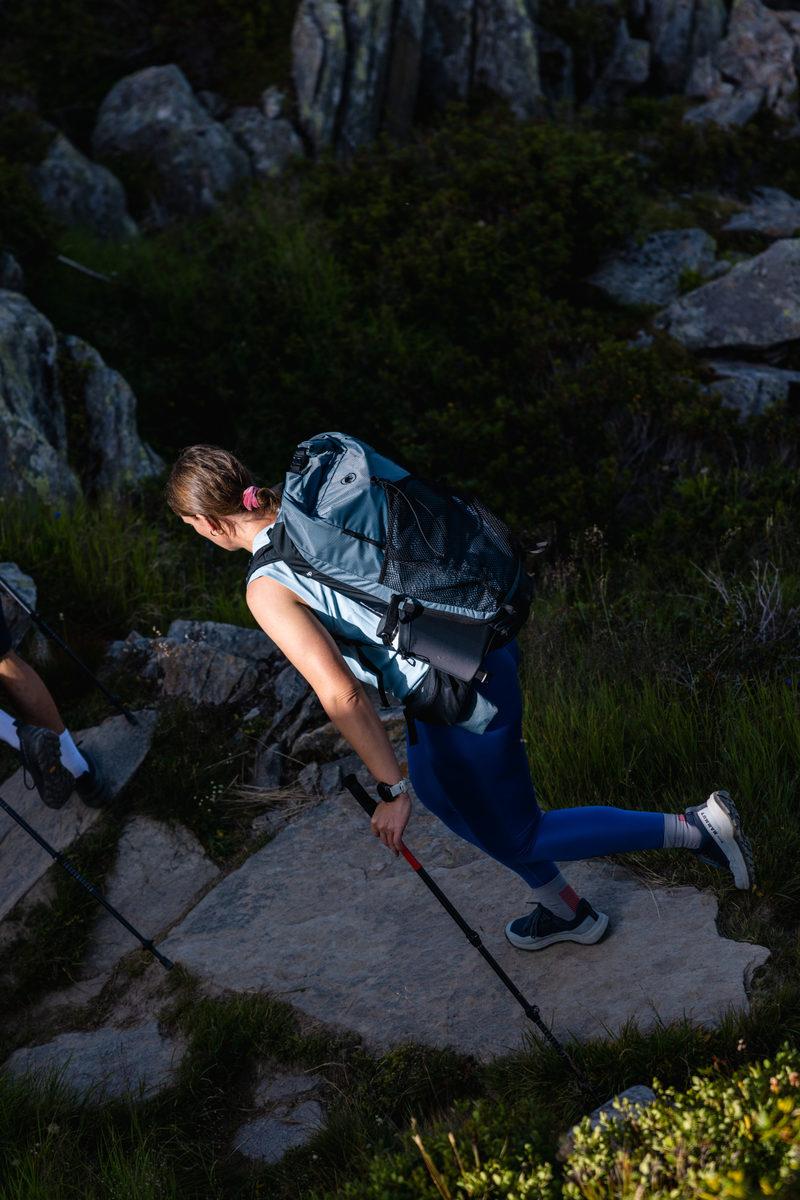
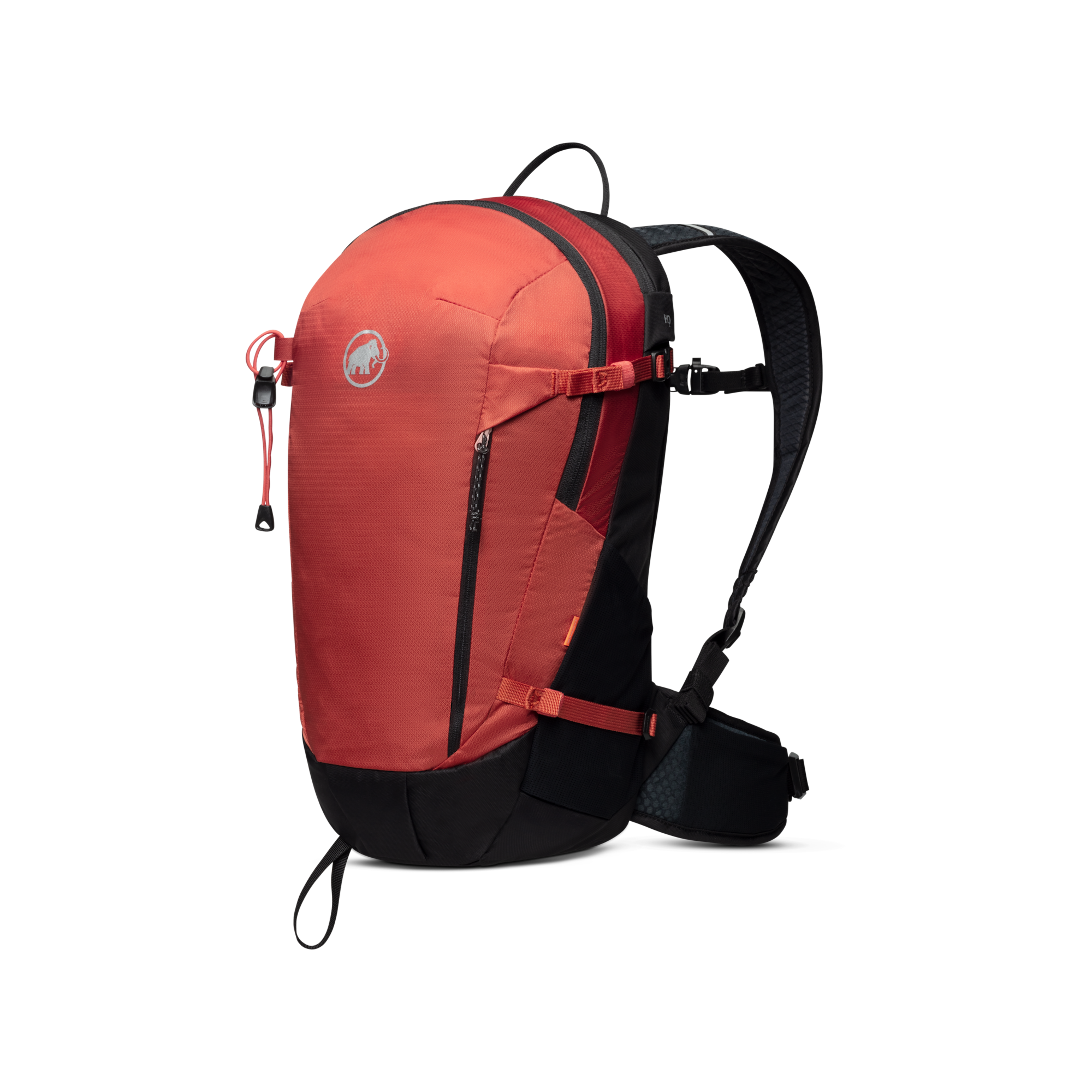
Being able to compress the clothes is another important factor: Anything you don’t need right away should fit easily into your hiking backpack .
Layer by layer: fully prepared for any weather
The so-called layering system is essential in the fall. Instead of a single thick jacket , you should wear multiple thin layers that you can add or remove depending on the temperature and your level of activity. Here's how it works:
How to layer outerwear properly
Base layer: The base layer’s primary function is to keep your skin dry. Baselayer tops made of merino wool are an ideal choice, as they naturally regulate body temperature and remain comfortable even after strenuous climbs. At Mammut, you’ll also find shirts made from the unique Polartec® Power Dry™ fabric, which dries exceptionally quickly and ensures maximum comfort.
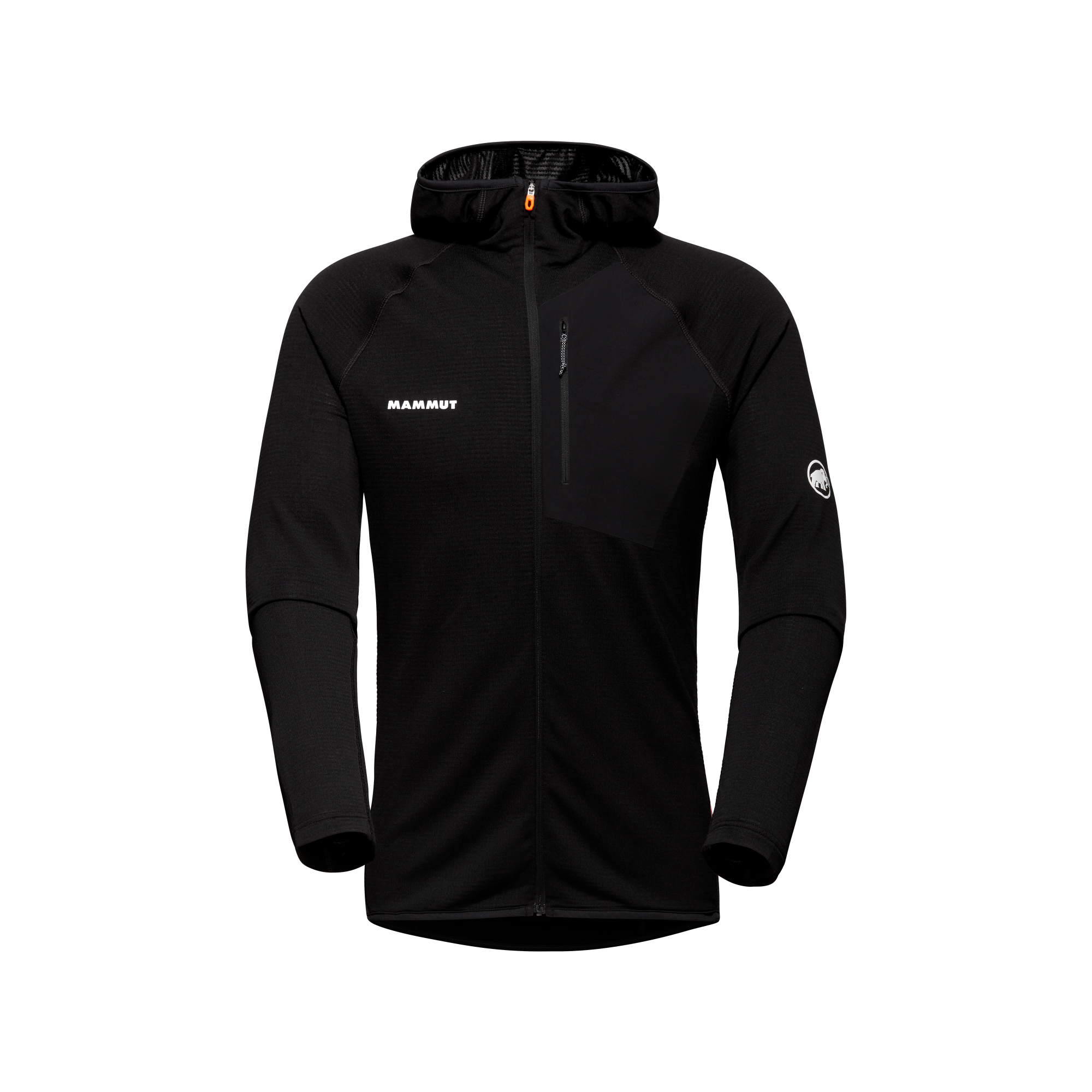
Midlayer: Next comes a warming layer. Sweaters or fleece jackets are particularly well-suited as midlayer tops since they’re cozy and warm, yet breathable.
Insulation Layer: Whether you’ll need an insulating layer depends largely on your hike, for example, when there are sections with snow. Generally speaking, though, it’s a good idea to have at least one insulating top ready to grab in your backpack, just in case temperatures drop unexpectedly. Our lightweight DRY DOWN jackets are ideal for this; their water-repellent material also makes them a great choice in the rain .
Shell: The outermost layer provides direct protection from the elements. In the fall, a waterproof hardshell jacket is a must. It’s best to opt for tried-and-true GORE-TEX technology, which keeps you dry during sudden changes in the weather. A more affordable yet equally reliable option is a jacket featuring Mammut’s own waterproof hardshell technology Mammut DRY, which comes in three levels (Tour , Active and Expedition ) and offers the best features according to your activity. Other benefits include details such as a well-fitting hood, taped seams, and pockets that keep your cell phone dry, for example.
The right hiking pants: What to look for
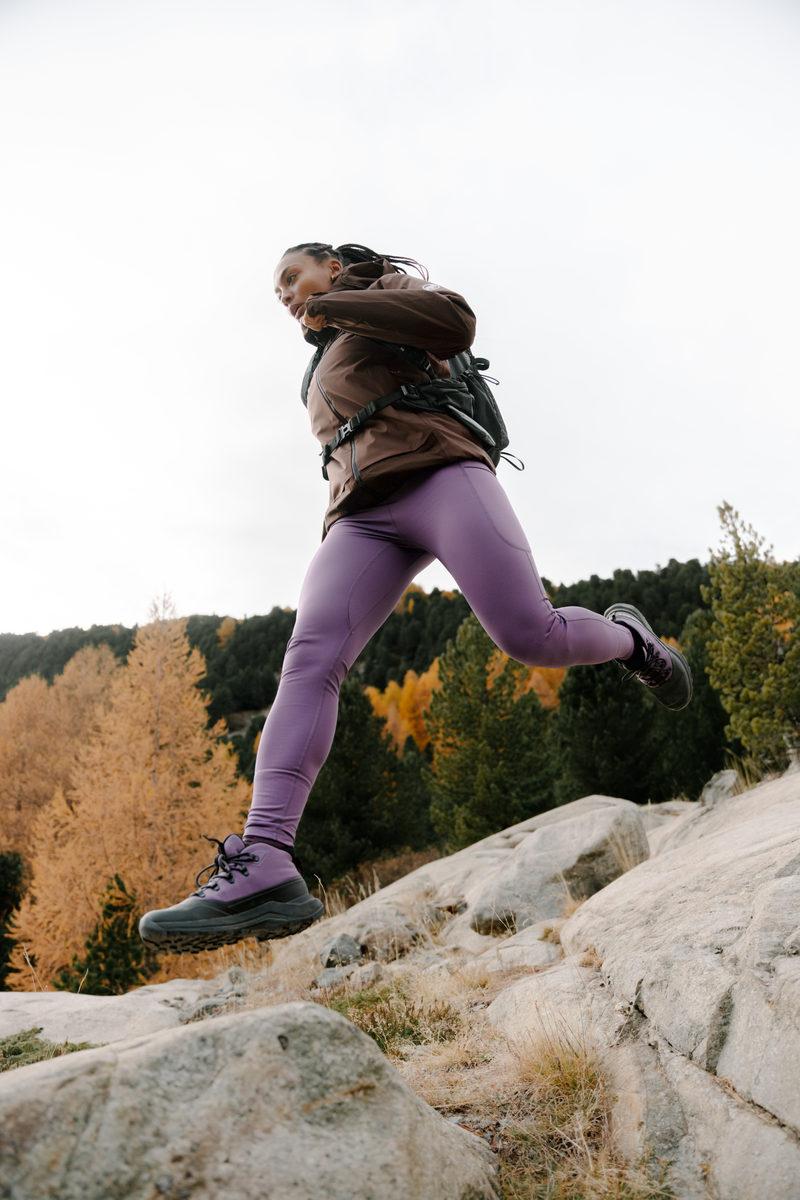
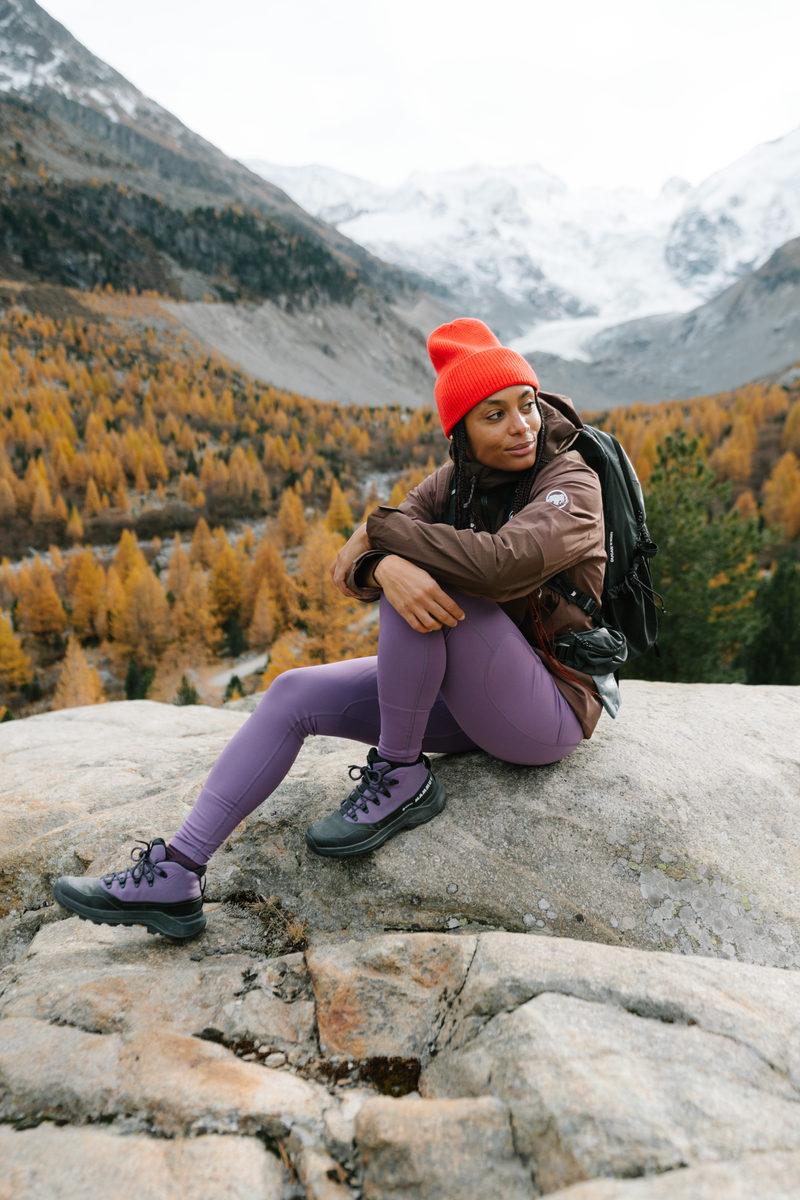
Damp grass, wet leaves, and occasional rain showers are not uncommon on a fall hike. This makes it all the more important that your hiking pants can withstand these challenges. Durability, a breathable fabric, and a water-repellent DWR coating are therefore essential. Equally important is some stretch, so you can move freely on the trail. If cooler temperatures are expected, simply opt for a fleece-lined pair or wear thin tights underneath. In early fall, when it can still get really warm around noon, zip-off pants with zippers at the knees, so they can be converted into shorts in a flash, are a practical option.
Footwear for slippery trails
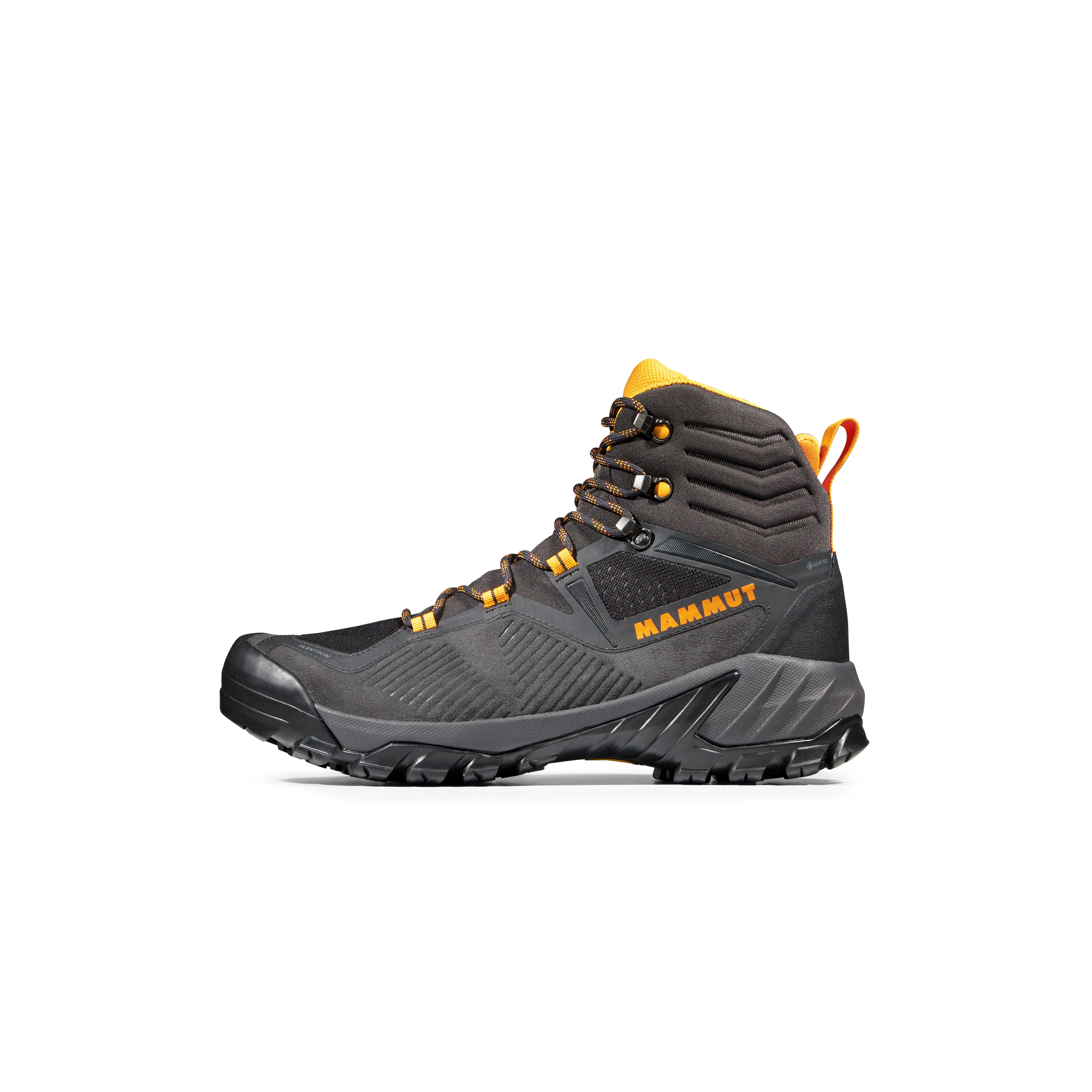
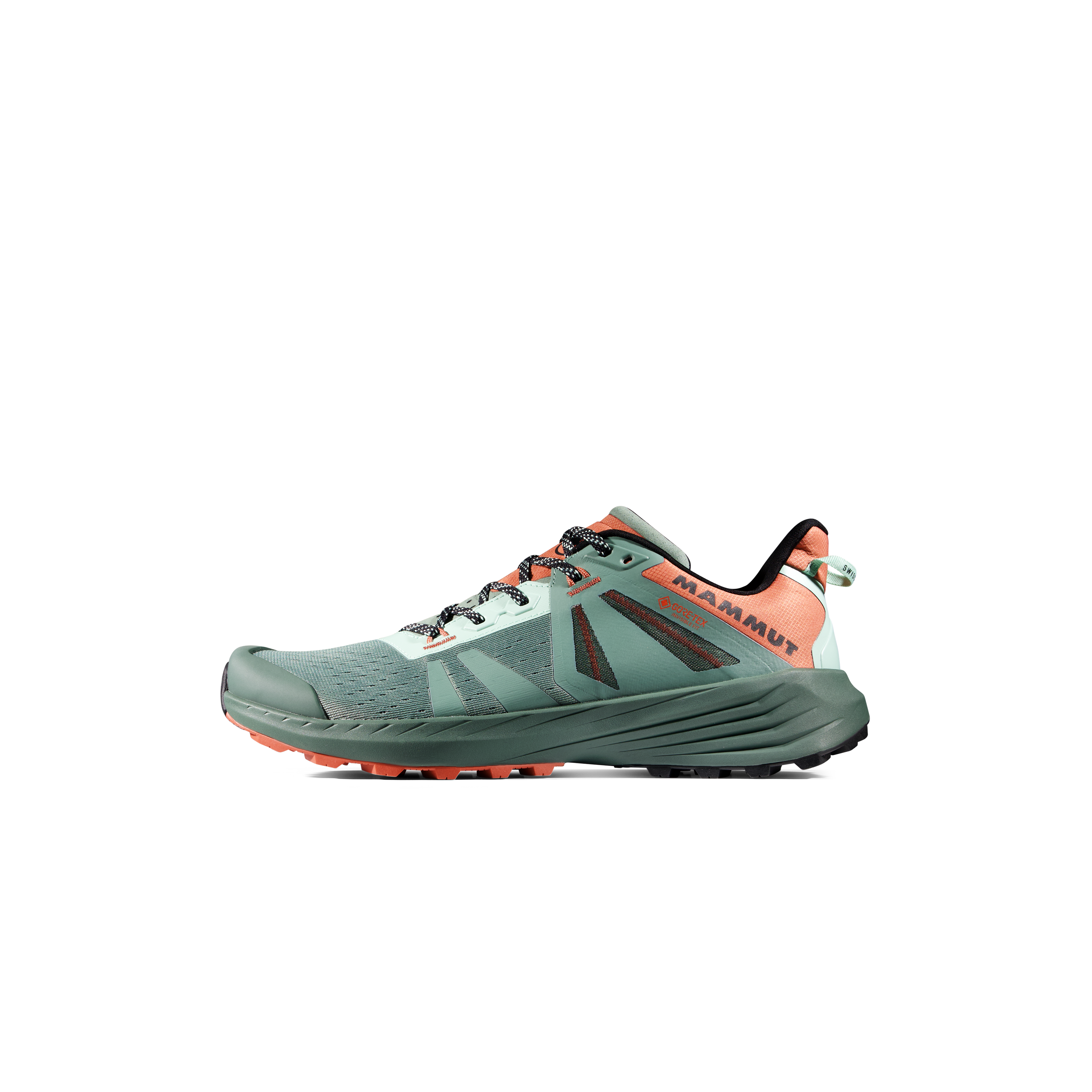
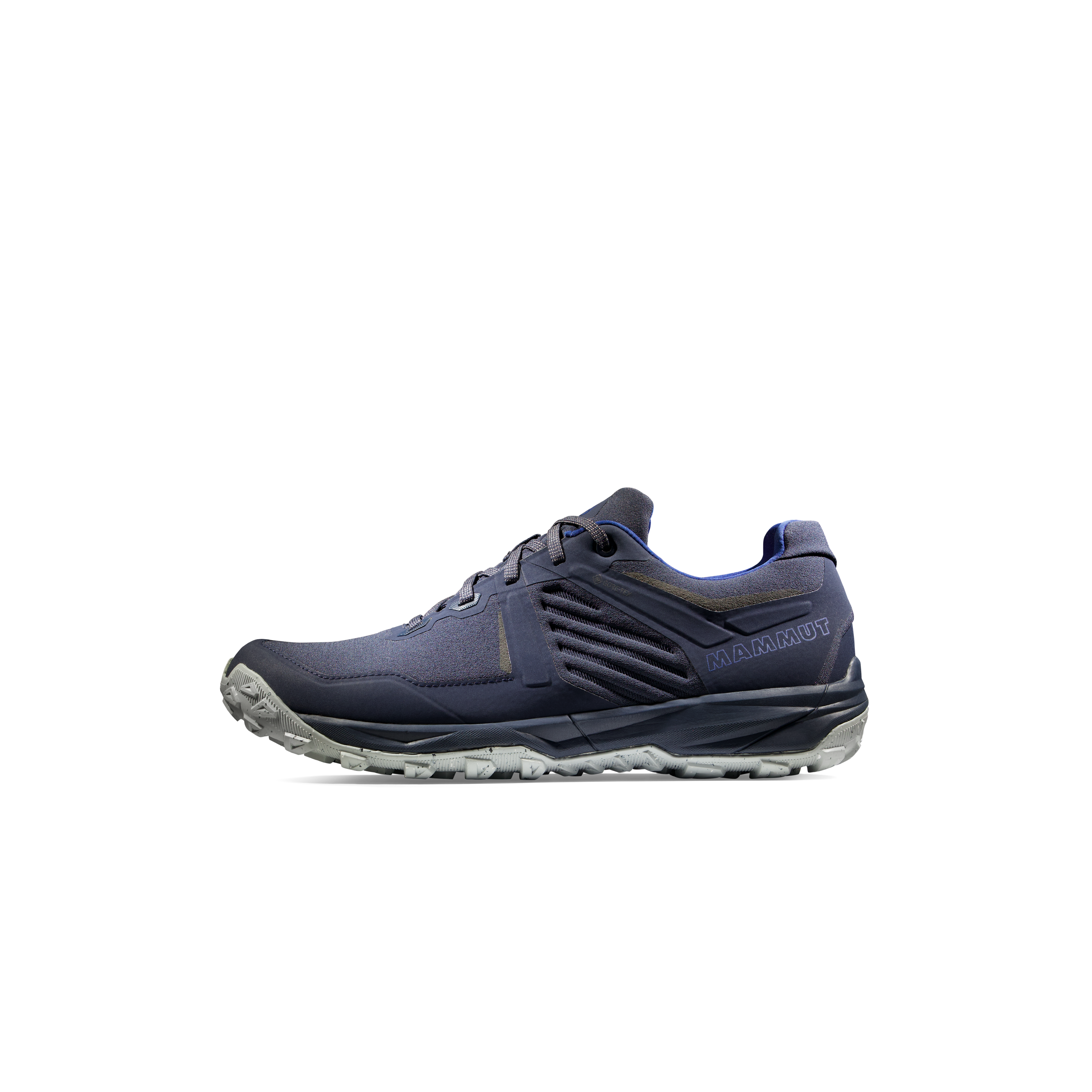
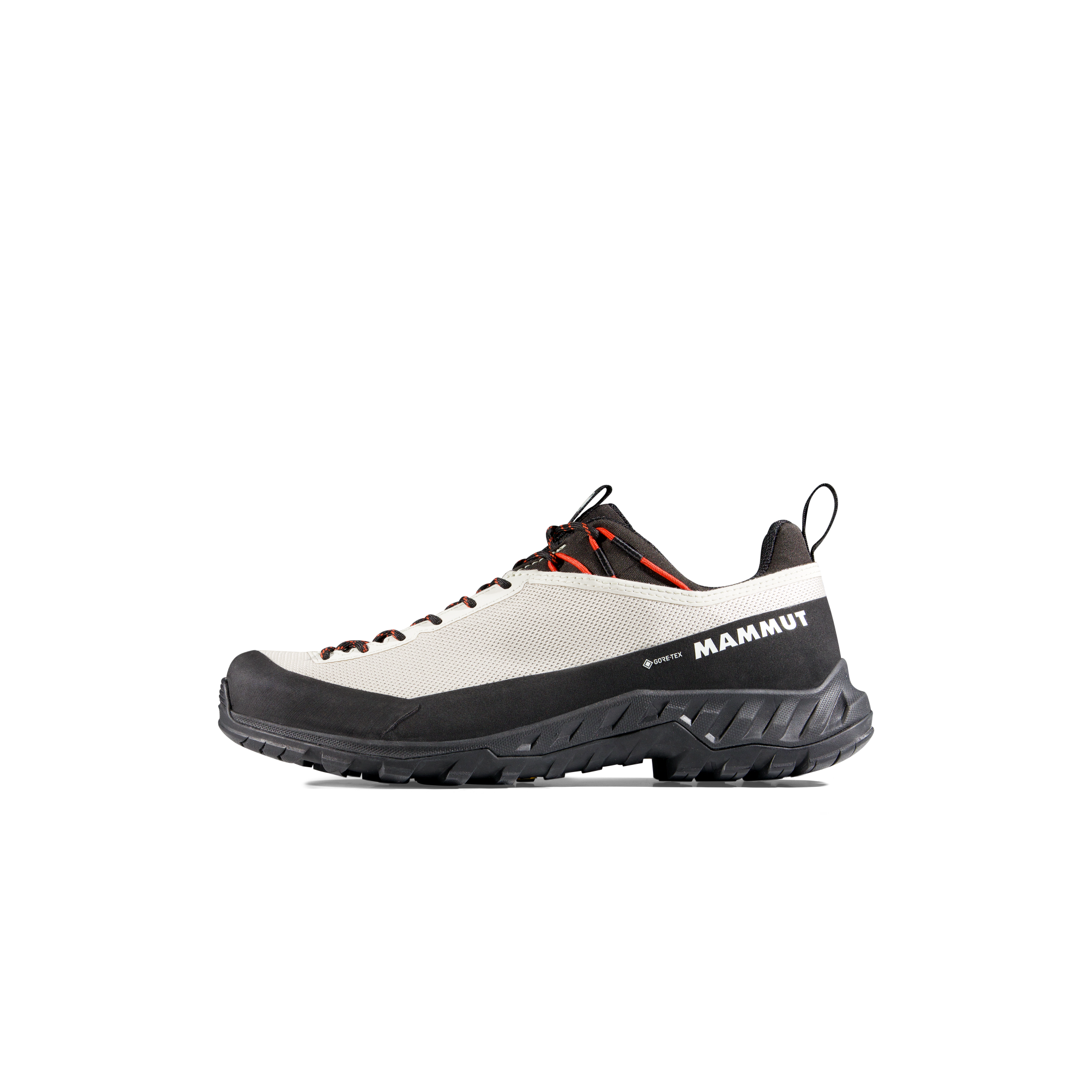
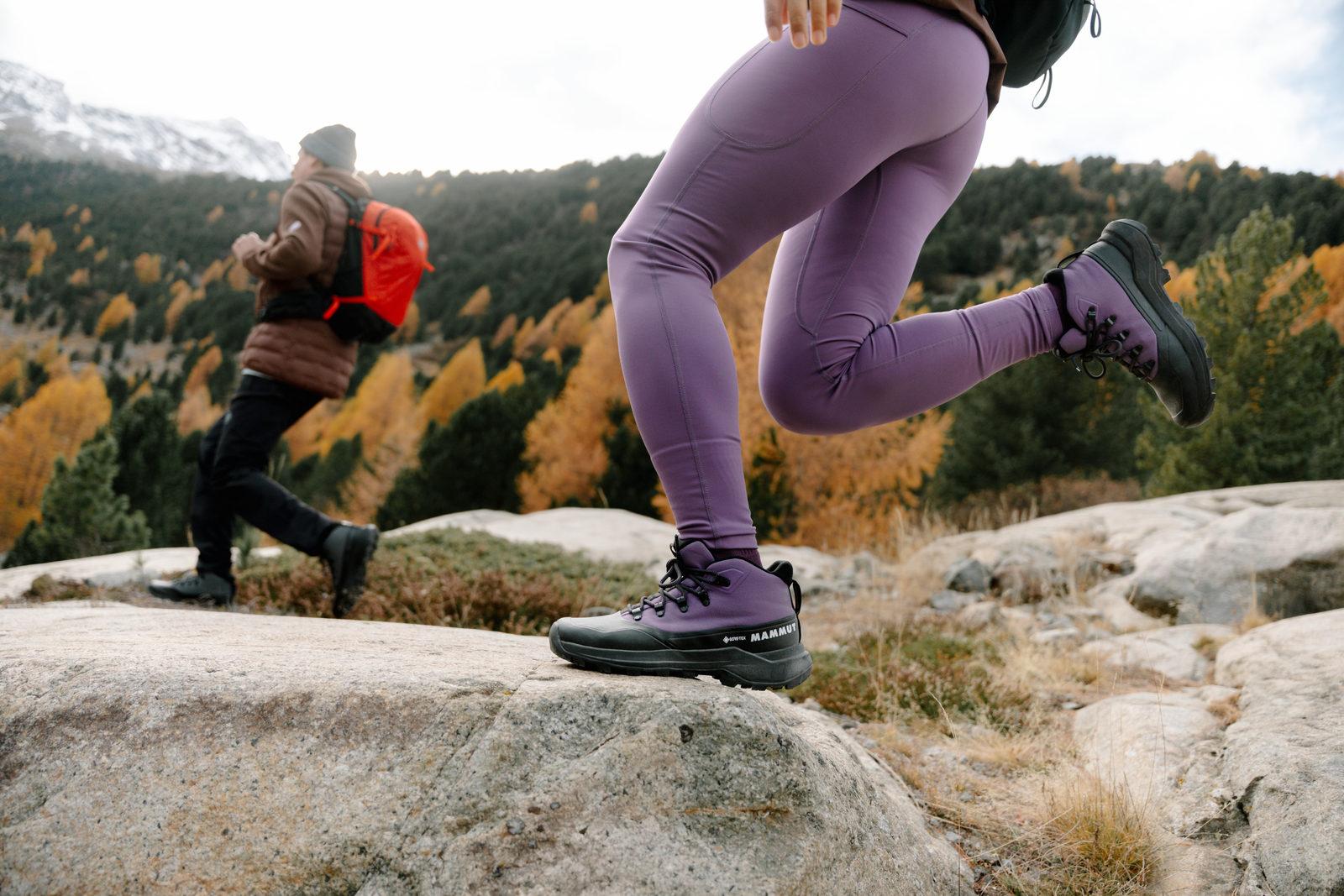
Hardly any other piece of clothing has such a big impact on safety and comfort in the fall as hiking boots . As soon as temperatures drop and the trails get wet, it quickly becomes clear whether your footwear is up to the task or not. When choosing boots, reliability depends on the material or whether the model is waterproof . Outdoor enthusiasts therefore often opt for hiking boots with a GORE-TEX membrane . After all, wet feet are the last thing you need on your hike.
Equally important is a grippy sole with a deep profile so you don’t lose your footing on wet surfaces. The Vibram soles used in many Mammut models set the standard here. For hikes in challenging terrain, a higher shaft is also recommended. It provides additional stability for your ankle on uneven terrain and protects against twisting your ankle. If your route goes beyond classic hiking trails, consider getting some mountaineering boots .
Tip: Hiking socks made with merino wool are a good choice any time of the year. Just make sure to always try on your hiking boots with the right socks so that nothing rubs or pinches later on when you’re breaking them in .
What accessories are a must-have for a fall hike?
Beanies or headbands : In the fall, temperatures can drop quickly (for example, at the summit or when it's windy).
Gloves : Thin gloves take up hardly any space, but they keep your fingers nice and warm.
Neck warmers : Versatile, lightweight, indispensable—and they can even double as an emergency hat.
Headlamp: If you're hiking in the fall, you should always have one with you, especially when the days are already very short.
Reflectors: Useful on busier trails, forest roads, or in recreational areas at dusk (e.g., as part of your clothing itself, such as in the Aenergy Trail Running Collection, or as a tag attached to your backpack).
Backpack rain cover: Provides extra protection for the contents of your backpack against moisture and can be stowed away compactly.
That’s how you make the most of fall hiking
A well thought out outfit makes the difference between a hike you’ll remember and one you’d rather forget. But with flexible layers, the right shoes , and a few practical accessories , you’ll be ready for whatever the fall weather has in store.
By the way, after your hike, it’s worth taking proper care of your hiking boots – our guide covers everything you need to know. And as fall turns to winter and temperatures continue to drop, our article on winter hiking gear will show you how to stay properly equipped even during the colder season. And if you’re still undecided about whether to hike with or without poles, we’ve taken a closer look at that topic for you, as well.
Frequently Asked Questions (FAQs)
Question: Which jacket is the best choice in fall?
Answer: The combination of a hardshell jacket and a midlayer is most flexible in fall. The hardshell jacket protects against rain and wind, the midlayer provides the necessary warmth. Depending on temperature and activity, you can mix and match the layers or remove them as needed.
Question: Are gaiters useful in fall?
Answer: Yes, gaiters are especially useful on wet, muddy, or snow-covered trails.
Question: At what temperature do I need an insulation layer?
Answer: As a rule of thumb: below 10°C or during rest breaks, you should have a fleece or insulation jacket within reach. In higher elevations, temperatures can drop quickly even on sunny fall days. It's better to pack one layer too many than one too few.
Question: What do I wear if a fall hike also involves snow?
Answer: For clothing, a warming merino baselayer is recommended, a down jacket as an insulationlayer, and a windproof hardshell jacket over that. Add insulated gloves and a beanie. Your hiking boots should have a grippy sole and be made of waterproof material.