



What is an ultra trail and what do you need for it?
01/26

Ultra trails are considered the ultimate discipline in trail running. These races take runners across long distances and through challenging terrain with significant elevation changes. But what exactly defines an ultra trail? And what kind of gear, mindset, and physical preparation do you need to successfully tackle such a challenge? In this guide, you’ll learn everything you need to know— from the definition to tips for training, nutrition, and the right gear. On top of that, we’ll also take a look at Mammut's trail running equipment to help support you throughout your next ultra trail adventure.
What is an ultra trail?
An ultra trail is a cross-country run that exceeds the classic marathon distance of 42.195 kilometers (26.2 miles). Typically, these runs cover a range between 50 and 170 kilometers (31 to 105 miles), with some races covering even more ground. The long distance is characteristic for this type of run as much as the terrain itself: steep ascents and descents, single trails, gravel roads, root passages, or snowfields can all be part of the route. Well-known examples are the UTMB (Ultra-Trail du Mont-Blanc) or the Western States Endurance Run.
Ultra trails will put the most experienced runners to the ultimate test – requiring endurance, mental strength, tactics, and smart equipment choices. As a result of these multi-faceted conditions, careful preparation is key.
Key requirements for ultra trail runners
Endurance: Being on the move for several hours or even days at a time requires exceptional basic endurance.
Mental strength: Fatigue, self-doubt, and low points are all part of the journey. A strong mindset helps you push through.
Adaptability: Weather changes, nighttime running, and difficult terrain require you to stay flexible at all times.
Self-sufficiency: When covering long distances, fuel and hydration strategies need to be strategically planned in advance.
Training for an ultra trail
Training for an ultra trail differs significantly from classic marathon training. It’s less about pure speed and more about endurance, the ability to successfully deal with fatigue, and preparing for rugged terrain:
Long runs: Weekly runs of 30-50 kilometers (18-30 miles) are crucial to give your body the time to get used to the strains of long distance runs. Ideally, you’ll also train on different surfaces – from wooded to alpine trails.
Elevation training: Running uphill and downhill puts a particular strain on muscles and joints. Special training strengthens the thigh muscles and prevents injuries. As many ultra trails will eventually take you up to the mountains, acclimatization to higher altitudes is vital: training in the mountains ahead of the run allows your body to get used to performing even when the air is getting thinner.
Back-to-back runs: Doing long runs on two consecutive days simulates race fatigue and builds both physical and mental resilience.
Strength training: Core stability, leg strength, and coordination are key. Squats, planks, and plyometrics will go a long way in improving your running efficiency.
Mental training: Visualization, breathing exercises, and positive self-talk can make all the difference during tough moments. Practicing night runs or running in poor weather helps to build mental resilience.
Recovery and periodization: In addition to regular sessions of high-intensity training, your body needs sufficient recovery time. A clearly structured training plan with weeks for rest and recuperation will ensure you continuously improve – and avoid injuries.
Nutrition
Proper fueling is essential to finish an ultra trail. Carbs, electrolytes, and sufficient fluids are non-negotiable:
Before the run: Eat carb-rich food, fill your reserves, and opt for easily digestible meals. Carbo-loading — a targeted strategy which maximizes carbohydrate reserves in the muscles by increasing your intake of rice, pasta, or oatmeal several days before the competition — can also help to replenish your energy reserves.
During the run: Gels, bars, dried fruit, or sports drinks provide that quick boost of energy, while bananas or isotonic drinks help prevent cramps. For long ultra trails, you’ll ideally alternate between sweet and salty snacks to help your stomach with digestion. When running at high altitudes or in cold weather, your body’s demands for energy are also going to increase — so eat small portions regularly.
Hydration: A clearly defined drinking plan is crucial. Small, regular sips are better than drinking large amounts at random intervals. At high altitudes or in hot weather, fluid requirements can increase significantly – soft flasks or will help you keep on top of hydration.
After the run: Proteins and carbohydrates support recovery. A ratio of about 3:1 – carbohydrates to protein – is the generally accepted standard. Fluids and electrolytes should also be replenished.
Proven nutrition strategies when training are a must – race day is not the time for experimenting. If you frequently train in the mountains, make sure to also test your nutritional strategy there, as your digestion and energy consumption may be different than usual when you’re at a higher altitude.
Equipment: What do you need for an ultra trail?
In addition to physical fitness, the right equipment is crucial for your safety and success. Many races require specific equipment, which also needs to adapt to the weather conditions.
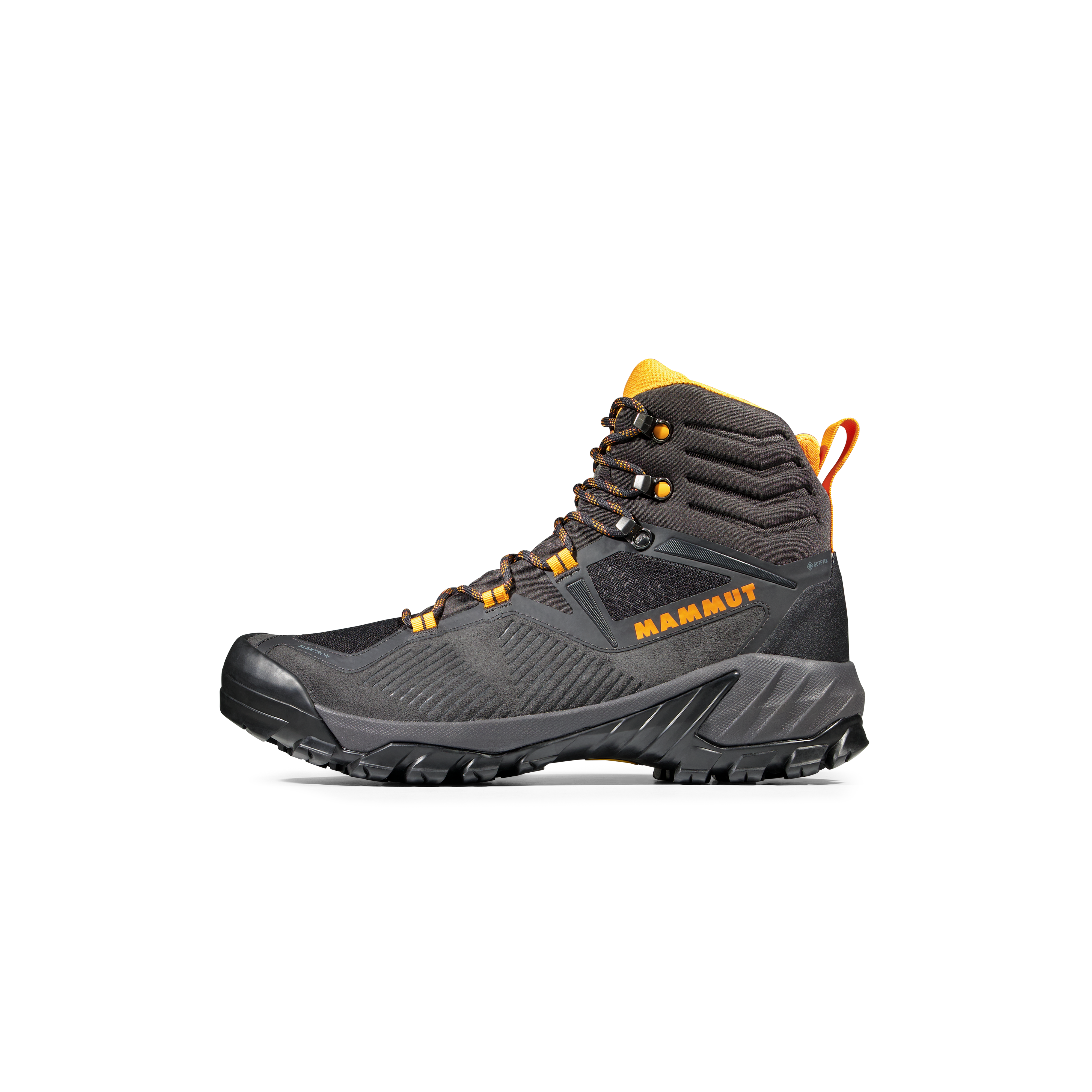
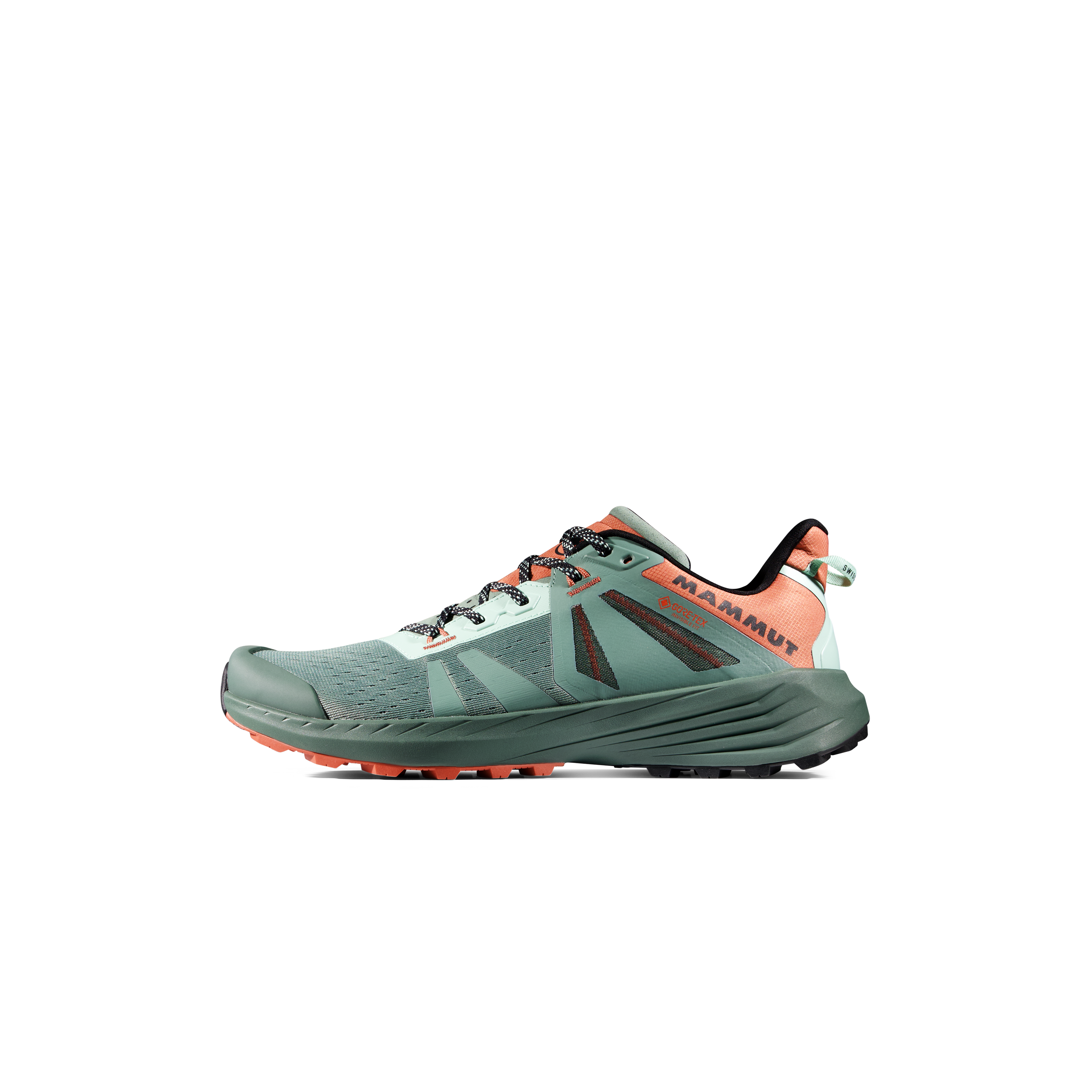
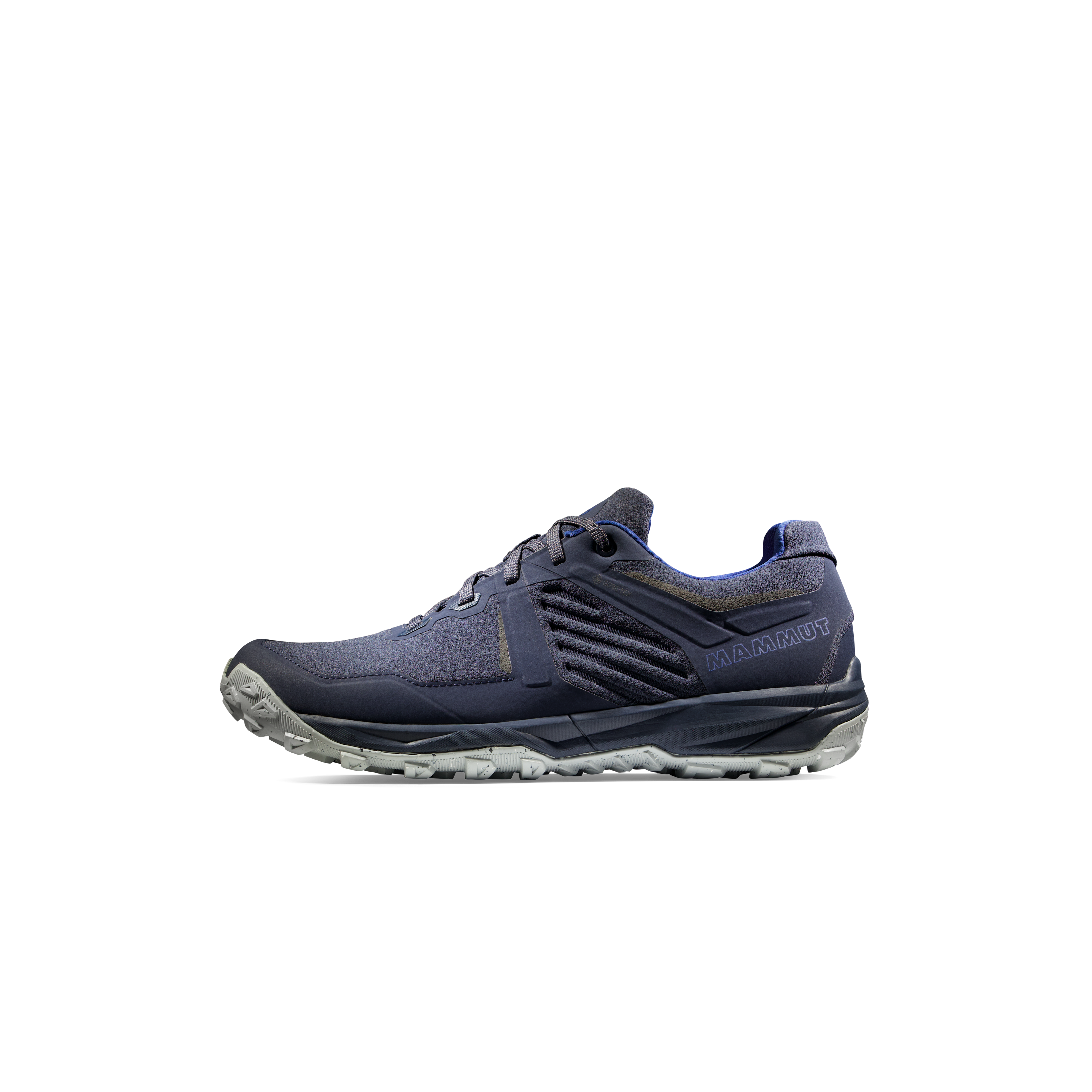
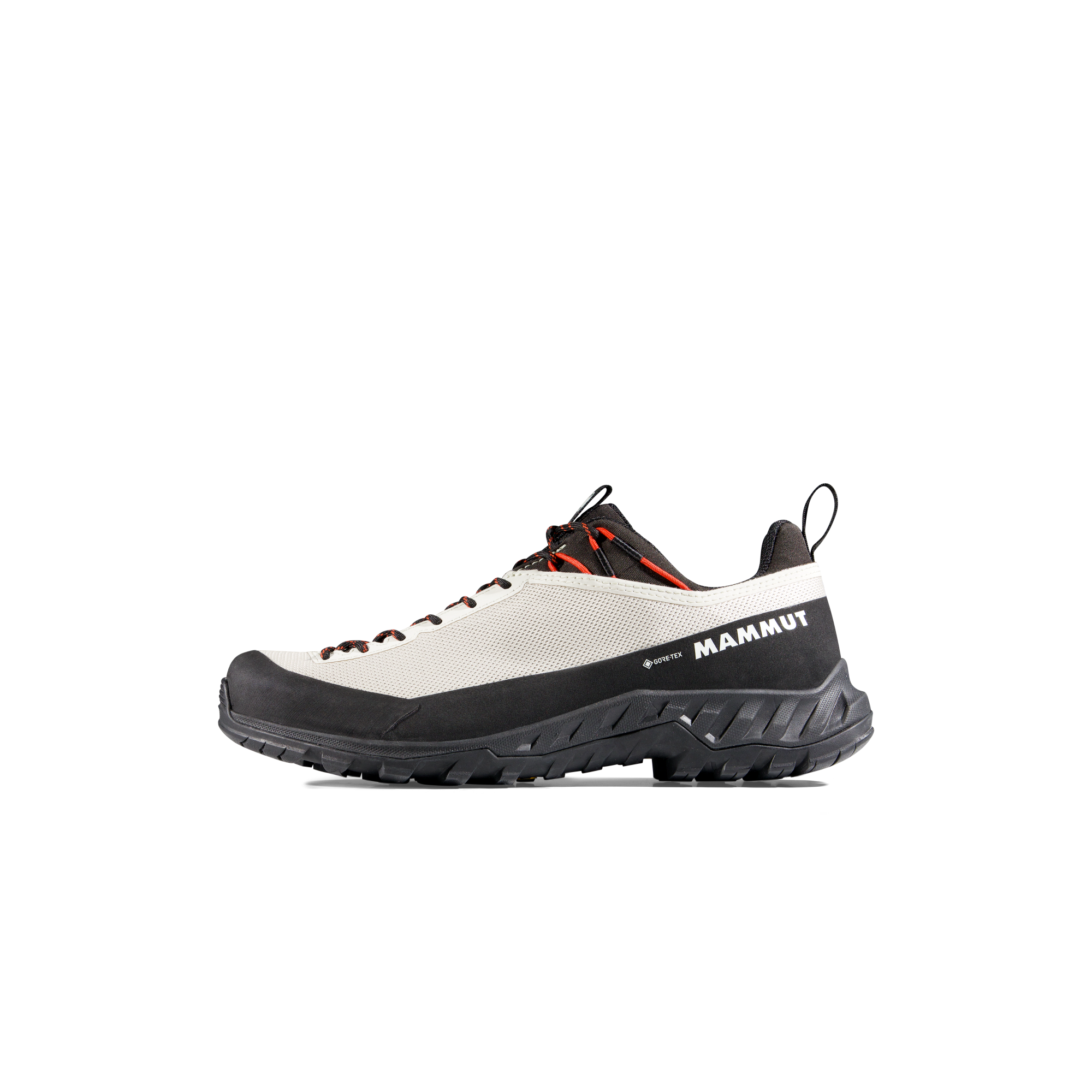
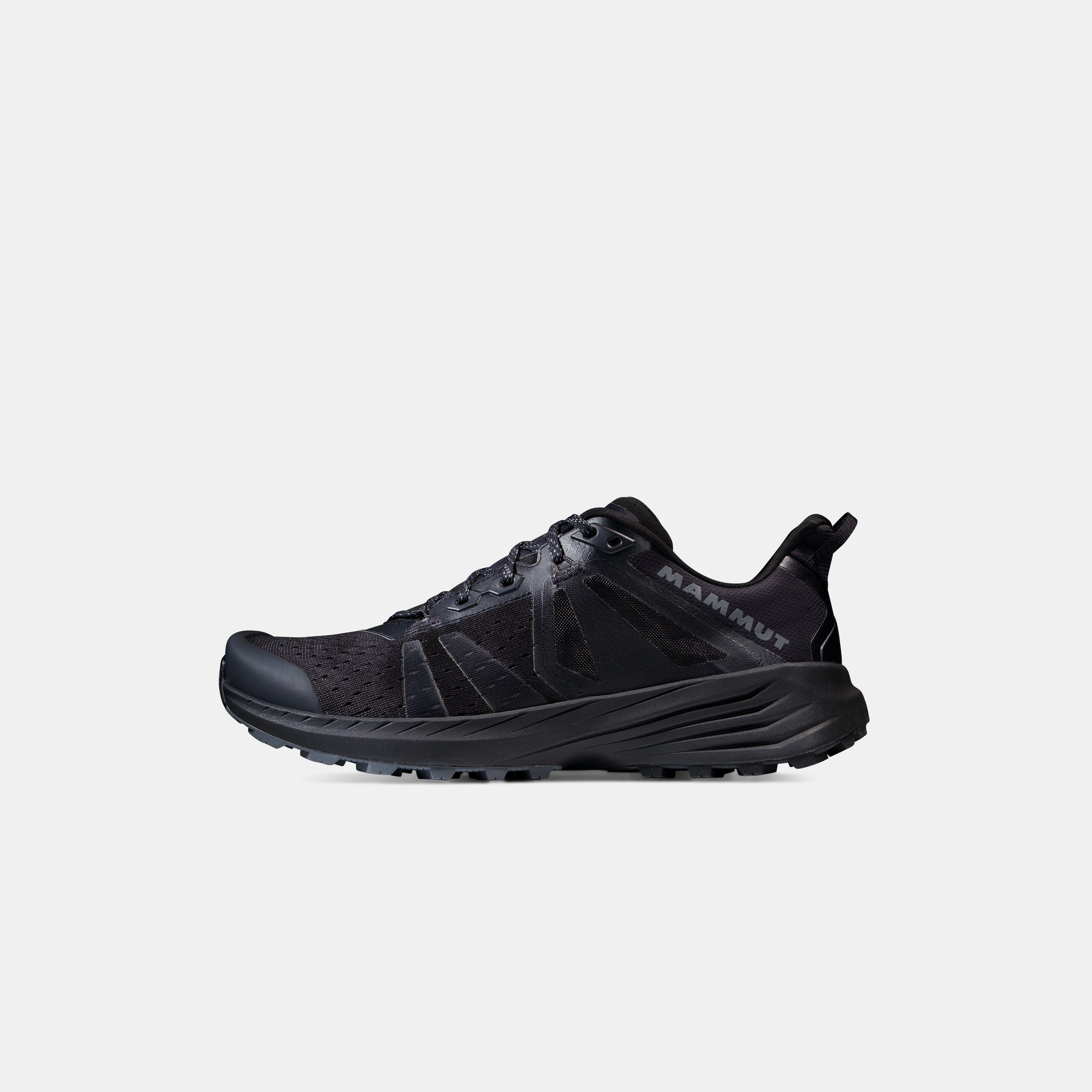
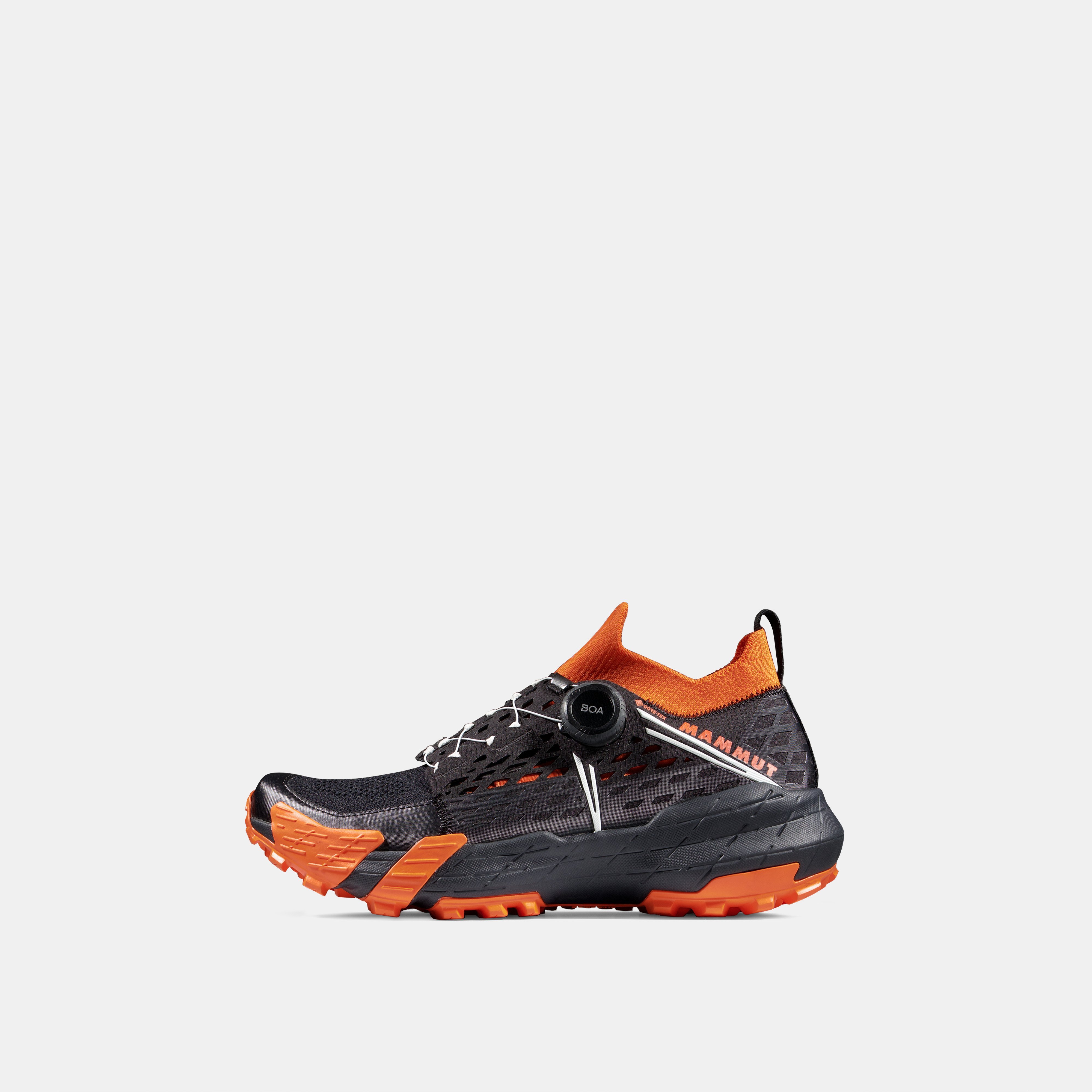
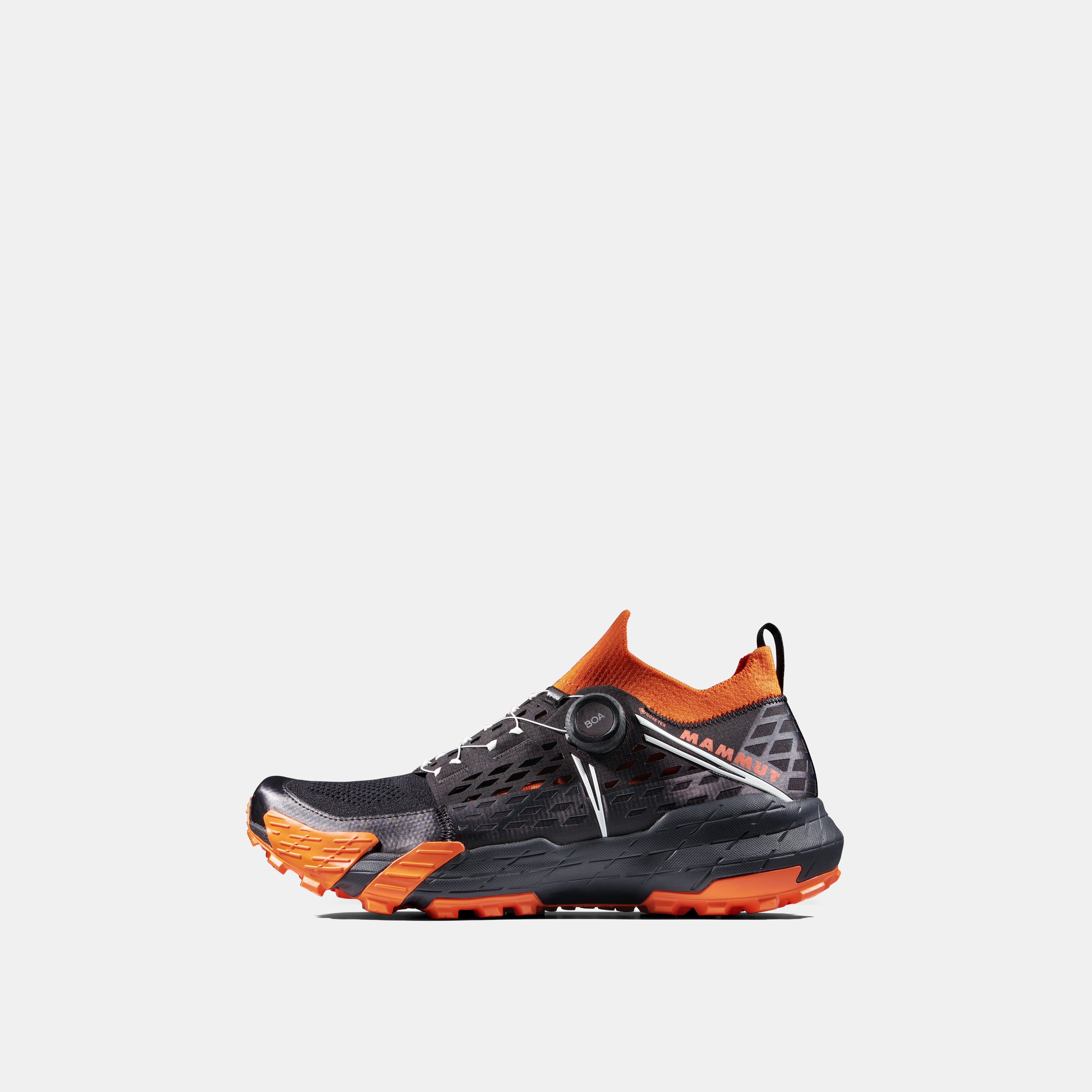
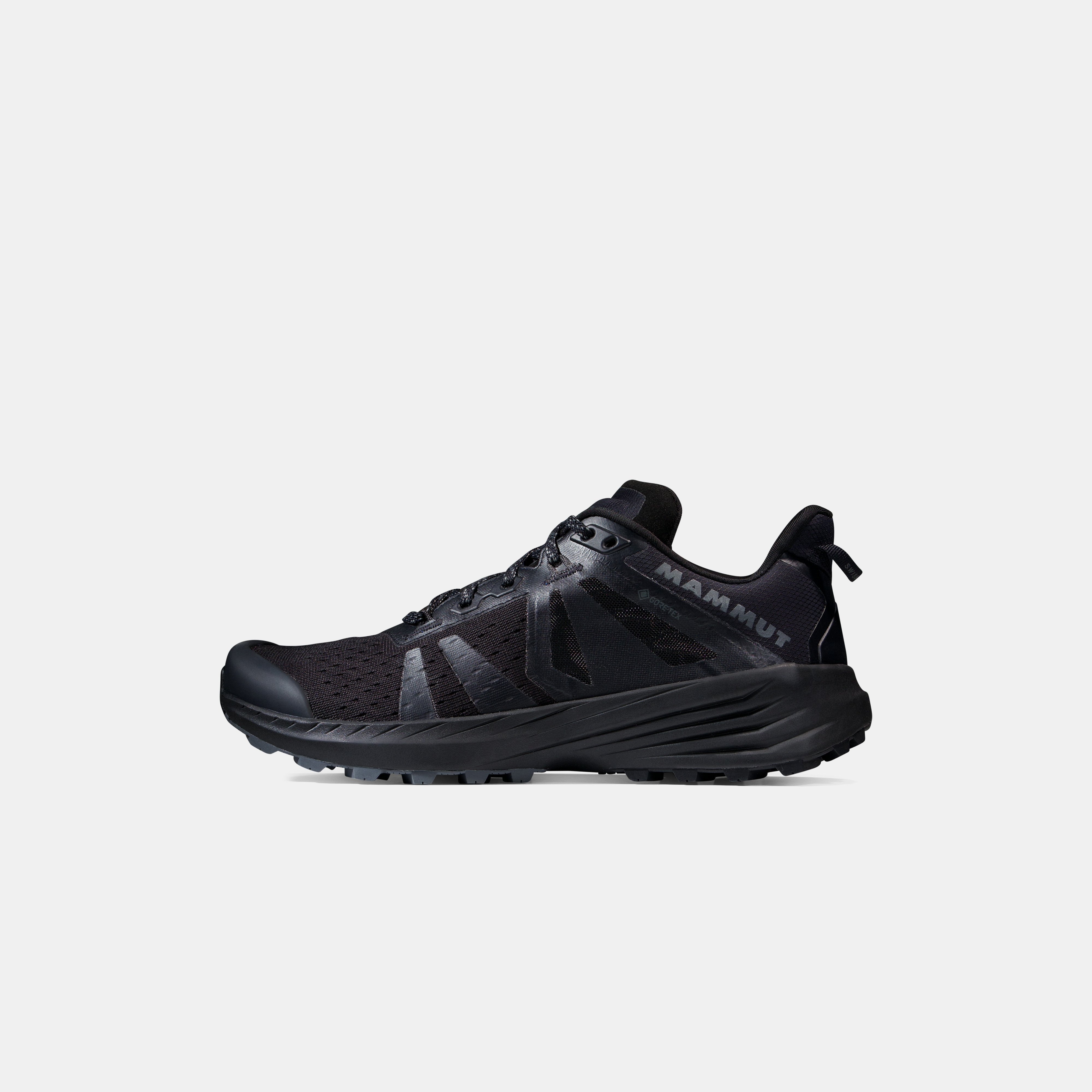
Trail running shoes with grippy soles, cushioning, and stable support are essential. They should fit like a glove and remain comfortable even after hours of use. For added inspiration, you can also check out our lowdown on how to find the right trail shoe for your needs .




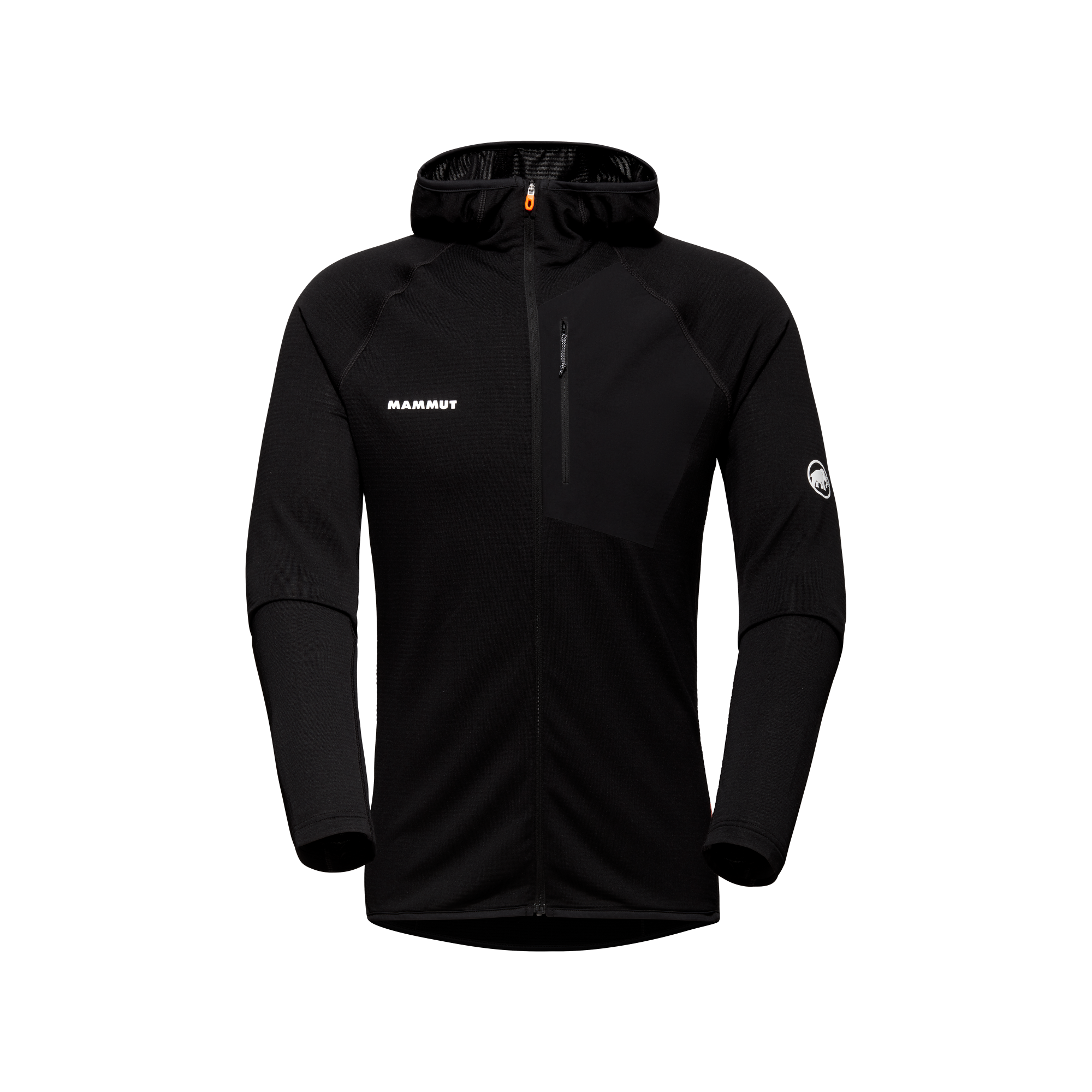
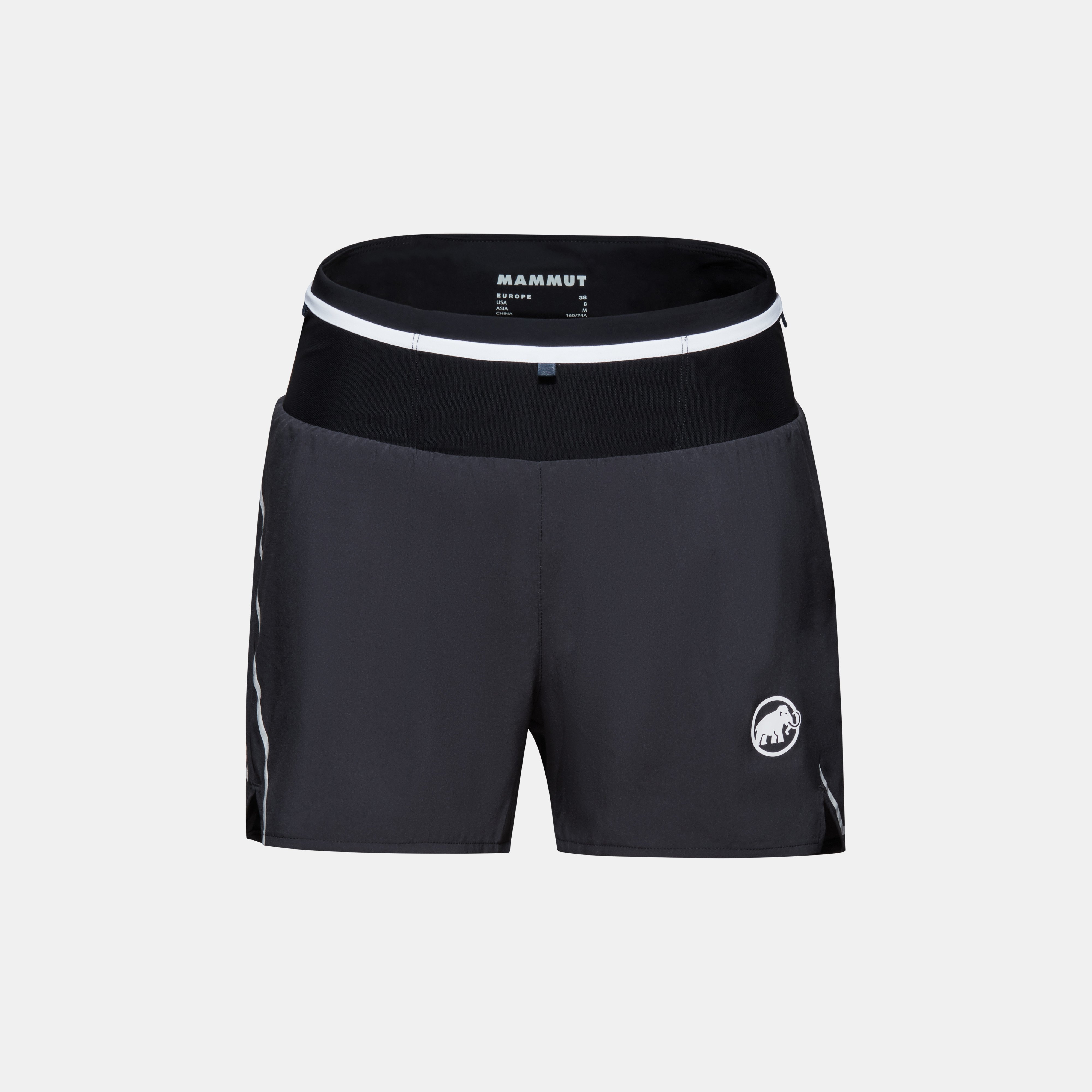
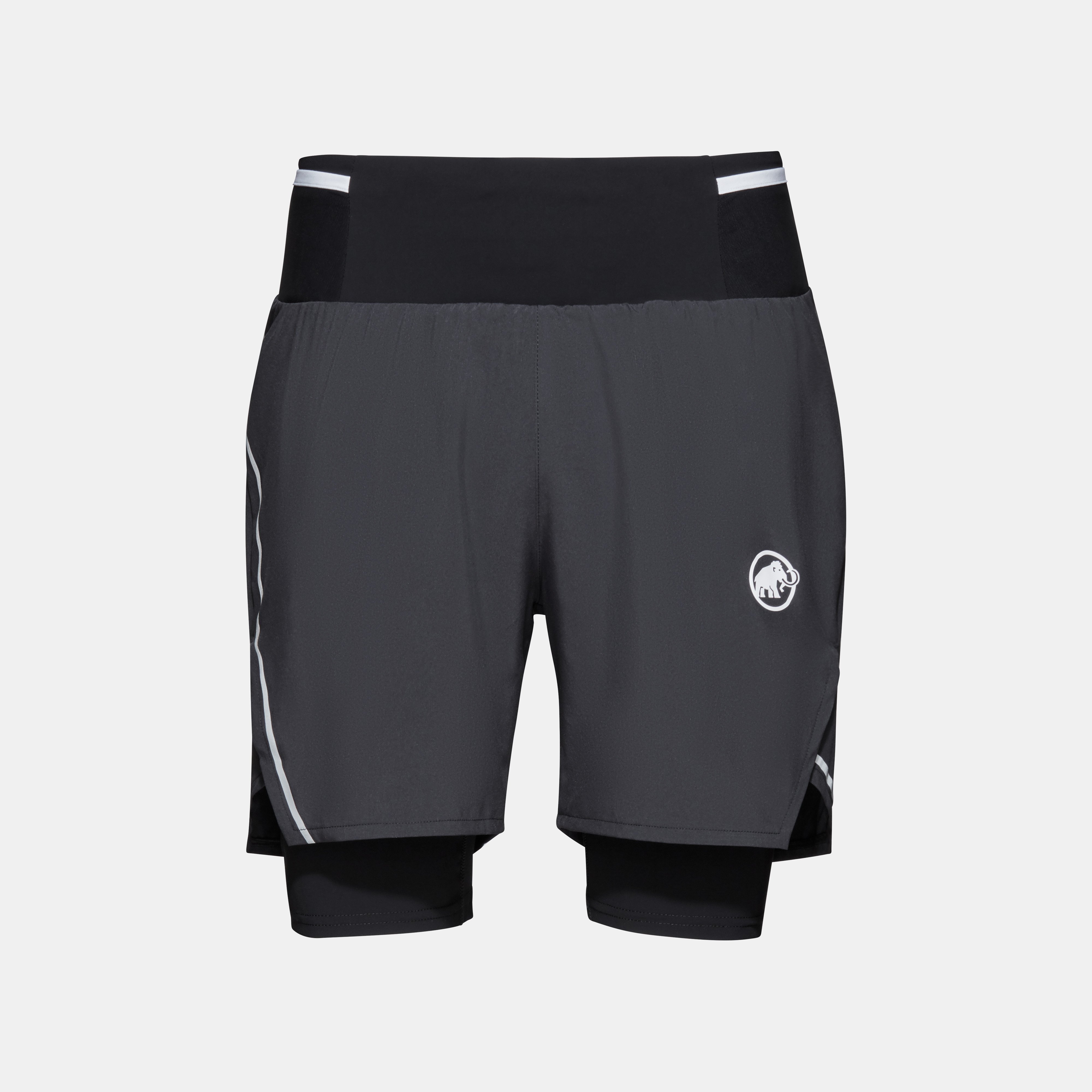
Lightweight, breathable, and quick-drying are a must. As with any outdoor sport, dressing in layers is the way to go: baselayer, midlayer, waterproof jacket.
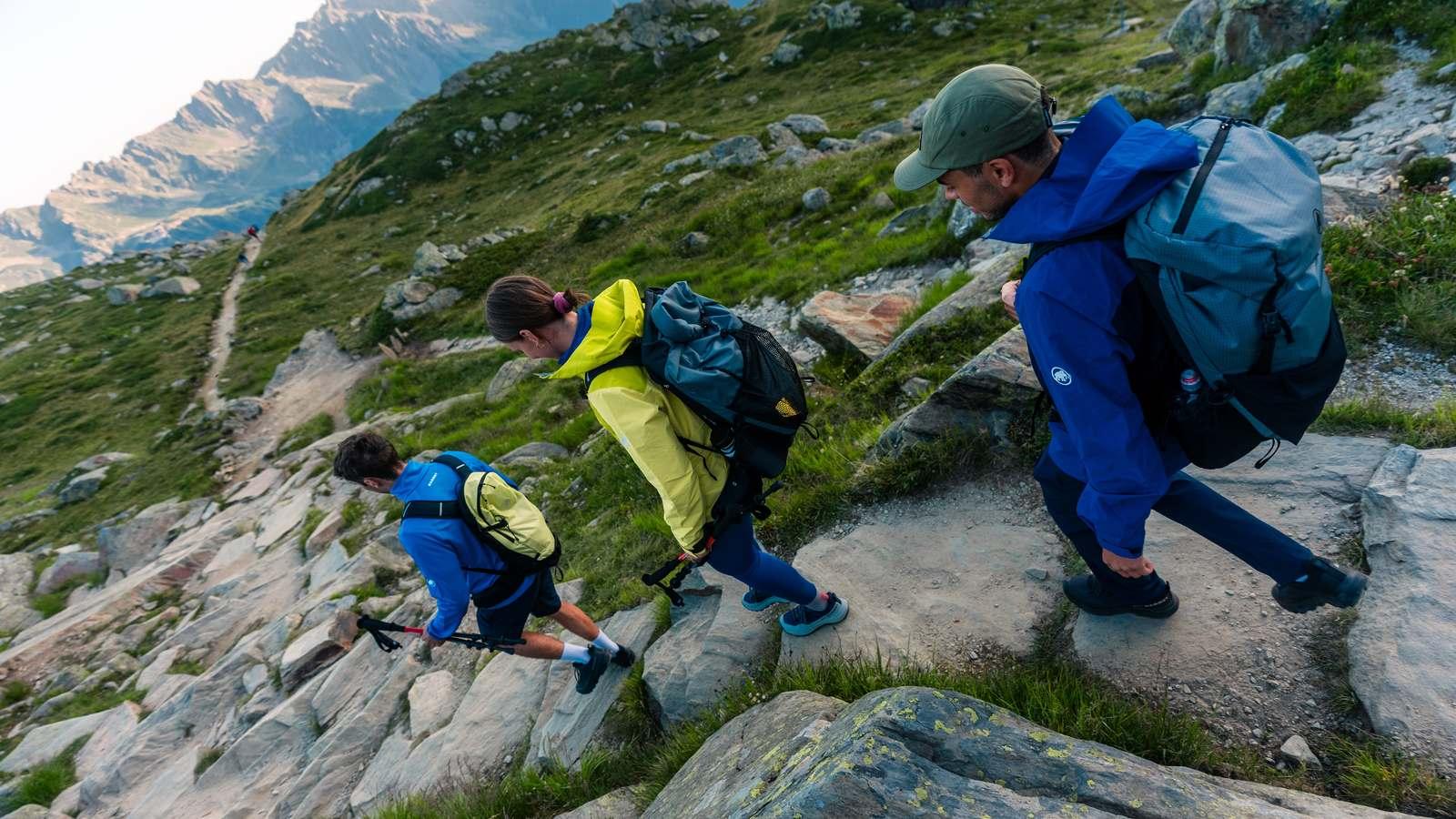
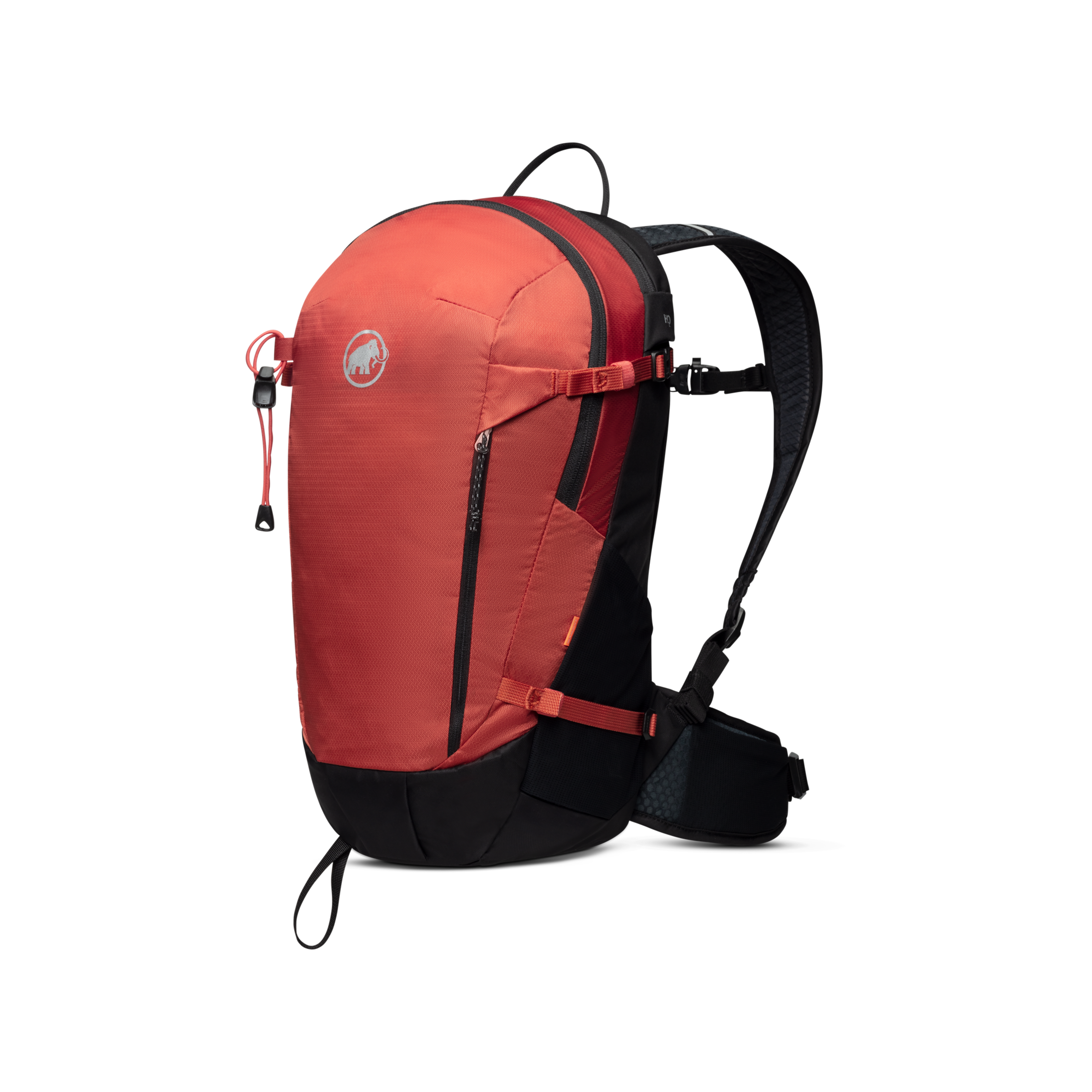
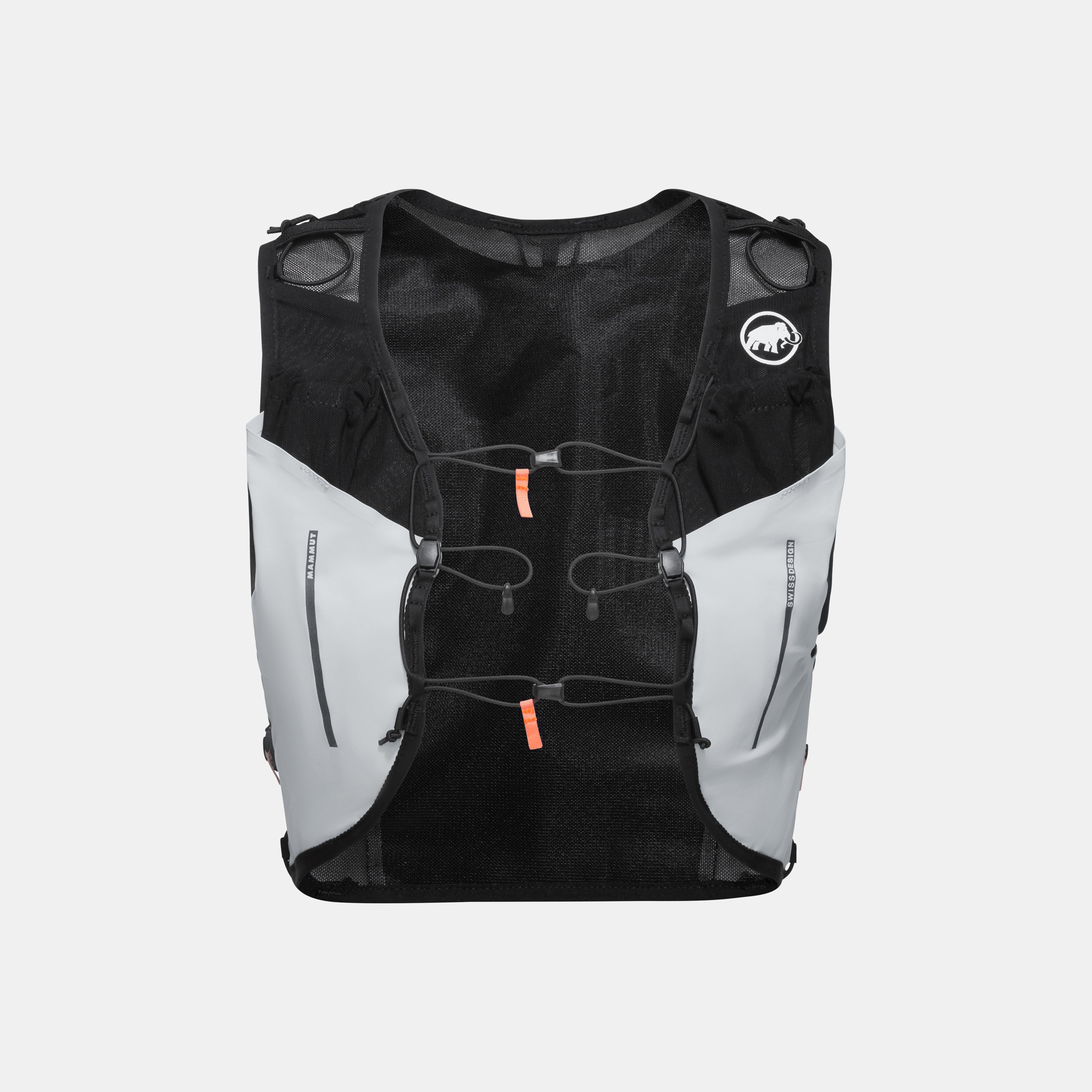
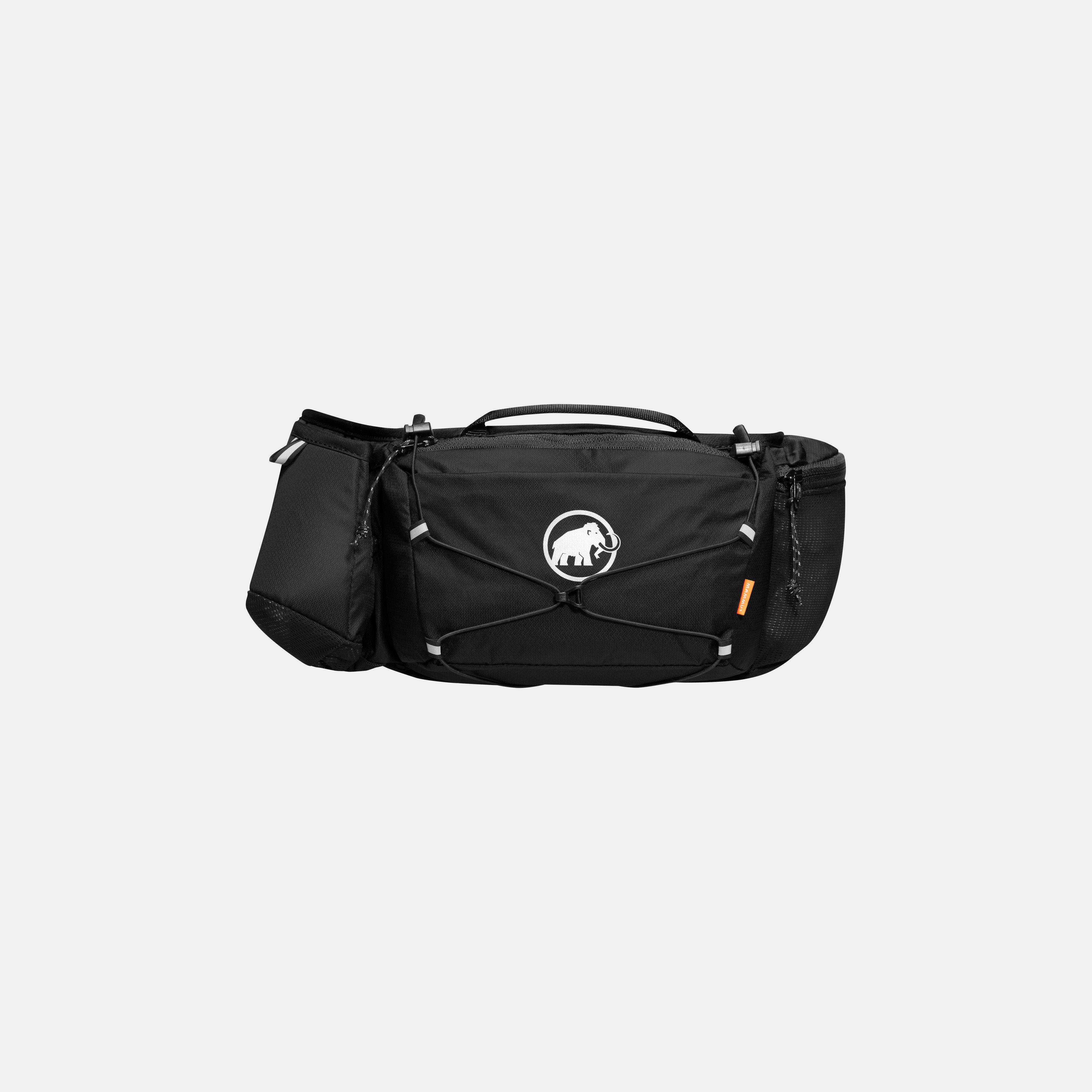
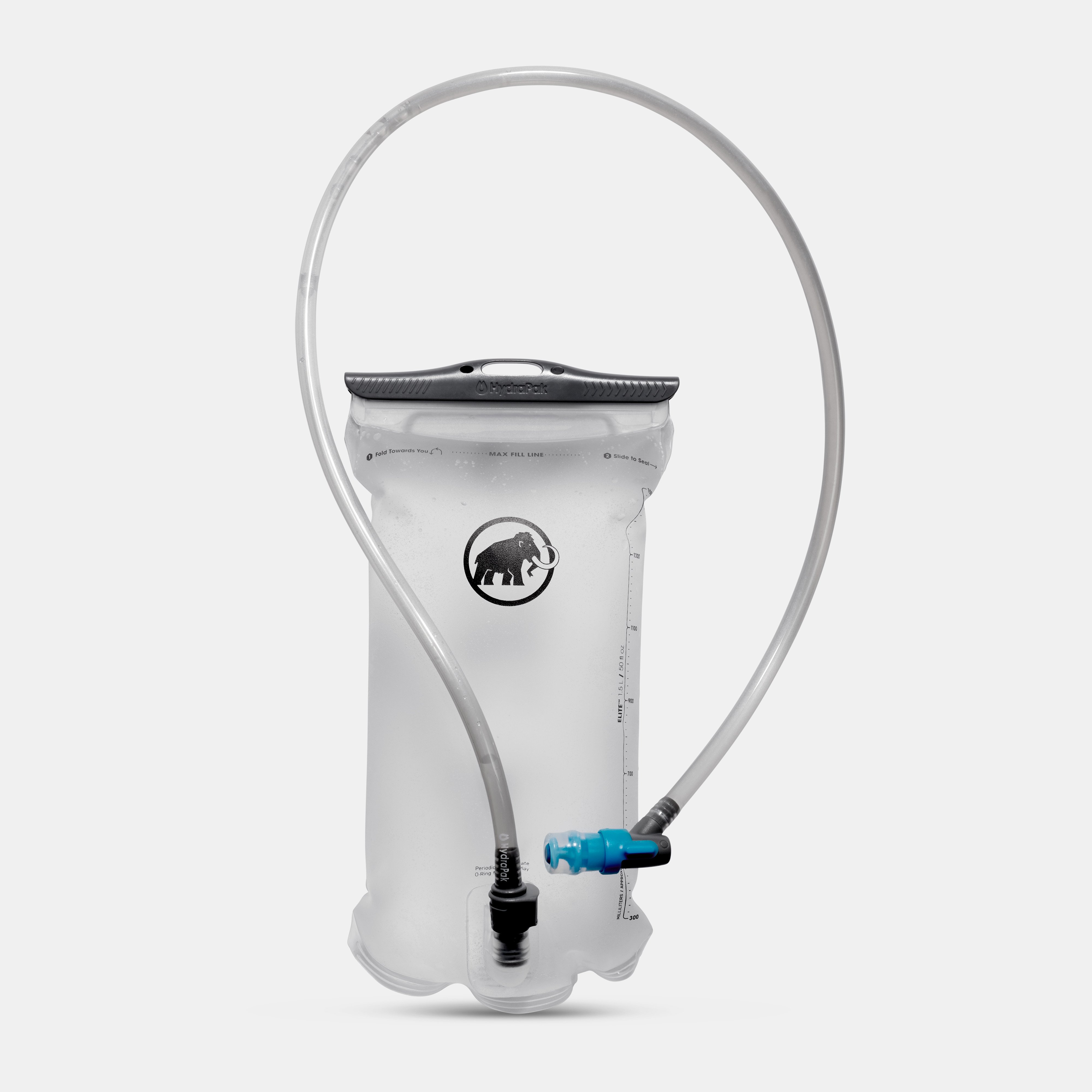
A lightweight running backpack with a hydration bladder or soft flasks will help you stay hydrated along the way. Also make sure there’s plenty of space for snacks, your jacket, and all mandatory equipment. To find out more, check out our guide on how to choose the ideal trail running backpack .
Headlamps, emergency blankets, first aid kits, and cell phones are mandatory at most races, increasing both your safety and independence.
Trail running poles relieve strain on your legs and joints, especially on long ascents and descents, thus helping you conserve energy.
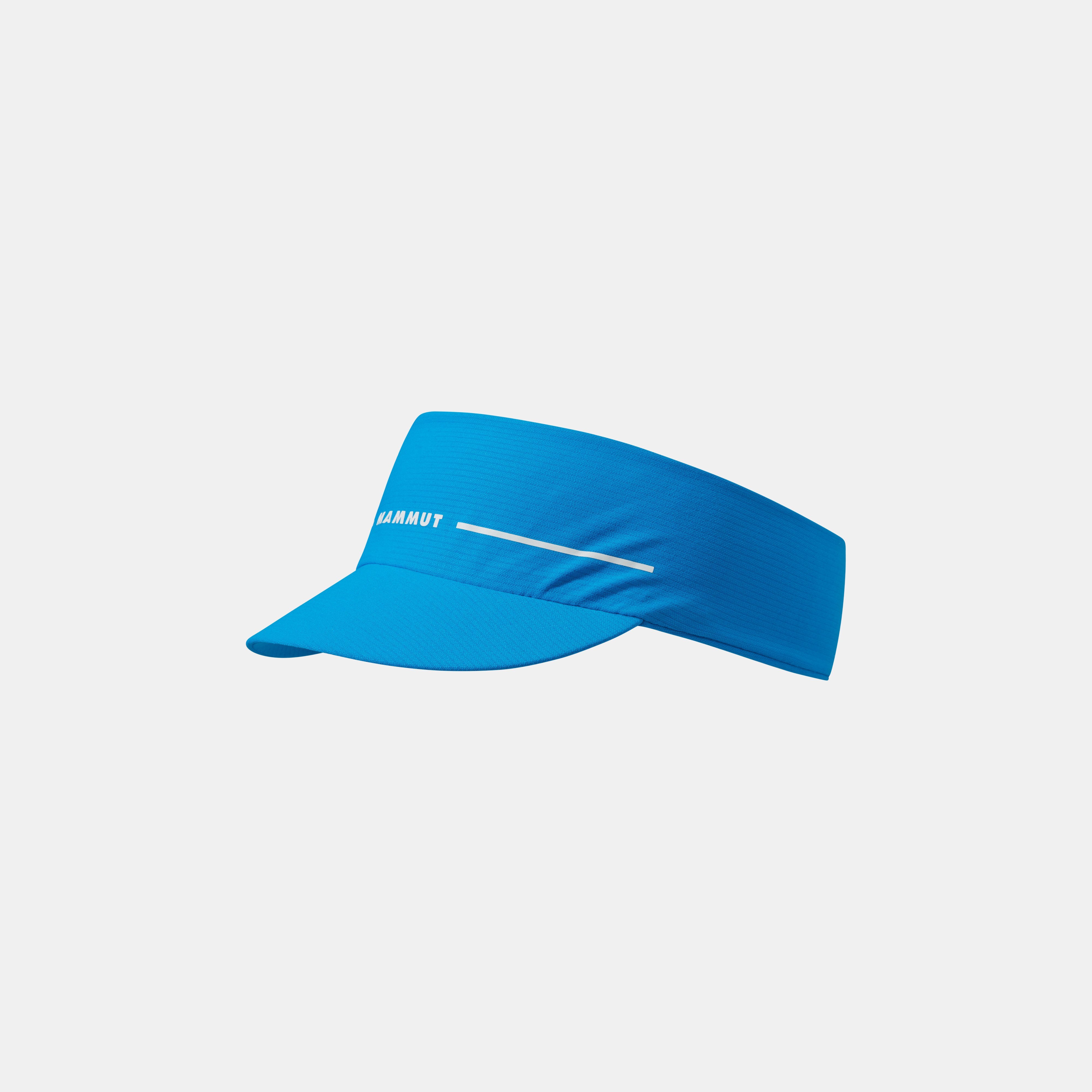
Depending on the weather, hats, headbands, and gloves will top off your equipment.
Tips for beginners
Start with shorter trail runs (20-30 km / 12-18 miles) before tackling an ultra trail.
Test your equipment during training and get used to long periods of exertion.
Listen to your body and allow for sufficient recovery time.
Find training partners or a community – it's easier to go the distance together.
Ultra trails: Challenging your body and mind
An ultra trail is more than just a competition: it’s an experience which will put your endurance and mental strength to the ultimate test. As such, good preparation is key. With the right training, a well-thought-out nutrition strategy, and reliable gear, you’re all set for the adventure of a lifetime. At Mammut, we’ll support you every step of your journey – with high-quality equipment designed for high alpine performance, plus stories & guides packed with tips and inspiration.
Frequently asked questions about ultra trail running
Question: What is ultra trail running?
Answer: An ultra trail is a cross-country run covering a distance of more than 42.195 km (26.2 miles), featuring challenging terrain with (steep) ascents and descents.
Question: How many kilometers is an ultra marathon?
Answer: Typically between 50 and 170 kilometers (31-105 miles), although some may cover even greater distances.
Question: How long do you have to train for an ultra trail run?
Answer: Start with shorter trail runs (20-30 km / 12-18 mi) and work your way up to regular runs of 30-50 km (18-31 mi). Typically you should expect to train for at least 12 months to be fit for your ultra trail, although the actual training period naturally depends on your individual starting level and running experience.