


What do you need for Indoor Climbing?
01/26
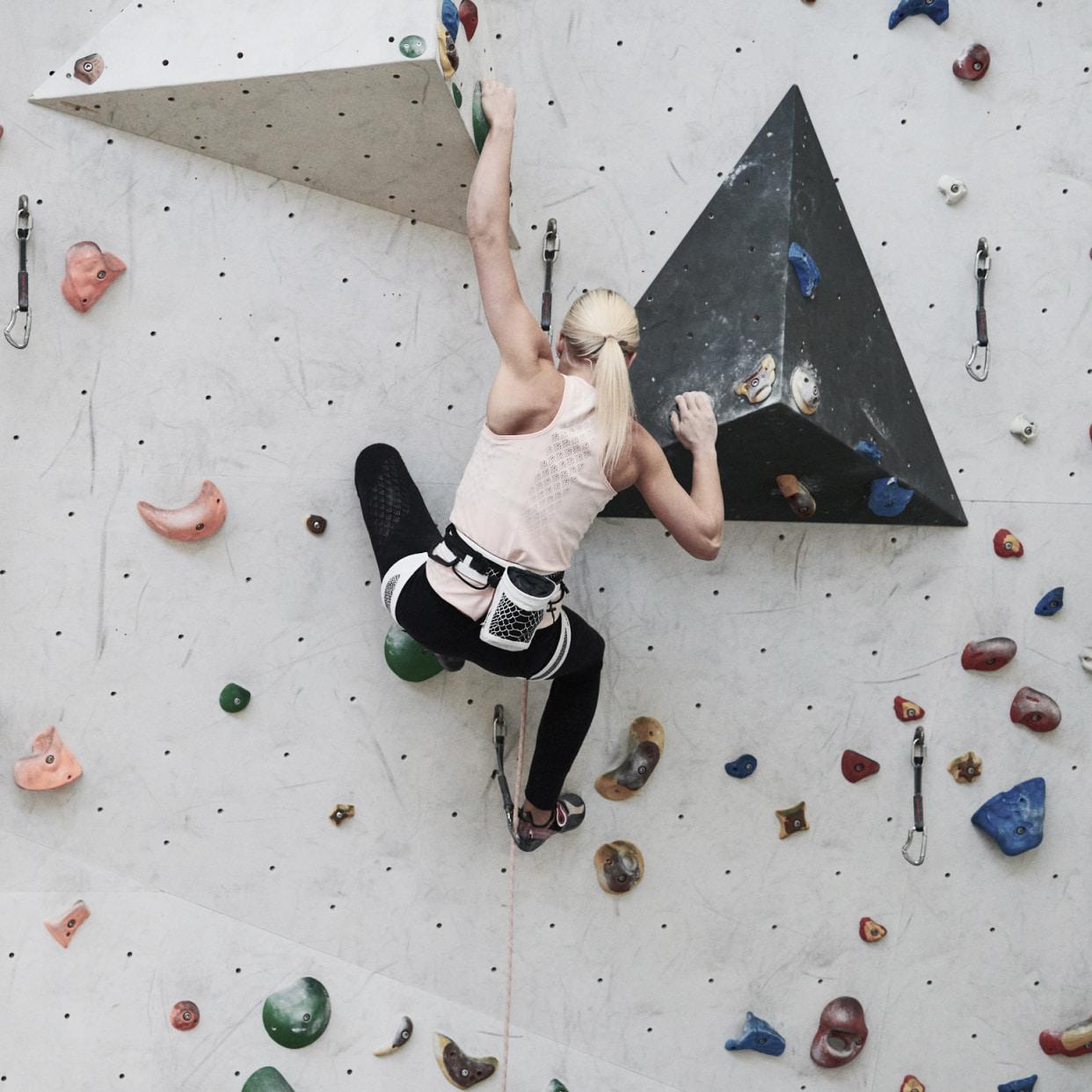
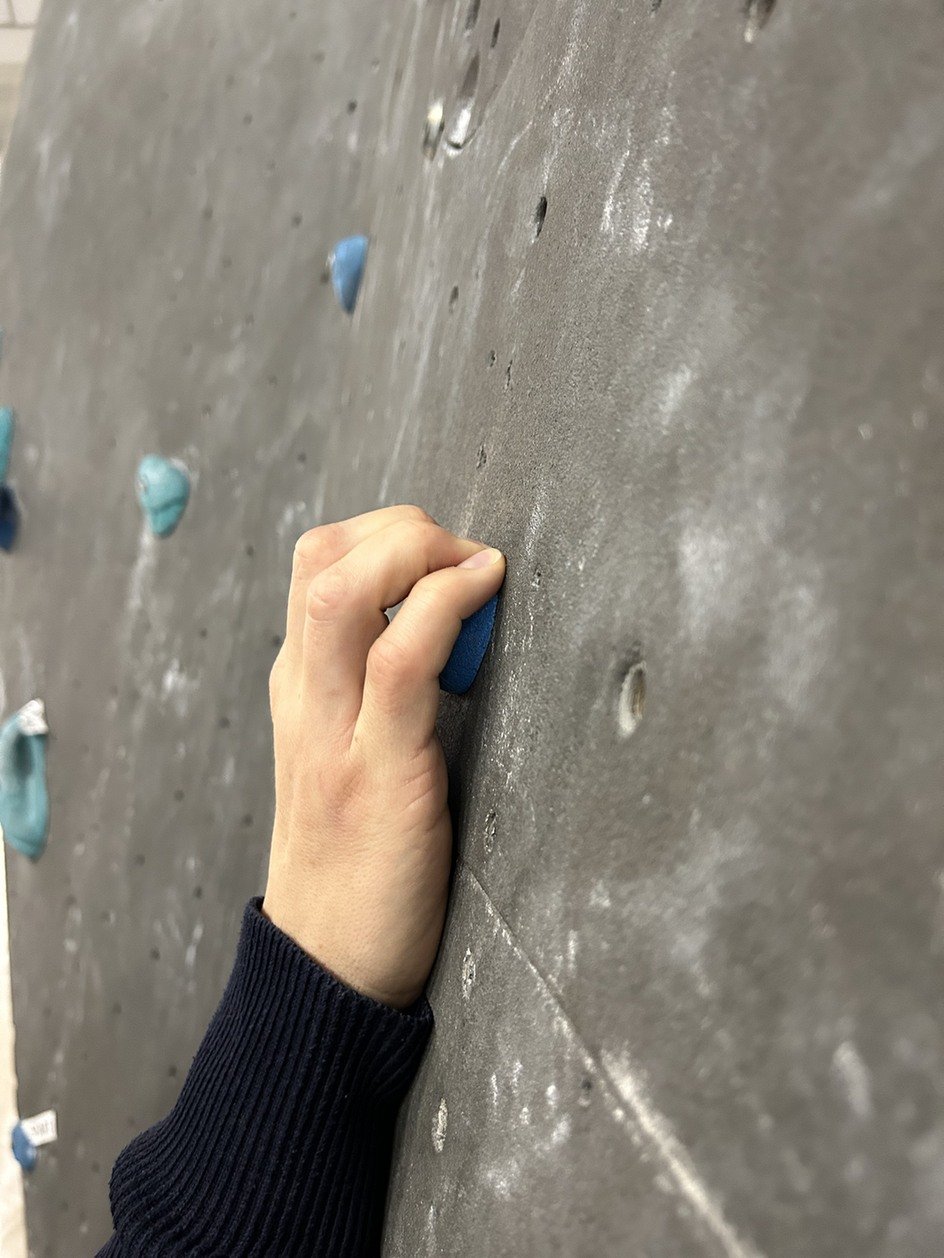
Indoor climbing has blown up in popularity. Whether you're new to the climbing world or already have some experience and want to improve your technique, gym atmospheres give you ideal conditions year-round and let you explore different grades. Having proper gear is crucial though for staying safe, climbing comfortably, and succeeding on the wall. This post breaks down what you actually need to be properly equipped for gym climbing – from basic essentials to useful extras.
Why proper Climbing Gear matters
Even though you're in a controlled environment when climbing indoors, safety and comfort are fundamental for a good climbing experience. The right climbing gear doesn't just protect you from injuries – it also lets you focus on climbing. It affects how effectively and relaxed you can execute movements and gives you safety while climbing and belaying.
Climbing Shoes
Climbing shoes are essential for solid grip and precise footwork. They should have a snugly fit without being painfully tight and be equipped with a grippy rubber sole that provides optimal contact with footholds and surfaces. Depending on what scales you're climbing and where your preferences lie, choose your climbing shoes accordingly. For beginners, less aggressive, symmetrical models usually work well since they're versatile and comfortable for longer sessions.
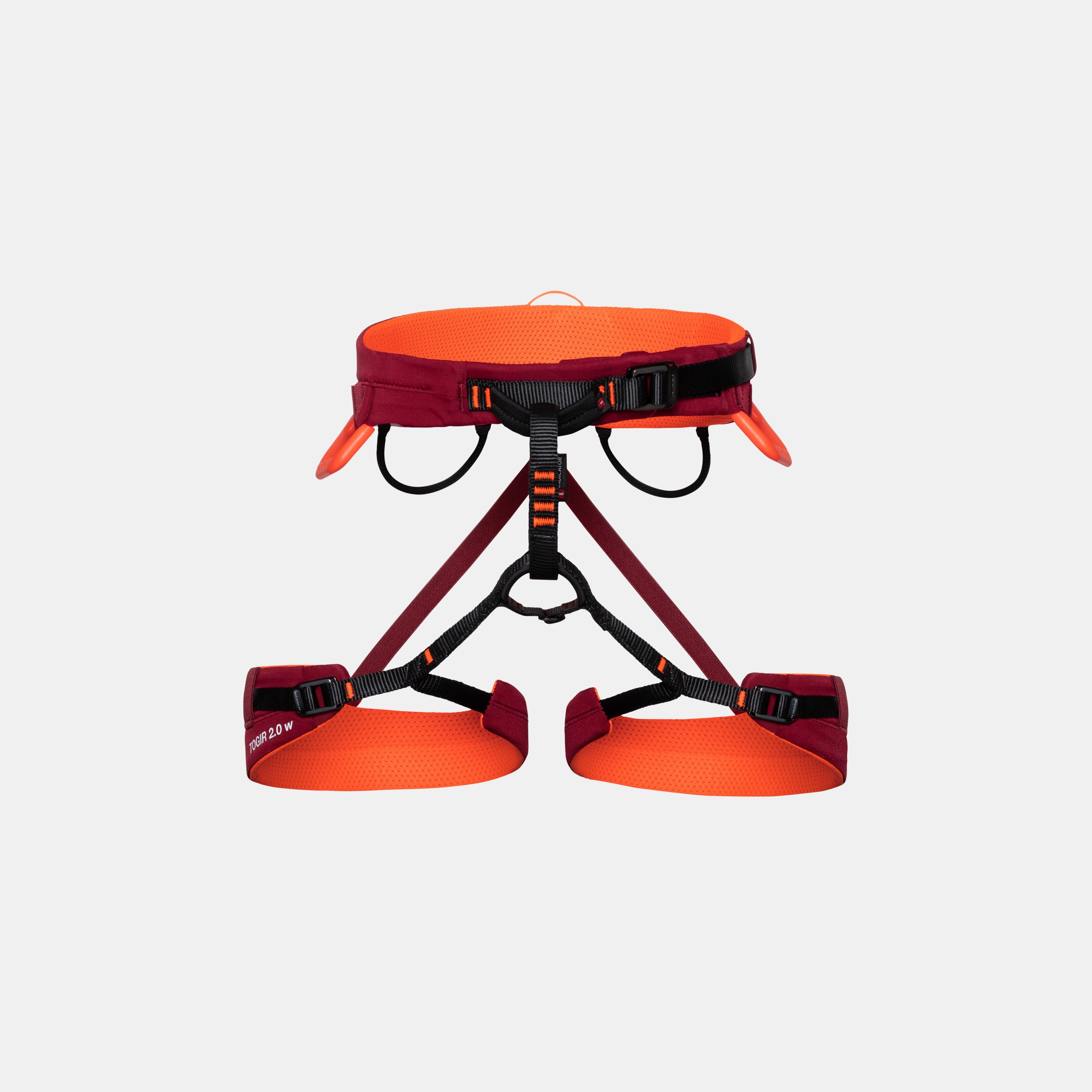
Climbing Harness
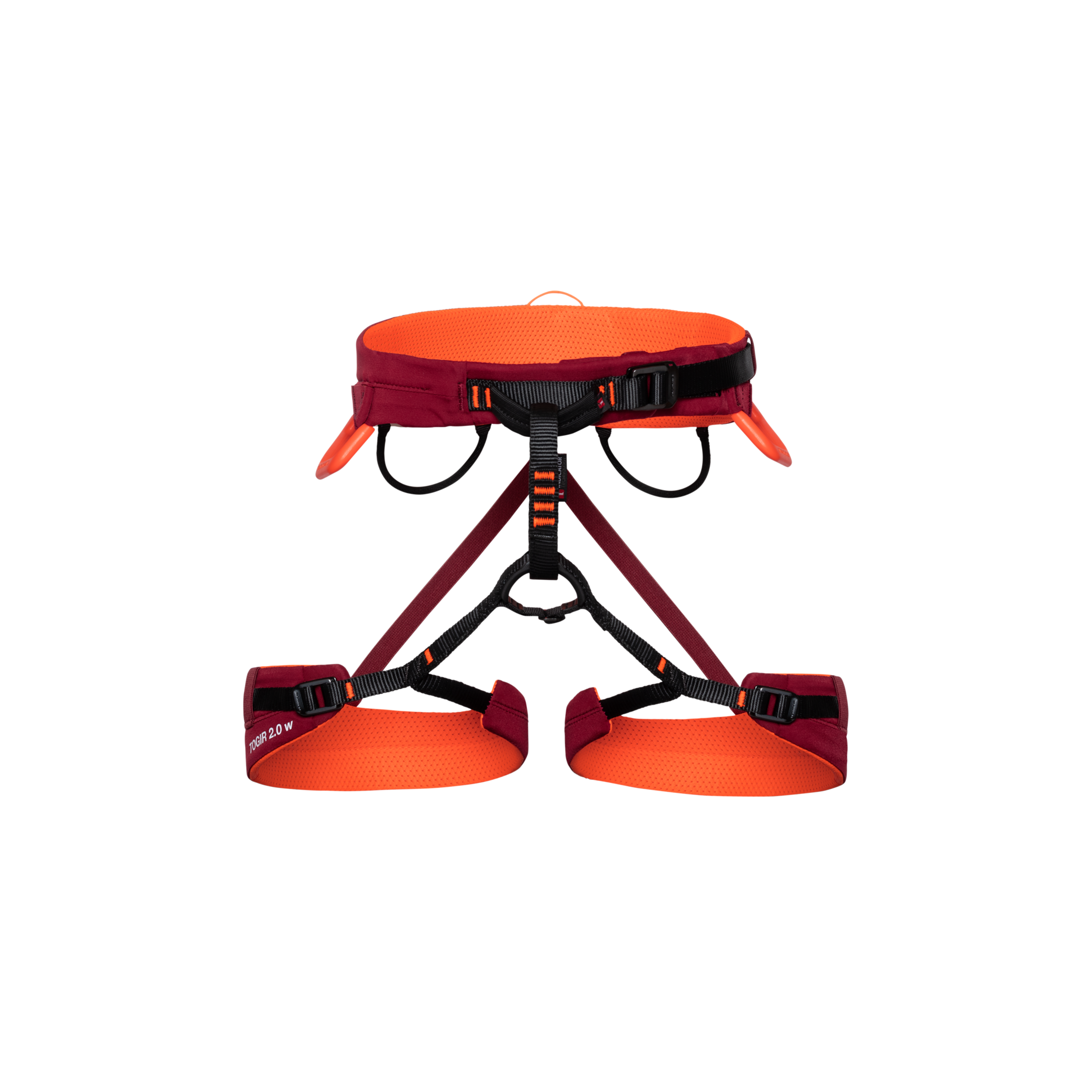
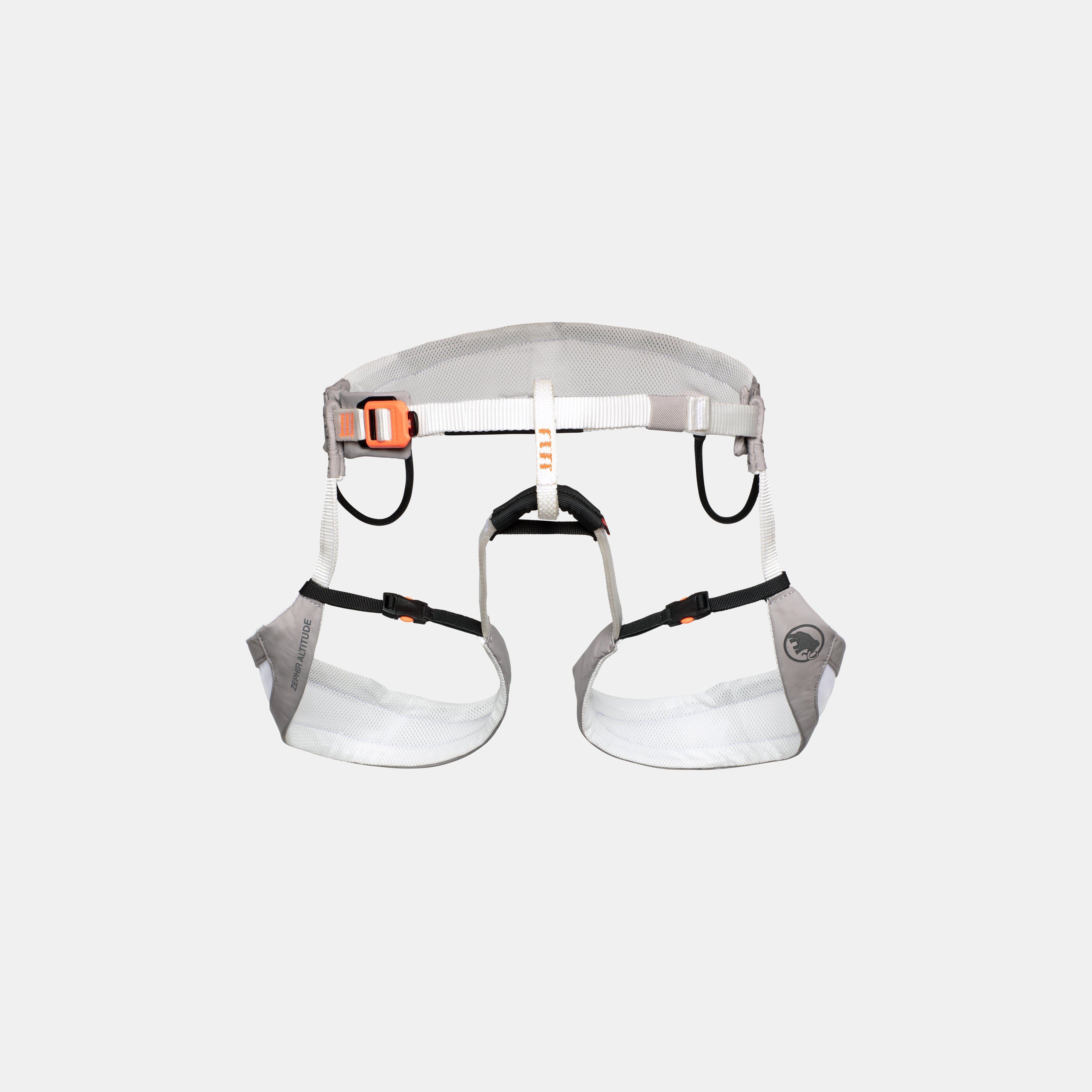
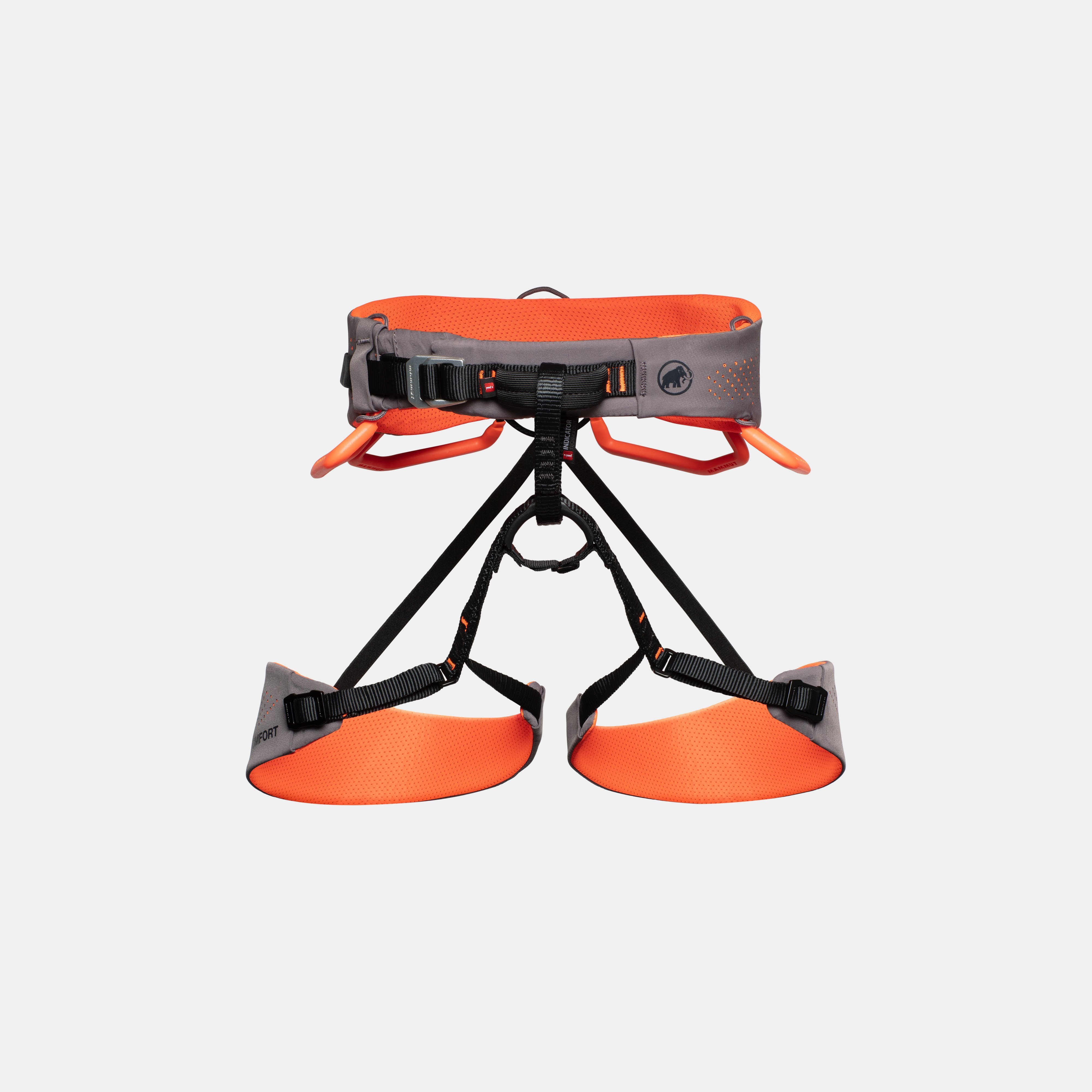
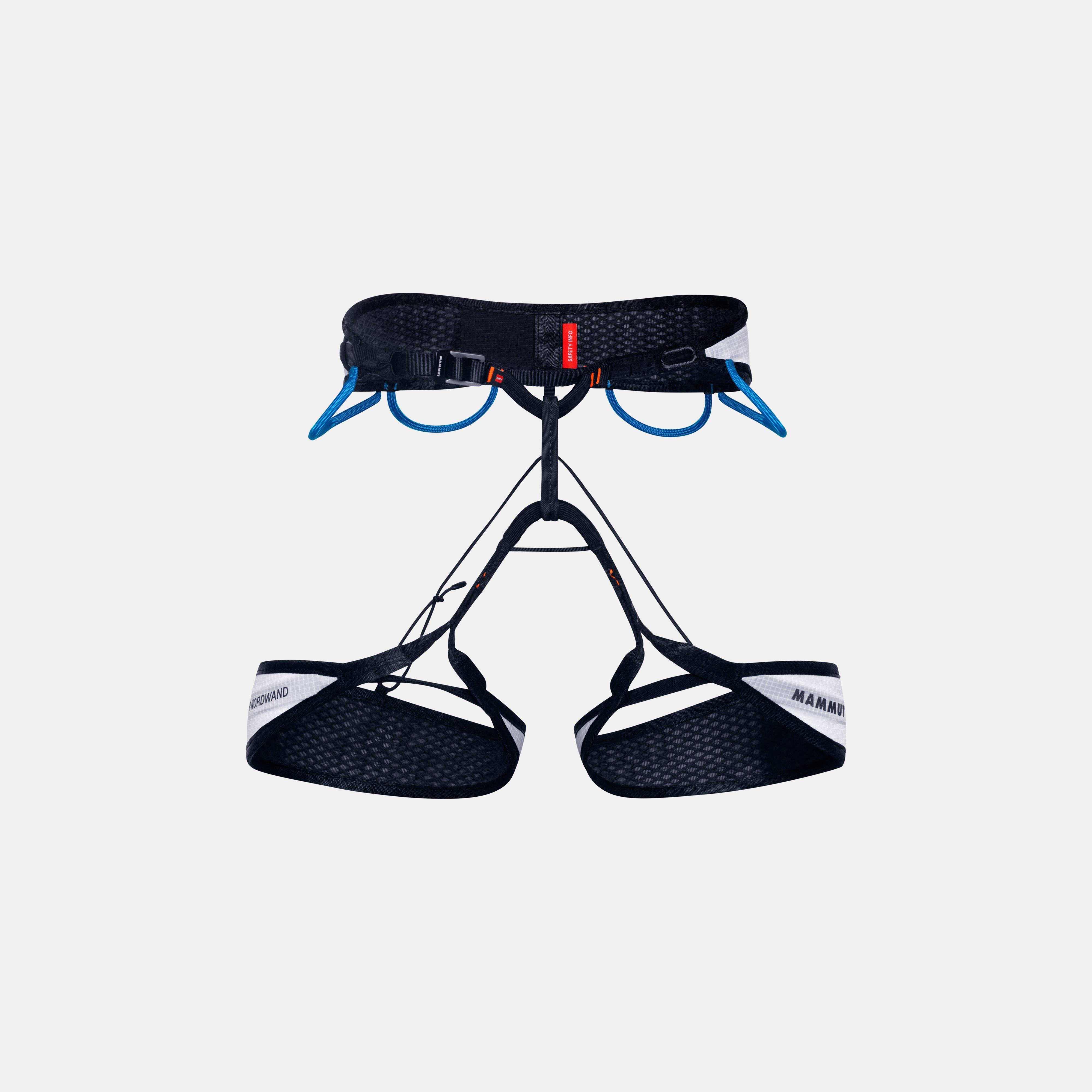
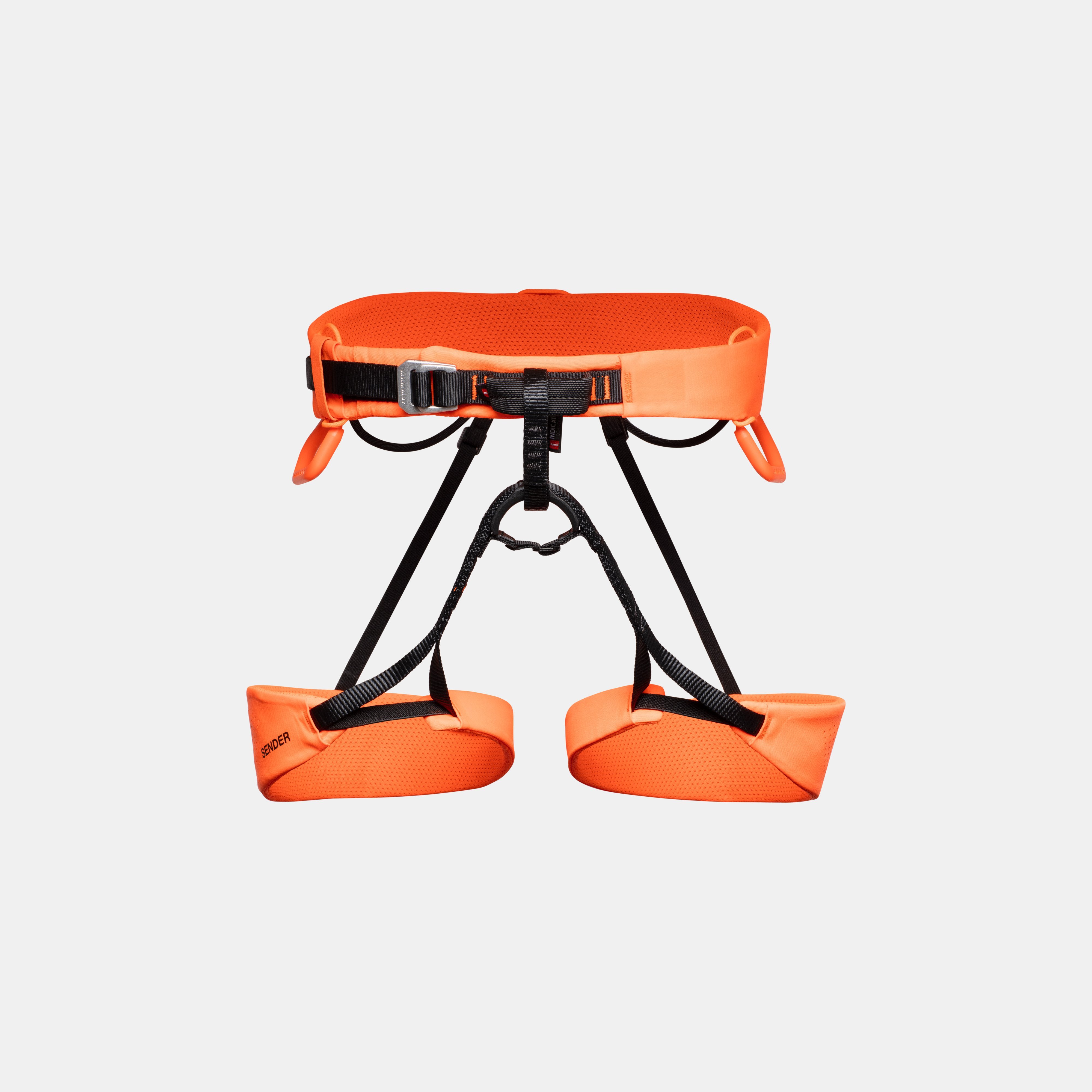
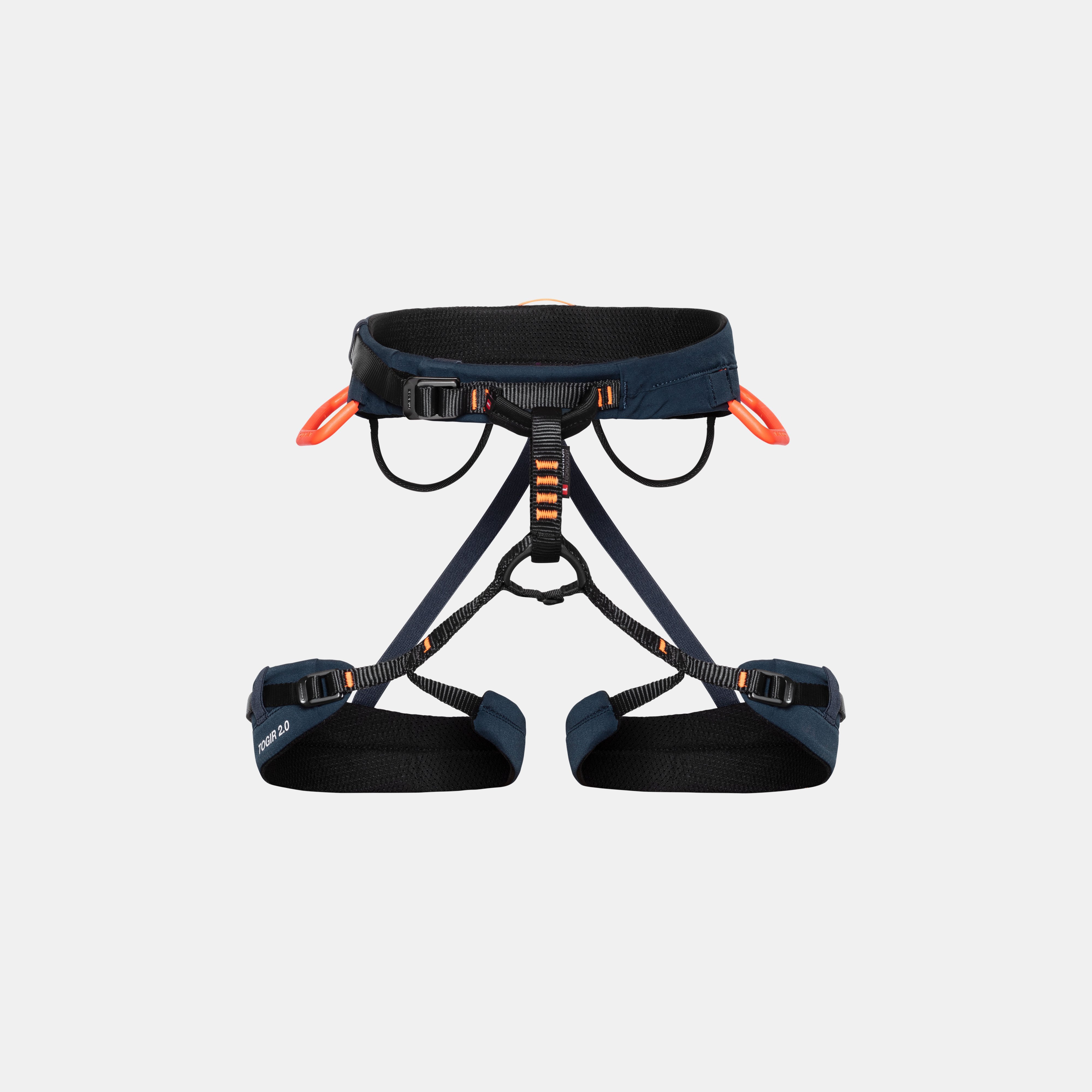
A well-fitting, individually adjustable climbing harness is one of the most important pieces of equipment. It should be comfortable and not shift or pinch while you're climbing. In our post Climbing Harness: How to Find the Right Size & Fit we've summarized all the information you need to choose the right harness for you.
Belay Device and Carabiner
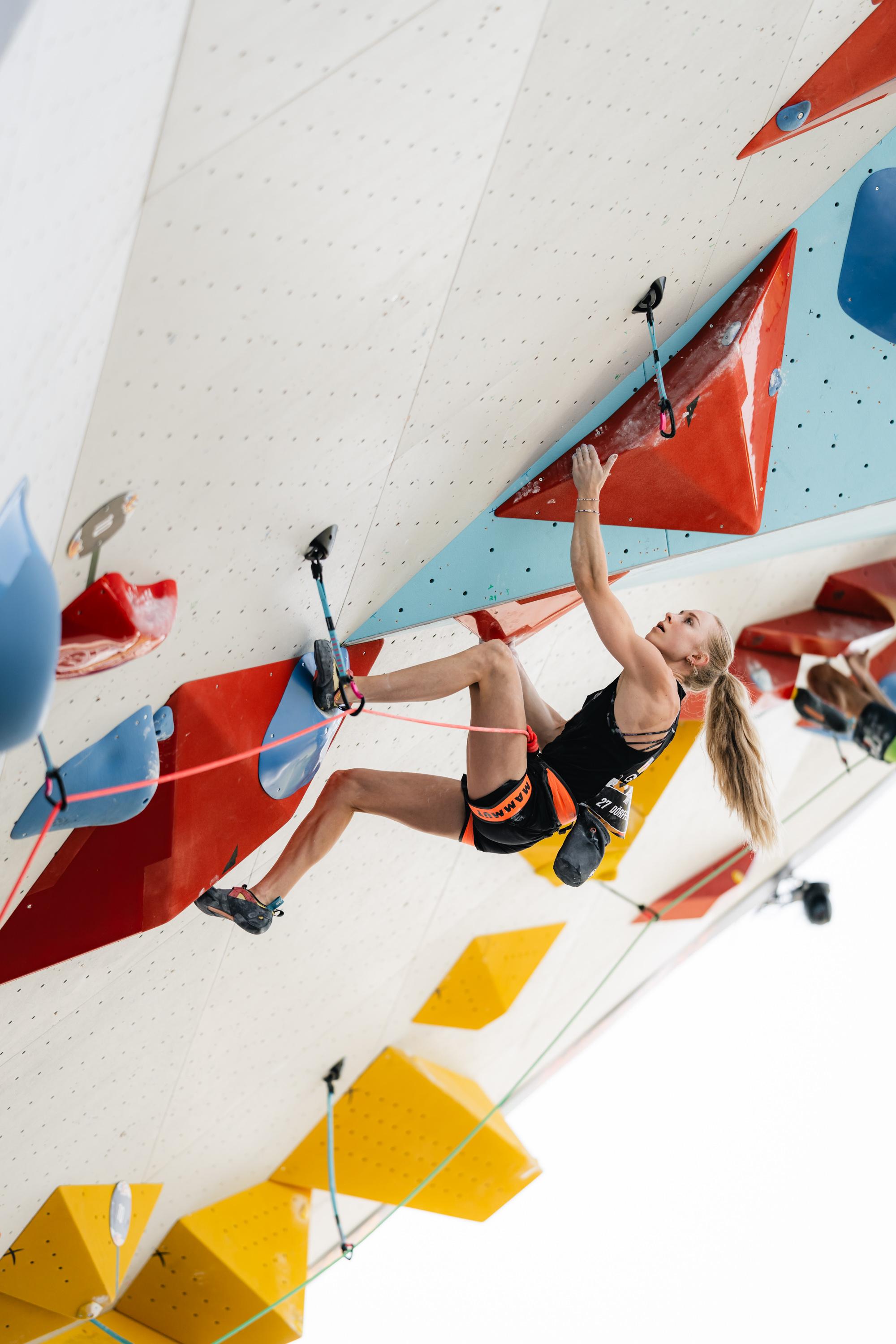
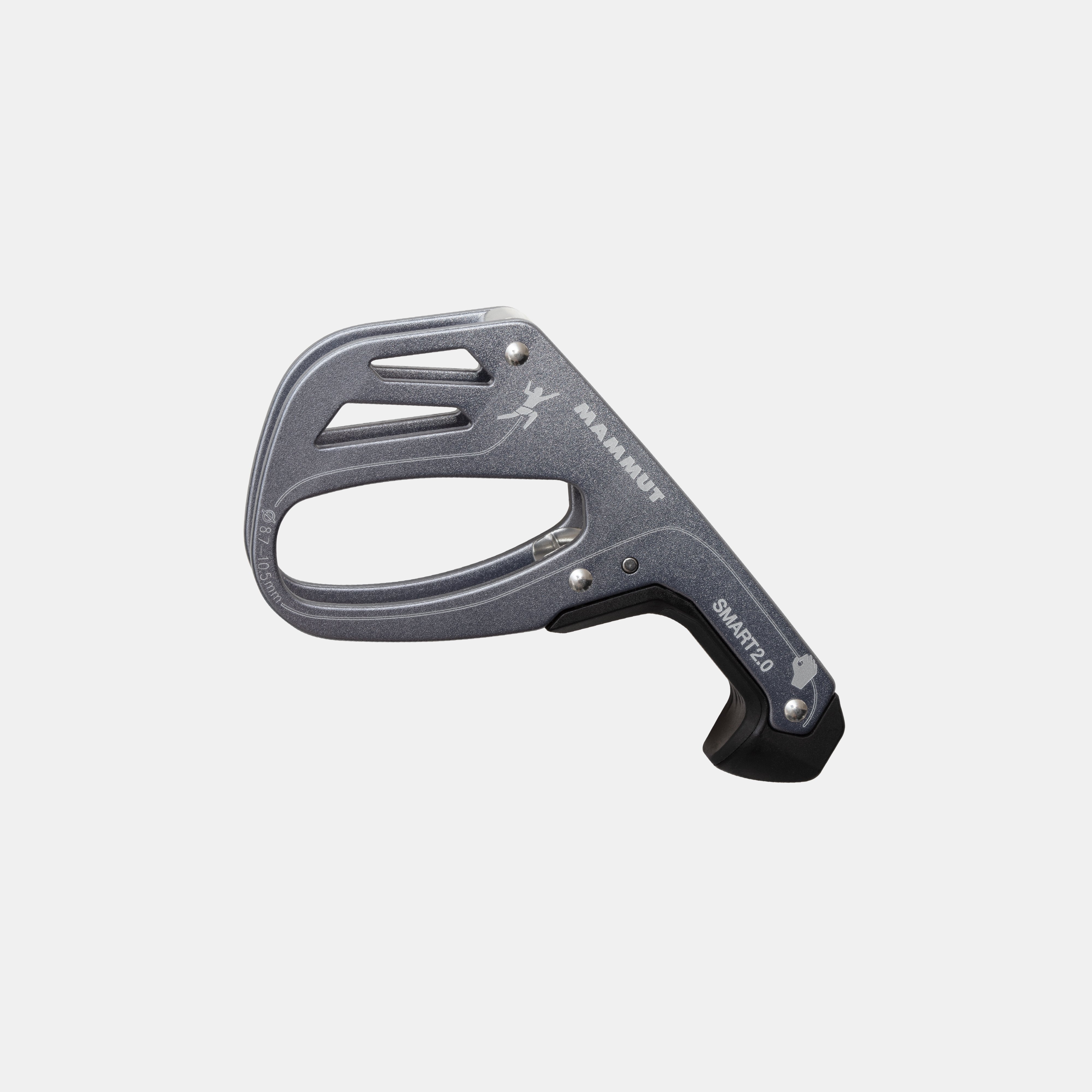
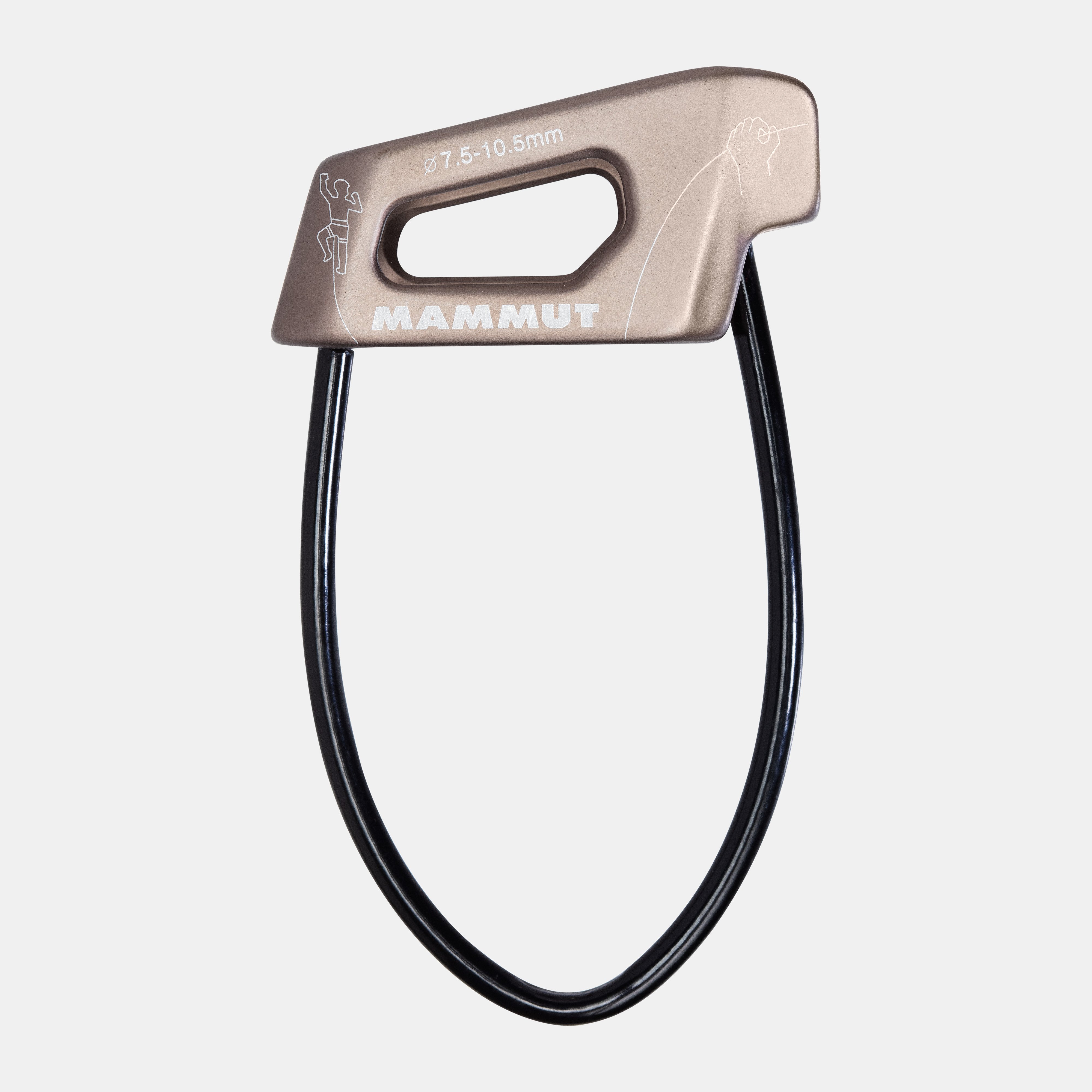
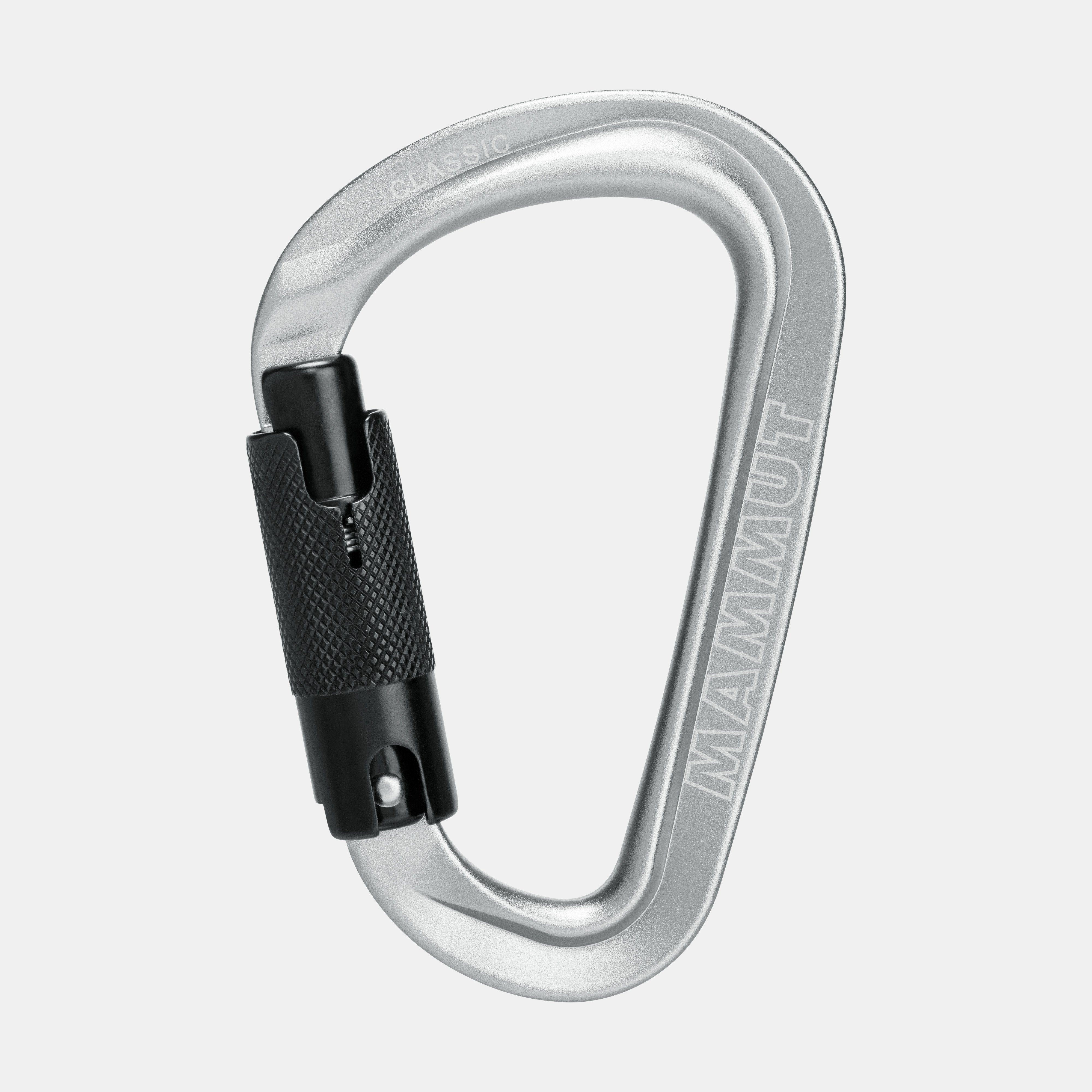
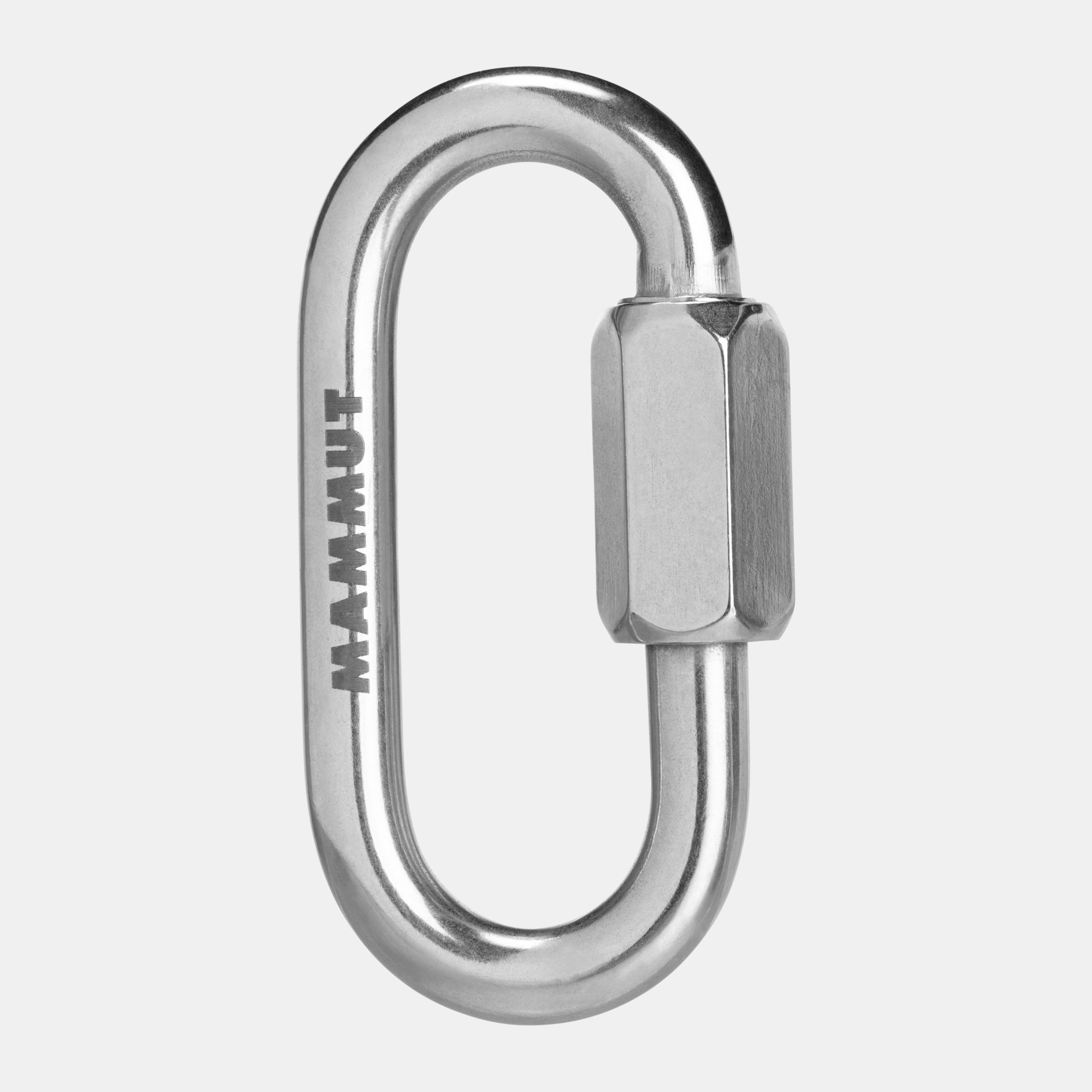
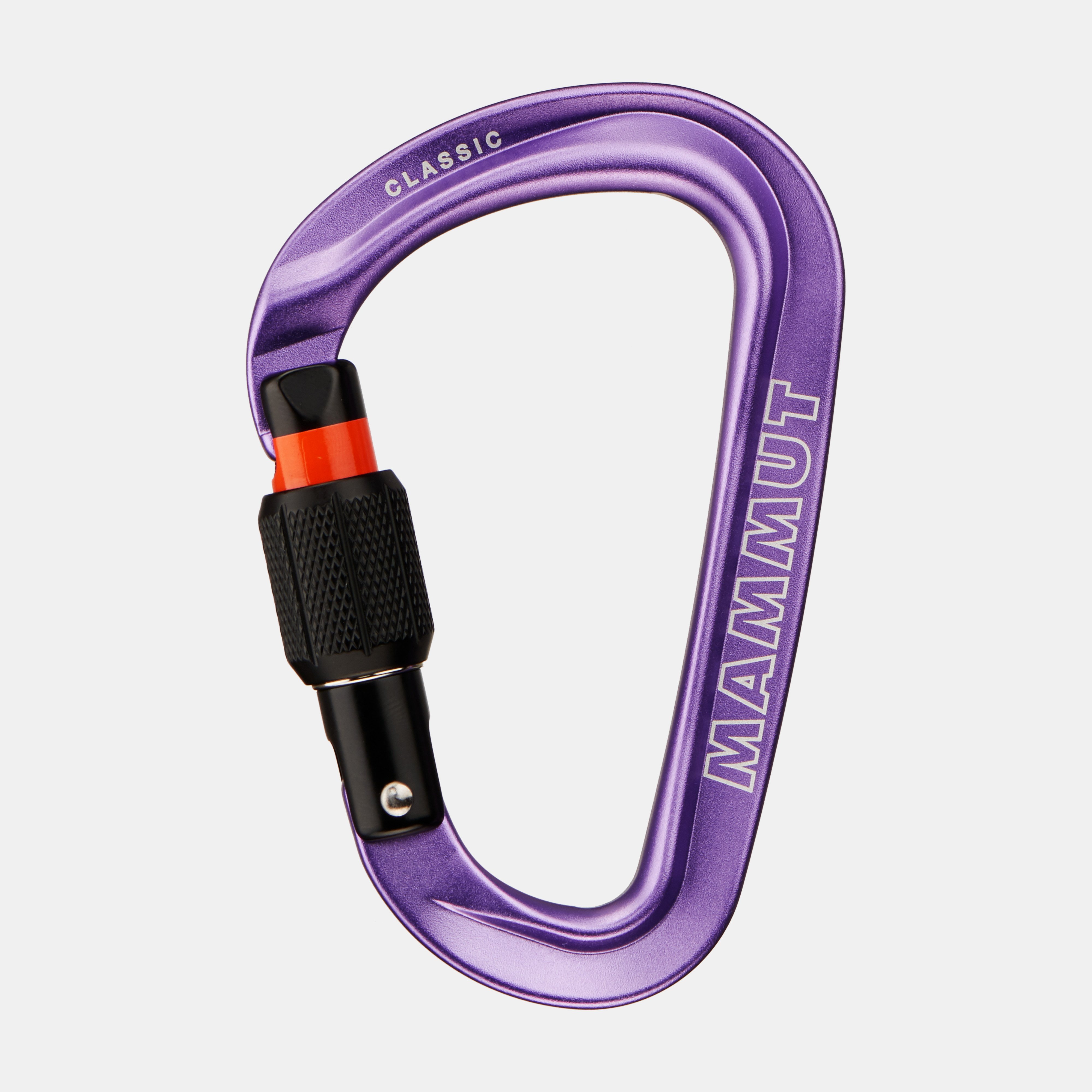
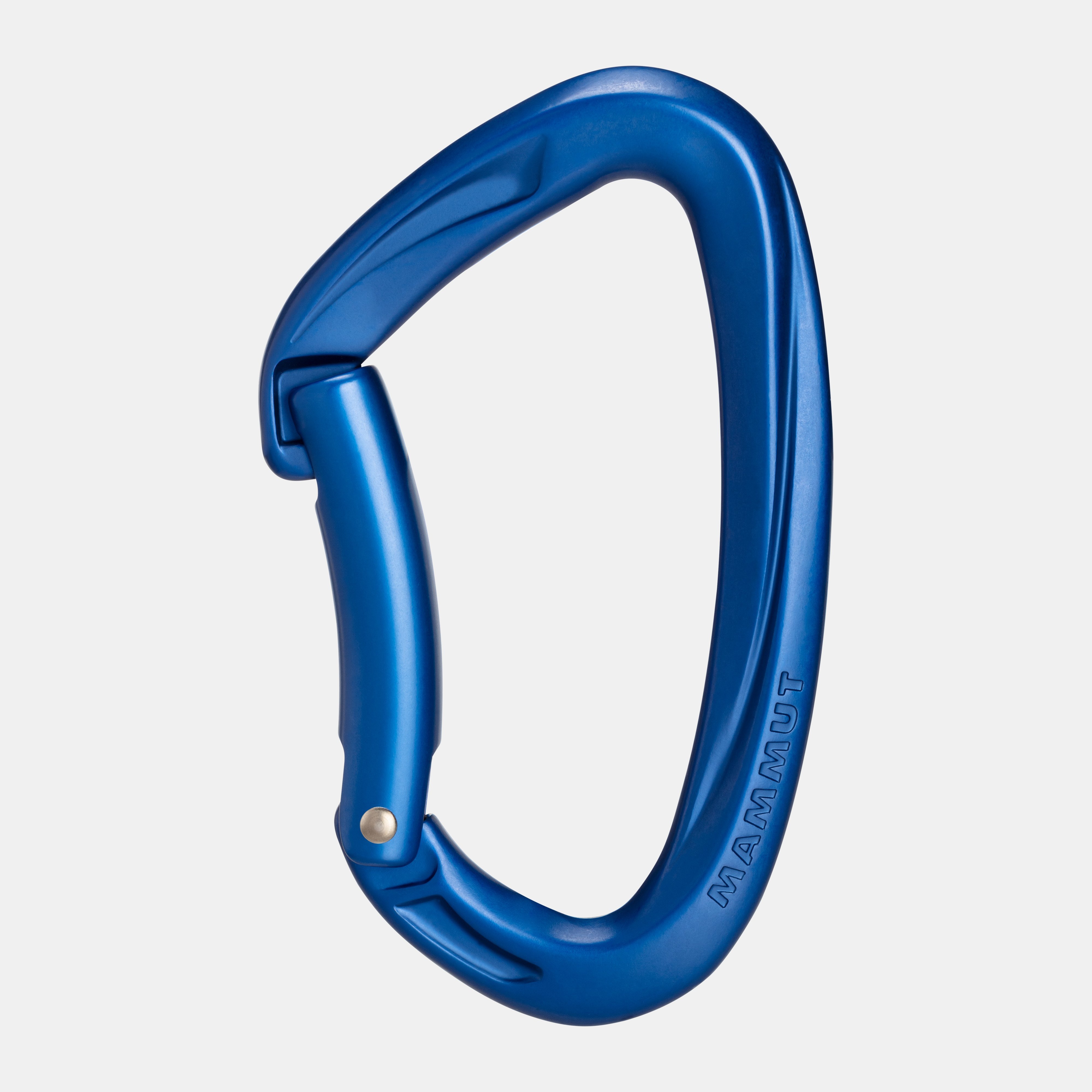
For belaying your climbing partner, belay devices that are easy to use and provide maximum safety for you and your climbing buddy are key. Additionally you need a suitable carabiner .
You don't usually need quickdraws for indoor climbing since they're already provided. However, best to check beforehand what the situation is at your gym.
Climbing Rope
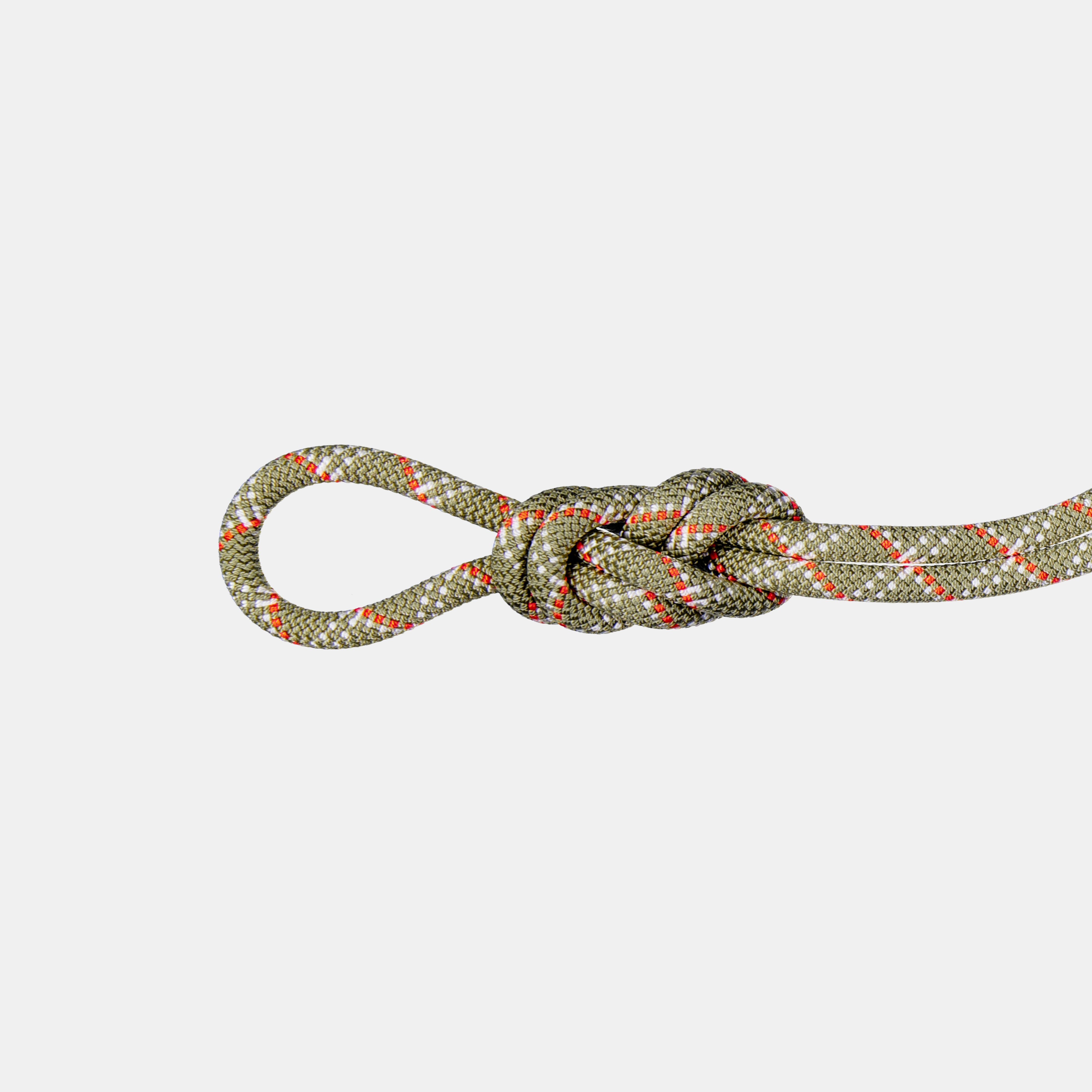
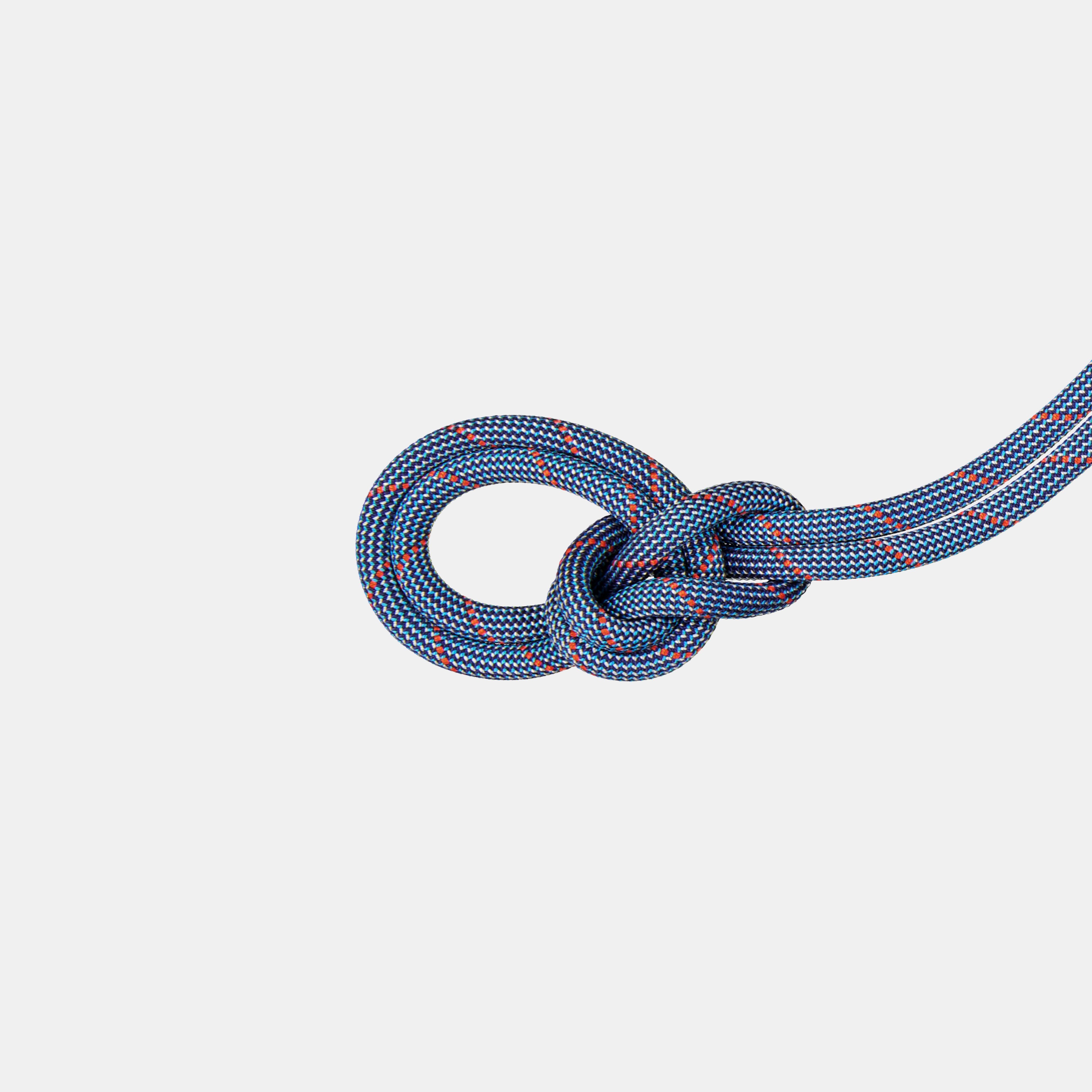
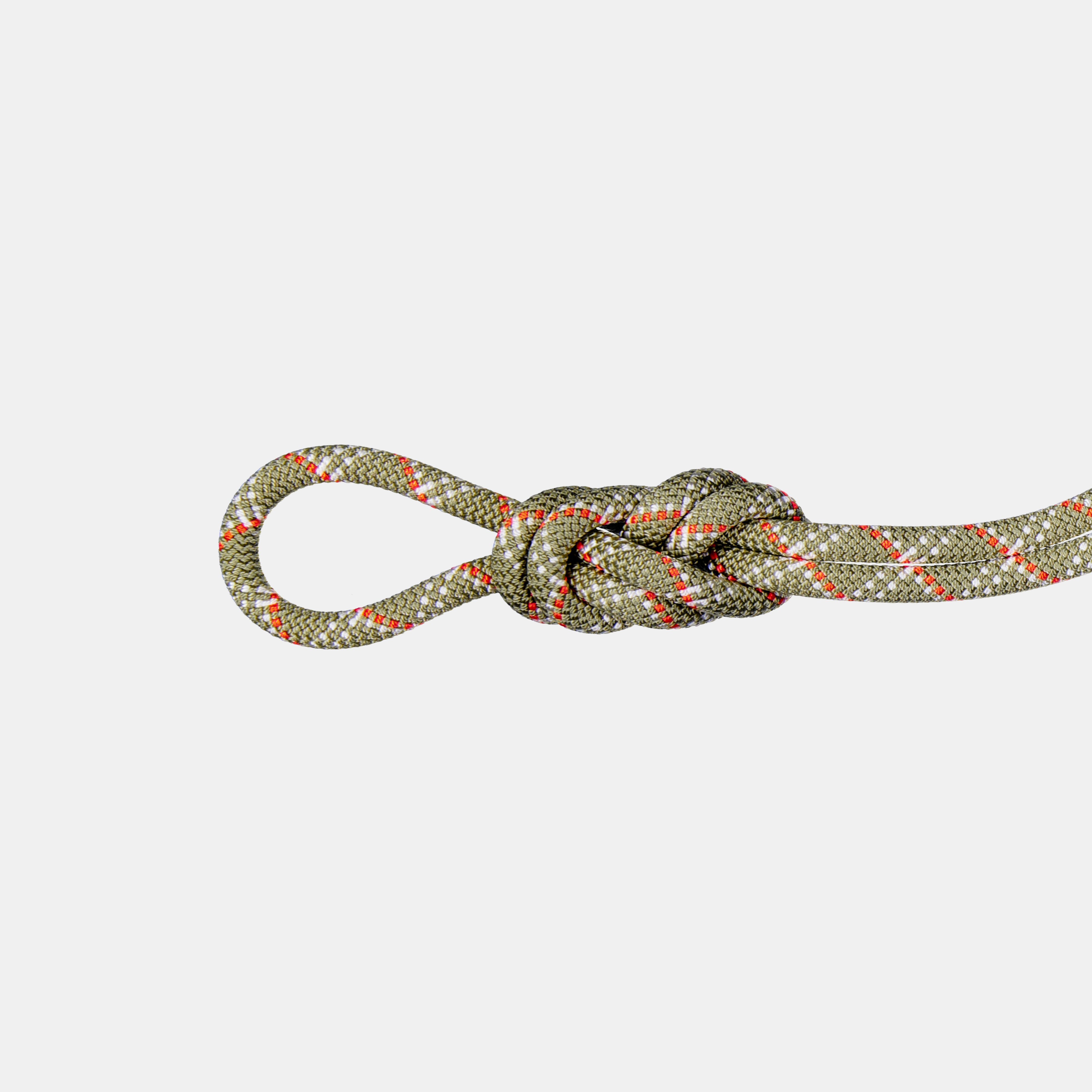
Single ropes are generally used for indoor climbing. These should have a diameter between 9.0 and 9.8 millimeters, with your rope and belay device needing to be compatible. Your typical gym rope should be between 130 and 160 feet (40 and 50 meters)long, depending on the height of the gym and the length of the routes. You can learn more about different types of ropes here.

Chalk
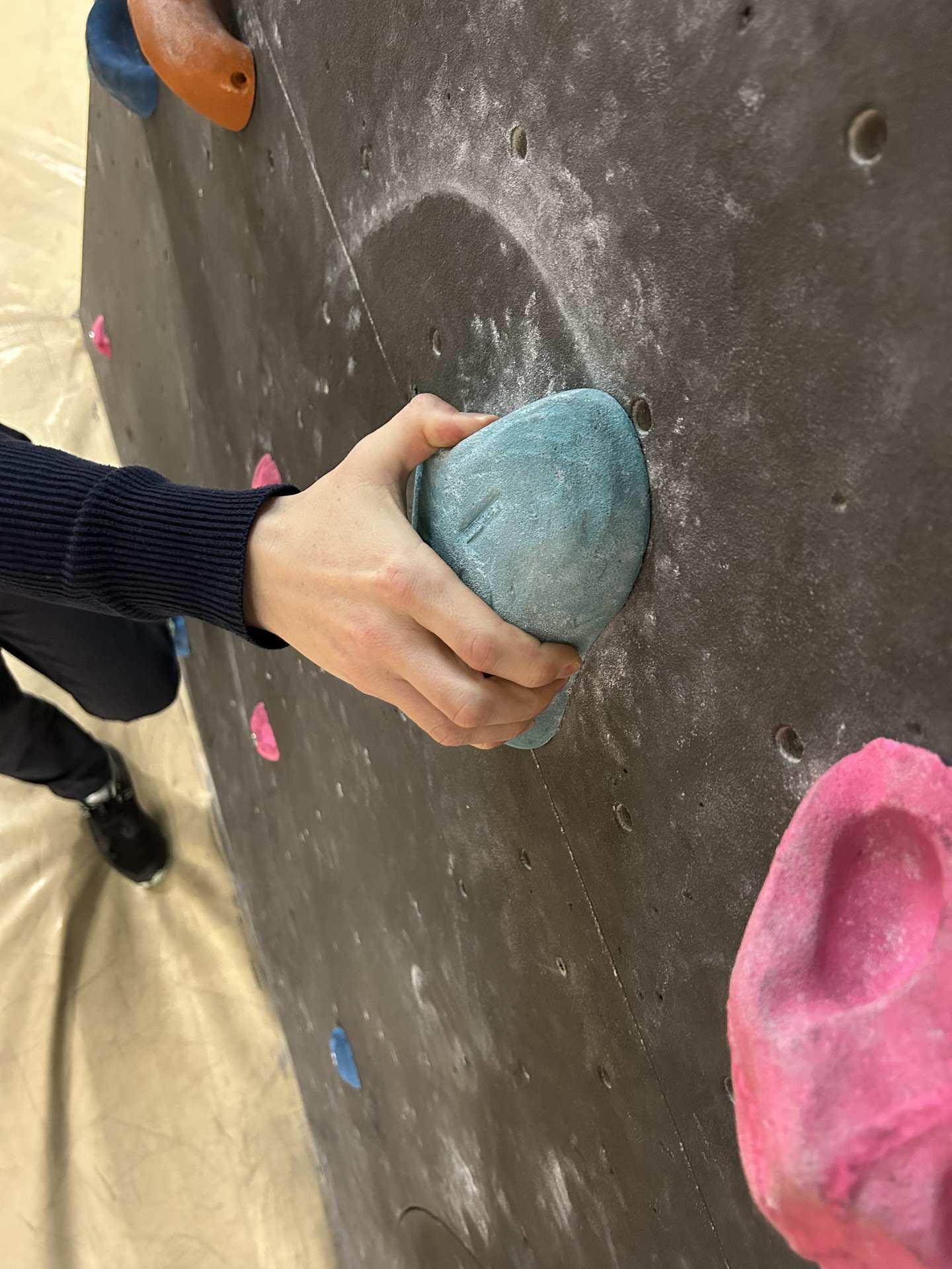
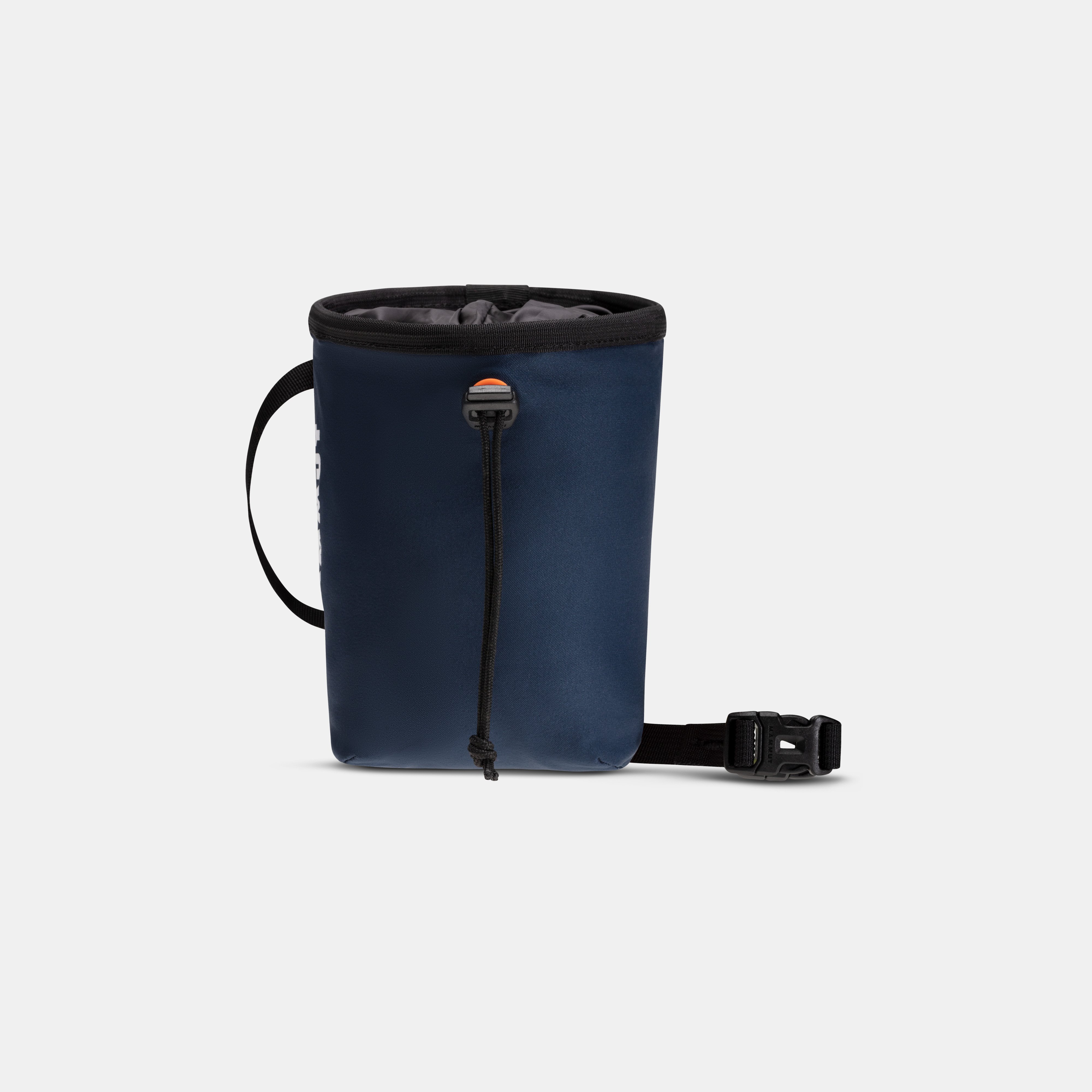
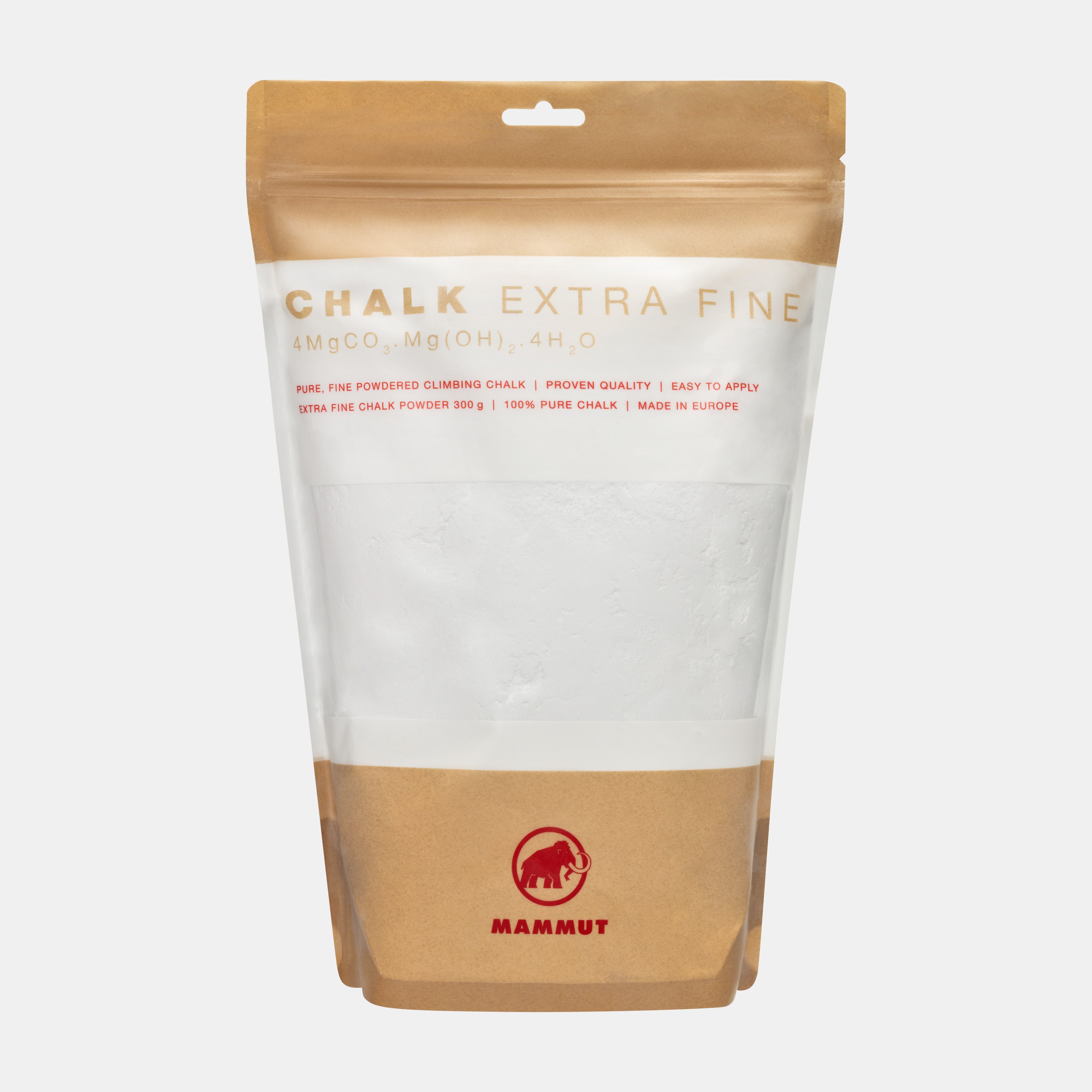
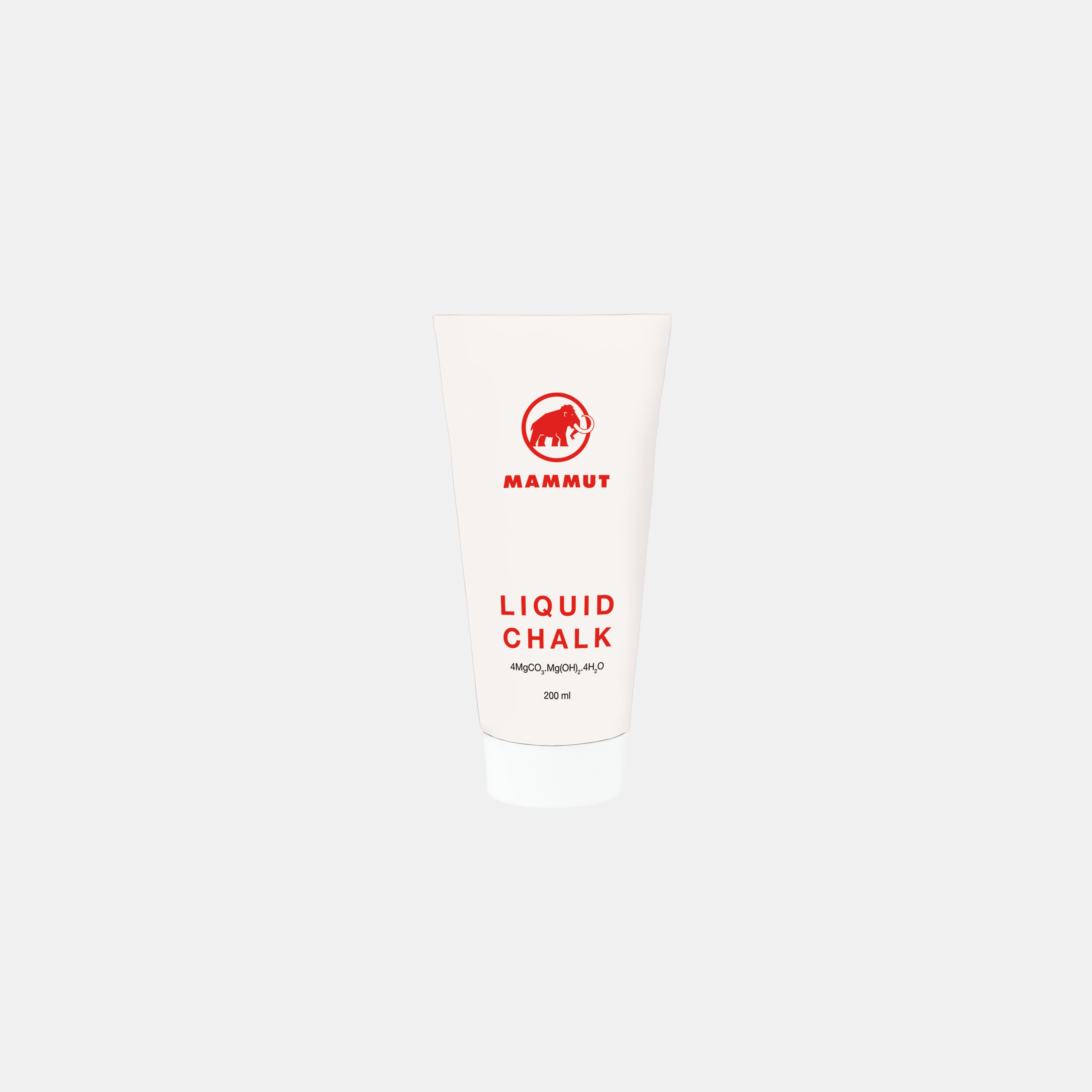
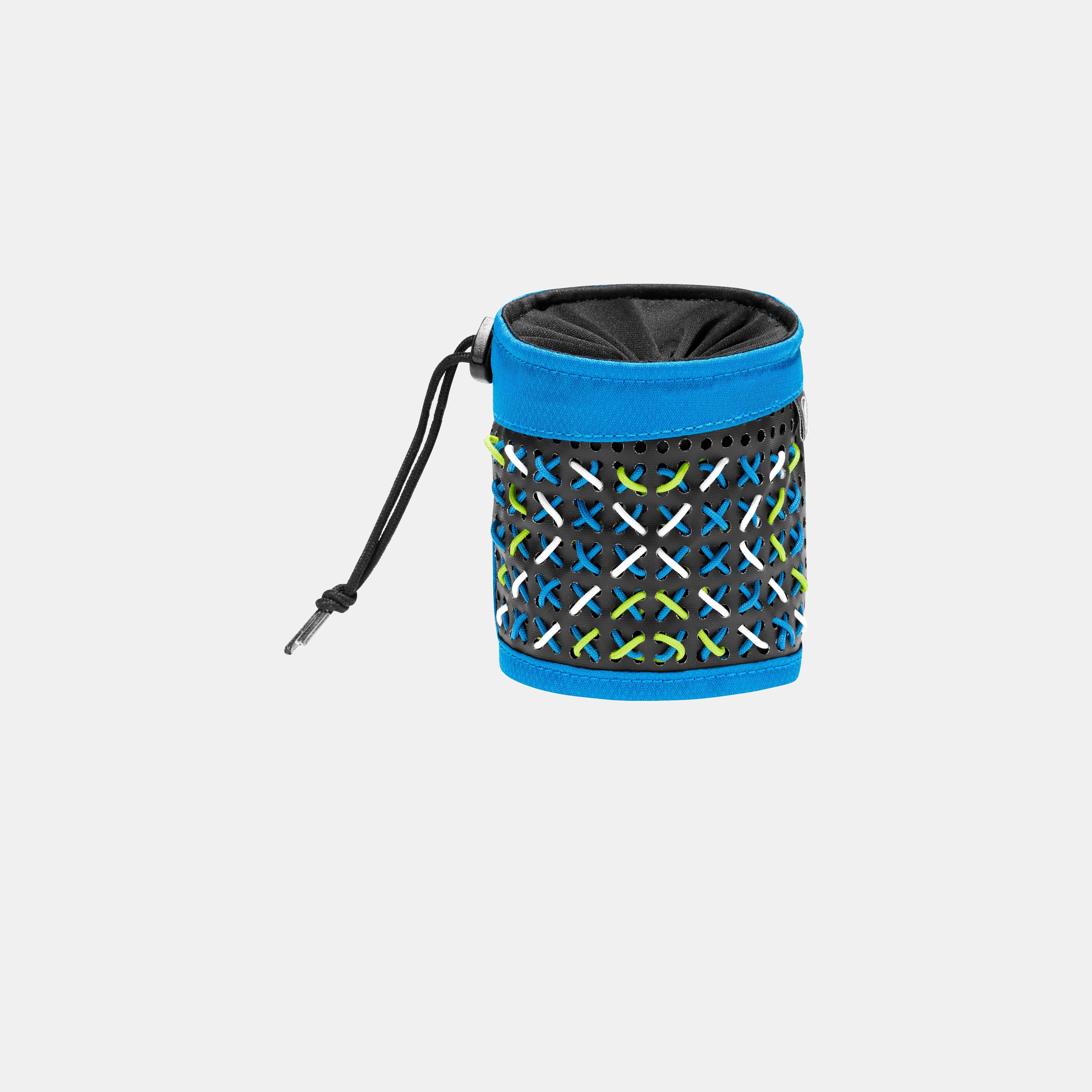
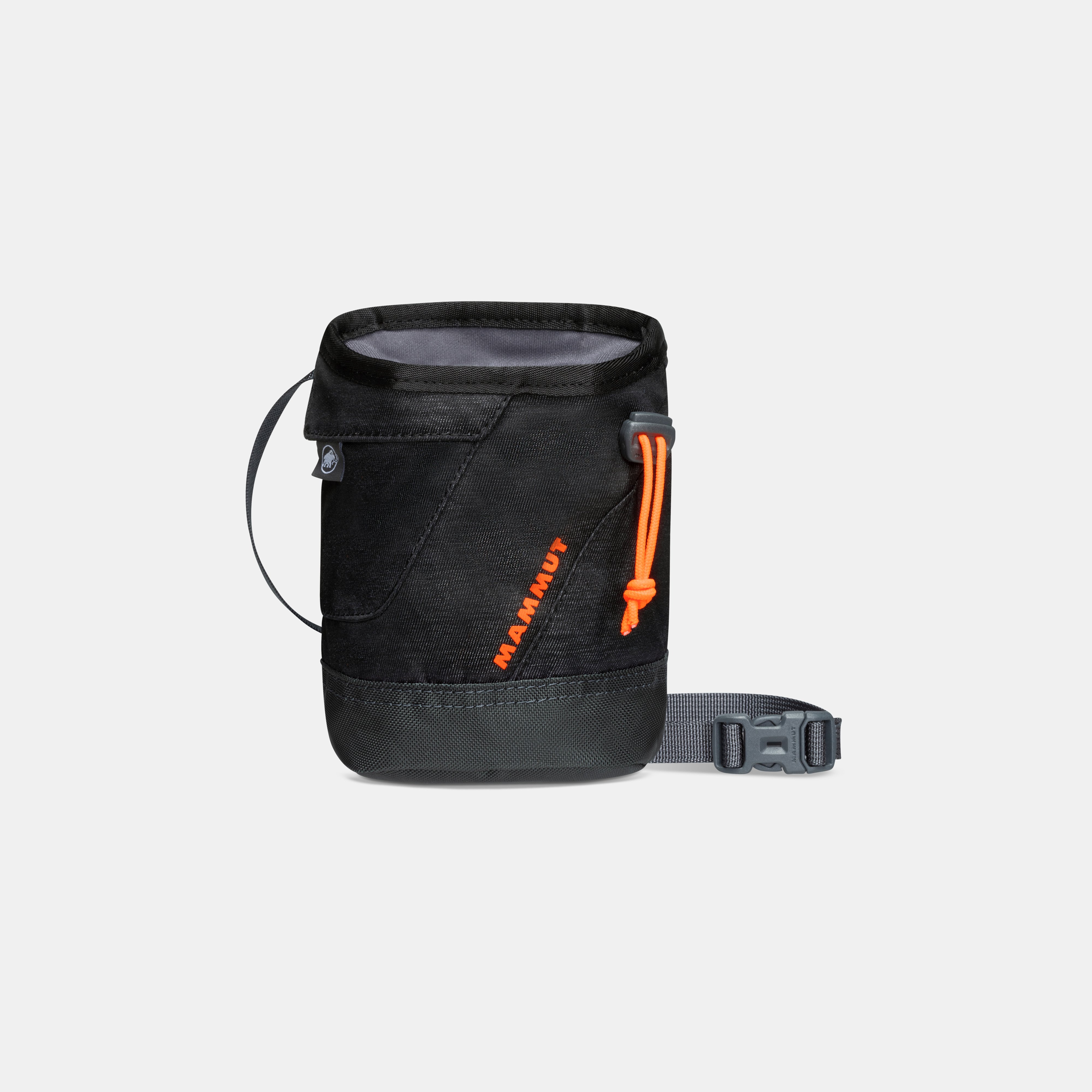
Magnesium carbonate – also called chalk – keeps your hands dry and improves grip on holds. It’s typically used as loose powder, liquid chalk, or as a chalk ball. Loose chalk and chalk balls can be conveniently carried in a chalk bag that you attach at your waist or on your climbing harness. Find everything about this topic in our post on usage and different types of chalk .
It is particularly important to make sure that your safety equipment is used correctly. If you're not 100% sure how to belay or whether your belay device and rope are compatible, ask experts (like climbing instructors, mountain guides, climbing clubs, etc.).
Additional helpful Gear for your Climbing Experience
Beyond the basic setup, there are some practical items that can make your gym climbing experience more enjoyable.
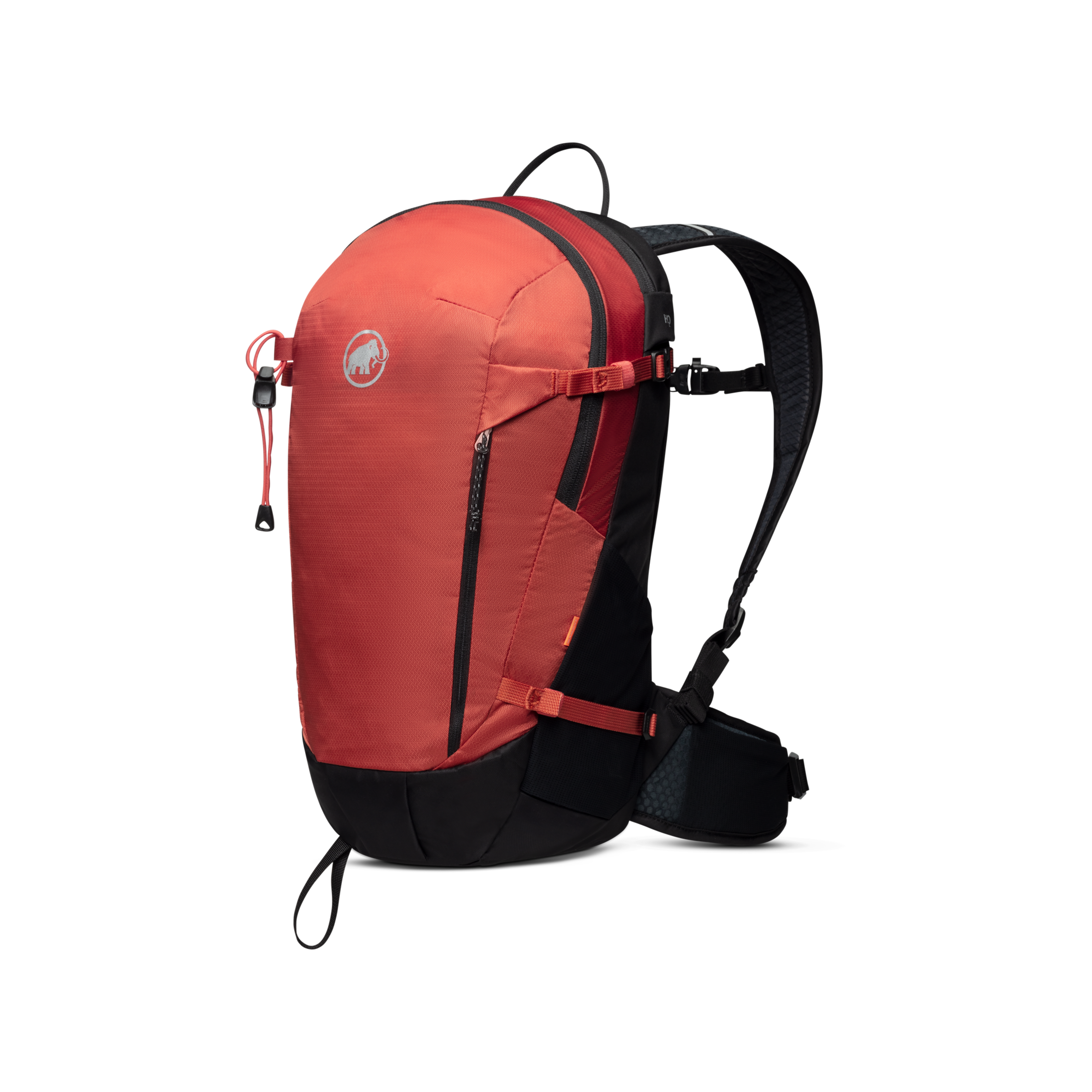
A climbing backpack lets you haul your equipment and personal stuff comfortably. There are also dedicated rope bags for climbing ropes.
Don't forget to bring a well-filled water bottle so you can stay hydrated while climbing. For a quick fuel between sessions, energy gels or nutritious snacks work best.
A first aid kit should always be within reach in case minor injuries happen.
Tape is an indispensable companion at the climbing gym. It protects your fingers and hands from overuse and can quickly help with minor skin injuries. Especially during intense climbing sessions or when trying new, demanding routes, preventative taping can protect vulnerable spots on your fingers.
Occasionally, you'll encounter holds that don't provide good grip due to chalk buildup – a brush helps to quickly clean them and get a better hold.
Belay glasses are a practical tool to relieve strain on your neck. When belaying, you often need to look up for long periods of time, which can cause tension. Belay glasses with prism lenses allow you to keep an eye on the climber without constantly craning your neck back.
These add-ons help you feel good all around and be well equipped so you can fully enjoy your gym climbing experiences.
Indoor Climbing Clothing
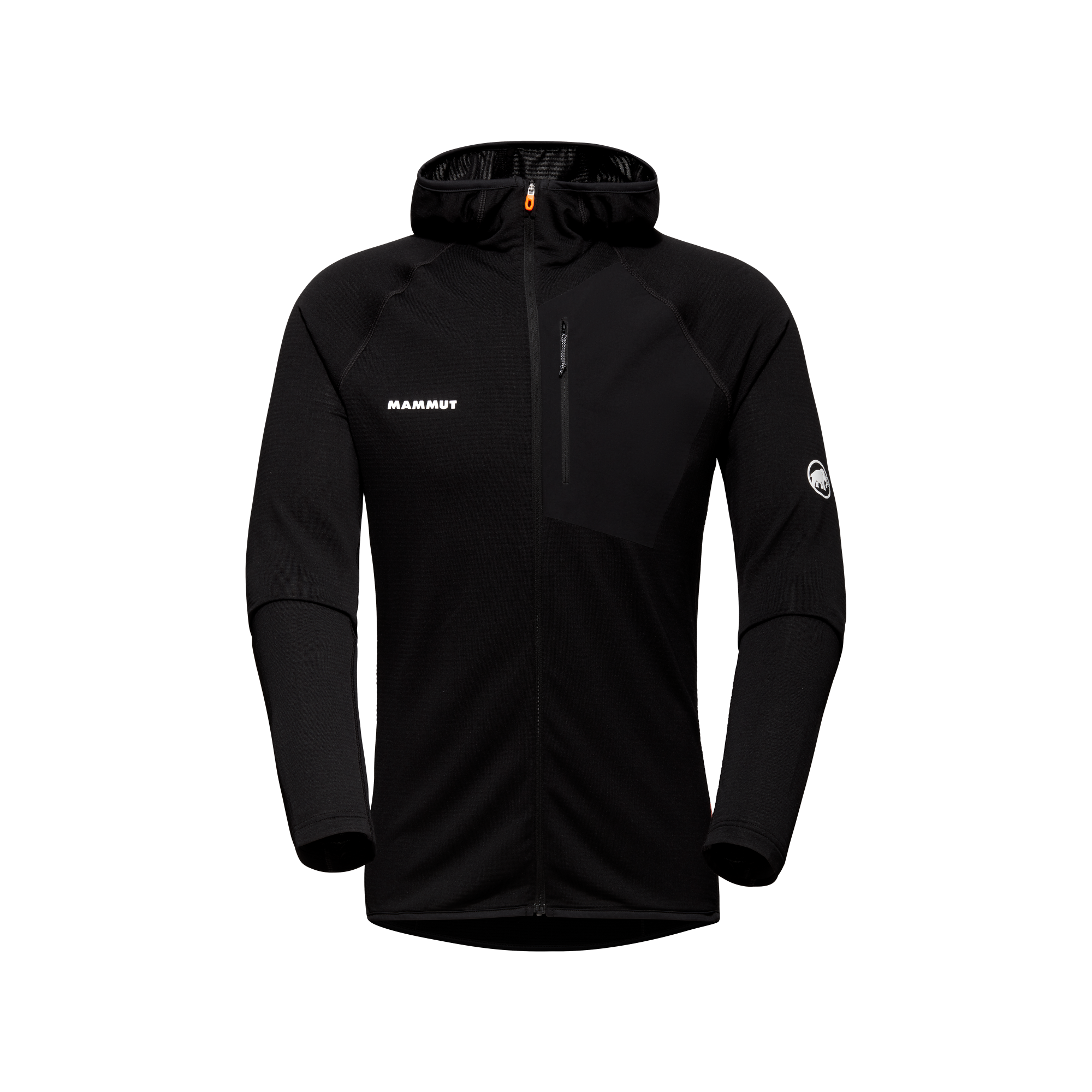
Comfortable and stretchy clothing matters a lot for indoor climbing so nothing will restrict your movement. Go with breathable materials that wick away moisture and dry quickly. Standard picks are t-shirts or lightweight long sleeves plus flexible pants or tights that let you move freely. This keeps you dialed in on your next sequence.
For detailed tips on the best clothing choices for indoor climbing and bouldering, we've put together a comprehensive guide . Picking the right climbing pants especially involves some key considerations – our guide on the perfect climbing pants walks you through finding what works for you.
Tips for Beginners
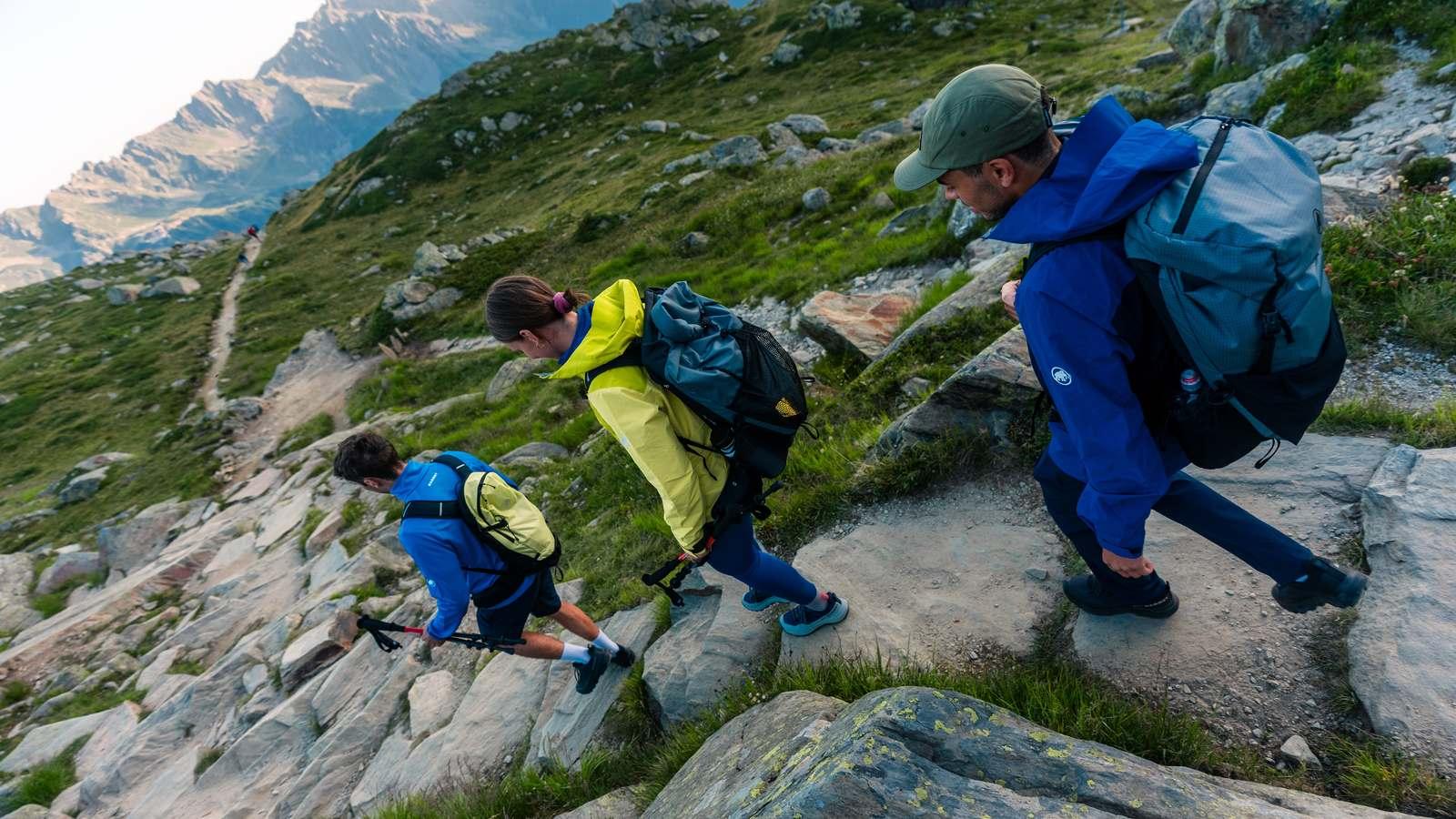
If you're just getting into climbing, most gyms let you rent gear. This allows you to familiarize yourself with the essential pieces before investing in your own gear. It is also smart to take a beginner’s course to familiarize yourself with the equipment and safety techniques. While helmets and quickdraws usually aren't needed at the gym, you'll want them when you eventually head outside. We've also put together a gear checklist for outdoor rock climbing .
Well prepared for the Climbing Gym
With proper gear you'll not just be safe – but you can also be able to fully enjoy your indoor climbing experience. Make sure you have the right combination of comfort and safety, and get support from qualified instructors at the climbing gym if needed. Indoor climbing is the ideal way to start training your technique and strength – and with the right equipment you'll have the best foundation for progressing and achieving your goals. If you want to learn more about equipment and training tips, check out our additional guides for practical instructions and recommendations specifically for indoor and outdoor settings.
Frequently Asked Questions About Indoor Climbing
Question: Can I rent climbing gear at the gym?
Answer: Yes, most climbing gyms offer rental equipment for beginners so you can get started without having to buy your own gear.
Question: How do I find the right climbing harness?
Answer: Look for good fit, adjustability, and wearing comfort. Try different models to find your favorite. Find more details and tips for this in our comprehensive guide for choosing the right climbing harness .
Question: Do I need a helmet for gym climbing?
Answer: Usually not since there's no rockfall danger there. For outdoor climbing though, a climbing helmet is a necessity.
Question: How often should I use chalk?
Answer: As often as you want solid grip without drying out your skin. Watch your dosage and go with liquid chalk if your skin is sensitive. Find everything relevant about this topic in our chalk buying guide .