


Eiger Extreme
Nordwand 6000 High
01/26
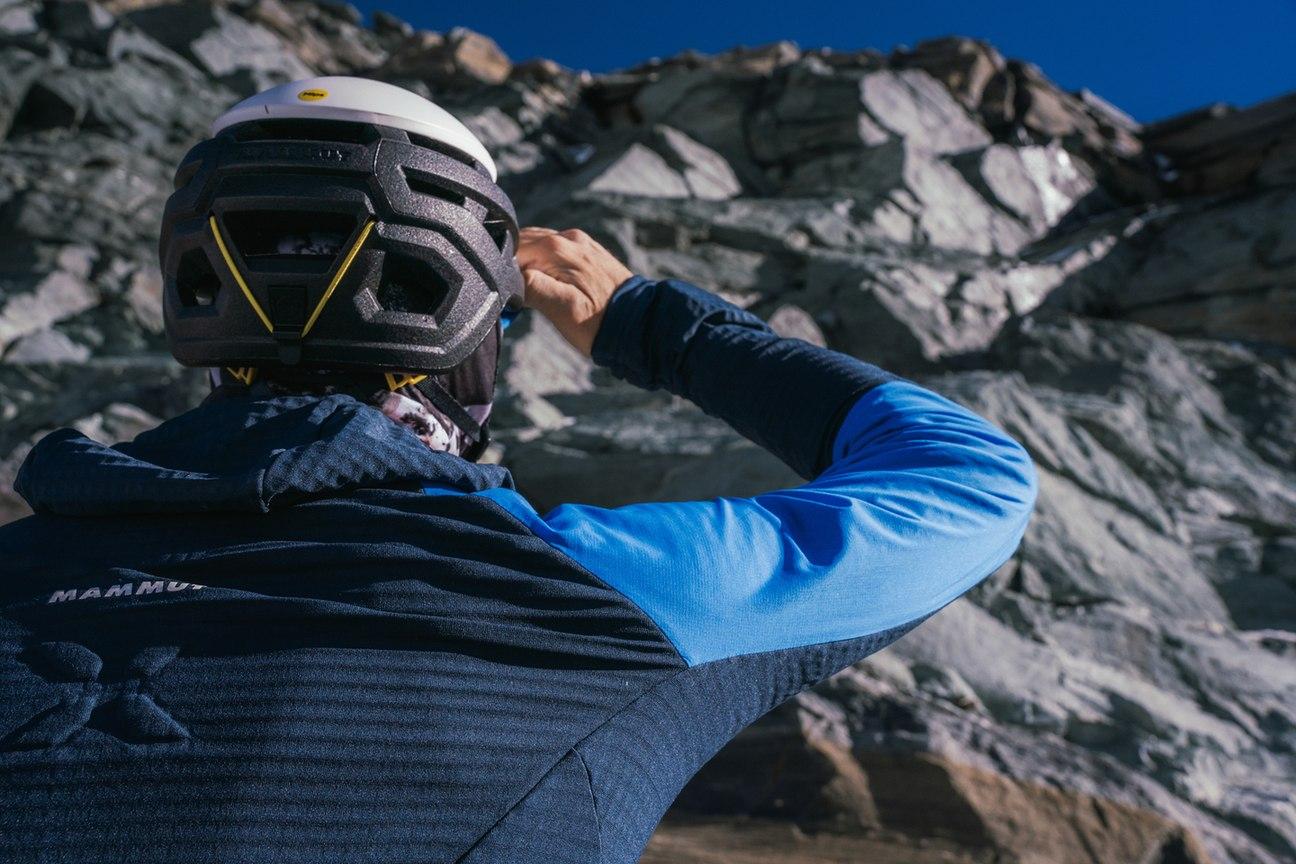
Alpine tours rank among the most demanding forms of mountaineering and require careful planning – especially when it comes to your gear. Whether you're planning a single-day tour or a multi-day expedition, the right packing list significantly impacts your safety, comfort, and success on the route. This post covers what gear you actually need – sensibly organized by use – so you can head into the high alpine properly prepared.
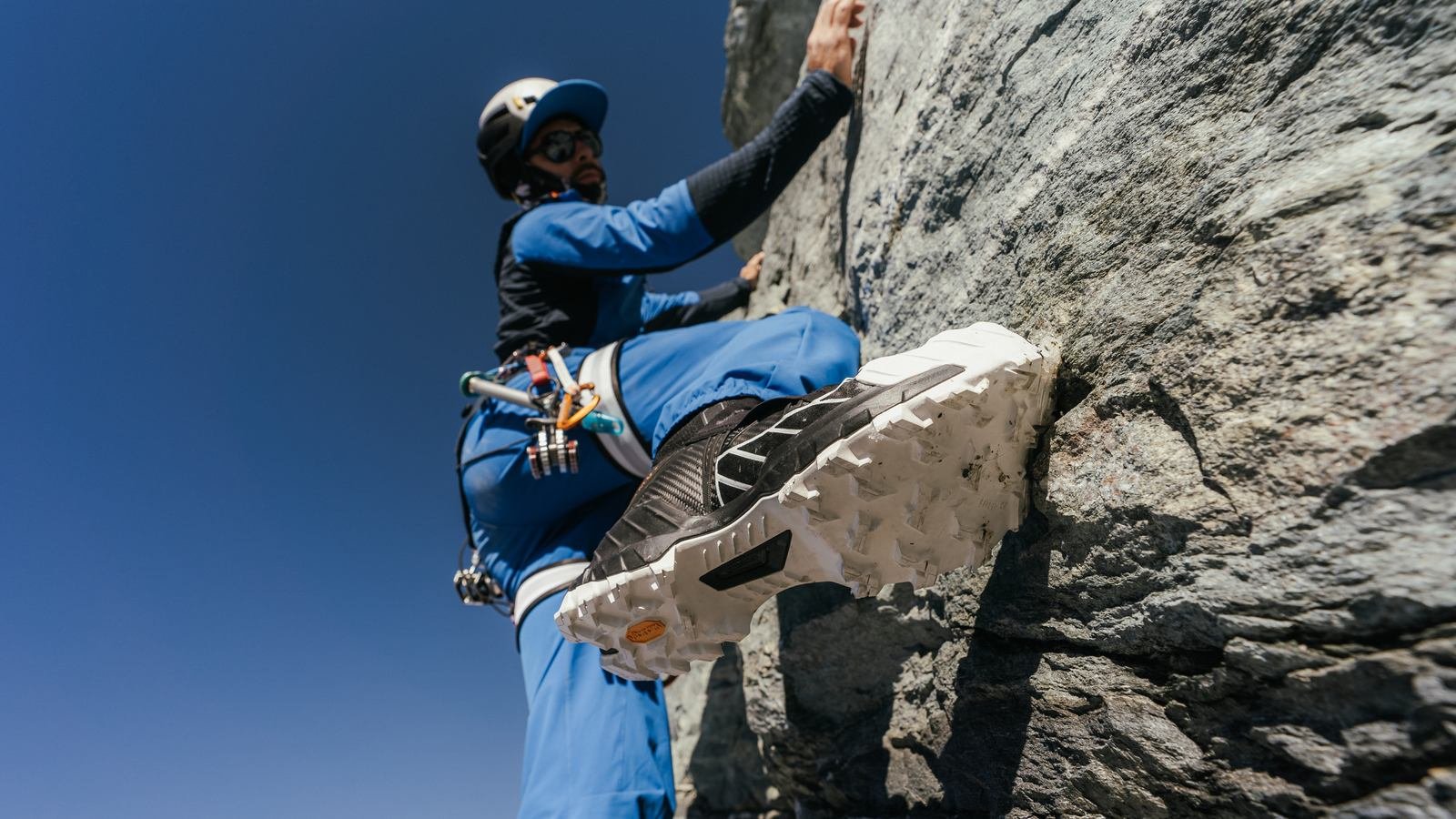
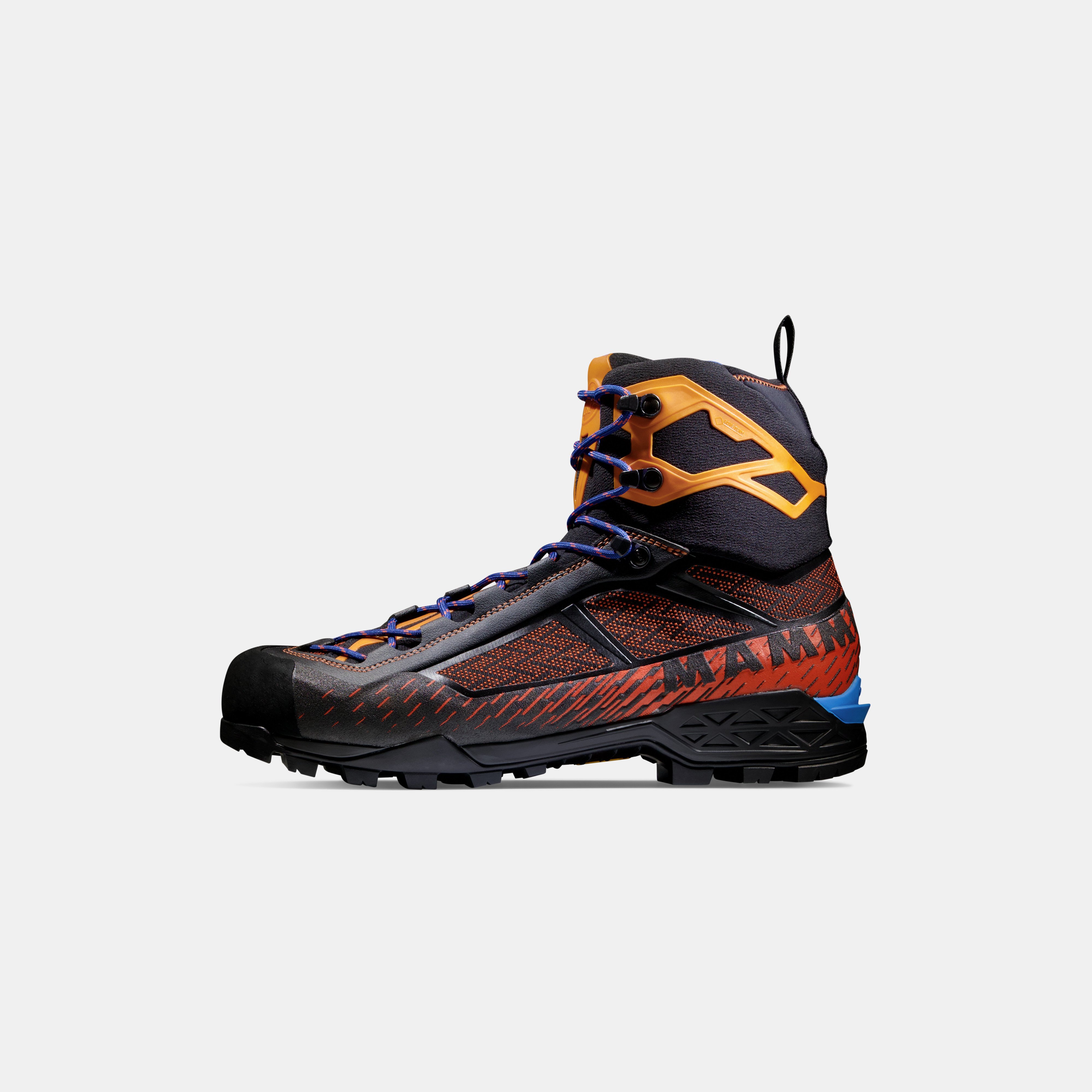
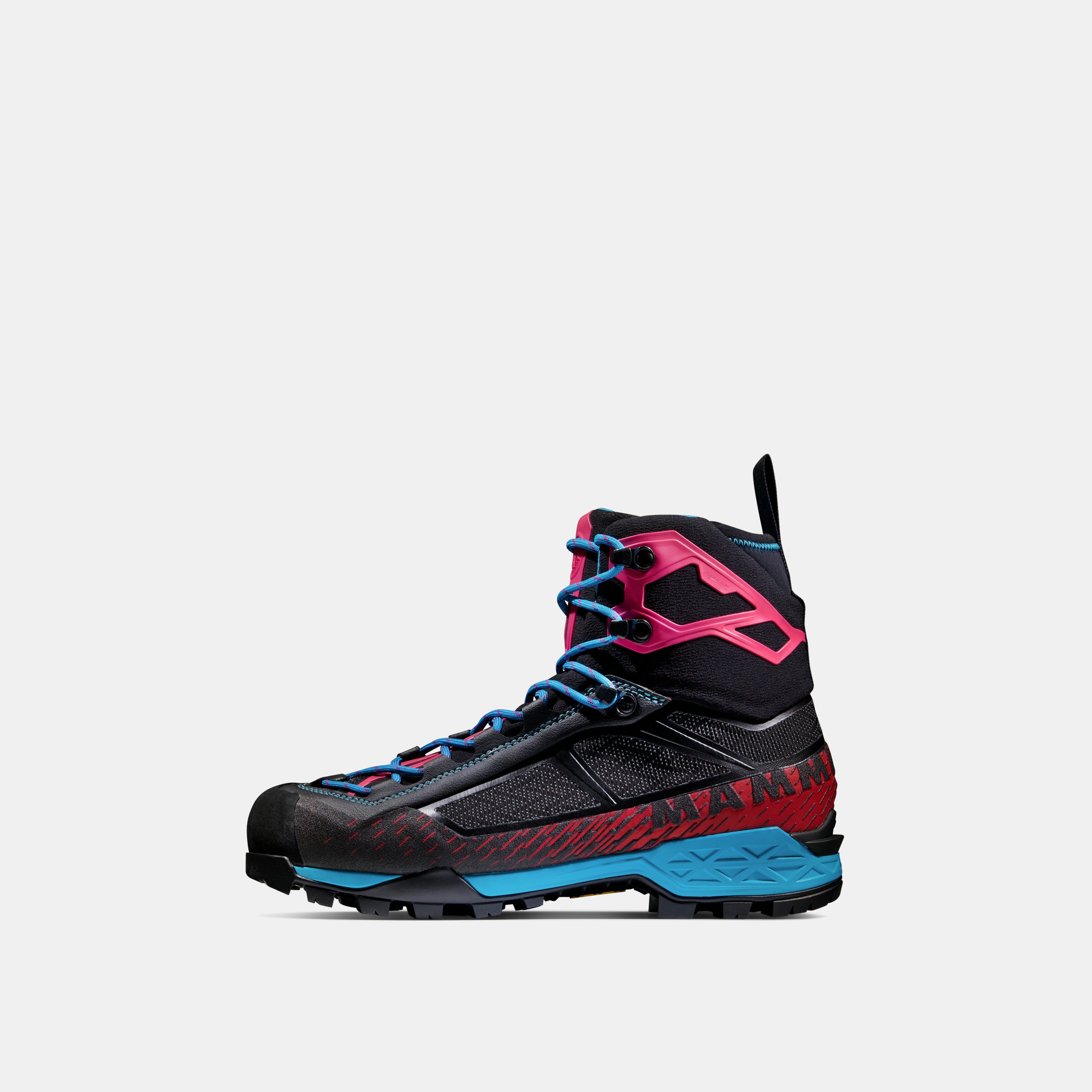
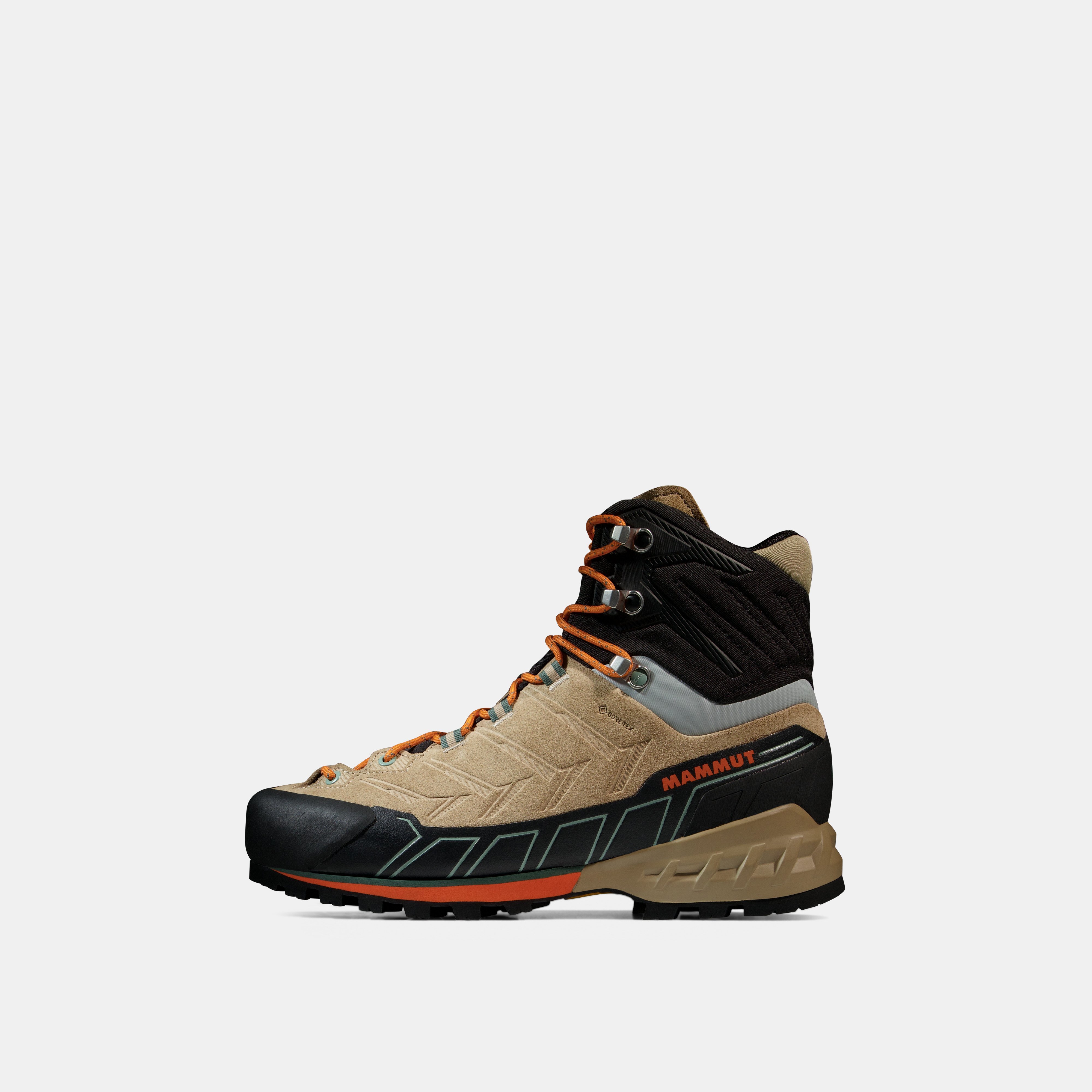
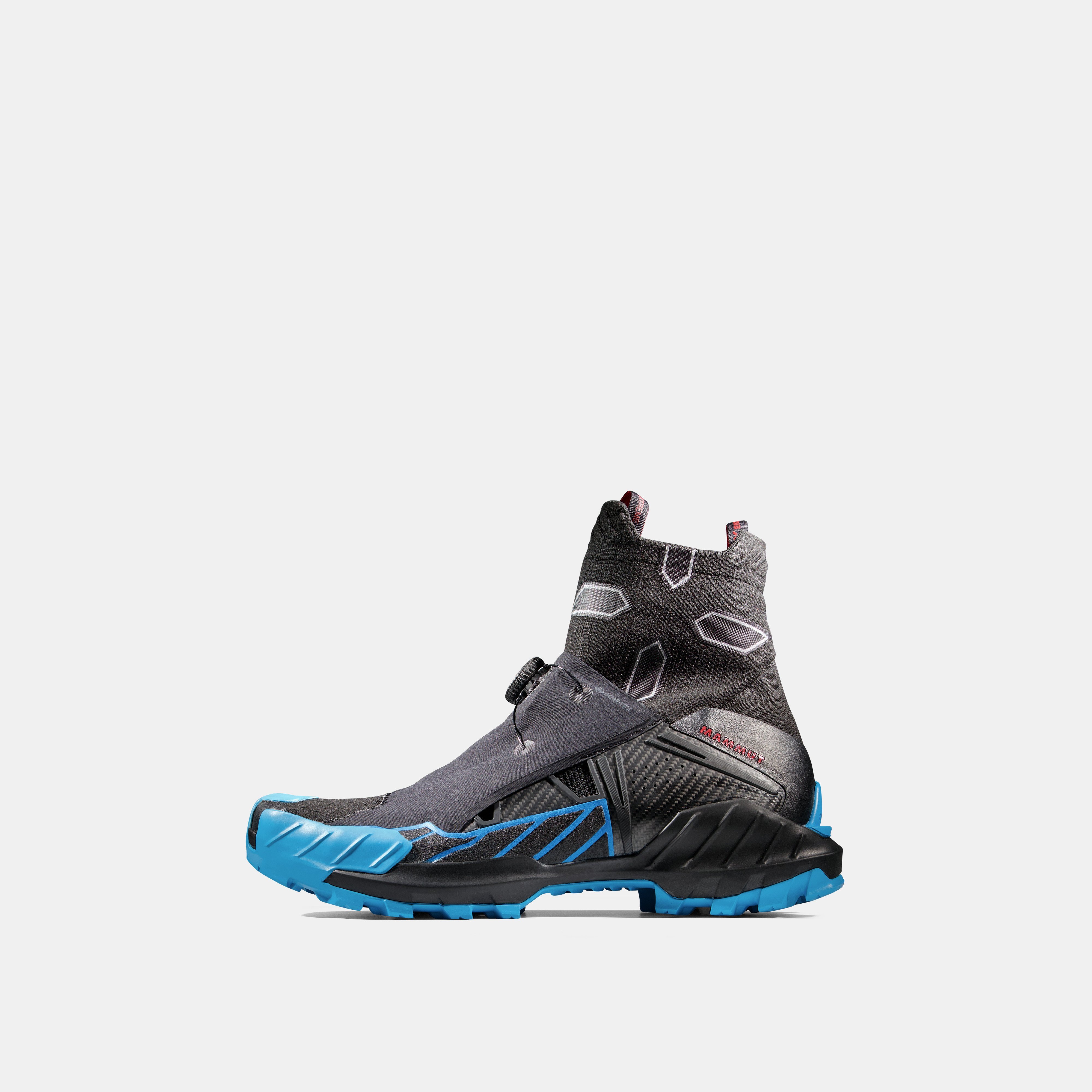
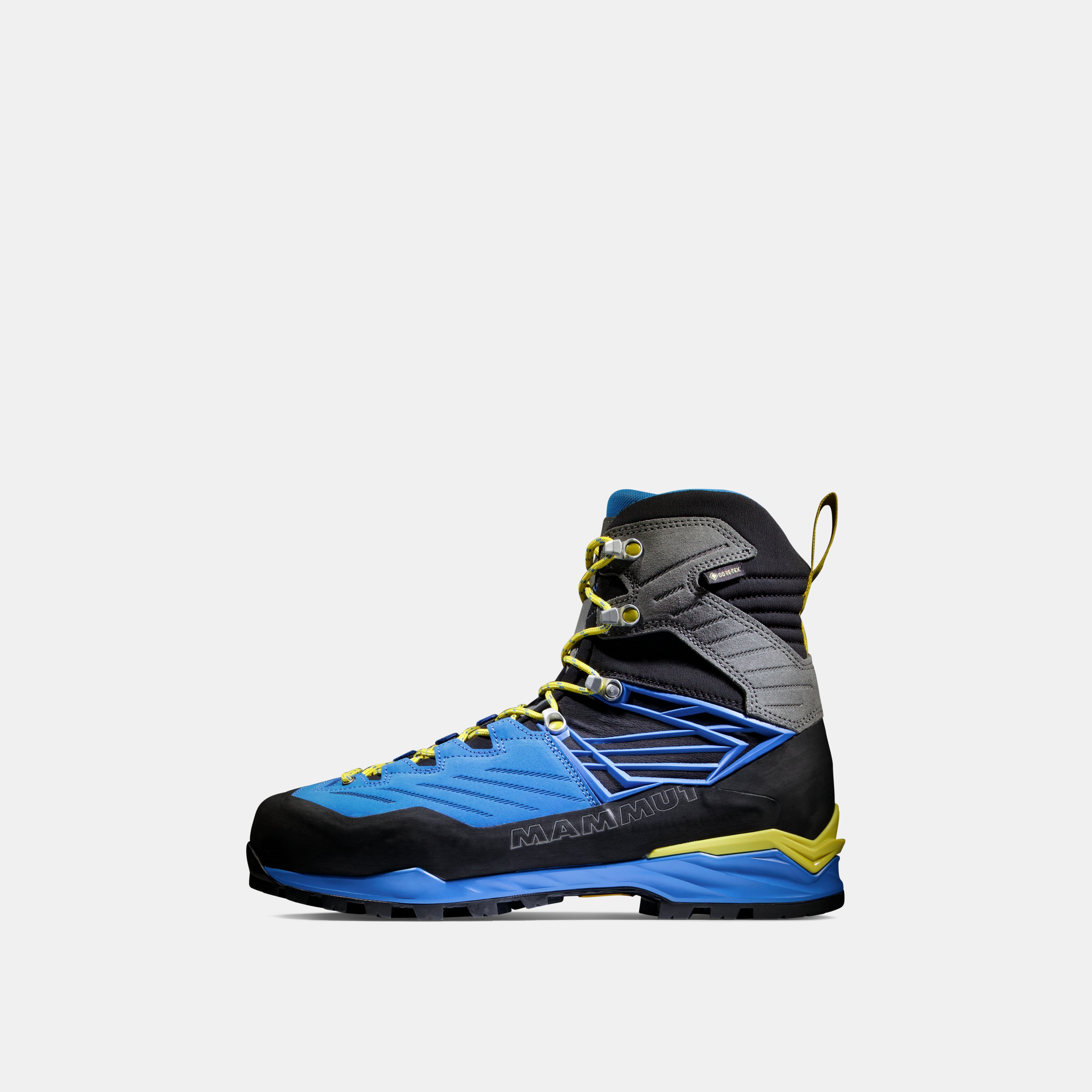
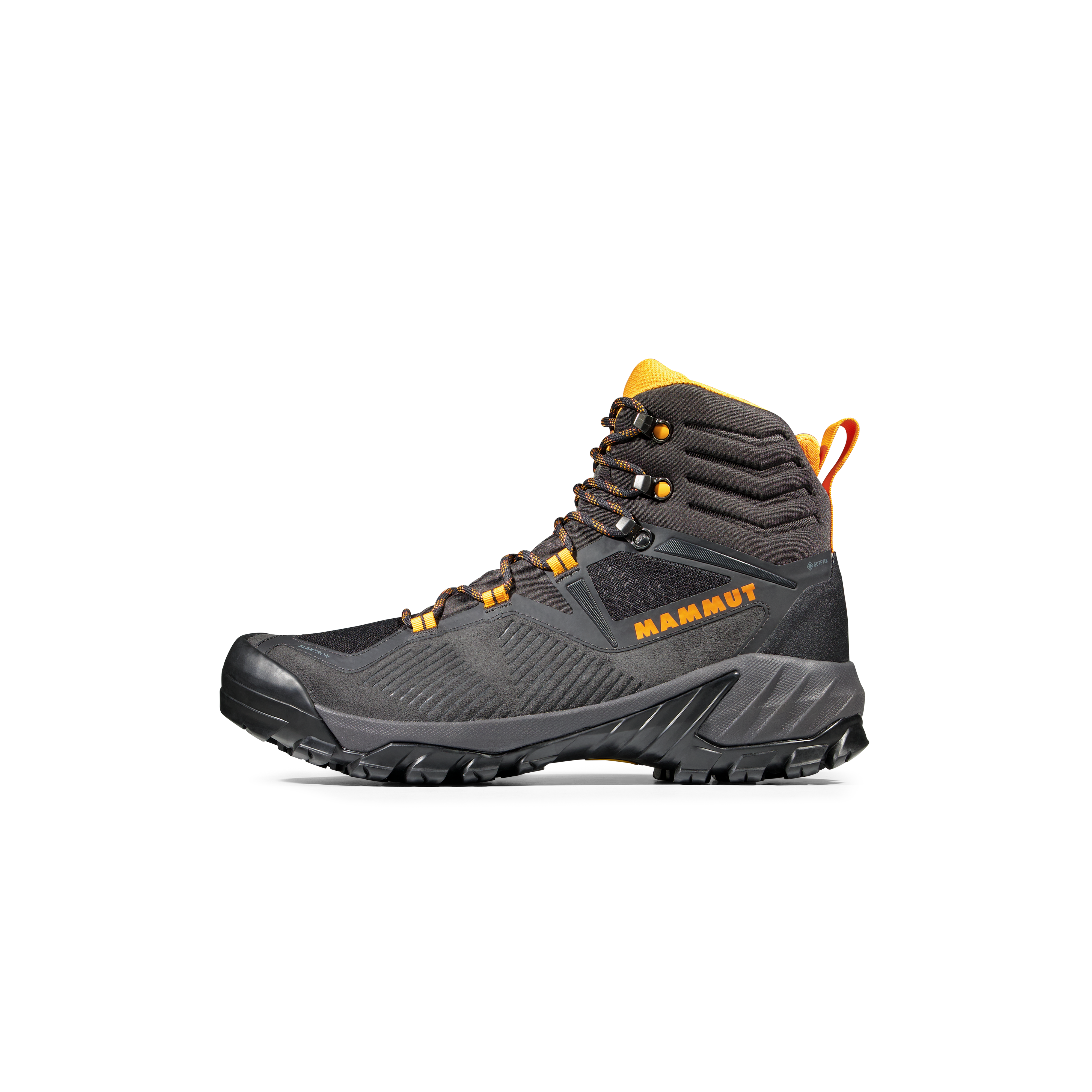
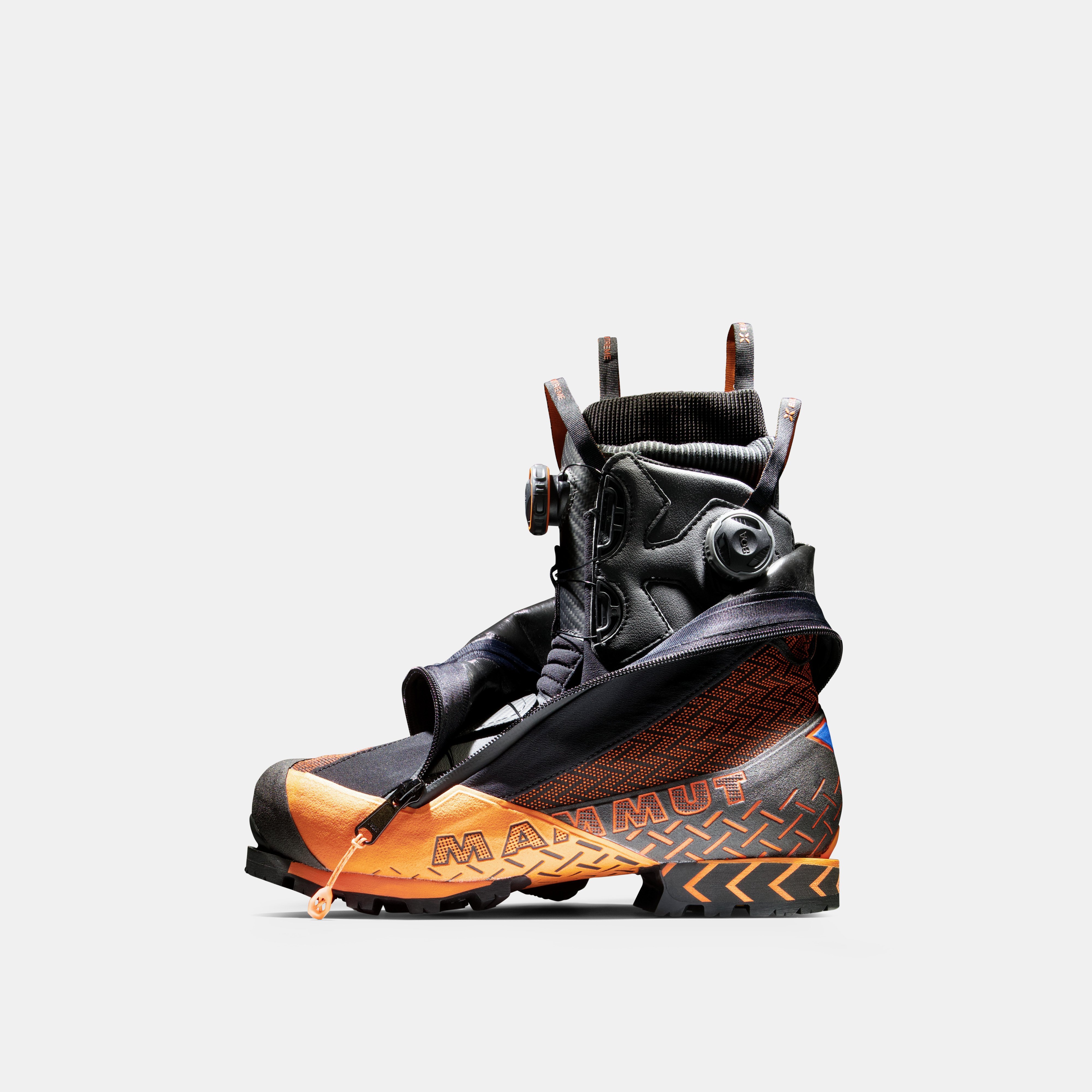
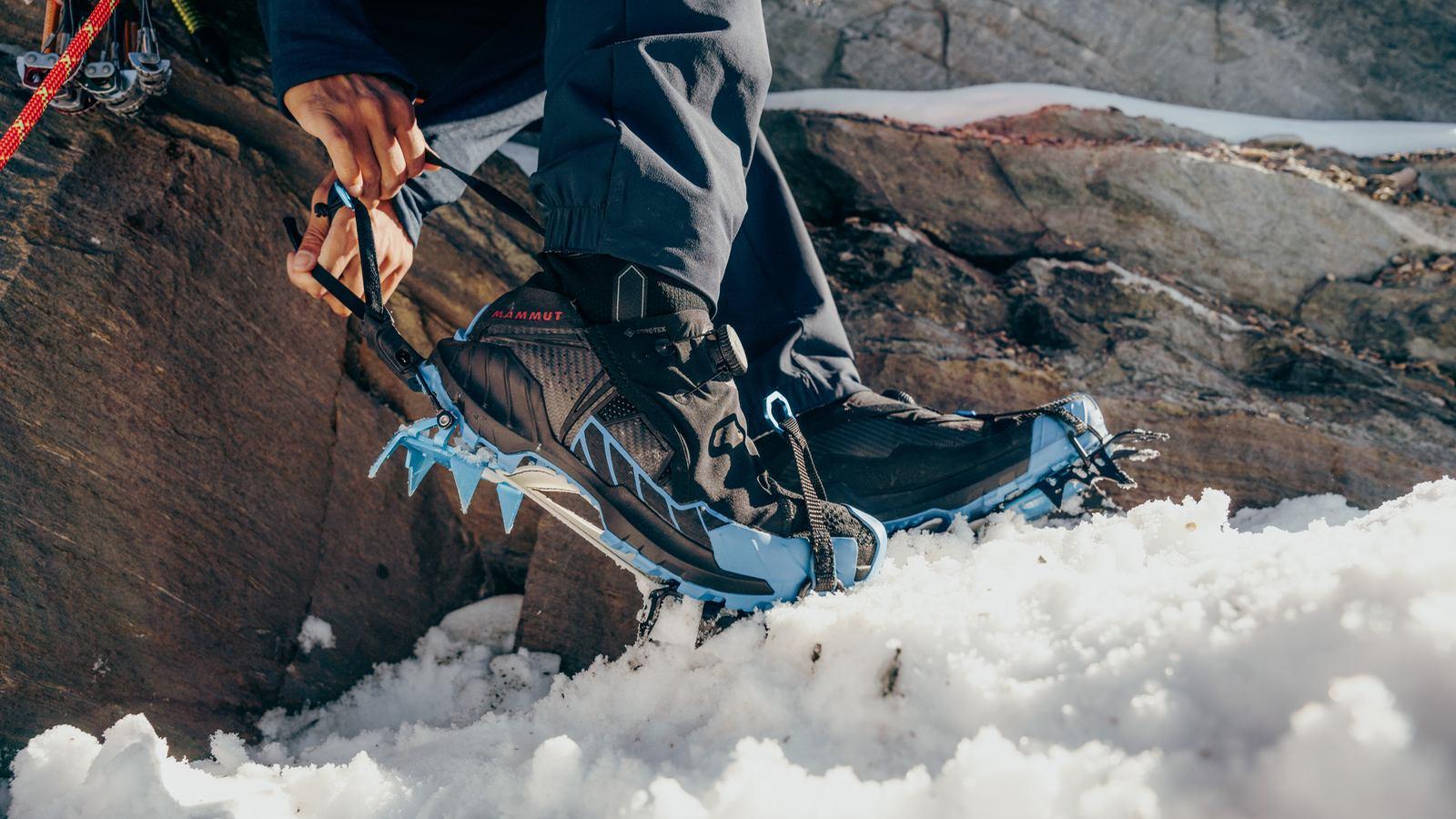
Your mountaineering equipment is what keeps you safe while moving on ice and rock – the main terrain you'll encounter in the high mountains. Full focus and reliable gear are essential so you can move confidently and securely. Crampon-compatible mountaineering boots give you the traction and protection you need on icy and rocky terrain. A high-cut boot is especially recommended since it supports your ankles and provides additional stability. Especially in the high alpine, this boot style is ideal for preventing injuries and moving securely across changing terrain – learn more about finding the right mountaineering boots here.
Look for a flex rating of B3, which provides the stiffness needed for demanding terrain. You'll find models like this in the Mammut product range , which offers a selection of quality alpine mountaineering boots.
With proper crampons you can also move securely on hard snow or glacier ice. Learn which crampon model works for you in our post about how to choose crampons .
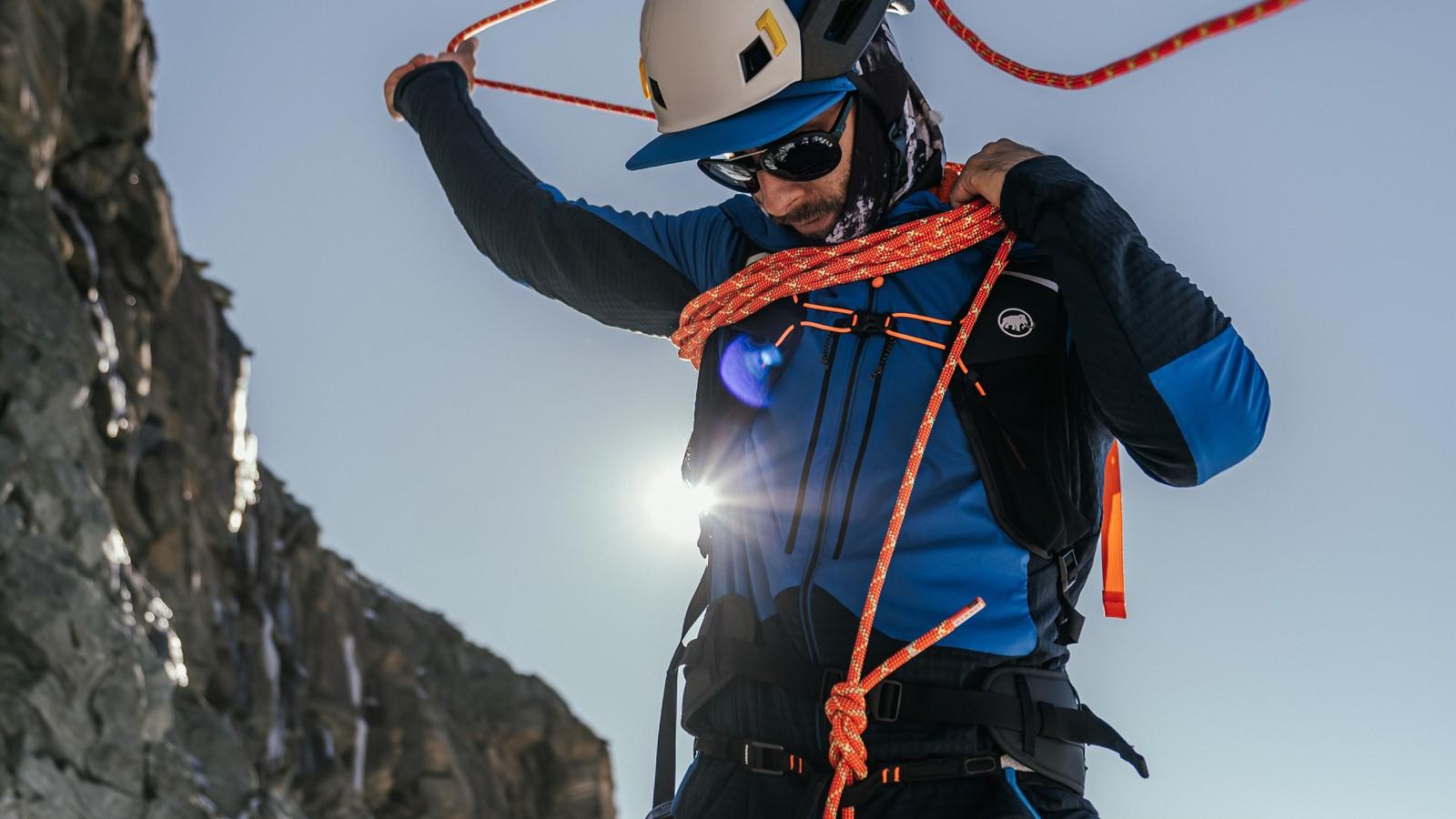
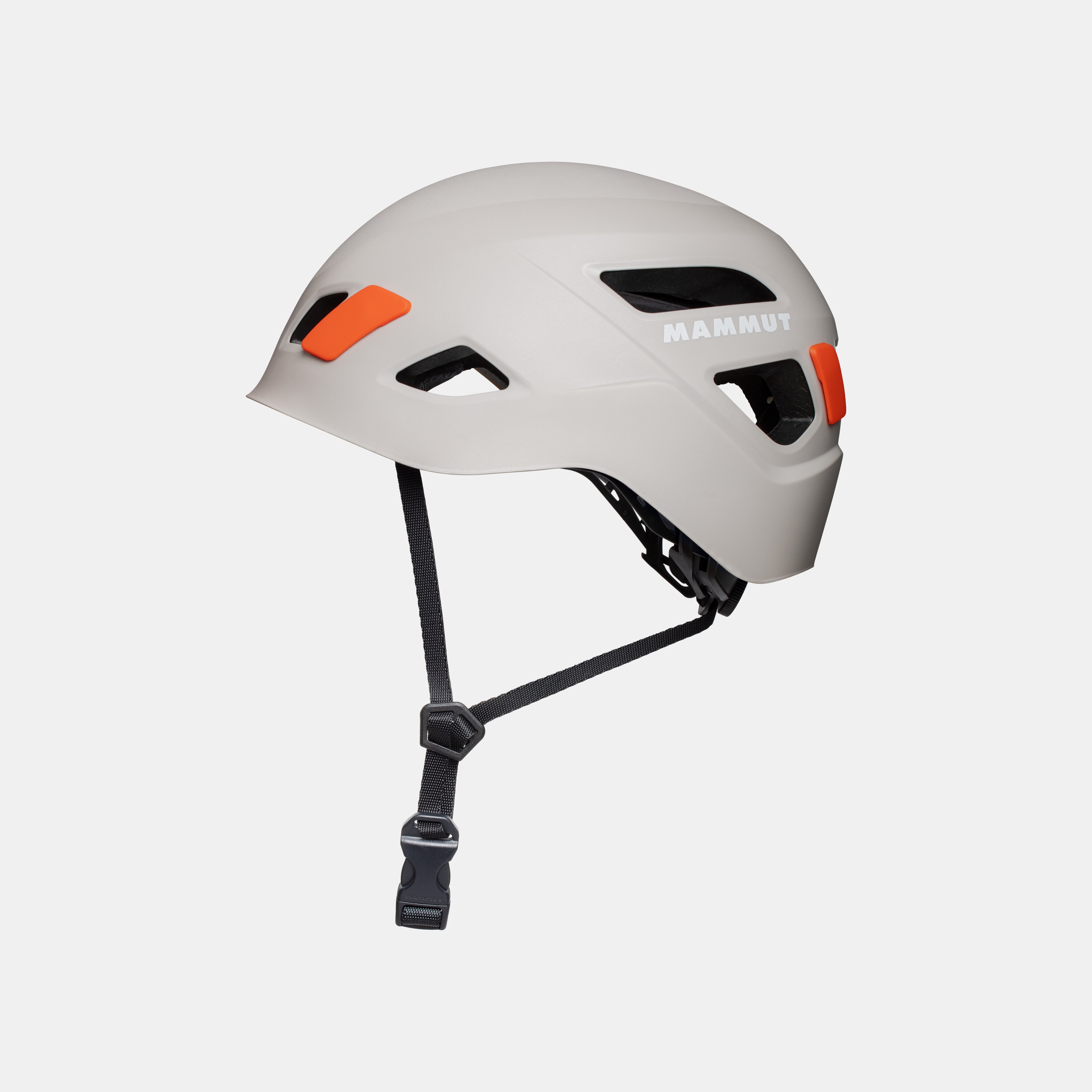
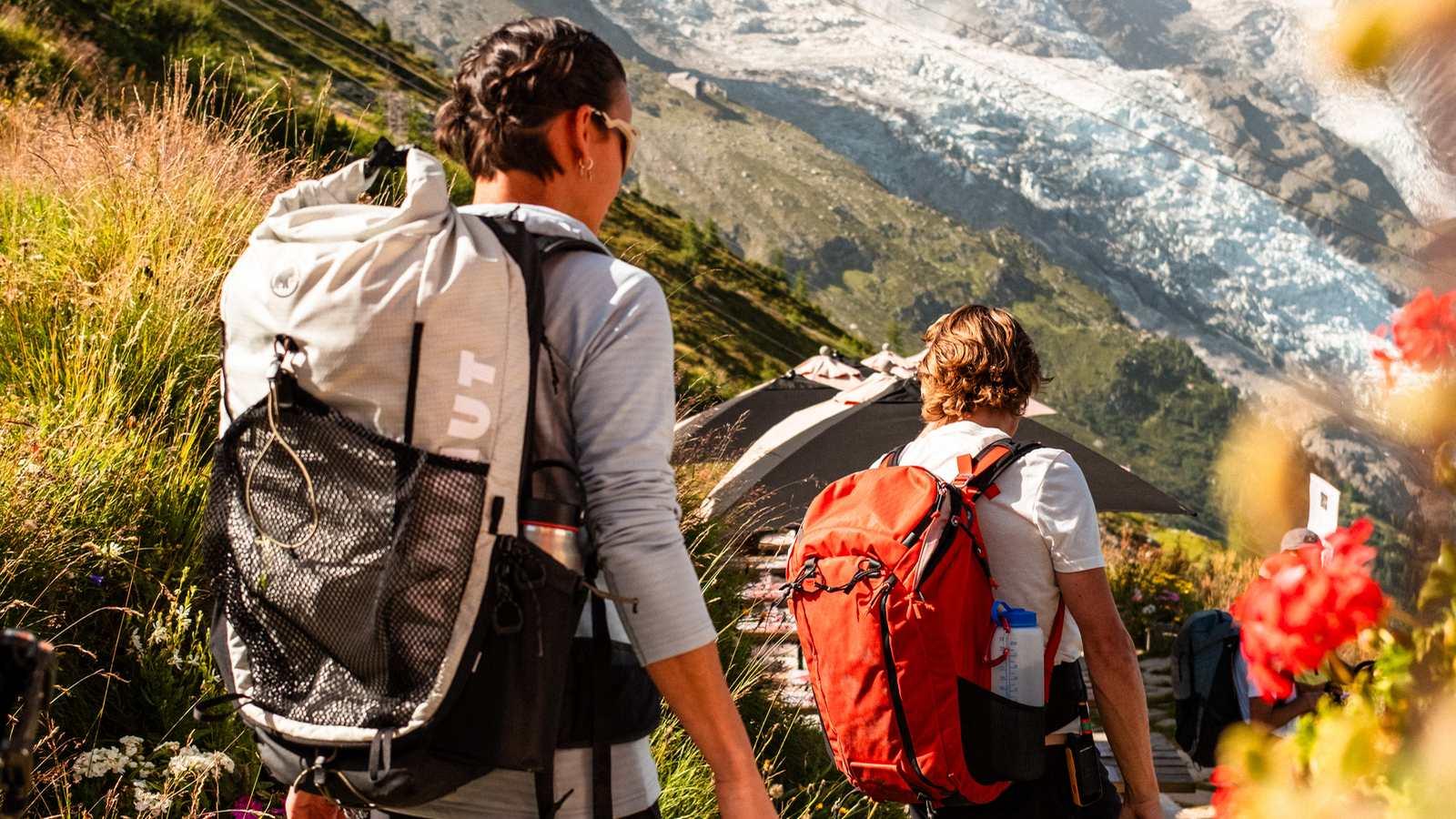
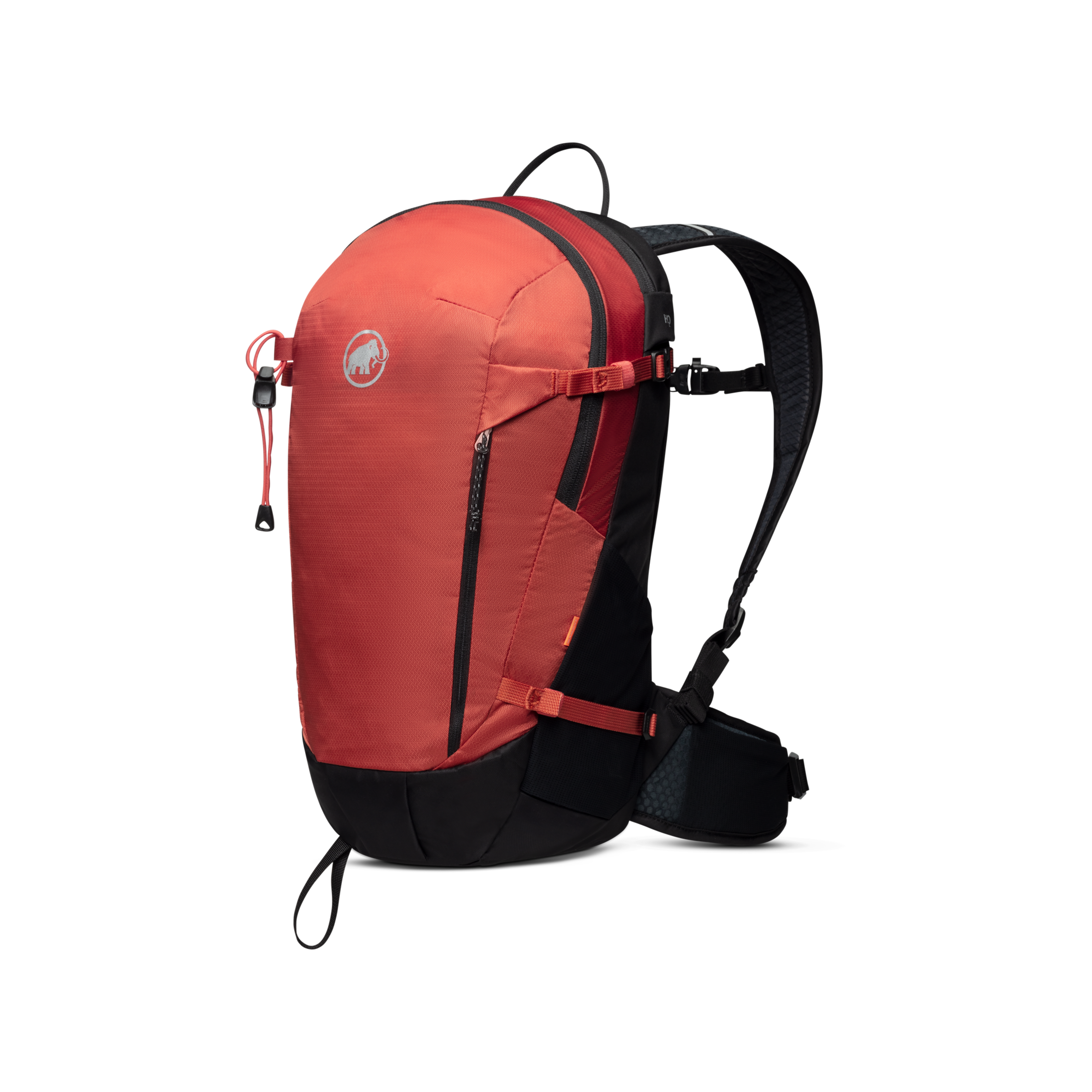
Also wear a helmet since it reliably protects your head from rockfall or ice and minimizes the risk of injury. Additionally, a backpack with attachment points for ice tools and rope makes carrying all your gear easier.
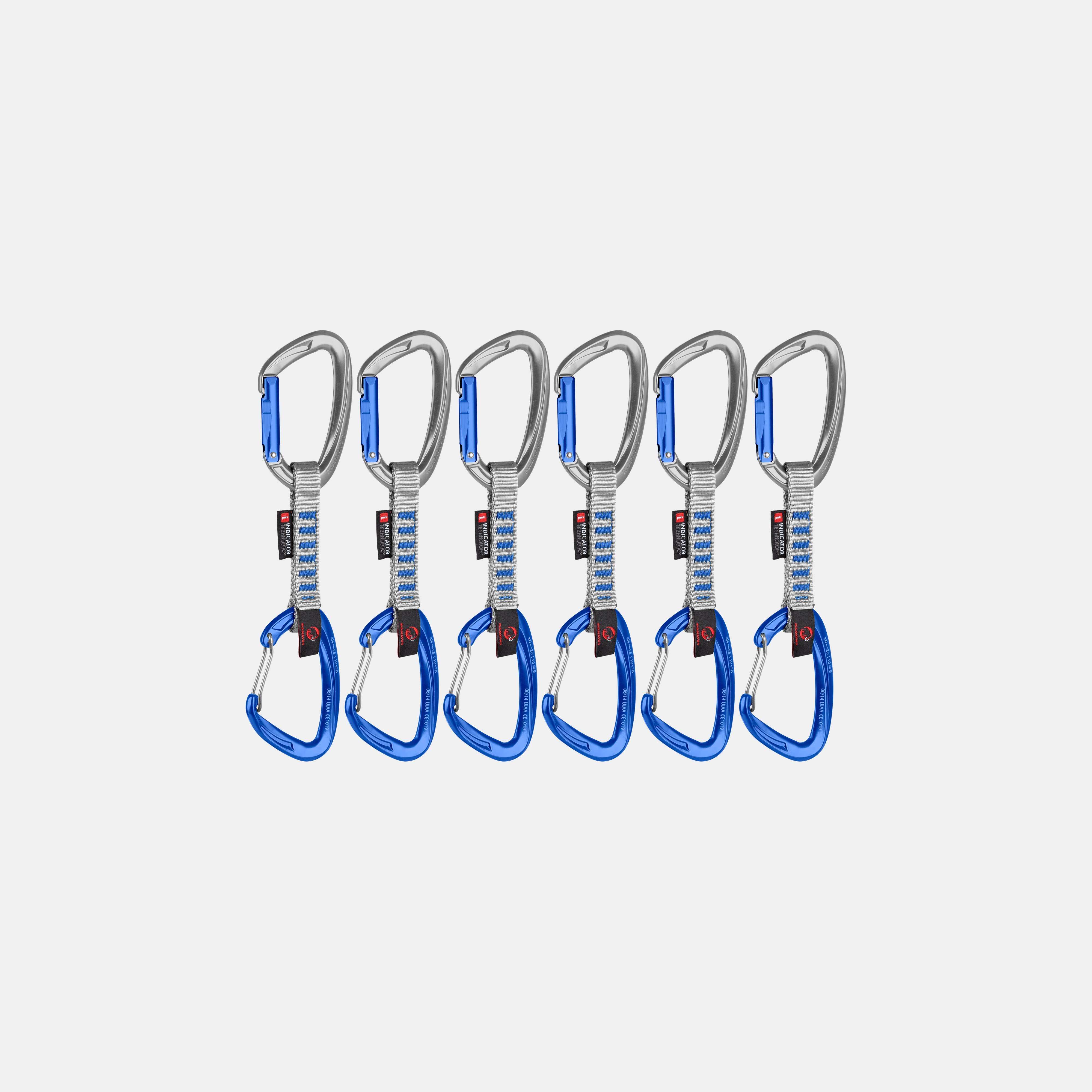
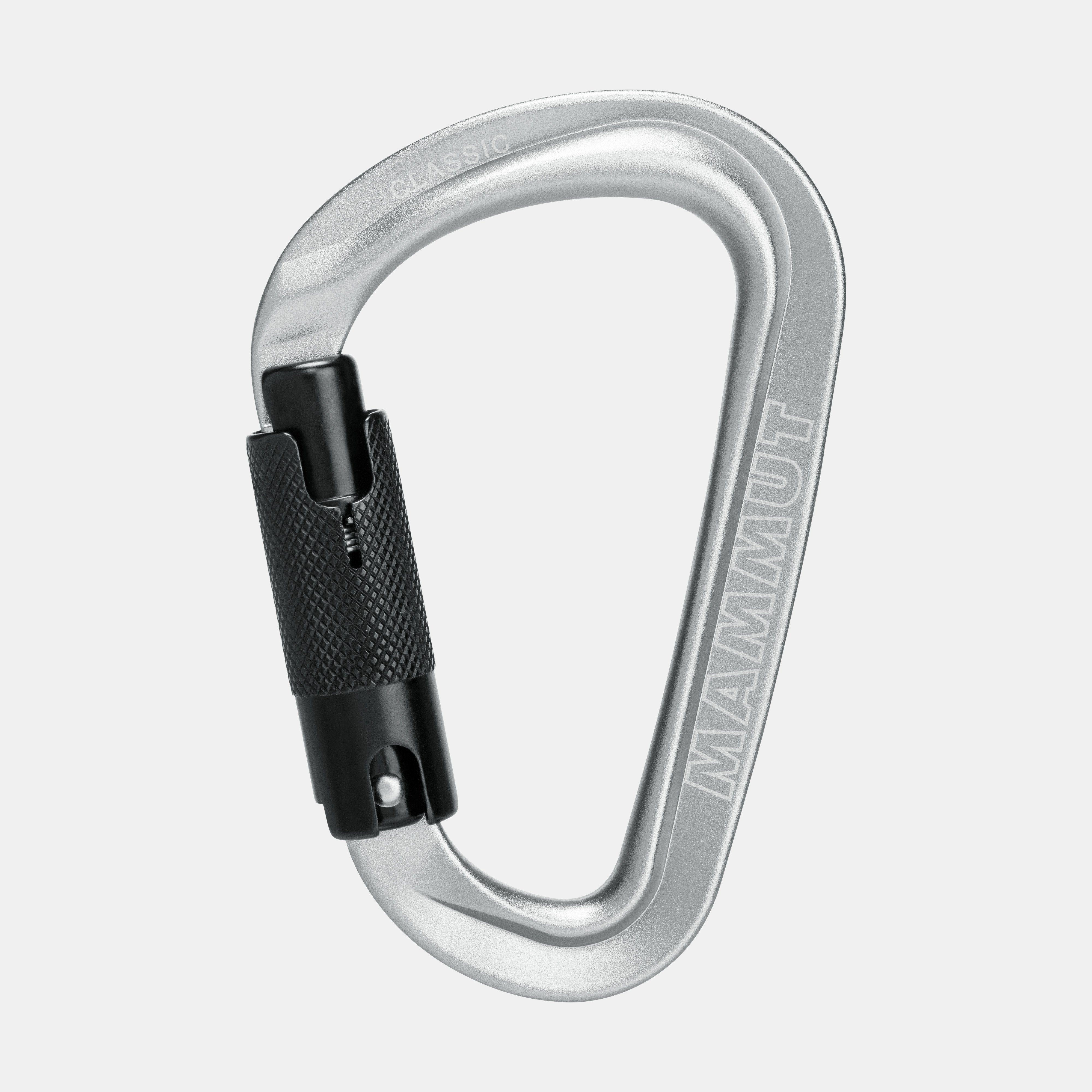
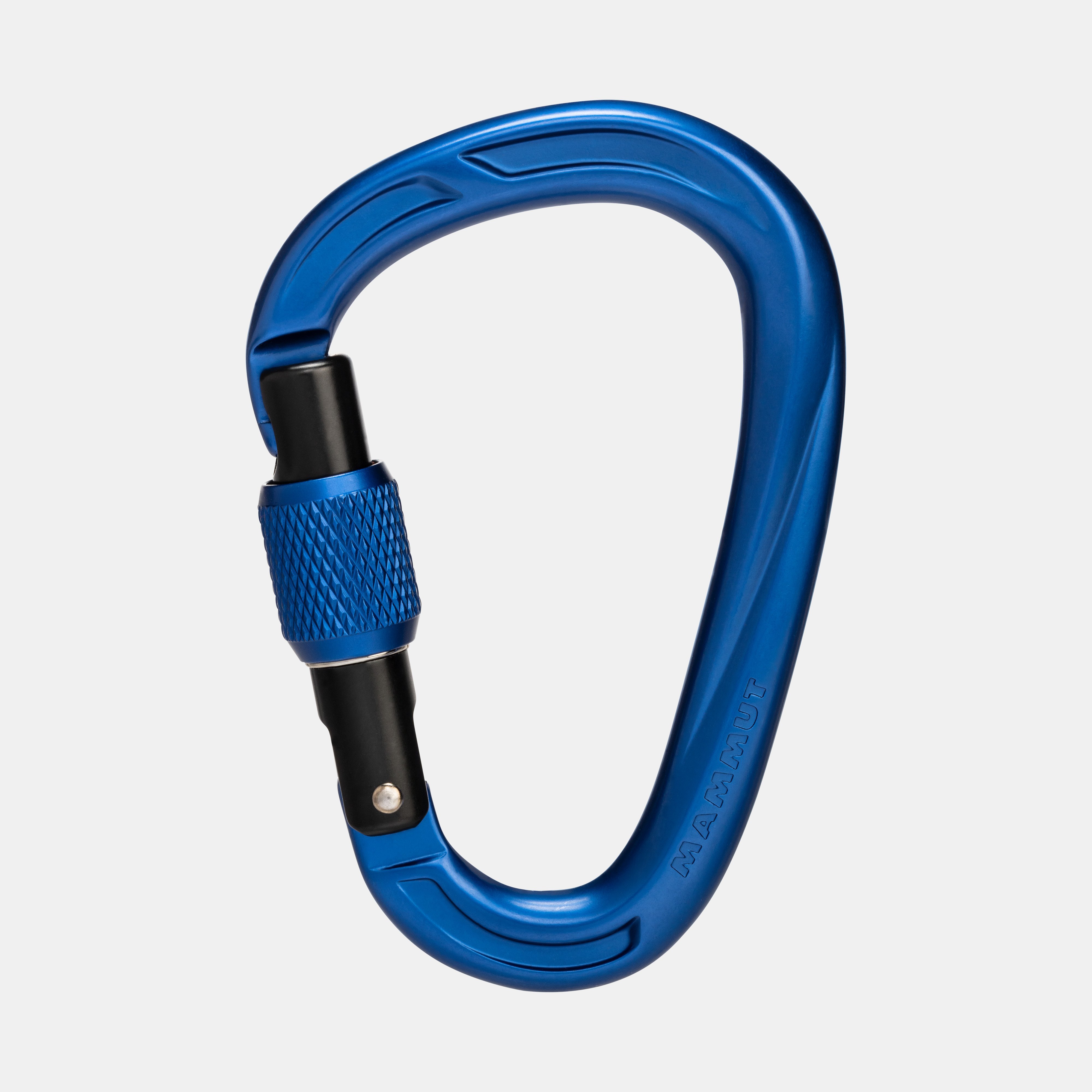
Beyond that, bring ice axes, ice screws, and a sophisticated protection system of carabiners , slings , and cord.
The ice axe serves not just as a walking aid in steep terrain, but also for self-rescue in the event of a fall.
Ice screws let you create reliable anchor points in the ice to prevent falls or secure climbing passages.
Carabiners, slings, and cord together form the system you use to safely secure yourself and your partners to the rope, build anchors, and handle rescue situations if needed.
Without these pieces of equipment, it would be nearly impossible to move safely through technical alpine terrain. Before every trip, make sure that all components are in perfect condition and that you're confident using them. If you need more information on slings and quickdraws for climbing, check out our ultimate quickdraw guide to be perfectly equipped.
Alpine weather can flip within minutes and its intensity is often underestimated. That's why beyond solid planning, you’ll need a well-thought-out clothing system. The go-to approach here is layering : several layers are worn on top of each other and can be flexibly combined.
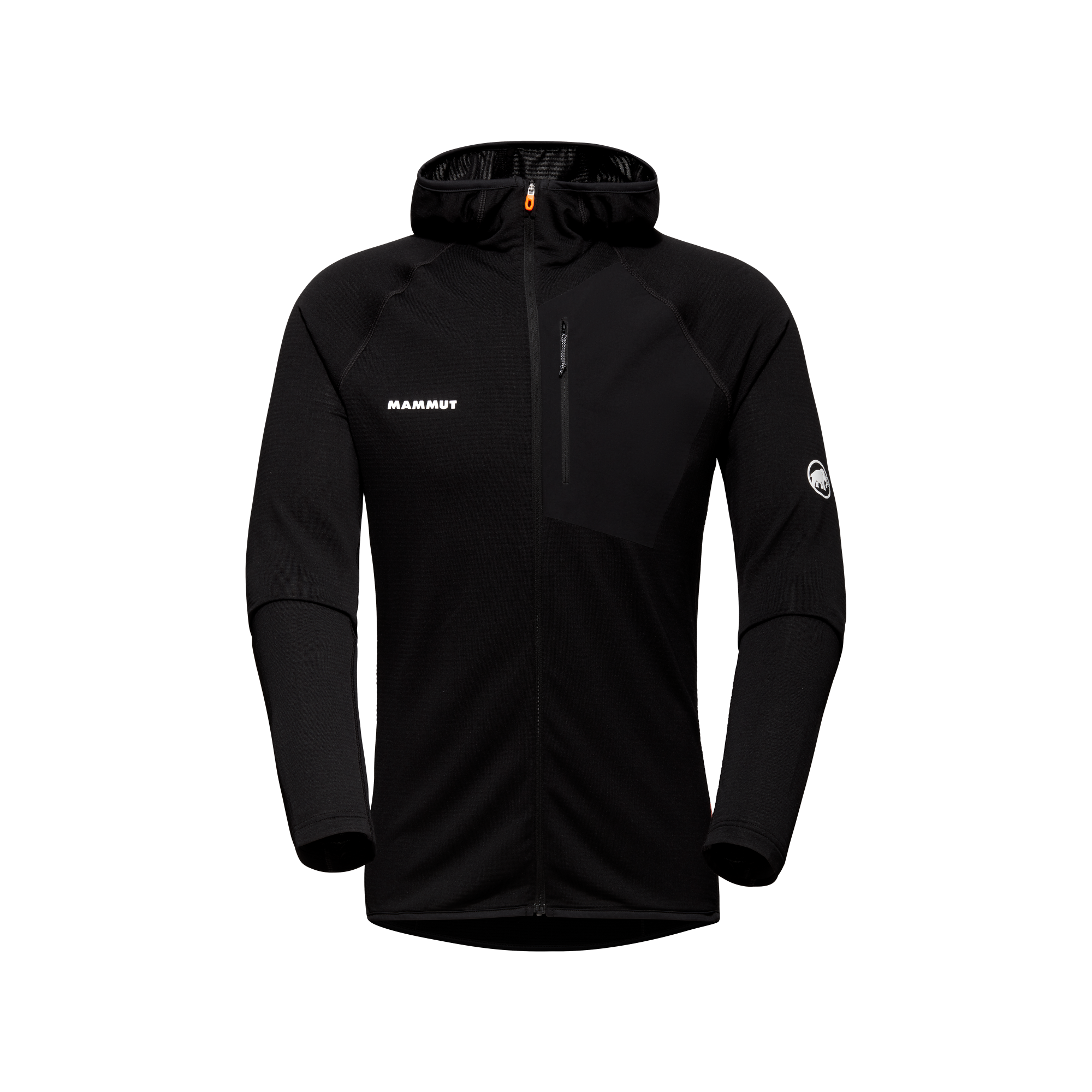
The first layer is functional underwear to reliably wick moisture away from your skin. It keeps you dry even when working hard and prevents you from getting chilled. On top of that comes an insulating mid layer , like fleece or synthetics. This retains body heat while staying breathable. For especially cold conditions, adding a down jacket makes sense – you can wear it while moving if needed or quickly throw it on during breaks and evenings at camp.
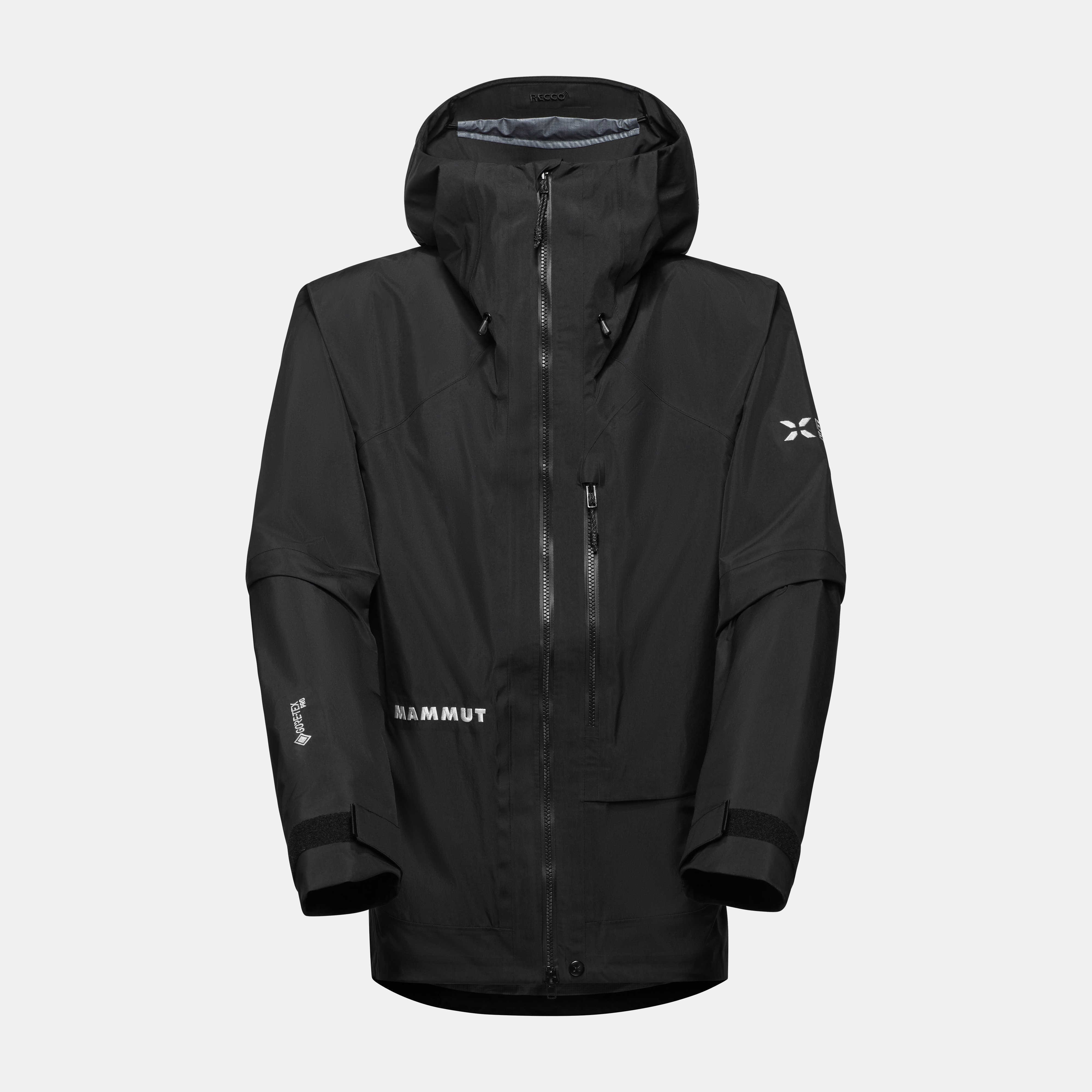
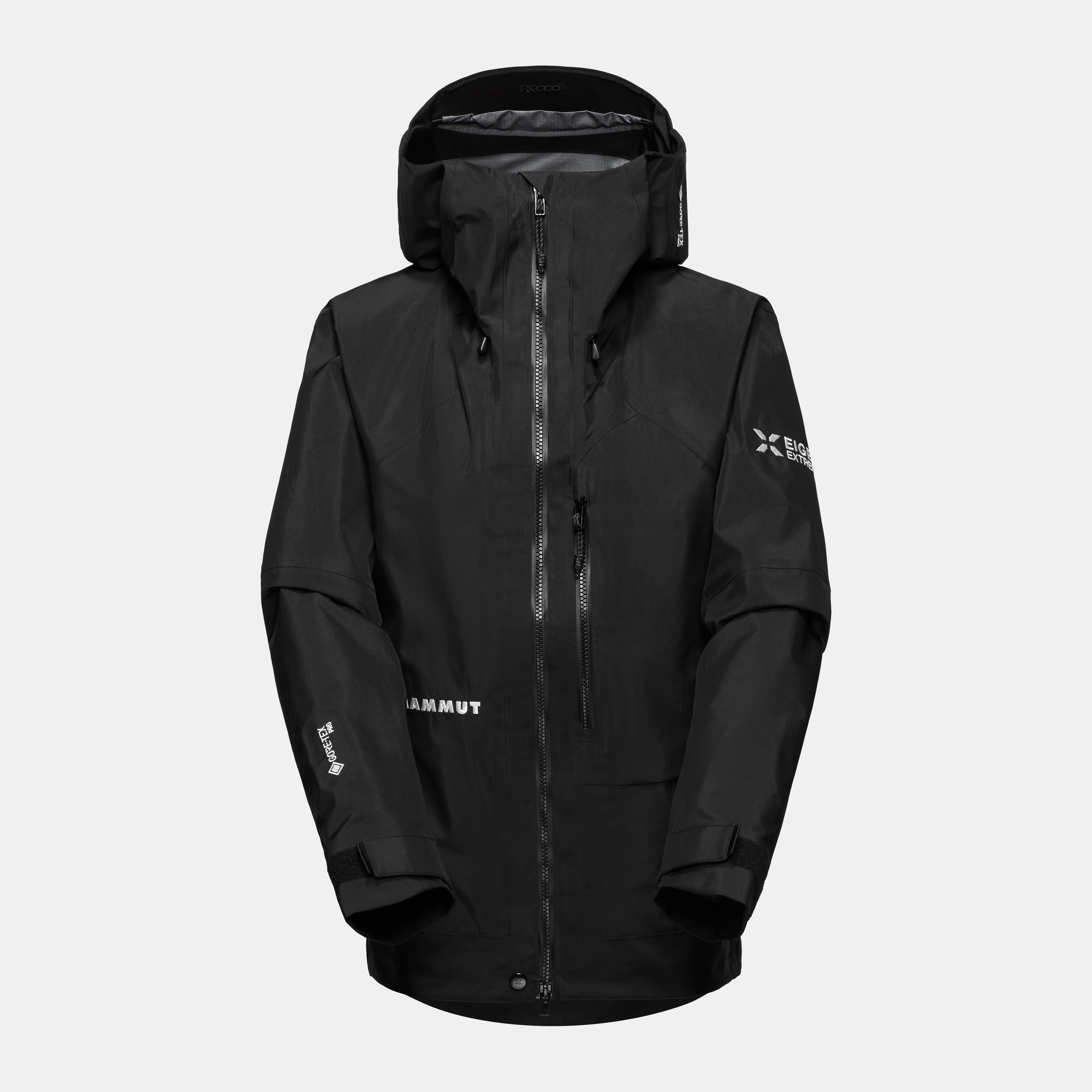
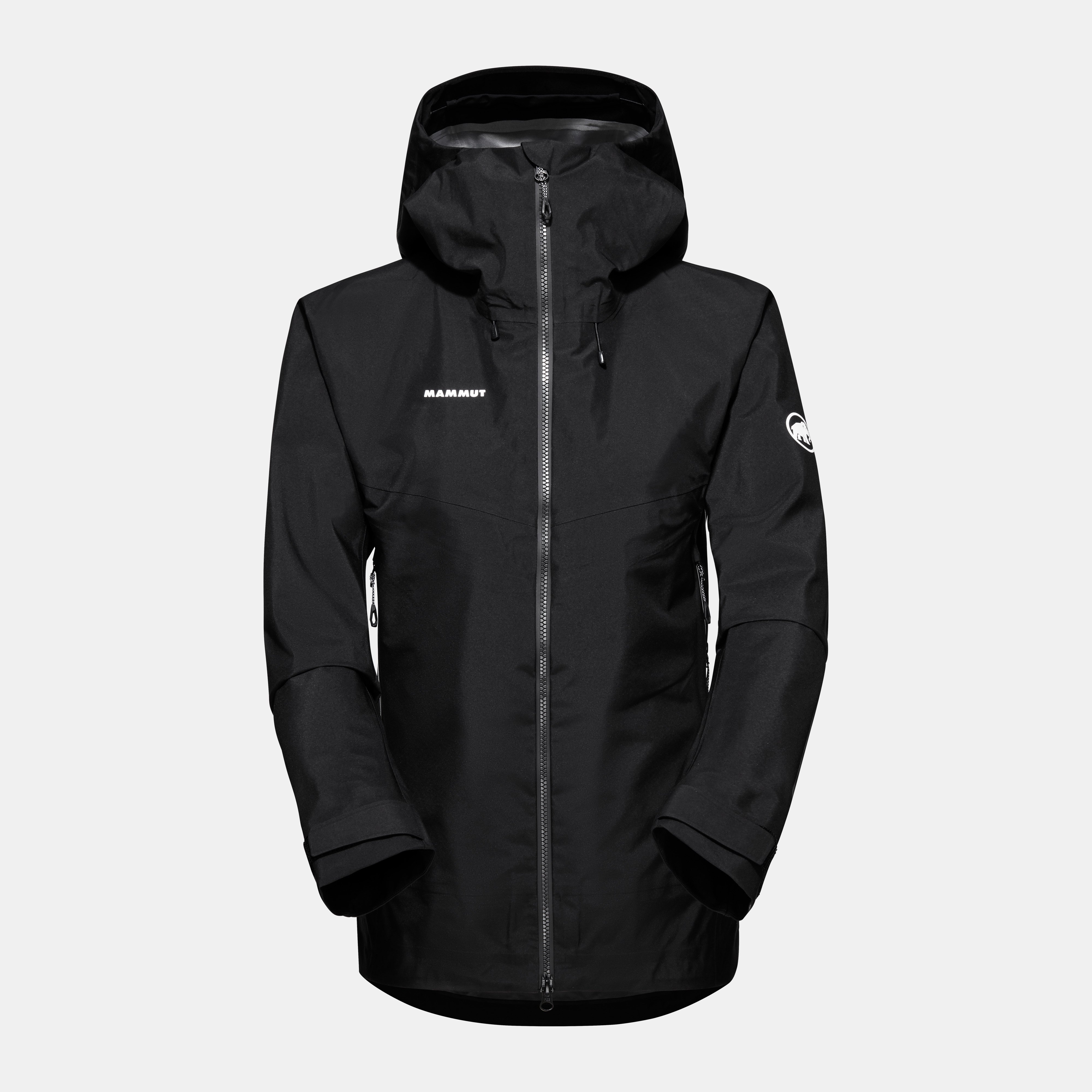
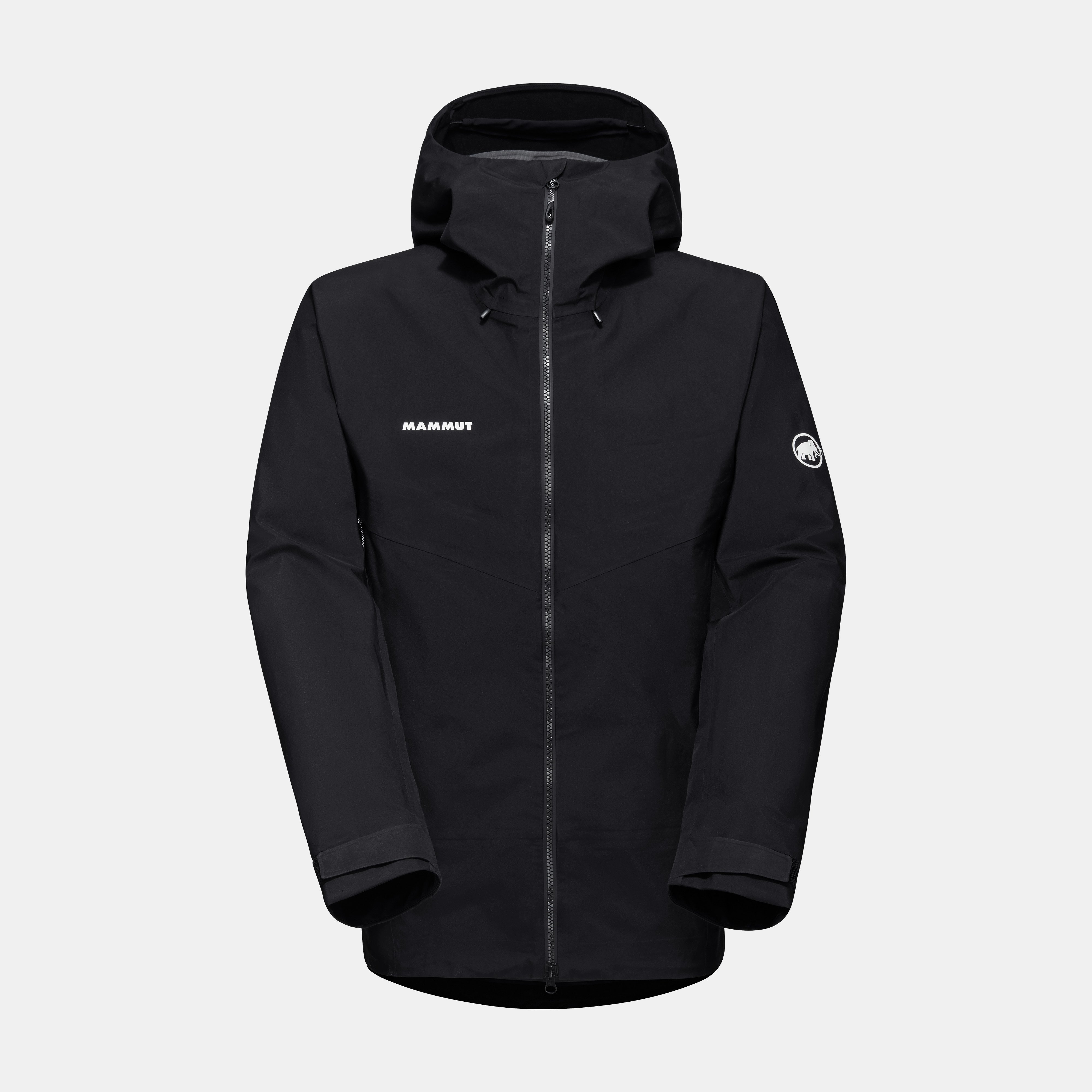
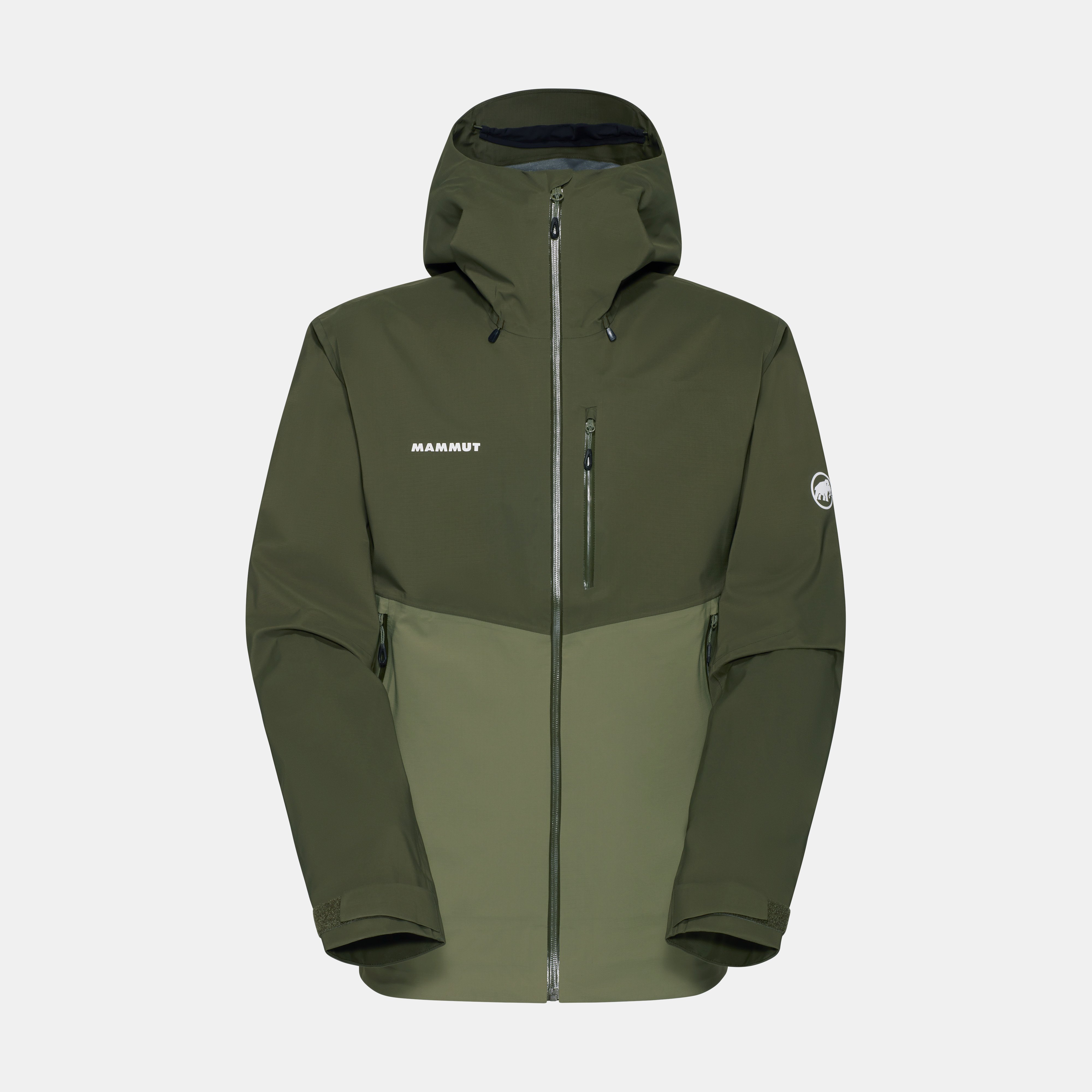
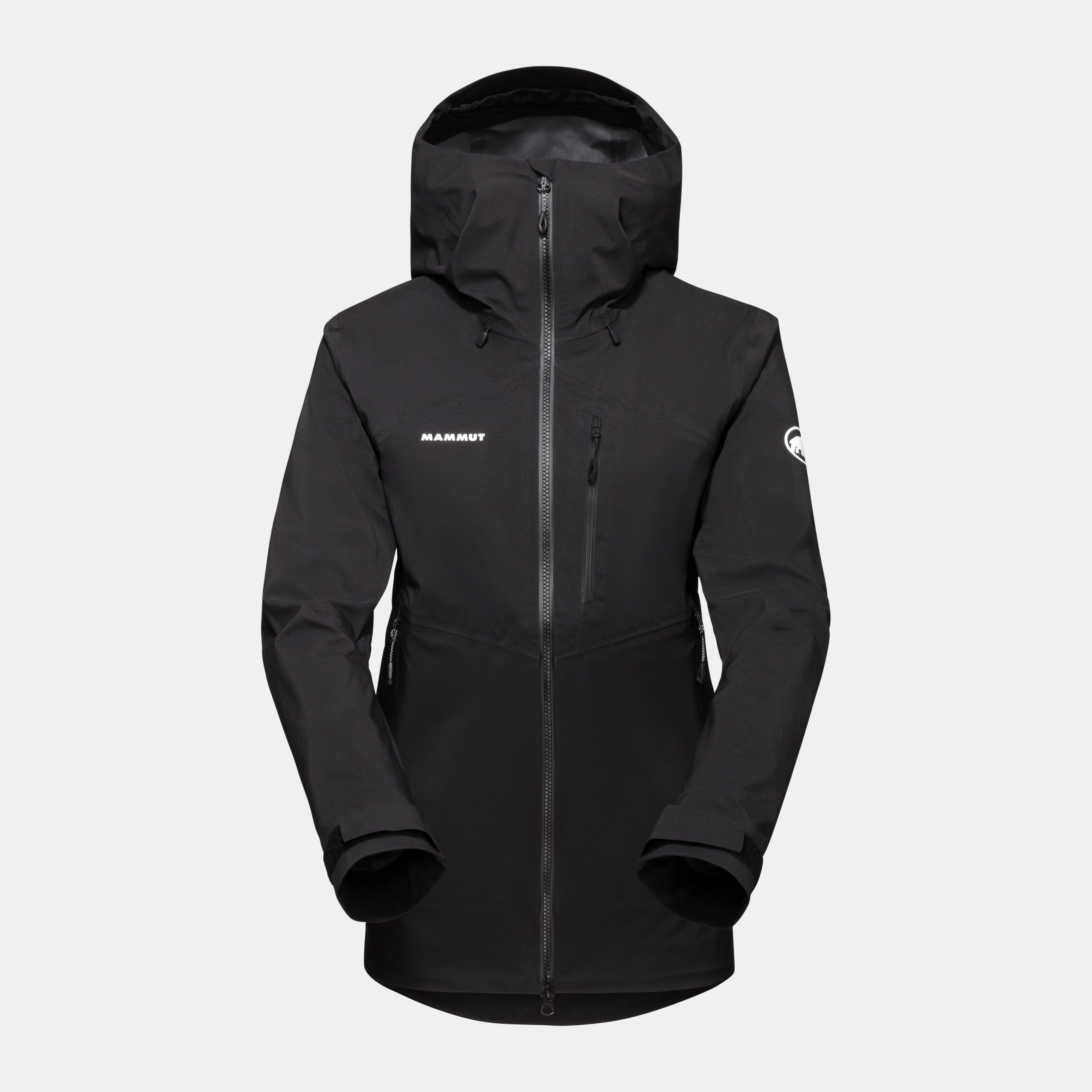
As your outer layer, a hardshell jacket protects you from wind, snow, and rain. It should be waterproof, breathable, and tough to reliably accompany you even in harsh conditions. You'll recognize Mammut hardshell jackets by the "HS" in the product name. Learn more in our post: What is a hardshell jacket?
Additionally, add durable mountain pants to your backpack , ideally with reinforcements on the knees and seat plus side ventilation openings for greater flexibility. Softshell pants work especially well in colder areas since they prevent heat loss while providing adequate warmth. Depending on conditions, light overpants such as hardshell pants also make sense, as they can be pulled on quickly and offer additional protection from moisture.
Sun protection is also essential in the high mountains: UV radiation at altitude is significantly more intense than it is in the valley. Hence, glacier glasses with high UV protection are a must. Add a sun hat and sunscreen with at least SPF 30. Lip protection and a tube scarf or neck gaiter provide additional protection and increase comfort during the tour.
On alpine tours you're often on the go for many hours at a time. Your body is working constantly and therefore needs plenty of energy and fluids. Plan for at least 1.5 liters of water or tea. A thermos flask keeps your drink warm, a water bottle works well on the move. Another option to hold lots of water is a hydration bladder. However, only use this when temperatures stay above freezing point, so the water in the drinking tube won’t freeze. In our hydration bladder buying guide you'll learn everything you need to know about proper hydration systems.
Additionally, bring compact, energy-dense foods that are easy to eat even in the cold, like nuts, dried fruit, or bars – find more tips in our post: What food to bring for hiking? This will keep your performance level high so you can safely complete your route.
A safe trip starts with good navigation. Map and compass are the classic tools, a GPS device additionally provides precise positioning. Your mobile phone should always be fully charged and a signal whistle is a simple but effective way to attract attention in emergencies. Some mountaineering backpacks already have one attached to the shoulder strap.
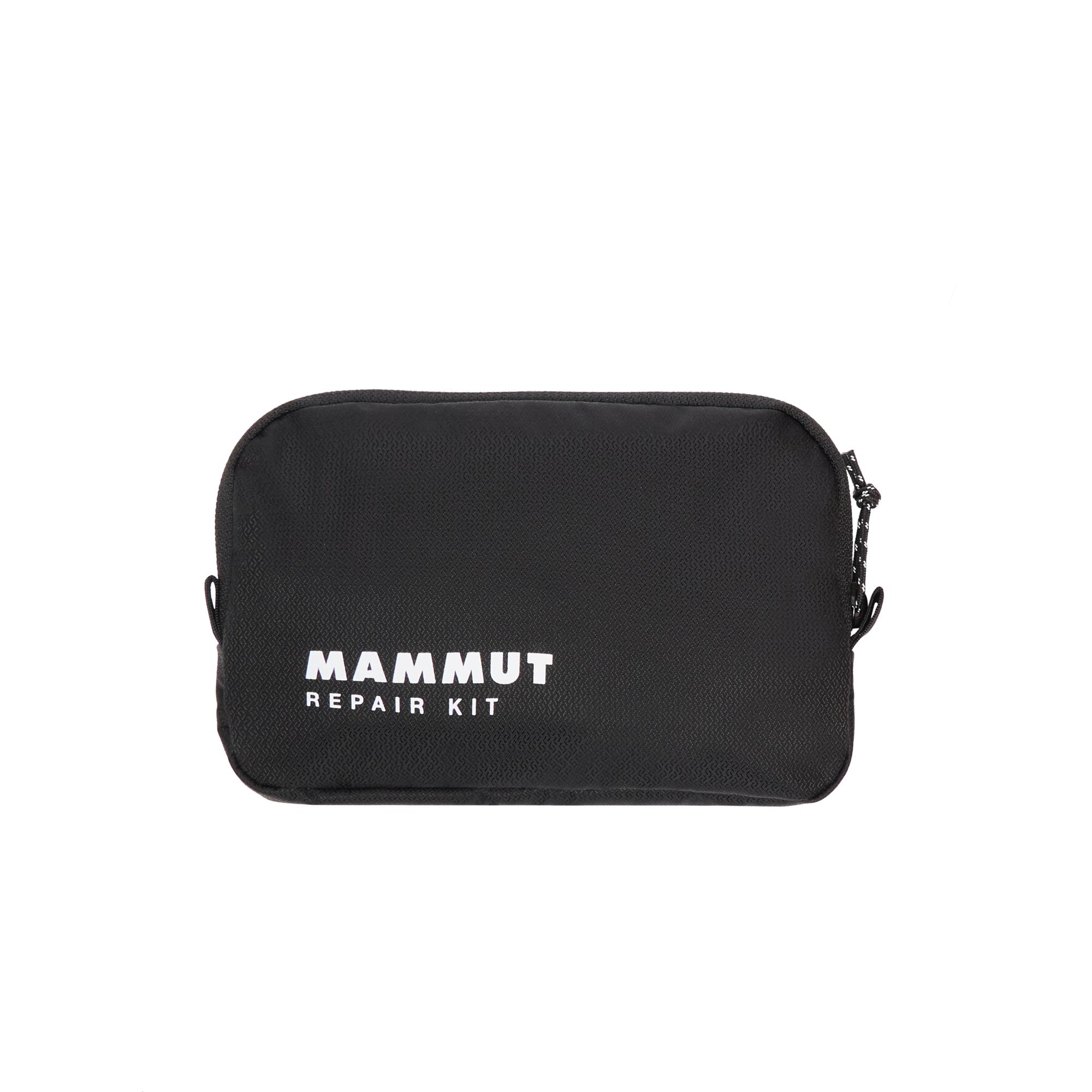
Your emergency equipment is equally important: a well-stocked first aid kit with an emergency blanket and blister patches absolutely belongs in your pack. A bivy sack can protect you from cold and wind in case of an unplanned night out. Complete your gear with a pocket knife, personal medications, a repair kit (with tape, spare zipper pulls, etc.), some cash, and important documents like your ID.
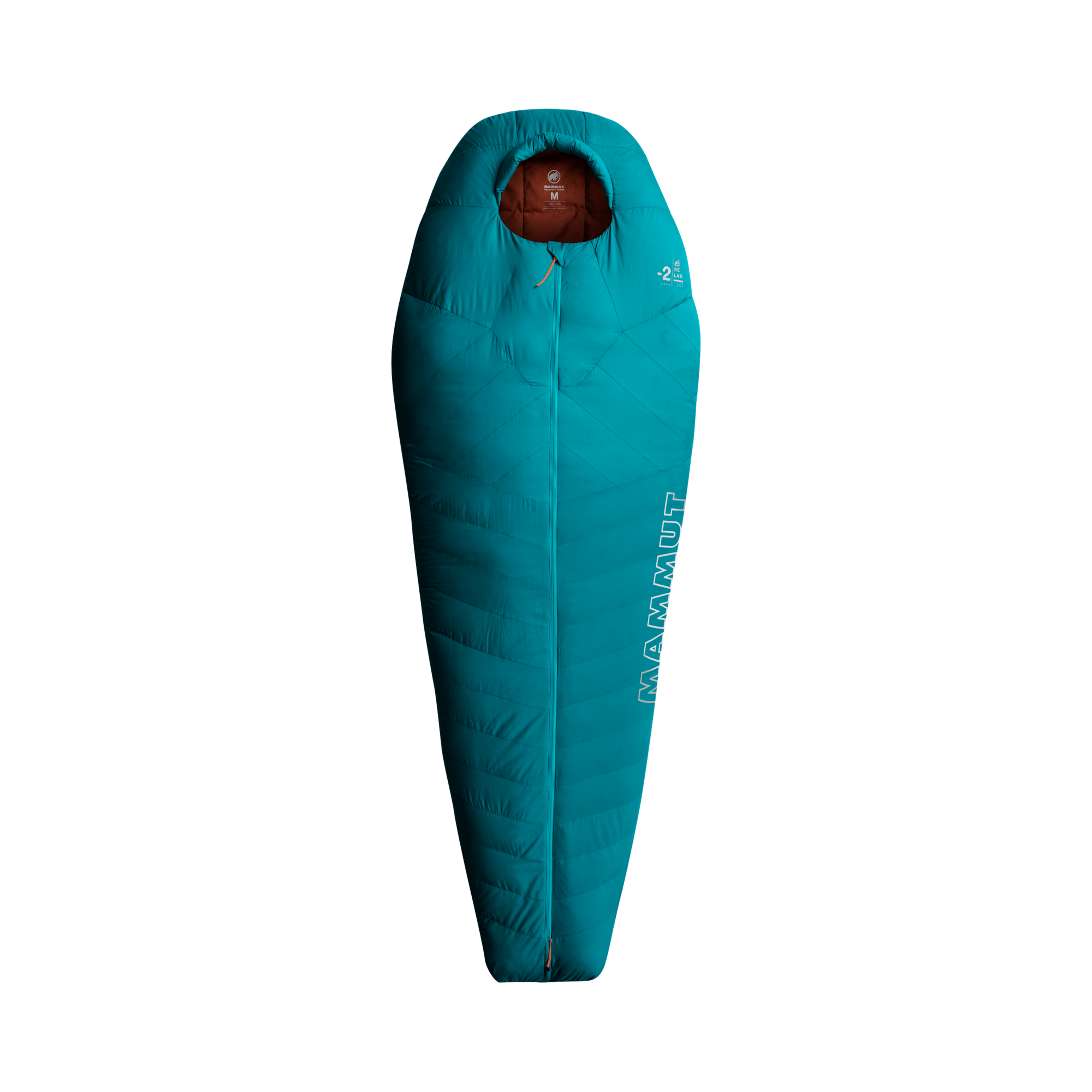
If your trip includes an overnight at a hut, pack a sleeping bag , comfortable hut shoes, a change of clothes, and a toiletry kit with essential hygiene items. Earplugs help you get undisturbed sleep even if the hut gets busy.
If, on the other hand, you're planning to spend the night in a bivy or have an unexpected night out, bringing a warm sleeping bag, sleeping mat, stove, and a sufficient amount of trekking food is essential. A shovel will help you prepare a safe, wind-protected spot in the snow.
Careful planning and proper gear are what it takes to make tours in the high alpine safe, enjoyable, and successful. With the right combination of technical equipment, weather-appropriate clothing, sufficient food, plus reliable navigation systems and first aid supplies, you're fully prepared for the challenges of the high mountains.
And finally, there are some pieces of equipment that aren’t strictly necessary, but can enhance your tour, like a camera for unforgettable shots, binoculars for breathtaking views, or a seat pad for comfortable breaks. With this comprehensive setup you're not just safe, but also flexible and comfortable – ready to fully enjoy your next high alpine adventure. Also take a look at our checklist for your hiking gear in the rain , in case your trip will get rainy. In our guide on how heavy a hiking backpack should be , you'll find more tips for efficiently packing for your tour. And: more posts for your outdoor adventures await you in the Mammut Stories & Guides .