


How to choose the right trail running pack » buyer’s guide
10/25

Every trail runner who's logged serious miles knows the truth: Your pack isn't just another piece of gear – it's what can make or break your run when push comes to shove. In this guide, we’ll tell you exactly what you need to know: What makes a running pack work for you instead of against you. How to pick the right setup for the way you run and the trails you tackle. Plus, how to put together your gear, snacks, and safety essentials so you can fully commit to doing what you love the most – running trails.
Trail, weather, equipment: Choosing the right set-up
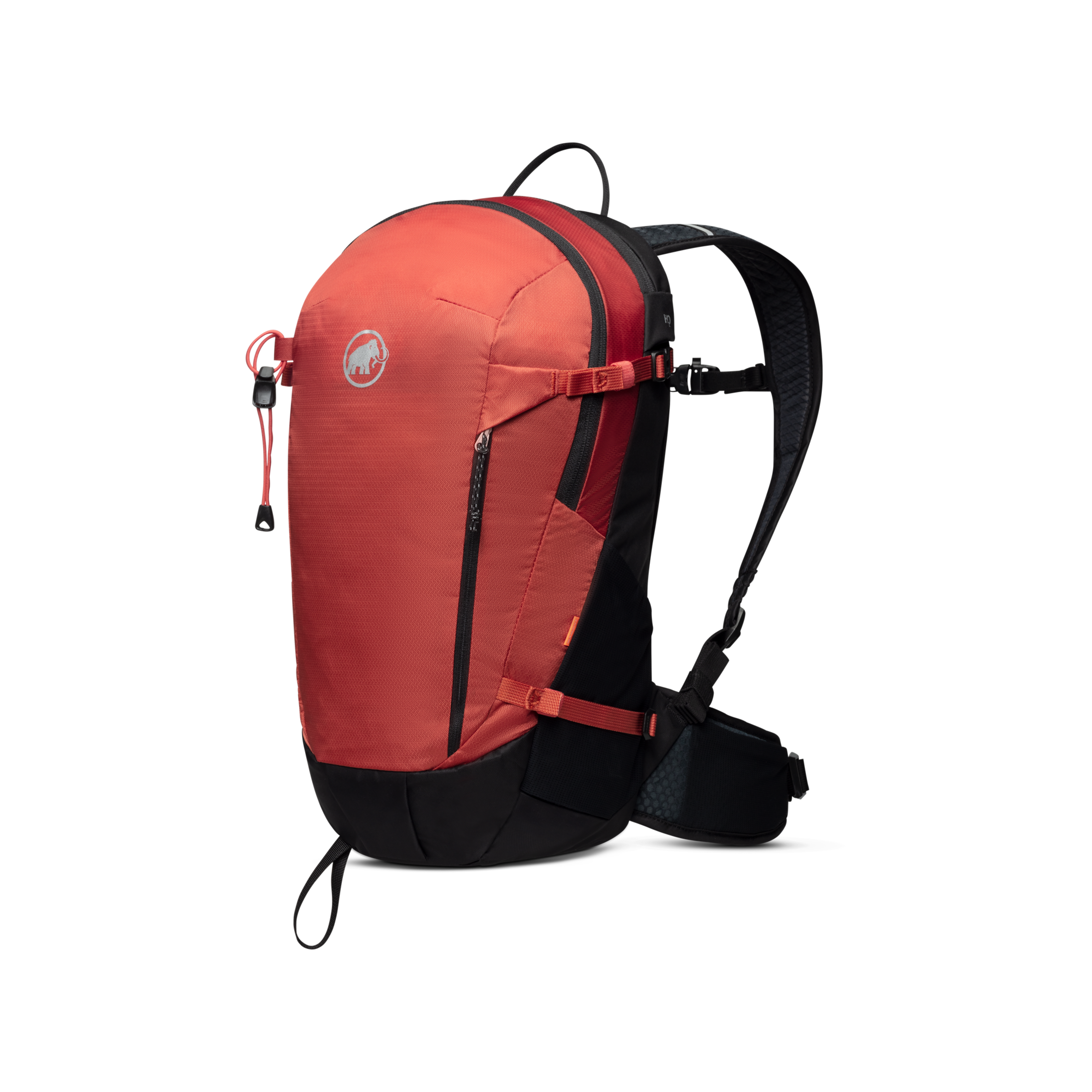
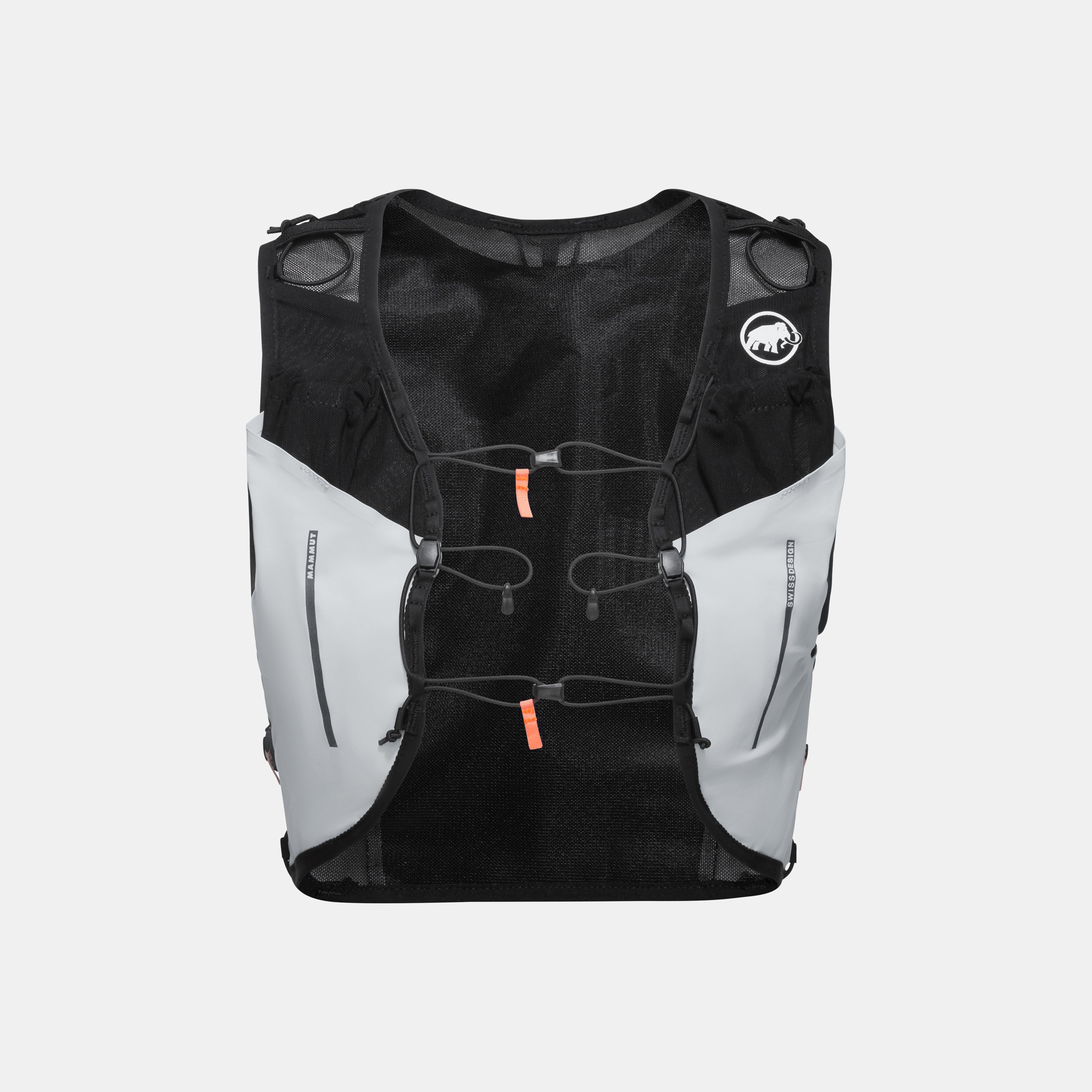
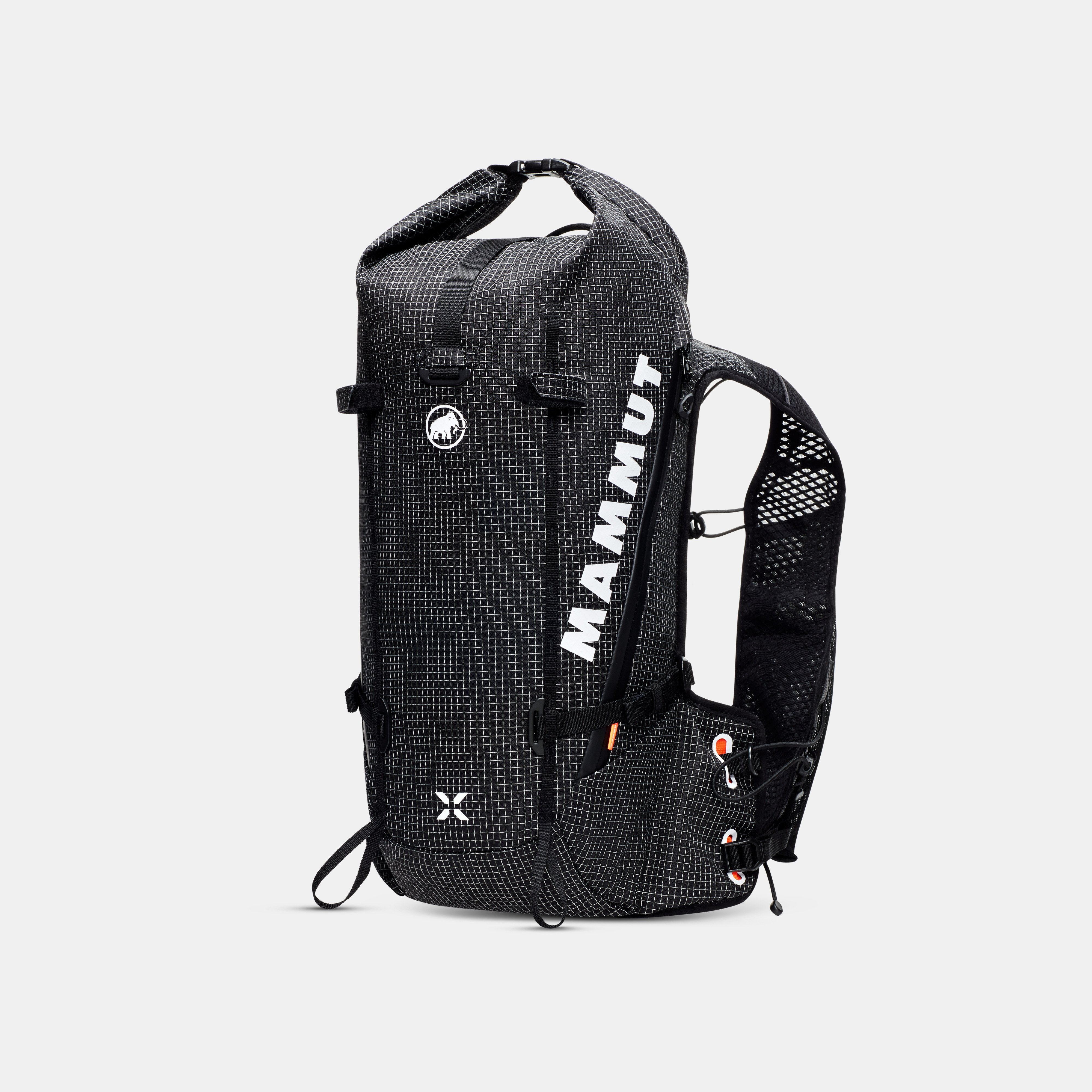
Every trail throws different challenges at you: The distance, elevation gain, weather, and terrain all dictate what gear you need to carry – and that means choosing the right pack. If you like to keep things stripped down, running belts or hip packs are a great choice for stashing small essentials and soft flasks – perfect for shorter runs or when you're hitting intervals. For quick, high-intensity sessions, a compact ultralight trail vest with a capacity of 2 to 5 liters will get the job done while feeling like a second skin. If you're tackling longer distances or alpine routes which require weather protection, food, and extra layers, you'll want a versatile all-around pack with 5 to 12 liters – or even more capacity, depending on your needs.
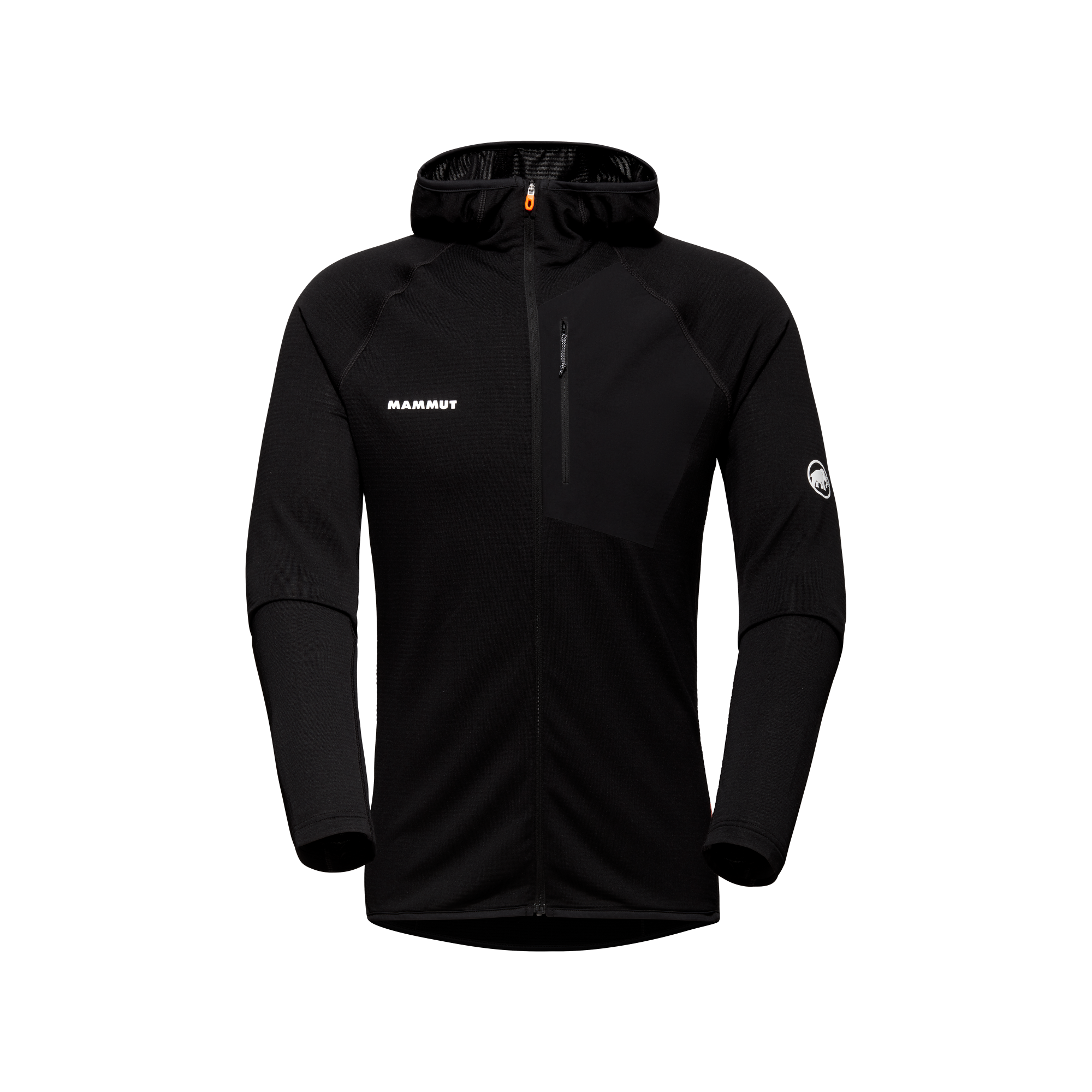
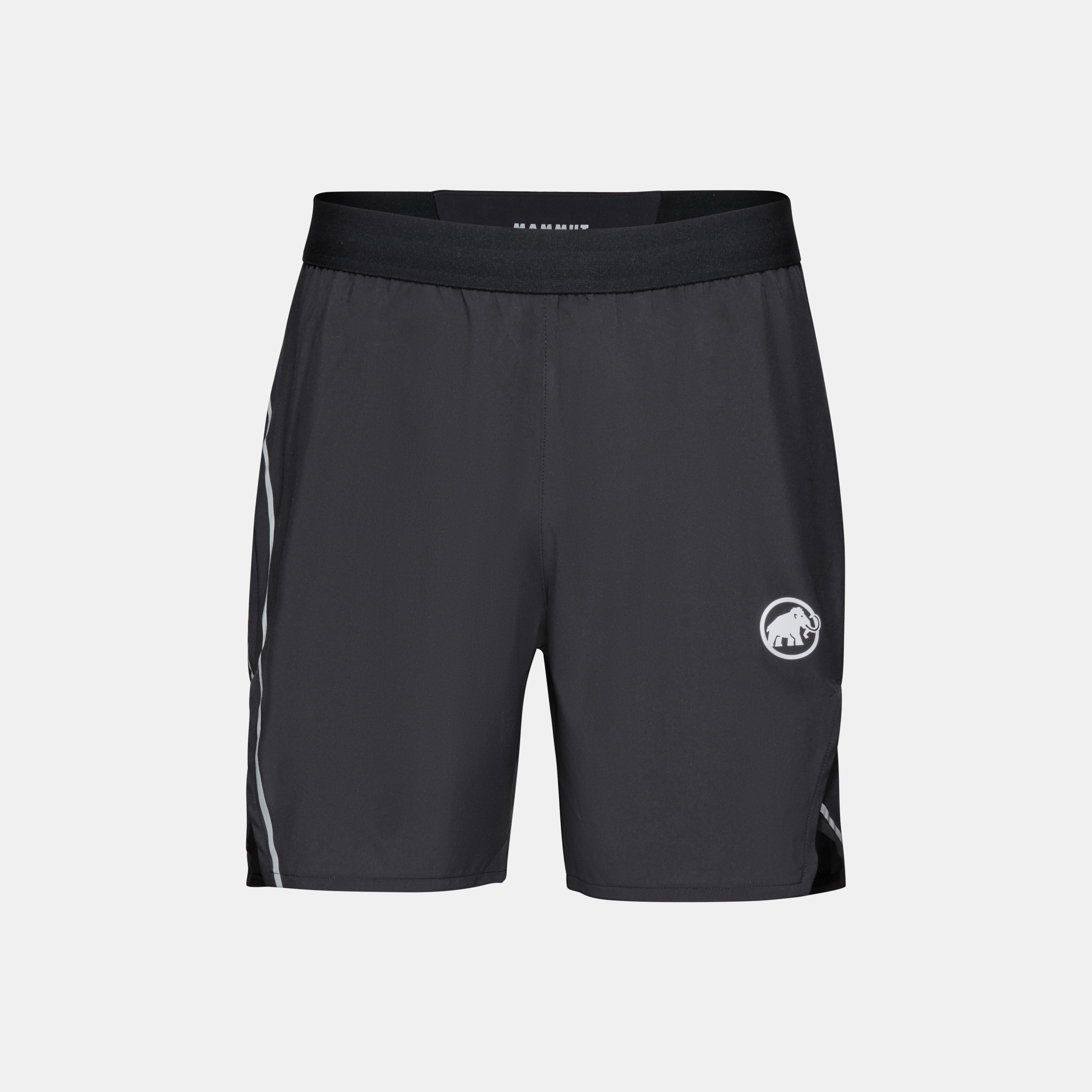
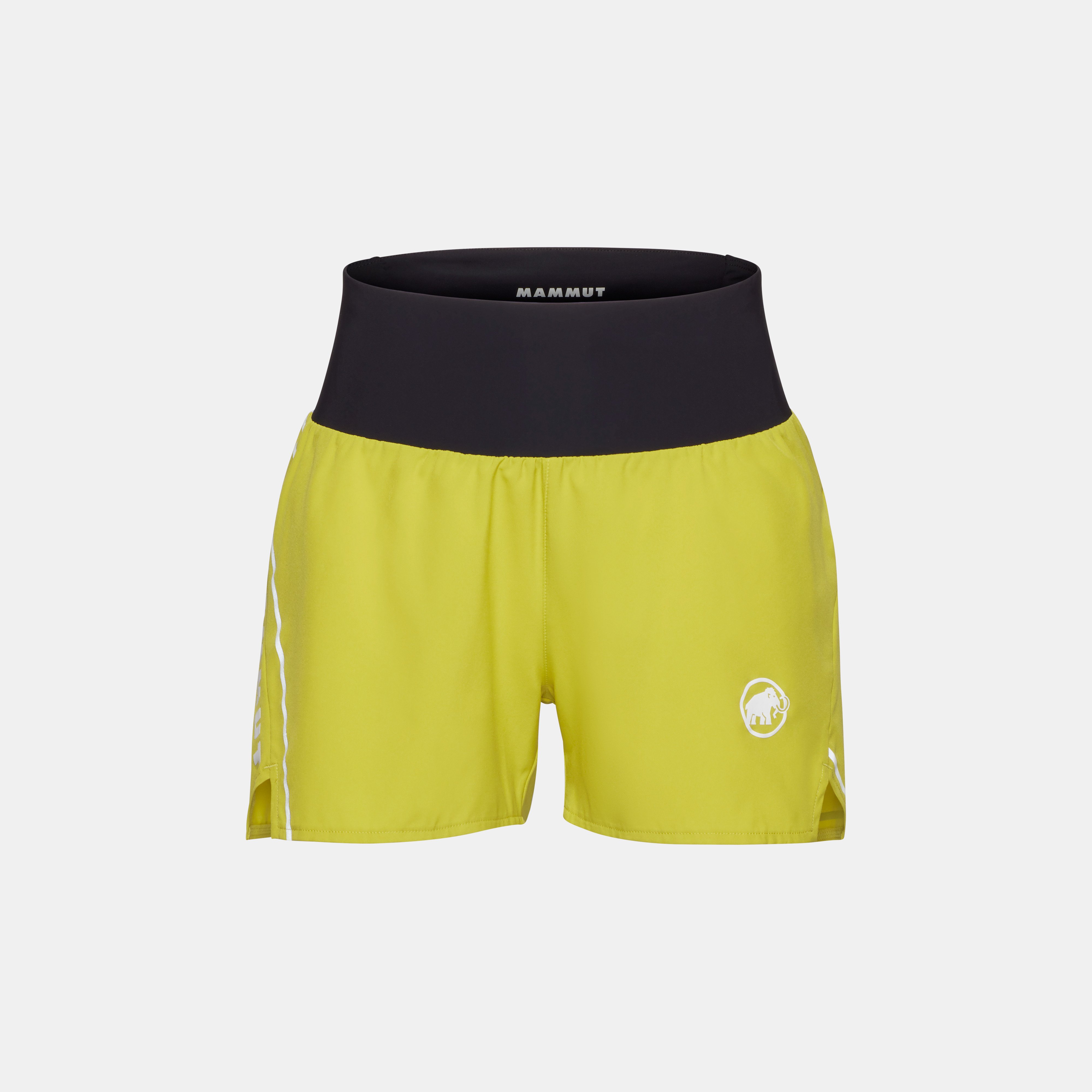
Your pack is one part of the equation – just like your outfit choice. Breathable functional underwear , lightweight shorts , or softshell pants on cooler days, will allow you to move freely, while still keeping you warm and safe.
For super demanding trails where you’ll face changing weather, challenging terrain, and extended time in the backcountry, larger models up to 12 or 15 liters are a great choice. Teh key feature to watch out for is a solid compression system to keep your pack stable, even when it's bursting at the seams. At the end of the day, however, your choice comes down to two things: how much you need to carry vs. how much you want to carry.
Before you hit the trails, make sure to pack your gear correctly: Heavy or rarely used items like your first aid kit or emergency blanket should go close to your back and low in the pack. Stuff you'll need on the move – soft flasks, energy gels, or a windbreaker – belongs in the outer pockets so you can reach them quickly easily.


Fit & wearing comfort
A trail running pack should be lightweight and hug your body tight – think of it more like a vest than a backpack. The design doesn’t follow traditional hiking backpacks , but is built around how you actually move when running: The shoulder and chest straps distribute the weight ergonomically while keeping everything locked in place, even when you're moving fast or navigating technical terrain. Most importantly, your pack shouldn't wiggle, chafe, or move around – especially on long runs. Adjustable straps and buckles give the option to fine-tune the fit, but you’ll still need to make sure you pick the right size first.
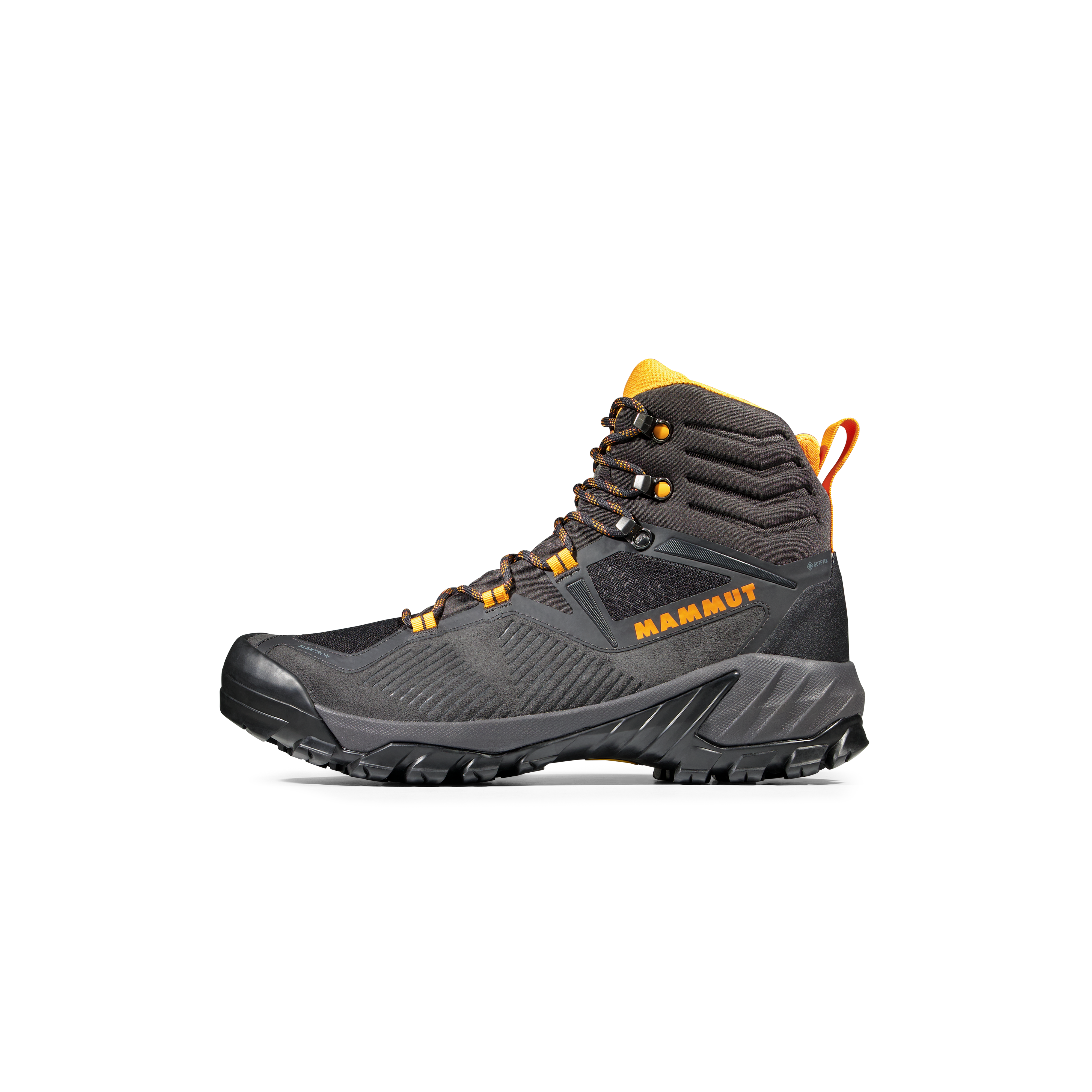
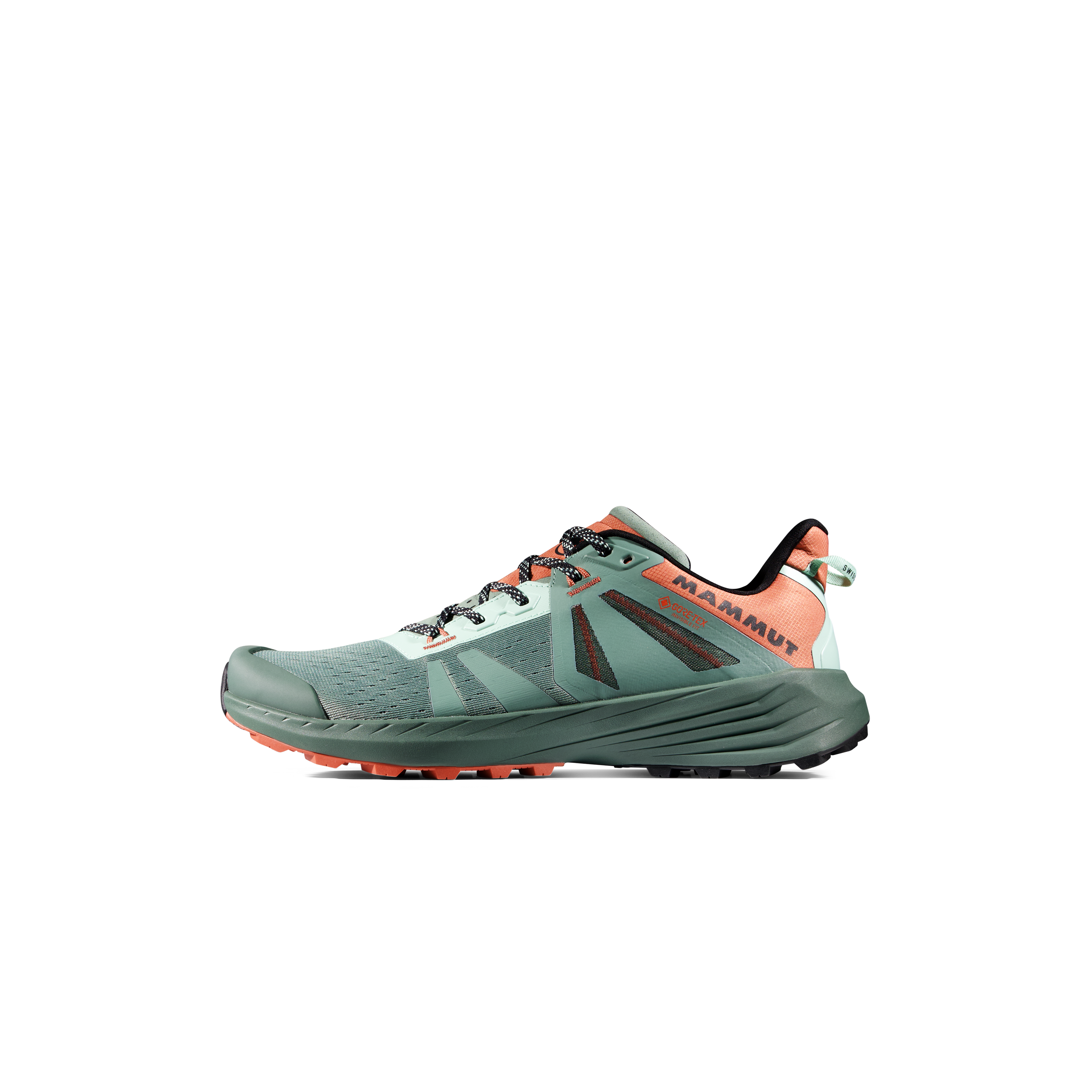
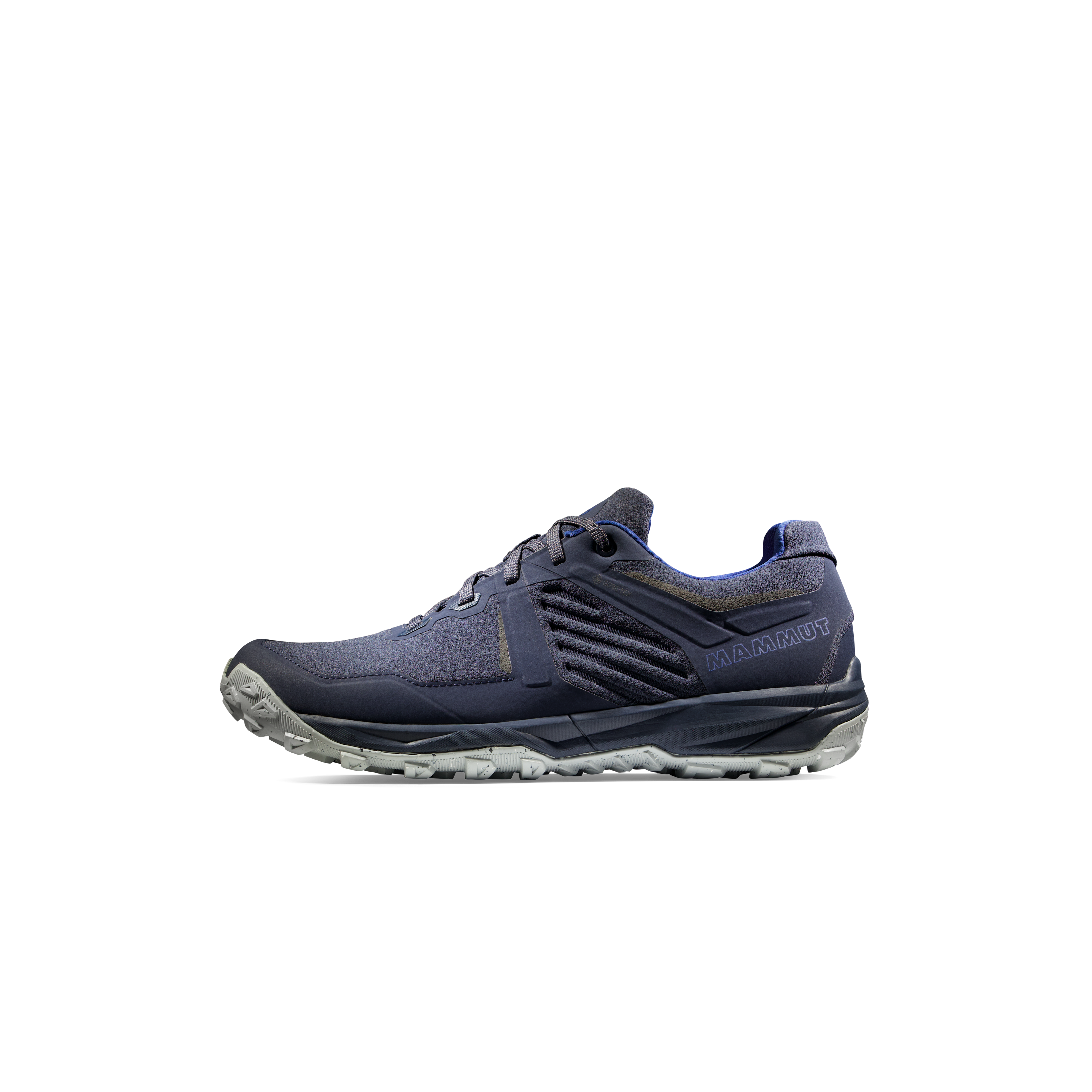
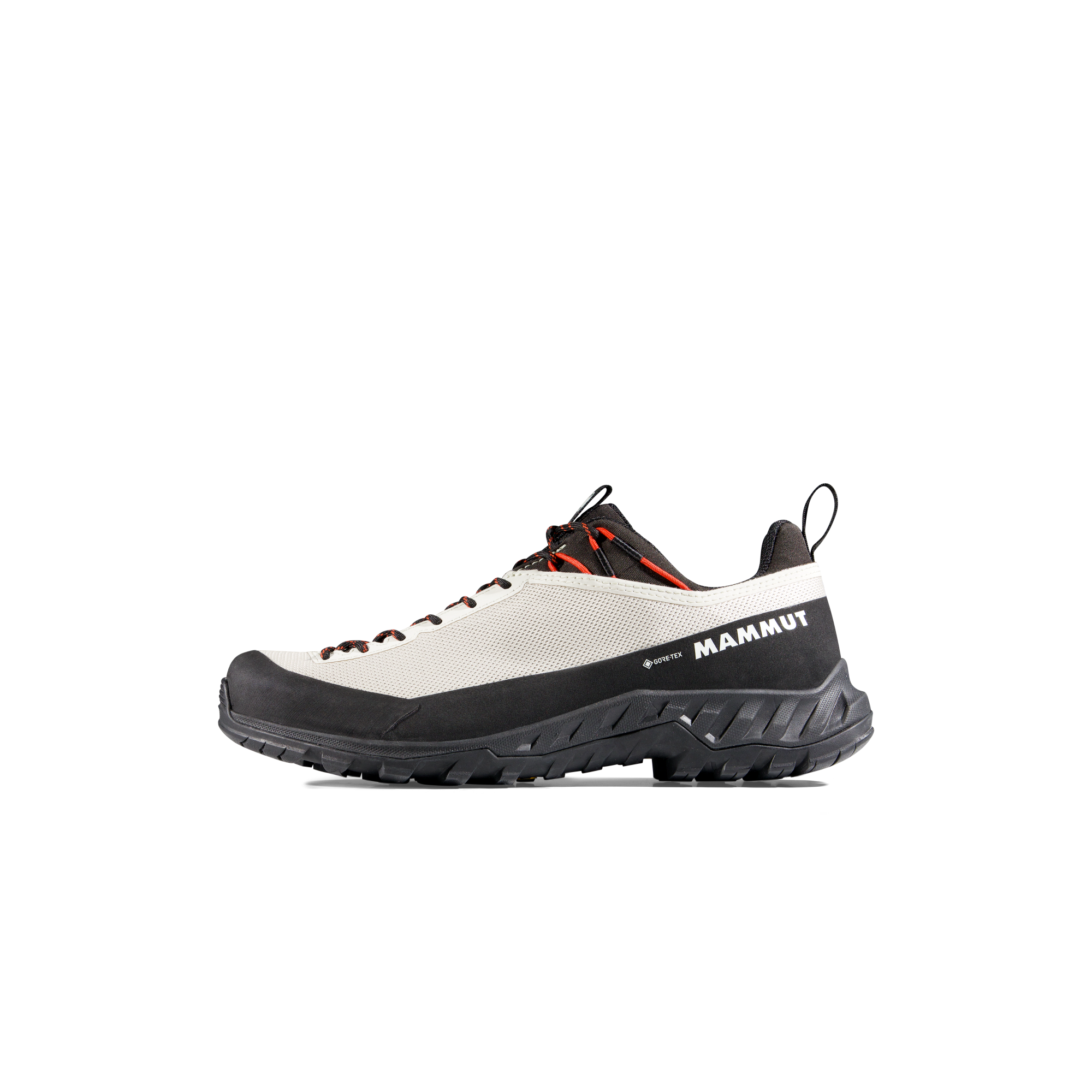
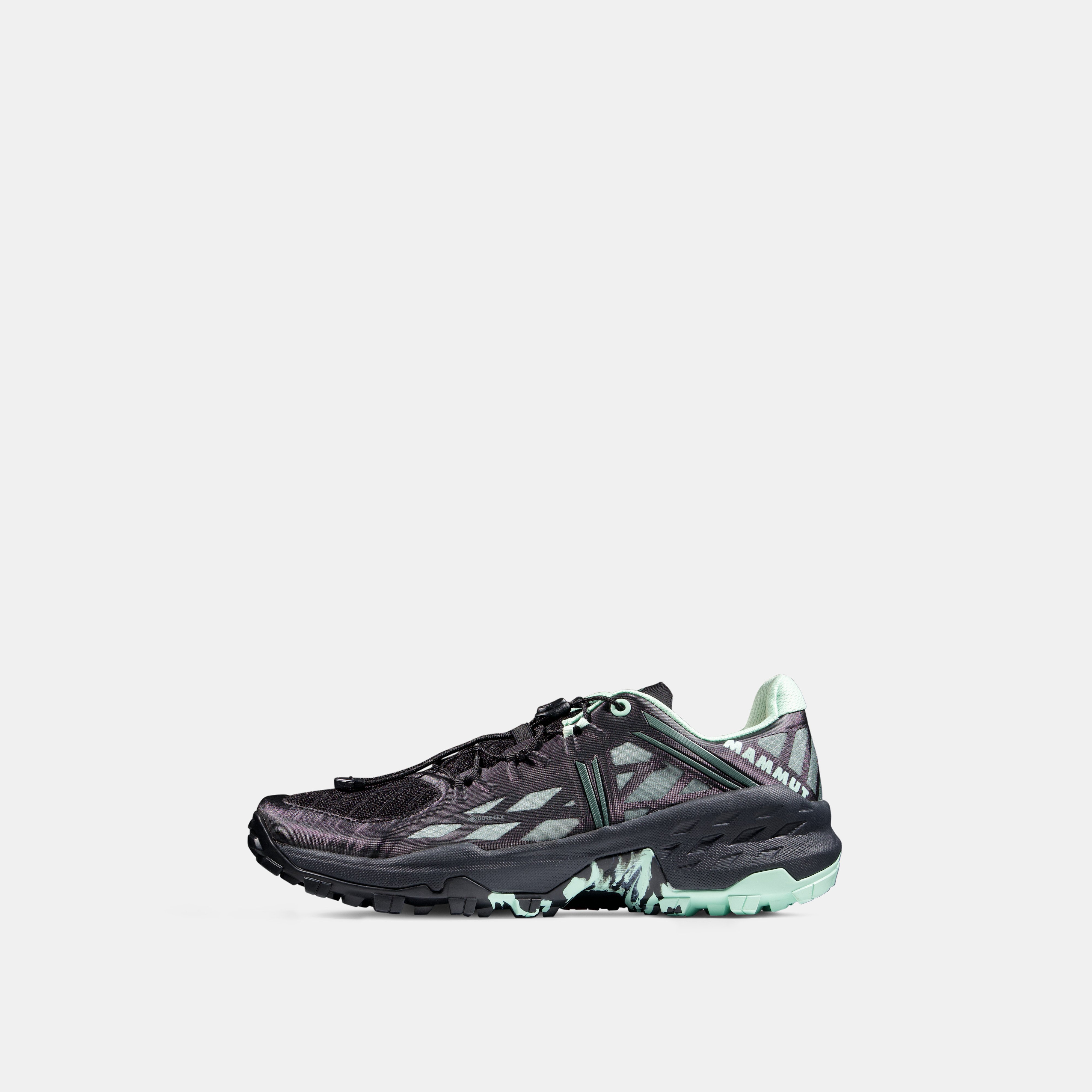
Your trail running shoes need to match your pack and terrain: Grip, cushioning, and stability need to complement the terrain to keep you comfortable and safe throughout your activities. Models with aggressive, heavily-lugged outsoles will be a heaven-sent on wet and muddy ground, while lightweight options are perfect for dry, technical trails. For the full breakdown on what makes a great trail running shoe, check out our trail running shoe guide .
Ventilation and materials: Lightweight, breathable, weatherproof
Running means working hard, and that in turn means heat buildup. So good ventilation and air circulation is key. Quality trail running packs use breathable materials like mesh panels on the back or ripstop nylon to ensure the airflow is right – allowing excess heat to escape so you don't end up with a sweaty back. Most models are also water-resistant, and will be able to handle light rain showers just fine. But for delicate and damageable things like your phone, keys, or cash, you'll want a waterproof inner pocket – which is usually included by default in top-of-the-line running packs. If yours doesn't, just grab a waterproof cover to keep your valuables dry.
Hydration systems: Stay hydrated without breaking stride
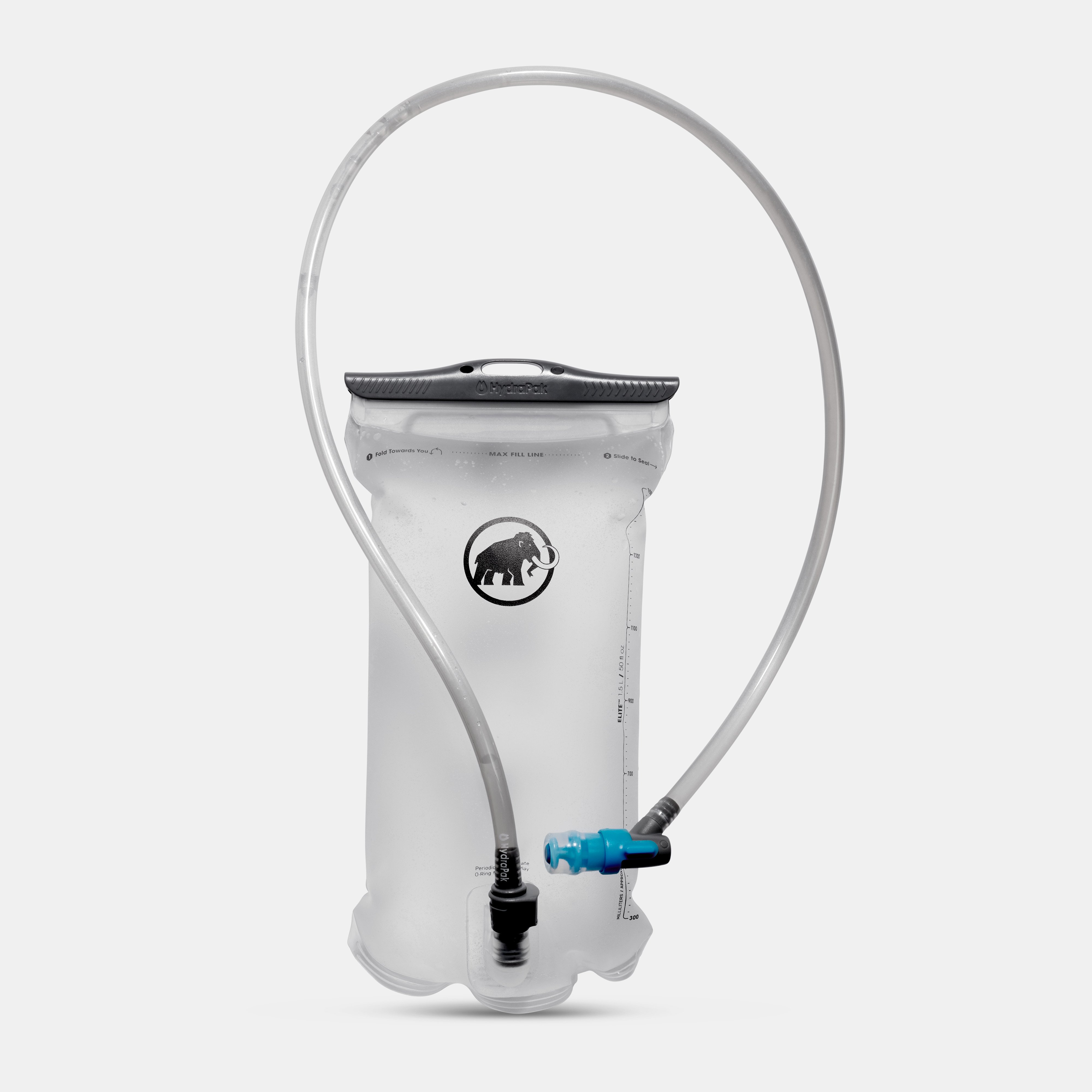
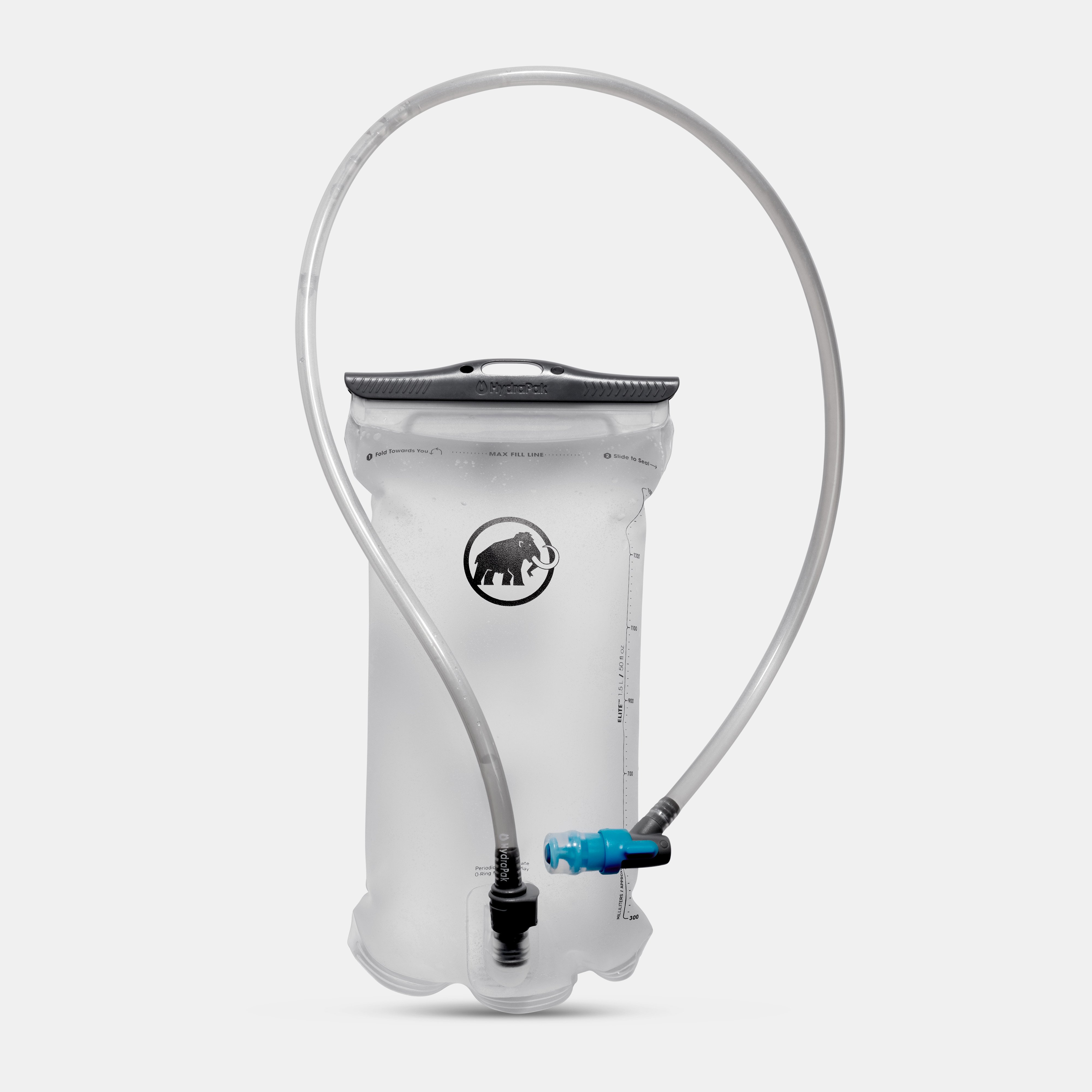
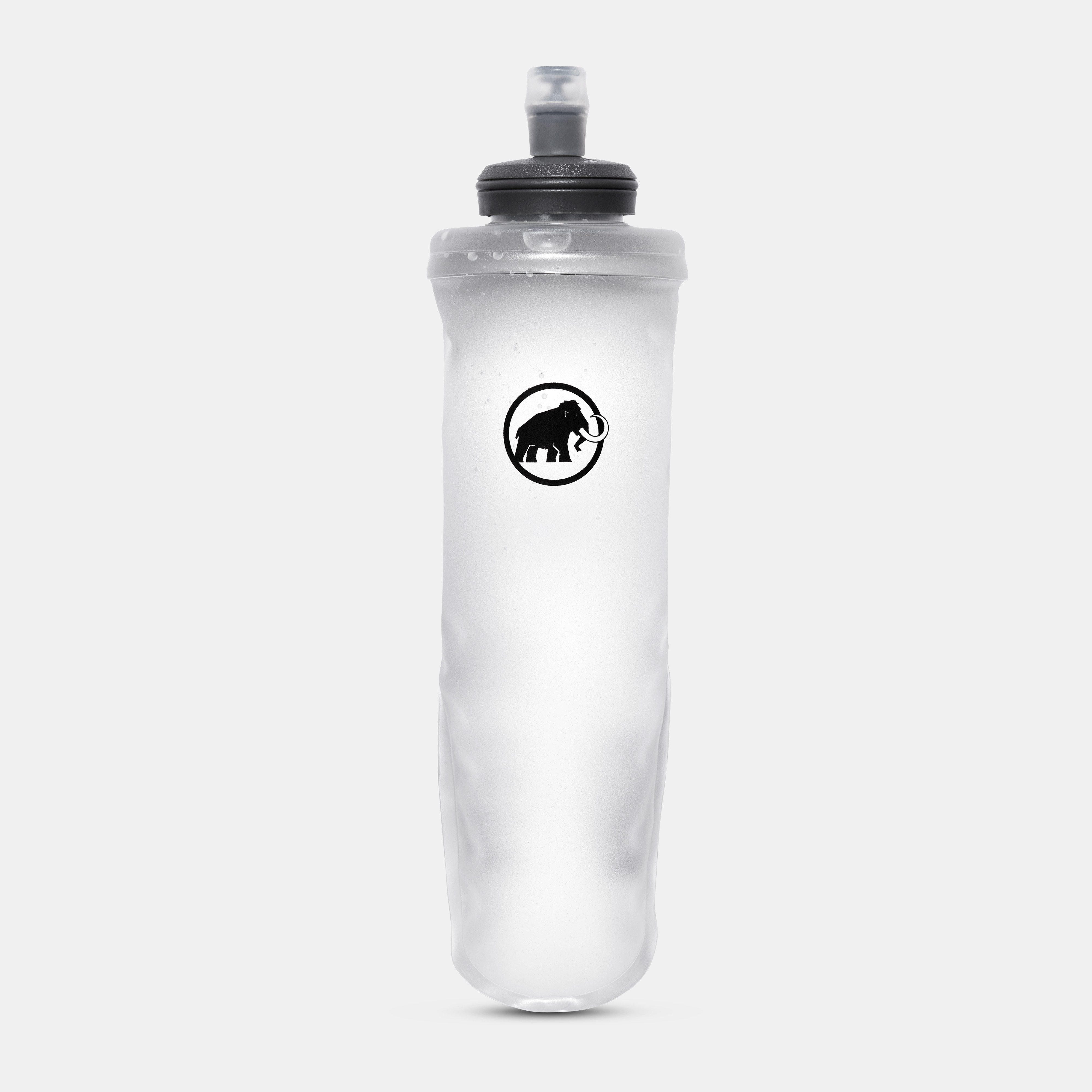
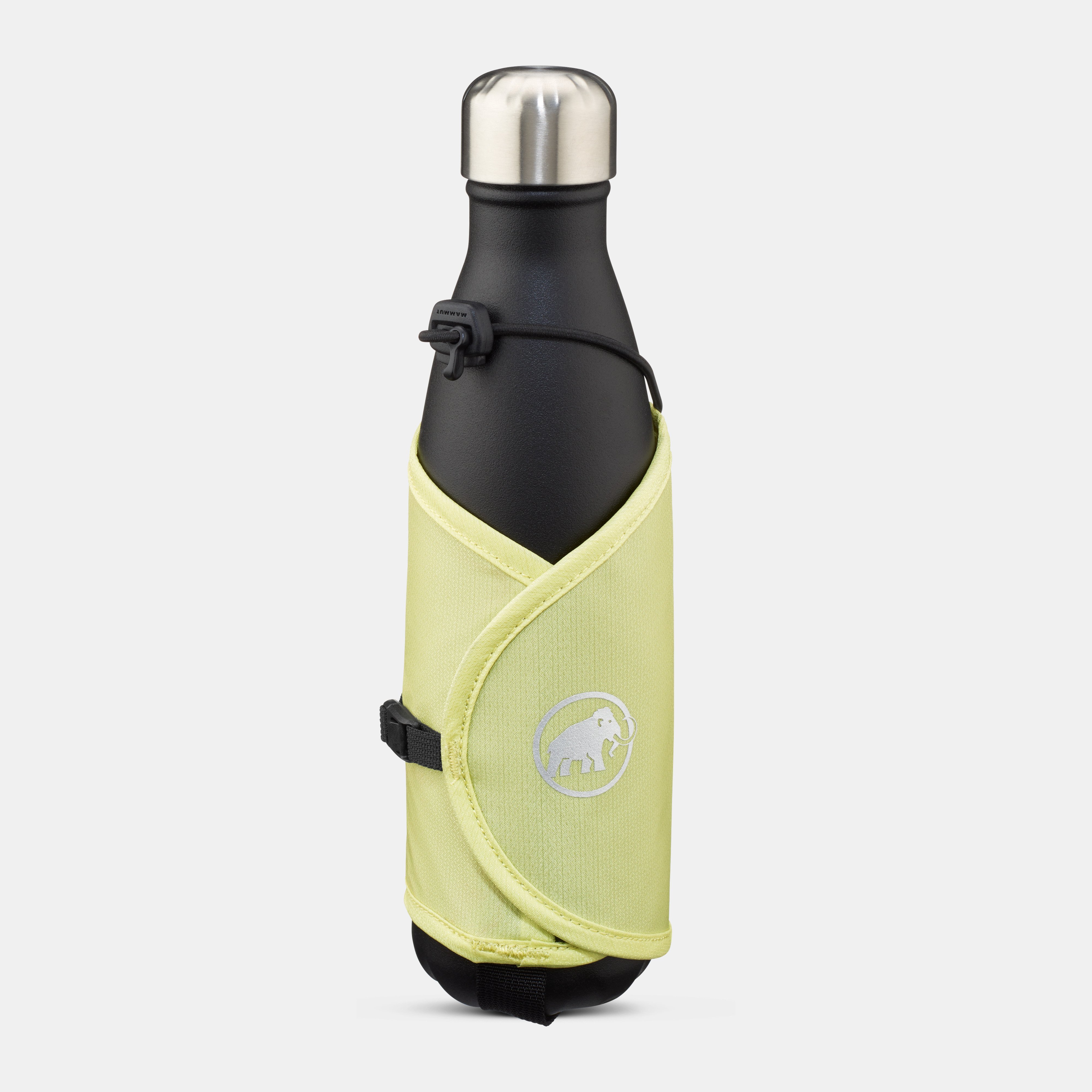
On long runs or hot days, staying consistently hydrated can make or break your performance. Trail running packs support different hydration setups:
Soft flasks slide right into chest strap pockets, so you can grab them on the fly while running.
Hydration bladders sit in the back compartment with a tube that lets you drink hands-free on the go.
Both systems work great – it's really about what feels right for you. The key is quick, easy access without throwing off your stride. When you're shopping around, make sure whatever hydration system you choose is dishwasher-safe and easy to clean – especially after using sports drinks. On top of being practical, a well-designed hydration setup is much more hygienic as it prevents bacteria buildup and is easy to clean.
Storage & access: Smooth moves with clever organization
Whatever you need on the trail should be within easy reach – without having to stop and rummage through your pack. That's why smart compartment layout separates good packs from great ones. Beyond the main compartment, quality trail running packs feature the following:
Smaller pockets on the shoulder straps for soft flasks or energy bars
Side pockets for gloves, hats and headbands
Separate compartments for wet and dry gear
Easy-access pole attachments
Magnetic tube clips for hydration systems and quick-zip pockets for gels are handy additional features. Plus, don't forget to carry emergency contact info with you – ideally tucked away in a waterproof case.
Getting your pack on and off should be effortless, too – so look for flexible closure systems and stretchy materials.
Extra features: Safety and functionality on the go
If you're heading out in the early morning or finishing your run at dusk, reflective elements can be a lifesaver, boosting your visibility and keeping you safer on the trails.
Many races also require an emergency whistle – usually built discreetly into the chest strap but ready to go when you need it most.
For larger-volume packs, an integrated compression system keeps your load compact and close to your body, even when you take things out and put them back in – for example when taking a water break or grabbing that waterproof jacket .
For the perfect symbiosis, these features need to work seamlessly in the background: They're there to support you, not distract you. A great trail running pack does exactly that – it becomes an extension of your movement.
Going on longer runs? Then definitely pack a small headlamp, maybe even an emergency blanket, just to be on the safe side. Good to know: Many trail running packs already have dedicated spots for these.
The right trail running pack for your style
Whether you're exploring rolling hills, pushing yourself through an ultra marathon, or just want to be ready for whatever the next trail throws at you – the right pack will have your back in every way: Keeping your gear organized and close to your body, staying rock-solid when you're moving, and allowing you to fully focus on the challenge ahead.
While tech specs matter, fit is literally everything: Your pack should work with your individual running style – not force you to adapt to it. Get that balance right, and your pack will be exactly what it sets out to be: a reliable, invisible partner for every step of your trail adventure.