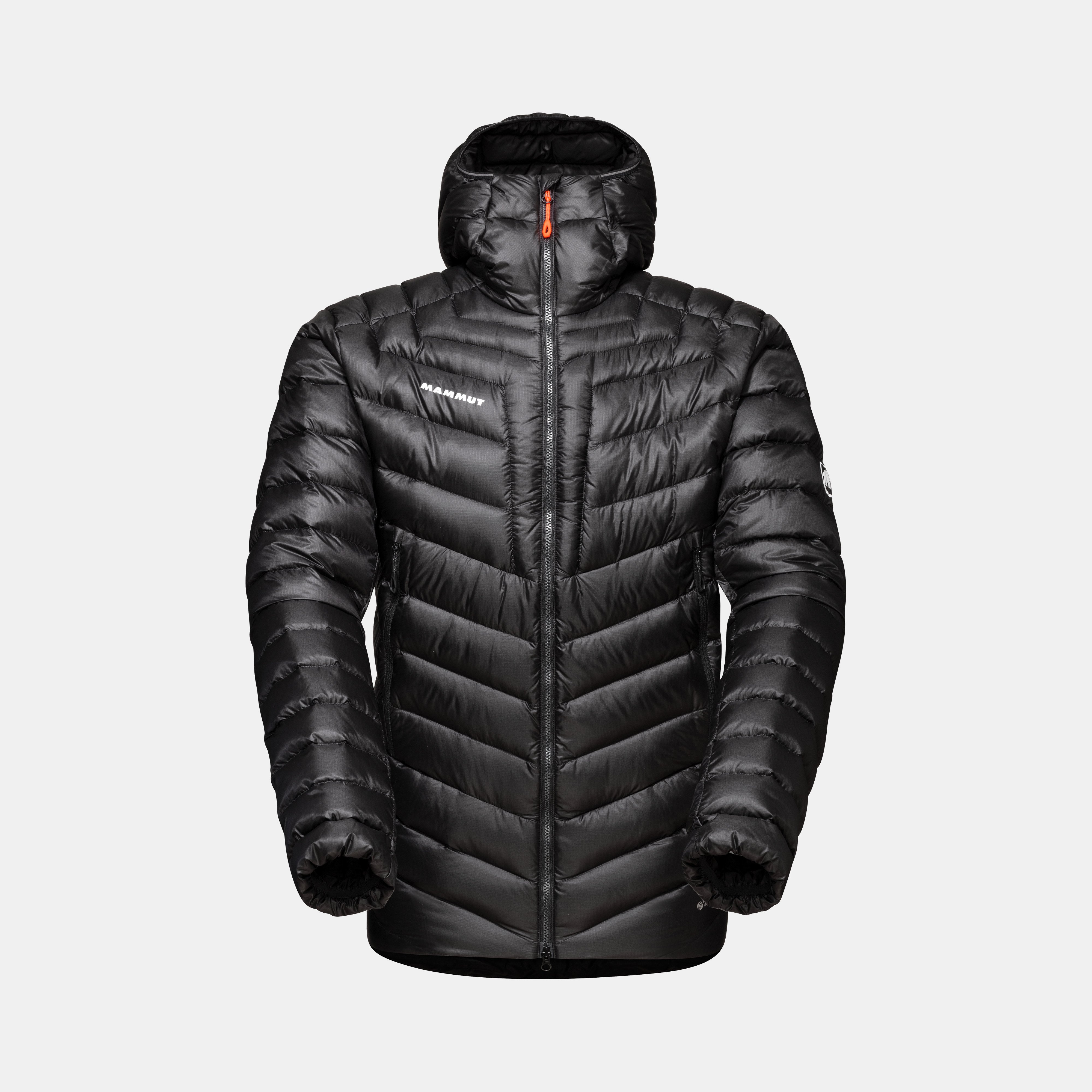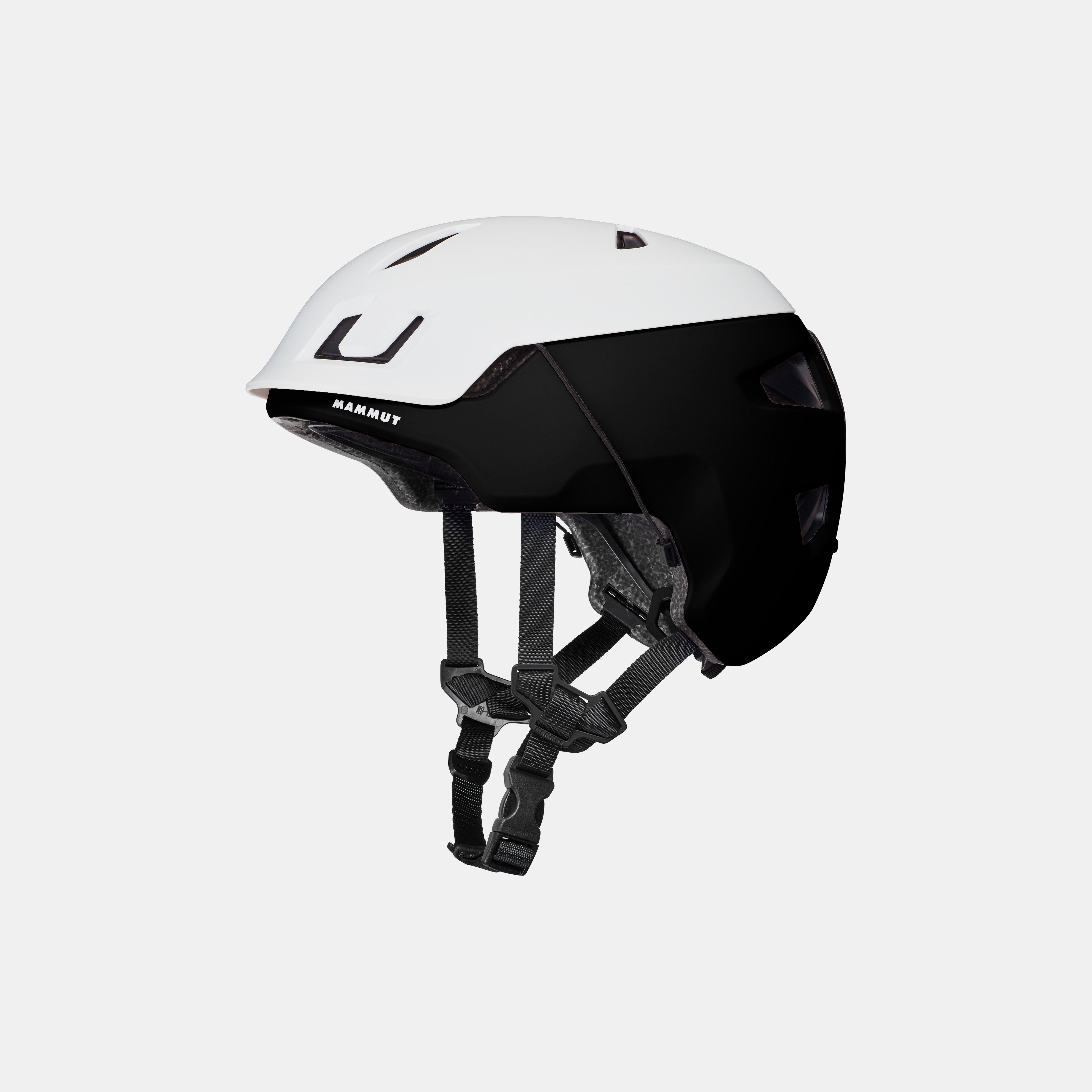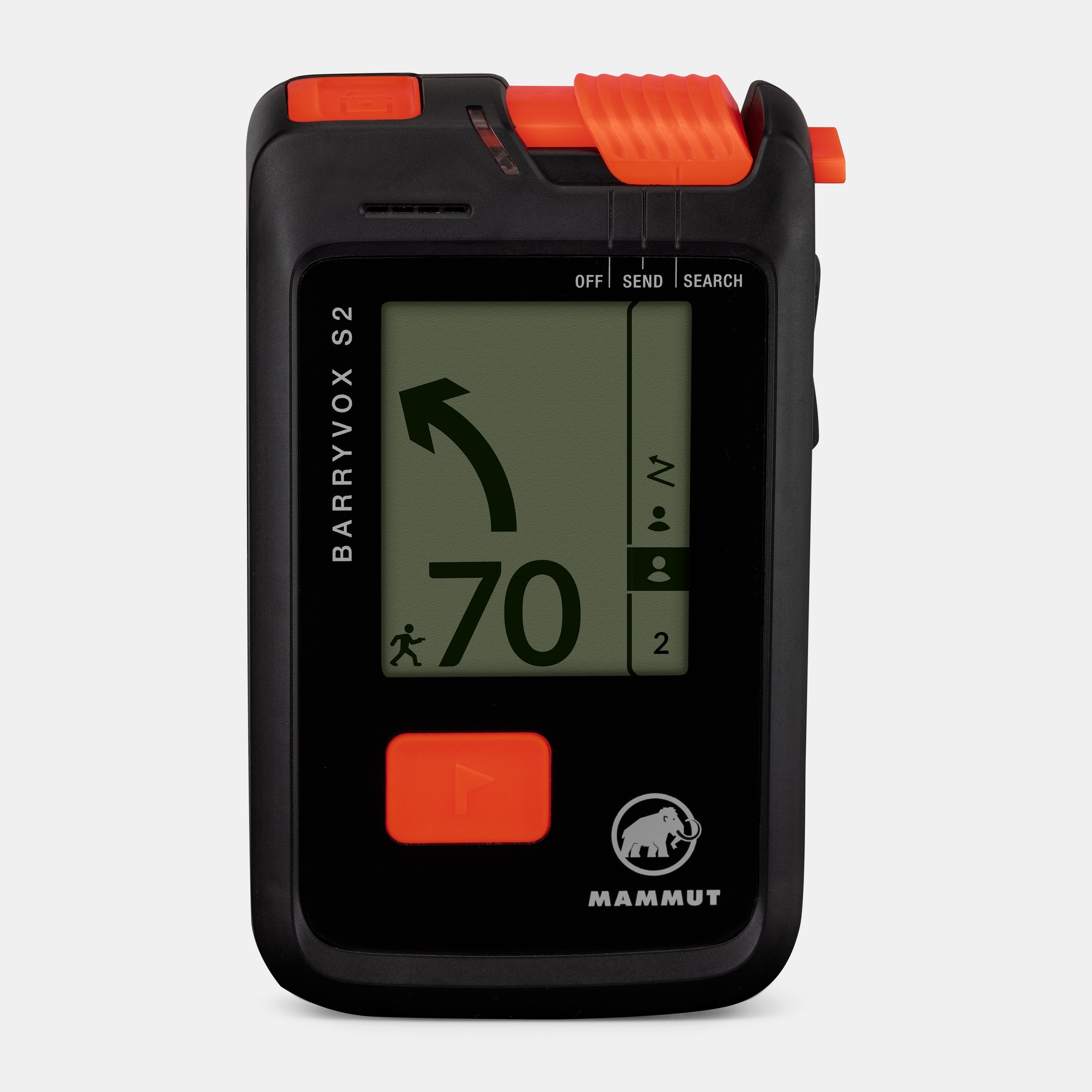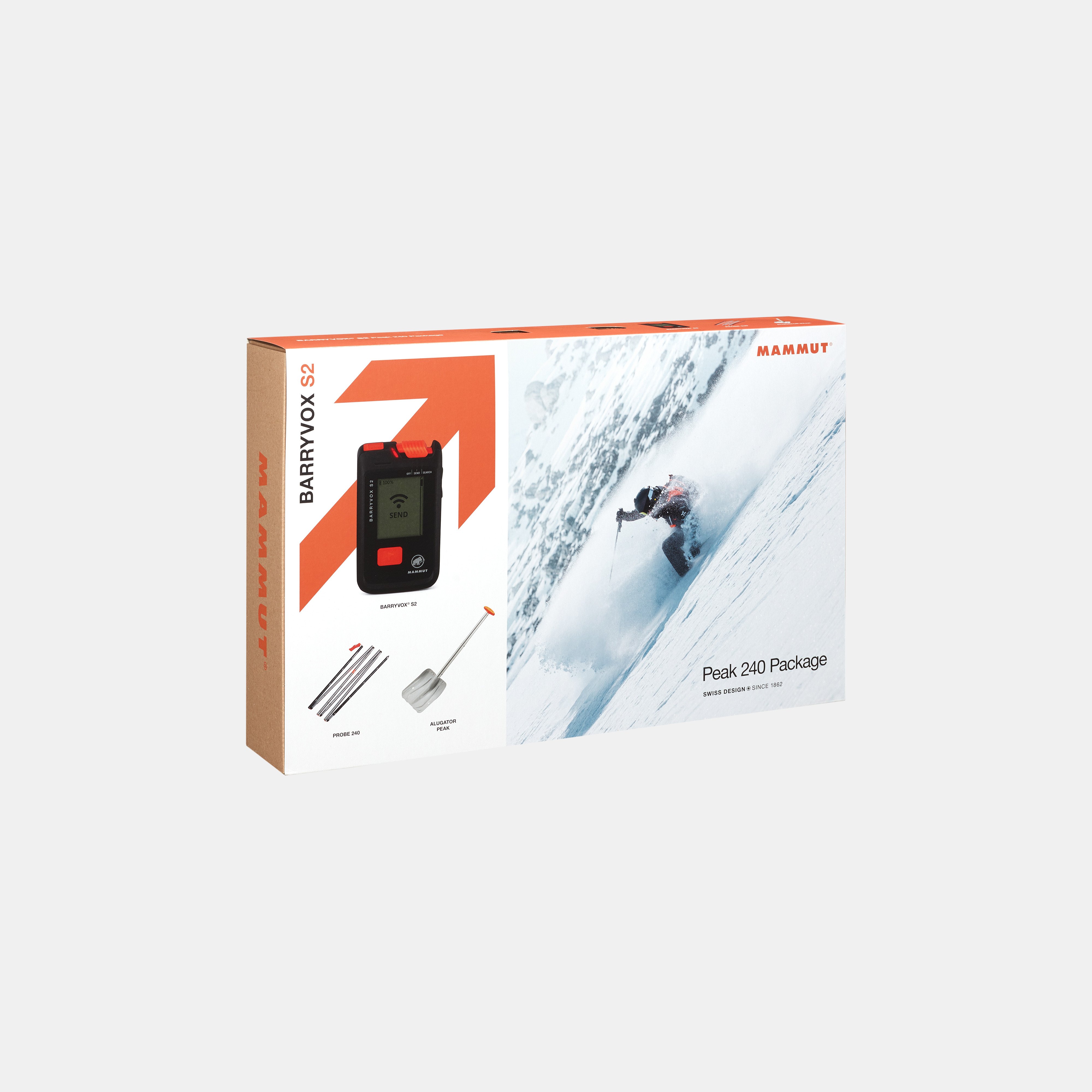



New Colors Added
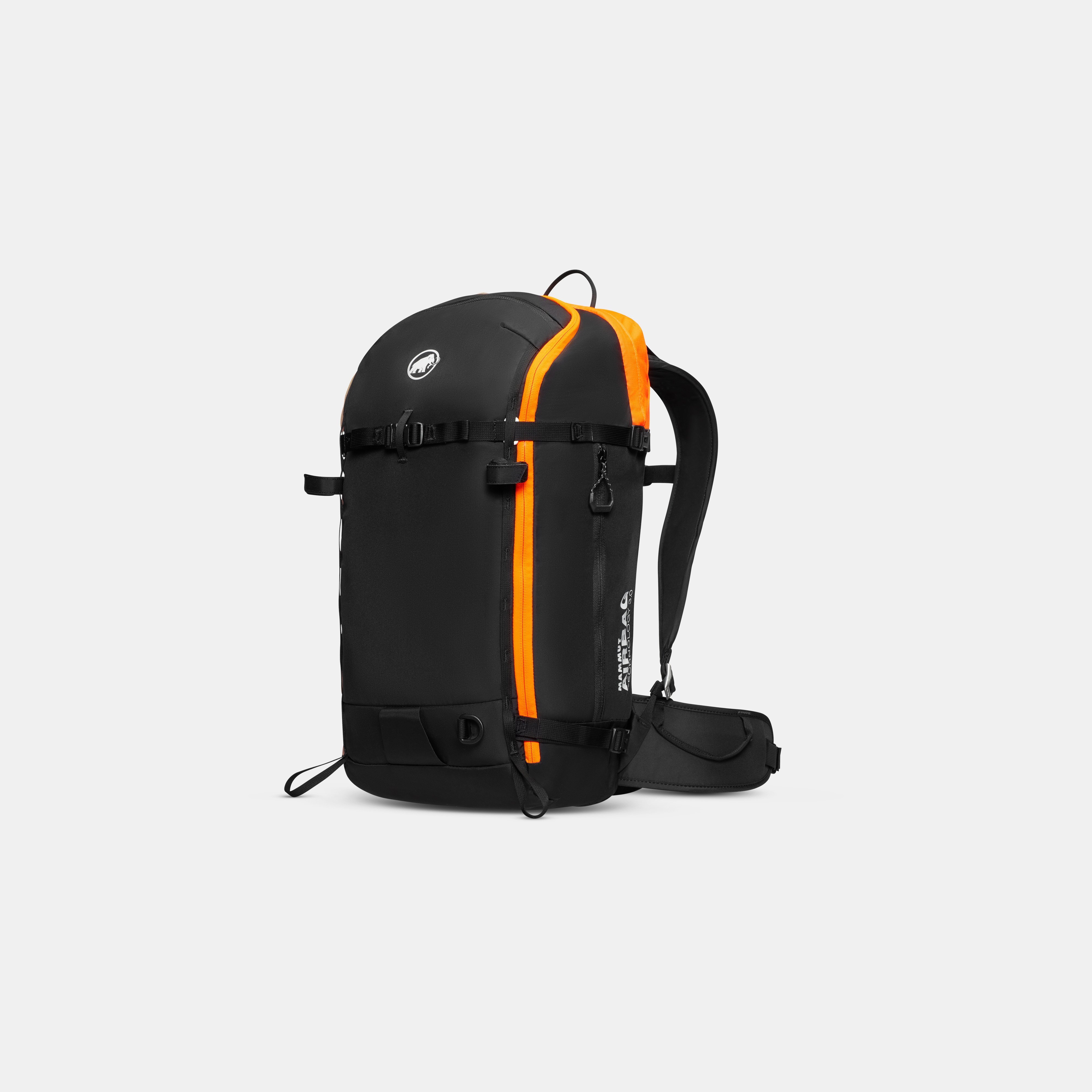
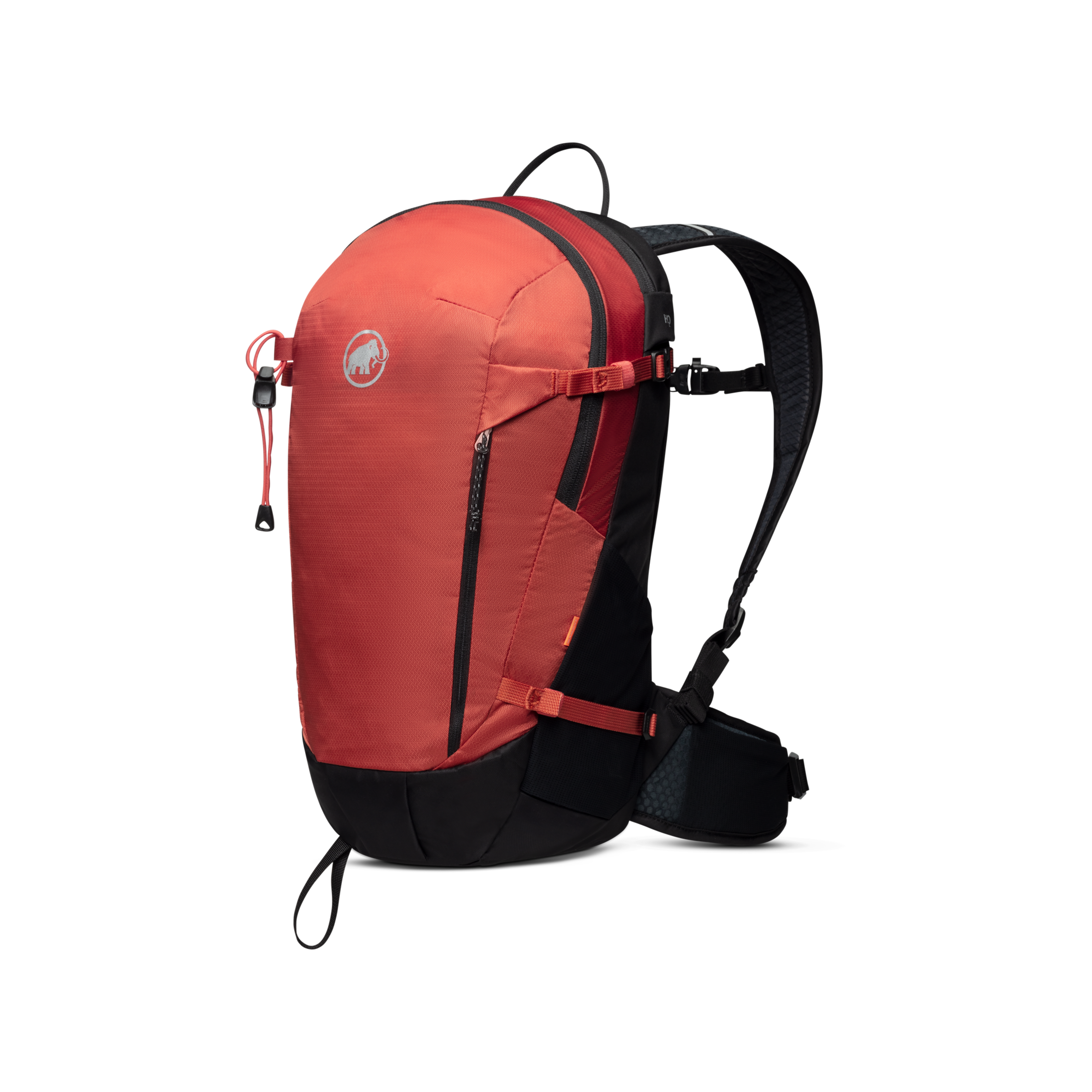
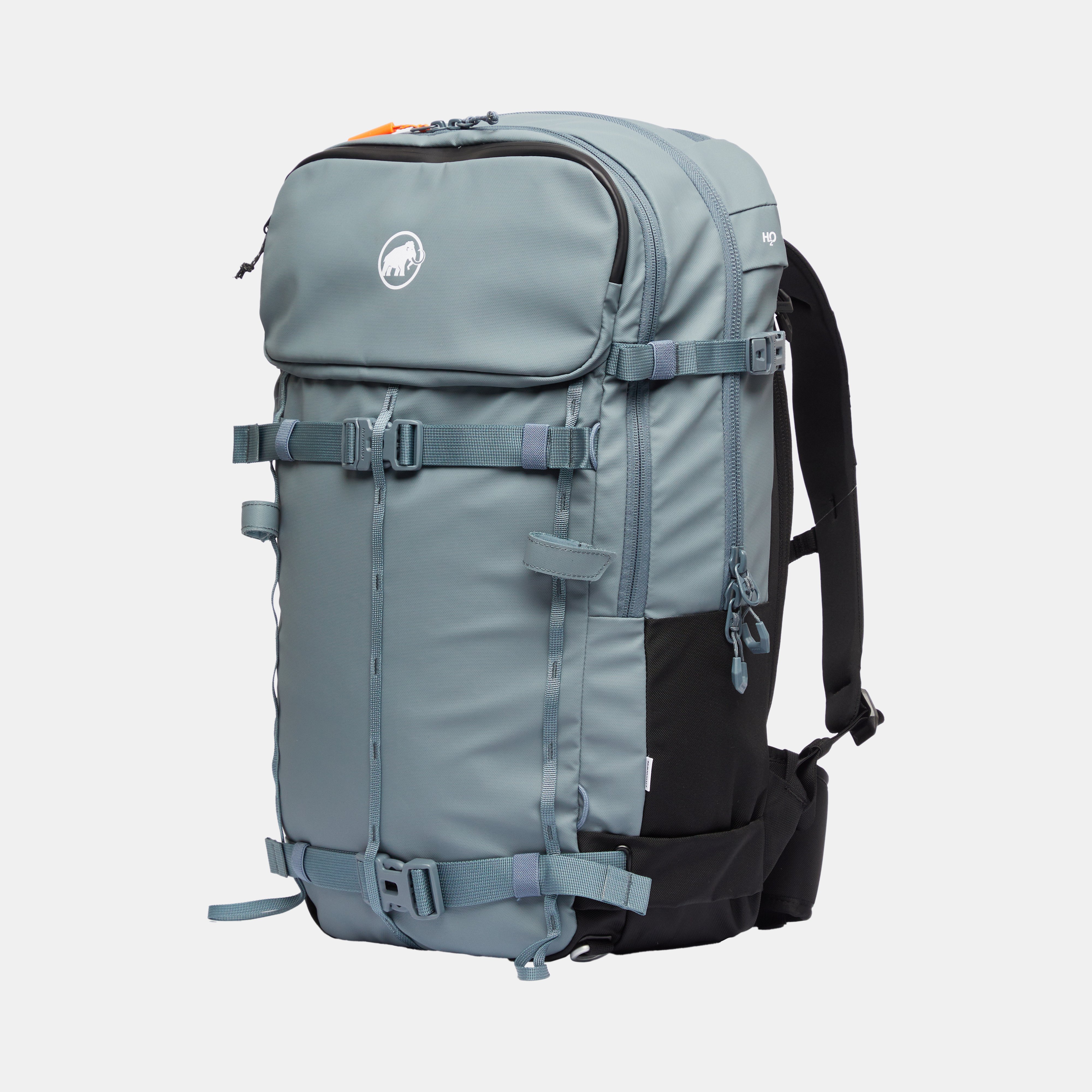
Nirvana 35 Women
10/25
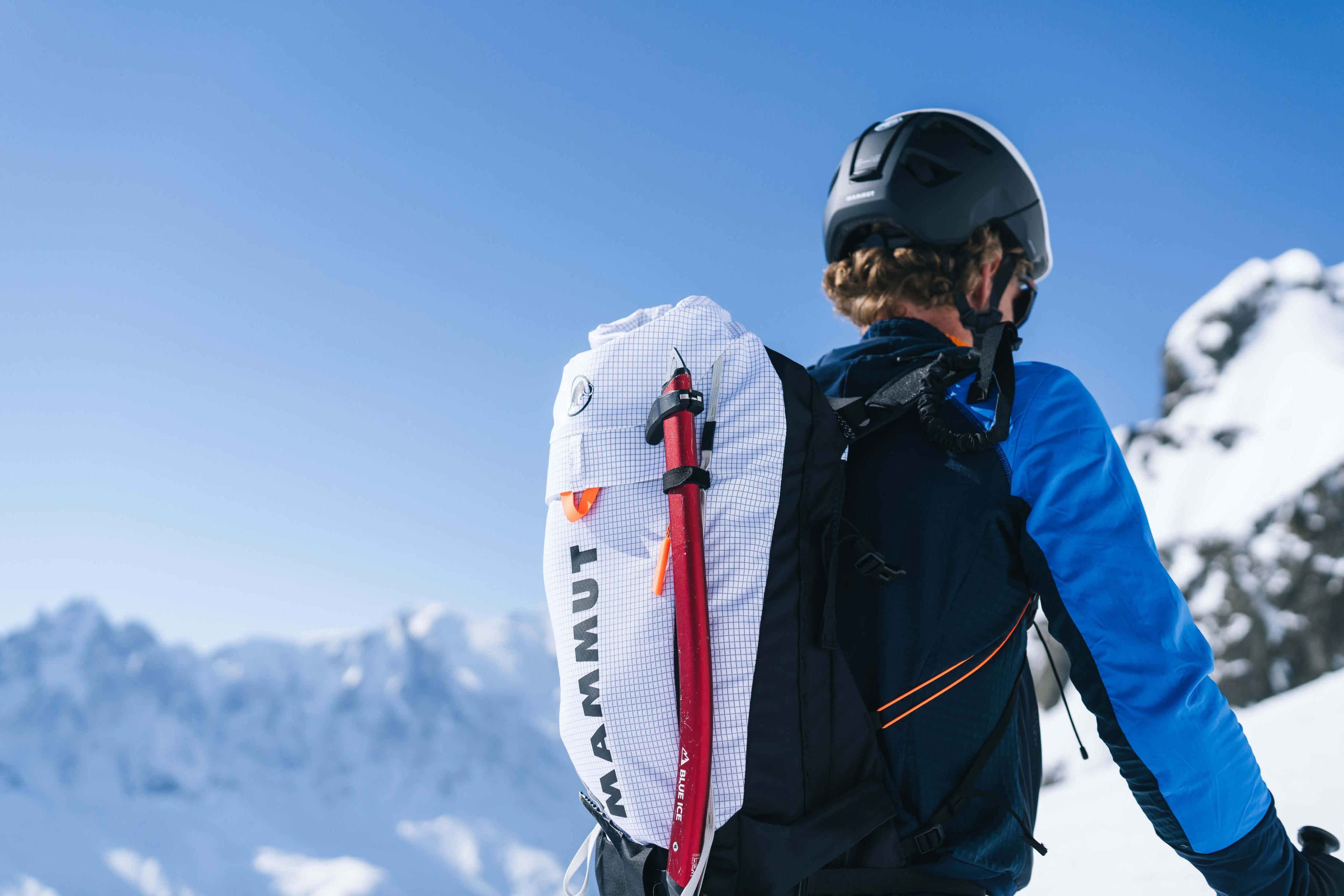
Ski touring delivers some of the best mountain experiences out there – challenging climbs, epic descents, and those perfect quiet moments in untouched powder. But before you hit the great outdoors, you need to make sure your gear is up to speed. Because on top of your avalanche safety equipment and plenty of layers, your ski touring backpack is an essential part of any ski touring equipment. After all, you’ll be wearing it for hours on end – so comfort, practicality and functionality are key. Whether you're completely new to the sport or you've been earning your turns for years: In this guide, we’ll break down everything you need to know – sizing, features, packing strategies, and more.
One of the first things to nail down when shopping for a ski touring pack is volume. How much space you need depends on what kind of adventures you've got planned:
For day tours, you’ll need a capacity of 20 to 30 liters. Mammut's ski touring packs are loaded with smart compartments – dedicated avalanche gear sections for your shovel and probe , plus zippered hip belt pockets for bars, sunscreen, phone, and other small essentials. Everything stays organized and within reach, even when you need to move fast. It goes without saying that your Barryvox is a key feature of your safety gear as well, but rather than put it in your backpack, you should always wear it on your body.
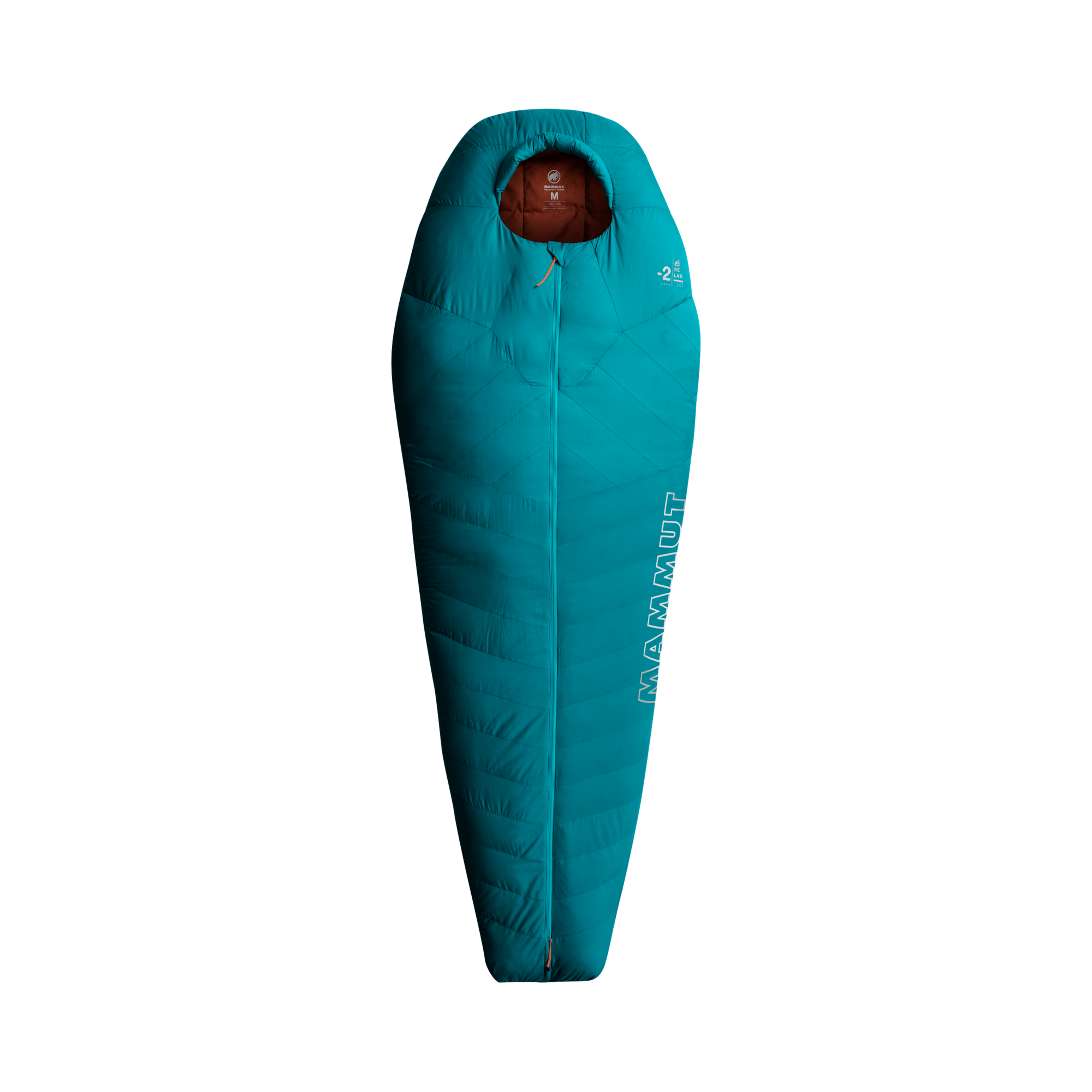
If you're planning multi-day hut tours or ski traverses, size up to 30 to 40 liters – like the Aenergy series models with their clean internal organization and roomy main and secondary compartments. You also may need space for additional gear – for example a lightweight sleeping bag , an extra layer, toiletries, and perhaps a book for those cozy evenings in the cabin.
A pack that's too small means you're constantly stuffing and reorganizing. Go too big and it gets unwieldy fast – plus, you'll be tempted to bring extra stuff you don’t need, which just adds weight to your overall load.


A ski tour often starts before dawn and ends after dark – and that pack is going to be on your back the entire time. So it better feel comfortable, stay in place, and not interfere with your movement. At Mammut, we’ve got a wide range of models with thermoformed back panels, breathable EVA padding, and ergonomic hip belts to ensure the overall weight is evenly distributed.
Our adjustable CONTACT V Frame carry systems are particularly smart – they give you freedom to move while keeping everything stable, even on tricky descents or steep inclines.
Make sure you pick the right torso length for your pack. Too long, and it'll jam into your neck or dig into your hips – which is especially annoying on technical terrain, or when you're speeding downhill. The torso length should correspond to your height:
36-44 cm for 150-175 cm height
42-50 cm for 170-195 cm height
47-56 cm for 180-210 cm height
Many packs are designed specifically for women's anatomy, featuring shorter torso lengths, and adapted shoulder straps and hip belts. Unisex models with adjustable back panels or modular carry systems can be a great option, too – what matters is how it feels on your body.
A breathable chest strap adds stability and prevents side-to-side shifting. Modern ski touring packs also frequently come with thermoformed or padded backs, which mould themselves to your spine while still maintaining good airflow – crucial when you're working your way up the mountain.
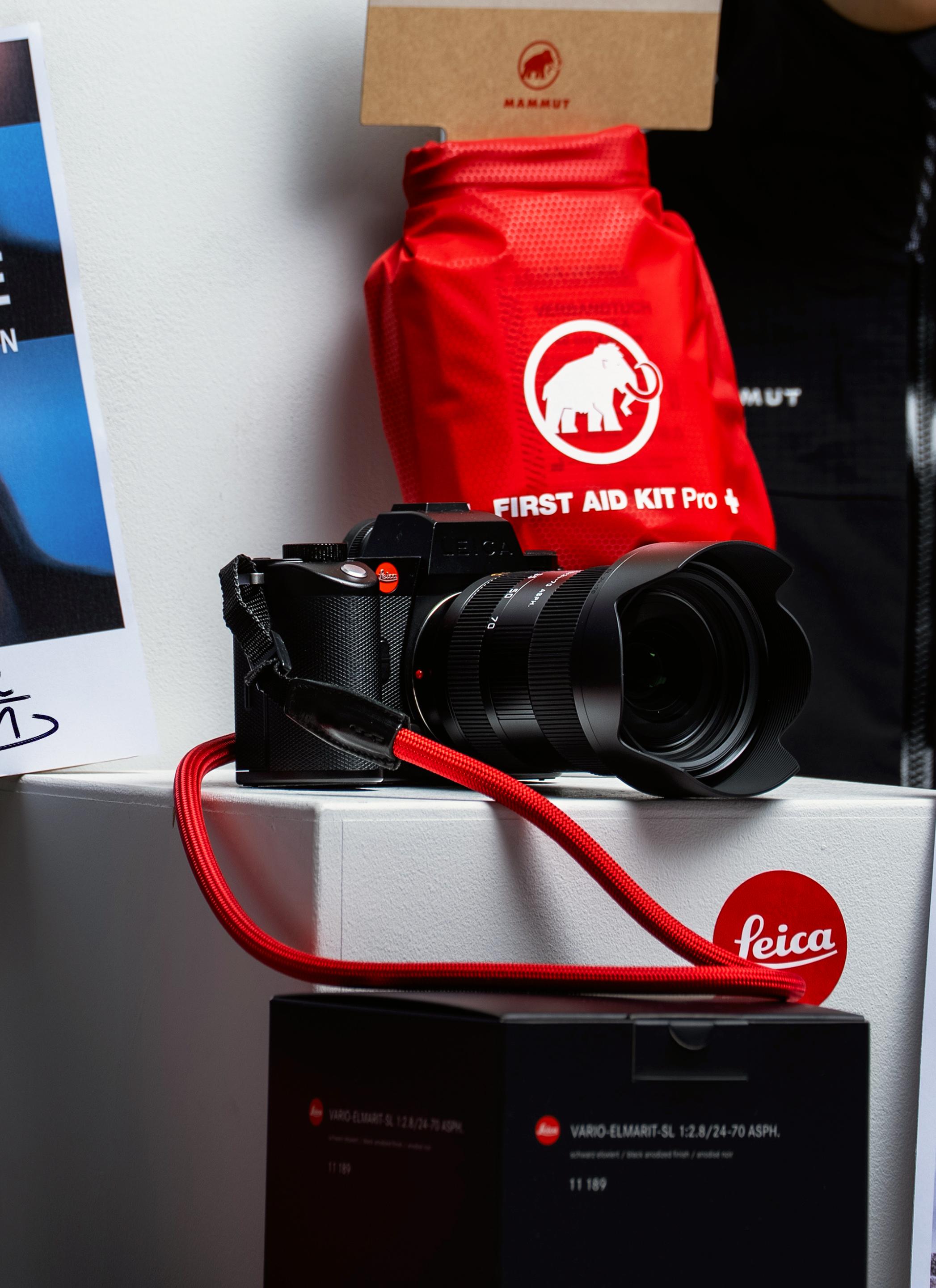
Ski touring packs differ from regular hiking packs not just in volume and carry systems, but in how you actually access your things. This becomes extra relevant when you need to grab your first aid kit in a hurry, or if you just don't want to rummage forever just to find your beanie .
Top loaders are the classic design – as the name suggests, they’re filled from the top. While they're super lightweight and sturdy, staying organized at all times is key – because if you need to get to items at the very bottom, you’ll have to unpack everything else first.
Front loaders give you access to the main compartment through a wraparound zipper – perfect when you need to find something specific.
Back loaders open from the back panel. This not only keeps your gear protected from snow, but also gives you a clear view of everything you've packed.
Some models combine different opening options so you enjoy flexible access to your gear whatever the current situation.
What matters most in a ski touring pack is clear organization. In an emergency, you need to grab your shovel and probe without thinking twice. That's why a dedicated safety compartment is non-negotiable – ideally easy to access even with gloves on.
Small pockets on the hip belts let you stash your phone, energy bar, or tissues. Just as useful: a top pocket for sunscreen, headlamp, or maps.
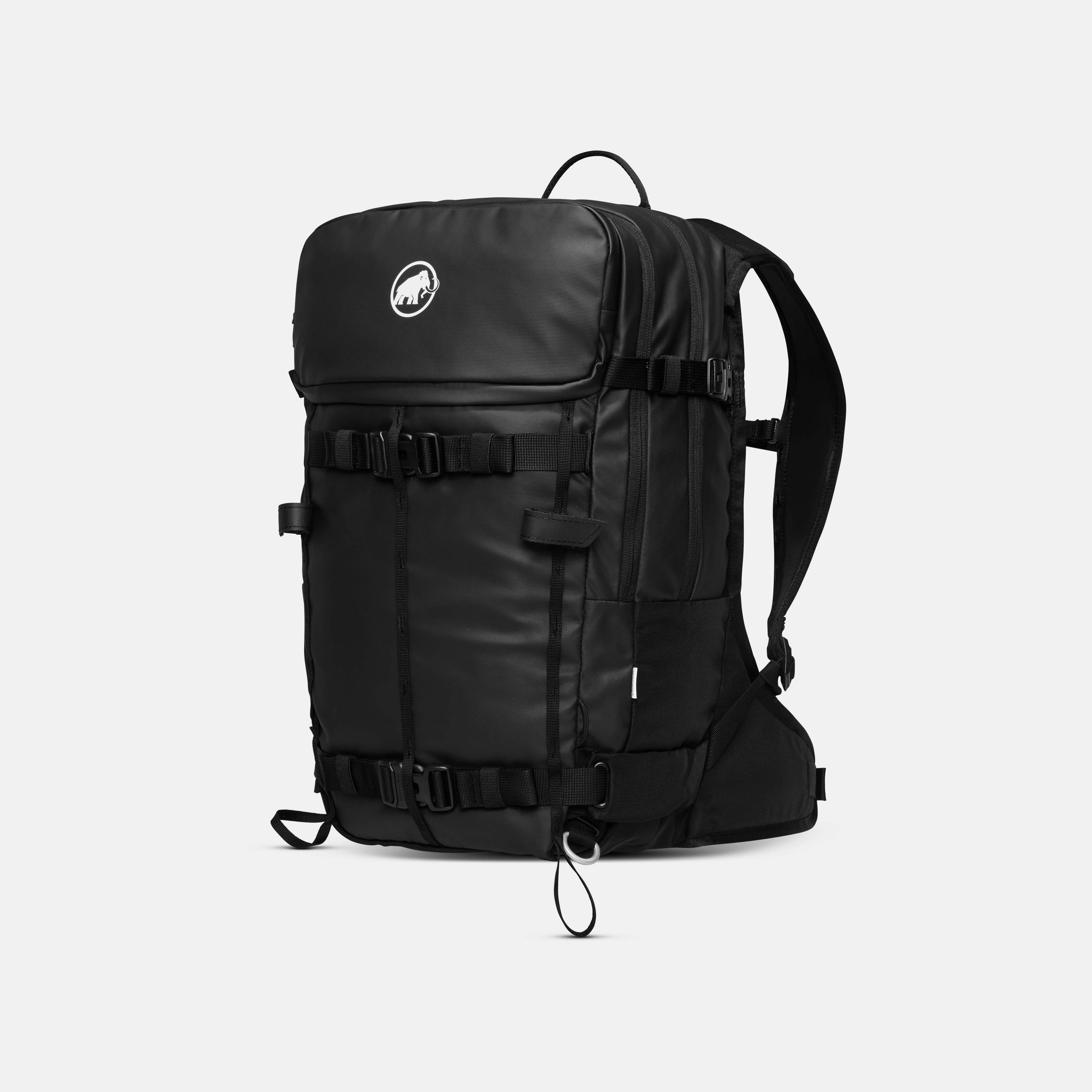
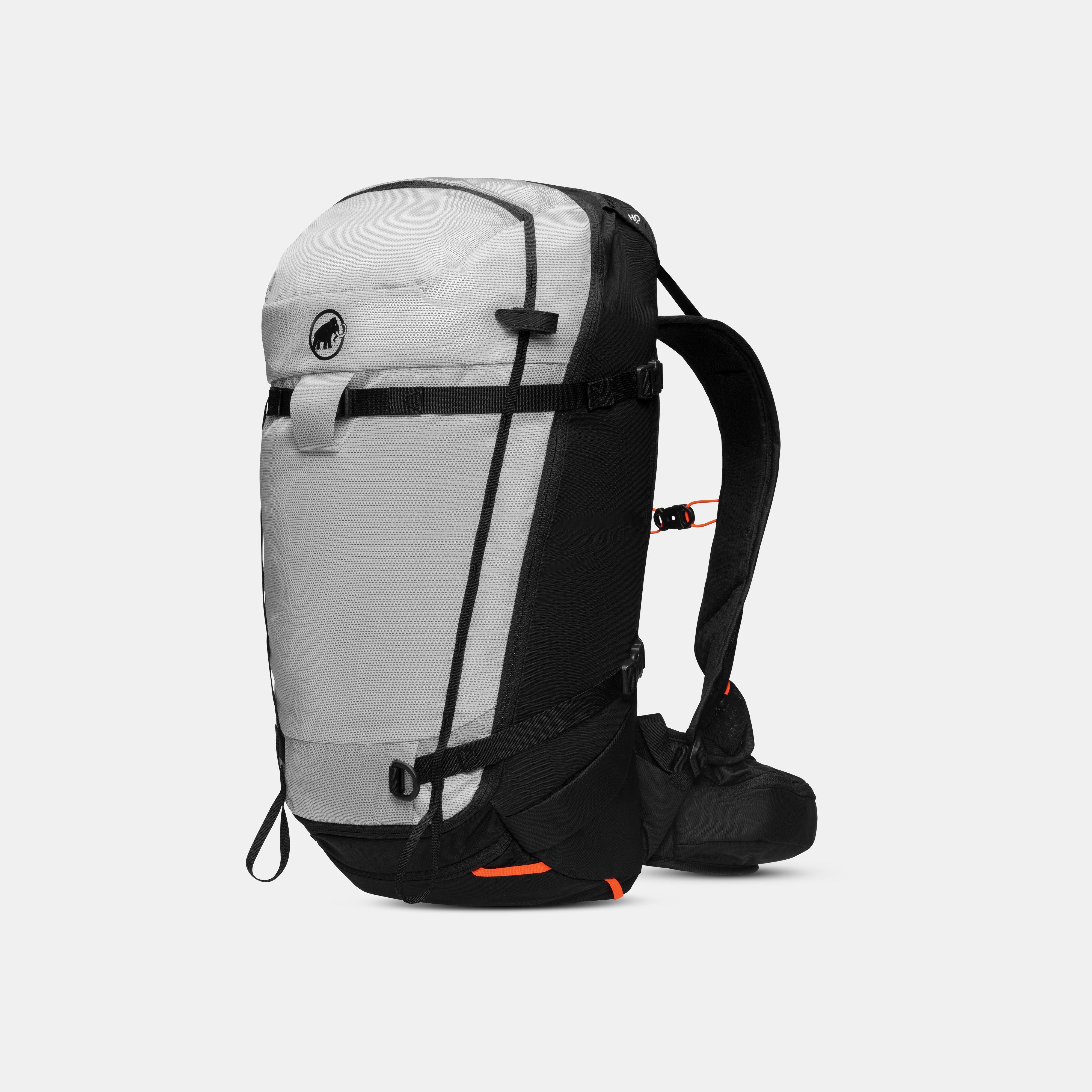
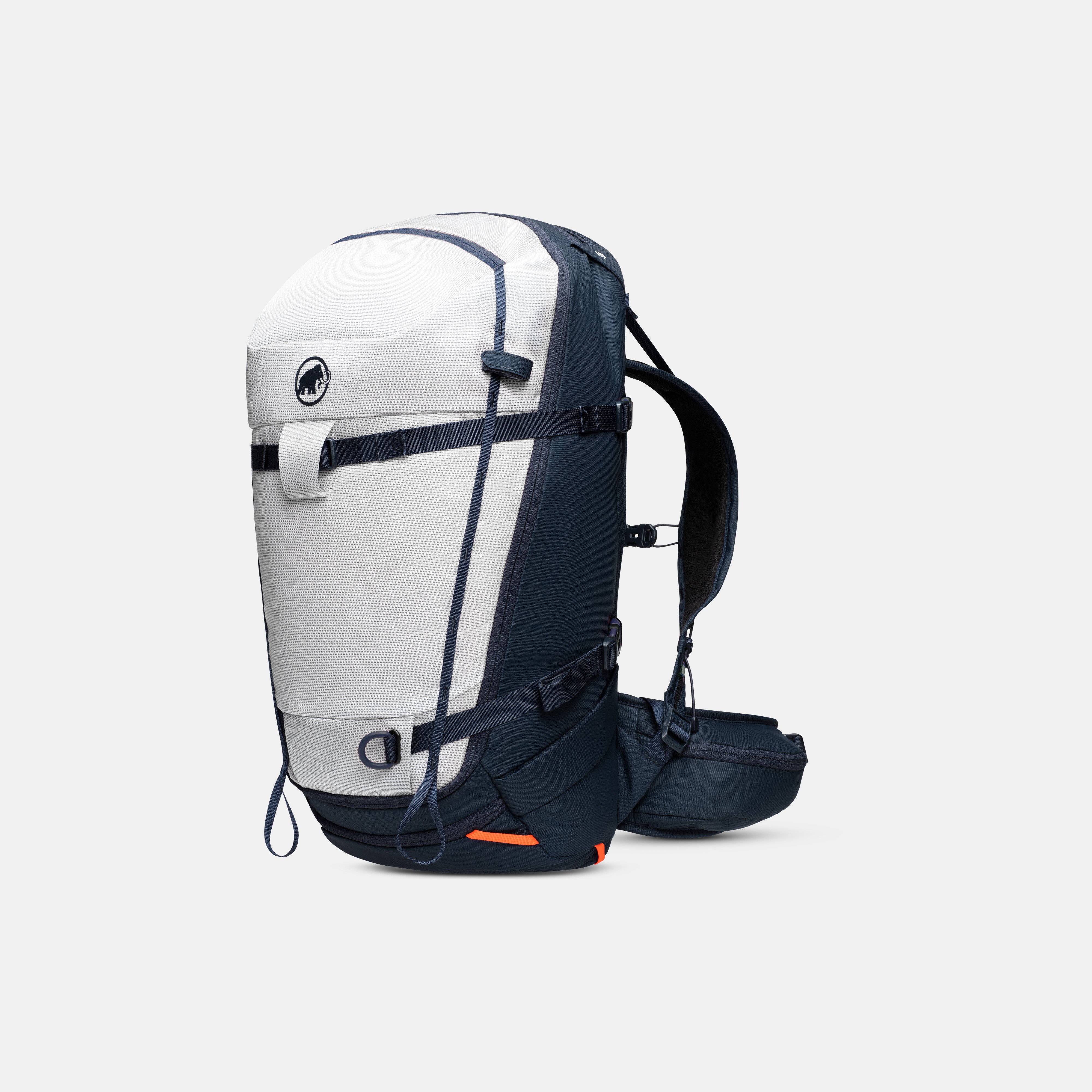
On narrow ridges or inclines, you need your hands free – and ski attachments that actually stay in place and provide a firm hold. The Nirvana & Aenergy series offer flexible attachment options for skis, snowboards, ice axes, or poles. You can also clip your helmet to the outside with the helmet attachment system. Plus, the weather-resistant, abrasion-proof materials will keep your gear protected from snow, wind, and rain at all times. The combo of lightweight and tough makes these packs reliable partners in the high mountains – even when conditions turn treacherous.
Sustainability is a priority, too: Our ski touring packs use recycled materials, are bluesign® PRODUCT certified, and treated with PFC-free DWR coating. At, Mammut we also ensure fair production conditions through the Fair Wear Foundation.
Hydration bladder integration can be a nice feature on long approaches. But beware: the drink tube can freeze in cold temperatures. Pro tip from seasoned tourers: blow water back into the bladder after drinking. Alternatively, you can simply opt for a bottle holder on your shoulder strap – just as handy for staying hydrated on the move.
Smart packing makes everything easier when you’re out and about – but more importantly, it also helps you stay safe. A well-organized pack prevents frantic searching, while also keeping you balanced.
Keep heavy items (safety gear, water bottle, crampons) close to your back and centered. This keeps your center of gravity close to your body so you don't get thrown off balance.
Lightweight items like your insulation jacket or extra layers can go higher up or even in external compartments
Safety gear (shovel and probe) belongs in the dedicated safety compartment – always accessible and clearly separated from everything else. Your Barryvox stays on your body.
Hip belt pockets or small side compartments are perfect for things you need quickly: like sunscreen, snacks, or your phone.
Use stuff sacks or dry bags to organize your gear and protect it against the rain.
Resist the urge to stuff your pack to the limit. An overloaded pack isn't just heavy – it's also unstable and will seriously restrict your movement whether you're going up or going down. Remember: Only bring what you actually need. For more info, check out our guide on proper packing techniques.
When you're dealing with rocky terrain or short boot sections, your pack needs reliable ski attachments. Models with diagonal or vertical carry loops let you secure your skis to the pack without them getting in your way – or break loose while you're hiking.
For alpine tours with crampons or ice axes, make sure your pack has the right attachment points or dedicated compartments. A helmet net or helmet loop is handy but not essential – you can always use a carabiner to clip your helmet to the outside.
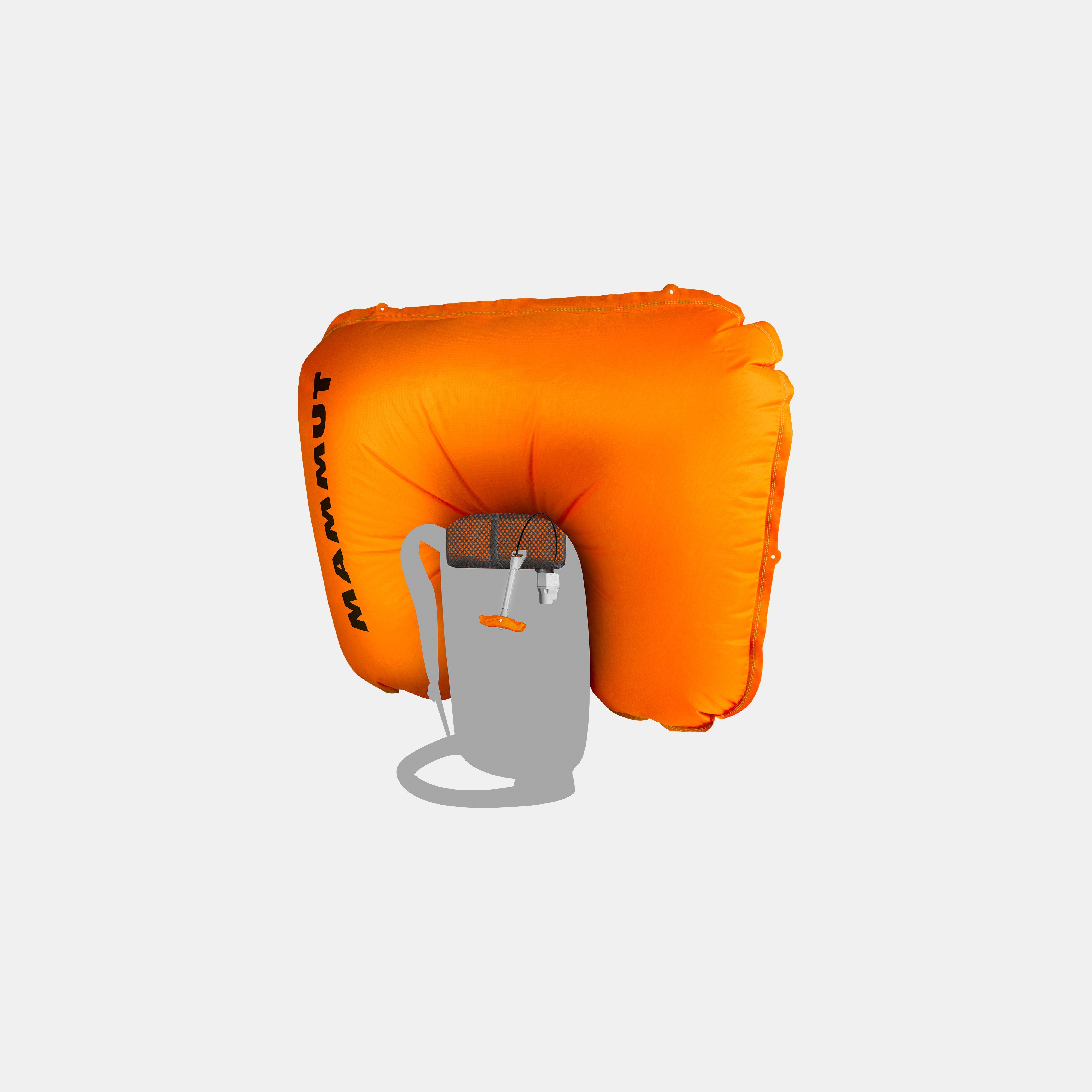
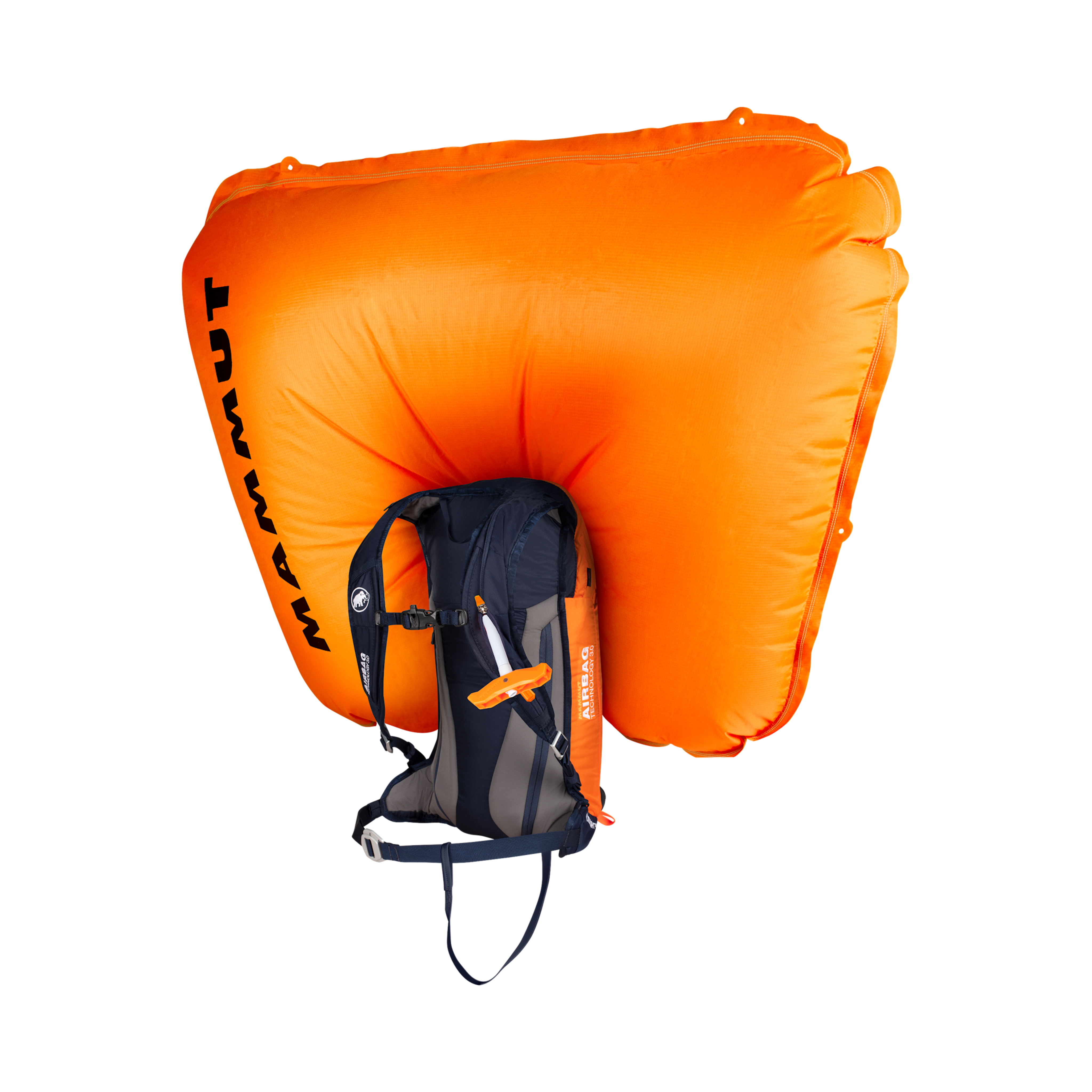
Avalanche packs can be lifesavers by keeping you closer to the surface in case of a slide. That being said, they're just an additional safety measure, and should never be ssen as a replacement for proper education, caution, avalanche knowledge, and ski touring training. You can pick between cartridge systems (like ABS) and electronic airbags (like JetForce) – each with their own pros and cons. The biggest downside is extra weight and higher upfront costs. On the flip side, some manufacturers now offer modular systems so you can combine the airbag unit with your existing pack.
A great ski touring pack is barely noticeable when you're wearing it, and yet 100 % reliable when you need it most. It shouldn't just carry your gear – it should give you freedom to move, protect your back, and keep everything readily accessible in an emergency. Whether you prefer to travel light or you're planning multi-day hut tours, the right pack lets you focus on what matters most – the tour itself.