



Безопасност при ски туринг: основни съвети за безопасно приключение
10/2021
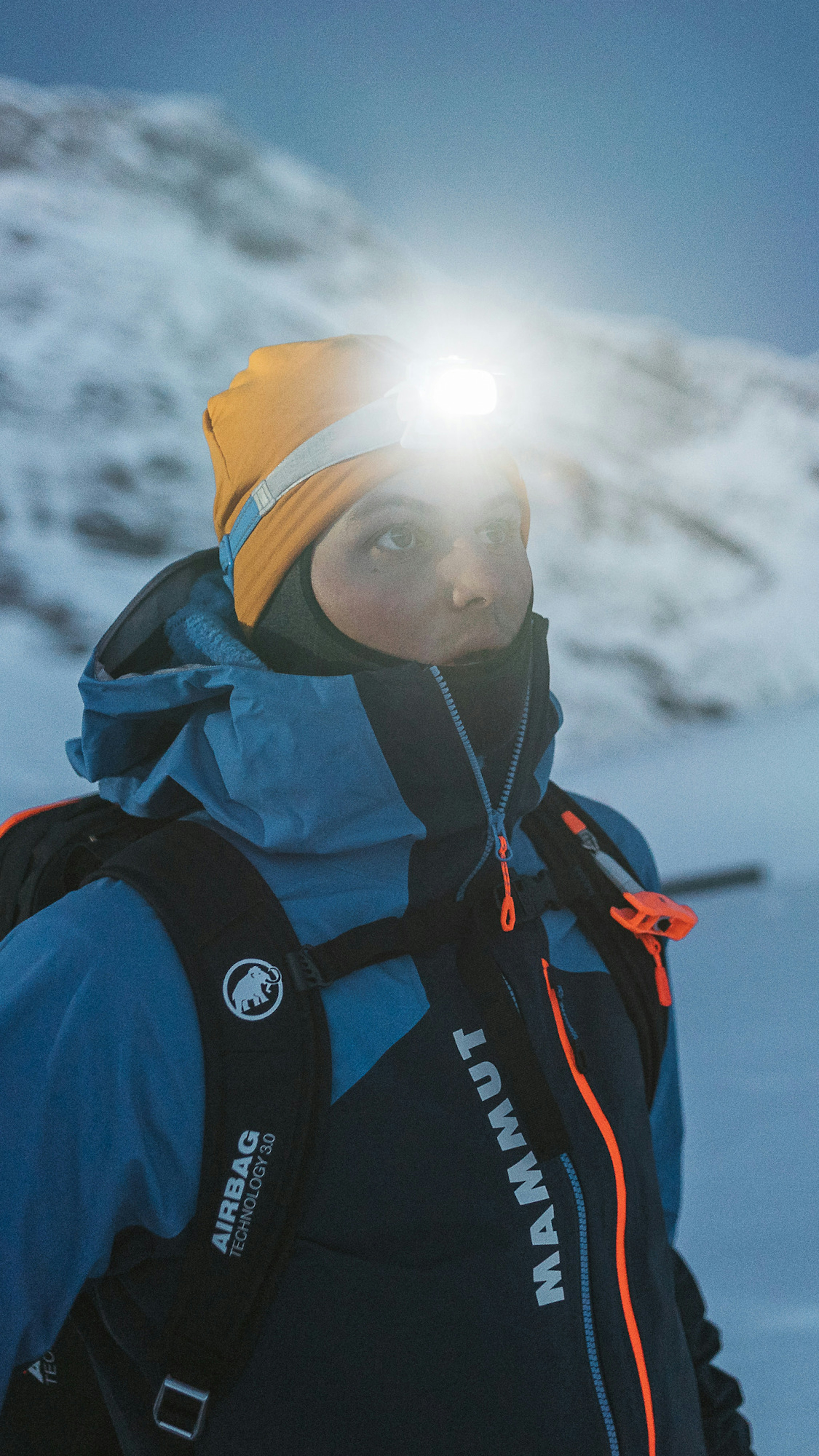
10/2021
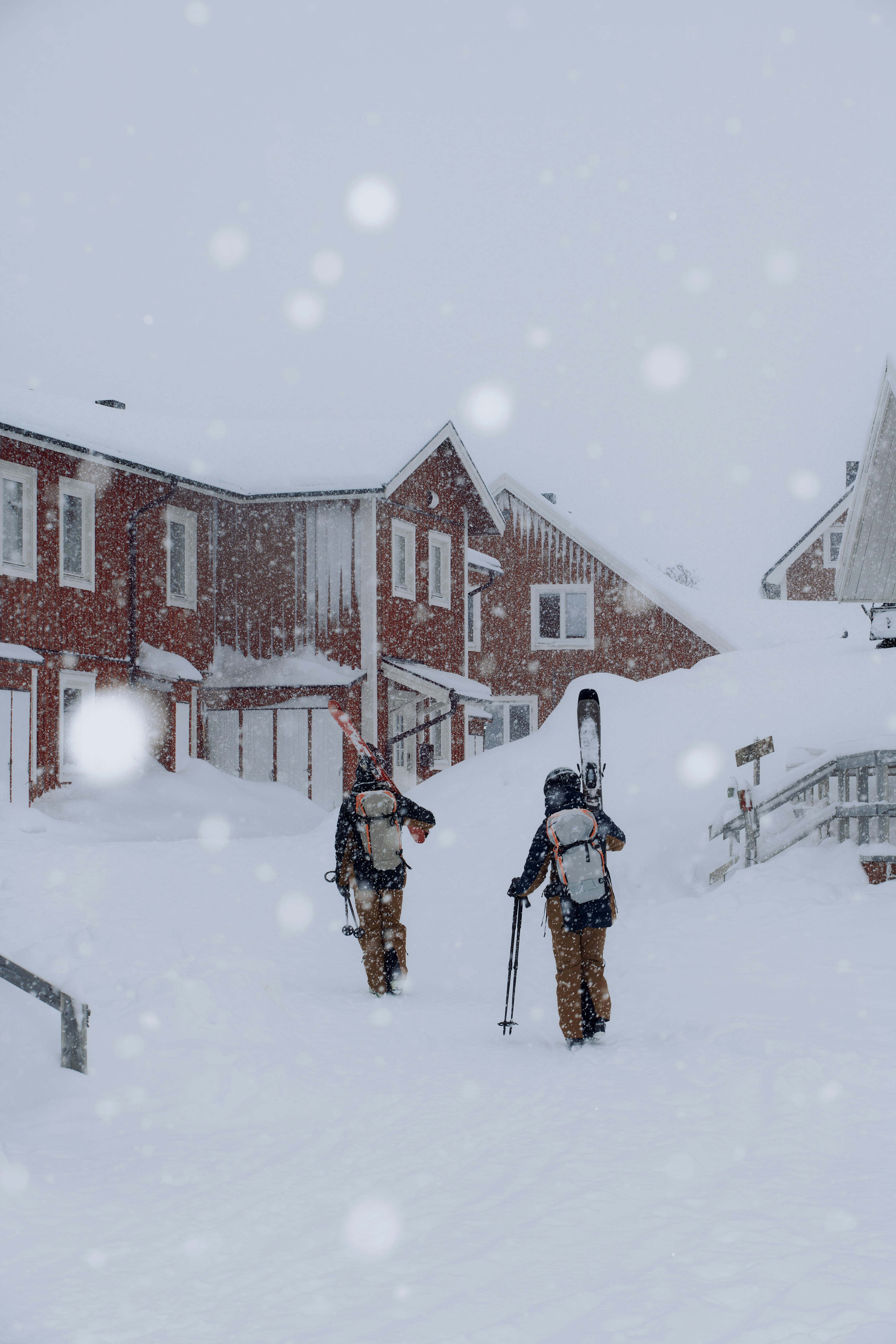
За да избягат от оживлението по пистите, все повече любители на зимните спортове изследват терени извън обозначените ски зони. Самостоятелните и водените ски турове също стават все по-популярни. Както при толкова много ситуации, в които хората се отправят в открит терен, възникват определени рискове и те трябва да бъдат внимателно взети предвид. Срещнахме се с Франц Видмер, ръководител на Алпийското училище на Mammut, за да обсъдим тези рискове и стъпките, които можем да предприемем, за да се подготвим за тях – и да гарантираме, че ски турът ще бъде възможно най-безопасно преживяване, позволяващо на участниците да се насладят пълноценно на панорамното изкачване и бързото спускане по дълбок пресен сняг.

What are the ideal weather and snow for a ski tour?

The ideal vision of a ski tour has to be a winter's day with a bright blue sky and fresh powder snow. But it can also feel great to go out in wilder weather, wading through knee-deep powder to enjoy the thrilling descent through thick snow drifts. In all cases, it is important to make sure the avalanche situation is appropriate for your chosen tour and avoid any risks.
What are the greatest risks you face during a ski tour?
As mentioned earlier, avalanches pose the greatest risk on ski tours. However, good planning can reduce the avalanche risk to a minimum - this is absolutely vital. The right equipment and the required level of physical fitness and technical skills for the tour are other basic requirements to stay safe.
What are some of the underestimated risks that may not immediately spring to mind?
The time factor is critical. For example, when rising temperatures on spring afternoons cause the avalanche risk to increase, you need to make sure you are back down in the valley on time. In other words, you need to work out a schedule and stick to it. Maybe your progress has been slower than planned and you won't have time to reach the summit. You then need to make the difficult decision to turn around, to ensure you get back on time. The weather is, of course, another factor that must not be underestimated. Poor visibility or even fog can change the situation very quickly. So it is important to carry navigation aids in your backpack and to know how to use them.
What is the ideal preparation (including physical aspects)?
If you are considering your first ski tour, the best thing to do is sign up for a course. Mountain schools such as the Mammut Alpine School offer foundation courses and courses for beginners. A mountain guide introduces participants to the world of touring and explains all the relevant issues during practice tours, from avalanches to techniques for ascent and descent to the right equipment. In terms of physical fitness, while you don't need to be a marathon runner, a good basic level of fitness for ascents of around four hours and a safe skiing technique on the piste will make the experience more pleasant. Equipment can often be hired on ski touring courses, in some cases, free of charge. If you would like to go ski touring independently, a sound measure of experience is required to assess the risks correctly.
„Аварийното оборудване е от съществено значение при всеки преход.“
How important is the ideal equipment on a ski tour and what kind of equipment is this?
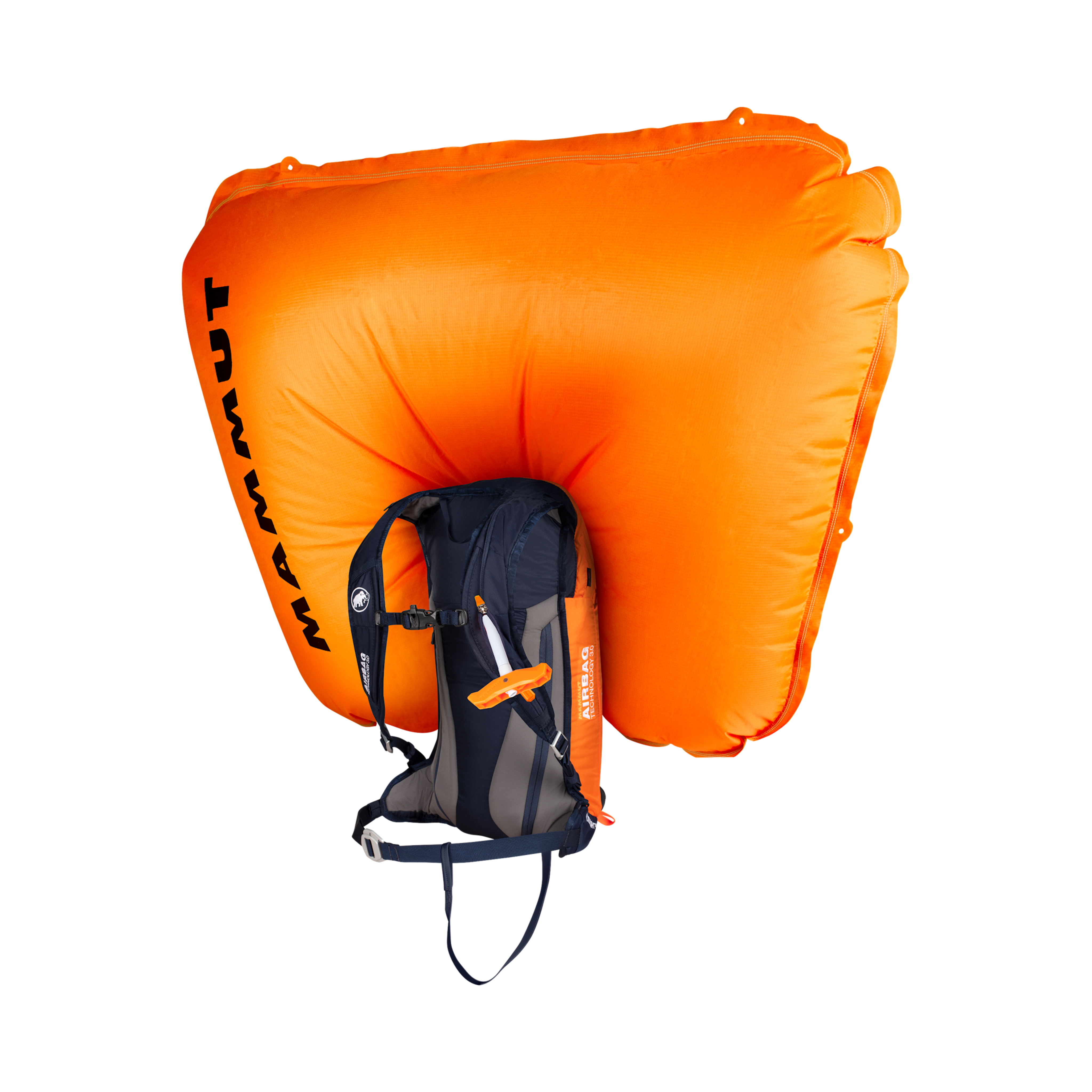
Emergency equipment consisting of an avalanche transceiver, probe, shovel and an avalanche airbag are essential items on any tour. Your backpack also needs to contain windproof and weatherproof clothing, as well as some hot tea. Another important step is checking your equipment before the tour to make sure it is all working correctly.
How should you behave in the event of an accident, for example, burial in an avalanche?
In the event of an accident, and more specifically in the case of an avalanche, smooth and efficient organization and implementation of the rescue operation is very important, from notifying the emergency services to searching for and digging out buried subjects. This takes practice. We therefore recommend that anyone who spends time away from marked pistes and trails in winter attends regular avalanche courses.
Let's assume that a group books a tour with the Mammut Alpine School. What preparation is required before they take their first steps in the snow?
Participants on all our tours need to carry emergency equipment. This is a mandatory requirement. Before the tour starts, the mountain guide runs through a safety check with the participants. Equipment is checked and the emergency procedure explained to make sure that everyone is brought up to date.
Do you have any tips and hints to help our readers make sure their ski tours are as safe an experience as possible?
A ski tour involves good planning of the tour objective, including a schedule, evaluation of the situation in the terrain and, finally, assessment of the individual slopes you plan to climb up and ski down. This also means considering the conditions, the terrain and the people who will be accompanying you.
Разгледайте нашия Avy Hub
Запишете се за местен курс, разгледайте онлайн ресурсите за обучение и открийте всичко за лавинната екипировка.