What is the right size for your backpack?
08/26
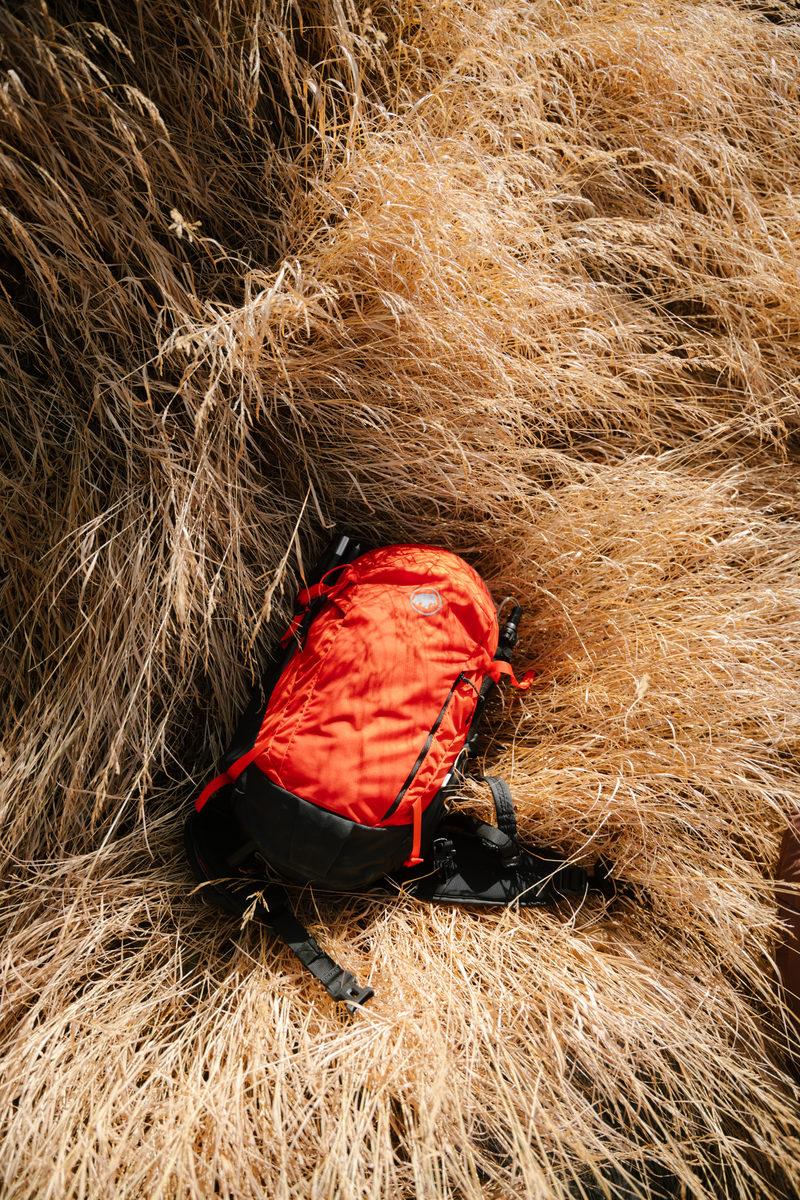
Choosing the right backpack size determines how comfortably and efficiently you’ll be able to move. A backpack that’s too small may force you to get creative, while one that’s too large may tempt you to take much more than you actually need. In this guide, we’ll tell you which pack capacity is best suited for your favorite activity and what to look for when buying a new one.
Why backpack size matters
A backpack that’s the wrong size will drain your energy and make your hikes unnecessarily stressful. If it’s too small, you’ll have to improvise: leaving gear at home or strapping it to the outside of the backpack. If it’s too big, you’ll unconsciously fill it with things you don’t need, adding unnecessary weight to your back.
Then there’s the fit: Even the right capacity is of little use if the backpack doesn’t sit properly on you. A well-fitting backpack distributes the weight comfortably across your upper body. It sits securely, doesn’t dig into your skin, and therefore doesn’t tire you out unnecessarily. Your back length—not your height—is the key measurement here.
The volume of a backpack is measured in liters. Exterior pockets and mesh compartments are often not fully included in this measurement. In practice, this means your backpack usually offers a little more space than the stated volume would suggest. In addition to your backpack’s volume, the compartment layout, access options, and compressibility also play a major role.
Backpack volume based on trip duration: an overview
Choosing the right backpack size also depends on how long you’ll be on the trail and what gear you’re carrying. As a rule of thumb: The longer the hike and the more gear the terrain requires, the more volume you’ll need, and the more important it is to have a sturdy carrying system that distributes the weight optimally. The following overview will help you find the right size for your next tour:
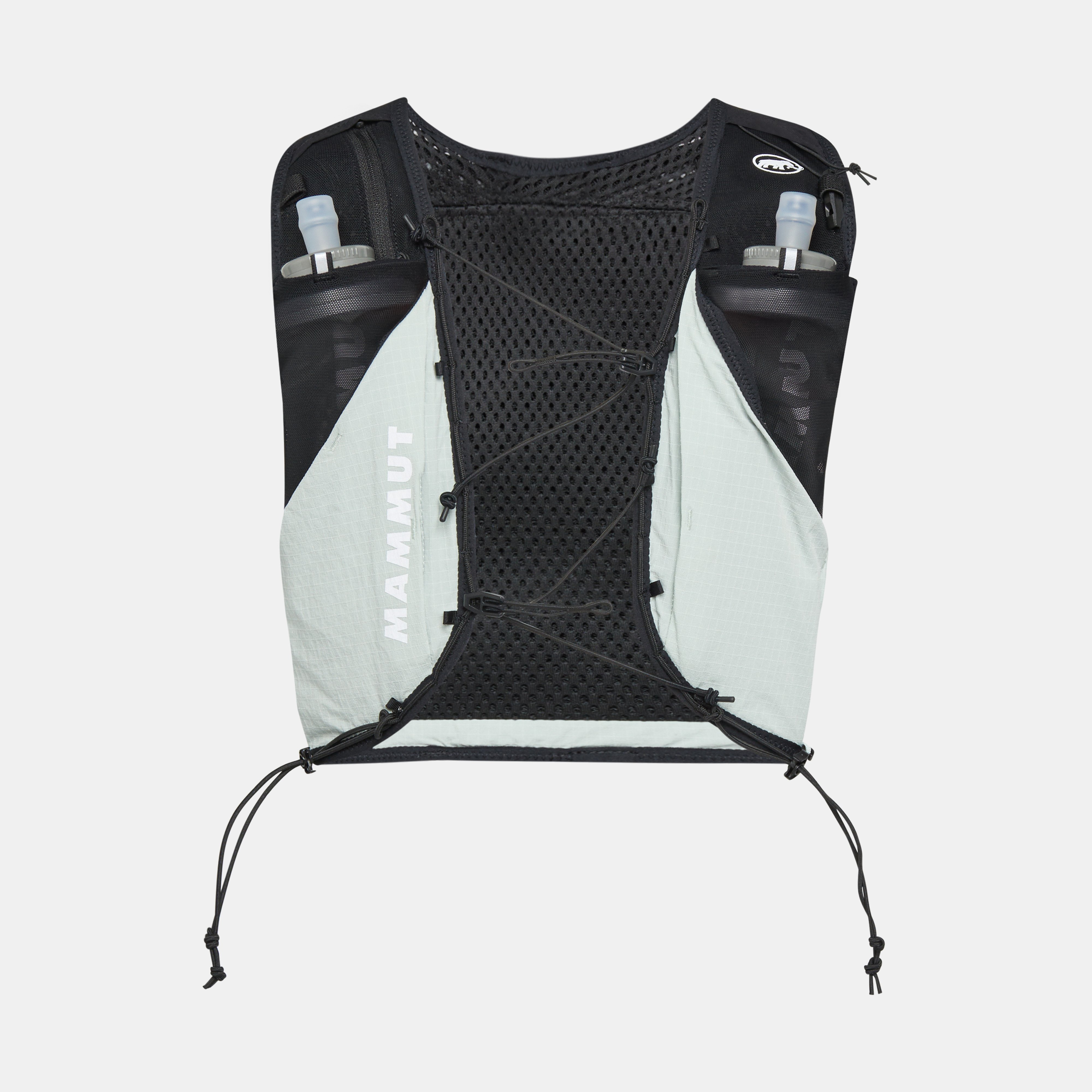
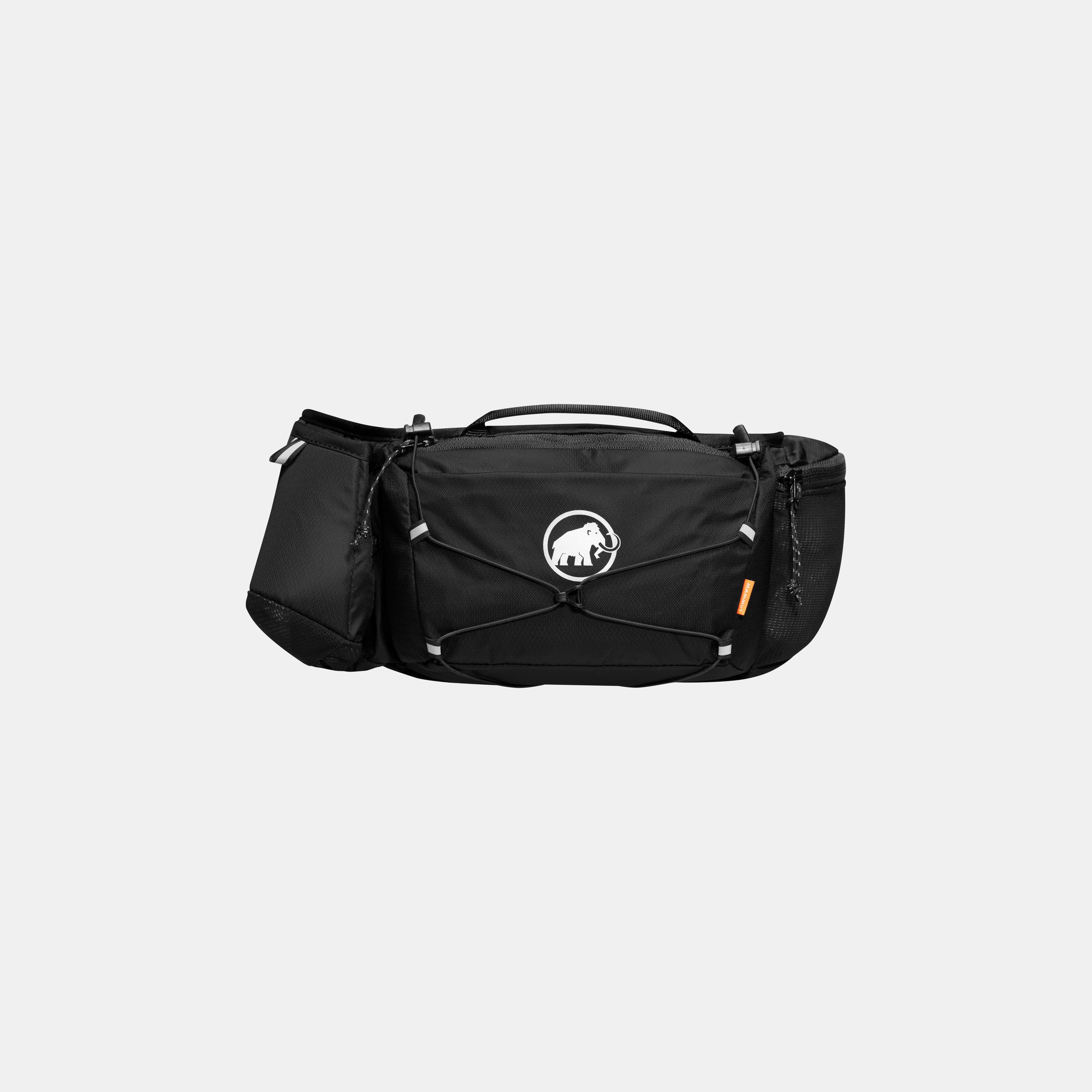
5–15 liters: trail running & fastpacking
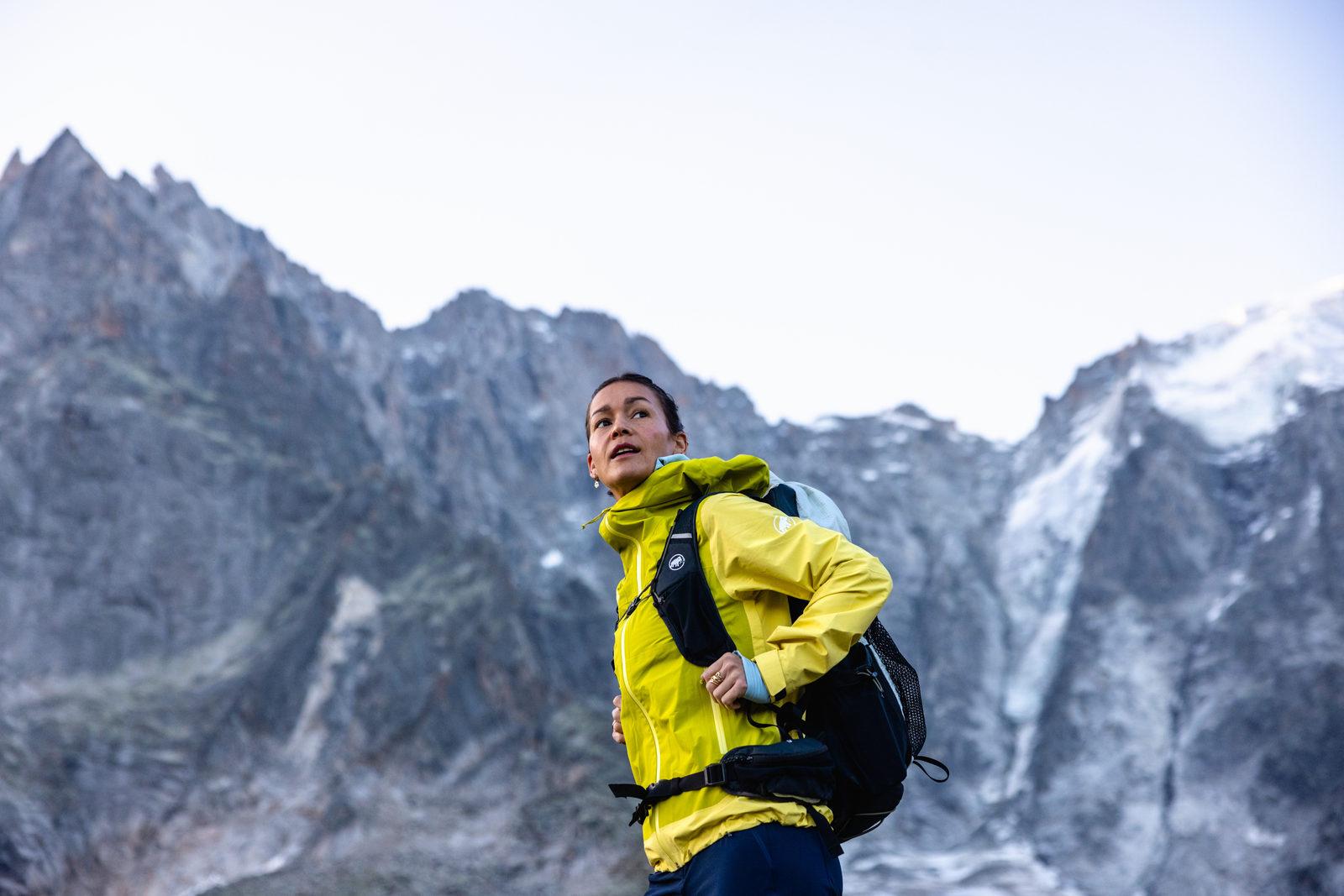
Minimalism is the name of the game. Soft flasks, energy bars, an ultralight jacket — that's basically all you need. What matters most is that your backpack or trail running vest fits snugly against your body, with optimal weight distribution so it doesn't bounce around while you run. The total weight usually stays under 5 kg. Find out exactly what to look for in our guide: Which trail running backpack is right for you?

10-20 liters: for short day hikes
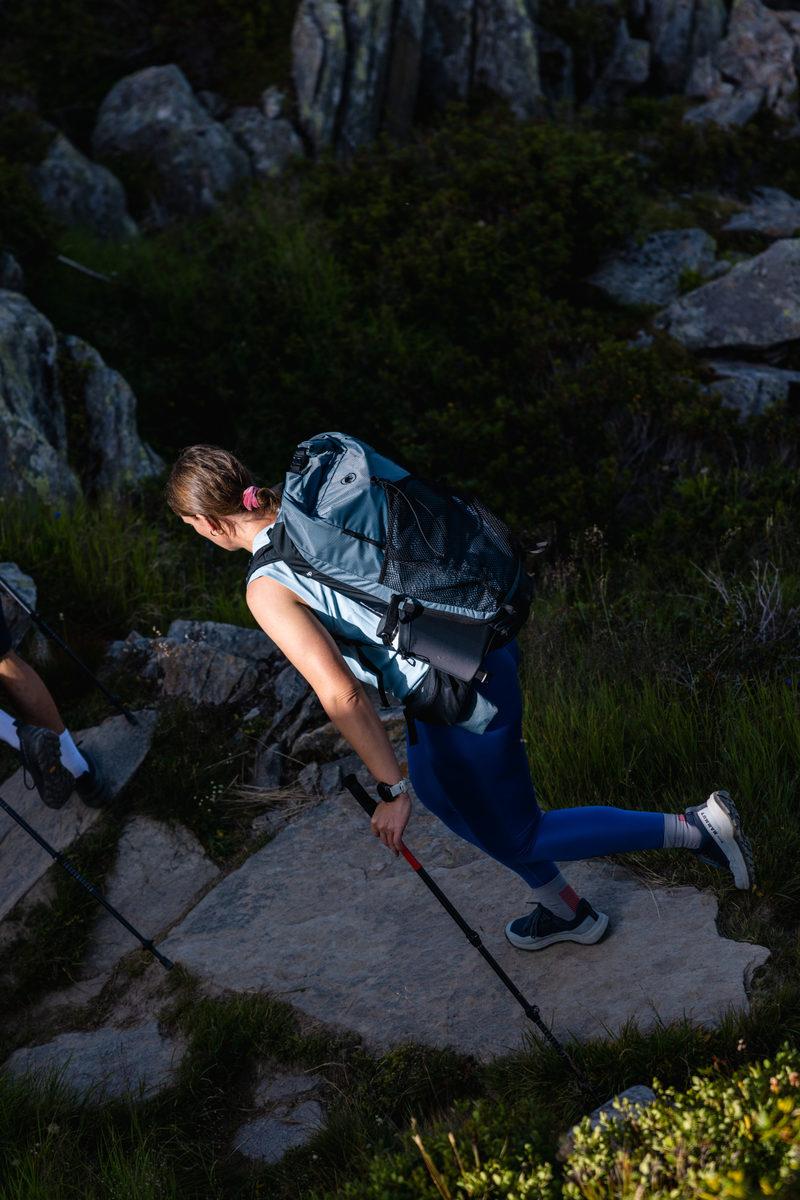
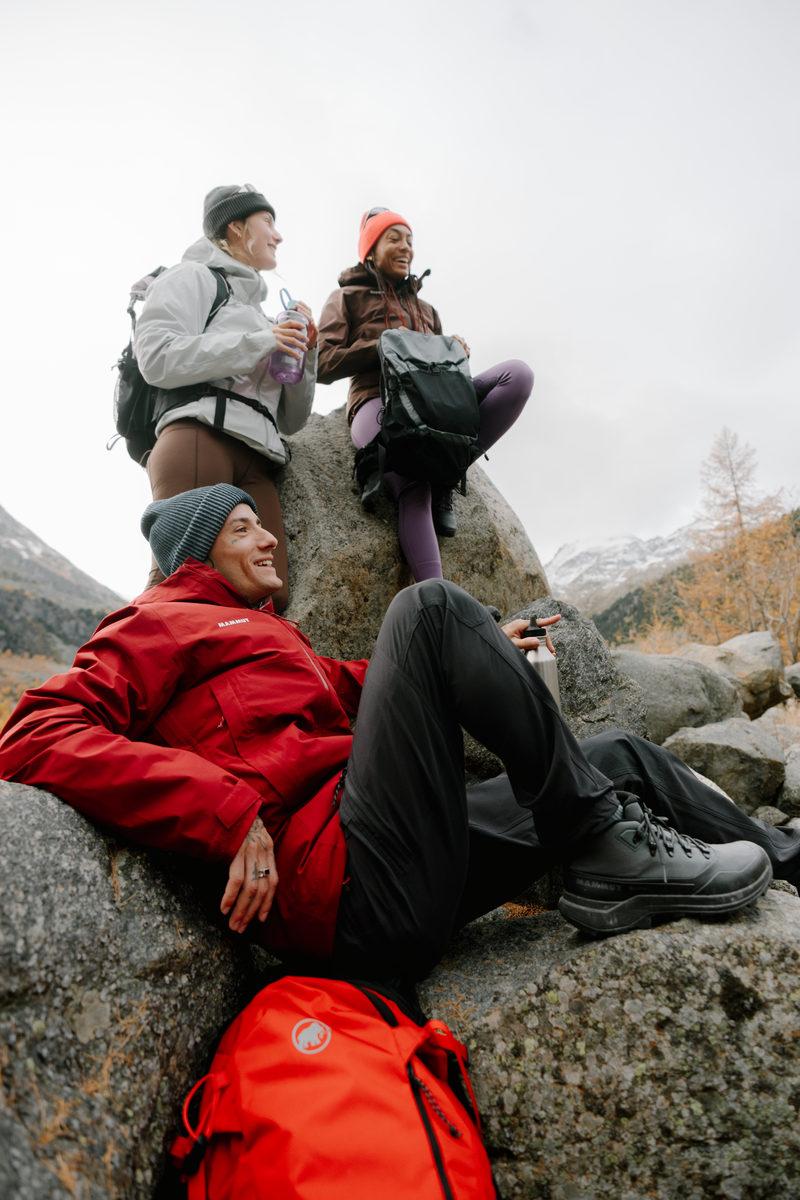
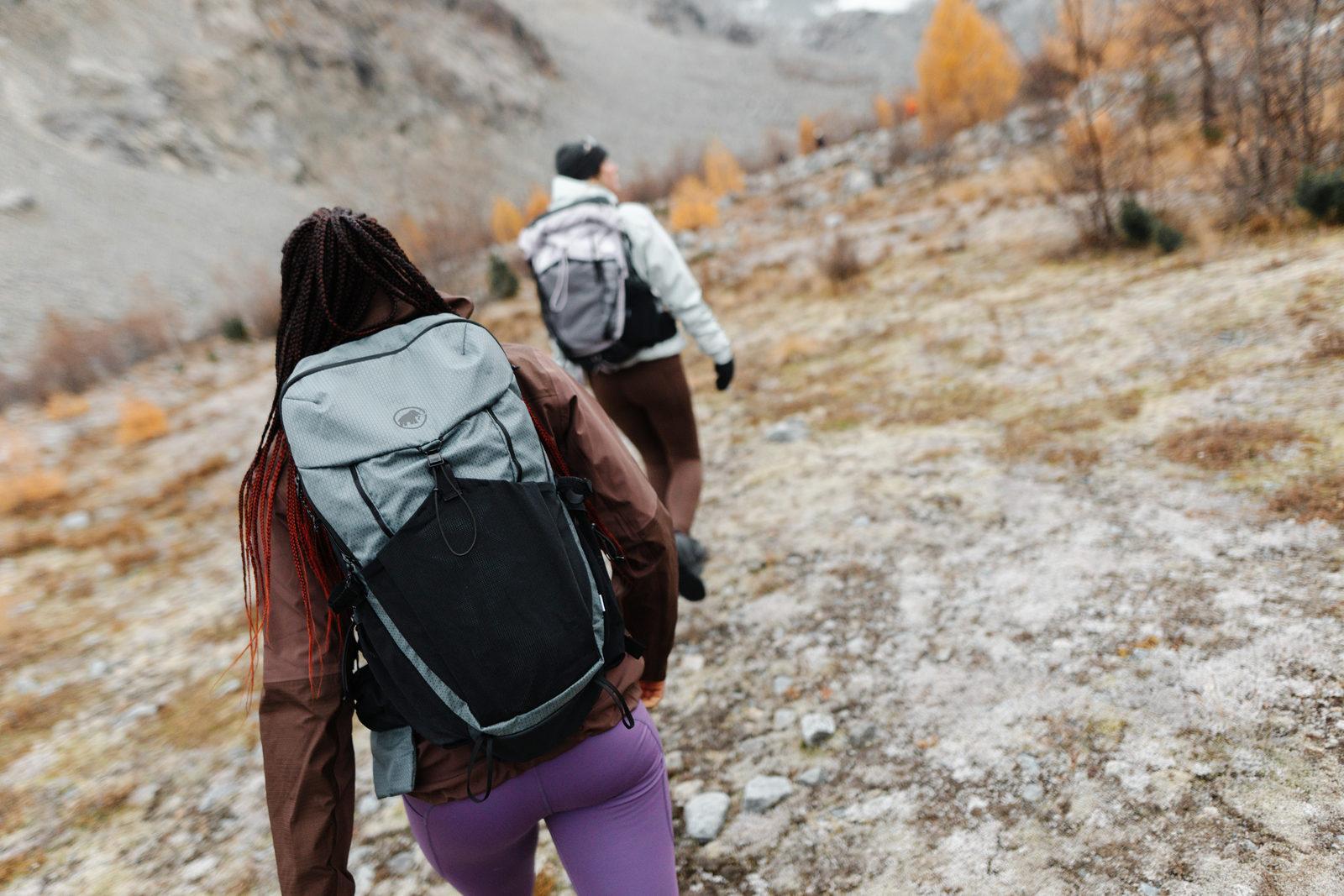
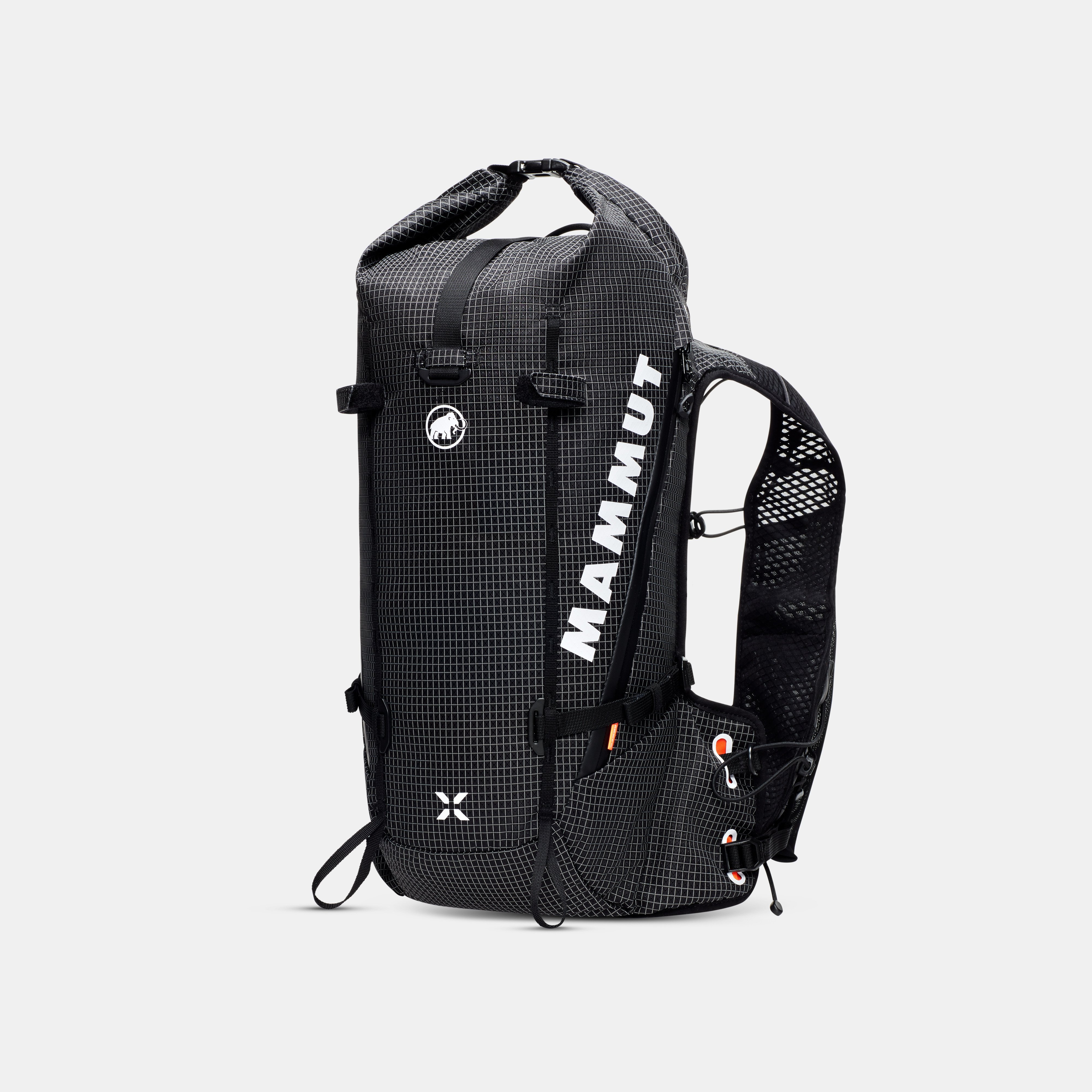
For short hikes and half-day trips, a compact backpack is more than enough. A 10-liter backpack is ideal for a water bottle, a small snack, and a light jacket. A 15- to 20-liter backpack offers enough space for food , a rain jacket , a first-aid kit , and sunscreen . On warm days, a model with a mesh back panel, such as the Mammut Ducan, can be a great option.
20-30 liters: extended day hikes
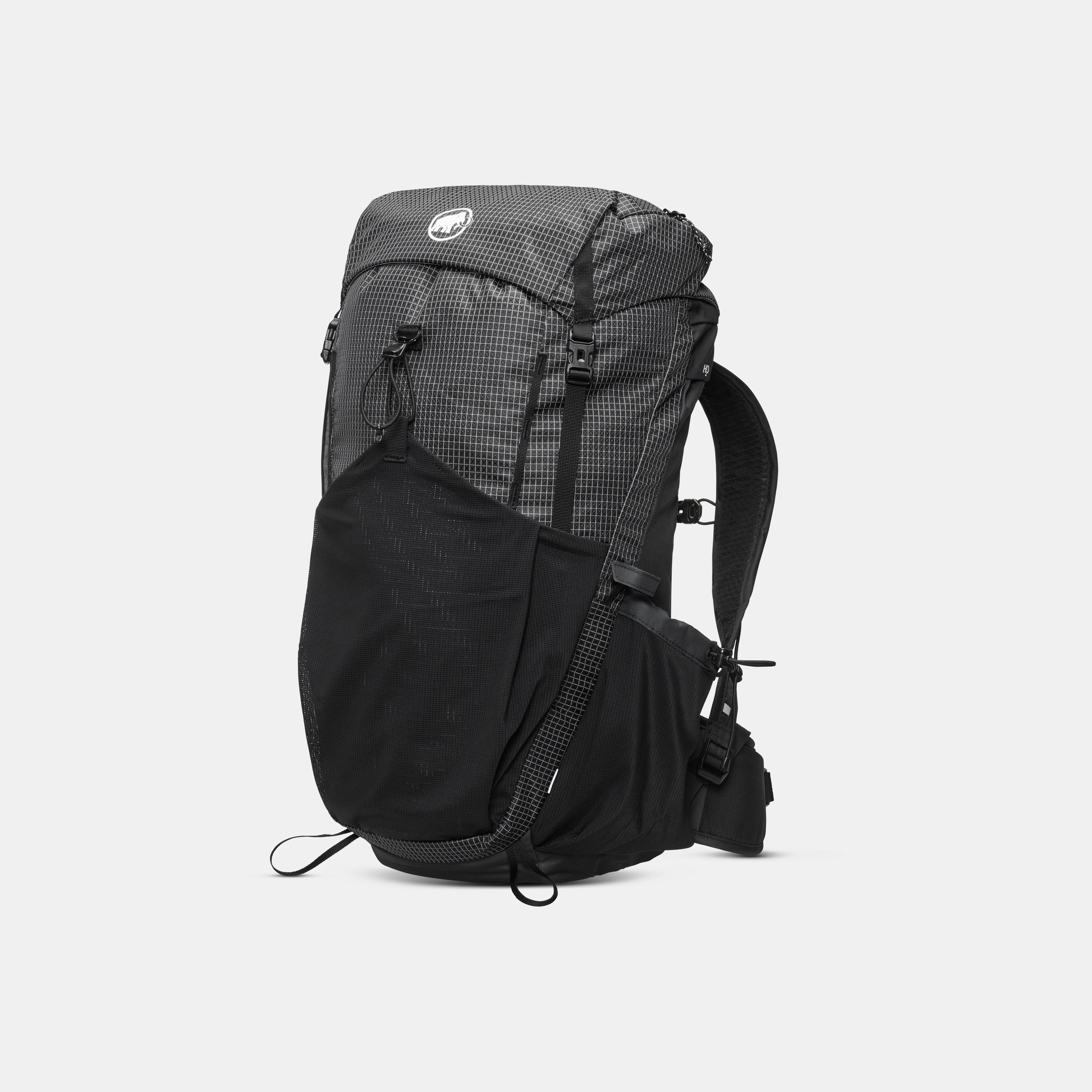
With a 20–30-liter pack, you’ll be perfectly equipped for longer day hikes. You’ll have plenty of room for food, a change of clothes , and the essentials without adding unnecessary weight. Typically, you’ll carry between 5 and 8 kg on these hikes. Once you reach the weight limit, it’s worth investing in a well-padded hip belt that takes the load off your shoulders and distributes it evenly across your body. If you’re looking for comfort, such as hydration system compatibility for a water bladder and an integrated rain cover, but also want a lightweight pack, the Mammut Lithium (15–30 L) is a great choice.
30-40 liters: for weekend trips and overnight stays at mountain huts
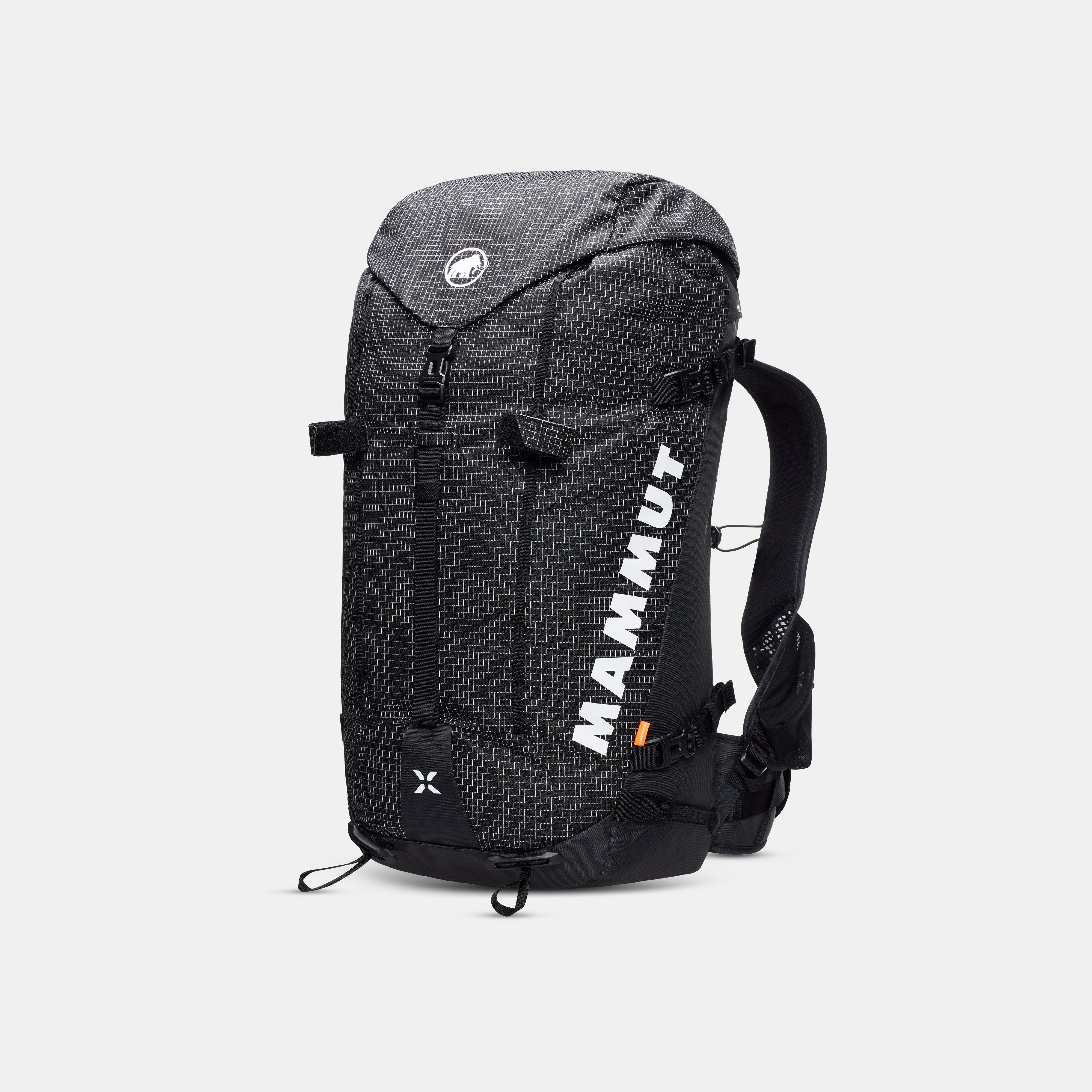
For challenging mountain tours and via ferrata routes, your backpack needs to fit snugly against your body and allow for freedom of movement. Depending on the hike, you’ll need space for a via ferrata set , helmet , gloves , and a change of clothes. With a volume of 30–40 liters, you’ll be carrying between 8 and 12 kg which makes a sturdy hip belt essential. The Mammut Trion 38 (also available in a version designed for women’s anatomy) is a tried-and-true alpine model with loops for an ice axe and helmet. If you’re heading into high-alpine terrain and also need crampons, check out our crampon guide to learn how to use them best.
Important for technical passages: The backpack should not extend above your head: if it’s too high, it restricts head movement, disrupts your balance, and can get in the way when reaching overhead.
40-60 liters: for multi-day trips with camping gear
Starting at 40 liters, the backpack becomes your companion for multi-day trips with a tent and camping gear. You’ll be carrying a sleeping bag , sleeping pad, stove, and food for several days: the weight increases accordingly and can quickly reach 10–15 kg. A sturdy carrying system with a hip belt is essential here as well. You can find a detailed packing list in our packing list for hut-to-hut hikes .
Tip: If you're planning to use this backpack specifically for ski touring , you'll find all the important information in our guide: How to Find the Perfect Ski Touring Backpack .
60+ liters: for expeditions and long trekking tours
Long self-supported hikes require maximum capacity and a sturdy carrying system since the weight can quickly reach 15–20 kg or more. Our guide on how to pack a backpack properly shows you how to adjust your backpack correctly and distribute the weight optimally.

What else to consider when choosing a backpack
Capacity isn't everything: In addition to the number of liters, the fit, the carrying system, and the right features determine whether a backpack is truly right for you and your planned trip. The following points will help you find the right backpack, even beyond just its capacity:
The right fit
As mentioned earlier, the key to finding the right fit is not your height, but your back length.
Measuring the back length: Measure the distance between your seventh cervical vertebra (the bone you can easily feel at the base of your neck) and the iliac crest. This measurement determines the correct back adjustment.
Tip: When it comes to women’s models, the shoulder straps and hip belt are made to complement the female anatomy: narrower straps, a closer suspension, and tapered hip fins. Nearly all Mammut series (Lithium, Ducan, Trion) are available in dedicated women’s versions with short back lengths. Those taller than 185 cm should opt for models with standard back lengths. A well-fitting backpack ensures that the carrying system sits correctly and that the weight is properly transferred to and distributed across the hips.
Weight of the empty backpack
Lightweight backpacks save energy, especially on long hikes. Once the total weight reaches about 8 kg, a hip belt becomes essential. If you want to travel light, it’s best to check the backpack’s dead weight when you buy it.
Features
Other important factors to consider include:
Carrying system: Good ventilation and stable load distribution are crucial, especially on long hikes.
Practical features: Depending on the intended use, details such as separate compartments, attachment options for hiking poles, or hydration system compatibility can be a great addition.
For alpine tours: If you’re all about mountaineering, you’ll find special mounts for skis, ice axes, or helmets useful.
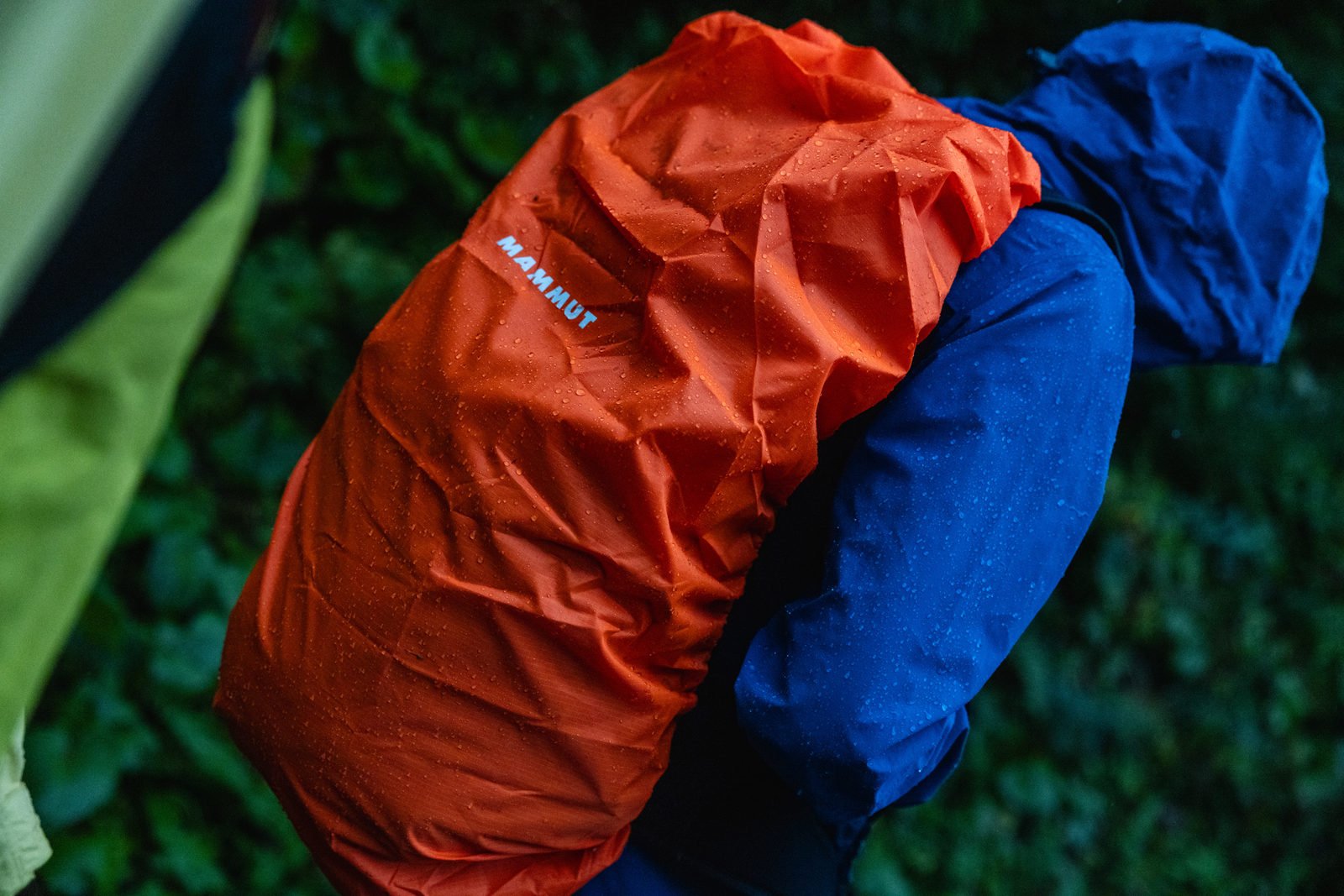
Material: Durable and weather-resistant materials are perfect for use in challenging conditions. Depending on your tour, a simple rain cover may suffice.
Travel better with the right backpack size
Choosing the right backpack size isn’t a matter of chance, but depends on what you’ve set out to do. If you know your hiking style, pack light consistently, and pay attention to the fit, the right backpack will give you a real edge on the mountain. You can find more inspiration and practical tips on mountaineering , hiking , and ski (touring) in our Mammut Stories & Guides . If you’re still putting together your hiking gear, choosing the right hiking boots is very important. Also, don’t underestimate the importance of the perfect hiking shirt . One last tip: Always carry a small hiking first-aid kit in your backpack. Find out in our dedicated article what exactly needs to go into a first-aid kit for hiking .
FAQ – frequently asked questions about backpack size
What backpack size for day hikes?
For day hikes 15–30 liters are ideal. You’ll have enough space for food, clothes, and the essentials without having to carry unnecessary weight.
Which backpack for alpine tours?
Backpacks with a volume of 30–45 liters are ideal for high-altitude hikes. They allow you to safely stow technical gear while still maintaining your mobility.
What backpack size do you need for a week-long hut tour?
For multi-day hut tours, 35–50 litres are usually enough — since you don't need to carry camping gear, you can keep your pack relatively light.
Backpacks for women: what's different?
Women's models differ in back length, shoulder strap shape, and hip belt design. The adjustment to the female anatomy makes a significant difference to carrying comfort.
How do I measure my back length?
Measure the distance between your seventh cervical vertebra (the prominent bone at the base of your neck) and the top of your hip bone. This measurement determines the right back length setting, regardless of your height.
Can I take a backpack as carry-on luggage?
That depends on the airline. As a general rule, backpacks up to around 30–40 litres are suitable as carry-on, as long as they meet the size restrictions of the airline you're flying with.